



Dibella increases the use of CmiA cotton by 9%
Dibella is increasing its demand for Cotton made in Africa (CmiA)–verified cotton by 9% compared to the previous year (825 tonnes), reaching a total of 900 tonnes in 2026. This underscores the company’s strategic objective to continuously support the cultivation of sustainable fibers.
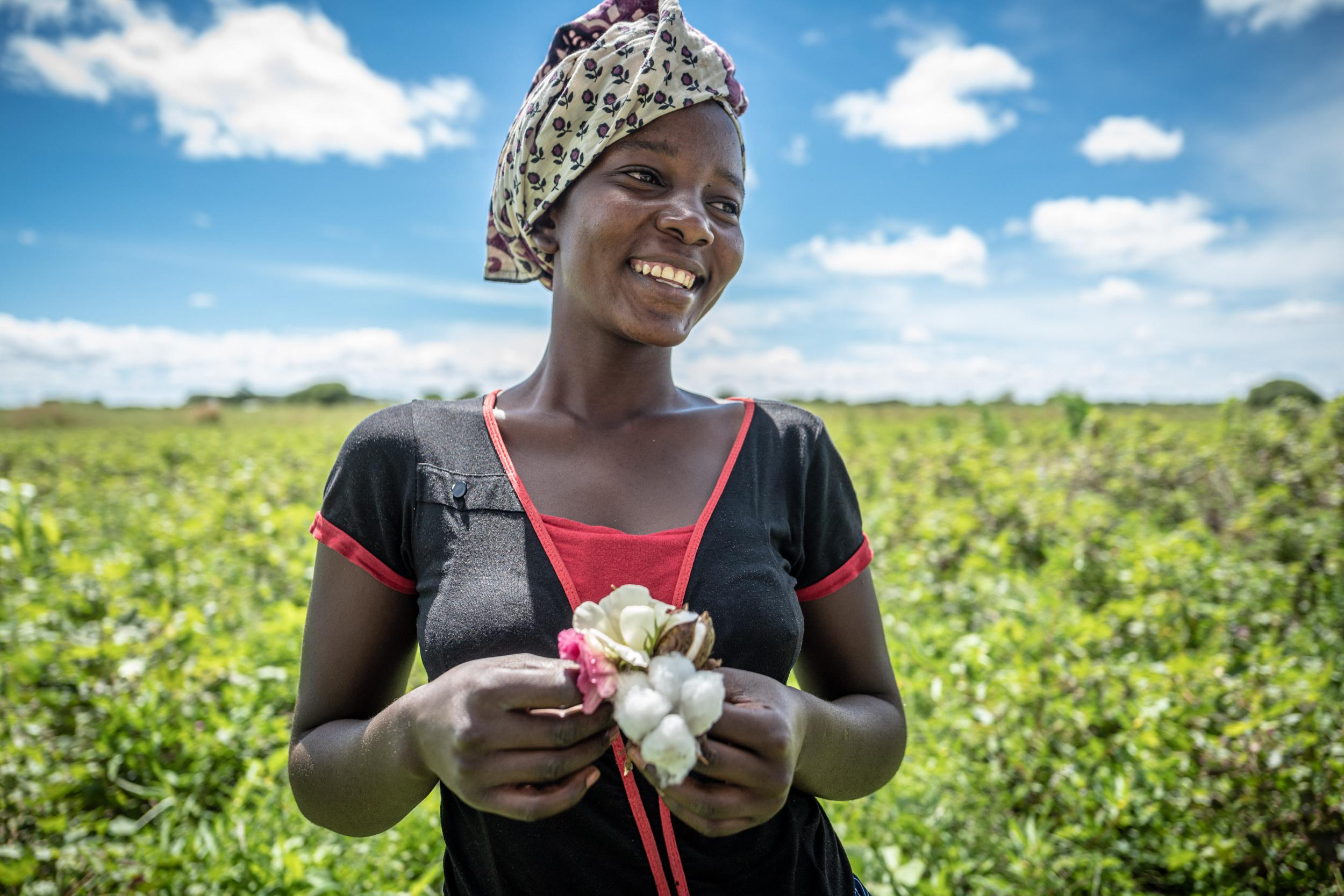
By supporting CmiA cotton, Dibella makes a measurable contribution to greater sustainability along the textile value chain. CmiA stands for more resource-efficient cotton cultivation: reliance on natural rainfall instead of irrigation, the exclusion of hazardous pesticides, and low greenhouse gas emissions. At the same time, the initiative strengthens the economic resilience of smallholder farms in Sub-Saharan Africa. A key impact of CmiA lies in its social effect: through training programs on efficient agriculture, occupational safety, and gender equality, incomes are stabilized and living conditions sustainably improved. In addition, education, health, and infrastructure projects in the growing regions are financed.
“Increasing our CmiA cotton volume is far more than just a number for us,” emphasizes Michaela Gnass, CSR Manager at Dibella. “It represents tangible improvements on the ground—for farming families, for environmental standards, and for more responsible textile production. The annual increase in the use of CmiA fibers in our supply chain is part of our sustainability strategy. As a provider of contract textiles, we see it as our duty to take responsibility and not merely to source materials.”
Dibella uses Cotton made in Africa cotton in accordance with a mass balance approach. This enables the company to efficiently integrate sustainable cotton into existing production processes while systematically increasing demand for CmiA cotton. This creates an important lever for anchoring more sustainable cultivation methods in the market over the long term. In addition to the mass balance system, Cotton made in Africa also offers full traceability from the origin of the cotton to the finished product.
Dibella b.v.