
From the Sector

Reset
Tiafoe Tiafoe IWKit ShowZero; lululemon
09.03.2026

lululemon: First-Ever Sweat-Concealing Technology For High-Sweat Activities

lululemon announced the launch of its first-ever sweat-concealing technology designed for high-sweat activities. The new technology, which will live under lululemon’s ShowZero™platform, conceals higher volumes of sweat, while ensuring enhanced breathability, moisture management, and an incredibly lightweight feel, to support the most demanding, high-sweat activities. 

The new ShowZero technology was developed in collaboration with lululemon Ambassador Frances Tiafoe and will be featured in his custom kit for the BNP Paribas Open. The kit features a Burgundy Bay colourway, with a vertical stripe design on the shorts. 

lululemon's Product Innovation team began developing the new ShowZero technology in 2024, using insights from extensive in-lab and on-court testing and feedback sessions with Tiafoe. By analyzing Tiafoe’s sweat rate, on-court movements, and competitive environments, lululemon identified an opportunity to solve for an unmet need by evolving its ShowZero technology platform and developing a sweat-concealing solution for high-sweat activities like tennis. 

lululemon announced the launch of its first-ever sweat-concealing technology designed for high-sweat activities. The new technology, which will live under lululemon’s ShowZero™platform, conceals higher volumes of sweat, while ensuring enhanced breathability, moisture management, and an incredibly lightweight feel, to support the most demanding, high-sweat activities. 

The new ShowZero technology was developed in collaboration with lululemon Ambassador Frances Tiafoe and will be featured in his custom kit for the BNP Paribas Open. The kit features a Burgundy Bay colourway, with a vertical stripe design on the shorts. 

lululemon's Product Innovation team began developing the new ShowZero technology in 2024, using insights from extensive in-lab and on-court testing and feedback sessions with Tiafoe. By analyzing Tiafoe’s sweat rate, on-court movements, and competitive environments, lululemon identified an opportunity to solve for an unmet need by evolving its ShowZero technology platform and developing a sweat-concealing solution for high-sweat activities like tennis. 

“Our Ambassadors play a critical role in how we innovate, which starts with understanding how we can best solve for their unique needs. Frances competes with relentless intensity at the highest level, which means he needs gear that helps him feel, look, and perform his best,” said Yuki Aihara, Senior Director, Product Innovation, lululemon. “We’ve combined advanced sweat-concealing technology with our feel-first design approach to develop a high-performance tennis kit to keep him feeling confident and focused through even the most intense matches.” 

The new ShowZero is a yarn technology that changes how light interacts with the fabric and eliminates the absorption of light when wet, making sweat virtually invisible. In addition to concealing sweat, the technology offers enhanced comfort with its lightweight feel, breathability, and advanced wicking to facilitate quick drying. 

lululemon plans to bring new ShowZero products to guests later this year. 
The launch of ShowZero for high-sweat activities expands on lululemon’s sweat-concealing offerings. In summer 2024, lululemon introduced ShowZero for golf, in collaboration with PGA golfer and lululemon Ambassador Min Woo Lee. 

In November, lululemon announced a multi-year partnership with the BNP Paribas Open, the largest combined ATP and WTA 1000 tennis tournament in the world, to become its official apparel and footwear outfitter. The collaboration will showcase lululemon’s athletic and lifestyle offerings at the BNP Paribas Open, including the company’s high performance, high style tennis gear that provide athletes with innovative on and off the court solutions. 

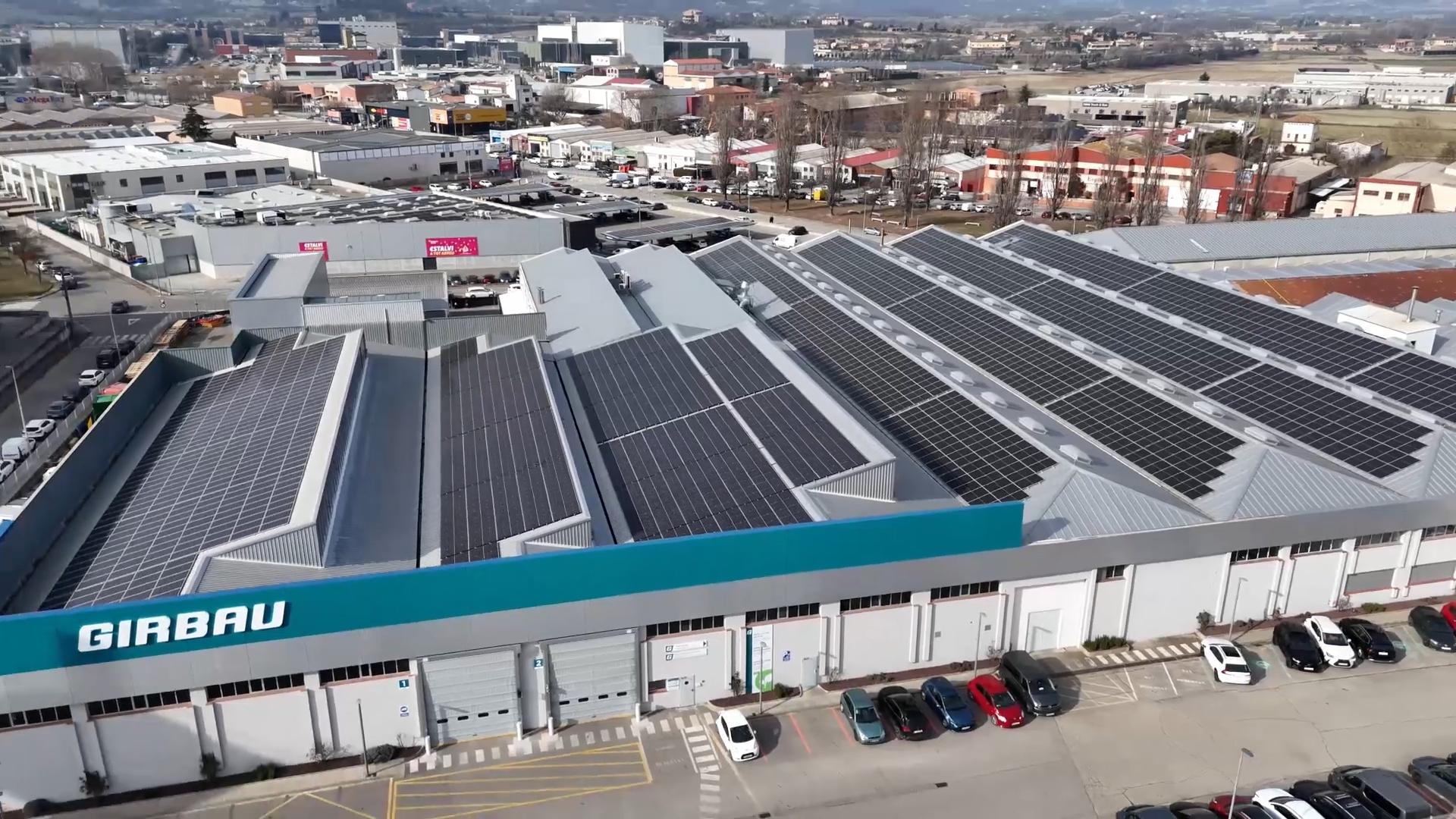
Industrial laundry for PortAventura World (c) Girbau
Industrial laundry for PortAventura World
09.03.2026

Girbau: Industrial laundry for PortAventura World

Girbau, a global leader in commercial and industrial laundry solutions, has developed a new industrial laundry for PortAventura World, one of Europe’s most visited theme resorts, with millions of visitors each year. The facility is a turnkey project delivered by Girbau, from design and consulting through to implementation, with the capacity to process up to 15 tonnes of laundry per day. It has been designed to deliver efficiency, reliability and sustainability, providing service not only to the resort but also to nearby hotels, tourist accommodations and businesses requiring a high-performance professional service. 

The project originated from PortAventura World’s need to establish a completely new industrial laundry capable of handling high daily production volumes without interruption. To achieve this, the company opted for a comprehensive approach that combined strategic consulting, customised design, high-capacity machinery and automation, with the goal of making solid decisions from day one and ensuring an efficient start-up.

Girbau, a global leader in commercial and industrial laundry solutions, has developed a new industrial laundry for PortAventura World, one of Europe’s most visited theme resorts, with millions of visitors each year. The facility is a turnkey project delivered by Girbau, from design and consulting through to implementation, with the capacity to process up to 15 tonnes of laundry per day. It has been designed to deliver efficiency, reliability and sustainability, providing service not only to the resort but also to nearby hotels, tourist accommodations and businesses requiring a high-performance professional service. 

The project originated from PortAventura World’s need to establish a completely new industrial laundry capable of handling high daily production volumes without interruption. To achieve this, the company opted for a comprehensive approach that combined strategic consulting, customised design, high-capacity machinery and automation, with the goal of making solid decisions from day one and ensuring an efficient start-up.

Girbau supported PortAventura World throughout the entire process through 360º consulting, which included a detailed analysis of production needs, the design of the laundry facility and a ramp-up process with training prior to opening and follow-up during the post-installation start-up. This approach made it possible to make decisions based on data and clear forecasts, ensuring that the solution matched the project’s requirements precisely.

The facility incorporates comprehensive high-capacity industrial laundry solutions. Specifically, it integrates the company’s entire ecosystem of solutions in a fully coordinated way, covering everything from washing processes to internal logistics. The installation includes a TBS50 washing tunnel, SPR50 extraction press, ST industrial dryers, high-capacity washers and commercial dryers, as well as overhead loading systems, two ironing lines, garment strapping solutions and advanced internal logistics systems. All of this is complemented by water and energy recovery technologies designed to optimise every stage of the process. In addition, the system integrates automation technologies to minimise manual intervention and configurations adapted to the available space and workflow, ensuring that the entire plant operates as a single efficient system.

The key to the project lies not in each individual piece of equipment, but in their integration as a single production system, perfectly adapted to the workflow, available space and the resort’s demanding operational requirements.
Thanks to this integrated solution, PortAventura World has optimised its production processes, reducing operational effort and improving operational control. This has resulted in more agile, efficient and reliable operations, as well as a significant reduction in operating costs.

Sustainability has been a key pillar of the project. As a B Corp certified company since 2022, PortAventura World integrates sustainability into all its decisions, including its industrial laundry operations. The implemented solution incorporates technologies aimed at reducing water, energy and chemical consumption, as well as resource recovery systems. As a result, the new plant has achieved a 35% reduction in water consumption and a 25% reduction in energy consumption, while maintaining service quality at all times.

More information:
Girbau PortAventura World laundry
Source:

Girbau 

Photo Sitip
09.03.2026

ROICA™: European Innovation and Japanese Craftsmanship at Performance Days

ROICA™ by Asahi Kasei will exhibit at Performance Days 2026 in Munich, presenting a curated selection of textile developments that highlight performance‑driven innovation and material expertise across regions. ROICA™ brings together leading European partners alongside two Japanese textile specialists, demonstrating how refined stretch performance enables diverse approaches to fabric design, construction, and application. From advanced warp‑knit–based structures and engineered developments to precision‑crafted materials, the ROICA™ booth offers a comprehensive view of how elastic functionality supports contemporary sportswear, active, and lifestyle textiles. 
 
Brugnoli 

ROICA™ by Asahi Kasei will exhibit at Performance Days 2026 in Munich, presenting a curated selection of textile developments that highlight performance‑driven innovation and material expertise across regions. ROICA™ brings together leading European partners alongside two Japanese textile specialists, demonstrating how refined stretch performance enables diverse approaches to fabric design, construction, and application. From advanced warp‑knit–based structures and engineered developments to precision‑crafted materials, the ROICA™ booth offers a comprehensive view of how elastic functionality supports contemporary sportswear, active, and lifestyle textiles. 
 
Brugnoli 
Brugnoli presents advanced fabric developments that redefine comfort and performance across ready-to-wear and sportswear applications. Highlighted is Explosive Cotton Plus, developed with Brugnoli’s proprietary Explosive Technology, bringing elasticity, muscle support, and comfort—traditionally associated with technical textiles—into premium cotton fabrics. Alongside this, Explosive Micromodal combines the same technology with TENCEL™ Modal to deliver a natural soft touch and effective moisture management. Selected articles incorporate ROICA™, including ROICA™ V550, to support reliable stretch performance and defined end-of-life considerations. Entirely Made in Italy, Brugnoli’s fabrics reflect a materialdriven approach to quality, innovation, and responsible textile development. 
 
Cifra 
Cifra, recognized as the “warp knit centre of excellence,” showcases its engineered knitting technology, developed to enhance design freedom and performance while improving material efficiency and waste reduction. Presented in collaboration with Wolford, the athleisure pieces integrate ECONYL® and ROICA™ V550, delivering comfort, stretch, and a refined aesthetic suited for both sports and everyday wear. Through its engineered technology, Cifra demonstrates how advanced warp knitting and ROICA™ work together to support functional, well-balanced garment design.  
 
Inter Jersey Milano 
Inter Jersey Milano presents Active, a collection of stretch fabrics developed for high-performance sportswear applications. The fabrics incorporate ROICA™ SP, a chlorine-resistant stretch fiber, to provide stable support, elastic recovery, and excellent comfort under relatively demanding conditions, including intensive training and swimming. Each construction is engineered for specific performance requirements, demonstrating how elastic functionality is integrated into fabric design to enhance garment quality. All fabrics in the Active selection are finished with Revecol® MS treatments, supporting moisture management through lower-impact processing methods. 
 
Penn Solutions 
Penn Solutions showcases advanced textile developments across sportswear, cycling, and intimate applications, built on tricot and lace constructions. By incorporating ROICA™ V550, the fabrics deliver elastic recovery, shaping performance, and comfort, while allowing extensive customization like 3D effects, engineered mesh zones, and non-slip surfaces. From lace-effect bi-stretch fabrics to compression-oriented structures and gripper bib straps, the collection highlights Penn Solutions’ ability to translate elastic functionality into refined, application-specific fabric design. Visit website. 
 
Sitip 
A performance-oriented textile specialist, Sitip showcases the collection developed with ROICA™ premium stretch fiber for sportswear and active applications. Lightweight warp knits and brushed thermal fabrics are engineered to balance stretch, support, and long-term comfort, enhanced by the reliable elastic behavior of ROICA™ V550 and ROICA™ EF. Proven in competitive environments and produced entirely in Italy, the collection highlights Sitip’s ability to translate technical expertise into dependable textile solutions. 
 
Tiba Tricot 
Tiba Tricot, a textile manufacturer with over sixty years of expertise, presents a selection of circular and warp‑knitted fabrics developed for sportswear, active, and technical applications. Based in Castellanza, Italy, the company specializes in circular knitting, three‑dimensional warp‑knit structures, and precise material engineering rooted in long‑standing Italian manufacturing know‑how. The showcased fabrics incorporate ROICA™ premium stretch fiber to support stretch performance, stability, and comfort across circular‑knit and 3D warp‑knit constructions. Balancing elasticity with controlled structure and surface expression, the collection highlights Tiba Tricot’s ability to combine refined knitting techniques with functional performance, expanding design possibilities for performance‑driven textiles. 

In addition to its European partners, ROICA™ highlights Japanese craftsmanship by introducing two textile specialists for this edition. Selected for their distinctive manufacturing philosophies and advanced material development, these partners represent a refined approach to textile innovation shaped by deep technical heritage. Their fabrics are presented exclusively at the ROICA™ booth, offering a rare opportunity to encounter Japanese-made textiles within a European exhibition context. 
 
Imai Kigyojo 
Imai Kigyojo, a warp‑knitting specialist with over seventy years of experience, presents advanced fabric developments rooted in precise engineering and material exploration. Based in Nanto City, Japan, the company is recognized for mastering complex warp‑knit structures and exploring challenging fibers through sophisticated multi‑bar knitting techniques. The showcased fabrics feature lightweight open constructions, refined surface textures, and bonded structures designed for breathability, moisture control, and comfort. All showcased developments incorporate ROICA™ premium stretch fiber to support stretch performance and adaptive fit, enabling expressions ranging from airy, linen‑like appearances to dimensional surface effects. Imai’s textiles reflect a quiet yet distinctive approach to innovation shaped by Japanese craftsmanship, and are presented only at the ROICA™ booth at Performance Days for this edition. 
 
Kawada Knitting Group 
Kawada Knitting Group, a tricot specialist with more than a century of manufacturing heritage, presents advanced tricot fabrics that redefine lightness, comfort, and versatility. Based in Johana, Nanto City—one of Japan’s leading tricot regions—the company is known for developing lightweight, breathable, and supple fabrics that support applications ranging from sports and swimwear to innerwear and uniforms. 

The showcased fabrics incorporate ROICA™ premium stretch fiber to deliver reliable stretch, recovery, and shape stability, combined with functional features such as quick‑dry performance, UV protection, and a smooth, refined surface. Also presented are the tricot materials used in the KAIHŌ Suit, a performance‑driven concept that translates sportswear‑level comfort and mobility into a clean, tailored appearance. These developments reflect Kawada Knitting Group’s ongoing pursuit of tricot as a material that bridges performance, comfort, and expressive design. The fabrics are presented only at the ROICA™ booth at Performance Days for this edition. 
 
Across Europe and Japan, the partners presented at the ROICA™ booth illustrate how stretch performance can be interpreted through different cultural, technical, and creative lenses. By supporting precision, comfort, durability, and expressive design, ROICA™ continues to act as a material enabler for its partners, combining regionally rooted craftsmanship with forward-looking textile innovation.

Source:

ROICA™

The Politics of Lace Credit:Ryan Young/Cornell University
The Politics of Lace
06.03.2026

‘Fashioning Justice’: The Politics of Lace

Ruth Bader Ginsburg ’54 – a.k.a. RBG – was an influencer before it was even a profession, advocating for women’s equality. Her personal style, and the substance behind it, will be on display in the Human Ecology Building in an exhibit, “Fashioning Justice: Ruth Bader Ginsburg ’54 and the Power of Presence.”

One theme of the exhibit will be “The Politics of Lace,” and its ascension from accessory to a feature often worn by Ginsburg.

The exhibit – a collaboration between the Cornell Jeb E. Brooks School of Public Policy and the College of Human Ecology – will run March 16 to May 1, from 8 a.m. to 5 p.m. daily, in the Rachel Hope Doran ’19 and Terrace Level Display Cases in the Human Ecology Building. A celebration event on April 14 will feature remarks by Ginsburg’s granddaughter, Clara Spera, an attorney at Hecker Fink LLP who has worked on her grandmother’s defining issue, reproductive rights, with the National Women’s Law Center.

Ruth Bader Ginsburg ’54 – a.k.a. RBG – was an influencer before it was even a profession, advocating for women’s equality. Her personal style, and the substance behind it, will be on display in the Human Ecology Building in an exhibit, “Fashioning Justice: Ruth Bader Ginsburg ’54 and the Power of Presence.”

One theme of the exhibit will be “The Politics of Lace,” and its ascension from accessory to a feature often worn by Ginsburg.

The exhibit – a collaboration between the Cornell Jeb E. Brooks School of Public Policy and the College of Human Ecology – will run March 16 to May 1, from 8 a.m. to 5 p.m. daily, in the Rachel Hope Doran ’19 and Terrace Level Display Cases in the Human Ecology Building. A celebration event on April 14 will feature remarks by Ginsburg’s granddaughter, Clara Spera, an attorney at Hecker Fink LLP who has worked on her grandmother’s defining issue, reproductive rights, with the National Women’s Law Center.

The exhibit will feature accessories, on loan from family members, from Ginsburg’s personal wardrobe, including her signature lacy judicial collars (among them her distinctive “Dissent” collars) along with gloves, COVID masks, handbags, jewelry and scarves. Cornellian yearbooks and a Class of 1954 Freshman Desk Book, from Cornell University Library, will also be displayed.

Pieces from the Cornell Fashion + Textile Collection (CF+TC) expand the narrative, with examples of fashion and justice influenced by Ginsburg’s legal legacy.

“This is a really exciting opportunity to talk about the intersections of fashion, law, freedom of expression, and clothing as symbolic speech” said exhibit curator Denise Green, Lau Family Associate Professor and director of graduate studies in the Department of Human Centered Design, in the College of Human Ecology (CHE).

Denise Green shows students around the Cornell Fashion + Textile Collection and highlights artifacts on loan from the family of Ruth Bader Ginsburg ’54. “Women have used fashion, historically and in the present day, as both voice and strategy to seek justice, navigate inequalities, and challenge some of the assumptions about how authority is defined and regulated through appearance,” said Green, director of the CF+TC.

Ginsburg, a College of Arts and Sciences alumna who died at age 87 in 2020, popularized lacy judicial collars alongside Justice Sandra Day O’Connor, the first female Supreme Court justice. Over time, Ginsburg’s collars developed more precise meanings and could signal whether she had written a majority opinion or, more famously, when she was dissenting.

“The judicial robe is itself a symbolic garment intended to convey authority, impartiality and uniformity,” Green said. “But because the judicial robe was designed for a man’s body, it left space at the neckline for a collar and tie, allowing for individual expression to peek through.”

The court’s only two female justices seized the opportunity.
“There was something both witty and bold in the way that they exaggerated this already-obvious difference with lace and other materials associated with femininity,” Green said.

One theme of the exhibit will be “The Politics of Lace,” and its ascension from accessory to a feature, Green said, with “symbolic meaning. It has often been dismissed as a delicate, decorative, frilly add-on, but lace represents labor, skill accumulated over generations, and economies made possible by women’s work.”
Other themes include “Carrying Rights: Handbags, Pockets, and Professional Dress”; “Campus Constraints: Fashion and Life at Cornell, 1950-1954”; “Clothing as Care: Connecting Family, Community, and Nation”; and “Signaling Dissent.”

Students in this semester’s Learning Where You Live (LWYL) course, “Fashioning Justice: RBG and the Arts,” taught in Ginsburg Hall, are each researching and writing a label for an artifact being displayed at the exhibition. The students will also create an original artwork relating to the intersection of fashion and justice and RBG’s legacy, which will be displayed in the nearby Jill Stuart Gallery as a companion show.

“Beyond learning about her landmark cases, the course also explores how fashion and law are more connected than most people realize,” said Samantha Alberts, M.A. ’24, a doctoral student in fiber science and apparel design. “Ruth Bader Ginsburg showed up every day to a room full of men who did not always agree with her, and she made her presence known through what she wore. Her collars, her gloves, her purses were never just accessories. They were statements.”

“The students all do recognize RBG, not only for her judicial work but also as an icon of social justice and civil rights,” said Kristen Underhill, professor at Cornell Law School and faculty-in-residence at Ginsburg Hall. Underhill and Green are co-teaching the LWYL course.

In addition to remarks from Spera, the April 14 event will feature a screening of the 15-minute short film, “Making the Case: A Supreme Court Justice and Her Bags,” with filmmaker Jennifer Callahan. The event will take place from 5-7 p.m. in Room G155 of Martha Van Rensselaer Hall; those wishing to attend can RSVP here.
Both the exhibit and the event were made possible by a gift to the Brooks School from Jeff ’79 and Christie Weiss P’11 and ’14.

UNIFI®: A Linen-Inspired, Easy-Care Performance Yarn Image: UNIFI
UNIFI®: A Linen-Inspired, Easy-Care Performance Yarn
06.03.2026

UNIFI introduces Luxel™: A linen-inspired, easy-care performance yarn

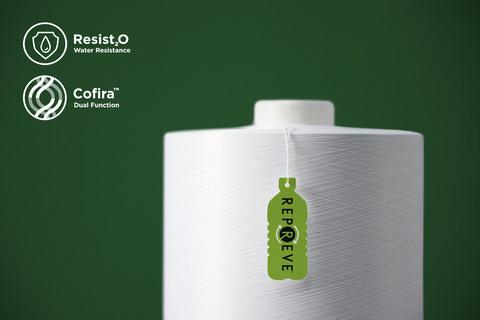
UNIFI, Inc. launches Luxel™, a yarn technology that combines the luxurious look and feel of linen with high-performance, easy-care, and textile-to-textile recycled materials. 

Luxel captures the natural look and feel of linen while offering advanced performance features such as moisture-wicking, wrinkle resistance, and odor control. This innovative technology is built directly into the yarn, providing exceptional versatility across a wide range of fabric constructions ranging from apparel and footwear to home furnishings, work wear, and accessories, empowering material developers to innovate across multiple categories with ease. 

Luxel is available globally and made with REPREVE recycled polyester yarn, including 30% REPREVE Takeback™, reinforcing UNIFI®’s commitment to sustainability and circularity in the textile industry. By incorporating recycled content, including textile waste, Luxel helps brands reduce environmental impact while delivering high-performance, stylish fabrics. 

Key Benefits of Luxel: 

UNIFI, Inc. launches Luxel™, a yarn technology that combines the luxurious look and feel of linen with high-performance, easy-care, and textile-to-textile recycled materials. 

Luxel captures the natural look and feel of linen while offering advanced performance features such as moisture-wicking, wrinkle resistance, and odor control. This innovative technology is built directly into the yarn, providing exceptional versatility across a wide range of fabric constructions ranging from apparel and footwear to home furnishings, work wear, and accessories, empowering material developers to innovate across multiple categories with ease. 

Luxel is available globally and made with REPREVE recycled polyester yarn, including 30% REPREVE Takeback™, reinforcing UNIFI®’s commitment to sustainability and circularity in the textile industry. By incorporating recycled content, including textile waste, Luxel helps brands reduce environmental impact while delivering high-performance, stylish fabrics. 

Key Benefits of Luxel: 

  • Luxurious feel and breathability: Delivers a natural, linen-inspired texture with a smooth finish. 
  • Enhanced function and performance: Provides moisture management and built-in odor control for effortless maintenance. 
  • Wrinkle resistance: Maintains a polished, fresh appearance with minimal effort. 
  • Sustainable and traceable: Made with REPREVE recycled polyester including 30% REPREVE Takeback circular polyester embedded with our proprietary FiberPrint® tracer technology and verified by U-TRUST® to certify recycled content. 
Textile to textile recycling leader Circulose joins Spinnova’s ecosystem Image Circulose Spinnova
06.03.2026

Technology scale up: Textile to textile recycling leader Circulose joins Spinnova’s ecosystem

Textile to textile recycling leader Circulose joins Spinnova’s ecosystem to help advance the scale up of Spinnova’s technology. Spinnova has actively sought partners to accelerate commercial scale up, and Circulose, as a key player in textile recycling, strengthens the ecosystem by providing a raw material that is in high demand across the industry.

As a pioneer in circularity within the fashion industry, Circulose recycles cellulosic rich textile waste using a patented process to convert discarded textiles into dissolving pulp. Produced entirely from pre  and post consumer textile waste, this pulp can be used to manufacture regenerated fibres such as viscose, lyocell, and viscose filament.

Textile to textile recycling leader Circulose joins Spinnova’s ecosystem to help advance the scale up of Spinnova’s technology. Spinnova has actively sought partners to accelerate commercial scale up, and Circulose, as a key player in textile recycling, strengthens the ecosystem by providing a raw material that is in high demand across the industry.

As a pioneer in circularity within the fashion industry, Circulose recycles cellulosic rich textile waste using a patented process to convert discarded textiles into dissolving pulp. Produced entirely from pre  and post consumer textile waste, this pulp can be used to manufacture regenerated fibres such as viscose, lyocell, and viscose filament.

Through this collaboration, it is intended to integrate CIRCULOSE® pulp into Spinnova’s ecosystem as a feedstock for producing new textile fibres. Unlike the chemical regeneration processes used for traditional man made cellulosic fibres, Spinnova’s mechanical technology enables the partners to turn CIRCULOSE® into a new biobased textile fibre without harmful chemicals or dissolving in the fibre spinning process. In addition, CIRCULOSE® pulp can be integrated into Spinnova’s process at 100%, eliminating the need for blending with virgin pulp and enabling higher recycled content in the final fibre.

Spinnova has successfully trialled spinning CIRCULOSE® pulp into textile fibre already in 2023, and together the partners have explored its performance in yarn spinning and fabric weaving. With the now announced collaboration, Spinnova and Circulose will further integrate the pulp into Spinnova’s process, expanding the offering available to other partners within the ecosystem.

“We are excited to renew our partnership with Spinnova. We strongly believe that innovation will enable man-made cellulosic fibers to play a bigger role in textiles than it does today. Spinnova is a great example of this - it is not only a sustainably produced fiber but also offers attractive performance properties. We’re excited to support their scale-up by enabling SPINNOVA® fiber production to be not only natural and bio-based, but also circular", comments Jonatan Janmark, the CEO at Circulose.

“We are happy to welcome Circulose into Spinnova’s ecosystem. Together, their textile waste based pulp and our patented process enable a unique circular solution and bring innovative fibre production closer to commercial scale. With our technology, CIRCULOSE® pulp can be turned into cotton like textile fibres instead of viscose. As demand for high quality textile waste based materials grows, this partnership allows Spinnova to secure valuable circular raw materials while supporting Circulose in expanding the use of its pulp into new, lower impact fibres”, says Spinnova’s CEO, Janne Poranen.

BB Engineering Texturizing Line Photo BB Engineering GmbH
BB Engineering Texturizing Line
05.03.2026

Development of bio-based polyethylene fibers for textile applications

In the German research project bioPEtex, BB Engineering (BBE) is working with other partners to develop textiles made from 100% bio-based polyethylene (PE). The aim is to make use of this polymer, which has hardly been used in the chemical fiber industry to date. BBE is contributing its spinning and texturizing expertise and developing the texturing process on an industrial scale. The first promising results are already available – opening up new opportunities for sustainable and economically attractive applications in the textile industry.

For years, the global chemical fiber market has been dominated by PET, a technically mature, versatile, and cost-effective polymer for textile applications. However, despite its advantages in terms of processability, strength, and economic availability, PET has come under criticism: its dependence on fossil raw materials, high CO2 emissions along the value chain, and challenges in recycling PET products are drawing the attention of researchers and industry to alternative materials that are both economical and sustainable.

In the German research project bioPEtex, BB Engineering (BBE) is working with other partners to develop textiles made from 100% bio-based polyethylene (PE). The aim is to make use of this polymer, which has hardly been used in the chemical fiber industry to date. BBE is contributing its spinning and texturizing expertise and developing the texturing process on an industrial scale. The first promising results are already available – opening up new opportunities for sustainable and economically attractive applications in the textile industry.

For years, the global chemical fiber market has been dominated by PET, a technically mature, versatile, and cost-effective polymer for textile applications. However, despite its advantages in terms of processability, strength, and economic availability, PET has come under criticism: its dependence on fossil raw materials, high CO2 emissions along the value chain, and challenges in recycling PET products are drawing the attention of researchers and industry to alternative materials that are both economical and sustainable.

Biopolymers are an important keyword in this context. However, PET cannot be produced on an industrial scale in a 100% bio-based manner. Clothing made from 100% other biopolymers only exists in studies, as it is too expensive for the mass market. In this context, the German research project bioPEtex is investigating a polymer that, due to its properties, has previously been considered unsuitable for chemical fiber production: polyethylene (PE). This is because bio-based PE is inexpensive to procure and environmentally friendly. However, it has not yet been developed for use in the textile industry.

BB Engineering (BBE) is one of the industrial partners working with RWTH Aachen University to implement the project funded by the German Federal Ministry of Research, Technology, and Space. The aim of the project is to develop textiles made from 100% bio-based polyethylene that are both environmentally friendly and economically viable. BBE is a supplier of spinning, texturizing, and recycling equipment as well as extrusion and filtration technology, and supplies customers all over the world. BBE therefore has extensive expertise in the manufacture of synthetic fibers and their return to the recycling cycle. The company is contributing this long-standing expertise to the bioPEtex project. On the one hand, BBE is providing consulting support for the development of the spinning process. On the other hand, BBE is responsible for the crucial process step of texturizing, which has a significant influence on the subsequent textile performance of the developed fibers. 

“With our participation in the bioPEtex project, we don’t just want to contribute to the development of sustainable solutions, we also want to focus on the economic benefits for our customers,” explains Dr. Klaus Schäfer, Managing Director of BBE. “Bio-PE textiles offer companies the opportunity to reduce their production costs while tapping into new market segments.”

PE and its role in the chemical fiber industry
PE is one of the most commonly produced polymers worldwide. Particularly durable, hydrophobic, lightweight, and chemically stable, it is used not only in its main area of application, the packaging industry, but also in various other areas such as building materials and consumer goods. However, PE has so far played hardly any role in textile fiber production. From a technical point of view, this is mainly due to processing challenges. PE crystallizes at low temperatures and therefore offers a narrow temperature window for spinning and texturing. In addition, the low polarity of PE makes it difficult to dye.

Today, PE is used exclusively as a functional component in composites, geosynthetics, or special high-performance fibers (e.g., UHMWPE)—but hardly ever in traditional clothing or home textile segments. Yet the material structure also offers properties that are highly attractive for certain textile applications:

  • very low density resulting in extremely lightweight fibers,
  • excellent chemical resistance,
  • very good dimensional stability and abrasion resistance,
  • potentially good recyclability due to clear polymer structure,
  • water-repellent and quick-drying with a cool feel.

The issue of difficult dyeability could be resolved by spinning dyeing. 

As a result, PE could become relevant for applications where lightweight construction, hydrophobicity, robust performance, and recyclability are required—for example, in sports textiles, outdoor products, technical textiles, or hygienic disposable products. 

Bio-based PE – Economic and ecological potential for the textile industry
Unlike PET, bio-based PE is chemically identical to its fossil-based counterpart: both materials are completely identical in terms of structure and properties. The only difference lies in the origin of the monomers used. Bio-based PE is usually produced from fermented sugar (e.g. from sugar cane) or starch (e.g. from corn). 

Compared to fossil-based PE, it has a significantly better carbon footprint and opens up the possibility of a completely bio-based textile recycling cycle without any loss of quality. Since the low melting point reduces the energy required for processing and (bio)PE is widely available globally, energy and material costs are potentially lower. The textile industry can benefit here from the established raw material flows of the packaging and plastics industries. In addition, the introduction of PE fibers enables the development of new, highly specialized product segments and opens up additional differentiation opportunities for manufacturers through sustainable material alternatives. 

BB Engineering develops PE texturizing process
However, before PE can be used on an industrial scale as a material for the chemical fiber industry, it must first be systematically researched and tested. The bio-PEtex project is currently working on this. Within the consortium, BBE is responsible for developing and adapting the texturizing processes. This step is crucial, as it is the texturing that defines the subsequent haptic, functional, and mechanical properties of a fiber. The challenge lies in modifying PE under the novel process conditions in such a way that it becomes compatible with established textile applications. 

Overall, the project comprises several innovative steps:

  1. Material development: Development and production of spinnable bio-PE compounds by TECNARO containing bio-based color pigments.
  2. Prozess optimization: Melt spinning and false twist texturing processes, which are being scaled up for industrial use at the Institute for Textile Technology at RWTH Aachen University and at BBE.
  3. Textile production: The partner FALKE is conducting initial knitting trials to validate the yarn in the form of demonstrator T-shirts.

The results so far show promising progress: the bio-PE yarns have suitable mechanical properties and are comfortable to wear with a cooling effect, which is desirable in sportswear, for example. At the same time, a design-for-recycling approach is being pursued in order to efficiently recycle the textiles at the end of their life cycle. A particular milestone in the project is the successful production of a first white t-shirt — a first step toward testing marketability. Further development steps and optimizations are of course still necessary here. 

“We are very positive about the results so far. They show that PE has real potential in textile value creation and can offer significant economic and ecological advantages for the industry in specific applications. We are delighted to be involved in this pioneering project. It is our aim to provide our customers with sustainable and profitable innovations,” says Dr. Klaus Schäfer. 

Petri Alava, Founder of Infinited Fiber Company, Joins Haelixa Board Photo Haelixa
04.03.2026

Petri Alava, Founder of Infinited Fiber Company, Joins Haelixa Board

Haelixa, the Swiss pioneer in DNA-based traceability and product authentication, announced that Petri Alava, founder and former CEO of Infinited Fiber Company, has joined its Board of Directors. 
 
Alava founded Infinited Fiber Company and, over a 10-year journey, led it through the stages of development to the threshold of its industrial scale-up phase, transforming breakthrough textile-to-textile recycling technology into a globally recognised material innovation platform. During his tenure, the company secured more than €100 million in strategic funding from H&M Group, Inditex, Adidas and Zalando, and established over €200 million in long-term commercial offtake agreements with brands including Patagonia and PVH. 
 
His appointment follows Haelixa's recent €2M capital raise and accelerating international deployment across textiles, luxury goods and high-value materials, bringing operational scale experience to complement the company's deep scientific expertise. 
 

Haelixa, the Swiss pioneer in DNA-based traceability and product authentication, announced that Petri Alava, founder and former CEO of Infinited Fiber Company, has joined its Board of Directors. 
 
Alava founded Infinited Fiber Company and, over a 10-year journey, led it through the stages of development to the threshold of its industrial scale-up phase, transforming breakthrough textile-to-textile recycling technology into a globally recognised material innovation platform. During his tenure, the company secured more than €100 million in strategic funding from H&M Group, Inditex, Adidas and Zalando, and established over €200 million in long-term commercial offtake agreements with brands including Patagonia and PVH. 
 
His appointment follows Haelixa's recent €2M capital raise and accelerating international deployment across textiles, luxury goods and high-value materials, bringing operational scale experience to complement the company's deep scientific expertise. 
 
The industry is navigating tightening regulation, margin pressure and geopolitical instability. As scrutiny over origin, authenticity and product claims intensifies, verification is becoming central to supply chain risk management and resilience. 
 
Haelixa embeds invisible, forensic DNA markers directly into materials, giving brands product-level proof across supply chain due diligence and luxury authentication. Its newly launched DNA-based Authenticity Service extends this capability to enable rapid verification across resale, repair and distribution channels, addressing growing demand as counterfeit risk increasingly intersects with operational and reputational exposure. 
 
“Global supply chains are built on documents and declarations. These systems are increasingly unreliable. Haelixa embeds proof into the product itself, creating a scalable trust layer that works across industries. That’s what makes it powerful. Not just for one sector, but as infrastructure for global supply chain trust.”

Source:

Haelixa 

Graphic AWOL Media
04.03.2026

British textile machinery at Techtextil and Texprocess 2026

As global demand accelerates for lighter, stronger and more sustainable technical textiles, the machinery and testing technologies behind their manufacture are evolving at pace. 

At the Techtextil and Texprocess exhibitions in Frankfurt this April, eight members of the British Textile Machinery Association (BTMA) will demonstrate how advanced engineering continues to shape the performance, precision and resource efficiency of advanced fibre and fabric production.

From the careful handling of ultra-high value yarns to the forensic inspection of finished fabrics, the exhibiting BTMA members collectively represent a complete chain of innovation across processing, monitoring and quality assurance.

As global demand accelerates for lighter, stronger and more sustainable technical textiles, the machinery and testing technologies behind their manufacture are evolving at pace. 

At the Techtextil and Texprocess exhibitions in Frankfurt this April, eight members of the British Textile Machinery Association (BTMA) will demonstrate how advanced engineering continues to shape the performance, precision and resource efficiency of advanced fibre and fabric production.

From the careful handling of ultra-high value yarns to the forensic inspection of finished fabrics, the exhibiting BTMA members collectively represent a complete chain of innovation across processing, monitoring and quality assurance.

“Techtextil provides an ideal global platform to demonstrate the depth and diversity of British textile machinery expertise,” says BTMA CEO Jason Kent. “From fibre extrusion and yarn handling to advanced inspection and testing, our members are delivering technologies that not only enhance performance but also support more sustainable and economically efficient manufacturing. We look forward to welcoming visitors to Frankfurt and to strengthening international partnerships across the technical textiles value chain.”

Airbond
Airbond will highlight the latest advances in its pioneering pneumatic splicing technology. Invented by the company in the 1960s, pneumatic splicing has become indispensable not only in conventional textiles but also in the production of carbon and aramid components for aerospace, automotive and wind power applications. By intermingling individual filaments to create joints that are flatter and stronger than knots, the technology safeguards both performance and material value. Airbond’s latest patented splicers are 3D printed, making them lighter and stronger while enabling the processing of yarns up to 16,000 tex – far beyond the 1,200 tex capacity typical of most splicing systems. In sectors where technical yarns represent a major cost component, such resource efficiency delivers immediate economic and sustainability benefits.

Ascotex
Process stability at high speeds is equally dependent on precision yarn guidance. Ascotex will present its extensive portfolio of ceramic and hard-chromed yarn guides, tensioning devices, yarn break detectors, sensors, cutters and threading tools. In modern spinning and winding environments, where yarn velocities continue to rise and tolerances tighten, the surface over which a yarn travels becomes critical. Ascotex ceramic yarn guides, manufactured from high-grade technical ceramics, offer exceptional hardness and wear resistance, preserving geometry over extended production cycles. Their ultra-smooth surface finish minimises friction, heat build-up and abrasion, protecting filament integrity and ensuring uniform winding density and package formation. The result is enhanced downstream efficiency, reduced maintenance frequency and a quietly decisive contribution to overall production reliability.

Dent Instrumentation
Reliability in yarn monitoring is the focus of Dent Instrumentation. Its contactless yarn sensors have become a de facto industry standard, recognised for accuracy and durability and widely adopted under both Dent and OEM machine builder brands. Operating effectively at speeds from as low as 3 m/min to 8,000 m/min, with adaptable detection response tailored to individual requirements, the sensors are engineered for ‘fit and forget’ performance. Encapsulated in epoxy resin for protection against spin finish, oil, wax and water, and incorporating a unique optical compensation system to minimise cleaning, they deliver dependable performance across filament, elastomeric and staple fibre processes. Applications range from high speed POY and FDY winding and DTY processing with wrap detection, to ring, open end and friction spinning as well as creel and glass fibre twisting operations.

FET
Innovation in polymer processing will be showcased by Fibre Extrusion Technologies (FET). Working in close collaboration with customers, FET has developed more than 70 bespoke multifilament, monofilament and nonwoven polymer solutions for niche applications, supported by custom-designed extrusion, spunbond and meltblown systems. Its latest breakthrough addresses the manufacture of ultra high molecular weight polyethylene, a material prized for being up to ten times stronger than steel by weight and increasingly specified in medical implants and other demanding applications. Conventional UHMWPE production is typically large scale and complex, limiting development flexibility. FET’s industrialised lab and small scale gel spinning system, incorporating a patented batch solvent extraction process using supercritical CO2, enables the cost-effective production of smaller, bespoke quantities. As Managing Director Richard Slack explains, the system responds directly to demand from biomedical customers for tailored fibre sizes without the constraints of large-scale infrastructure.

James Heal
Testing and verification remain central to technical textile performance. James Heal will present the latest additions to its Performance Testing collection. The AirPro air permeability tester offers flexible standards compliance, comprehensive reporting and interchangeable test heads for woven, knitted and nonwoven applications. The HydroView hydrostatic head tester measures water penetration for materials used in medical, geotextile and nonwoven sectors as well as protective apparel and outdoor applications. With TruRain, water repellency testing has been redesigned to dramatically reduce wastewater and energy consumption. Meanwhile, the newly introduced Martindale Motion reimagines the industry-standard abrasion and pilling tester first developed by James Heal in the 1940s. The nine-station instrument allows independent operation of each head, enabling multiple tests to run simultaneously and automatically, including overnight, significantly improving laboratory productivity.

SDC Enterprises
Supporting standardised testing procedures, SDC Enterprises specialises in premium consumables engineered for BS, EN and ISO colour fastness and physical performance testing. Its range of colour fastness consumables, adjacent fabrics and verification materials ensures consistent, traceable and standards-compliant assessment of abrasion resistance, dimensional stability, light fastness and visual appearance. With full batch traceability, certificates of conformity and a global distribution network, SDC Enterprises underpins quality assurance programmes that protect both manufacturers and brand reputations.

Shelton Vision
Advanced fabric inspection technology will be demonstrated by Shelton Vision. Its latest WebSpector automated inspection system builds on established expertise in plain fabric monitoring with patent-pending image processing techniques capable of recognising and adapting to complex patterns, even where fabrics are subject to shear, stretch and local distortion. By compensating for real-time deformation and delivering a clean, analysable image at high speeds, WebSpector enables reliable fault detection across applications ranging from automotive interiors and one-piece woven airbags to performance wear, upholstery, sunscreen fabrics and carbon fibre composites.

VeriVide
Colour management, an increasingly critical parameter in technical textiles, will be the focus of VeriVide at Texprocess. Its systems are widely used in the assessment of automotive and aerospace interior materials, safety components and medical textiles. The latest DigiEye imaging system features 100 per cent LED illumination, integrated dust filtration and a fully enclosed camera, enhancing both accuracy and environmental performance. With software-integrated lighting controls, automated image capture and significantly expanded imaging and measurement areas, the new DigiEye streamlines high-volume colour assessment while eliminating the need for annual fluorescent lamp changes and extending light source longevity tenfold.

04.03.2026

adidas AG: Bjørn Gulden’s contract as CEO extended

The Supervisory Board of adidas AG resolved on several matters regarding the Executive and Supervisory Board that ensure leadership continuity and underpin the company’s successful trajectory of strong and profitable growth.

Executive Board
The Supervisory Board of adidas AG has extended Bjørn Gulden’s appointment as Chief Executive Officer until December 31, 2030. Bjørn Gulden has been a member of the Executive Board and Chief Executive Officer of adidas AG since January 1, 2023.

The Supervisory Board of adidas AG resolved on several matters regarding the Executive and Supervisory Board that ensure leadership continuity and underpin the company’s successful trajectory of strong and profitable growth.

Executive Board
The Supervisory Board of adidas AG has extended Bjørn Gulden’s appointment as Chief Executive Officer until December 31, 2030. Bjørn Gulden has been a member of the Executive Board and Chief Executive Officer of adidas AG since January 1, 2023.

“With his long-standing experience, his deep understanding of our industry, his strong leadership, and his clear focus on quality growth, Bjørn Gulden drove the successful turnaround of adidas during the past three years”, says Thomas Rabe, Chairman of the Supervisory Board. “Under his leadership, adidas has made tremendous operational and financial progress in a challenging environment, laying a strong foundation for further sustainable top- and bottom-line growth in the future. The extension of his contract is a clear commitment to continuity, stability, and a continued trustful collaboration between the Executive Board and the Supervisory Board. We are convinced that, together with his Executive Board team, Bjørn Gulden will continue to make adidas successful in the long run.”

Moreover, the Supervisory Board of adidas AG has also extended the appointment of Michelle Robertson, responsible for Global Human Resources, People and Culture, until December 31, 2031.

“I am delighted to announce that we have also extended Michelle Robertson’s appointment. During the past two years, she has successfully driven the development and direction of the global HR organization and our corporate culture. She accelerated key initiatives in the areas of people & culture, talent development, and modern working environments, thus further improving the company’s performance and adidas’ position as an attractive employer brand“, says Thomas Rabe.

Supervisory Board
In view of the Annual General Meeting on May 7, 2026, the Supervisory Board of adidas AG has furthermore agreed to propose the re-election of Nassef Sawiris to the Supervisory Board for a further three-year term of office. Following the Annual General Meeting, the Supervisory Board intends to elect Nassef Sawiris as Chairman of the Supervisory Board. He is to succeed Thomas Rabe as Chairman, whose term of office will end as planned at the close of the upcoming Annual General Meeting.

Nassef Sawiris (65) has been a member of the Supervisory Board since June 2016, and has been Deputy Chairman of the Supervisory Board since 2025.

“With Nassef Sawiris, the Supervisory Board will win an experienced entrepreneur and investor as Supervisory Board Chairman. Nassef has already accompanied adidas for many years as a Supervisory Board member and has contributed significantly to the strategic development of the company. His significant shareholding in adidas through NNS underscores his strong and long-term commitment to the company and alignment with shareholder interests. In addition, his international perspective and entrepreneurial vision will strengthen adidas further in a dynamic market environment. As Chairman of the Supervisory Board, Nassef Sawiris will be a driving force in the continued successful collaboration with the Executive Board and will represent the interests of our shareholders in a responsible manner. I would like to wish him and the entire Supervisory Board every success for the future”, says Thomas Rabe, Chairman of the Supervisory Board of adidas AG.

Thomas Rabe (60) has been a member of the Supervisory Board since 2019 and Chairman since August 2020. Thomas Rabe’s term as Chairman was a period of change and stabilization, marking a strategic restart for adidas AG.

Nassef Sawiris says: “I am delighted about my nomination for the position of Chairman of the Supervisory Board of adidas AG. In a time when there are still huge opportunities for our company in a very attractive industry, it is particularly important to me to take an active part in shaping the future of adidas together with my Supervisory Board colleagues and the Executive Board. I greatly appreciate the achievements of Bjørn and his team so far, and I am looking forward to continuing our close collaboration as we jointly guide adidas into its next chapter. Already today, I would like to thank Thomas Rabe on behalf of all Supervisory Board members for his long-standing leadership, the trustful collaboration, and his achievements for the company.”

Besides Nassef Sawiris, the Supervisory Board will also propose to the Annual General Meeting in May 2026 that Ian Gallienne (55), Chairman of the Board of Directors, Groupe Bruxelles Lambert, be re-elected for a term of three years.

As a new member of the Supervisory Board, Mathias Döpfner, Chief Executive Officer of Axel Springer SE, will be proposed for election to the shareholders. Mathias Döpfner (63) has been Chief Executive Officer of Axel Springer SE since 2002, transforming the company from a traditional publishing house into a digital media group during this time. Thomas Rabe says: “Mathias Döpfner will complement the Supervisory Board perfectly with his strong executive leadership experience and his deep expertise in brand building, digital transformation, and corporate governance. He brings valuable strategic insight into global markets, consumer engagement, and commercial growth, making him a highly qualified candidate for our Supervisory Board.”

The Annual General Meeting of adidas AG will take place in the Stadthalle Fürth, Germany, on May 7, 2026.

Source:

adidas AG

Bemliese™ Photo Asahi Kasei Advance
Bemliese™
04.03.2026

Asahi Kasei Advance to showcase high-performance at Techtextil 2026

Asahi Kasei Advance will present its portfolio of high-performance nonwovens, flame-retardant fabrics, and advanced textile and fiber solutions designed for various industries during its first-ever exhibition at Techtextil 2026. Techtextil is the leading international trade show for technical textiles and nonwovens, taking place from April 21-24, 2026, in Frankfurt, Germany. Asahi Kasei Advance will highlight 14 brands, with special focus on four key materials.

Advanced Flame Protection: LASTAN™
LASTAN™ is a non-mineral flame-retardant fabric made by air baking a special acrylic fiber at 200–300°C. Featuring a limited oxygen index (LOI) of 47.5-50, it is characterized by high flame resistance and good electrical insulation, and a special coating process allows the material to disperse sparks generated during welding or cutting operations, thereby suppressing ignition. This allows the material to provide effective protection against flames and particle exposure from venting gases. With these excellent characteristics, LASTAN™ has been used for many years as an optimal material for failure prevention and safety in various industries.

Asahi Kasei Advance will present its portfolio of high-performance nonwovens, flame-retardant fabrics, and advanced textile and fiber solutions designed for various industries during its first-ever exhibition at Techtextil 2026. Techtextil is the leading international trade show for technical textiles and nonwovens, taking place from April 21-24, 2026, in Frankfurt, Germany. Asahi Kasei Advance will highlight 14 brands, with special focus on four key materials.

Advanced Flame Protection: LASTAN™
LASTAN™ is a non-mineral flame-retardant fabric made by air baking a special acrylic fiber at 200–300°C. Featuring a limited oxygen index (LOI) of 47.5-50, it is characterized by high flame resistance and good electrical insulation, and a special coating process allows the material to disperse sparks generated during welding or cutting operations, thereby suppressing ignition. This allows the material to provide effective protection against flames and particle exposure from venting gases. With these excellent characteristics, LASTAN™ has been used for many years as an optimal material for failure prevention and safety in various industries.

Durable and Recyclable 3D Spacer Fabric: Cubit™
The 3D warp knitted fabric Cubit™ is the ideal material for applications that require durability, breathability, ease of care, and enhanced support and comfort. With front and back surfaces made of PET, it is available in types using connecting threads made of PTT, PET or Nylon. The all PET monomaterial type provides an easy-to-recycle alternative to polyurethane foam in applications for the health care, furniture, or automotive industry.

Nonwovens for Hygiene and Cleaning Solutions: Bemliese™
Bemliese™ is a cellulose continuous filament nonwoven sheet made from cotton linter. It becomes especially soft after moistening and drapes well over any surface it contacts with less abrasion. Its exceptional moisture absorption and retention make it a suitable material for hygienic applications and cosmetic applications like face and eye masks. In a dry state, Bemliese™ leaves virtually little lint, scratches, or chemical residues on the surfaces it contacts, making it a material suitable for cleaning equipment in industrial, laboratory, or medical environments where contamination must be minimized. TÜV AUSTRIA Belgium NV has certified the material’s biodegradability in soil, water and marine environment, as well as for industrial and home composting.

Binder-Free Versatility: ELTAS™
ELTAS™ is a versatile spunbond nonwoven material available in various types made of polyamide, polyester, or polypropylene. All three materials feature binder-free webs and are available in ultra-thin low-weight grades. These spunbond binder free nonwoven fabrics feature filament evenness, air permeability, and edge fray resistance. ELTAS™ grades are used across a wide range of applications, including hygiene products, consumer and household items, automotive components, filtration, agriculture, housing materials, and other applications such as tea bags, and cable wrapping solutions. 


More information:
Asahi Kasei Advance Techtextil
Source:

Asahi Kasei Advance 

Danna Drion (second from left) hosting the FESPA Lunch & Lead session at FESPA 2025, alongside the Board members of Girls Who Print Europe Photo Mimaki Europe
Danna Drion (second from left) hosting the FESPA Lunch & Lead session at FESPA 2025, alongside the Board members of Girls Who Print Europe
02.03.2026

Mimaki Europe: Empowering Women in the Print Industry

Across all industries, cultivating a diverse and inclusive workplace is increasingly recognised as valuable and essential to long-term success. However, despite the print industry’s significant advancements in technology and innovation, visible representation of women remains limited. As the sector grapples with low recruitment, it’s important to challenge outdated perceptions. Creating real change, however, requires collective effort - no single company can do it alone.

As we mark International Women’s Day on 8th March, it is an important moment not only to celebrate the achievements of women across industries, but also to reflect on the tangible actions we can take to build a more inclusive and representative future for print.

The Importance of Empowering Women in the Print Industry
So, how can we empower the women already working within the industry, and provide them with the visibility and support they need to succeed?

Across all industries, cultivating a diverse and inclusive workplace is increasingly recognised as valuable and essential to long-term success. However, despite the print industry’s significant advancements in technology and innovation, visible representation of women remains limited. As the sector grapples with low recruitment, it’s important to challenge outdated perceptions. Creating real change, however, requires collective effort - no single company can do it alone.

As we mark International Women’s Day on 8th March, it is an important moment not only to celebrate the achievements of women across industries, but also to reflect on the tangible actions we can take to build a more inclusive and representative future for print.

The Importance of Empowering Women in the Print Industry
So, how can we empower the women already working within the industry, and provide them with the visibility and support they need to succeed?

Studies have identified that the lack of female representation can leave female employees feeling isolated. According to the KPMG Women’s Leadership Study, over 80% of women felt encouraged to pursue leadership positions when they saw women already in those positions. Ensuring that both women and men are equally recognised is essential in transforming the face of what the print industry is. This can take many forms – from hosting seminars and talks to simply showcasing female talent on company social media platforms. In light of that, women-led organisations like Girls Who Print are also crucial in bridging these gaps. They offer mentorship, provide advice, and a sense of community that helps women navigate the unique challenges of the industry with confidence. Mentorship programmes are especially valuable, offering aspiring female professionals the chance to learn from seasoned print leaders and further their own career and skillset. 

Creating change also means looking beyond the companies themselves – to customers and collaborators. Supporting women-led initiatives and creatives is key.  Mimaki, for example, has collaborated with several inspiring female artists and designers, such as Tessa Koops, Claire Vos and Sigrid Calon. Furthermore, supporting non-profits like Tiny Miracles, which employs women from marginalised backgrounds in India by providing a steady income, helps create more opportunities for women globally.
 
Attracting Women to the Industry: Changing Perceptions
Another challenge arises in how to encourage a more diverse workplace in the first place. Print is often overlooked as a career path, unless you know of someone working within the industry, and this poses a problem in hiring diversely across the board. This is especially true for women, as print is frequently perceived as a traditional manufacturing sector, which has historically been male dominated. Such misconceptions can discourage women from seeing print as a viable or inspiring career option. 

In reality, the print industry is incredibly diverse and creative, spanning interior décor, signage, medical 3D printing prototypes and more. It’s not just about production, it’s about technology, innovation, and design. With the growing use of cutting-edge technologies like robotics and artificial intelligence, the industry now requires highly skilled employees who can operate and manage complex machinery.

To attract more women – and more diverse talent in general—it’s crucial to shift the narrative. Print is no longer just about machines and manufacturing – it’s a forward-looking, technology-driven industry where people with diverse skillsets can thrive. Rebranding the print industry as a dynamic and creative career path is essential to attracting a more diverse workforce for a more inclusive future.

At Mimaki, we believe in leading by example. Personally, I’ve been mentoring students for many years at the University of Amsterdam, with a particular focus on empowering young women as they take their first steps into the job market. This experience has given me the opportunity to highlight the diversity, creativity, and technological innovation that define today’s print industry – and to inspire more women to see themselves as part of its future. Over the years, we have also developed an internship programme that continues to grow and deliver excellent results, helping young talent gain hands-on experience and contribute new perspectives to our teams.
 
A Step in the Right Direction
While the print industry still faces challenges when it comes to female representation, the developments made in recent years are encouraging. More women are entering the field, taking on high-level positions and in general helping to shape the industry’s future. However, achieving true inclusivity and diversity will require continued effort from companies, organisations, and individuals. By supporting female talent, offering mentorship opportunities, and breaking down outdated perceptions about the industry, we can ensure that the print sector becomes a place where all employees, regardless of gender, feel valued and empowered.

Danna Drion, General Manager Marketing and Product Management at Mimaki Europe 

Source:

Mimaki Europe 

02.03.2026

European Business Coalition Welcomes Provisional Application of EU–Mercosur Agreement

With the European Commission’s decision to provisionally apply the EU–Mercosur Interim Trade Agreement, a process spanning more than 25 years now moves decisively into its implementation phase.

25 European business associations, representing a broad range of industries across the European Union, fully support this critical and long-anticipated step. The recent ratifications by Argentina and Uruguay further confirm the shared commitment to bringing this strategic partnership fully into force.

A Turning Point for European Competitiveness
The economic case for the EU–Mercosur Free Trade Agreement is clear and compelling. According to the European Commission’s own estimates, once fully implemented, the Agreement will:

With the European Commission’s decision to provisionally apply the EU–Mercosur Interim Trade Agreement, a process spanning more than 25 years now moves decisively into its implementation phase.

25 European business associations, representing a broad range of industries across the European Union, fully support this critical and long-anticipated step. The recent ratifications by Argentina and Uruguay further confirm the shared commitment to bringing this strategic partnership fully into force.

A Turning Point for European Competitiveness
The economic case for the EU–Mercosur Free Trade Agreement is clear and compelling. According to the European Commission’s own estimates, once fully implemented, the Agreement will:

  • Increase EU exports to Mercosur by nearly 40%
  • Generate €48.7 billion in additional annual exports
  • Deliver €77.6 billion in annual EU GDP gains by 2040

These gains translate into expanded market access for European companies, strengthened transatlantic value chains, and new growth opportunities in a market of more than 270 million consumers. After years of delay, provisional application now allows European businesses to compete on more equal footing and to secure a first-mover advantage in a key strategic region.

From Political Agreement to Practical Delivery
While the provisional application marks a decisive breakthrough, effective and swift operationalisation is now essential. European companies require clarity, predictability and timely implementation of tariff reductions, customs facilitation, and regulatory cooperation provisions.

In recent years, the cost of postponement has been significant. European businesses were estimated to lose €3 billion in exports for every month the Agreement remained stalled. Since the Agreement was initially expected to enter into force in 2021, the cumulative missed GDP gains have reached approximately €291 billion.

In an increasingly fragmented and competitive global landscape, the EU cannot afford further delays in turning trade agreements into tangible economic results.

A Strategic Partnership for Growth, Diversification and Sustainability
The EU–Mercosur Agreement strengthens Europe’s trade diversification at a time of geopolitical uncertainty. It improves access to essential inputs and raw materials, enhances supply chain resilience, and reinforces the EU’s position as a global standard-setter.

The Agreement is modern, balanced and rules-based. It eliminates the vast majority of tariffs, reduces non-tariff barriers, and includes binding commitments on sustainability, labour rights and environmental protection.

European businesses stand ready to invest, expand and deepen cooperation with Mercosur partners. With provisional application now underway, it is essential to maintain momentum and ensure full ratification and smooth implementation across all parties.

After 25 years of negotiations, Europe must now ensure that this partnership delivers in practice.

Source:

European Apparel and Textile Confederation EURATEX

Hydrogen pressure tanks manufactured using a multifilament winding  process © Institut für Textiltechnik (ITA) der RWTH Aachen University
Hydrogen pressure tanks manufactured using a multifilament winding process
02.03.2026

More affordable, environmentally friendly hydrogen pressure tanks at ITA-JEC booth

As a highlight of the JEC, the Institut für Textiltechnik (ITA) of RWTH Aachen University will be presenting hydrogen pressure tanks manufactured using multifilament winding processes at the NRW joint booth in Hall 5, Stand G65.

TowPreg-based winding allows fibres to be laid down in a very targeted manner and reduces quality fluctuations. According to initial estimates, this saves at least around 10 per cent of carbon fibres compared to wet winding. This is an important consideration, as carbon fibres are among the most expensive components of a pressure vessel. In addition, cleaning costs in production are reduced, less waste is produced and manufacturing takes place with virtually no solvent vapours.

The hydrogen tanks can be used in buses, lorries, ships and portable gas transport systems – anywhere where lightweight, safe high-pressure storage is crucial.

As a highlight of the JEC, the Institut für Textiltechnik (ITA) of RWTH Aachen University will be presenting hydrogen pressure tanks manufactured using multifilament winding processes at the NRW joint booth in Hall 5, Stand G65.

TowPreg-based winding allows fibres to be laid down in a very targeted manner and reduces quality fluctuations. According to initial estimates, this saves at least around 10 per cent of carbon fibres compared to wet winding. This is an important consideration, as carbon fibres are among the most expensive components of a pressure vessel. In addition, cleaning costs in production are reduced, less waste is produced and manufacturing takes place with virtually no solvent vapours.

The hydrogen tanks can be used in buses, lorries, ships and portable gas transport systems – anywhere where lightweight, safe high-pressure storage is crucial.

Knitted sports belt for postnatal strengthening of the deep abdominal and pelvic floor muscles Copyright: STFI/Weißensee KHB
Knitted sports belt for postnatal strengthening of the deep abdominal and pelvic floor muscles
26.02.2026

Techtextil 2026: STFI presents concepts for the textile circular economy

Sächsisches Textilforschungsinstitut e.V. (STFI) has been supporting companies in developing marketable innovations for over 30 years. With a clear focus on sustainability, the environment, health and protection, the STFI offers future-oriented research, textile testing for tailor-made solutions and certification of personal protective equipment. At Techtextil 2026, the institute will present ideas for the textile circular economy and showcase solutions for healthy and safe living.  

Sächsisches Textilforschungsinstitut e.V. (STFI) has been supporting companies in developing marketable innovations for over 30 years. With a clear focus on sustainability, the environment, health and protection, the STFI offers future-oriented research, textile testing for tailor-made solutions and certification of personal protective equipment. At Techtextil 2026, the institute will present ideas for the textile circular economy and showcase solutions for healthy and safe living.  

Highlights at Techtextil 2026: 
Sound booth – an oasis of calm amid the hustle and bustle of the trade fair 

Chemical recycling of mixed textile fractions produces textile residues that are currently not used as raw materials but are thermally recycled or disposed of. To enable further recycling, STFI is working with Refresh Global to investigate efficient treatment and processing methods for reusing these textile residues. These can be used in sound-absorbing design products, such as acoustic walls or furniture. Nonwoven forming processes are particularly suitable for processing these textile residues. At STFI, the recyclates are mechanically processed on pilot plants on a laboratory or semi-industrial scale before being laid into a non-woven fabric and consolidated. Through appropriate finishing, a visually matching top layer can also be integrated directly onto the nonwoven fabric. The finished nonwoven fabrics are processed into sound-absorbing design products by the project's industrial partner. 
 
Sports belt based on modulated medium frequencies for mobile applications for postnatal muscle building of the deep abdominal and pelvic floor muscles 
A team of companies and research institutions has developed a novel smart textile for stimulating and strengthening the deep abdominal and pelvic floor muscles using modulated medium frequencies (EMA), specifically for mobile use during and after childbirth. To this end, a textile belt was designed using knitting technology that covers the abdomen, thighs and buttocks and integrates electrodes at the relevant muscle zones. The electrodes are washable and fixed in the belt system, and the belt adapts to the user's decreasing body circumference thanks to its textile construction. The miniaturised, battery-powered control unit is attached to the belt and can be operated via a removable remote control. The system is easy to put on, comfortable, intuitive to use and does not restrict freedom of movement. This makes it particularly suitable for home use and everyday postnatal recovery.  
 
Protective trousers protect against stab and cut injuries and attacks by wild boar. 
In forestry and hunting in particular, workers are exposed to high risks of impact injuries resulting from attacks by wild boar. Conventional protective clothing often only offers protection against stab or cut injuries. The STFI has therefore developed a textile concept that adds impact protection to the existing level of protection, thus increasing the overall protection of users in practical working environments. In  tests, the impact of a blow was reduced by up to 20 per cent. We present an example of trousers in which the special impact protection fabric has been incorporated. Depending on requirements, the impact protection elements can also be designed to be recyclable. Specially woven hinges also increase the comfort of the work trousers.  

MC4 – Optimising recycling cycles for carbon and glass fibre composites 
High-performance fibre materials made of carbon and glass have a significant ecological footprint, and not just because of their energy-intensive production. High waste volumes in the manufacturing process and the reuse of raw materials at the end of the product life cycle offer enormous recycling potential for the future. MC4 (Multi-level Circular Process Chain for Carbon and Glass Fibre Composites) is a European project to promote circular approaches for carbon and glass fibre composites. These materials are indispensable in many technical applications due to their light weight and high mechanical properties. The project consortium is working until March 2025 to make the European value chains for carbon and glass fibres more ecologically and economically efficient and will present the development work carried out at the STFI stand as well as at its own stand and show what is technically feasible using selected demonstrators. 

(c) Institut für Textiltechnik (ITA) der RWTH Aachen University
26.02.2026

ITA: Pellet press enables thermomechanical textile recycling

Since the end of 2025, the technical centre of the Institut für Textiltechnik (ITA) of RWTH Aachen University has been equipped with a pellet press from the manufacturer Amandus Kahl GmbH & Co. KG, Reinbek, Germany. This press can efficiently compact shredded synthetic textiles at a throughput of up to 25 kg/h and process them into pellets with a diameter of 4 mm.

The produced pellets are characterised by a homogeneous geometry, defined bulk density and suitable flowability. This enables reliable dosing and continuous feeding into an extruder. In this way, the process-related prerequisite for thermomechanical textile recycling on a pilot scale at the ITA is established.

Current research at the institute includes the thermomechanical recycling of cleaning textiles made from polylactide (PLA). The pellet press was procured as part of the RePLAy research project. The Federal Ministry of Research, Technology and Space is funding the project as part of the BIOTEXFUTURE innovation space. 

Since the end of 2025, the technical centre of the Institut für Textiltechnik (ITA) of RWTH Aachen University has been equipped with a pellet press from the manufacturer Amandus Kahl GmbH & Co. KG, Reinbek, Germany. This press can efficiently compact shredded synthetic textiles at a throughput of up to 25 kg/h and process them into pellets with a diameter of 4 mm.

The produced pellets are characterised by a homogeneous geometry, defined bulk density and suitable flowability. This enables reliable dosing and continuous feeding into an extruder. In this way, the process-related prerequisite for thermomechanical textile recycling on a pilot scale at the ITA is established.

Current research at the institute includes the thermomechanical recycling of cleaning textiles made from polylactide (PLA). The pellet press was procured as part of the RePLAy research project. The Federal Ministry of Research, Technology and Space is funding the project as part of the BIOTEXFUTURE innovation space. 

Stratasys Earns EcoVadis Gold Medal for Sustainability Graphic via Stratasys
26.02.2026

Stratasys Earns EcoVadis Gold Medal for Sustainability

Stratasys Ltd. has earned a Gold Medal from EcoVadis for sustainability, placing the company in the top 5% of 150,000 organizations evaluated globally, improving its status from last year’s Silver rating. Being at the highest level of ESG performance helps strengthen our value proposition to customers and their sustainable goals.

EcoVadis is a leading provider of business sustainability ratings, evaluating companies across four key areas: environment, labor and human rights, ethics, and sustainable procurement.

“Through our Mindful Manufacturing™ commitment, we’re building the evidence-based, data-driven responsible business practices that our customers and strategic stakeholders increasingly expect from a future-ready manufacturing partner,” said Rosa Coblens, Vice President, Sustainability and Communications, Stratasys. “Earning the EcoVadis Gold Medal and ranking in the top 5% globally is an important recognition of the hard and dedicated work our global teams have done to strengthen sustainability infrastructures across the company.”

Stratasys Ltd. has earned a Gold Medal from EcoVadis for sustainability, placing the company in the top 5% of 150,000 organizations evaluated globally, improving its status from last year’s Silver rating. Being at the highest level of ESG performance helps strengthen our value proposition to customers and their sustainable goals.

EcoVadis is a leading provider of business sustainability ratings, evaluating companies across four key areas: environment, labor and human rights, ethics, and sustainable procurement.

“Through our Mindful Manufacturing™ commitment, we’re building the evidence-based, data-driven responsible business practices that our customers and strategic stakeholders increasingly expect from a future-ready manufacturing partner,” said Rosa Coblens, Vice President, Sustainability and Communications, Stratasys. “Earning the EcoVadis Gold Medal and ranking in the top 5% globally is an important recognition of the hard and dedicated work our global teams have done to strengthen sustainability infrastructures across the company.”

Stratasys’ improved rating reflects sustainability excellence, maturity of management systems, and continued progress across enterprise sustainability practices, including reporting emissions across the value chain (Scope 3), increased supplier engagement on ESG, ongoing research on product environmental impacts through Life Cycle Analyses (LCAs), and third party limited assurance processes for carbon reporting.
As a leading 3D printing business partner for future-ready manufacturing enterprises, Stratasys helps customers scale production of parts while supporting more efficient, optimized, and responsible manufacturing.

More information:
Stratasys EcoVadis gold medal
Source:

Stratasys 

Graphic by EDANA
26.02.2026

EDANA warns of consequences of misclassification of PET spunbond imports

EDANA would like to remind its members and industry stakeholders of the legal requirement to comply with the EU rules on customs classification when importing non-wovens from third countries outside the EU. In this regard, it was recently discovered that there appears to be a high level of customs misclassification occurring in the nonwoven’s industry. This could have dangerous and costly consequences for importers. 

Following repeated requests by its members, EDANA worked closely with the European Union and the World Customs Organisation to introduce in 2024 specific customs codes CN code 5603 14 20 and 5603 9420 in order to better monitor imports of certain PET spunbond and staple fibre products. Based on market intelligence, EDANA knows that third country imports of the respective products were in the range of 15,000 to 30,000 MT in 2024 and 2025. However, actual import volumes recorded under the specifically created CN codes were significantly lower. 

EDANA would like to remind its members and industry stakeholders of the legal requirement to comply with the EU rules on customs classification when importing non-wovens from third countries outside the EU. In this regard, it was recently discovered that there appears to be a high level of customs misclassification occurring in the nonwoven’s industry. This could have dangerous and costly consequences for importers. 

Following repeated requests by its members, EDANA worked closely with the European Union and the World Customs Organisation to introduce in 2024 specific customs codes CN code 5603 14 20 and 5603 9420 in order to better monitor imports of certain PET spunbond and staple fibre products. Based on market intelligence, EDANA knows that third country imports of the respective products were in the range of 15,000 to 30,000 MT in 2024 and 2025. However, actual import volumes recorded under the specifically created CN codes were significantly lower. 

“There is a clear mismatch between import volumes observed in the market and what is reported under the correct customs codes. Often, importers continue to use outdated customs codes as a matter of habit not paying due attention to changes of the Combined Nomenclature”, says Jacques Prigneaux from EDANA. “However, this is problematic, especially where certain products are subject to investigations by the EU authorities.” 

EDANA has therefore actively commenced an outreach initiative to raise awareness among its members. They have also contacted the European Commission and the national customs authorities of the EU member states to ask the authorities to enhance import checks. 

Incorrect customs classification not only makes EDANA’s work more difficult to monitor import flows and protect the interests of its members. It can also have severe negative legal consequences for importers. Customs authorities penalize misclassifications with additional duties, administrative fines and even criminal penalties. “To avoid such unpleasant surprises, we recommend that all members and their supply chain regularly review and update their customs classification databases and also instruct their customs agents accordingly” adds Mr Prigneaux. 

Awareness and compliance are in particular important where imports are under enhanced customs control (such as in the framework of import registration during an anti-dumping investigation) or subject to special trade or regulatory regimes (such as duty-free or reduced duty imports from countries with which the EU has special trade arrangements). 

A list of preferential trade regimes can be found on the website of the European Commission (here) and the Access2Markets webpage contains product-specific information for imports of goods into the EU (here). Also, presently, certain PET spunbond from China is subject to an EU anti-dumping investigation and imports were made subject to registration in December 2025 (see here for further information). The exact definition of the product subject to the investigation is: ‘non-woven needle-punched sheets of polyester filaments, whether or not reinforced by glass fibres, weighing more than 70 g/m², of a thickness exceeding 0.5 mm but not exceeding 1.8 mm, impregnated with one or more binders, containing less than 30% of glass fibres by weight, not coated or covered’. All imports of these products must be classified under TARIC code 5603 1390 70, CN code 5603 14 20 or TARIC code 5603 1480 70.

Source:

EDANA

26.02.2026

Minna Rouru (CPCO) leaves Suominen

Suominen Chief People and Communications Officer (CPCO) Minna Rouru has announced her decision to leave Suominen to take on a role in another company. She will leave Suominen at the latest on August 26, 2026. The CPCO succession process has been initiated and will be announced in due course.

“I would like to warmly thank Minna for her significant contribution to Suominen’s transformation. Her expertise, commitment, and positive mindset have been instrumental in advancing our cultural change and strengthening our organization. I wish Minna all success in her next professional projects,” says Charles Héaulmé, President and CEO of Suominen.

Suominen Chief People and Communications Officer (CPCO) Minna Rouru has announced her decision to leave Suominen to take on a role in another company. She will leave Suominen at the latest on August 26, 2026. The CPCO succession process has been initiated and will be announced in due course.

“I would like to warmly thank Minna for her significant contribution to Suominen’s transformation. Her expertise, commitment, and positive mindset have been instrumental in advancing our cultural change and strengthening our organization. I wish Minna all success in her next professional projects,” says Charles Héaulmé, President and CEO of Suominen.

Source:

Suominen Corporation

The MontexCoat coater serves a very diverse number of markets. Photo Monforts Textilmaschinen GmbH
The MontexCoat coater serves a very diverse number of markets.
24.02.2026

Monforts with coating solutions at Techtextil 2026

Over the past few years Monforts has significantly advanced its technologies for coating, with the successive introductions of the MontexCoat, coaTTex and VertiDry systems combining flexibility, precision and energy efficiency for the technical textiles market.

Monforts experts will be on hand at the forthcoming Techtextil 2026 in Frankfurt from April 21-24, to discuss the virtually endless possibilities these advanced coating and drying technologies open up for adding functionality and performance to textile substrates.

Applications
In outdoor and architectural textiles, for example, typical coated products include tents, awnings, sailcloth and blackout blinds, with coating providing the desired combinations of water resistance, dimensional stability, opacity or weather durability. 

Over the past few years Monforts has significantly advanced its technologies for coating, with the successive introductions of the MontexCoat, coaTTex and VertiDry systems combining flexibility, precision and energy efficiency for the technical textiles market.

Monforts experts will be on hand at the forthcoming Techtextil 2026 in Frankfurt from April 21-24, to discuss the virtually endless possibilities these advanced coating and drying technologies open up for adding functionality and performance to textile substrates.

Applications
In outdoor and architectural textiles, for example, typical coated products include tents, awnings, sailcloth and blackout blinds, with coating providing the desired combinations of water resistance, dimensional stability, opacity or weather durability. 

A second major field is in transport interiors, particularly automotive upholstery and interior fabrics, with coatings having a positive influence on parameters including abrasion resistance, tactile feel, stain behaviour and long-term durability. Automotive suppliers also demand absolute reproducibility across batches, which Monforts addresses through digitally-stored coating recipes that can be reloaded for identical results every time.

Beyond consumer-visible products, a large share of applications are in industrial applications, with Monforts coating ranges processing materials such as high-temperature filter media, flame-retardant barrier fabrics and heavy membranes for biogas storage systems. The technology is also used for carbon fibre prepregs and composite reinforcement fabrics, where coating precision is the key to mechanical performance. 

MontexCoat
The Monforts flagship MontexCoat coater serves a very diverse number of markets and enables full PVC coatings, pigment dyeing or minimal application surface and low penetration treatments as well as solvent coatings. Knife coating, roller coating or screen printing can also all be accommodated with this system.

In addition, the MontexCoat provides the ultimate in flexibility and the ability to switch quickly from one fabric run to the next, without compromising on the economical use of energy or raw materials.

coaTTex
The coaTTex coating unit is meanwhile exclusively dedicated to air knife and knife-over-roller coating for single-sided application with paste or foam to add properties such as waterproofing, liquid and gas protection and breathability.

Both coating units are suitable for incorporation into existing finishing ranges as well as installation with new Monforts lines, notably the industry-leading MONTEX stenter systems.

VertiDry
A further recently-introduced technology complementing these coating units is the VertiDry, a fully contactless and energy optimised convection dryer.

The VertiDry is intended for use in combination with a stenter, either before or after it, depending on the specific application, for the essential pre-drying of sensitive fabrics, as well as after the coating of airbags, denim fabrics and glass-fibre substrates. Other envisaged applications include the finishing of sportswear, outerwear, carpets, geotextiles and tarpaulins.

Industry standards
For over 40 years, Monforts machines have been manufactured at Montex Maschinenfabrik based in St. Stefan, Austria, and while there is standardisation across series-produced machines, the company is increasingly being called upon to construct bespoke machines with unique designs, according to the special needs of customers in the technical textiles sector.

“MONTEX stenters and THERMEX dyeing systems are the industry standards for the dyeing and finishing of technical textiles, providing a number of advantages in terms of production throughput and especially in energy efficiency and savings,” says Monforts Marketing Manager Nicole Croonenbroek. “These machines remain unmatched in terms of their robustness and long service life, as well as resource-efficient productivity. As a third strand of our business, our coating technologies are now being rapidly adopted by technical textile manufacturers, as the industry recognises their benefits. We look forward to discussing all possibilties for both established and new applications with interested parties in Frankfurt.”