From the Sector

Reset
140 results
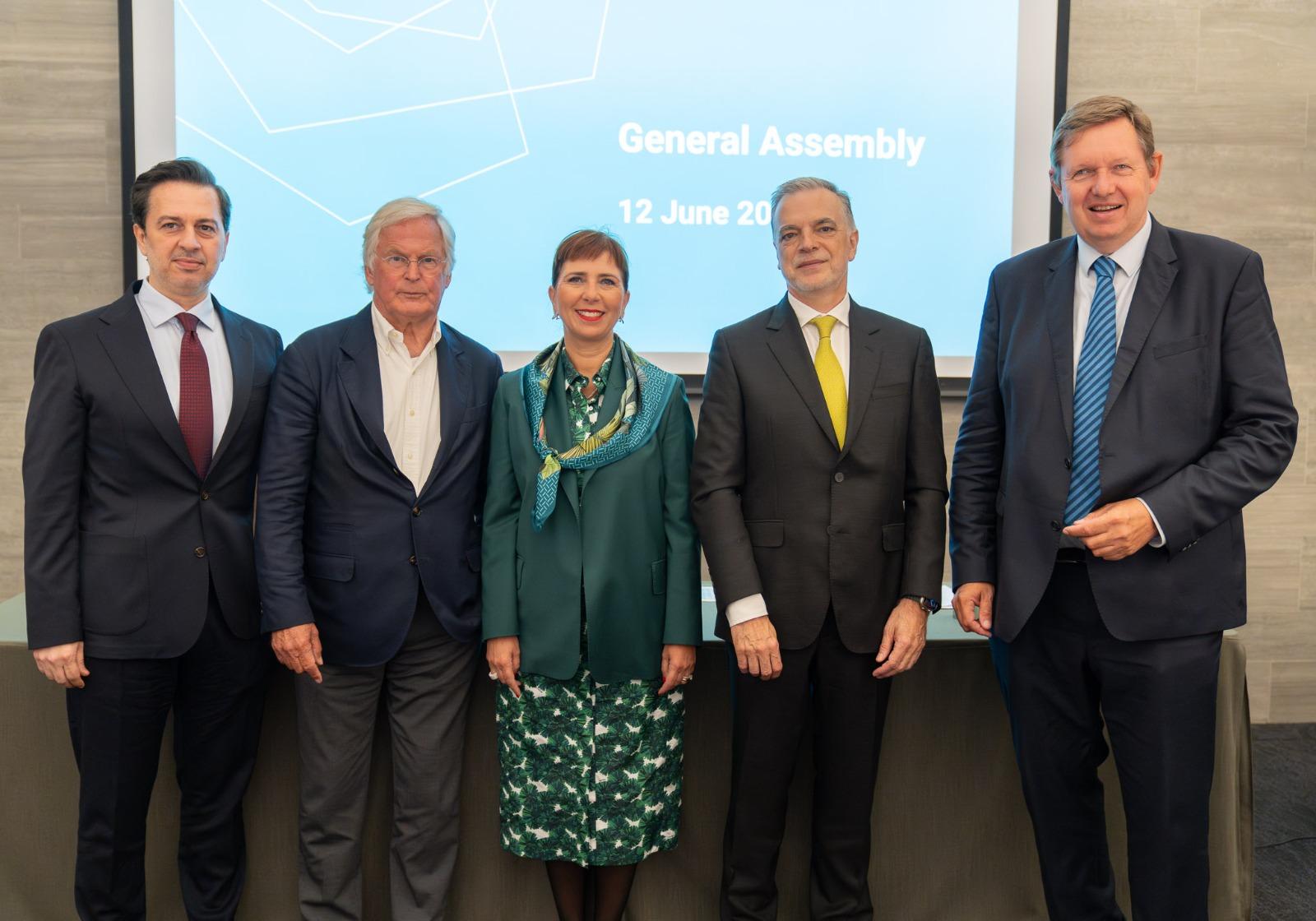
Presidency Team Photo (c) European Apparel and Textile Confederation EURATEX
Presidency Team
12.06.2026

Mario Jorge Machado re-elected President of EURATEX

The EURATEX General Assembly has re-elected Mario Jorge Machado as President of EURATEX, renewing its confidence in his leadership at a crucial moment for the European textile and clothing industry. The sector is facing rising costs, global competitive pressure and an increasingly challenging transition towards sustainability and digitalisation. 

With a degree in Production Polymer Engineering from the University of Minho, Mario Jorge Machado brings extensive industrial experience and a strong commitment to innovation, competitiveness and sustainable transformation. 

Upon his re-election, Mario Jorge Machado said:
“My priority for this new mandate is clear: to strengthen the competitiveness of our industry, ensure that the same rules apply to all products sold in Europe, and support our companies through the green and digital transition. Europe must decarbonise its industry, not deindustrialise it.” 

Three priorities for the new mandate

The EURATEX General Assembly has re-elected Mario Jorge Machado as President of EURATEX, renewing its confidence in his leadership at a crucial moment for the European textile and clothing industry. The sector is facing rising costs, global competitive pressure and an increasingly challenging transition towards sustainability and digitalisation. 

With a degree in Production Polymer Engineering from the University of Minho, Mario Jorge Machado brings extensive industrial experience and a strong commitment to innovation, competitiveness and sustainable transformation. 

Upon his re-election, Mario Jorge Machado said:
“My priority for this new mandate is clear: to strengthen the competitiveness of our industry, ensure that the same rules apply to all products sold in Europe, and support our companies through the green and digital transition. Europe must decarbonise its industry, not deindustrialise it.” 

Three priorities for the new mandate

1. Competitiveness as the foundation
Mario Jorge Machado has made clear that competitiveness must be the starting point for any successful industrial policy. In his recent Brussels address, he stressed that without competitiveness there can be no investment, no innovation, no sustainability and no strategic autonomy. He will therefore continue to push for a stronger business environment for textile companies, with support for investment in automation, digitalisation, artificial intelligence, skills and innovation, especially for SMEs. 

2. A genuine level playing field
A second key priority is to ensure that the same rules apply to everything sold in Europe, not only to what is made in Europe. Mario Jorge Machado has repeatedly called for stronger market surveillance, better border enforcement and more effective control of imports sold through digital platforms, so that European companies are not put at a disadvantage against products that bypass EU safety, environmental and consumer rules. EURATEX will continue to advocate for equal enforcement, fair competition and a market where compliance is rewarded. 

3. Supporting industry through the transition
Mario Jorge Machado also wants to ensure that the green and digital transition strengthens European industry rather than weakening it. He has underlined that sustainability must become a source of competitiveness, not a burden, and that companies need realistic rules, affordable energy, workable implementation and targeted support to adapt successfully. He has also stressed the importance of stimulating demand for sustainable European-made textiles, including through public procurement and transparency tools that are feasible for companies. 

Presidency Team
The General Assembly also confirmed the composition of the EURATEX Presidency Team, which will support the President in steering the organisation’s strategic direction:

  • Mr. Franz Peter Falke, T+M, Germany
  • Ms. Barbara Cimmino, Confindustria Moda, Italy
  • Mr. Ismail Kolunsag, IHKIB, Türkiye 
  • Mr. Grégory Marchand, UIT, France 
Source:

European Apparel and Textile Confederation EURATEX

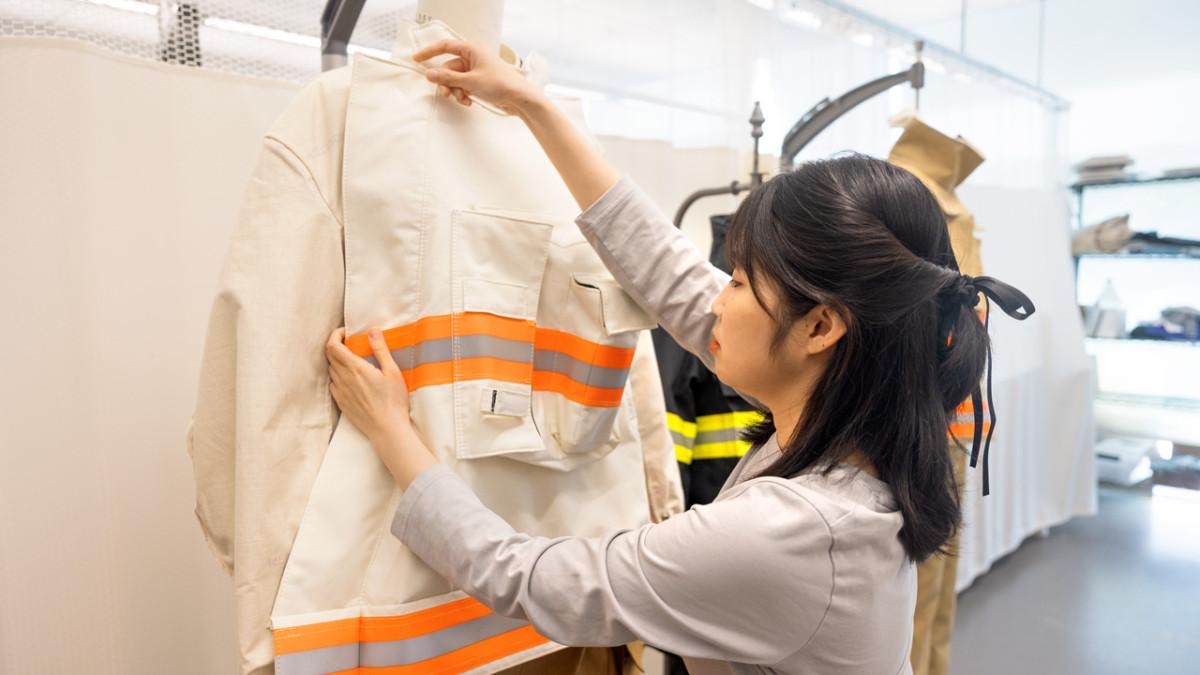
Huieun Do, M.A. ’25, a member of the Performance Apparel Design Lab, works with a prototype of the redesigned fire gear the lab is developing in coordination with professional firefighters. (c) Jason Koski/Cornell University
Huieun Do, M.A. ’25, a member of the Performance Apparel Design Lab, works with a prototype of the redesigned fire gear the lab is developing in coordination with professional firefighters.
11.06.2026

Redesigned fire gear offers potentially more cooling, less toxicity

A Cornell researcher’s bold new redesign of firefighter gear – which hasn’t significantly changed in decades – is more versatile and better adapted to their actual work, only a small fraction of which involves actually fighting structure fires.

Heeju Terry Park, the Vincent V.C. Woo Professor in the Department of Human Centered Design in the College of Human Ecology, and his lab developed the new two-piece, Velcro- and zipper-equipped suits after interviewing more than 50 firefighters. 

“I was asked to design new turnout gear for better thermal management and work efficiency,” Park said. “Current turnout gear has been used for decades with modest changes of design and materials despite increasing fire service roles for handling more wildland fires and emergency rescue operations.”

Huieun Do, M.A. ’25, a member of the Performance Apparel Design Lab, works with a prototype of the redesigned fire gear the lab is developing in coordination with professional firefighters.

A Cornell researcher’s bold new redesign of firefighter gear – which hasn’t significantly changed in decades – is more versatile and better adapted to their actual work, only a small fraction of which involves actually fighting structure fires.

Heeju Terry Park, the Vincent V.C. Woo Professor in the Department of Human Centered Design in the College of Human Ecology, and his lab developed the new two-piece, Velcro- and zipper-equipped suits after interviewing more than 50 firefighters. 

“I was asked to design new turnout gear for better thermal management and work efficiency,” Park said. “Current turnout gear has been used for decades with modest changes of design and materials despite increasing fire service roles for handling more wildland fires and emergency rescue operations.”

Huieun Do, M.A. ’25, a member of the Performance Apparel Design Lab, works with a prototype of the redesigned fire gear the lab is developing in coordination with professional firefighters.

Park’s yearlong redesign project – which included Huieun Do, M.A. ’25; Albert Lin, M.A. ’23; and Kim Phung Nguyen, all doctoral students in apparel design – was supported by a grant from the Federal Emergency Management Agency.

The project was in collaboration with International Personnel Protection Inc., a private consulting company, as a subcontractor to the International Association of Fire Fighters (IAFF), the union representing more than 360,000 professional firefighters and paramedics in North America. This work was undertaken as part of a Department of Homeland Security grant to the IAFF.

The term “firefighter,” while technically accurate, doesn’t paint the full picture of what these men and women do on a daily basis. In fact, according to the U.S. Fire Administration, more than 60% of fire department responses are for medical aid calls. Firefighters respond more to false alarms (8%) than to actual fires (3.9%).

Firefighters don’t always need their bulky turnout gear, which creates additional physiological stress due to heat and restricted movement. Additionally, some of the materials these protective suits contain or are treated with PFAS (per- and polyfluoroalkyl substances), known carcinogens dubbed “forever chemicals.”

Park’s Performance Apparel Design Lab’s modernized gear, inspired by the suits worn by Formula 1 racecar drivers, can be adapted to the task at hand, and uses noncarcinogenic materials.

In interviews, the researchers identified three primary problems with firefighter suits:
•    These suits are designed mainly for thermal protection – understandable, but since less than 4% of firefighter calls are for fires, firefighters are often overdressed. According to the U.S. Fire Administration, the main cause of on-duty firefighter death is cardiovascular in nature, triggered by heat stress;
•    A growing number of firefighters are women (approximately 9% of all firefighters, paid and volunteer), and clothing generally designed for men don’t always work if they’re just made smaller; and
•    The PFAS chemicals used to treat suits pose a significant health risk. According to the Firefighter Cancer Support Network, firefighters are 9% more likely than the general public to be diagnosed with cancer, and 14% more likely to die from it.

Traditional fire suits are multilayer, heavy-duty coats and pants featuring three layers of material – a flame- and puncture-resistant outer shell, made from a blend of Kevlar (Para-aramid) and polybenzimidazole (PBI) or Nomex fibers; a moisture barrier, typically made from heat-resistant breathable film material laminated to an aramid substrate; and a thermal barrier to provide additional thermal insulation. 

The main difference between current firefighter clothing and the Park lab’s redesign is versatility. The new clothing strikes a balance between a one-piece coverall concept and the more traditional two-piece design. Lin said that in interviews with firefighters, a one-piece coverall wasn’t well received.

“The firefighters were very hesitant to accept a coverall design,” Lin said, “so we had to navigate creating something that has the level of protection that a coverall provides, but in a design where firefighters will be more accepting of it.”

The new design is two pieces, which can be connected with zippers and Velcro to function as a coverall. The protective outer layer of the top can be unzipped and secured around the waist or completely removed when not needed, a feature similar to the suits worn by F1 racers.

“This unique design feature will enable firefighters to quickly cool down their body in non-firefighting situations,” Park said. In particular, the upper portion of the redesigned gear promotes effective heat release; more than 60% of perspiration occurs in the head and torso.

Additionally, the top features dual vertical zippers, for ease of donning and removal; a detachable front panel, convenient for bathroom breaks; two-way zippers to allow for ventilation; and a lower collar to reduce skin irritation and improve breathability.

The detachable front pocket of the redesigned fire suit features compartments so tools can be custom-organized by the firefighter. 

Another improvement is the front pocket, which typically stores the tools a firefighter needs. To facilitate quick access, the new design’s pocket features compartments so the tools can be custom-organized by the firefighter for ease of access in stressful situations.

The pocket is also detachable, and can be secured in front to accommodate either right- or left-handed people, and so access is not restricted, for example, by the straps of an oxygen tank.

Considering the significant concern over PFAS chemicals, the new gear Park’s team designed were prototyped using PFAS-free fabrics for the outer shell and moisture barrier. Recently, some U.S. states have moved toward banning turnout gear with PFAS; Canada and the European Union have moved toward banning PFAS in all goods, including turnout gear.

In the U.S., PFAS bans are mostly enacted at the local and state level; what few federal proposals there are only fund research into PFAS replacements, but not regulation. State-level bans have been enacted, but are not yet in effect, in Connecticut, Massachusetts, New York, Florida, Illinois, and California; disclosure laws also have been enacted in Rhode Island.

Most state-level PFAS bans restrict buying of turnout gear with PFAS; however, they do not fund the replacement or purchase of new turnout gear.

Park is hoping to secure additional funding to enable further testing of the updated fire suits, with firefighters in Ithaca as well as at the New York City Fire Department training facility on Randall’s Island.

“I want to test whether this is really better designed to handle all the stressful tasks,” he said. “We want to see how quickly they can put it on and take it off, and how quickly they can reach the tools without dexterity issues, and how they feel about the new design aesthetically, culturally, psychologically, and whether it works for men, women, tall people, small people. That’s the next step.”

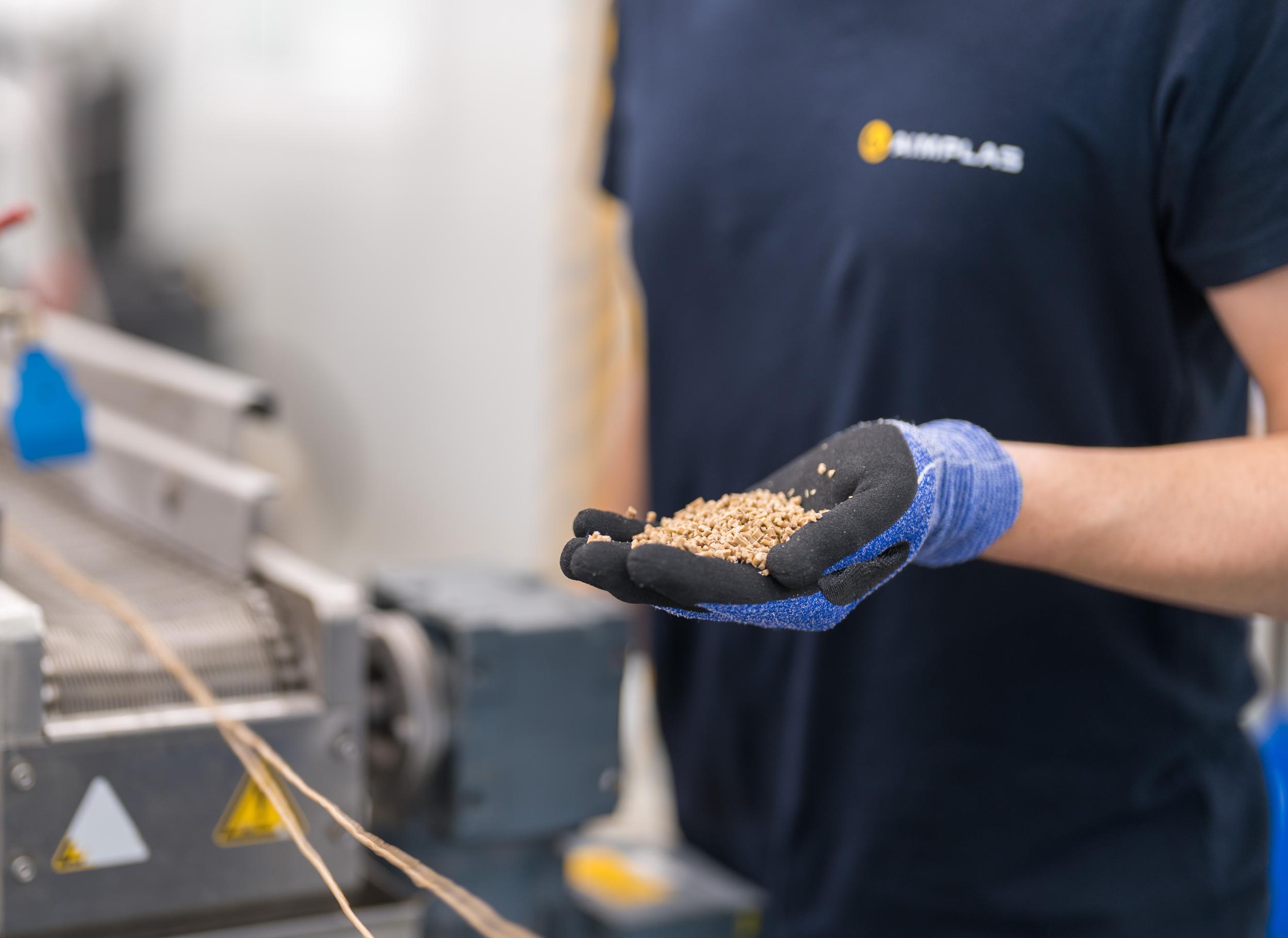
Photo AIMPLAS
11.06.2026

IMPLICIT: New Pathways for Recycling Auxiliary Composite Manufacturing Waste

The project valorises single-use auxiliary waste such as vacuum bags, films and technical fabrics for applications in the automotive, technical textile and urban furniture sectors.

The companies Solteco, Birziplastik, Faperin and Industrias Alegre, together with the technology centres AIMPLAS, Eurecat, Tecnalia and Leartiker, are participating in this research initiative funded by CDTI and the European Regional Development Fund (ERDF).

The composite materials industry has experienced significant growth in sectors such as aerospace, railway, naval and renewable energy, thanks to its ability to provide lightweight, strong and durable solutions. However, these processes generate substantial amounts of plastic waste, especially single-use auxiliary materials such as vacuum bags, release films and absorbent fabrics. These materials are essential to ensure the quality of manufacturing processes, but after use they usually end up in landfill or are incinerated due to the difficulty of recycling them.

The project valorises single-use auxiliary waste such as vacuum bags, films and technical fabrics for applications in the automotive, technical textile and urban furniture sectors.

The companies Solteco, Birziplastik, Faperin and Industrias Alegre, together with the technology centres AIMPLAS, Eurecat, Tecnalia and Leartiker, are participating in this research initiative funded by CDTI and the European Regional Development Fund (ERDF).

The composite materials industry has experienced significant growth in sectors such as aerospace, railway, naval and renewable energy, thanks to its ability to provide lightweight, strong and durable solutions. However, these processes generate substantial amounts of plastic waste, especially single-use auxiliary materials such as vacuum bags, release films and absorbent fabrics. These materials are essential to ensure the quality of manufacturing processes, but after use they usually end up in landfill or are incinerated due to the difficulty of recycling them.

The IMPLICIT project addresses this challenge through the development of multimodal recycling strategies that combine mechanical, physical and chemical technologies to recover these materials with the highest possible purity and enable their industrial reuse. The aim is to generate new recycled raw materials that can be used in high value-added applications, such as automotive components, technical textiles and urban furniture elements.

Funded by the Spanish Ministry of Science, Innovation and Universities through the Centre for the Development of Industrial Technology and Innovation (CDTI), with the support of European Union European Regional Development Fund (ERDF) funding, IMPLICIT proposes a paradigm shift by transforming this waste into new resources, in line with European circular economy goals.

The initiative brings together a consortium of eight entities representing different links in the plastics value chain. Participating companies include Solteco (project leader), Birziplastik, Faperin and Industrias Alegre, together with the technology centres AIMPLAS (technical leader), Eurecat, Tecnalia and Leartiker. In addition, the project has been promoted thanks to AEMAC, the Spanish Composite Materials Association, and Airbus, which collaborates as a strategic partner by providing real waste generated from aerospace manufacturing processes.

Pau Manclús, Chemical Recycling Researcher at AIMPLAS, stated that “IMPLICIT represents a decisive step towards sustainability in the composites industry by addressing the recycling of auxiliary materials, which have historically been excluded from valorisation strategies. Thanks to collaboration between companies, technology centres and industry associations, the project demonstrates that it is possible to transform complex waste into useful resources, closing the life cycle of these materials and helping to reduce the environmental impact of key industrial sectors.”

This collaboration makes it possible to tackle the challenge from a comprehensive perspective, from waste collection and treatment to the validation of new products in real applications, thus addressing one of the industry’s main environmental challenges: the management of difficult-to-recycle waste.

Industrial Validation and New Market Opportunities
One of the project’s key pillars is the validation of recycled materials through real industrial demonstrators. In this regard, the recovered materials will be transformed into new products such as technical automotive parts, profiles for urban furniture and multifilaments for technical textiles.

Furthermore, the project envisages the creation of new business opportunities linked to advanced recycling and sustainable manufacturing, thereby helping to strengthen industrial competitiveness.

From a technical perspective, IMPLICIT develops a multimodal recycling approach for materials mainly manufactured with thermoplastic polymers such as PA, PET, PE and PP. This approach integrates mechanical recycling processes (shredding, separation and extrusion), physical recycling based on selective dissolution, and chemical recycling technologies such as solvolysis to remove thermoset resins and recover high-value monomers and oligomers.

The project also addresses key challenges such as waste heterogeneity and resin contamination through advanced decontamination, compounding and additive formulation processes aimed at improving the mechanical properties of recycled materials and ensuring their industrial viability.

Life Cycle Assessment (LCA) and Life Cycle Costing (LCC) analyses will make it possible to evaluate the environmental, economic and functional impact of the developed solutions, facilitating decision-making based on sustainability criteria.

IMPLICIT, reference number CPP2023-010867, is funded by the Spanish Ministry of Science, Innovation and Universities through the Centre for the Development of Industrial Technology and Innovation (CDTI), as well as by the European Regional Development Fund (ERDF), under the 2024 public-private collaboration projects programme.

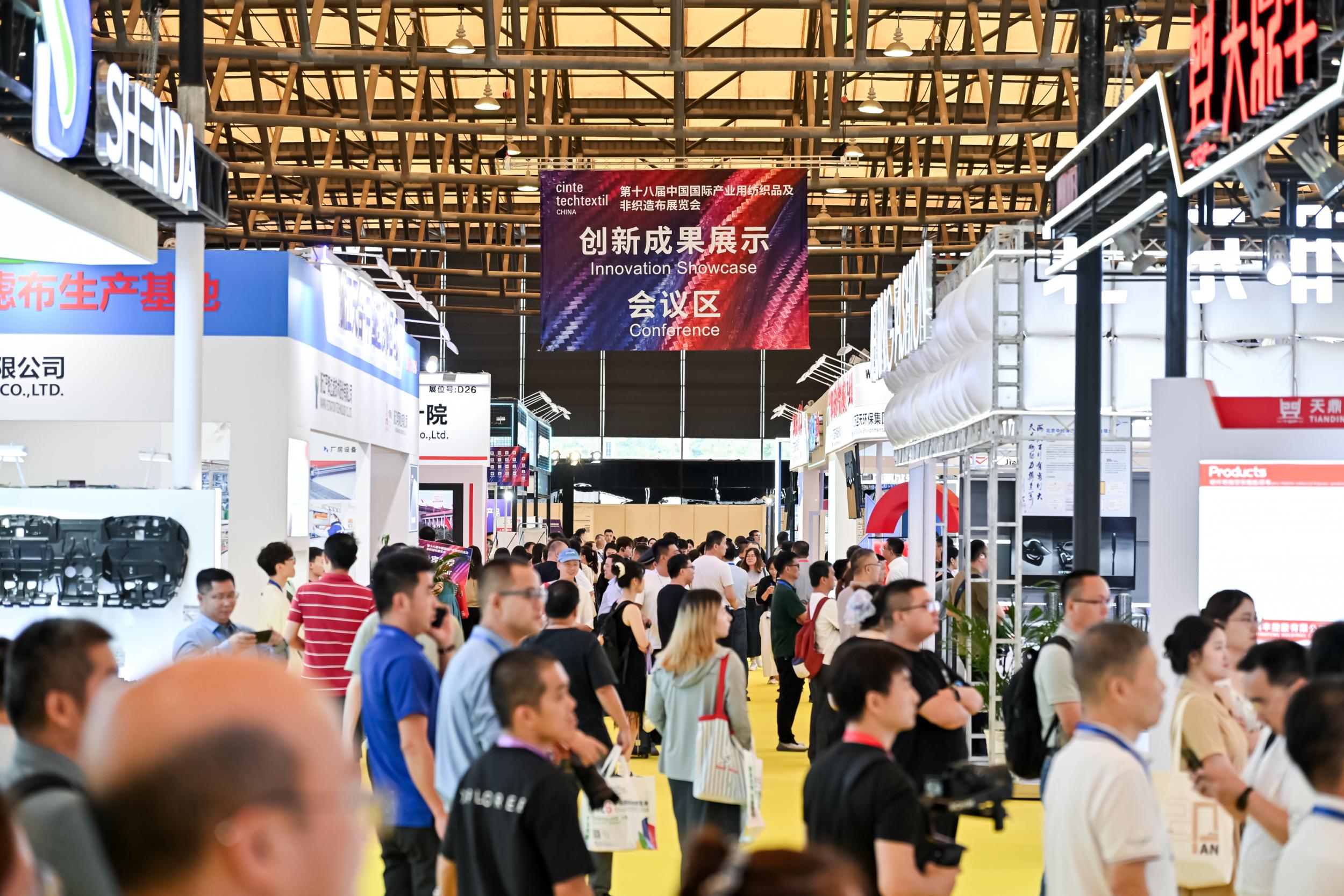
Cinte Techtextil China Photo Messe Frankfurt HK Ltd.
03.06.2026

Cinte Techtextil China maps textile future with specialised zones

As global demand for high-performance materials evolves, Cinte Techtextil China is set to steer the industry’s next growth phase by driving the convergence of global expertise, specialised zones, and forward-looking tech and insights. Building on its diverse scope, the upcoming edition will especially spotlight critical sub-sectors such as Medtech & Protech, Indutech and Buildtech. The offering will be augmented by the well-received Mobiltech and Textile Chemicals and Dyes Zones, alongside the high-calibre German and European Zones. Beyond the booths, the fringe programme structured around four core pillars will chart a definitive roadmap for technical textiles and nonwovens.

As global demand for high-performance materials evolves, Cinte Techtextil China is set to steer the industry’s next growth phase by driving the convergence of global expertise, specialised zones, and forward-looking tech and insights. Building on its diverse scope, the upcoming edition will especially spotlight critical sub-sectors such as Medtech & Protech, Indutech and Buildtech. The offering will be augmented by the well-received Mobiltech and Textile Chemicals and Dyes Zones, alongside the high-calibre German and European Zones. Beyond the booths, the fringe programme structured around four core pillars will chart a definitive roadmap for technical textiles and nonwovens.

China’s technical textile and nonwovens industry continues to build positive momentum in early 2026 despite a complex external environment. According to China Customs, imports remained stable while the sector’s export value reached USD 7.7 billion during the first two months of the year, a YoY increase of 17.7%[1]. The upward trajectory is firmly rooted in a widespread push for tech and quality upgrades, as well as more precise requirements across critical application areas, namely Mobiltech, Medtech, Protech, Indutech, and Buildtech. In 2026, Cinte Techtextil China will bring these sectors to the forefront with exhibitors such as Dawnsens New Material, Picanol NV, and Zhejiang Jinda Coating.

During the fair’s networking event at Techtextil in April, Ms R.Lalitha, I.A.S., Commissioner of Textiles, State Government of Tamil Nadu, India, underscored Cinte Techtextil China’s direct relevance to global demands: “The fair’s focus on Indutech, Mobiltech, and Medtech aligns perfectly with Tamil Nadu’s automotive and medical textile strengths. As we encourage our industries to foray into high-value, sustainable technical textiles, this platform is vital for mutual cooperation and understanding recent developments in China. Cinte Techtextil China’s fringe event themes are also highly on point, capturing where the future of textiles lies.”

Specialised zones showcase growing sub-sectors and international excellence
In addition to the highly sought-after Textile Chemicals and Dyes Zone in Hall W5, the Mobiltech Zone in Hall W4 is expected to remain a top priority for global buyers. Reflecting the soaring demand for automotive textiles, the zone has consistently attracted leading buyers such as Hyosung, Hyundai, Li Auto, Mazda, SAIC-GM, SAIC Volkswagen, Tesla, and Zeekr. This year, one of the zone’s key exhibitors will be Shanghai Shenda, whose offering comprises automotive carpets, headliners, trunks, parcel shelves, wheel arch liners, dash insulators, and related acoustic components.

Europe remains China’s premier source for technical textiles, capturing a 26% share of import value in 2025[2].Showcasing the continent’s expertise with their own comprehensive rosters of pioneers, the German Zone and European Zone at the Overseas Zone (W5) will attract buyers sourcing high-tech, premium solutions, connecting them directly with manufacturers who shape the future of technical textiles and nonwovens. Featured participants include:

  • Groz-Beckert: the world’s leading provider of industrial machine needles, precision parts, fine tools, and systems for the textile and nonwovens industries. With a global presence and strong local expertise in China, the company supports customers across all key sectors including knitting, weaving, nonwovens, tufting, sewing, and spinning.
  • Swisstulle (Qingdao): owned by Swisstulle AG, the company specialises in high-grade fabric knitting, finishing and dyeing. Using imported raw materials and advanced Karl Mayer and Brückner machinery, Swisstulle delivers bespoke tulle across a diverse range of widths, colours, densities and styles.The company offers tailored solutions mainly serving the high-end lingerie, automotive sunshade, and home textile sectors.

Also in the Overseas Zone, the Nonwoven Federation of India (NWFI), the unified body representing the country’s regional associations of spunbond nonwoven fabric manufacturers, will give fairgoers efficient access to a wide range of India’s latest solutions and opportunities for collaboration.

Multi-themed fringe programme to shape industry horizons
Complementing the future-focused business exchange, the fair’s fringe programme will revolve around four core pillars: Industry Insights, AI, Innovation, and Sustainability.

At the heart of Industry Insights is the annual flagship conference – China International Nonwovens Conference (CINC) – plus a series of other sessions and end-use guided tours delivering critical information.

The AI-focused events will bring together experts to share advanced models and demonstrate how AI is actively empowering textile manufacturing and supply chains. Meanwhile, the Innovation pillar will highlight forward-thinking solutions, including exhibitor presentations and a curated project showcase from domestic and international textile students. Catered to the rapid growth of the new energy vehicle (NEV) sector, the Mobiltech display zone will present cutting-edge and sustainable advancements in automotive textiles, showcasing key products like interior materials, lightweight composites, smart-sensing fabrics, and acoustic insulation solutions.

Moving into the Sustainability frontier, the expert-led Econogy Tours will connect buyers with a select lineup of exhibitors who have passed the Econogy Check[3], providing direct insights into sustainable production practices and innovative, eco-friendly materials set to make an impact across the fairground.

The fair’s product categories cover 12 application areas, which comprehensively span a full range of potential uses in modern technical textiles and nonwovens. These categories also cover the entire industry, from upstream technology and raw materials providers to finished fabrics, chemicals and other solutions. This scope of product groups and application areas ensures that the fair is an effective business platform for the entire industry.

The fair is organised by Messe Frankfurt (HK) Ltd; the Sub-Council of Textile Industry, CCPIT; and the China Nonwovens & Industrial Textiles Association (CNITA).

Source:

Messe Frankfurt HK Ltd.

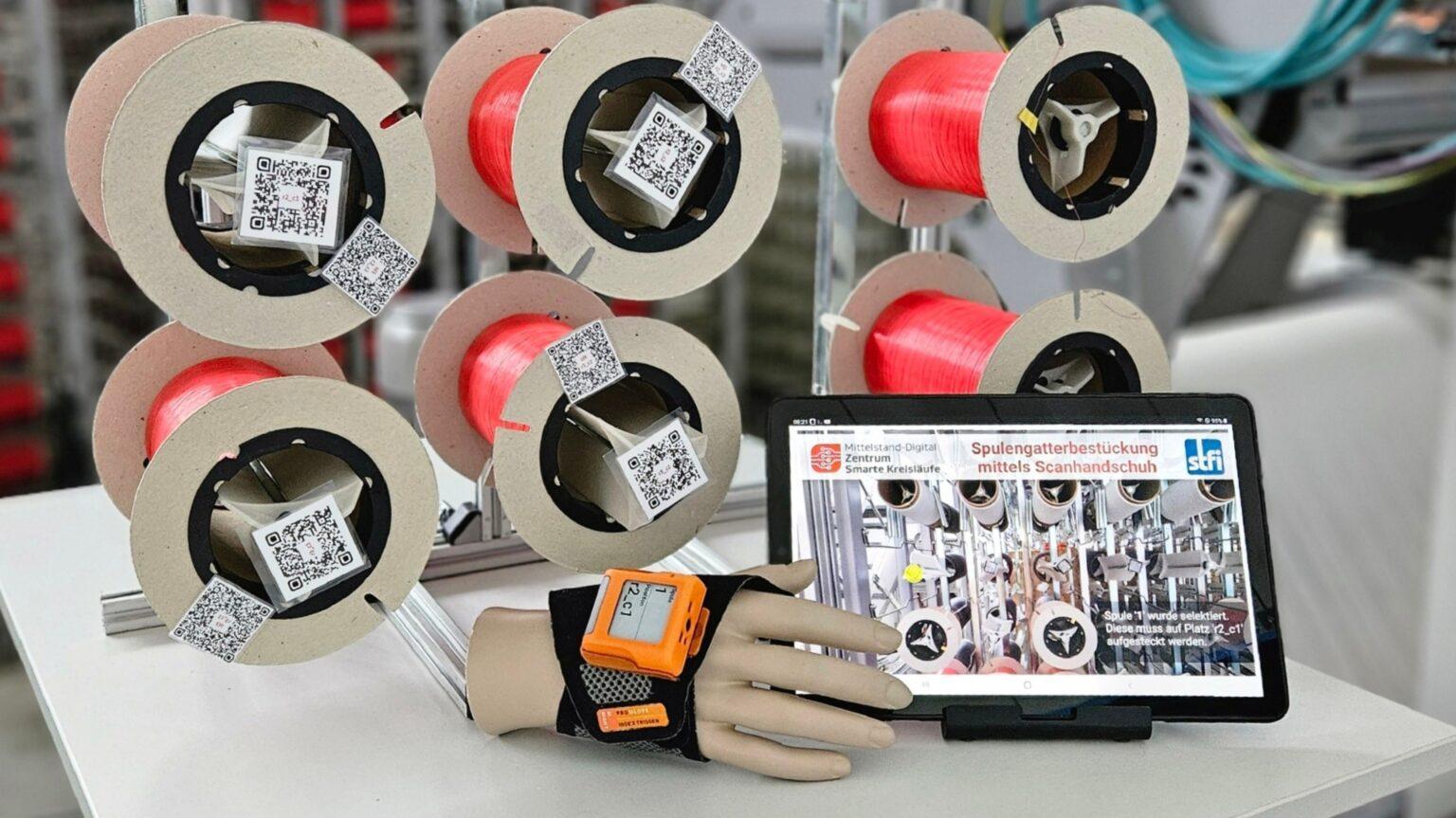
Scan glove Photo: STFI
Scan glove
28.05.2026

STFI: Adaptive tracking and tracing system for customised textile production

In the production of technical textiles, customised products in small batches with ever-shorter life cycles represent an ongoing trend. In order to contribute to the development and production of such future products, one must not only possess production expertise but also a reliable, stable, and transparent production chain. Small and medium-sized manufacturers also face similar requirements in terms of tracking and tracing. At STFI, research was conducted into how a tracking and tracing system should best be designed for adaptable processes with flexible, order-based staff and machine allocation, for both modern and existing machinery, and how this can be adapted. 

In the production of technical textiles, customised products in small batches with ever-shorter life cycles represent an ongoing trend. In order to contribute to the development and production of such future products, one must not only possess production expertise but also a reliable, stable, and transparent production chain. Small and medium-sized manufacturers also face similar requirements in terms of tracking and tracing. At STFI, research was conducted into how a tracking and tracing system should best be designed for adaptable processes with flexible, order-based staff and machine allocation, for both modern and existing machinery, and how this can be adapted. 

Based on this research, the researchers developed a tracking and tracing assistance system utilising technologies from the fields of the Industrial Internet of Things, mobile computing, wireless communication and graphical low-code programming. This was built upon existing, established open-source software technologies. The aim of the research project was to support the manufacture of textiles and semi-finished textile products through a flexible, adaptive tracking and tracing assistance system for order management. 

The assistance system enables automated production registration via radio-based personnel and optical machine registration. In addition to structured user guidance during familiarisation with new process steps, order picking can be precisely tracked using a scanning glove and location technology. Material detection at the manufacturing workstation is also camera-based, combined with sensor-based and smartphone-supported process monitoring. Furthermore, the underlying model-based low-code technology ensures flexible adaptability of the entire system. 

Together with other development highlights from the STFI, the research project “Adaptive Tracking and Tracing System” was selected as a successful collaboration – Implemented with the company update texware GmbH, Kulmbach – and will be presented at the BMWE’s Innovationstag Mittelstand. 

Source:

Sächsische Textilforschungsinstitut e.V. 

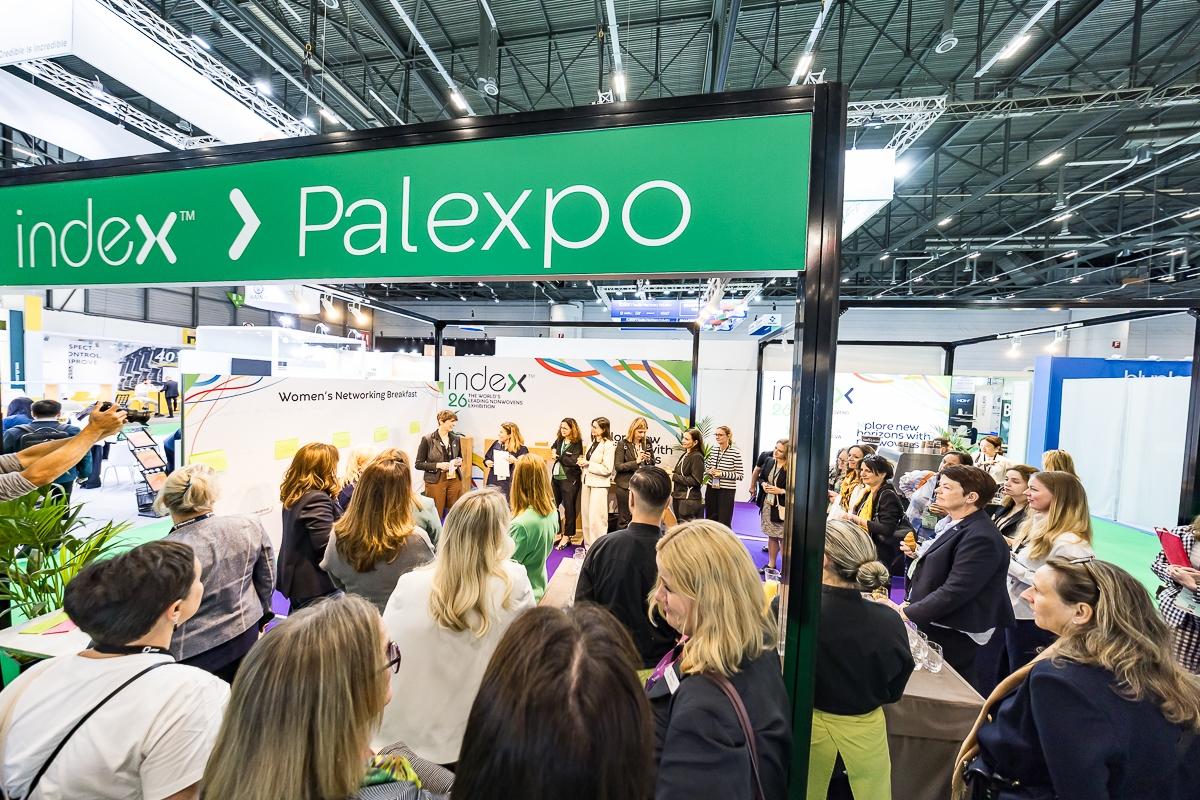
Photo Palexpo.SA / INDEX™
24.05.2026

INDEX™26: A strong edition in a challenging context

  • INDEX™26 officially concluded at Palexpo as a successful edition, spread over a gross exhibition space of 50’000m2, the event featured 625 exhibitors from 44 countries, fully playing their part through high-quality, prestigious stands, confirming its status as a central hub for nonwovens innovation. 
  • The event attracted 11,452 visits providing an important meeting place for global decision-makers to witness the industry's evolution toward high-tech, durable, and sustainable solutions. 
  • A defining theme of the edition was the integration of technical excellence and environmental responsibility, with a major focus on circular design and carbon footprint reduction as primary performance indicators. 
  • Beyond the exhibition halls, the strong response to the specialized seminar programme and new immersive experiences highlighted how global collaboration and smart technologies are helping to shape a path for a circular manufacturing landscape. 

INDEX™ 26, the World’s Leading Nonwovens Exhibition, officially closed its doors today at Palexpo.

  • INDEX™26 officially concluded at Palexpo as a successful edition, spread over a gross exhibition space of 50’000m2, the event featured 625 exhibitors from 44 countries, fully playing their part through high-quality, prestigious stands, confirming its status as a central hub for nonwovens innovation. 
  • The event attracted 11,452 visits providing an important meeting place for global decision-makers to witness the industry's evolution toward high-tech, durable, and sustainable solutions. 
  • A defining theme of the edition was the integration of technical excellence and environmental responsibility, with a major focus on circular design and carbon footprint reduction as primary performance indicators. 
  • Beyond the exhibition halls, the strong response to the specialized seminar programme and new immersive experiences highlighted how global collaboration and smart technologies are helping to shape a path for a circular manufacturing landscape. 

INDEX™ 26, the World’s Leading Nonwovens Exhibition, officially closed its doors today at Palexpo. In a context marked by uncertainty and continued pressure, the 2026 edition of INDEX™ concluded successfully. With a diverse range of 625 exhibiting companies from 44 countries, an important number of visitors, and an expanded international reach, the event confirmed its role as a central hub for innovation and a representative showcase of the nonwovens ecosystem. 

Driven by the strong presence of exhibitors, the 2026 edition confirmed the continued relevance of the event. With 11,452 visits, the four-day event brought together a strong mix of global decision-makers and technical experts, who came to explore the sector’s evolution from mass-produced disposable items to high-tech, durable and sustainable solutions. The professional events were well attended, establishing the exhibition as an indispensable meeting place for sharing experience and passion for the industry. Magali Fakhry Dufresne, Director of INDEX™, noted: “Despite the current geopolitical context, affecting travel conditions and budgets, the industry demonstrated a strong commitment to attend. Participants were keen to meet in person, reconnect with their peers and advance discussions. INDEXTM is a great opportunity for the young generation to discover many innovations all gathered under one roof. Once again, INDEX™ confirmed its role as a key event for the global nonwovens community every three years.” She adds: “I also would like to thank the industry, and particularly the exhibitors, for their engagement and continued commitment. Exhibitors played a decisive role in the success of the edition, with high-quality, prestigious stands that reflected the strength and ambition of the sector.” 

The defining theme of the 2026 edition was the integration of environmental responsibility and technical excellence. Industry representatives demonstrated that sustainability and performance now form a unified mission that permeates the entire value chain. A key focus was the increasing significance of reducing the carbon footprint as the industry's primary performance indicator. Exhibitors presented the latest production technologies designed to increase throughput and produce finer fibres. Circular design was a major focus of these developments, with many new materials replacing complex multi-layer structures with recyclable designs made from a single material. Furthermore, the event showcased high-performance protective textiles that meet new safety standards without the use of PFAS. 

“The INDEX™26 seminar programme and products presentations showcased developments demonstrating how companies are achieving a competitive edge by going beyond regulatory compliance. It showed that it is vitally important for companies to adapt and be agile to successfully master new market challenges such as the Iranian and other crises”, added Pieter Meijer, Chairman of the INDEX™ Advisory Board. 

Networking and immersive experiences 
The exhibition offered a consistent experience-oriented approach, as evidenced by the numerous areas dedicated to innovation and technical demonstrations. The event also strengthened its networking dimension, introducing a unique 'Women's Networking Breakfast' to build mentoring networks for the future of the community. The new immersive experience, 'Nonwovens: In Every Layer of Life', was well received, offering visitors a deeper understanding of the integral role these materials play in modern society. Over four days, Geneva provided the setting for an exhibition that remains a place of discovery for current and future technologies. 

Looking to the future 
Murat Dogru, General Manager of EDANA concludes: “INDEX™26 had demonstrated how innovation in the industry is now being driven by global collaboration. The synergy between automated machinery, smart chemistry, and extreme weight reduction has pointed to a promising direction for a more efficient, circular manufacturing landscape. We are already looking forward to INDEXTM29 (15-18 May 2029), to discuss the latest developments.”

More information:
INDEX nonwovens Geneva
Source:

Palexpo.SA / INDEX™

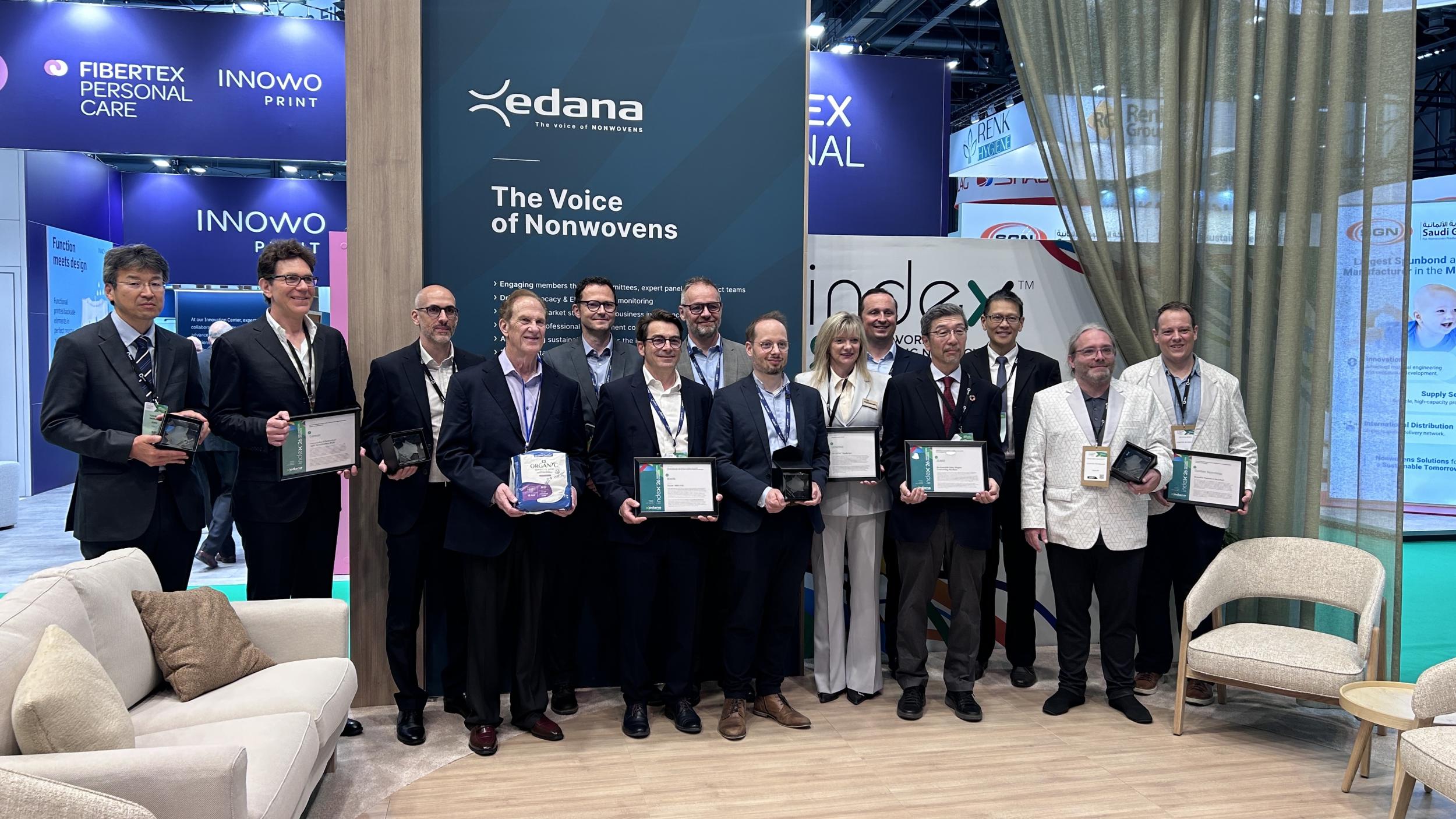
INDEX™26 Awards Winners Announced Photo (c) Edana
INDEX™26 Awards Winners Announced
19.05.2026

INDEX™26 Awards Winners Announced


The nonwovens industry has officially crowned its new winners. Today at the opening of INDEX™ 2026, five companies were honoured with the INDEX™ Awards, the industry’s highest accolade for technical excellence and forward-thinking design. 

From high-speed machinery to breakthroughs in molecular chemistry, this year's winners were selected for their ability to merge top-tier performance with the urgent requirements of a circular economy. 


The nonwovens industry has officially crowned its new winners. Today at the opening of INDEX™ 2026, five companies were honoured with the INDEX™ Awards, the industry’s highest accolade for technical excellence and forward-thinking design. 

From high-speed machinery to breakthroughs in molecular chemistry, this year's winners were selected for their ability to merge top-tier performance with the urgent requirements of a circular economy. 

Category: Nonwoven roll goods 
Winner: Lenzing - LENZING™ Dualwipe 
LENZING™ Dualwipe is a high-performance cleaning wipe crafted from regenerated cellulose using LENZING™ Nonwovens Technology. Its innovative dual-surface design integrates abrasion and absorbency in a single material, enabling efficient cleaning without relying on fossil-based synthetic materials, binders, or chemical additives. One side features a mechanically active surface for scrubbing away dirt, grease, and residues, while the other offers a soft, highly absorbent surface for liquid uptake and surface finishing. Designed for industrial, professional, and household applications, LENZING™ Dualwipe is compatible with existing converting and processing infrastructure, facilitating rapid adoption. 

Category: Finished products made from, or incorporating nonwovens - Single-use application 
Corman - Organyc brand "Personalized Protection" Light Incontinence Pads 

Corman’s new light incontinence pads deliver personalized protection through three key innovations. The Smart-Cotton™ cover with a citric acid buffer maintains an ideal skin pH of 5.5, reducing irritation. The patented Cotton-Balanced Absorbent Core channels liquid to superabsorbent polymers that lock in moisture and expand toward the body for superior leak protection. Natural odor control uses an organic ingredient to bind ammonia and slow odor formation, eliminating odor instead of masking it. Clinically proven, the pads address the three main concerns of light incontinence: leaks, odor, and skin irritation.

Category: Finished products made from, or incorporating nonwovens - Durable application 
Winner: Confitex Technology - Reusable Nonwoven Bed Pads 

This new Confitex technology has enabled the world’s first machine-washable and tumble-dryable nonwoven bed pads, opening a significant new application for nonwoven materials. Using a proprietary fibre-stabilisation bonding technique, the innovation allows absorbent nonwoven structures to withstand more than 30 machine wash and tumble-dry cycles while maintaining performance. The fully nonwoven construction combines a fast-wicking top sheet with a highly absorbent core capable of holding over two litres of liquid. In addition, a bonded frame structure prevents leakage across the entire surface, including the edges, addressing a common weakness of stitched textile bed pads. 

Category: Raw materials or components (e.g.polymer,fibre, binder, film, tape) of special relevance to the nonwovens and related converted products industry 
Winner: Bostik - Kizen™ Miles 9.0 

Bostik - Kizen™ Miles 9.0 Bostik’s latest innovation, Kizen™ Miles 9.0, is the first adhesive designed for disposable hygiene article construction, that offers the unique feature of debonding on demand: when exposed to a specific chemical key, combined with controlled temperature and mechanical stress, the adhesive allows clean, rapid separation of plastic components in minutes. This process keeps the adhesive material on the substrate, preventing contamination for cleaner, more efficient hygiene article recycling. But during the lifetime of the hygiene article, this new material, based on up to 75% renewable materials, delivers exceptional bonding across a wide range of substrates—including PP, PE, and PLA—while maintaining stable performance over time and under wet conditions. 

Category: Innovation in machinery of special relevance to the nonwovens industry 
Winner: ZUIKO – Recloseable Baby Diaper Converting Machine 
ZUIKO - Converting machine for recloseable baby diapers 

ZUIKO has developed a converting line to produce adjustable pull on pant diapers that address the challenge of achieving a secure fit around a baby’s waist and legs while maintaining softness and stretchability. The design of such a diaper combines the adjustability of open diapers with the stretch characteristics of pant diapers. Unlike conventional pant diapers, which are processed symmetrically, ZUIKO’s recloseable diapers are asymmetric, requiring a precise, glue-less attachment process during folding. Central to the production is ZUIKO’s patented “Stretch Re-pitch Drum™,” which regulates elastic tension and product spacing, allowing panel folding in line with the machine’s flow. This system enables the production of over 700 diapers per minute without the need for multiple folding units.

Source:

Edana

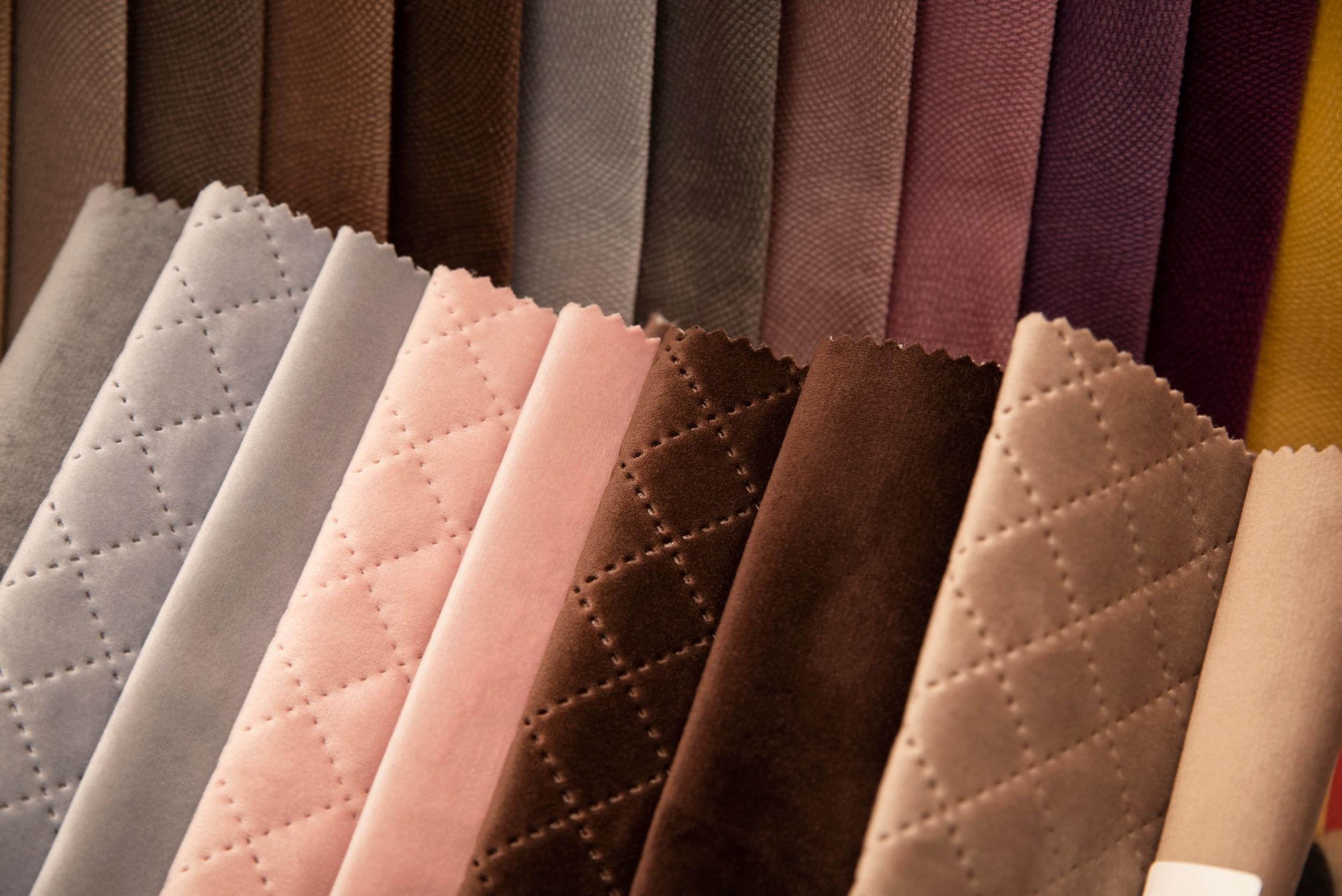
Upholstered furniture textiles Photo: Temple Bar Advisory for Reconomy
Upholstered furniture textiles
14.05.2026

Circular solutions for B2B textiles failing to keep pace with rising waste volumes

  • B2B textiles are textile-based products used in commercial or industrial settings, rather than by consumers  
  • While B2B textiles are considered better positioned for circularity than the B2C textile sector, solutions remain early-stage and have not yet scaled in line with the volume of waste generated 
  • New research examines key barriers to circularity across five priority sub-sectors and the opportunities to unlock greater circularity  

Circular solutions for B2B textiles have yet to scale in line with the volume of waste generated, according to new research by Reconomy, the international circular economy specialist. 

  • B2B textiles are textile-based products used in commercial or industrial settings, rather than by consumers  
  • While B2B textiles are considered better positioned for circularity than the B2C textile sector, solutions remain early-stage and have not yet scaled in line with the volume of waste generated 
  • New research examines key barriers to circularity across five priority sub-sectors and the opportunities to unlock greater circularity  

Circular solutions for B2B textiles have yet to scale in line with the volume of waste generated, according to new research by Reconomy, the international circular economy specialist. 

B2B textiles include textile-based products used for commercial or industrial purposes such as soft furnishings, automotive interiors, agricultural textiles and construction materials rather than clothing worn by consumers. While these sectors are widely considered to be better positioned for circularity than the B2C sector due to established logistics and the fact that B2B textiles are typically more homogenous in material composition, solutions remain underdeveloped and have not yet scaled, leaving large volumes of material flowing into downcycling or disposal.   

The research examines waste flows and market dynamics across five priority B2B textile categories, including: soft furnishings; upholstery and furniture textiles; automotive textiles; agricultural textiles; and geotextiles and construction textiles. 

Across all five, the findings point to a common challenge, namely that while circularity is technically possible, it is impeded in practice by weak sorting, limited aggregation, poor data visibility and underdeveloped end-markets – meaning materials that could be reused or recycled are instead lost from the system. 

Within UK B2B soft furnishings, for example, the research found that products are dominated by bed, bath and table linen used by the hospitality and healthcare sectors which generate large waste flows. Despite the strong underlying recycling potential of these materials, reuse is structurally constrained by hygiene requirements and low unit value, resulting in most volumes sent to energy-from-waste facilities or landfill.  

The research identifies that the primary opportunity for the industry lies upstream, in improving sorting and aggregation at industrial laundries, which act as the key control point for circular and end-of-life material routing. 

The report comes amid rising waste volumes, with more than 6,000 tonnes of hospitality textiles lost each year in the UK and four million linen items lost annually by the NHS, including bed sheets, pillowcases and surgical gowns. 
 
Commenting, Aimee Campanella, Development Director for Textiles EPR at Reconomy, said: “While much discussion around textiles circularity has centred on apparel, non-apparel textiles represent a significant adjacent area that has been largely overlooked. Given our expertise in textiles for clothing and footwear, we commissioned this new research to provide the industry with greater clarity on the structural barriers holding circularity back, and what needs to change to accelerate circular models that reduce waste, cut carbon emissions and lower costs for businesses.”

Source:

Temple Bar Advisory for Reconomy

(c) Sympatex Technologies GmbH
13.05.2026

Italian investor Pidigi to continue Sympatex

  • Pidigi S.p.A. of Verona and a German subsidiary acquire key assets of Sympatex by way of an asset deal  
  • 21 jobs and all four apprenticeship positions will be retained at the Unterföhring site 
  • Transaction creates significant operational and economic synergies 

In the insolvency proceedings concerning the assets of the Munich-based textile company Sympatex Technologies GmbH, insolvency administrator Axel W. Bierbach of the law firm Müller-Heydenreich Bierbach & Kollegen (Munich) has found a viable solution for the continuation of business operations. The operating business is to be taken over by Pidigi S.p.A. of Verona by way of an asset deal effective June 1, 2026. Pidigi is an owner-managed, internationally active Italian supplier and innovation partner to the footwear, leather goods, and apparel industries, with a market presence spanning more than 70 years. Pidigi develops and markets high-quality materials and sustainable components for industrial applications.  

  • Pidigi S.p.A. of Verona and a German subsidiary acquire key assets of Sympatex by way of an asset deal  
  • 21 jobs and all four apprenticeship positions will be retained at the Unterföhring site 
  • Transaction creates significant operational and economic synergies 

In the insolvency proceedings concerning the assets of the Munich-based textile company Sympatex Technologies GmbH, insolvency administrator Axel W. Bierbach of the law firm Müller-Heydenreich Bierbach & Kollegen (Munich) has found a viable solution for the continuation of business operations. The operating business is to be taken over by Pidigi S.p.A. of Verona by way of an asset deal effective June 1, 2026. Pidigi is an owner-managed, internationally active Italian supplier and innovation partner to the footwear, leather goods, and apparel industries, with a market presence spanning more than 70 years. Pidigi develops and markets high-quality materials and sustainable components for industrial applications.  

As part of the asset deal, Pidigi and a German subsidiary are acquiring the core assets of Sympatex and intend to continue business operations under the Sympatex brand. At the Unterföhring site near Munich, 21 jobs and the apprenticeships of all four trainees will be retained. The international locations in France, China, and Hong Kong, as well as the Korean sales office, are also to be continued. As part of the structural realignment, 25 employees at the Unterföhring site will receive notices of termination for operational reasons in the course of May, effective at the end of August. 

To mitigate the economic consequences for the affected employees, a reconciliation of interests and a social plan have been agreed upon. Around 20 employees have already left the company on their own initiative during the preliminary insolvency proceedings. With the transfer of business operations to Pidigi, future operational responsibilities will also be reorganized. Kim Scholze, who took over Sympatex as sole managing director during an extremely challenging phase and guided the company through the insolvency proceedings, will leave the company upon completion of the transaction. 

Basis secured for the continuation of operations at the Unterföhring site 
Insolvency administrator Bierbach described it as particularly encouraging that Sympatex’s Unterföhring site will be retained, thereby laying a crucial foundation for the sustainable continuation of business operations in Germany. He expressly thanked Kim Scholze, the entire workforce, and the works council for their dedication over the past few months. “Under difficult circumstances, Sympatex’s employees and managing director have contributed with a high degree of professionalism, great commitment, and remarkable loyalty to maintaining stable business operations and laying the groundwork for this investor solution,” Bierbach stated. Business operations have been able to continue in full during the three and a half months since the insolvency filing at the end of January 2026.  

“The past few months have demanded an enormous amount from Sympatex’s employees. This makes me all the more filled with respect for how professionally, loyally, and dedicatedly the teams worldwide have supported business operations, customer relationships and key projects during this phase. The fact that an investor solution for the technology, brand, and core business areas has now been achieved is a significant shared success. My special thanks go to all employees, partners, and customers who have supported Sympatex during this time with trust, dedication, and resilience,” said Kim Scholze.  

From the perspective of insolvency administrator Bierbach, Pidigi’s entry has created a viable future for the company. “Given the challenging market environment, which is subject to significant competitive and cost pressures, and Sympatex’s unique corporate history, finding a suitable buyer for Sympatex was a very demanding task. I am all the more pleased that we were able to secure an ideal investor in Pidigi, a company that knows this highly specialized market well and has itself been successfully rooted in the footwear and apparel industry for many decades. Pidigi has a clear vision for and brings excellent operational capabilities as well as deep industry expertise to secure and sustainably develop Sympatex’s international market presence, technological know-how, and established customer relationships,” the insolvency administrator said.

Pidigi has been working with Sympatex for several decades and, as a long-standing distributor in the footwear segment in Italy, possesses comprehensive market knowledge as well as a strong international network in the footwear and apparel industry. In addition, there is a long-standing partnership in the field of tape production. The Italian family-owned business uses Sympatex laminates and membranes, which Pidigi incorporates into its footwear and apparel products. 
This creates significant operational and economic synergy potential throughout the value chain.  

Strong foundation for continued growth and new market opportunities 
For Dr. Giorgio De Gara, owner and managing director of Pidigi, the transaction marks a milestone in the family business’s continued development. “The acquisition of Sympatex is an important strategic step for us, building on a long-standing and trusting partnership. We have known the company, its technologies and the people behind them for many years and are delighted to now welcome Sympatex as part of the Pidigi family. Together, we aim to further develop Sympatex’s international business in a targeted manner – from performance laminates and tapes for footwear applications to technical solutions for the public sector, workwear and apparel markets. By combining Sympatex’s technological expertise with Pidigi’s global market presence and operational strength, we are creating a strong foundation for further growth and new market opportunities. It is important to us to preserve Sympatex’s valuable technological know-how and the Unterföhring site, and to offer employees long-term prospects”, Dr. De Gara said. 

The structured investor sale process was supported by an experienced team of advisers. On the M&A side, the insolvency administrator was advised by Dr. Wieselhuber & Partner (W&P). Led by Dr. Hubertus Bartelheimer, M&A specialists Ante Jelavic and Thomas Müller oversaw the entire transaction process. Legal advice to the insolvency administrator was provided by Taylor Wessing Germany, led by Dr. Hendrik Boss and Lisa K. Iwersen, LL.M. (Stellenbosch). 

More information:
Sympatex insolvency Pidigi
Source:

Müller-Heydenreich Bierbach & Kollegen  

04.05.2026

Market Study on Thermoplastic Composites

The European Alliance for Thermoplastic Composites (EATC) has published a comprehensive study on the market, applications and prospects for thermoplastic composites. 

Thermoplastic fibre-reinforced plastics – also known as thermoplastic composites – are becoming increasingly important across a wide range of industries. From the automotive industry and aerospace to construction and sports and leisure products, they offer a compelling combination of high strength, low weight and good recycling prospects. As such, they are regarded as a key material for sustainable and high-performance lightweight construction solutions. 

Against this backdrop, the European Alliance for Thermoplastic Composites (EATC) has commissioned and provided technical support for a new market study on the European market for thermoplastic composites. The aim of the study is to provide a systematic overview of the current situation, developments and future opportunities within this dynamic materials segment. 

The European Alliance for Thermoplastic Composites (EATC) has published a comprehensive study on the market, applications and prospects for thermoplastic composites. 

Thermoplastic fibre-reinforced plastics – also known as thermoplastic composites – are becoming increasingly important across a wide range of industries. From the automotive industry and aerospace to construction and sports and leisure products, they offer a compelling combination of high strength, low weight and good recycling prospects. As such, they are regarded as a key material for sustainable and high-performance lightweight construction solutions. 

Against this backdrop, the European Alliance for Thermoplastic Composites (EATC) has commissioned and provided technical support for a new market study on the European market for thermoplastic composites. The aim of the study is to provide a systematic overview of the current situation, developments and future opportunities within this dynamic materials segment. 

Focus on market structure, applications and growth drivers 
The study analyses the fundamental material properties of thermoplastic composites and highlights the advantages of using them over alternative materials. It also identifies differences between various material classes and outlines the historical development of their industrial applications. 

Particular emphasis is placed on analysing the current size of the European market and the application areas that dominate today. In addition, the study identifies future market potential based on relevant macroeconomic factors. 

In focus: LFT, GMT und CFRTP 
The focus is in particular on LFT (long fibre-reinforced thermoplastics), GMT (glass mat reinforced thermoplastics) and CFRTP (continuous fibre-reinforced thermoplastics). These material groups play a central role in modern structural components with high mechanical requirements. They combine the advantages of thermoplastic matrices – such as short cycle times, efficient processing and new manufacturing possibilities – with the performance of reinforcing fibres. 

A strategic material for European industry 
The findings of the study highlight the growing strategic importance of thermoplastic composites for Europe as an industrial hub. Particularly at a time when demands for resource efficiency, CO₂ reduction and the circular economy are on the rise, thermoplastic composites offer great potential for innovative product solutions. 

Now available
The study is now available in PDF format from AVK upon advance payment. EATC and AVK members can purchase the study for EUR 149,- (plus VAT); for non members, the study is available for EUR 349,- (plus VAT).

28.04.2026

Autoneum Holding AG: Total of CHF 3.20 per Share

The shareholders of Autoneum Holding Ltd approved all motions proposed by the Board of Directors at the Annual General Meeting. For the 2025 financial year, a total distribution of CHF 3.20 per share was approved. 

A total of 205 shareholders attended the Annual General Meeting of Autoneum Holding Ltd in Winterthur. Overall, 62.09 percent of the share capital was represented either by shareholders present or by the independent proxy. 

In his address, Chairman of the Board of Directors Hans Peter Schwald also referred to Autoneum’s 15 year anniversary: “Over this period, Autoneum has successfully established itself as a global market and technology leader, expanded its presence in Asia, continuously developed its portfolio, strengthened vertical integration and at the same time built a strong, distinct corporate culture.” 

The shareholders of Autoneum Holding Ltd approved all motions proposed by the Board of Directors at the Annual General Meeting. For the 2025 financial year, a total distribution of CHF 3.20 per share was approved. 

A total of 205 shareholders attended the Annual General Meeting of Autoneum Holding Ltd in Winterthur. Overall, 62.09 percent of the share capital was represented either by shareholders present or by the independent proxy. 

In his address, Chairman of the Board of Directors Hans Peter Schwald also referred to Autoneum’s 15 year anniversary: “Over this period, Autoneum has successfully established itself as a global market and technology leader, expanded its presence in Asia, continuously developed its portfolio, strengthened vertical integration and at the same time built a strong, distinct corporate culture.” 

CEO Eelco Spoelder outlined the key developments of the 2025 financial year and stated: 
“While the automotive industry has recently made many negative headlines, Autoneum has developed positively. Thanks to our clear strategy, broad customer base, dedicated employees, and the high powertrain independence of our products and technologies, we are confident about the future.” 

The shareholders approved the 2025 Annual Report, including the consolidated and standalone financial statements. They also approved the Board of Directors’ proposal to distribute a total of CHF 3.20 per registered share for the 2025 financial year, reflecting the positive consolidated result. As of May 5, 2026, a dividend of CHF 1.60 per share will be paid, less 35 percent Swiss withholding tax, as well as a withholding tax exempt repayment from capital contribution reserves of CHF 1.60 per share. 

Hans Peter Schwald will remain Chairman of the Board of Directors. The shareholders re elected Liane Hirner, Norbert Indlekofer, Martin Klöti, Michael Pieper and Oliver Streuli as members of the Board of Directors for a further term of office. Yanni von Roy Jiang, a member of the Board of Directors and of the Strategy and Sustainability Committee since 2025, did not stand for re election. Hans Peter Schwald commented: “On behalf of the Board of Directors, I would like to sincerely thank Yanni von Roy Jiang for her commitment and valuable contributions. With her international experience and strategic foresight, she has significantly enriched the work of our Board. We wish her all the very best for the future.” 

The shareholders re elected Hans Peter Schwald, Norbert Indlekofer and Oliver Streuli to the Compensation Committee. KPMG AG, Zurich, will continue as statutory auditors for another year, and Ulrich B. Mayer was again confirmed as the independent proxy for a further term. 

The shareholders granted discharge to all members of the Board of Directors and the Executive Committee with more than 99.35 percent of the votes cast. The advisory votes on the 2025 Compensation Report and the Corporate Responsibility Report received approval ratings of 86.62 percent and 95.53 percent respectively. The proposals on the maximum compensation of the Board of Directors and the Executive Committee for the 2027 financial year were also approved by a large majority.


Web Gauging with Qualiscan QMS (c) Mahlo GmbH & Co. KG
Web Gauging with Qualiscan QMS
27.04.2026

Mahlo: Smart Quality Control for Technical Textiles

In the end, what matters is the result: a filter that performs reliably, a membrane that remains stable in storm conditions, a composite material with precisely defined properties. But the path to achieving this is demanding. In the production of technical textiles, numerous parameters interact – and even the smallest deviations can have major consequences. 

This very challenge shaped this year’s Techtextil. Many of the exhibiting companies face the daily task of producing complex materials while maintaining consistently high quality standards. It requires a finely tuned interplay of fibers, coatings, temperature, moisture, and tension. Whether it is protective textiles, technical filters, or carbon applications: precision is not an option, but a prerequisite. And monitoring these parameters is the key to success. 

In the end, what matters is the result: a filter that performs reliably, a membrane that remains stable in storm conditions, a composite material with precisely defined properties. But the path to achieving this is demanding. In the production of technical textiles, numerous parameters interact – and even the smallest deviations can have major consequences. 

This very challenge shaped this year’s Techtextil. Many of the exhibiting companies face the daily task of producing complex materials while maintaining consistently high quality standards. It requires a finely tuned interplay of fibers, coatings, temperature, moisture, and tension. Whether it is protective textiles, technical filters, or carbon applications: precision is not an option, but a prerequisite. And monitoring these parameters is the key to success. 

Perfect Alignment for Woven Fabrics  
Companies such as Frenzelit, Freudenberg, Friedola, Getzner, Juta, Sattler, Swisstulle, and Toray demonstrated at the trade fair just how diverse the applications of classic woven fabrics can be. At the same time, it became clear that even the slightest distortion errors can lead to functional failure and therefore waste. Mahlo’s Orthopac systems ensure that fabrics remain perfectly aligned throughout these processes – continuously, reliably, and often unnoticed in the background. 

Consistent Quality in Nonwovens 
Nonwovens are no less complex. Manufacturers such as Alkegen (Gutsche), Dyneema, Filz Fulda, Freudenberg, Johns Manville, Lenzing, Norafin, Polyvlies, Pont Aurell, Tenowo, and TWE represent materials with a wide range of properties used in hygiene products, vehicles, filters, and medical applications. 

What matters most here is one thing above all: basis weight. Even minor deviations can determine whether a product meets the required specifications or not. With Qualiscan QMS, this crucial parameter is monitored continuously – and adjusted immediately when necessary. This ensures consistent quality, even at high production speeds. 

Coatings Under Full Control 
Another key topic at Techtextil was coatings. Multi-layer materials, complex constructions, and precisely defined properties are what characterize modern technical textiles. But the more complex a material becomes, the more sensitive it is to fluctuations in the process. 

This is where Mahlo sensors provide decisive insights: they detect early on when coatings become too thick or too thin, enabling immediate corrective action. Errors do not only become visible at the end – they are prevented from being produced in the first place. 

Moisture and Temperature: Invisible but Essential 
The same applies to moisture. It is invisible, but crucial for many processes. Whether in nonwovens, felts, or drying processes, precise control saves energy, stabilizes operations, and ensures product quality. IR and microwave sensors provide the necessary real-time data.
For sensitive materials such as prepregs or thermally stabilized fabrics, temperature control becomes essential. Systems such as Optipac and Ecopac ensure that materials are processed exactly within the required temperature ranges. 

Source:

Mahlo GmbH & Co. KG

(c) Klopman International Srl
17.04.2026

Textile innovation engineered for protection, performance and comfort showcased at Techtextil

Klopman, TDV Industries and 4F Knits: three brands delivering best-in-class woven and knit textile solutions for workwear, protectivewear and military applications. At Techtextil 2026 in Frankfurt (21– 24 April), the Group will showcase a new generation of protective and performance textile fabrics, combining advanced fibre technologies, certified safety and enhanced wearer comfort to meet the evolving demands of a high-performance-driven market. 
 
At the exhibition, the Group will introduce an optimised and highly advanced range of flame-retardant fabric solutions, covering both woven and knit technologies and designed to address the highest standards of heat and flame protection across professional end-uses. 

Klopman, TDV Industries and 4F Knits: three brands delivering best-in-class woven and knit textile solutions for workwear, protectivewear and military applications. At Techtextil 2026 in Frankfurt (21– 24 April), the Group will showcase a new generation of protective and performance textile fabrics, combining advanced fibre technologies, certified safety and enhanced wearer comfort to meet the evolving demands of a high-performance-driven market. 
 
At the exhibition, the Group will introduce an optimised and highly advanced range of flame-retardant fabric solutions, covering both woven and knit technologies and designed to address the highest standards of heat and flame protection across professional end-uses. 

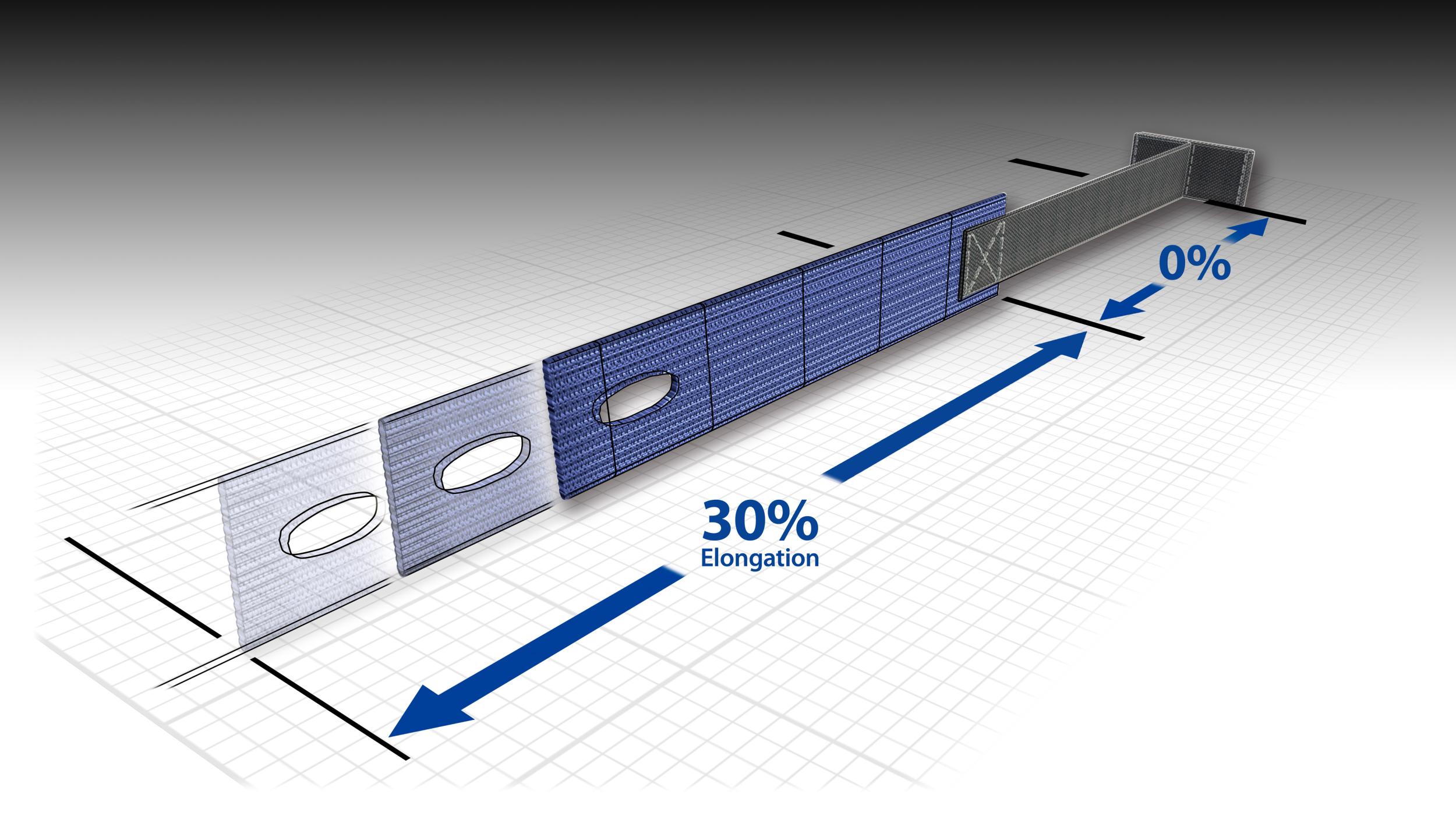
The woven fabric portfolio, engineered with advanced fibre blends combining aramid and modacrylic fibres, delivers permanent flame protection and outstanding mechanical resistance, maintaining performance after more than 50 industrial wash cycles. Iconic ranges such as K-Flame PRO and K-Flame XTRA are complemented by K-Flame PRO Flex and Securit Flex fabrics featuring XLANCE® fibre, offering over 20% elongation for enhanced stretch and freedom of movement without compromising safety. 

In parallel, the Group’s inherent flame-retardant knit fabric portfolio — including piqué, jersey, fleece and polar fleece — is designed to ensure permanent thermal and flame protection while optimising comfort, breathability and durability. Available in versatile constructions such as jersey, providing softness and flexibility, piqué delivering structure and long-lasting performance, fleece providing warmth, breathability and excellent comfort, and polar fleece offering warmth, quick moisture management and a soft and voluminous hand feel. These solutions extend inherent FR protection to a wide range of garment applications. 

Inherent FR fabrics are fully certified for multi-risk protection, covering heat and flame exposure, welding risks, electrostatic discharge and molten metal splash. The integration of sustainable fibres such as VISCOSE FR further reinforces the Group’s commitment to responsible innovation. 

A standout innovation within the range is the new MEGAFLEX R-PES, marking the next generation of treated flame-retardant stretch and Greenwear™ fabrics. Developed with a recycled polyester blend and a PFAS-free Hydrogreen water-repellent finish, MEGAFLEX R-PES reflects the Group’s continued focus on sustainable textiles. 

By bringing together the complementary expertise of Klopman, TDV Industries and 4F Knits, the Group represents a reliable and long-term partner for customers worldwide. The shared portfolio combines technical excellence, regulatory compliance and continuous innovation. 
 
“Innovation in protective fabrics means translating technology into real protection for people at work.” says Amaury Sartorius, Group Commercial Director & Klopman Managing Director “At Techtextil, we showcase our PPE solutions built on advanced textile engineering, certified performance and strong application expertise, reinforcing our role as a trusted partner in high-performance protection.” 
 
With its presence at Techtextil 2026, the Group reaffirms its promise to the market: beyond fabrics, delivering solutions that protect, perform and endure. 

(c) Rudolf Group
17.04.2026

RUDOLF at Techtextil with innovative, functional solutions

Since its founding in 1922, RUDOLF, a leading international company in the fields of textile auxiliaries, textile care, and construction chemicals, the company has evolved into a globally recognized technology partner. As a pioneer of forward-looking textile solutions, RUDOLF will present its latest innovations at Techtextil 2026 in Frankfurt.

Functional performance for demanding applications
The focus of the trade show is innovative finishing solutions tailored to technical and functional textiles. FERAN® SRC was specifically developed for textiles made from cellulose fibers. This functional soilrelease finish creates a long-lasting protective layer on cellulose fibers and their blends. This significantly simplifies the removal of oil, grease, and pigment-based stains. Textiles stay clean longer and retain their quality, even after numerous wash cycles. FERAN® SRC also improves comfort by keeping the surface permanently hydrophilic without negatively affecting the fabric‘s texture.

Since its founding in 1922, RUDOLF, a leading international company in the fields of textile auxiliaries, textile care, and construction chemicals, the company has evolved into a globally recognized technology partner. As a pioneer of forward-looking textile solutions, RUDOLF will present its latest innovations at Techtextil 2026 in Frankfurt.

Functional performance for demanding applications
The focus of the trade show is innovative finishing solutions tailored to technical and functional textiles. FERAN® SRC was specifically developed for textiles made from cellulose fibers. This functional soilrelease finish creates a long-lasting protective layer on cellulose fibers and their blends. This significantly simplifies the removal of oil, grease, and pigment-based stains. Textiles stay clean longer and retain their quality, even after numerous wash cycles. FERAN® SRC also improves comfort by keeping the surface permanently hydrophilic without negatively affecting the fabric‘s texture.

Another highlight is RUCO-THERM® PCM BIO MFT: a modern, bio-based finish that enhances the thermal performance of textiles. This solution contributes to effective climate regulation and enables textile designs in which performance and responsible material selection go hand in hand. With this product, RUDOLF is responding to the growing demand for sustainable and functional high-performance textiles.

By integrating RUCO-BAC® ROX, RUDOLF is strategically expanding its portfolio to include a cuttingedge solution for functionalizing textiles. RUCO-BAC® ROX was developed in collaboration with Heraeus Precious Metals. RUCO-BAC® ROX differs fundamentally from conventional biocidal mechanisms, especially traditional silver-based technologies.

The technology is based on a catalytic reaction in which oxygen is converted into reactive oxygen species in the presence of atmospheric moisture. These species effectively combat odor-causing and other microorganisms and also exert an oxidative effect on odor-causing residues on the textile surface. Since the mechanism of action is based on a cyclic redox system, RUCO-BAC® ROX is not consumed but continuously regenerated, enabling long-lasting and sustainable functionality.
  
RUDOLF is expanding its product portfolio with RUCO®-LUB BMN. This is a biodegradable alternative to conventional sewability finishes. This multifunctional solution improves the surface smoothness of woven and knitted fabrics, reduces friction during sewing, and enables damage-free processing without causing broken stitches or runs. At the same time, RUCO®-LUB BMN gives textiles a soft, smooth hand, helps maintain tear strength, and contributes to a longer service life by reducing wear.

Source:

Rudolf Group

Tacnera® from Freudenberg solves the adhesion-trauma problem. © Freudenberg Performance Materials
Tacnera® from Freudenberg
16.04.2026

New wound care: Freudenberg resolves dilemma between adhesive strength and skin protection

With Tacnera®, Freudenberg Performance Materials (Freudenberg) is presenting a new technology for silicone foam dressings used in advanced wound care. Unlike classic silicone adhesive layers, Tacnera® is a highly-developed, intelligently-engineered system that combines polyurethane foam, a proprietary coating technology and gentle silicone gel. Tacnera® therefore solves a key problem for premium foam dressings: the dilemma between reliable adhesion and the risk of skim trauma during dressing changes. This gives brand manufacturers, distributors and regional suppliers of advanced wound care products a clear competitive advantage in the premium segment. The globally active nonwovens manufacturer will be welcoming visitors to Stand D42 at EWMA in Bremen from May 6 – 8.

Foam dressings with particularly gentle silicones often do not adhere firmly enough, while stronger silicones increase the risk of skin trauma and tissue damage. This “adhesion-trauma dilemma” reduces both patient comfort and clinical confidence, and limits market differentiation options in the premium segment. Tacnera® resolves this dilemma.

With Tacnera®, Freudenberg Performance Materials (Freudenberg) is presenting a new technology for silicone foam dressings used in advanced wound care. Unlike classic silicone adhesive layers, Tacnera® is a highly-developed, intelligently-engineered system that combines polyurethane foam, a proprietary coating technology and gentle silicone gel. Tacnera® therefore solves a key problem for premium foam dressings: the dilemma between reliable adhesion and the risk of skim trauma during dressing changes. This gives brand manufacturers, distributors and regional suppliers of advanced wound care products a clear competitive advantage in the premium segment. The globally active nonwovens manufacturer will be welcoming visitors to Stand D42 at EWMA in Bremen from May 6 – 8.

Foam dressings with particularly gentle silicones often do not adhere firmly enough, while stronger silicones increase the risk of skin trauma and tissue damage. This “adhesion-trauma dilemma” reduces both patient comfort and clinical confidence, and limits market differentiation options in the premium segment. Tacnera® resolves this dilemma.

Two silicones in a single wound dressing: adhesion exactly where it is needed
Foam dressings based on Tacnera® technology enable a combination of two silicones with different properties in a single foam dressing. While one type of silicone coating ensures strong edge adhesion for reliable fixation, a second, particularly gentle coating in the ultra-soft island zone protects sensitive skin structures and newly-formed tissue. This is achieved by a precisely-engineered foam and a wave-patterned coating designed to specifically improve contouring, flexibility and exudate management. 

User-friendly and reliable
The result is a foam dressing that reliably stays in place even when used on wounds in hard-to-heal locations, while also ensuring gentle and painless removal. The dressing delivers a consistent performance, thereby supporting both the quality of care and the confidence of users and patients. The technology therefore generates new opportunities for brand manufacturers, distributors and regional suppliers to position themselves in the advanced wound care premium segment. 

“Foam dressings based on the innovative Tacnera® technology have a fundamentally new, systemic approach: they combine secure fixation, gentle removal, reliable functioning and commercial viability in a single product,” commented Dr. Oliver Heneric, SVP Division Healthcare at Freudenberg Performance Materials.

Faster to market: economic benefits for customers 
In addition to the functional advantages, customers also enjoy clear economic benefits: engineering high-performance silicone-based foam dressings usually entails long development times, specialized know-how and a high technical risk. Tacnera®-based foam dressings are a production-ready, high-performance and ready-to-sell solution, so customers can enter the market faster and reduce development costs. Marketing authorization in Europe is expected in summer 2026.

Source:

Freudenberg Performance Materials

16.04.2026

VDMA members at Techtextil: Smart technologies for technical textiles

At Techtextil 2026 in Frankfurt, the members of VDMA Textile Machinery underline their key role as global technology leaders for technical textiles and textile processing. With a strong presence of more than 50 members they will highlight how engineering excellence, innovation strength and sustainability expertise from Germany and Europe are shaping the future of the textile industry. Seven companies will be present at the VDMA group stand in the centre of hall 12.0. 

At Techtextil 2026 in Frankfurt, the members of VDMA Textile Machinery underline their key role as global technology leaders for technical textiles and textile processing. With a strong presence of more than 50 members they will highlight how engineering excellence, innovation strength and sustainability expertise from Germany and Europe are shaping the future of the textile industry. Seven companies will be present at the VDMA group stand in the centre of hall 12.0. 

VDMA member companies are internationally recognised for their high performance production technologies, enabling advanced technical textiles for a wide range of applications – from mobility, construction and filtration to medical and protective textiles. At Techtextil 2026, they present solutions that combine maximum productivity, precise process control and resource efficiency, meeting the rising demands of global markets.
 
A key focus is digitalisation and automation. Smart machines, data-driven process optimisation and integrated system solutions enable textile producers worldwide to increase efficiency, ensure consistent quality and remain competitive in a challenging economic environment. These technologies are essential for transforming textile manufacturing into a more resilient and future-proof industry.
 
Sustainability is another central pillar of textile machinery innovation. Equipment and systems from VDMA members support energy-efficient production, lower emissions and the responsible use of raw materials. In addition, the machinery manufacturers are pioneers in textile recycling and circular economy solutions, providing the technological foundation for closing material loops and complying with increasingly strict environmental regulations worldwide.
 
The strong presence of VDMA member companies at Techtextil 2026 reflects the significance of Germany and Europe as a competence centre for textile machinery engineering. Acting as partners to textile producers around the globe, the machine manufacturers combine decades of mechanical engineering know-how with advanced digital solutions and application-specific expertise.

“We are looking forward to Techtextil 2026, as it serves as an important platform for international dialogue, business development and technological exchange.” says Dr. Harald Weber, Managing Director of VDMA Textile Machinery.

At its group stand (hall 12.0, C55/56), VDMA will be hosting several events for member companies and trade fair visitors:

Panel discussion: Technical textiles – quo vadis? 
Moderated by Dr Harald Weber (VDMA), Lutz Walter (Textile ETP), Hagen Lotzmann (Karl Mayer) and Prof. Dr Holger Erth (Textilausrüstung Pfand) will discuss current trends, challenges and requirements for technical textiles, new fields of application, further developments, sustainability and recycling, as well as the implications for manufacturing technology. Date: Tuesday, 21 April, 3 pm. (Language: English).

Walter Reiners-Foundation Awards Ceremony
The 60th anniversary of VDMA’s Walter Reiners-Foundation marks sixty years of commitment to the next generation of engineers – and VDMA will celebrate this at Techtextil! 
During the event, VDMA will look back on this history through the careers of Foundation award winners from different decades. Afterwards, visitors will have the chance to meet the 2026 award winners and learn about their work. A total of five graduates will be presented with awards for their bachelor and master theses by the foundation’s chairman, Peter D. Dornier. Date: Thursday, 23 April, 4 pm. (Language: German).

Delegations from India
At Techtextil, several delegations from the key market of India will be welcomed at the VDMA stand. 

Source:

VDMA e. V. Textile Machinery 

Agrotextiles (c) Institut für Textiltechnik der RWTH Aachen University
15.04.2026

ITA @ Techtextil 2026: Smart textiles - sustainable, eco-friendly and AI-powered

Sports shoes made from algae, leggings made from mushrooms, filtering (diesel) oil from water, 4D textiles, recyclable, sustainable and featuring AI – this is what the ITA Group is presenting at three individual stands run by ITA Aachen, ITA Augsburg gGmbH and ITA Technologietransfer GmbH on the joint stand of Elmatex in hall 12.0 D05.

ITA Aachen embraces the concept of sustainability and, through its exhibits, presents solutions to specific contemporary challenges:

Sports shoes made from algae, leggings made from mushrooms, filtering (diesel) oil from water, 4D textiles, recyclable, sustainable and featuring AI – this is what the ITA Group is presenting at three individual stands run by ITA Aachen, ITA Augsburg gGmbH and ITA Technologietransfer GmbH on the joint stand of Elmatex in hall 12.0 D05.

ITA Aachen embraces the concept of sustainability and, through its exhibits, presents solutions to specific contemporary challenges:

  1. 4D-printed textiles
    4D textiles are textile structures capable of selectively altering their shape or function over time. The ‘fourth dimension’ refers to their response to external stimuli such as temperature, humidity, light or electrical impulses. These are typically based on active materials such as shape-memory polymers, shape-memory alloys or hygroscopic fibres, which are integrated into textile structures. Their role lies in the development of adaptive, functional systems: from climate-regulating clothing and textile-based actuators in soft robotics to self-deploying or medical applications. 4D textiles transform textiles from passive flat structures into responsive, intelligent systems.
  2. AlgaeTex sports shoe
    Algae have immense potential as a bio-based raw material to replace petroleum in synthetic textiles: they grow rapidly and can absorb carbon dioxide more efficiently than other bio-based raw materials derived from land plants. Furthermore, their cultivation requires less land – including land unsuitable for other crops – and avoids the use of pesticides. The use of algae as a renewable resource for the production of biopolymers and textiles circumvents the challenges of competing with low fuel prices by creating higher-value applications. In this way, the German textile industry can act as a catalyst for the shift away from fossil fuels towards a bioeconomy in which algae represent an important source of biomass.

    The AlgaeTex project demonstrates that the production of thermoplastic biopolymers from algae for textile applications is technically feasible. These novel biopolymers are melt-spun and processed into high-quality textiles that are of significance to the sporting goods industry, such as knitted shoe uppers or T-shirts. 
  3. Visionary Agrotextiles
    Agrotextiles are of particular importance for specialised crops such as strawberries, lettuce and kohlrabi, as they have a significant influence on growing conditions. For instance, they can raise soil temperature, channel water to the plants and protect seedlings from external influences, particularly during early growth stages. Agrotextiles consist almost exclusively of petrochemically produced polymers that are not biodegradable. This demonstrator therefore showcases a carded fleece made from biodegradable polymers, which is used to bring forward the harvest in strawberry fields. In the same crop but serving a different purpose, a monofilament net is on display; its deep red colour and a coating of ultra-fine silicate particles serve to protect the plants from invasive insect species.
  4. Bionic Oil Adsorber
    On various biological surfaces, oil is adsorbed from the water’s surface and transported along floating leaves.
    ITA postdoctoral researcher Dr Leonie Beek has transferred this effect to a technical textile using her Bionic Oil Adsorber (BOA), which, at maturity level 4, can remove up to 4 litres of diesel per hour from the water.

    The BOA differs from technical solutions in that the oil-water separation takes place without external energy and without toxic substances. The work on the BOA has been recognised with the Bionics Award – only in German available - and the Paul Schlack Prize.
  5. BioPEtex – A PE-based, solution-dyed and sustainable T-shirt made from organic raw materials
    In the multi-billion-pound fibre market, fossil-based polyesters (PES) dominate the clothing sector, accounting for 52% of the market. Unfortunately, PET, the most commonly used PES, cannot be produced on an industrial scale as 100% bio-based material, unlike polyethylene (PE). Bio-based PE (bioPE), a drop-in polymer derived from fermented starches or sugars, has properties identical to those of fossil-based PE and is easily recyclable. It is also more cost-effective than other biopolymers used in fibres and can be processed at lower temperatures, which saves energy. Solution-dyed bioPE offers significant environmental benefits: it consumes 50% less energy and water than conventional dyeing processes and emits 60% less CO2.

    Life cycle assessments (LCA) predict that PE could significantly reduce the textile industry’s ecological footprint, with solution-dyed bio-PE further enhancing this reduction. Furthermore, PE textiles are IR-transparent and thus provide passive cooling for the body.

    Despite these advantages, PE is not yet used in the clothing industry. Preliminary research findings from the ITA suggest that PE can be processed into spun, dyed filaments and knitted fabrics with promising textures. The T-shirt on display is spun and dyed and features an elastic surface made from bio-based raw materials. A bio-based elastic finish enhances the T-shirt, which is made from a single source and is thermomechanically recyclable. Contact: Mathias.Ortega@ita.rwth-aachen.de
  6. FungalFibers – Leggings
    Against a backdrop of limited resources such as oil, water and arable land, as well as increasing environmental degradation and potential for conflict, there is significant social and commercial interest in providing competitive, socially and environmentally sustainable alternative raw materials for the textile industry. The aim of this project is to develop a completely new process chain for the production of bio-based, vegan textiles from chitosan fibres (filament and staple fibre yarns).

    Chitosan is chemically closely related to chitin, the second most abundant substance in nature after cellulose. It occurs naturally in a variety of sources: in insects, crab and shellfish shells, and as a structural component of the cell walls of all fungi. Chitin can therefore be obtained from by-products of crab meat production, insect protein or fungal biomass waste from industrial processes. Chitosan, in turn, can be easily produced from chitin through deacetylation. Contact: Leonie.Beek@ita.rwth-aachen.de.

    ITA Group will be presenting the latest developments in sustainable textile products and production processes at Techtextil 2026, taking place from 21 to 24 April 2026 in Frankfurt am Main. The exhibits from ITA Augsburg gGmbH and ITA Technologietransfer GmbH will be on display at the Elmatex joint stand in Hall 12.0, Booth D05.

ITA Group will showcase various approaches to mechanical and thermo-mechanical recycling, addressing potential applications in the textile, materials and automotive industries. ITA Augsburg gGmbH, which specialises in mechanical textile recycling, will present innovations in the fields of composites, mechanical textile recycling and artificial intelligence in production. These include sound and thermal insulation panels from the “IsoTex” project, a towel from the “EcoYarn” recycling project, and the “ColoSens” demonstrator, an AI-based solution for automated colour recognition of fibres in the recycling process.

ITA Technologietransfer GmbH demonstrates thermo-mechanical recycling using numerous examples within the Fabric2Fabric cycle. Using a 3D-printed car seat demonstrator as an example, the recyclable filament yarns are incorporated into a seat cover.

In addition, ITA Technologietransfer GmbH is showcasing its patented ‘Textile Anchor’ concept, an innovative anchoring system designed to protect and secure structures in geotechnical environments such as mountains, in the ground and underwater, as well as for use in building construction. The textile anchor offers an ultra-lightweight solution with high flexibility and optimal adaptability, and is manufactured from extremely durable or biodegradable and sustainable textiles.

At ITA Group’s ‘shared booth’, ITA Technologietransfer GmbH will be providing information on innovations from various industrial partners:

  • technofibres s.a. from Luxembourg offers solution-dyed PET and sustainable trPET filament yarns with a wide range of matting levels, filament cross-sections and packaging options for bespoke solutions, even in the smallest batch sizes, making it unique in Europe.
  • Idemitsu Kosan Co., Ltd. from Japan offers Xarec™, a syndiotactic polystyrene (SPS) fibre for use in fabrics and nonwovens. The advantages of this semi-crystalline high-performance material, which acquires its syndiotactic structure through the polymerisation of polystyrene and a metallocene catalyst, are demonstrated in nonwoven samples for the filtration sector in comparison with conventional materials.
  • The Swedish company Luma Wire Tech AB is an innovative specialist in fine wires, with expertise in advanced plating. Each wire, ranging from 4 to 300 microns and produced from tungsten, molybdenum, or other advanced materials, is tailored to meet each customer’s specific needs— available either uncoated or with high-performance coatings of gold, silver, palladium, or other.
Source:

Institut für Textiltechnik der RWTH Aachen University

The hycuTEC hydrocharging unit reduces the pressure drop of a typical FFP2 filter medium to less than a quarter, thereby achieving filtration efficiency of over 99.99%. Photo Neumag Nonwoven
The hycuTEC hydrocharging unit reduces the pressure drop of a typical FFP2 filter medium to less than a quarter, thereby achieving filtration efficiency of over 99.99%.
02.04.2026

Neumag Nonwoven at FILTECH 2026: Focus on Nonwovens for Filter Media

Under its Neumag brand, Barmag will present its technologies for the production of nonwovens for filter media at this year’s FILTECH. The main focus is on solutions for producing high-performance filter media at competitive costs. Here, Neumag excels in both the meltblown sector and with its spunbond solutions. 

Meltblown technology for the highest quality requirements 
Neumag’s meltblown technology enables the efficient and straightforward production of high - performance nonwovens for filtration, insulation, and sorption applications. A wide variety of polymers can be processed—from classic polyolefins such as PP and PE, through PET, PLA, PBT, and PA, to specialty plastics like PPS or TPU. All of these and other raw materials can be processed safely and reliably using the Neumag meltblown process. 

Under its Neumag brand, Barmag will present its technologies for the production of nonwovens for filter media at this year’s FILTECH. The main focus is on solutions for producing high-performance filter media at competitive costs. Here, Neumag excels in both the meltblown sector and with its spunbond solutions. 

Meltblown technology for the highest quality requirements 
Neumag’s meltblown technology enables the efficient and straightforward production of high - performance nonwovens for filtration, insulation, and sorption applications. A wide variety of polymers can be processed—from classic polyolefins such as PP and PE, through PET, PLA, PBT, and PA, to specialty plastics like PPS or TPU. All of these and other raw materials can be processed safely and reliably using the Neumag meltblown process. 

The hycuTEC hydrocharging technology, which was honored with the Edana Filtrex Innovation Award, enables the production of particularly high-performance electret filter media. This allows the pressure drop of a typical FFP2 filter medium to be reduced to less than a quarter. “Filtration efficiencies of over 99.99% are easily achievable with standard media weighing around 35 g/m² and a maximum pressure drop of 35 Pa,” explains Andreas Frisch, Regional Sales Director Nonwoven. “Furthermore, the additional drying step is eliminated in most applications—another advantage of this innovative technology,” he adds. 

Spunbond solutions for high-performance filter concepts 
Spunbond nonwovens are becoming increasingly important in filtration—both as carrier materials and as standalone filter media. By tailoring nonwoven structures specifically to the task at hand, customer - specific requirements can be precisely met. It is also possible to combine multiple functions within a single layer. 

In particular, the company’s long-standing expertise in bicomponent spinning processes opens up new possibilities in the design of innovative nonwoven structures. The Neumag Bico spunbond process allows for the combination of different fiber cross-sections as well as the simultaneous production of different fibers from one or more polymers on a single line. The spectrum ranges from classic core-sheath and side-by-side filaments to split fibers and so-called mixed fibers.

Fibre Extrusion Technology Limited at Techtextil (c) Fibre Extrusion Technology Limited
02.04.2026

FET at Techtextil 2026

Fibre Extrusion Technology Limited (FET) will be exhibiting once again at Techtextil 2026 in Frankfurt, which runs from April 21 – 24. Techtextil attracts major international companies at the cutting edge of technology, which are seeking innovative solutions to technical challenges, so this event represents an ideal opportunity to demonstrate FET’s strength in helping customers achieve their goals.

FET is an acknowledged leader in laboratory and pilot melt spinning equipment for a vast range of applications. These include precursor materials used in high value technical textiles, sportswear, medical devices and specialised novel fibres from exotic and difficult to process polymers. 

Where melt spinning solutions are not suitable, FET provides a viable alternative with pilot and small scale production wet spinning systems. In addition, FET has also recently launched its FET-500 Series of gel spinning systems. These systems have the potential to revolutionise the research and development of UHMWPE fibres, with significant savings in cost, footprint and environmental factors.

Fibre Extrusion Technology Limited (FET) will be exhibiting once again at Techtextil 2026 in Frankfurt, which runs from April 21 – 24. Techtextil attracts major international companies at the cutting edge of technology, which are seeking innovative solutions to technical challenges, so this event represents an ideal opportunity to demonstrate FET’s strength in helping customers achieve their goals.

FET is an acknowledged leader in laboratory and pilot melt spinning equipment for a vast range of applications. These include precursor materials used in high value technical textiles, sportswear, medical devices and specialised novel fibres from exotic and difficult to process polymers. 

Where melt spinning solutions are not suitable, FET provides a viable alternative with pilot and small scale production wet spinning systems. In addition, FET has also recently launched its FET-500 Series of gel spinning systems. These systems have the potential to revolutionise the research and development of UHMWPE fibres, with significant savings in cost, footprint and environmental factors.

As part of the launch of the FET-500 series, FET’s Senior Scientist Dr Kristoffer Kortsen will be a speaker at the Techtextil Forum on Wednesday 22 April. All visitors are invited to come along and find out more about FET’s new process exploiting super-critical fluids. To date, FET has successfully processed over 130 different polymer types in multifilament, monofilament and nonwoven formats, collaborating with specialist companies worldwide to promote greater sustainability through innovative manufacturing processes.

FET’s Fibre Development Centre further enhances this service, allowing clients to trial their own products in an ideal environment. Resident equipment in the Fibre Development Centre reflects the wide range of fibre extrusion and other systems offered by FET to clients worldwide and will enable continued growth of the company through innovation.  

Managing Director Richard Slack and his technical team will be in attendance on the stand. Slack commented. “We have now exhibited at over 10 Techtextil exhibitions around the world and we again look forward to meeting customers face-to-face to discuss their fibre technology requirements.”

Photo EasyCut
01.04.2026

EasyCut Pro Now Compatible with Siser, LOKLiK and Roland GX Vinyl Cutters

EasyCut, a leader in professional sign‑making and specialty graphics software, announces a key upgrade to its flagship EasyCut Pro solution. The latest version has completed full compatibility testing and officially supports Siser Juliet, Siser Romeo, LOKLiK iCraft, and Roland CAMM‑1 Pro GX Series vinyl cutters, delivering a smooth, integrated workflow for users of these popular cutting plotter devices.

EasyCut Pro serves as an all‑in‑one platform for drawing, designing, printing, print‑and‑cut production, and direct‑to‑vinyl output. The update fine‑tunes the software to fully leverage the performance of each supported cutter and media type, boosting cutting precision, print quality, and overall production efficiency. It also includes a full set of bug fixes, new functional features, and detailed usability improvements to streamline daily creative and manufacturing workflows.

EasyCut, a leader in professional sign‑making and specialty graphics software, announces a key upgrade to its flagship EasyCut Pro solution. The latest version has completed full compatibility testing and officially supports Siser Juliet, Siser Romeo, LOKLiK iCraft, and Roland CAMM‑1 Pro GX Series vinyl cutters, delivering a smooth, integrated workflow for users of these popular cutting plotter devices.

EasyCut Pro serves as an all‑in‑one platform for drawing, designing, printing, print‑and‑cut production, and direct‑to‑vinyl output. The update fine‑tunes the software to fully leverage the performance of each supported cutter and media type, boosting cutting precision, print quality, and overall production efficiency. It also includes a full set of bug fixes, new functional features, and detailed usability improvements to streamline daily creative and manufacturing workflows.

More information:
EasyCut Studio Software sign-making
Source:

EasyCut