


ITM 2026: Happy Participants with International and Qualified Visitors
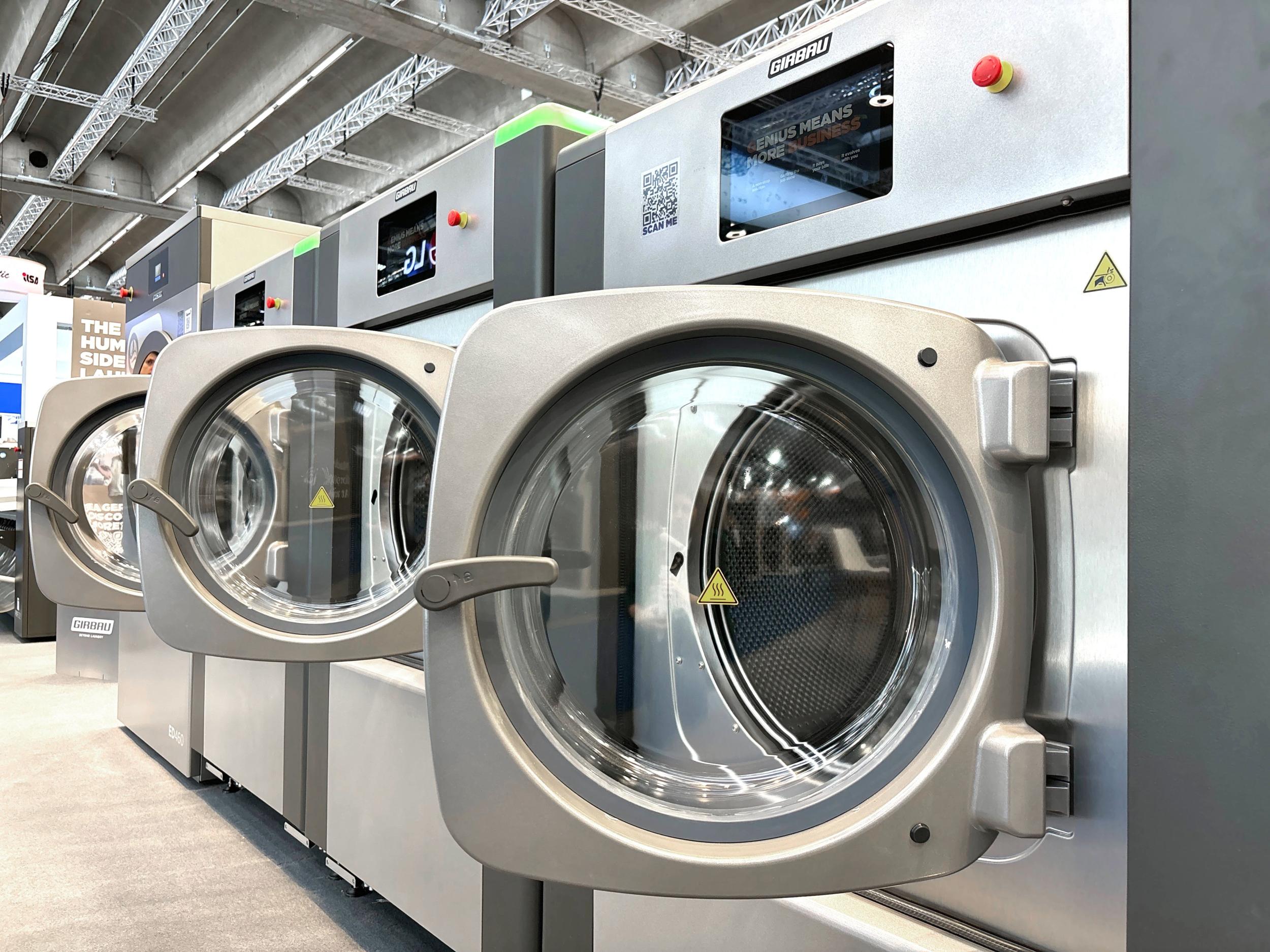
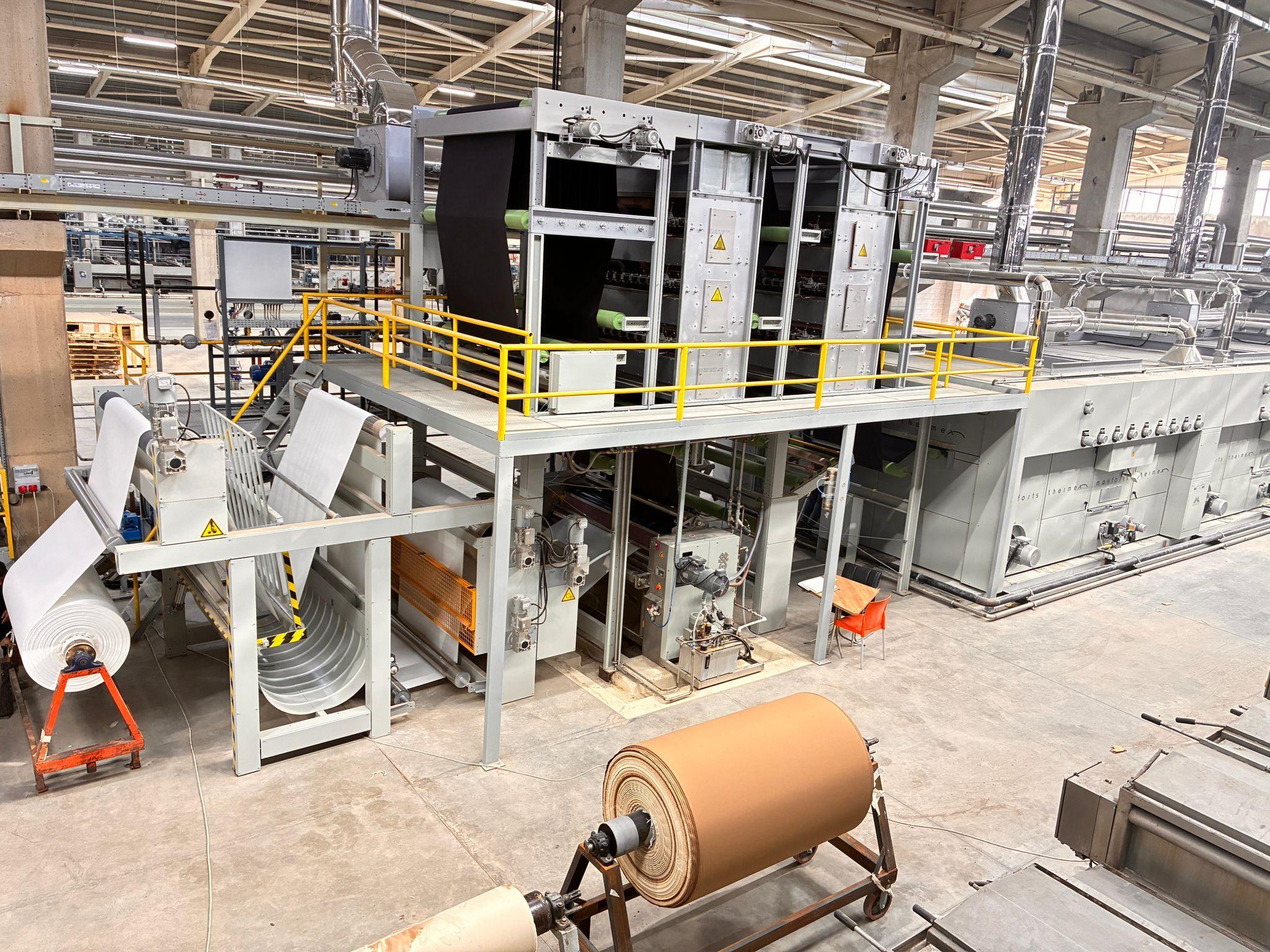
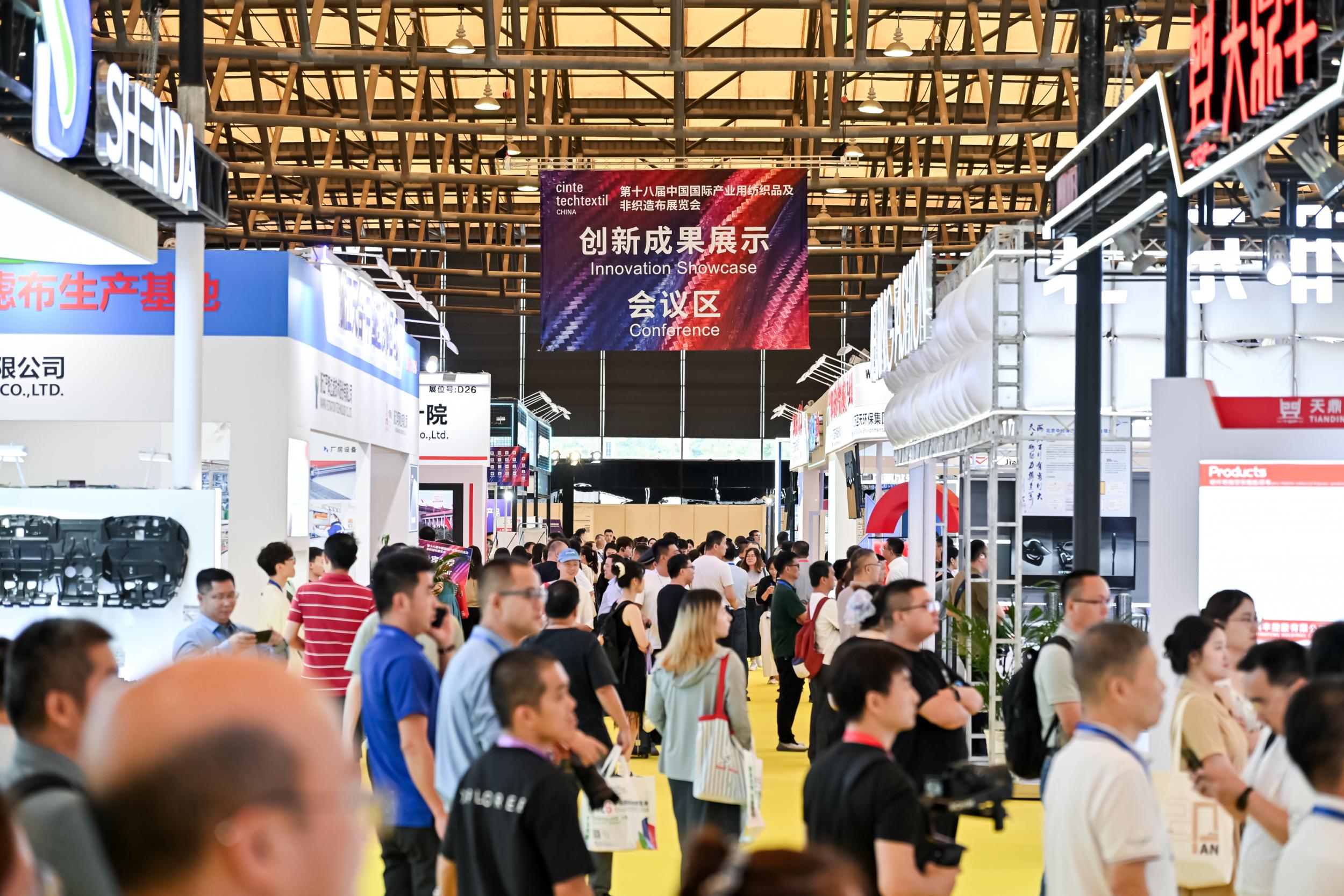
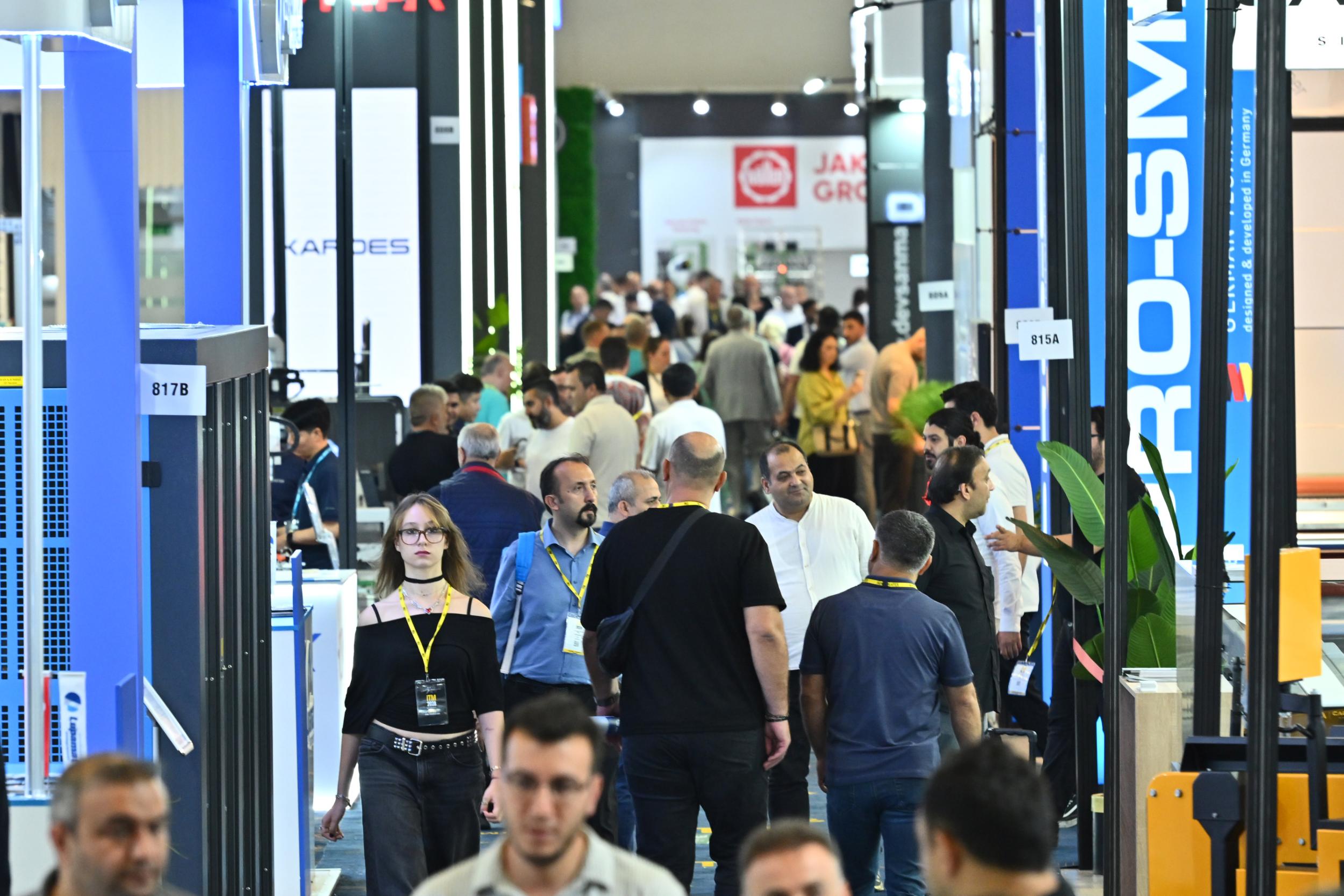
ITM 2026 International Textile Machinery Exhibition, one of the most important meeting points of the textile machinery sector, attracted attention in its first three days, particularly with its diverse international visitor numbers. Industry professionals from all over the world had the opportunity to closely examine the latest technology machines and solutions displayed in operation. Thousands of visitors from approximately 100 countries, primarily Egypt, Pakistan, India, Uzbekistan, Syria, Turkmenistan, Tajikistan, Morocco, Algeria, and Tunisia, met at the Tüyap Fair and Congress Center for new investment and cooperation opportunities.
Organised by Teknik Fuarcılık A.Ş. and Tüyap Tüm Fuarcılık Yapım A.Ş. in partnership with TEMSAD, ITM 2026 International Textile Machinery Exhibition opened its doors to its visitors on 9 June. Hosting the innovative technologies of textile technology leaders, ITM 2026 Exhibition offered unique opportunities to exhibitors by providing an excellent platform for world launches and new collaborations. For many industry professionals who find it difficult to attend exhibitions in Europe due to visa and travel costs, ITM stood out as an accessible exhibition. Hosting visitors from a wide geographical area, including Asia, Europe, Africa, America, the Middle East, and the Turkic Republics, ITM 2026 Exhibition once again demonstrated its international character.
ITM 2026 Has Become the Address for Business Owners Planning New Investments
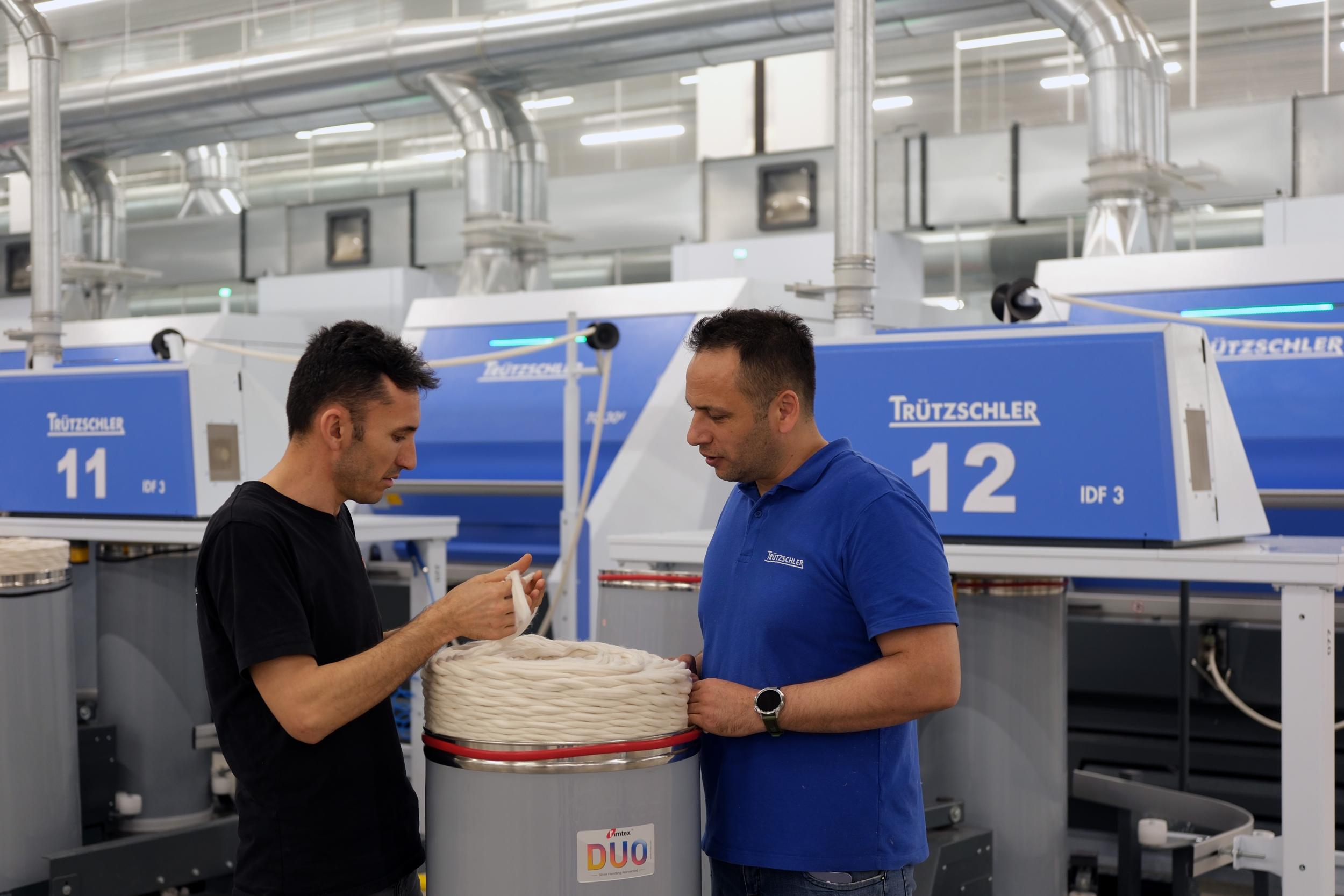
Companies participating in ITM 2026 stated that the exhibition stood out not only in terms of visitor numbers but also in the quality of its visitors from the very first days. The strong interest shown in the exhibition, particularly by business owners, factory managers, and decision-makers planning new investments, met the expectations of participating companies. Industry representatives state that the fact that professionals who maintain their investment agenda despite the current economic conditions are choosing ITM 2026 is increasing the commercial success of the exhibition.
Machine Sales and Strong Collaborations Signed at ITM 2024
The intensive meetings held at the stands of participating companies are laying the groundwork for new collaborations, while many companies are also signing significant machinery sales agreements during the exhibition. Industry representatives state that despite the current economic conditions, the appetite for investment continues, and the exhibition is an important source of motivation in this respect.
ITM 2026 Exhibition, where innovations from every field of textile from weaving to knitting, from yarn to digital printing, from finishing to denim, will continue to host its visitors until 13 June. Visitors to the exhibition will discover innovative, nature-protecting, pioneering technologies in digitalisation for a sustainable future. Company owners who will be able to get information from experts about the technologies they will use in their factories; will develop their products and direct their investments. Thanks to the machine sales and new investment decisions to be taken, the textile machinery sector will gain a great momentum in the world and in Türkiye.
ITM 2026