
From the Sector

Reset
156 results
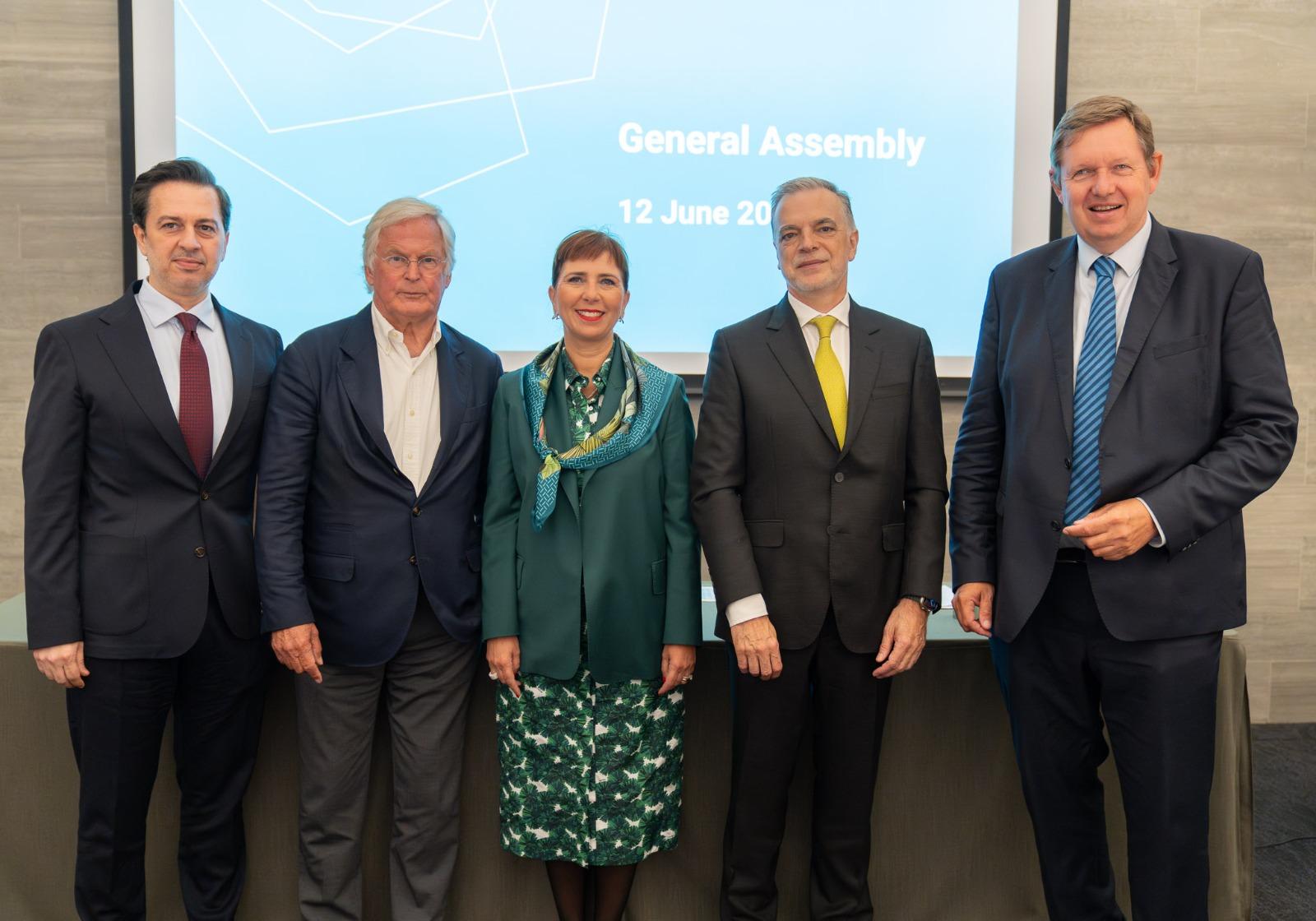
Presidency Team Photo (c) European Apparel and Textile Confederation EURATEX
Presidency Team
12.06.2026

Mario Jorge Machado re-elected President of EURATEX

The EURATEX General Assembly has re-elected Mario Jorge Machado as President of EURATEX, renewing its confidence in his leadership at a crucial moment for the European textile and clothing industry. The sector is facing rising costs, global competitive pressure and an increasingly challenging transition towards sustainability and digitalisation. 

With a degree in Production Polymer Engineering from the University of Minho, Mario Jorge Machado brings extensive industrial experience and a strong commitment to innovation, competitiveness and sustainable transformation. 

Upon his re-election, Mario Jorge Machado said:
“My priority for this new mandate is clear: to strengthen the competitiveness of our industry, ensure that the same rules apply to all products sold in Europe, and support our companies through the green and digital transition. Europe must decarbonise its industry, not deindustrialise it.” 

Three priorities for the new mandate

The EURATEX General Assembly has re-elected Mario Jorge Machado as President of EURATEX, renewing its confidence in his leadership at a crucial moment for the European textile and clothing industry. The sector is facing rising costs, global competitive pressure and an increasingly challenging transition towards sustainability and digitalisation. 

With a degree in Production Polymer Engineering from the University of Minho, Mario Jorge Machado brings extensive industrial experience and a strong commitment to innovation, competitiveness and sustainable transformation. 

Upon his re-election, Mario Jorge Machado said:
“My priority for this new mandate is clear: to strengthen the competitiveness of our industry, ensure that the same rules apply to all products sold in Europe, and support our companies through the green and digital transition. Europe must decarbonise its industry, not deindustrialise it.” 

Three priorities for the new mandate

1. Competitiveness as the foundation
Mario Jorge Machado has made clear that competitiveness must be the starting point for any successful industrial policy. In his recent Brussels address, he stressed that without competitiveness there can be no investment, no innovation, no sustainability and no strategic autonomy. He will therefore continue to push for a stronger business environment for textile companies, with support for investment in automation, digitalisation, artificial intelligence, skills and innovation, especially for SMEs. 

2. A genuine level playing field
A second key priority is to ensure that the same rules apply to everything sold in Europe, not only to what is made in Europe. Mario Jorge Machado has repeatedly called for stronger market surveillance, better border enforcement and more effective control of imports sold through digital platforms, so that European companies are not put at a disadvantage against products that bypass EU safety, environmental and consumer rules. EURATEX will continue to advocate for equal enforcement, fair competition and a market where compliance is rewarded. 

3. Supporting industry through the transition
Mario Jorge Machado also wants to ensure that the green and digital transition strengthens European industry rather than weakening it. He has underlined that sustainability must become a source of competitiveness, not a burden, and that companies need realistic rules, affordable energy, workable implementation and targeted support to adapt successfully. He has also stressed the importance of stimulating demand for sustainable European-made textiles, including through public procurement and transparency tools that are feasible for companies. 

Presidency Team
The General Assembly also confirmed the composition of the EURATEX Presidency Team, which will support the President in steering the organisation’s strategic direction:

  • Mr. Franz Peter Falke, T+M, Germany
  • Ms. Barbara Cimmino, Confindustria Moda, Italy
  • Mr. Ismail Kolunsag, IHKIB, Türkiye 
  • Mr. Grégory Marchand, UIT, France 
Source:

European Apparel and Textile Confederation EURATEX

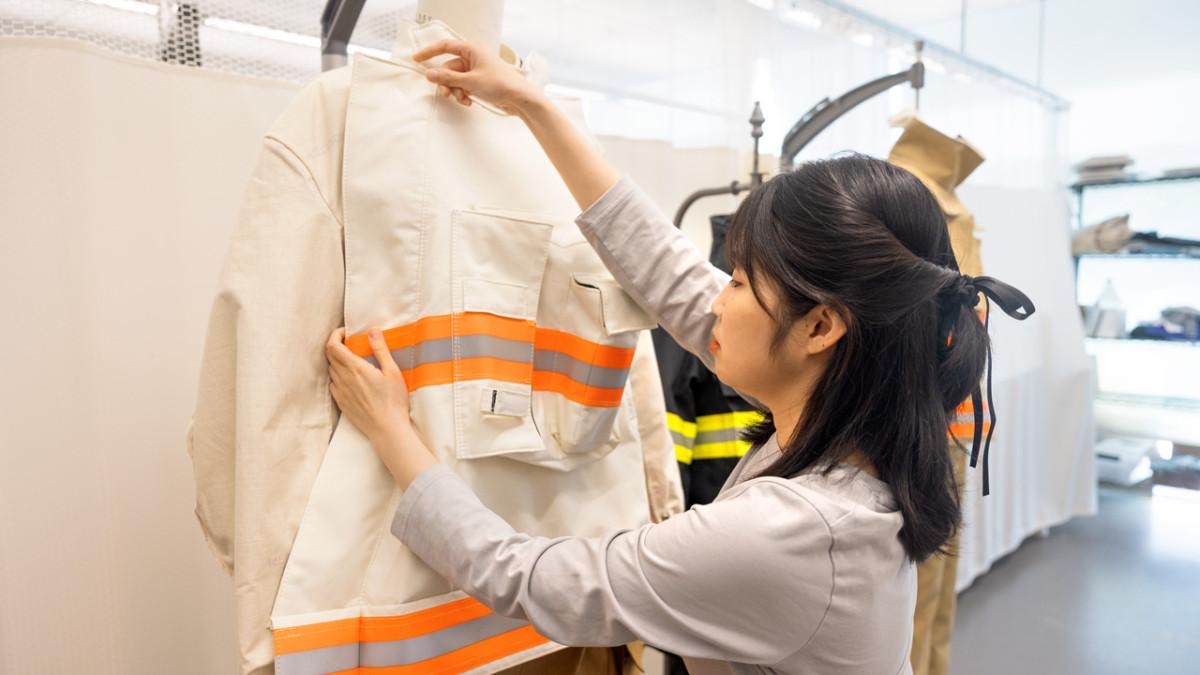
Huieun Do, M.A. ’25, a member of the Performance Apparel Design Lab, works with a prototype of the redesigned fire gear the lab is developing in coordination with professional firefighters. (c) Jason Koski/Cornell University
Huieun Do, M.A. ’25, a member of the Performance Apparel Design Lab, works with a prototype of the redesigned fire gear the lab is developing in coordination with professional firefighters.
11.06.2026

Redesigned fire gear offers potentially more cooling, less toxicity

A Cornell researcher’s bold new redesign of firefighter gear – which hasn’t significantly changed in decades – is more versatile and better adapted to their actual work, only a small fraction of which involves actually fighting structure fires.

Heeju Terry Park, the Vincent V.C. Woo Professor in the Department of Human Centered Design in the College of Human Ecology, and his lab developed the new two-piece, Velcro- and zipper-equipped suits after interviewing more than 50 firefighters. 

“I was asked to design new turnout gear for better thermal management and work efficiency,” Park said. “Current turnout gear has been used for decades with modest changes of design and materials despite increasing fire service roles for handling more wildland fires and emergency rescue operations.”

Huieun Do, M.A. ’25, a member of the Performance Apparel Design Lab, works with a prototype of the redesigned fire gear the lab is developing in coordination with professional firefighters.

A Cornell researcher’s bold new redesign of firefighter gear – which hasn’t significantly changed in decades – is more versatile and better adapted to their actual work, only a small fraction of which involves actually fighting structure fires.

Heeju Terry Park, the Vincent V.C. Woo Professor in the Department of Human Centered Design in the College of Human Ecology, and his lab developed the new two-piece, Velcro- and zipper-equipped suits after interviewing more than 50 firefighters. 

“I was asked to design new turnout gear for better thermal management and work efficiency,” Park said. “Current turnout gear has been used for decades with modest changes of design and materials despite increasing fire service roles for handling more wildland fires and emergency rescue operations.”

Huieun Do, M.A. ’25, a member of the Performance Apparel Design Lab, works with a prototype of the redesigned fire gear the lab is developing in coordination with professional firefighters.

Park’s yearlong redesign project – which included Huieun Do, M.A. ’25; Albert Lin, M.A. ’23; and Kim Phung Nguyen, all doctoral students in apparel design – was supported by a grant from the Federal Emergency Management Agency.

The project was in collaboration with International Personnel Protection Inc., a private consulting company, as a subcontractor to the International Association of Fire Fighters (IAFF), the union representing more than 360,000 professional firefighters and paramedics in North America. This work was undertaken as part of a Department of Homeland Security grant to the IAFF.

The term “firefighter,” while technically accurate, doesn’t paint the full picture of what these men and women do on a daily basis. In fact, according to the U.S. Fire Administration, more than 60% of fire department responses are for medical aid calls. Firefighters respond more to false alarms (8%) than to actual fires (3.9%).

Firefighters don’t always need their bulky turnout gear, which creates additional physiological stress due to heat and restricted movement. Additionally, some of the materials these protective suits contain or are treated with PFAS (per- and polyfluoroalkyl substances), known carcinogens dubbed “forever chemicals.”

Park’s Performance Apparel Design Lab’s modernized gear, inspired by the suits worn by Formula 1 racecar drivers, can be adapted to the task at hand, and uses noncarcinogenic materials.

In interviews, the researchers identified three primary problems with firefighter suits:
•    These suits are designed mainly for thermal protection – understandable, but since less than 4% of firefighter calls are for fires, firefighters are often overdressed. According to the U.S. Fire Administration, the main cause of on-duty firefighter death is cardiovascular in nature, triggered by heat stress;
•    A growing number of firefighters are women (approximately 9% of all firefighters, paid and volunteer), and clothing generally designed for men don’t always work if they’re just made smaller; and
•    The PFAS chemicals used to treat suits pose a significant health risk. According to the Firefighter Cancer Support Network, firefighters are 9% more likely than the general public to be diagnosed with cancer, and 14% more likely to die from it.

Traditional fire suits are multilayer, heavy-duty coats and pants featuring three layers of material – a flame- and puncture-resistant outer shell, made from a blend of Kevlar (Para-aramid) and polybenzimidazole (PBI) or Nomex fibers; a moisture barrier, typically made from heat-resistant breathable film material laminated to an aramid substrate; and a thermal barrier to provide additional thermal insulation. 

The main difference between current firefighter clothing and the Park lab’s redesign is versatility. The new clothing strikes a balance between a one-piece coverall concept and the more traditional two-piece design. Lin said that in interviews with firefighters, a one-piece coverall wasn’t well received.

“The firefighters were very hesitant to accept a coverall design,” Lin said, “so we had to navigate creating something that has the level of protection that a coverall provides, but in a design where firefighters will be more accepting of it.”

The new design is two pieces, which can be connected with zippers and Velcro to function as a coverall. The protective outer layer of the top can be unzipped and secured around the waist or completely removed when not needed, a feature similar to the suits worn by F1 racers.

“This unique design feature will enable firefighters to quickly cool down their body in non-firefighting situations,” Park said. In particular, the upper portion of the redesigned gear promotes effective heat release; more than 60% of perspiration occurs in the head and torso.

Additionally, the top features dual vertical zippers, for ease of donning and removal; a detachable front panel, convenient for bathroom breaks; two-way zippers to allow for ventilation; and a lower collar to reduce skin irritation and improve breathability.

The detachable front pocket of the redesigned fire suit features compartments so tools can be custom-organized by the firefighter. 

Another improvement is the front pocket, which typically stores the tools a firefighter needs. To facilitate quick access, the new design’s pocket features compartments so the tools can be custom-organized by the firefighter for ease of access in stressful situations.

The pocket is also detachable, and can be secured in front to accommodate either right- or left-handed people, and so access is not restricted, for example, by the straps of an oxygen tank.

Considering the significant concern over PFAS chemicals, the new gear Park’s team designed were prototyped using PFAS-free fabrics for the outer shell and moisture barrier. Recently, some U.S. states have moved toward banning turnout gear with PFAS; Canada and the European Union have moved toward banning PFAS in all goods, including turnout gear.

In the U.S., PFAS bans are mostly enacted at the local and state level; what few federal proposals there are only fund research into PFAS replacements, but not regulation. State-level bans have been enacted, but are not yet in effect, in Connecticut, Massachusetts, New York, Florida, Illinois, and California; disclosure laws also have been enacted in Rhode Island.

Most state-level PFAS bans restrict buying of turnout gear with PFAS; however, they do not fund the replacement or purchase of new turnout gear.

Park is hoping to secure additional funding to enable further testing of the updated fire suits, with firefighters in Ithaca as well as at the New York City Fire Department training facility on Randall’s Island.

“I want to test whether this is really better designed to handle all the stressful tasks,” he said. “We want to see how quickly they can put it on and take it off, and how quickly they can reach the tools without dexterity issues, and how they feel about the new design aesthetically, culturally, psychologically, and whether it works for men, women, tall people, small people. That’s the next step.”

Source Fashion January 2026 Photo (c) Source Fashion
Source Fashion January 2026
11.06.2026

Source Fashion Partners with Neuthread

Neuthread has been named as Source Fashion's Charity and Design Partner in a new 12-month collaboration designed to champion circular fashion, inclusion and industry innovation.

Created by autism and neurodiversity charity Daisy Chain, Neuthread has gained industry recognition for transforming textile waste into high-quality fashion collections and became the first charity-led fashion brand to present a scheduled runway show at London Fashion Week in 2024. Through the new partnership, Source Fashion and Neuthread will work together to raise awareness of circular fashion, promote innovative approaches to tackling textile waste and encourage greater collaboration between brands, manufacturers, retailers and sustainability leaders.

Neuthread has been named as Source Fashion's Charity and Design Partner in a new 12-month collaboration designed to champion circular fashion, inclusion and industry innovation.

Created by autism and neurodiversity charity Daisy Chain, Neuthread has gained industry recognition for transforming textile waste into high-quality fashion collections and became the first charity-led fashion brand to present a scheduled runway show at London Fashion Week in 2024. Through the new partnership, Source Fashion and Neuthread will work together to raise awareness of circular fashion, promote innovative approaches to tackling textile waste and encourage greater collaboration between brands, manufacturers, retailers and sustainability leaders.

Founded to challenge the perception that textile waste has reached the end of its life, Neuthread transforms donated, surplus and reclaimed textiles into contemporary fashion collections that combine environmental sustainability with social impact. The brand has rapidly gained recognition for its innovative approach to circular fashion, demonstrating how waste materials can be repurposed into desirable, commercially viable products while creating opportunities for autistic and neurodivergent people to develop skills and access employment pathways within the fashion and textiles sector.

Building on its London Fashion Week success, the organisation has since secured £1.5 million in investment from The National Lottery Community Fund to establish a pioneering circular fashion manufacturing facility in the North East of England, designed to reduce textile waste while creating training, volunteering and employment opportunities through its linked skills academy programme, Mend It Don't Rag It (MIDRI).

Over the next 12 months, the partnership will focus on building an eco-system of brands, manufacturers and retailers with innovative circular solutions, encouraging collaboration across the supply chain and creating new opportunities to repurpose surplus materials and textile waste.

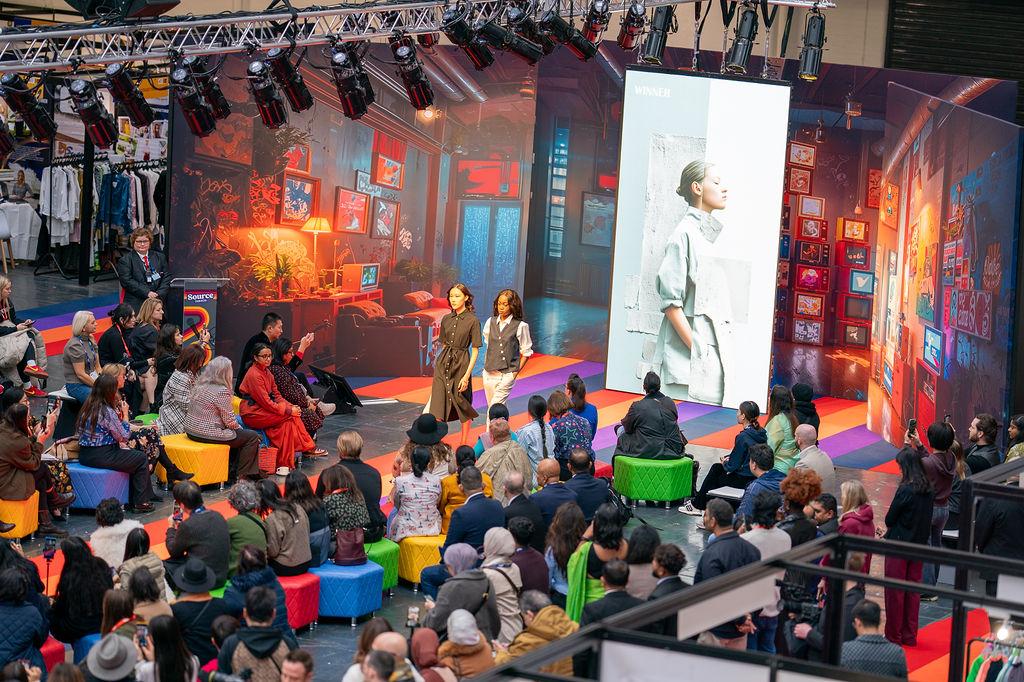
As Design Partner, Neuthread will headline the Source Catwalk throughout the July edition, presenting its collections three times a day alongside trend-led showcases from Source Fashion exhibitors and bringing circular fashion to the forefront of the show's content programme. The partnership will provide a platform to demonstrate how surplus, reclaimed and donated textiles can be transformed into commercially relevant fashion collections, while highlighting the opportunities that circular design presents for the wider industry.

The catwalk showcases will also support Neuthread's ambition to build new relationships with brands, manufacturers and retailers looking for innovative solutions for surplus fabrics, deadstock materials and textile waste streams. Through the partnership, Neuthread hopes to encourage greater collaboration across the industry and demonstrate practical alternatives to landfill and low-value textile recycling.

Johnathon Pickard, Director of Business Development & Income Generation, Neuthread commented: "We are incredibly proud to be partnering with Source Fashion as both Charity Partner and Design Partner for the July show. Source Fashion has established itself as one of the most influential platforms driving conversations around responsible sourcing, sustainability and the future of fashion. Those are conversations that sit at the very heart of what Neuthread is seeking to achieve.

Neuthread was created to challenge the perception that textile waste has reached the end of its life. Through innovative design, circular manufacturing and the talents of autistic and neurodivergent people, we are demonstrating how fashion can create environmental, social and economic impact simultaneously.

Following our journey from becoming the first charity to showcase a scheduled fashion brand collection at London Fashion Week through to securing £1.5 million to establish a pioneering circular fashion manufacturing facility, we are now entering an exciting period of growth. Working alongside Source Fashion provides an opportunity to share that vision with a wider industry audience and inspire new ways of thinking about sustainability, creativity and inclusion.

We are excited about what this partnership can achieve over the next 12 months and look forward to collaborating with the Source Fashion team to demonstrate that fashion can be a force for positive change.”

Suzanne Ellingham, Event Director of Source Fashion, added: “Neuthread is a natural fit for Source Fashion because they bring together creativity, circular innovation and practical action in a way that genuinely resonates with the challenges facing our industry today.

"As our Charity and Design Partner, they will play a central role in the July edition, headlining the Source Catwalk with showcases that demonstrate how surplus, reclaimed and donated textiles can be transformed into commercially relevant fashion collections. Their ambition to build new partnerships across the industry also aligns closely with our mission to connect businesses, encourage collaboration and drive meaningful change.

"From their pioneering manufacturing facility in the North East of England to the Source Fashion catwalk in London, Neuthread showcases the incredible innovation taking place across the UK fashion and textiles sector. We are proud to provide a platform that helps bring those stories to a wider audience and look forward to working together over the next 12 months."

Visitors to Source Fashion's July 2026 edition will be able to experience Neuthread's catwalk collections, engage directly with the team throughout the show and learn more about the organisation's pioneering approach to circular manufacturing, textile waste reduction and inclusive employment.

Source:

Source Fashion

Signal 08 - CHLOROLIRIUM — Charlie Moon; Messe Frankfurt
09.06.2026

Autopsy: New trend book by Texworld Apparel Sourcing Paris

Autopsy, the new trend book by Texworld Apparel Sourcing Paris, deciphers the fractures of our time through 12 creative signals. Materials, colors, shapes, and narratives come together to create a forward-looking map for the Autumn-Winter 2027-2028 season. 
 
Presented during Texworld Apparel Sourcing Paris, from August 31 to September 2, 2026, at the Paris-Le Bourget Exhibition Center, Autopsy offers a reinterpretation of the contours of fashion in a world undergoing profound transformation, balancing radical introspection and sensitive renewal. 
 
Designed under the artistic direction of Louis Gérin and Grégory Lamaud by the Texworld Apparel Sourcing Paris Trends Table, this new edition marks a major evolution in the way trend forecasting is presented: replacing the four major narrative worlds that structured previous editions, Autopsy introduces this year a broader and more instinctive approach. Twelve emerging signals now shape a sensitive mapping of the cultural, social, aesthetic, and emotional tensions defining our era. 
 
A tool for decoding and creative insight. 

Autopsy, the new trend book by Texworld Apparel Sourcing Paris, deciphers the fractures of our time through 12 creative signals. Materials, colors, shapes, and narratives come together to create a forward-looking map for the Autumn-Winter 2027-2028 season. 
 
Presented during Texworld Apparel Sourcing Paris, from August 31 to September 2, 2026, at the Paris-Le Bourget Exhibition Center, Autopsy offers a reinterpretation of the contours of fashion in a world undergoing profound transformation, balancing radical introspection and sensitive renewal. 
 
Designed under the artistic direction of Louis Gérin and Grégory Lamaud by the Texworld Apparel Sourcing Paris Trends Table, this new edition marks a major evolution in the way trend forecasting is presented: replacing the four major narrative worlds that structured previous editions, Autopsy introduces this year a broader and more instinctive approach. Twelve emerging signals now shape a sensitive mapping of the cultural, social, aesthetic, and emotional tensions defining our era. 
 
A tool for decoding and creative insight. 
Conceived as a tool for decoding and creative monitoring, this trend book explores a society at a turning point: technological saturation, loss of meaning, exhaustion of dominant narratives, but also a return to nature, a need for humility, and a desire to reconnect with reality. Far beyond a purely stylistic reading, Autopsy questions the place of the body, nature, memory, and intelligence within a changing civilization. The twelve themes it presents, built around a selection of inspiring colors and materials, combine sociological reflection with creative proposals. 
 
Signal #1 – Normskin 
In a world where algorithms dictate behaviors, Normskin questions the standardization of bodies, tastes, and identities. Silhouettes become uniform, materials repetitive, and aesthetics cloned. This apparent perfection conceals the silent tension of a society that increasingly rejects singularity. Modular textures, calibrated layering, and geometric patterns, expressed through a rather neutral color palette, reflect this silent dictatorship of sameness and conformity. 
 
Signal #2 – Florabiote 
This theme celebrates the proliferation of living organisms as a response to the exhaustion of human systems. Nature, like a jungle, becomes invasive and abundant. Organic colors, artificial blooms, velvety materials, and spontaneous compositions create a hybrid landscape where textiles transform into an emotional biotope: cocoon coats, floral jacquards, mossy velvets, and botanical embroideries shape a generous and instinctive atmosphere driven by the idea that diversity is the true condition for survival. 
 
Signal #3 – Decarnation 
This proposal questions the distancing of the physical body in a hyperconnected world. Clothing becomes a shell, a relic, or the trace of an absent presence. Textures appear altered and weathered, colors faded and sometimes almost ghostly. Between symbolic flesh, worn surfaces, and disembodied volumes — bodies as showcases — this signal presents a suspended and fragile fashion, illustrating the programmed disappearance of physical embodiment. 
 
Signal #4 – Fusionary 
This theme sketches a world in recomposition, where forms, materials, and functions combine freely. Structures intersect, hybridize, and mutate according to an organic logic inspired by living systems. Textiles play with assembly, networks, and graphic tensions through a warm color palette. Creativity here is driven by the blending of disciplines, cultures, and craftsmanship. 
  
Signal #5 – Vitaminoid 
A reflection of an extinct civilization where individuals become caricatures of themselves. Colors are explosive and contrasting, volumes inflated with fluffy materials: colorful faux furs, oversized shapes, cartoon-like silhouettes. The forms express a society where spectacle is permanent. Between pop culture, digital avatars, and the cult of symbols — people become characters — this signal explores a simplified humanity where identity becomes performative and instantly consumable. 
 
Signal #6 – Evinescence 
This theme stages the remnants of a humanity fascinated by its own image. Pigmented transparencies, altered reflections, fragmented textures, and historical traces shape a visual expression of disappearance. Like leaves covering the ground, cultural signs remain, yet already seem fossilized. Garments appear worn down by time and memory. This signal reflects the fragile beauty of an environment aware of its own exhaustion. 
 
Signal #7 – Paleogreen 
This theme celebrates the return of vegetation over the ruins of human systems. A future where materials appear eroded, marked by time, and crossed by organic and mineral traces. Muted greens, accidental effects, and layered surfaces depict an ecosystem where nature silently reclaims space. An archaeological and contemplative aesthetic, quiet and introspective, between memory and disappearance. 
 
Signal #8 – Chlorolirium 
This direction places nature as the ultimate model. Forms sprout, stretch, and proliferate within a vegetal universe that has become a culture in itself. Chlorophyll-inspired colors, fluffy supports, plant-like silhouettes, and livingfabric effects create a sensory language inspired by biology. This signal celebrates an instinctive reconnection with nature and a poetic vision of a postanthropocentric future. 
 
Signal #9 – Aquamorphosis 
Inspired by aquatic, fluid, and adaptable volumes, this proposal highlights translucent, moving, and polymorphic materials, as though shaped by currents. Reflective effects, liquid surfaces, wet-look finishes, and organic constructions express a fashion capable of evolving with its environment. This signal develops an immersive and primal visual proposal, where clothing acts like a flexible and evolving second skin. 
 
Signal #10 – Wondermeil 
When beauty emerges after exhaustion: certainties collapse, colors burst, patterns vibrate, and sensations multiply. Compositions are naïve, joyful, and almost psychedelic. Between raw emotion and euphoria, this signal celebrates, through an explosion of color, the ability of sensations to re-enchant the way we see the world. 
 
Signal #11 - Urbicéa 
Cet axe convoque les traces laissées par les civilisations : architectures résiduelles, objets techniques, structures survivantes. Les matières minérales, les gris bétonnés, sourds, et les lignes brutalistes composent un paysage urbain devenu vestige. Entre rigidité industrielle et poésie des ruines, ce signal interroge la mémoire des objets et la permanence des constructions face à la disparition des idées. 
 
Signal #12 – Epiternel 
The story of Autopsy concludes with an aesthetic of sedimentation and rediscovered humility. Burnt wood, carbon residues, marbled textures, and animal traces express a world returned to essentials. This signal favors deep, enveloping, and silent structures — almost monastic — like the remnants of a truth finally laid bare. A peaceful and lucid vision of “the aftermath.” 
 
An immersive scenography at the heart of the trade show 
The Autopsy trend book will be unveiled and presented by Louis Gérin during the show at a conference held on the Agora stage. From August 31 to September 2, 2026, visitors will be able to discover in Hall 2 a selection of materials, color proposals, and silhouettes directly inspired by the twelve signals of the trend book, within an immersive journey designed as a forward-looking exploration of the Autumn-Winter 2027-2028 season.

Source:

Messe Frankfurt

Photo (c) Neo.Fashion.
08.06.2026

Neo.Fashion. Berlin: Emerging Fashion Talent Chart a New Course

More than 620 talents, nine editions, one milestone: Neo.Fashion. celebrates its 10th edition this July and announces a new organizational structure — a clear statement of commitment to the long-term development of emerging talent in the German fashion industry. 

More than 620 talents, nine editions, one milestone: Neo.Fashion. celebrates its 10th edition this July and announces a new organizational structure — a clear statement of commitment to the long-term development of emerging talent in the German fashion industry. 

Germany’s most versatile platform for emerging fashion talent marks its 10th anniversary with a strategic repositioning and a new venue: For its 10th edition, Neo.Fashion. will take place during Berlin Fashion Week from July 2 to 4, 2026, in a former industrial hall at “Neues Ufer 13” in Berlin-Moabit. The program includes the Best Graduates Shows and Aspiring Designer Shows, alongside the presentation of the Neo.Fashion. Award and the Digital Fashion Award. To date, ten universities from Germany, Austria, Switzerland, and Ukraine have confirmed their participation. A strong emphasis on sustainability defines this year’s collections. With the establishment of the non-profit Neo.Fashion. e.V. in 2025, the initiative has further professionalized its organizational structure, creating a more robust foundation for the long-term promotion of emerging design talent. 
 
What started in 2017 as a vision has since become a defining fixture for young fashion designers across Germany: Neo.Fashion. is celebrating its 10th edition this year. Since the inaugural graduate show in the fall of 2017 at Motorwerk Weißensee in Berlin, more than 620 graduates from across the country have presented their final collections on the Neo.Fashion. stage. In 2019, the platform became an official part of Berlin Fashion Week, cementing its place in the international fashion calendar. With the Best Graduates Shows, the Aspiring Designer Shows, the Neo.Fashion. Award, and the Digital Fashion Award — launched for the first time last year — Neo.Fashion. has grown into a unique ecosystem that goes far beyond a pure presentation platform. 

The founding of the nonprofit Neo.Fashion. e.V. in 2025 marks a pivotal step toward sustained, structured talent development. A newly expanded organizational team now manages the full range of Neo.Fashion. activities — from university coordination and communications to technical production, industry partnerships, textile research, and startup outreach. Workshops, competitions, mentoring programs, and international collaborations will be part of the platform’s expanded offering going forward. 

Neo.Fashion. is also making a geographic move. From July 2 through 4, 2026 — as always, in sync with Berlin Fashion Week — the event relocates to “Neues Ufer 13” (“New Shore 13”) in the Berlin district of Moabit: a former industrial hall whose raw, urban aesthetic provides an authentic backdrop for young, uncharted fashion voices. “We see ‘Neues Ufer’ as a metaphor — for us as a format that has reinvented itself time and again over ten years, and for the talents who show their collections here with a new shore as their destination,” says Jens Zander, CEO of brand experience agency S49, founder of Neo.Fashion., and director of the new Neo.Fashion. e.V., where he oversees production and strategic development. 

More than ten professional runway shows are planned, featuring selected graduates from nearly all German fashion schools presenting their collections. Each show will spotlight six to eight emerging designers. In total, up to 80 participants will take the stage in July, presenting their work to a broad public audience—well beyond the industry itself. This open and inclusive approach sets Neo.Fashion apart from other formats. 
Ten universities have already confirmed their participation: Hochschule Pforzheim (Pforzheim), Hochschule Niederrhein (Krefeld, Mönchengladbach), AMD Akademie Mode & Design (Berlin, Hamburg, Düsseldorf, Wiesbaden, Munich), Hochschule Reutlingen (Reutlingen), Hochschule Hannover (Hannover), Hochschule Bielefeld (Bielefeld), Hochschule für Technik und Wirtschaft Berlin – HTW Berlin (Berlin), Hochschule Macromedia (Berlin), Burg Giebichenstein Kunsthochschule Halle (Halle/Saale), and HAW Hamburg – University of Applied Sciences (Hamburg). On the international side: the University of Art and Design Linz (Linz, Austria), the Academy of Art and Design Basel – HGK FHNW (Basel, Switzerland), Fashion Art Toronto (Toronto, Canada), and the Kyiv National University of Technologies and Design – KNUTD (Kyiv, Ukraine). 

One theme runs through nearly every collection shown at Neo.Fashion.: sustainability. What was a niche concern a decade ago is now a core driver of young designers’ creative work. From material sourcing and production processes to circular design principles, Neo.Fashion. graduates are rethinking fashion from the ground up — and setting new standards for a responsible future in the industry. Neo.Fashion. actively supports this shift, providing space for innovative, sustainable approaches. 

Nurturing Talent as an Investment in the Future 
Germany’s fashion economy — including retail, startups, and FashionTech — contributes approximately €70 billion to the country’s GDP and supports around one million jobs, according to research by Oxford Economics commissioned by the Fashion Council Germany (FCG) and the Federal Ministry for Economic Affairs and Climate Action (BMWK). The German textile and apparel industry generates around €32 billion in annual revenue and employs more than 120,000 people across approximately 1,400 companies. The German apparel market as a whole recorded revenues of around €67.7 billion in 2025. 

Maintaining and growing that position demands a consistent pipeline of new talent. Platforms like Neo.Fashion. play a central role in bridging the gap between education and professional entry — giving emerging designers the visibility and industry connections they need to launch their careers. 

Success Stories and International Partnerships 
The impact of Neo.Fashion. as a launchpad for young designers is evident in the careers that have followed: many alumni who showed their first collections on the Neo.Fashion. runway have since returned with their own labels — and are now fixtures in the Berlin Fashion Week calendar. 

Particularly noteworthy is the partnership with Ukrainian Fashion Week, established in 2022, which gives Ukrainian design talent an international platform despite the difficult situation in their home country. Strategic partners including the Fashion Council Germany (FCG) and the German Textile and Fashion Federation (Gesamtverband textil+mode) support Neo.Fashion. in broadening its reach and opening doors into the industry for emerging designers. 

Neo.Fashion. — The Ecosystem 
Best Graduates Show: The flagship show of Neo.Fashion. during Berlin Fashion Week, in which the best final collections from fashion design students across Germany are presented in professional runway shows. 

Neo.Fashion. Award: An award recognizing outstanding emerging talent distinguished by exceptional creativity, innovation, or sustainability in their collections — designers who are setting the agenda for the future of the industry. 

Aspiring Designer Shows: A platform for young designers who have already taken their first steps toward independence and are building their own labels — giving them the opportunity to present their current collections to a broad professional audience. 

Digital Fashion Award: Launched in 2025, this award signals a shift in how fashion engages with the digital world — treating it not just as a tool, but as a creative space in its own right. For Neo.Fashion., it marks a key step in the evolution of the format and opens a new chapter in supporting digital emerging talent. 

Neste RE is produced from ISCC certified and traceable renewable raw materials, such as waste and residues like used cooking oil. Source: Neste
Neste RE is produced from ISCC certified and traceable renewable raw materials, such as waste and residues like used cooking oil.
04.06.2026

Renewable nylon fiber for THE NORTH FACE brand

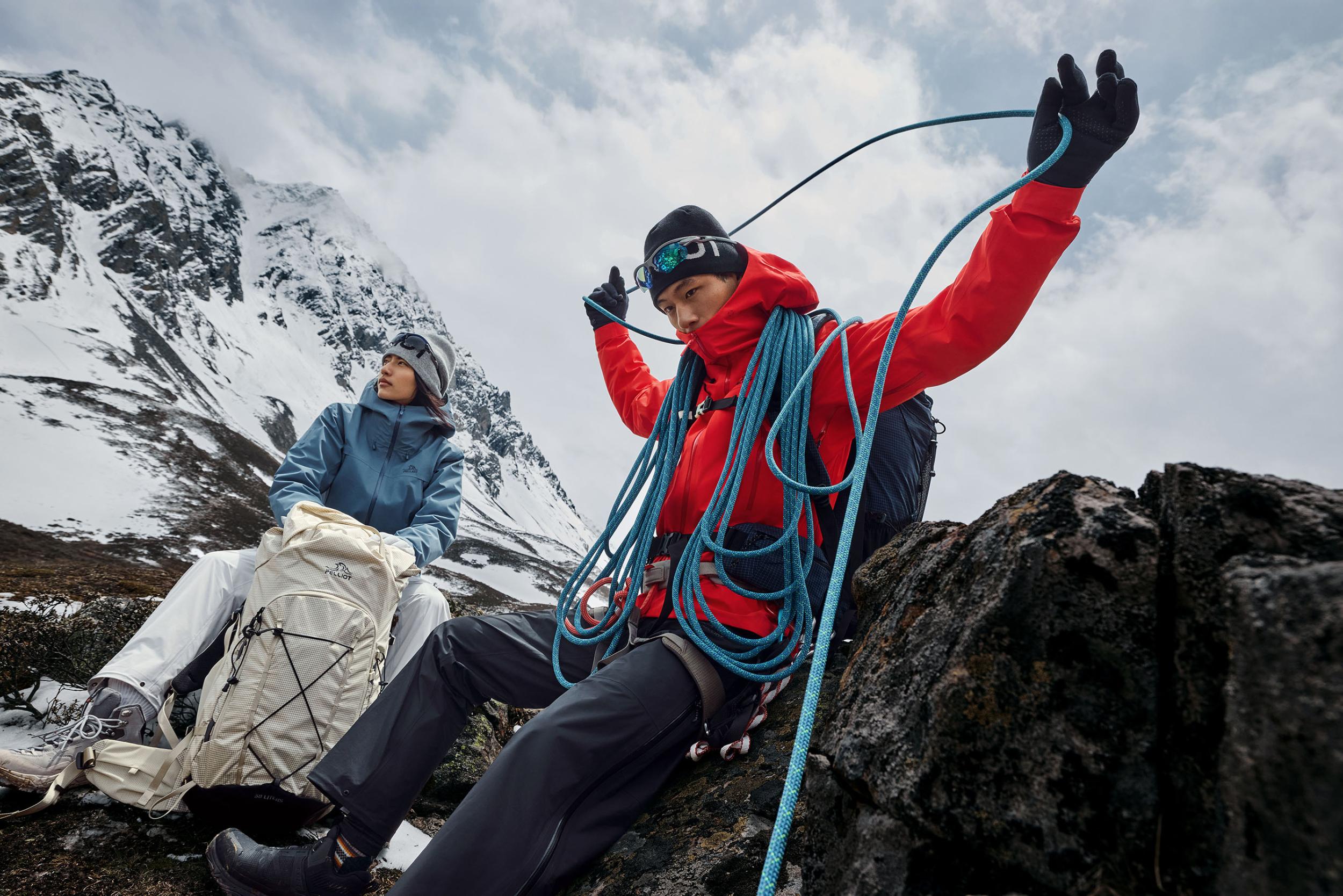
Goldwin Inc., Neste, Idemitsu Kosan Co., Ltd., and Toray Industries, Inc. have established a supply chain for nylon fiber made from renewable raw materials. Neste supplies Neste RE™, a renewable raw material that enables the production of high-performance renewable nylon fiber and reduces the reliance on fossil feedstocks. The nylon fiber produced through this project is scheduled to be used by Goldwin for a part of THE NORTH FACE products in August 2026. 

Renewable naphtha, or Neste RE, is made from bio-based raw materials such as used cooking oil and other renewable raw materials. It is a lower-GHG-emission alternative to conventional fossil feedstocks. With the use of neat (i.e., unblended) renewable Neste RE, over 85%* of the greenhouse gas (GHG) emissions of the raw material are reduced compared to the use of virgin fossil raw materials. Bio-based plastics derived from Neste RE are of identical quality to those made from virgin fossil feedstocks and can be turned into exactly the same products and used for the same applications.

Goldwin Inc., Neste, Idemitsu Kosan Co., Ltd., and Toray Industries, Inc. have established a supply chain for nylon fiber made from renewable raw materials. Neste supplies Neste RE™, a renewable raw material that enables the production of high-performance renewable nylon fiber and reduces the reliance on fossil feedstocks. The nylon fiber produced through this project is scheduled to be used by Goldwin for a part of THE NORTH FACE products in August 2026. 

Renewable naphtha, or Neste RE, is made from bio-based raw materials such as used cooking oil and other renewable raw materials. It is a lower-GHG-emission alternative to conventional fossil feedstocks. With the use of neat (i.e., unblended) renewable Neste RE, over 85%* of the greenhouse gas (GHG) emissions of the raw material are reduced compared to the use of virgin fossil raw materials. Bio-based plastics derived from Neste RE are of identical quality to those made from virgin fossil feedstocks and can be turned into exactly the same products and used for the same applications.

“Renewable materials made from Neste RE meet the performance standards of global brands like THE NORTH FACE operated by Goldwin Inc. This project with Goldwin, Idemitsu, and Toray shows how the fashion industry's dependence on fossil resources can also be reduced for high-performance products. It demonstrates how our drop-in solutions can rapidly transform complex value chains to help brands work towards their climate targets,” says Maiju Helin, Director of Polymers and Chemicals at Neste.

Fossil-based feedstocks, like naphtha, can be replaced with Neste RE without changes to the polymers and chemicals manufacturing infrastructure or processes; it is a seamless drop-in solution. In building this supply chain, the participating companies utilized existing facilities and applied the mass balance** approach.

Mitsubishi Corporation coordinated the participating companies in establishing the supply chain for renewable nylon fiber in Goldwin's products.

This collaboration marks Neste’s second supply chain collaboration for THE NORTH FACE products, following a similar partnership in July 2024.

Source:

Neste Corporation

24.05.2026

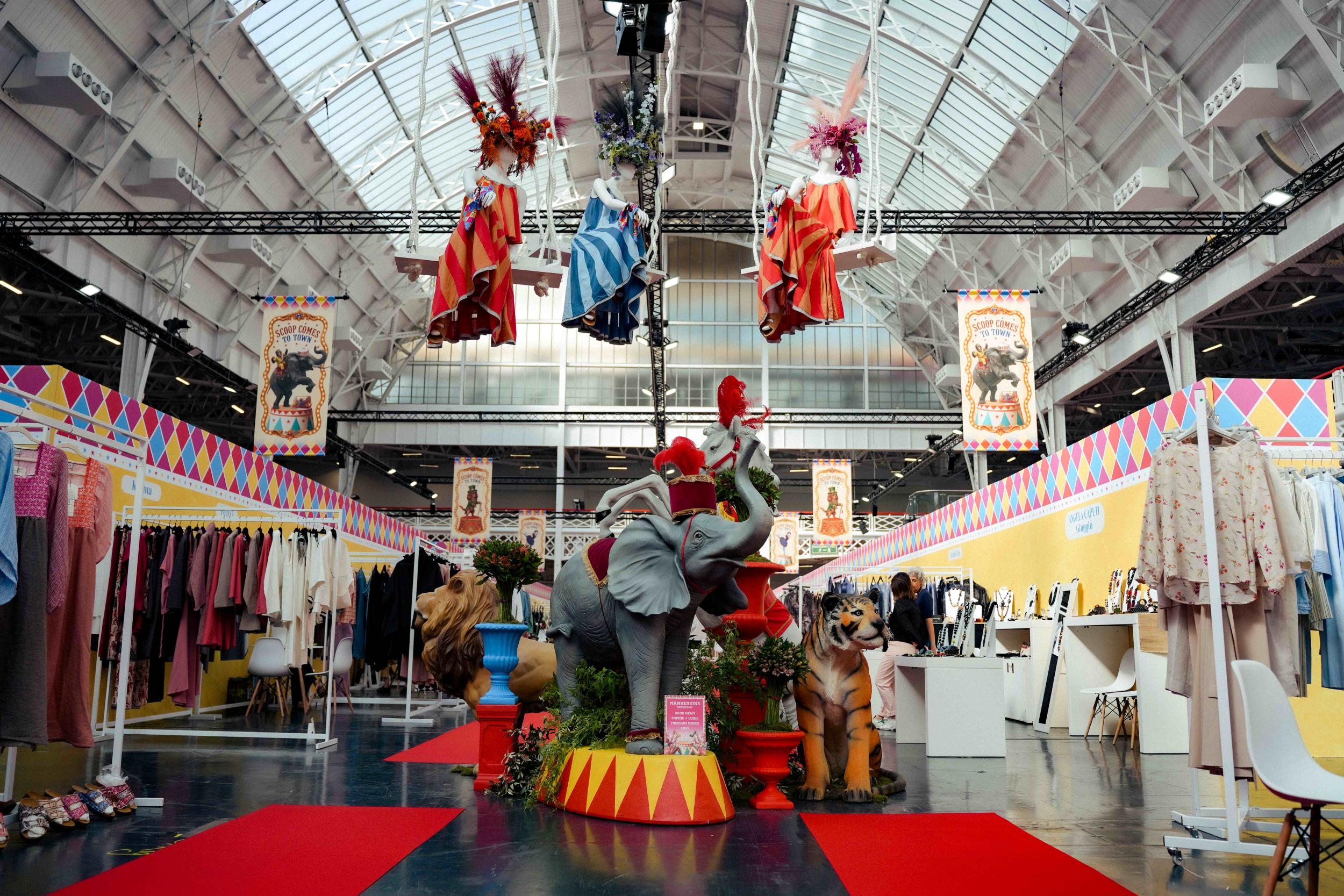
Scoop: Landmark Collaboration with the Italian Trade Association (ICE)

Scoop announced a new collaboration with the Italian Trade Agency (ICE), bringing an exclusive collective of 32 contemporary Italian designers to the upcoming July edition of the show.

Carefully curated exclusively for Scoop, the showcase will present a distinctive edit of Made in Italy fashion, accessories and lifestyle collections spanning ready-to-wear, knitwear, jewellery, handbags, footwear, umbrellas and homeware. None of the participating designers have previously exhibited at Scoop or within the UK market, making the showcase a truly exclusive opportunity for buyers to discover a new wave of contemporary Italian talent. 

The collaboration marks a significant moment for Scoop and further reinforces its position as the UK’s leading premium womenswear and lifestyle trade show, recognised internationally for its highly curated designer mix and influential buyer audience.

Scoop announced a new collaboration with the Italian Trade Agency (ICE), bringing an exclusive collective of 32 contemporary Italian designers to the upcoming July edition of the show.

Carefully curated exclusively for Scoop, the showcase will present a distinctive edit of Made in Italy fashion, accessories and lifestyle collections spanning ready-to-wear, knitwear, jewellery, handbags, footwear, umbrellas and homeware. None of the participating designers have previously exhibited at Scoop or within the UK market, making the showcase a truly exclusive opportunity for buyers to discover a new wave of contemporary Italian talent. 

The collaboration marks a significant moment for Scoop and further reinforces its position as the UK’s leading premium womenswear and lifestyle trade show, recognised internationally for its highly curated designer mix and influential buyer audience.

Selected for their strong design identities, craftsmanship and heritage, the participating designers represent the breadth and diversity of contemporary Italian creativity. The curated edit includes names such as contemporary womenswear label Feel O, luxury accessories collection Hibourama, womenswear designer Nina e Luca, jewellery label Ornella Bijoux, heritage leather goods house Ripani, iconic umbrella maker Pasotti Ombrelli and artisanal accessories designer Polina Firenze, alongside a wider collective of emerging and established Made in Italy collections. Many are family-owned businesses with generations of artisanal expertise, while several continue to manufacture their collections in-house within their own Italian factories, preserving the authenticity and quality synonymous with Made in Italy production.

Karen Radley, Founder and Creative Director of Scoop, comments: “We are absolutely delighted to welcome this exceptional collective of Italian designers to Scoop for the July edition. This collaboration will introduce a completely new dimension to the show, bringing together brands with a distinct point of view, exceptional craftsmanship and a strong sense of heritage.

“What makes this showcase particularly exciting is the authenticity behind the collections. Many of the designers are family-owned businesses with generations of manufacturing expertise and a deep commitment to Made in Italy production. Buyers visiting Scoop this season will discover collections that feel fresh, directional and entirely new to both Scoop and the UK market.”

The collaboration also reflects ICE’s continued commitment to supporting Italian excellence internationally and strengthening relationships with key global fashion markets. Giovanni Saachi  Direttore Ufficio ICE Agenzia Londra adds: “ICE is proud to partner with Scoop to present this carefully curated selection of contemporary Italian designers to the UK market. We are delighted to support both emerging and established companies as they introduce their collections to Scoop’s highly influential audience of buyers and industry professionals. The UK remains an important market for Italian fashion and lifestyle companies, and Scoop provides an ideal platform to foster new commercial opportunities and long-term international growth.”

The partnership with ICE reflects growing confidence in the UK market and recognises Scoop as the ideal platform through which to introduce a new wave of Italian design talent to British and international buyers.

Alongside the designer showcase, Scoop and ICE will host a private invitation-only event on the Tuesday morning of the show, celebrating Italian creativity, craftsmanship and contemporary design. The July edition will also feature a dedicated immersive installation created in collaboration with renowned Italian knitwear label Avant Toi, incorporating curated interiors, textiles and furnishings sourced from Milan to create a distinctive Italian design environment within the show.

Scoop takes place at Olympia National Kensington, London, from 19-21 July 2026. Scoop International is a celebration of exceptional design in the heart of London.

Scoop is recognised by designers, fashion buyers and industry experts as one of the UK’s leading fashion and lifestyle trade shows. Scoop's unique buying environment - carefully curated to reflect retail trends - sets it apart in the industry.

Launched in February 2011 by industry veteran Karen Radley, Scoop has since developed from exclusively womenswear-only to encompassing luxury homewares, beauty, and lifestyle collections.

Upholstered furniture textiles Photo: Temple Bar Advisory for Reconomy
Upholstered furniture textiles
14.05.2026

Circular solutions for B2B textiles failing to keep pace with rising waste volumes

  • B2B textiles are textile-based products used in commercial or industrial settings, rather than by consumers  
  • While B2B textiles are considered better positioned for circularity than the B2C textile sector, solutions remain early-stage and have not yet scaled in line with the volume of waste generated 
  • New research examines key barriers to circularity across five priority sub-sectors and the opportunities to unlock greater circularity  

Circular solutions for B2B textiles have yet to scale in line with the volume of waste generated, according to new research by Reconomy, the international circular economy specialist. 

  • B2B textiles are textile-based products used in commercial or industrial settings, rather than by consumers  
  • While B2B textiles are considered better positioned for circularity than the B2C textile sector, solutions remain early-stage and have not yet scaled in line with the volume of waste generated 
  • New research examines key barriers to circularity across five priority sub-sectors and the opportunities to unlock greater circularity  

Circular solutions for B2B textiles have yet to scale in line with the volume of waste generated, according to new research by Reconomy, the international circular economy specialist. 

B2B textiles include textile-based products used for commercial or industrial purposes such as soft furnishings, automotive interiors, agricultural textiles and construction materials rather than clothing worn by consumers. While these sectors are widely considered to be better positioned for circularity than the B2C sector due to established logistics and the fact that B2B textiles are typically more homogenous in material composition, solutions remain underdeveloped and have not yet scaled, leaving large volumes of material flowing into downcycling or disposal.   

The research examines waste flows and market dynamics across five priority B2B textile categories, including: soft furnishings; upholstery and furniture textiles; automotive textiles; agricultural textiles; and geotextiles and construction textiles. 

Across all five, the findings point to a common challenge, namely that while circularity is technically possible, it is impeded in practice by weak sorting, limited aggregation, poor data visibility and underdeveloped end-markets – meaning materials that could be reused or recycled are instead lost from the system. 

Within UK B2B soft furnishings, for example, the research found that products are dominated by bed, bath and table linen used by the hospitality and healthcare sectors which generate large waste flows. Despite the strong underlying recycling potential of these materials, reuse is structurally constrained by hygiene requirements and low unit value, resulting in most volumes sent to energy-from-waste facilities or landfill.  

The research identifies that the primary opportunity for the industry lies upstream, in improving sorting and aggregation at industrial laundries, which act as the key control point for circular and end-of-life material routing. 

The report comes amid rising waste volumes, with more than 6,000 tonnes of hospitality textiles lost each year in the UK and four million linen items lost annually by the NHS, including bed sheets, pillowcases and surgical gowns. 
 
Commenting, Aimee Campanella, Development Director for Textiles EPR at Reconomy, said: “While much discussion around textiles circularity has centred on apparel, non-apparel textiles represent a significant adjacent area that has been largely overlooked. Given our expertise in textiles for clothing and footwear, we commissioned this new research to provide the industry with greater clarity on the structural barriers holding circularity back, and what needs to change to accelerate circular models that reduce waste, cut carbon emissions and lower costs for businesses.”

Source:

Temple Bar Advisory for Reconomy

Award winner Tobias Dickmeiß with his certificate © Katharina Dubno
Award winner Tobias Dickmeiß with his certificate
08.05.2026

Elastic yarns to become more recyclable and environmentally friendly in future

On 29 April 2026, ITA student Tobias Dickmeiß was awarded a sponsorship prize by the Wilhelm Lorch-Stiftung for his innovative approach, to replacing conventional elastane with elastic yarns made from thermoplastic copolyester elastomers (TPC). Thanks to their thermoplastic nature and compatibility with typical polyesters used in the textile industry, elastic TPC yarns offer improved recyclability. Furthermore, the use of the melt-spinning process in yarn production eliminates the need for solvents that are harmful to the environment and human health.

Elastic textiles have become an integral part of our everyday lives, as they ensure comfort, a good fit and freedom of movement. At the same time, the increasing use of traditional elastic yarns, known as elastanes, significantly complicates textile recycling. Even small amounts of elastane can impair thermomechanical recycling processes and prevent a closed recycling loop.

On 29 April 2026, ITA student Tobias Dickmeiß was awarded a sponsorship prize by the Wilhelm Lorch-Stiftung for his innovative approach, to replacing conventional elastane with elastic yarns made from thermoplastic copolyester elastomers (TPC). Thanks to their thermoplastic nature and compatibility with typical polyesters used in the textile industry, elastic TPC yarns offer improved recyclability. Furthermore, the use of the melt-spinning process in yarn production eliminates the need for solvents that are harmful to the environment and human health.

Elastic textiles have become an integral part of our everyday lives, as they ensure comfort, a good fit and freedom of movement. At the same time, the increasing use of traditional elastic yarns, known as elastanes, significantly complicates textile recycling. Even small amounts of elastane can impair thermomechanical recycling processes and prevent a closed recycling loop.

As part of his bachelor’s thesis, Tobias Dickmeiß carried out extensive empirical process studies on a pilot-scale melt-spinning line. By systematically analysing the influence of various process parameters on yarn properties, he succeeded in specifically improving the properties of the resulting TPC yarns. The findings of his bachelor’s thesis thus provide a promising basis for the further development of recyclable elastic yarns and textiles.

Tobias Dickmeiß was granted a sponsorship prize of EUR 5,000 for specific further training in recognition of his outstanding bachelor’s thesis, ‘Development of a melt spinning process for elastic yarns made from thermoplastic copolyester elastomers at pilot scale’.

During his bachelor’s thesis, hr was supervised by ITA PhD student Ricarda Wissel.

Source:
Institut für Textiltechnik der RWTH Aachen University
Global Fashion Summit: Copenhagen Edition Photo (c) Global Fashion Agenda
06.05.2026

New 2030 Circularity Blueprint Aims to Scale Recycling and Unlock Investment Opportunities

The EU textile system is at a critical crossroads. Today, less than 1% of discarded garrments are recycled into new garments, despite EU-wide obligations for separate collection.

In response, Global Fashion Agenda (GFA) is launching the 2030 Circularity Blueprint, in partnership with ReHubs. This ambitious initiative is designed to support the transformation of the EU textile ecosystem to advance textile-to-textile recycling and drive the transition to a circular economy. The Blueprint will be officially presented at the Global Fashion Summit: Copenhagen Edition on 6 May - one of the world’s leading forums for sustainability in fashion - bringing together industry leaders, policymakers, and innovators to accelerate collective action.

The EU textile system is at a critical crossroads. Today, less than 1% of discarded garrments are recycled into new garments, despite EU-wide obligations for separate collection.

In response, Global Fashion Agenda (GFA) is launching the 2030 Circularity Blueprint, in partnership with ReHubs. This ambitious initiative is designed to support the transformation of the EU textile ecosystem to advance textile-to-textile recycling and drive the transition to a circular economy. The Blueprint will be officially presented at the Global Fashion Summit: Copenhagen Edition on 6 May - one of the world’s leading forums for sustainability in fashion - bringing together industry leaders, policymakers, and innovators to accelerate collective action.

Building on the ambitions of GFA’s 2020 Circular Fashion System Commitment and grounded in robust industry and value chain engagement, the Blueprint identifies and addresses the systemic fragmentation that has long hindered progress. It introduces a coordinated roadmap to close collection gaps, align stakeholders, and unlock the estimated €8–11 billion Capital Expenditure required to build Europe’s textile-to-textile recycling infrastructure.

Accelerating System-Level Change
The 2030 Circularity Blueprint sets out a clear implementation pathway - presenting eight interconnected intervention areas that have been designed to address systemic barriers in a coordinated way:

Systemic Conditions:
1.    Shared Framework for Circular & Sustainable Materials 
2.    Textile Waste Intelligence Platform
3.    Demand Signal Initiative: Long-Term Offtake Commitments 

Value Chain Interventions
4.    Designing for the Loop: Circularity at Product Design Stage 
5.    Closing the Collection Gap: Effective Textile Collection Systems 
6.    Closing the Sorting Investment Gap: Demand Certainty for Sorters
7.    Pre-Sorting & Feedstock Preparation: Regional Hub Infrastructure 
8.    Recycling Infrastructure at Scale: A Coordinated CAPEX Roadmap

When implemented correctly, the eight interventions are designed to create a system that turns voluntary ambition into investment-grade infrastructure and scalable industrial capacity by 2030, with the ambition to reach a target of 2.7 million tonnes of textile-to-textile recycling capacity by 2035.

As part of the 2030 Circularity Blueprint, GFA and ReHubs will bring two collaborative programmes to life. The first, led by ReHubs, centres on the 'Textile Waste Intelligence Platform'. The second tackles the critical challenge of closing the collection and sorting gap.

A Collaborative Path Forward
The 2030 Circularity Blueprint is designed as a dynamic, collaborative ecosystem, bringing together stakeholders across the value chain to co-create solutions, share ownership, and track progress. It will require coordinated, cohesive effort from all stakeholders - across brands, sorters, recyclers, infrastructure operators, and policymakers - working in alignment rather than in parallel.  The intervention areas will be advanced in partnership with other organisations ready to lead and invest. 

Call to Action:
GFA and ReHubs are actively seeking funding, partnerships, and contributions to bring the full 2030 Circularity Blueprint to life. Organisations are invited to lead and support the remaining intervention areas critical to achieving Europe’s circular textile ambitions.

To further catalyse progress, GFA is issuing a Call to Action for a Targeted Policy Incentive Framework, with concrete suggestions on how to unlock the secondary raw materials market in the EU. While demand for recycled feedstock is rising, cost remains a key barrier: recycled inputs currently command a premium ranging from approximately 20% to as much as double the price of virgin materials. Addressing this will require stronger demand through public procurement, more harmonised and fit-for-purpose Extended Producer Responsibility (EPR) systems across countries, clearer requirements for the use of recycled materials, and increased investment in recycling infrastructure.

Recognising that scaling circular textiles requires aligning economic drivers with policy ambition, the proposal sets out targeted incentive measures across EU legislative and financial instruments. It urges the European Commission to integrate these across existing and forthcoming frameworks, while encouraging Member States to operationalise them at national level, ensuring that circular solutions can compete and scale in practice.

Federica Marchionni, CEO, GFA, says: "The vision for a textile circular economy is clear, and innovation is gaining ground. Yet progress is stalled by supply–demand deadlocks, compounded by a fragmented landscape where initiatives and stakeholders operate in silos, often unaware of their interdependence. Furthermore, without precise incentives to align efforts and investment, progress cannot move at the pace required.

Evan Wiener, Interim COO and Board Advisor to ReHubs, says: “Unlocking textile circularity at scale requires the full value chain to move together. ReHubs brings leading organisations from across the textile recycling value chain to the same table to align interests, orchestrate investment, and turn fragmented efforts into a functioning ecosystem. This collaborative initiative directly supports our strategy to industrialise textile-to-textile recycling and break the supply–demand deadlock at scale.”

The 2030 Circularity Blueprint aims to change that—identifying key bottlenecks and leveraging interconnections to unlock the potential of the circular value chain: turning ambition into tangible progress.

05.05.2026

Environmental Impact Measurement: Report - Denim moves towards sustainability

EIM (Environmental Impact Measurement), the global reference platform for measuring the environmental impact of garment finishing, presents the second edition of its annual report Denim Industry Progress & Insights 2025. The study analyses over 100,000 real denim finishing processes, providing an accurate and up-to-date view of the industry’s evolution towards more sustainable models.

The textile industry, as one of the sectors with the greatest environmental impact, plays a key role in the transition towards more sustainable production models. To move forward, measuring, understanding, and acting are essential. EIM acts as a compass for the industry, enabling the objective assessment of process impacts and supporting decision-making towards more eco-efficient production.

The report confirms that the denim industry continues to make progress in reducing its environmental impact. Currently, 66% of processes are already classified as low impact, reflecting a positive trend driven by process optimization and the adoption of more efficient technologies.

EIM (Environmental Impact Measurement), the global reference platform for measuring the environmental impact of garment finishing, presents the second edition of its annual report Denim Industry Progress & Insights 2025. The study analyses over 100,000 real denim finishing processes, providing an accurate and up-to-date view of the industry’s evolution towards more sustainable models.

The textile industry, as one of the sectors with the greatest environmental impact, plays a key role in the transition towards more sustainable production models. To move forward, measuring, understanding, and acting are essential. EIM acts as a compass for the industry, enabling the objective assessment of process impacts and supporting decision-making towards more eco-efficient production.

The report confirms that the denim industry continues to make progress in reducing its environmental impact. Currently, 66% of processes are already classified as low impact, reflecting a positive trend driven by process optimization and the adoption of more efficient technologies.

In terms of resource use, significant progress has been made in optimizing water and energy, although there is still room for improvement to reach more advanced standards. Water consumption remains stable at around 30 liters per garment, indicating a plateau after years of continuous improvement. Energy shows the strongest performance, with 85% of processes classified as low impact, driven by equipment modernization and automation.

However, the report highlights that chemical impact remains the industry’s main challenge, with 27% of processes still classified as high impact. Factors such as the use of generic chemicals, lack of transparency in formulations, and the persistence of legacy practices, such as pumice stones or potassium permanganate, continue to limit progress, despite the availability of more sustainable alternatives.

At the same time, worker health impact has improved significantly, with 68% of processes classified as low impact, driven by the increasing adoption of automated technologies replacing more harmful manual techniques.

“The industry has proven that it can improve when it measures its impact, but the next step requires accelerating the adoption of technologies and leaving behind practices that are no longer sustainable,” says Begoña García, creator of EIM and co-author of the report. “Today more than ever, we need reliable data to make informed decisions and move towards a real transformation of the industry.”

This second report further establishes EIM as a global reference standard to measure and track environmental impact in denim finishing. Its annual nature allows brands and manufacturers to benchmark performance, identify improvement areas, and move forward together towards more ambitious sustainability goals.

The full report is available for download and will be updated annually, reinforcing the industry’s commitment to transparency, continuous improvement and environmental impact reduction.

EIM, a global standard to measure and compare environmental impact
EIM, Environmental Impact Measurement, is a globally recognized tool for assessing the environmental performance of garment finishing processes.

It evaluates four key categories, water consumption, energy consumption, chemical impact and worker health impact. Each process is assessed and classified into three levels, low, medium or high impact, according to standardized benchmarks.

EIM includes specific benchmarks for denim finishing, garment washing and garment dyeing, ensuring that results are accurate, comparable and relevant for each type of process.

This methodology enables brands and manufacturers to measure their processes with precision, track improvements and communicate environmental performance in a transparent and verifiable way.

Source:

Environmental Impact Measurement

05.05.2026

Kornit Digital Launches Konnections 365: Bringing together Brands, Retailers, Creatives, Print Producers

Local events, webinars, on-demand content, and podcasts unite creatives, brands, retailers, supply-chain experts, and print producers – leading seismic shift in apparel and textile production.
 
Kornit Digital, a global pioneer in sustainable, on-demand digital fashion and textile production today announced the launch of Konnections 365 - a year-round movement designed for the people moving the apparel, print, and retail industries forward. The strategy is built on the success of Konnections 2026 held in Hollywood, Florida, featuring more than 500 customers, partners, and collaborators who together are driving the future of apparel and textiles.
 
Bringing together brands, retailers, creatives, print producers, and supply-chain experts, Konnections 365 delivers thought leadership, local and global experiences, committees, webinars, podcasts, and on-demand resources. The intent is to help the industry navigate a watershed moment driven by digital print, AI, sustainability, new inventory models, and emerging technologies.
 

Local events, webinars, on-demand content, and podcasts unite creatives, brands, retailers, supply-chain experts, and print producers – leading seismic shift in apparel and textile production.
 
Kornit Digital, a global pioneer in sustainable, on-demand digital fashion and textile production today announced the launch of Konnections 365 - a year-round movement designed for the people moving the apparel, print, and retail industries forward. The strategy is built on the success of Konnections 2026 held in Hollywood, Florida, featuring more than 500 customers, partners, and collaborators who together are driving the future of apparel and textiles.
 
Bringing together brands, retailers, creatives, print producers, and supply-chain experts, Konnections 365 delivers thought leadership, local and global experiences, committees, webinars, podcasts, and on-demand resources. The intent is to help the industry navigate a watershed moment driven by digital print, AI, sustainability, new inventory models, and emerging technologies.
 
“During our live Konnections event, the room moved and now the industry is ready to follow. We brought together an ecosystem around one clear truth: the winners will be the companies that connect demand, production, technology, and speed – faster than the market can change,” said Ilan Elad, President at Kornit Digital Americas. “Kornit 365 is an extension of this movement, and we can’t wait to see how the industry responds.”
 
Konnections 365 is built on three pillars:
Movement — Year-round community driving industry priorities;
Learn — Practical education through content and thought leadership;
Connect & Act — Events and pilot programs that turn ideas into measurable results.
 
Participants benefit from rapid learning, local-to-global engagement, and the ability to move from ideas to pilots that reduce waste, shorten lead times, and improve margins.
 
Education is free for all participants. However, community events, business networking, and pilot programs are by invitation only for the Kornit Digital Production Community and ecosystem.

Source:

Kornit Digital Ltd.

05.05.2026

Texworld Apparel Sourcing Paris: At the heart of the global textile offering

From August 31 to September 2, 2026, Texworld Apparel Sourcing Paris will once again bring together all international players in textiles and apparel at the Paris-Le Bourget Exhibition Center.

A strategic platform for buyers
As a global sourcing hub for fashion professionals, the event will offer direct access to nearly 1,200 international textile and apparel companies across two main areas: Texworld, dedicated to fabrics and raw materials, and Apparel Sourcing, focused on finished products and accessories. These two shows stand out for their broad offering, centered on mid-range and premium segments, meeting the growing expectations of buyers seeking quality and added value. They will be complemented by the key Avantex sector, dedicated to innovative solutions for high-performance and responsible fashion. 

From August 31 to September 2, 2026, Texworld Apparel Sourcing Paris will once again bring together all international players in textiles and apparel at the Paris-Le Bourget Exhibition Center.

A strategic platform for buyers
As a global sourcing hub for fashion professionals, the event will offer direct access to nearly 1,200 international textile and apparel companies across two main areas: Texworld, dedicated to fabrics and raw materials, and Apparel Sourcing, focused on finished products and accessories. These two shows stand out for their broad offering, centered on mid-range and premium segments, meeting the growing expectations of buyers seeking quality and added value. They will be complemented by the key Avantex sector, dedicated to innovative solutions for high-performance and responsible fashion. 

This 59th edition continues to build on a strategy of qualitative consolidation. In line with previous editions, the overall structure of the show remains unchanged to ensure a smooth and intuitive visitor experience: Halls 3 and 4 will bring together the full offering, organized by expertise and end use. Synergies between exhibitors from both shows will be strengthened to optimize visitor flow, with a focus on womenswear, casualwear and sportswear. Hall 2 will host Avantex exhibitors, the Trend Forums, and the conference and service areas, forming a spacious zone designed to encourage interaction.

An enriched international offer for Texworld
Texworld Apparel Sourcing Paris reinforces its position as a barometer of the global textile industry. Alongside major historic producing countries (China, Türkiye, India, Korea, etc.), the 2026 edition stands out for the upgrading of the expertise presented and the growing interest in new sourcing regions.

On the Texworld side, the exceptional participation of La Lainière de Picardie marks a first and highlights the value of European know-how in export markets. Specializing in high-end wool linings, this French company embodies industrial excellence, textile innovation, and a commitment to natural and sustainable materials. In a spirit of international openness, an ECO-HUB dedicated to China’s Zhejiang province will bring together around thirty exhibitors committed to 100% sustainable production. Located in Hall 4, this key area underscores the evolution of supply chains toward more responsible and traceable models, aligned with market expectations.

Apparel Sourcing: confirmed momentum and new perspectives
Following a record edition in September 2025, Apparel Sourcing continues its trajectory of qualitative growth. The interest shown by new countries, particularly Mongolia, Pakistan and Taiwan, reflects the industrial capabilities of these production regions while responding to European buyers’ demand for a broader sourcing offer.

In a continued effort to improve clarity and visibility, new pavilions dedicated to leather and jewelry will better showcase these specific finished-product sectors. Similarly, a new Outdoor area, positioned at the intersection of Texworld and Apparel Sourcing, will bring together around fifty exhibitors and offer a cross-category selection combining technical fabric manufacturers (active wear fabrics) and sportswear garment makers, meeting the needs of a rapidly evolving market.
Finally, the new Apparel Sourcing Initiatives area, an extension of the existing Texworld concept, will highlight high-value-added industrial know-how, production flexibility, and premium services offered by a selection of finished-product exhibitors.

Avantex: innovation and commitment for the fashion of tomorrow
Once again this year, the Avantex sector will confirm its role as an innovation laboratory, showcasing technological solutions and sustainable initiatives for the fashion industry. Conferences, workshops and professional meetings will enrich discussions around these key issues in a context of profound transformation within the textile sector. True to its DNA, Messe Frankfurt reaffirms its commitment to supporting and promoting industry players working toward a more responsible, transparent and competitive global model. The creation of the Texworld ECO-HUB is part of this vision.

Source:

Texworld Apparel Sourcing Paris

Source Fashion January 2026 Photo: (c) Source Fashion
Source Fashion January 2026
05.05.2026

Source Fashion: What Matters to Buyers in 2026?

As fashion brands and retailers navigate an increasingly complex landscape shaped by geopolitical disruption, ongoing supply chain challenges, evolving trade tensions and regulatory uncertainty, alongside shifting consumer demand, understanding what truly matters to buyers has never been more critical. For its July 2026 edition, Source Fashion is placing these challenges at the centre of its content agenda, using new industry insights and advisory board input to shape a programme designed to help buyers make more informed, commercially viable decisions in a market defined by constant change.

Insights from Source Fashion’s advisory board and from industry research point to a growing sense of complexity and fatigue across the industry. Buyers are being asked to navigate rising costs, increasing regulation and ongoing uncertainty, while making faster, higher-stakes sourcing decisions. Sustainability, once driven by advocacy, is now increasingly shaped by compliance and reporting requirements, leaving many teams questioning how to balance commercial reality with long-term responsibility.

As fashion brands and retailers navigate an increasingly complex landscape shaped by geopolitical disruption, ongoing supply chain challenges, evolving trade tensions and regulatory uncertainty, alongside shifting consumer demand, understanding what truly matters to buyers has never been more critical. For its July 2026 edition, Source Fashion is placing these challenges at the centre of its content agenda, using new industry insights and advisory board input to shape a programme designed to help buyers make more informed, commercially viable decisions in a market defined by constant change.

Insights from Source Fashion’s advisory board and from industry research point to a growing sense of complexity and fatigue across the industry. Buyers are being asked to navigate rising costs, increasing regulation and ongoing uncertainty, while making faster, higher-stakes sourcing decisions. Sustainability, once driven by advocacy, is now increasingly shaped by compliance and reporting requirements, leaving many teams questioning how to balance commercial reality with long-term responsibility.

Key themes shaping 2026
The research highlights six key shifts shaping buyer priorities in 2026:

  • Operating in permanent volatility - as geopolitical disruption, supply chain instability and unpredictable consumer demand force businesses to plan in a world that is constantly shifting. 
  • The commercial realities of sustainability – where doing the right thing does not always align with cost pressures, margins and supplier constraints. 
  • Making circularity commercially viable – with growing focus on resale, repair and lifecycle integration as part of a scalable business model. 
  • Rethinking the fashion value chain – as traditional sourcing strategies evolve and closer collaboration across the value chain becomes essential. 
  • Innovation with measurable impact – as brands look beyond hype to understand which technologies, including AI, can deliver real, scalable value. 
  • Regulation, data and compliance – as increasing reporting requirements and upcoming legislation reshape how businesses approach sustainability often shifting the focus from advocacy to obligation.

In response to these insights, Source Fashion’s July 2026 content programme has been designed to move beyond discussion and provide practical, commercially relevant guidance for buyers navigating an increasingly complex landscape. Through a series of new formats and returning features, the show will translate industry challenges into actionable insight, helping visitors better understand how to balance cost, risk and responsibility within their sourcing strategies. This approach is designed to support faster, more confident decision-making in a rapidly changing market.

Fashion Deconstructed will offer a hands-on, interactive space designed to help buyers better understand materials, processes and techniques, from upcycling and repair to innovative production methods. Alongside this, the Catwalk Stage will bring together industry leaders and practitioners to explore the future of fashion through panels, case studies and debates, while the return of the Debates Stage will create space for more open, peer-led discussion around the issues shaping the industry today. 

Speaker highlights include:

  • Marguerite, Global Insights Manager, Fashion, Euromonitor International  
  • Bill McRaith, Executive Advisor, Future-Proof Fashion  
  • Sonica Beckman, Founder and CEO, House of Kind  
  • Sarah Coleman, Head of Development, Design and Sustainability, Margarett Howell 
  • Nick Reed, Founder, Neem London 
  • Rosie Cripps, Head of Circularity, Vivo Barefoot
  • Joseph Mountain, Sustainability Manager, N Brown   

Suzanne Ellingham, Event Director of Source Fashion, said “What we’re hearing isn’t rocket science, what we know from listening is that the industry has become more complex, more pressured and, in many cases, overwhelming. There are no shortage of high expectations, new strategies, regulation or technology, but there is a real need for clarity on what actually works in practice, and what delivers real value at scale. As an industry we have to share insight now to help the boat go faster for everyone, in the right direction.

For us, this research is about listening to those challenges and shaping a content programme that responds directly to them. We want to move the conversation beyond theory and into practical, actionable insight that helps buyers navigate cost, risk and responsibility in a more confident and informed way. It’s about making sure the industry conversations we’re having translate into real business impact. Ultimately we want to talk about the things that matter.”


Source:

Source Fashion 

Haglöfs is the first brand to adopt it, currently rolling out in Europe with a small capsule collection. Polartec is positioning Standard Issue Black as a platform-level solution available across its brand partners. Photo: Polartec/Haglöfs
Haglöfs is the first brand to adopt it, currently rolling out in Europe with a small capsule collection. Polartec is positioning Standard Issue Black as a platform-level solution available across its brand partners.
01.05.2026

Polartec®: Approach to Simplifying Color Within Outdoor Apparel

Polartec®, a Milliken & Company brand and the creator of synthetic fleece, introduces Standard Issue, a unified pre-dyed option now available in black on the company’s best-selling Fleece fabric platform. The technology will be progressively rolled out across the entire Polartec® portfolio and expanded in its color availability based on market demand. Developed to address an industry-wide problem, Standard Issue offers brands a simplified approach to producing one of the most widely used colors in outdoor apparel. 

Every year, top brands independently order thousands of rolls of fleece fabric in nearly identical shades of black. Yet because each variation requires its own dye batch, minimum order quantity and production setup, custom dyeing adds unnecessary time and complexity without necessarily delivering meaningful differentiation.

Polartec®, a Milliken & Company brand and the creator of synthetic fleece, introduces Standard Issue, a unified pre-dyed option now available in black on the company’s best-selling Fleece fabric platform. The technology will be progressively rolled out across the entire Polartec® portfolio and expanded in its color availability based on market demand. Developed to address an industry-wide problem, Standard Issue offers brands a simplified approach to producing one of the most widely used colors in outdoor apparel. 

Every year, top brands independently order thousands of rolls of fleece fabric in nearly identical shades of black. Yet because each variation requires its own dye batch, minimum order quantity and production setup, custom dyeing adds unnecessary time and complexity without necessarily delivering meaningful differentiation.

With Standard Issue, Polartec® is helping streamline production and reduce resource impact. And because the pre-dyed fabrics can be seamlessly integrated into product development, the initiative also helps simplify sourcing decisions and accelerate timelines without compromising the durability, performance, and reliability outdoor brands expect from Polartec® fabrics. More importantly, the new standard is designed to complement, not replace, the multiple customization options Polartec® already offers its partners.  

“Sometimes the biggest opportunities for progress come from questioning the most familiar parts of our industry,” said Ramesh Kesh, Senior Vice President at Milliken & Company and Business Leader for Polartec. “Standard Issue invites the industry to consider a shared alternative to producing countless variations of a visually identical color like Black. It’s a solution whose practical benefits for our partners include simplified development in addition to smarter and more efficient production practices across the global supply chain.”

“This initiative highlights Polartec’s long-standing tradition of solving real-world challenges through material innovation,” added Karen Beattie, Director of Product Management at Polartec. “By providing brands with a consistent, ready-to-use color option, we are helping design teams move from concept to production more efficiently without sacrificing the technical performance their products rely on.”

28.04.2026

Source Fashion Expands Advisory Board

Source Fashion has announced a refreshed Advisory Board, bringing together leading voices from across fashion, retail, sustainability and media to help shape the next phase of Source Fashion’s growth and industry impact. As the industry navigates increasing complexity across supply chains, regulation and responsible sourcing, the strengthened board reflects Source Fashion’s commitment to driving meaningful industry collaboration and delivering practical, commercially relevant solutions for buyers and manufacturers.

Advisory Board Expanded with New Members
The new Advisory Board appointments strengthen expertise across circularity, responsible sourcing and industry insight. New members include Kirsty McGregor, journalist and former Vogue Business editor; Rosie Cripps, Head of Circularity at Vivobarefoot; Miranda Beckett, Fashion Project Manager at the Ellen MacArthur Foundation; and James Sleater, CEO of Buffalo Systems.

Source Fashion has announced a refreshed Advisory Board, bringing together leading voices from across fashion, retail, sustainability and media to help shape the next phase of Source Fashion’s growth and industry impact. As the industry navigates increasing complexity across supply chains, regulation and responsible sourcing, the strengthened board reflects Source Fashion’s commitment to driving meaningful industry collaboration and delivering practical, commercially relevant solutions for buyers and manufacturers.

Advisory Board Expanded with New Members
The new Advisory Board appointments strengthen expertise across circularity, responsible sourcing and industry insight. New members include Kirsty McGregor, journalist and former Vogue Business editor; Rosie Cripps, Head of Circularity at Vivobarefoot; Miranda Beckett, Fashion Project Manager at the Ellen MacArthur Foundation; and James Sleater, CEO of Buffalo Systems.

Together, they bring a wealth of experience spanning global fashion media, circular business models and systems-level change across the industry. Kirsty McGregor is widely recognised for her systems-level understanding of fashion’s supply chain challenges, with particular expertise in materials innovation, circularity and onshoring.

Rosie Cripps brings expertise in translating circular business models into commercially viable solutions, supporting Source Fashion’s focus on delivering responsible sourcing grounded in real-world application. Miranda Beckett contributes a systems-level perspective on circularity through her work at the Ellen MacArthur Foundation, helping to connect industry ambition with practical frameworks for change across the fashion supply chain. James Sleater, CEO of Buffalo Systems, brings deep experience in UK manufacturing and technical apparel production, offering valuable insight into building resilient, high-quality supply chains at a time of growing demand for British-made products.

Rosie Cripps commented, “I’m delighted to be joining the Source Fashion Advisory Board. Source Fashion plays a vital role in bringing the industry together around responsible sourcing grounded in commercial reality. I’m really looking forward to collaborating with the Source team and fellow board advisors to help contribute meaningful, practical progress across the industry.”

Miranda Beckett added, “I’m delighted to be joining Source Fashion’s Advisory Board at such a pivotal moment for the industry. Source Fashion plays a vital role in connecting brands, suppliers and innovators around the shared challenge of building responsible supply chains. I look forward to contributing to conversations that help turn a vision of a circular economy for fashion into a practical reality for sourcing professionals across the sector.”

Existing board members provide continued industry leadership
The new appointments join an established group of Advisory Board members drawn from across retail, sourcing, sustainability and policy. Existing members include Oliver Bruckner, Product Director at JOSEPH; Hayley Shore, Design Director at PepsiCo; Simon Platts, former Sourcing Director at ASOS; Lauretta Roberts, CEO of TheIndustry.fashion; Nicola Kirby, Commercial Director at Bhartiya Group; Mark Sumner, Policy Lead at WRAP; Nick Reed, Founder of Neem London; and Helena Mansell-Stopher, CEO of Products of Change.

Together, the board brings a broad cross-section of industry expertise, ensuring Source Fashion remains closely aligned with the evolving needs of brands, retailers and manufacturers, while continuing to provide a platform for informed discussion, collaboration and practical progress across the fashion supply chain.

The Advisory Board will play a key role in shaping the direction of Source Fashion, from content and programming to wider industry engagement. 

Suzanne Ellingham, Event Director of Source Fashion, said, “As Source Fashion continues to grow, it’s essential that we are guided by the right mix of industry voices. Our Advisory Board brings together leaders who are not only shaping the future of fashion but are deeply engaged in the practical challenges facing sourcing, manufacturing and supply chains today. In order for our programme and event to remain industry leading, these voices are vital as businesses reflect on the tsunami of challenges ahead, from commercial challenges, new regulatory frameworks and unprecedented levels of volatility that is now just business as usual. Their insight ensures that everything we deliver, from the show floor to our content programme, remains relevant, commercially focused and aligned with where the industry is heading.”

She added, “The addition of new members strengthens our ability to reflect the evolving priorities of the industry, particularly around circularity, responsible sourcing and innovation. By bringing these perspectives together, we’re able to create a platform that not only responds to change but actively helps drive it.”

More information:
advisory board Source Fashion
Source:

Source Fashion

Agrotextiles (c) Institut für Textiltechnik der RWTH Aachen University
15.04.2026

ITA @ Techtextil 2026: Smart textiles - sustainable, eco-friendly and AI-powered

Sports shoes made from algae, leggings made from mushrooms, filtering (diesel) oil from water, 4D textiles, recyclable, sustainable and featuring AI – this is what the ITA Group is presenting at three individual stands run by ITA Aachen, ITA Augsburg gGmbH and ITA Technologietransfer GmbH on the joint stand of Elmatex in hall 12.0 D05.

ITA Aachen embraces the concept of sustainability and, through its exhibits, presents solutions to specific contemporary challenges:

Sports shoes made from algae, leggings made from mushrooms, filtering (diesel) oil from water, 4D textiles, recyclable, sustainable and featuring AI – this is what the ITA Group is presenting at three individual stands run by ITA Aachen, ITA Augsburg gGmbH and ITA Technologietransfer GmbH on the joint stand of Elmatex in hall 12.0 D05.

ITA Aachen embraces the concept of sustainability and, through its exhibits, presents solutions to specific contemporary challenges:

  1. 4D-printed textiles
    4D textiles are textile structures capable of selectively altering their shape or function over time. The ‘fourth dimension’ refers to their response to external stimuli such as temperature, humidity, light or electrical impulses. These are typically based on active materials such as shape-memory polymers, shape-memory alloys or hygroscopic fibres, which are integrated into textile structures. Their role lies in the development of adaptive, functional systems: from climate-regulating clothing and textile-based actuators in soft robotics to self-deploying or medical applications. 4D textiles transform textiles from passive flat structures into responsive, intelligent systems.
  2. AlgaeTex sports shoe
    Algae have immense potential as a bio-based raw material to replace petroleum in synthetic textiles: they grow rapidly and can absorb carbon dioxide more efficiently than other bio-based raw materials derived from land plants. Furthermore, their cultivation requires less land – including land unsuitable for other crops – and avoids the use of pesticides. The use of algae as a renewable resource for the production of biopolymers and textiles circumvents the challenges of competing with low fuel prices by creating higher-value applications. In this way, the German textile industry can act as a catalyst for the shift away from fossil fuels towards a bioeconomy in which algae represent an important source of biomass.

    The AlgaeTex project demonstrates that the production of thermoplastic biopolymers from algae for textile applications is technically feasible. These novel biopolymers are melt-spun and processed into high-quality textiles that are of significance to the sporting goods industry, such as knitted shoe uppers or T-shirts. 
  3. Visionary Agrotextiles
    Agrotextiles are of particular importance for specialised crops such as strawberries, lettuce and kohlrabi, as they have a significant influence on growing conditions. For instance, they can raise soil temperature, channel water to the plants and protect seedlings from external influences, particularly during early growth stages. Agrotextiles consist almost exclusively of petrochemically produced polymers that are not biodegradable. This demonstrator therefore showcases a carded fleece made from biodegradable polymers, which is used to bring forward the harvest in strawberry fields. In the same crop but serving a different purpose, a monofilament net is on display; its deep red colour and a coating of ultra-fine silicate particles serve to protect the plants from invasive insect species.
  4. Bionic Oil Adsorber
    On various biological surfaces, oil is adsorbed from the water’s surface and transported along floating leaves.
    ITA postdoctoral researcher Dr Leonie Beek has transferred this effect to a technical textile using her Bionic Oil Adsorber (BOA), which, at maturity level 4, can remove up to 4 litres of diesel per hour from the water.

    The BOA differs from technical solutions in that the oil-water separation takes place without external energy and without toxic substances. The work on the BOA has been recognised with the Bionics Award – only in German available - and the Paul Schlack Prize.
  5. BioPEtex – A PE-based, solution-dyed and sustainable T-shirt made from organic raw materials
    In the multi-billion-pound fibre market, fossil-based polyesters (PES) dominate the clothing sector, accounting for 52% of the market. Unfortunately, PET, the most commonly used PES, cannot be produced on an industrial scale as 100% bio-based material, unlike polyethylene (PE). Bio-based PE (bioPE), a drop-in polymer derived from fermented starches or sugars, has properties identical to those of fossil-based PE and is easily recyclable. It is also more cost-effective than other biopolymers used in fibres and can be processed at lower temperatures, which saves energy. Solution-dyed bioPE offers significant environmental benefits: it consumes 50% less energy and water than conventional dyeing processes and emits 60% less CO2.

    Life cycle assessments (LCA) predict that PE could significantly reduce the textile industry’s ecological footprint, with solution-dyed bio-PE further enhancing this reduction. Furthermore, PE textiles are IR-transparent and thus provide passive cooling for the body.

    Despite these advantages, PE is not yet used in the clothing industry. Preliminary research findings from the ITA suggest that PE can be processed into spun, dyed filaments and knitted fabrics with promising textures. The T-shirt on display is spun and dyed and features an elastic surface made from bio-based raw materials. A bio-based elastic finish enhances the T-shirt, which is made from a single source and is thermomechanically recyclable. Contact: Mathias.Ortega@ita.rwth-aachen.de
  6. FungalFibers – Leggings
    Against a backdrop of limited resources such as oil, water and arable land, as well as increasing environmental degradation and potential for conflict, there is significant social and commercial interest in providing competitive, socially and environmentally sustainable alternative raw materials for the textile industry. The aim of this project is to develop a completely new process chain for the production of bio-based, vegan textiles from chitosan fibres (filament and staple fibre yarns).

    Chitosan is chemically closely related to chitin, the second most abundant substance in nature after cellulose. It occurs naturally in a variety of sources: in insects, crab and shellfish shells, and as a structural component of the cell walls of all fungi. Chitin can therefore be obtained from by-products of crab meat production, insect protein or fungal biomass waste from industrial processes. Chitosan, in turn, can be easily produced from chitin through deacetylation. Contact: Leonie.Beek@ita.rwth-aachen.de.

    ITA Group will be presenting the latest developments in sustainable textile products and production processes at Techtextil 2026, taking place from 21 to 24 April 2026 in Frankfurt am Main. The exhibits from ITA Augsburg gGmbH and ITA Technologietransfer GmbH will be on display at the Elmatex joint stand in Hall 12.0, Booth D05.

ITA Group will showcase various approaches to mechanical and thermo-mechanical recycling, addressing potential applications in the textile, materials and automotive industries. ITA Augsburg gGmbH, which specialises in mechanical textile recycling, will present innovations in the fields of composites, mechanical textile recycling and artificial intelligence in production. These include sound and thermal insulation panels from the “IsoTex” project, a towel from the “EcoYarn” recycling project, and the “ColoSens” demonstrator, an AI-based solution for automated colour recognition of fibres in the recycling process.

ITA Technologietransfer GmbH demonstrates thermo-mechanical recycling using numerous examples within the Fabric2Fabric cycle. Using a 3D-printed car seat demonstrator as an example, the recyclable filament yarns are incorporated into a seat cover.

In addition, ITA Technologietransfer GmbH is showcasing its patented ‘Textile Anchor’ concept, an innovative anchoring system designed to protect and secure structures in geotechnical environments such as mountains, in the ground and underwater, as well as for use in building construction. The textile anchor offers an ultra-lightweight solution with high flexibility and optimal adaptability, and is manufactured from extremely durable or biodegradable and sustainable textiles.

At ITA Group’s ‘shared booth’, ITA Technologietransfer GmbH will be providing information on innovations from various industrial partners:

  • technofibres s.a. from Luxembourg offers solution-dyed PET and sustainable trPET filament yarns with a wide range of matting levels, filament cross-sections and packaging options for bespoke solutions, even in the smallest batch sizes, making it unique in Europe.
  • Idemitsu Kosan Co., Ltd. from Japan offers Xarec™, a syndiotactic polystyrene (SPS) fibre for use in fabrics and nonwovens. The advantages of this semi-crystalline high-performance material, which acquires its syndiotactic structure through the polymerisation of polystyrene and a metallocene catalyst, are demonstrated in nonwoven samples for the filtration sector in comparison with conventional materials.
  • The Swedish company Luma Wire Tech AB is an innovative specialist in fine wires, with expertise in advanced plating. Each wire, ranging from 4 to 300 microns and produced from tungsten, molybdenum, or other advanced materials, is tailored to meet each customer’s specific needs— available either uncoated or with high-performance coatings of gold, silver, palladium, or other.
Source:

Institut für Textiltechnik der RWTH Aachen University

VEGANCELIO Photo AIMPLAS
VEGANCELIO
10.04.2026

VEGANCELIO: Transforming organic waste into vegan leather and cosmetic microcapsules

Organic waste accounts for around 50% of municipal waste in Spain. Current treatment methods, such as composting or biogas production, do not generate products with sufficient economic value to offset management costs. In response to this environmental and economic challenge, VEGANCELIO has emerged—a project led by AIMPLAS, the Plastics Technology Centre—which proposes a solution aligned with the circular economy and the bioeconomy.

The project, funded by the Valencian Institute of Competitiveness and Innovation (IVACE+i) with ERDF funds, aims to develop advanced technologies to recover value from organic waste by converting it into two key products: vegan leather made from fungal mycelium, intended for the textile sector, and chitosan microcapsules with cosmetic applications, capable of encapsulating active ingredients with antioxidant effects and controlled release.

Organic waste accounts for around 50% of municipal waste in Spain. Current treatment methods, such as composting or biogas production, do not generate products with sufficient economic value to offset management costs. In response to this environmental and economic challenge, VEGANCELIO has emerged—a project led by AIMPLAS, the Plastics Technology Centre—which proposes a solution aligned with the circular economy and the bioeconomy.

The project, funded by the Valencian Institute of Competitiveness and Innovation (IVACE+i) with ERDF funds, aims to develop advanced technologies to recover value from organic waste by converting it into two key products: vegan leather made from fungal mycelium, intended for the textile sector, and chitosan microcapsules with cosmetic applications, capable of encapsulating active ingredients with antioxidant effects and controlled release.

VEGANCELIO is structured around a comprehensive technological approach that includes the production of fungal mycelium from organic waste, the sustainable extraction of chitosan from fungal biomass using chemical and enzymatic methods, the manufacture of vegan leather by optimising plasticisers and processes such as extrusion, and the development of chitosan and hybrid microcapsules for dermocosmetic applications. Furthermore, the project envisages knowledge transfer to the plastics, textile and cosmetics sectors in the Valencian Community, with the potential to replicate the model in other industries and for other types of waste with a similar composition.

The project involves collaboration with Tejidos Royo S.L., which specialises in the manufacture of textile materials, and DERMOPARTNERS S.L., an expert in the formulation of dermocosmetic products. Both companies provide valuable industrial and market insights, actively participating in the definition of technical parameters, specialist advice and the validation of the materials developed. Their involvement ensures the practical and commercial viability of the processes, strengthening the potential for the real-world application of the project’s results.

“The products developed in VEGANCELIO respond to a real market demand, which allows the applied technologies to be made profitable. The project represents an opportunity for companies implementing these results to position themselves as leaders in sustainability and innovation,” explains Pablo Ferrero, lead researcher in Biotechnology at AIMPLAS.

VEGANCELIO’s comprehensive approach not only contributes to the reduction of organic waste and greenhouse gas emissions but also promotes the production of materials free from harmful substances, fostering sustainable, profitable and scalable processes. The project reduces reliance on imported raw materials and positions the Valencian Community as a leader in sustainable innovation.

VEGANCELIO joins other initiatives led by AIMPLAS that promote waste recovery and the development of sustainable materials, consolidating its role as a driver of innovation.

More information:
AIMPLAS Vegan vegan leather
Source:

AIMPLAS 

(c) Archroma
01.04.2026

Archroma: Sustainable denim innovations at Kingpins Amsterdam

Archroma, a global leader in specialty chemicals, will present a portfolio of six sustainable denim innovations at Kingpins Amsterdam from April 15-16, 2026. Under the theme “Creating Possibilities in Denim”, the showcase reflects Archroma’s commitment to giving brands and mills solutions that are as commercially compelling as they are environmentally responsible.

“Denim leaders are strongly motivated to reduce environmental impact, but cannot afford to sacrifice market appeal or production efficiency,” Julio Perales, Technical & Product Segment Manager Denim, Archroma, said. “At Archroma, we continuously challenge conventions, with an R&D philosophy that accepts nothing less than eliminating hazardous chemicals and processes while simultaneously improving performance and reducing resource use. That’s how we have built such a broad portfolio of game-changing solutions.”

At Kingpins Amsterdam, visitors can explore:

CLEANER DYESTUFFS
Archroma denim dyes address the most persistent challenges in indigo and sulfur dyeing – from hazardous impurities to resource-intensive synthesis processes.

Archroma, a global leader in specialty chemicals, will present a portfolio of six sustainable denim innovations at Kingpins Amsterdam from April 15-16, 2026. Under the theme “Creating Possibilities in Denim”, the showcase reflects Archroma’s commitment to giving brands and mills solutions that are as commercially compelling as they are environmentally responsible.

“Denim leaders are strongly motivated to reduce environmental impact, but cannot afford to sacrifice market appeal or production efficiency,” Julio Perales, Technical & Product Segment Manager Denim, Archroma, said. “At Archroma, we continuously challenge conventions, with an R&D philosophy that accepts nothing less than eliminating hazardous chemicals and processes while simultaneously improving performance and reducing resource use. That’s how we have built such a broad portfolio of game-changing solutions.”

At Kingpins Amsterdam, visitors can explore:

CLEANER DYESTUFFS
Archroma denim dyes address the most persistent challenges in indigo and sulfur dyeing – from hazardous impurities to resource-intensive synthesis processes.

  • DENISOL® PURE INDIGO: The industry’s first synthetic aniline-free* indigo makes it possible to produce authentic indigo-dyed denim that complies with major eco-standards, reduces pollution risk and creates denim that can be more sustainably recycled.
  • DIRESUL® EVOLUTION BLACK: Archroma's cleanest sulfur black dyestuff ever – and the winner of the 2023 Just Style Excellence Award for Innovation in Dyes – delivers an overall lifecycle impact reduction of 57%** versus standard Sulfur Black 1, with no ammonia, no sodium salts waste, no liquid effluents and 73% less water in synthesis.
  • DIRESUL® RDT: With a comprehensive bluesign®-approved sulfur dye palette spanning blues, blacks, navies, khakis and fashion colors, DIRESUL® RDT supports topping, bottoming and self-shade applications across the full range of denim styles.

CIRCULAR COLORANTS
Archroma's biosynthetic dye ranges replace petroleum-based raw materials with upcycled waste streams, turning circular economy principles into commercially deployable color solutions.

  • EARTHCOLORS®: A patented range of biosynthetic dyes derived from non-edible agricultural and herbal waste (such as leaves and nutshells), EarthColors® helps reduce the negative impact on water footprint, natural resources and climate change.
  • FIBERCOLORS®: Synthesized with a minimum of 50% wool waste raw material, FiberColor® solves a problem for sheep farmers while advancing sustainability for brands.

UPSTREAM DYEING INNOVATION
Winner of the ITMF 2025 Sustainability & Innovation Award, DENIM HALO is a yarn pretreatment and dyeing process that enables superficial ring-dyeing at the denim mill. This allows downstream garment laundries to achieve popular high-contrast distressed effects by laser or washdown – avoiding the hazardous potassium permanganate sprays, hand scraping and harsh bleaching these looks have traditionally required.

“Impact assessments using Archroma’s One Way Impact Calculator show substantial environmental benefits for DENIM HALO versus standard processes,” Julio explained. “But even better, DENIM HALO doesn’t require mills to choose between sustainability and business performance. It’s designed to work within existing mill workflows, so there’s no need to modify standard dye recipes or set up. And it actually improves fabric performance by reducing yarn shrinkage and boosting garment tensile strength.”

Source:

Archroma 

30.03.2026

Fashion for Good launched the Mass Balance Demonstrator project

Fashion for Good launched the Mass Balance Demonstrator project, a collaborative industry initiative to implement and scale the mass balance attribution (MBA) chain-of-custody model for biomass-attributed PET in textile applications. The project represents a concrete step toward accelerating brand-driven decarbonisation across the apparel value chain.

While the portfolio of both preferred existing and next-generation materials offers opportunities for decarbonising the apparel industry, biosynthetics currently represent only a small fraction in material projections for 2030. The reality is that the dedicated commercial scale infrastructure required for biosynthetic materials is not yet fully developed, keeping production volumes prohibitively low and costs too high for widespread industry transition, despite their validated technical performance.

Fashion for Good launched the Mass Balance Demonstrator project, a collaborative industry initiative to implement and scale the mass balance attribution (MBA) chain-of-custody model for biomass-attributed PET in textile applications. The project represents a concrete step toward accelerating brand-driven decarbonisation across the apparel value chain.

While the portfolio of both preferred existing and next-generation materials offers opportunities for decarbonising the apparel industry, biosynthetics currently represent only a small fraction in material projections for 2030. The reality is that the dedicated commercial scale infrastructure required for biosynthetic materials is not yet fully developed, keeping production volumes prohibitively low and costs too high for widespread industry transition, despite their validated technical performance.

Borrowed from industries such as renewable energy and sustainable wood and paper, the mass balance attribution is a chain-of-custody model which allows renewable and fossil-based feedstocks to be physically mixed. It tracks how much renewable input entered the system and proportionally allocates that amount to the outputs, verified through audits and certification bodies. 

HOW DOES MASS BALANCE ATTRIBUTION (MBA) WORK
A chemical manufacturer introduces renewable feedstocks (such as agricultural residues or used cooking oil) into a production system that also processes fossil-based feedstocks. These feedstocks move through the same infrastructure and chemical processes, and by the time they become resin, they are chemically indistinguishable. The amount of renewable feedstock entering the system is carefully measured and recorded through a verified accounting system, creating a record of renewable input while accounting for process losses and conversion factors.

That accounted input is then allocated to specific products using mass balance principles. If 30% of the feedstock entering the system is renewable, a corresponding share of the output can carry a renewable attribution. In this project, this will be the biomass-attributed polyester (PET) but it could also be used for other fibres such as nylon. This does not necessarily mean each product physically contains renewable content; rather, the claim reflects the share of renewable input assigned to that product. Crucially, the system is strictly controlled: producers cannot allocate more renewable attribution than the amount of renewable feedstock entering the system, and once attributed, those certified attributes cannot be counted again elsewhere.

“We are at a point where the industry wants to move and adopt biosynthetics, but the production frameworks and commercial infrastructure haven’t caught up. The Mass Balance Demonstrator project is about closing that gap: building the impact and commercial evidence, the blueprint, and the feedback loops that will allow the MBA model to scale with integrity.” Katrin Ley, Managing Director at Fashion for Good. 

THE GOALS OF THE PROJECT
The Mass Balance Demonstrator project, an initiative led by Fashion for Good, brings together BESTSELLER, Beyond Yoga (Levi Strauss & Co.), ON, Paradise Textiles, Environmental Resources Management (ERM), Indorama Ventures, ISCC, UPM Biochemicals, and Textile Exchange. The consortium is designed not only to demonstrate what is possible today, but to generate insights that the wider industry can build on now and in the future.

“Polyester is our second biggest fiber by volume in BESTSELLER, which means we are continuously investigating improvements in this category. By taking part in this project we as a company are building experience within mass balance attribution and bio-attributed polyester. Hopefully, as we collaborate with other great partners, this can initiate pathways that can support scaling of renewable feedstocks (or inputs) going forward.” Anders Schorling Overgård, Material Research Lead at BESTSELLER

At its core, the project adopts and implements the mass balance attribution chain-of-custody model to enable the production of biomass-attributed PET for textile applications, demonstrating that existing manufacturing systems can integrate renewable feedstocks today. The project is structured around four interconnected objectives:

  • Producing biomass-attributed materials: the project will physically produce biomass-attributed resin and yarns, generating real-world output that matches performance parity.
  • Quantifying the climate impact: a comprehensive cradle-to-grave greenhouse gas (GHG) emissions model will be developed for the produced materials, delivering science-based insights into their decarbonisation potential and overall environmental footprint.
  • Developing a blueprint for industry scale-up: the project will deliver a practical roadmap for scaling biomass-attributed PET in the apparel sector, identifying key supply chain actors, assessing lifecycle accounting approaches for different chain-of-custody models, and evaluating the techno-economic feasibility of market deployment.
  • Informing climate frameworks and industry standards: insights from the project will be shared with climate initiatives and standard-setting bodies to help credible guidance on mass balance attribution.