
From the Sector

Reset
Compamed Stand Photo FET
Compamed Stand
17.12.2025

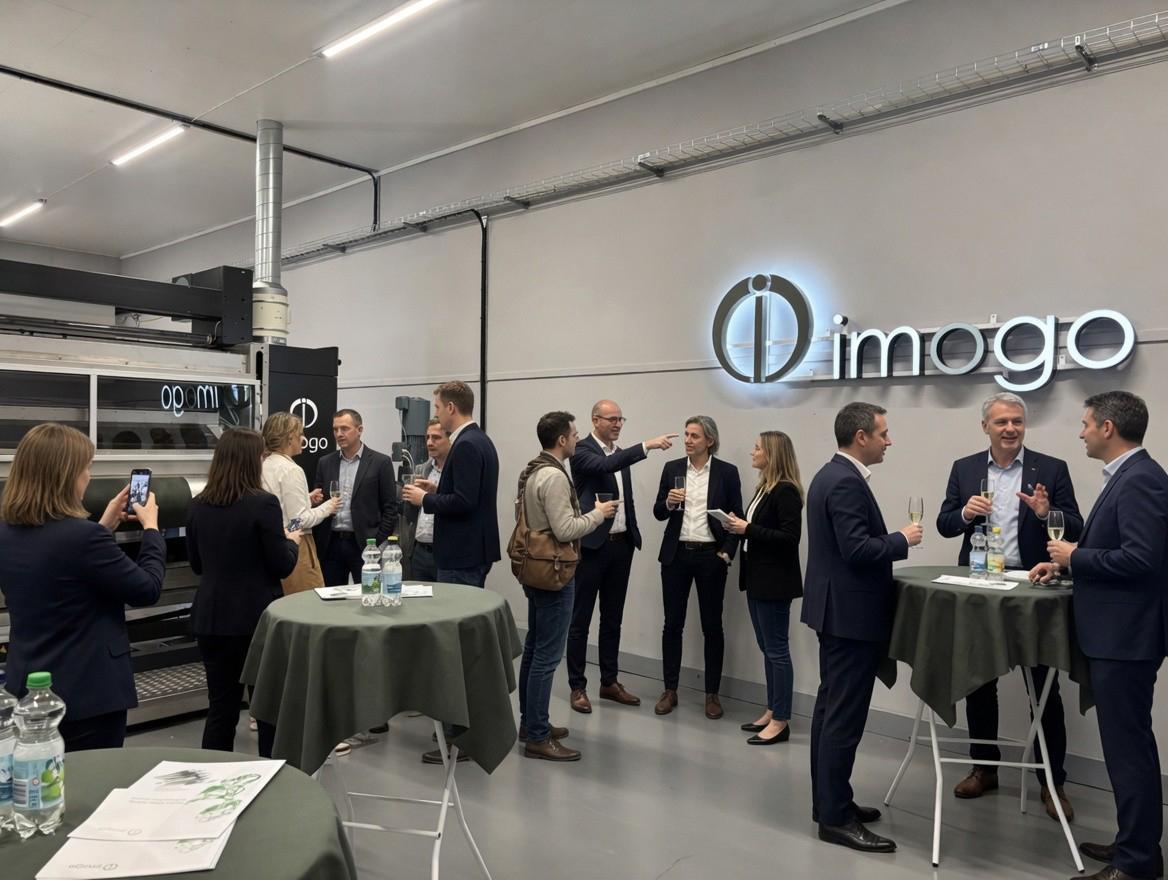
FET ends 2025 exhibition run with COMPAMED 2025

Fibre Extrusion Technology Ltd (FET) of Leeds, UK reported another successful exhibition at COMPAMED 2025 in Düsseldorf, following closely on the heels of ITMA ASIA in Singapore. This was the second time that FET had exhibited at this international trade fair for the medical technology supplier sector, a reflection of the company’s growing role in this sector. More than half of FET’s turnover is currently derived from the burgeoning medical market.

COMPAMED is aimed at suppliers of a wide range of high-quality medical technology components, services and production equipment for the medical industry. FET’s expanding role in the medical sector is therefore an ideal fit for this trade show.

Fibre Extrusion Technology Ltd (FET) of Leeds, UK reported another successful exhibition at COMPAMED 2025 in Düsseldorf, following closely on the heels of ITMA ASIA in Singapore. This was the second time that FET had exhibited at this international trade fair for the medical technology supplier sector, a reflection of the company’s growing role in this sector. More than half of FET’s turnover is currently derived from the burgeoning medical market.

COMPAMED is aimed at suppliers of a wide range of high-quality medical technology components, services and production equipment for the medical industry. FET’s expanding role in the medical sector is therefore an ideal fit for this trade show.

At the exhibition, FET launched its latest ground breaking technology with the FET-500 – Gel Spinning systems for Ultra High Molecular weight polymers such as UHMWPE, boasting significant savings in cost, footprint and environmental factors.  With vast flexibility whilst maintaining critical consistency, the FET-500 provides the ability to prove concepts and secure medical device IP. Key benefits include removing the harsh processing chemicals that historically have been used with gel spinning technology. FET’s patent-pending process technology has enabled the process to be compact and environmentally friendly compared to industrial alternatives. 

In 2026, FET will be exhibiting at two major trade shows to continue its global drive. This begins with Techtextil, Frankfurt in April, followed by COMPAMED 2026, Dusseldorf in November.

TRAPIS Textile Printing Photo Mimaki Europe
TRAPIS Textile Printing
17.12.2025

Mimaki: TRAPIS Textile Printing at Heimtextil 2026

Mimaki Europe, a leading provider of industrial inkjet printers and cutting plotters will return to Heimtextil with a renewed focus on material versatility and simplified textile production. At the tradeshow, the company will present TRAPIS, its innovative pigment transfer printing system that enables manufacturers to print on a wide range of fabrics using a single ink set – ranging from natural fibres to blended and synthetic fabrics. Designed for easy, compact and cost-efficient operation, TRAPIS removes traditional barriers to digital textile printing, while also offering the added benefit of drastically reduced water use compared to conventional processes.

Mimaki Europe, a leading provider of industrial inkjet printers and cutting plotters will return to Heimtextil with a renewed focus on material versatility and simplified textile production. At the tradeshow, the company will present TRAPIS, its innovative pigment transfer printing system that enables manufacturers to print on a wide range of fabrics using a single ink set – ranging from natural fibres to blended and synthetic fabrics. Designed for easy, compact and cost-efficient operation, TRAPIS removes traditional barriers to digital textile printing, while also offering the added benefit of drastically reduced water use compared to conventional processes.

“Opening up opportunities, without the constraints of material restrictions and overly complex workflows, will give manufacturers that much needed operational freedom,” says Arjen Evertse, Director Sales at Mimaki Europe. “With TRAPIS, users can print on a wide variety of fabrics using a single ink set, something that traditional processes simply cannot offer. And because TRAPIS requires no pre-treatment, no washing and minimal infrastructure, it becomes an accessible solution for companies of any size. The fact that it also uses significantly less water is a valuable bonus, but its greatest impact lies in how easily it enables short-run, customised and localised printing on virtually any textile.”

Heimtextil visitors will experience first-hand TRAPIS’ ground-breaking yet simple two-step pigment transfer printing process on Mimaki’s booth – comprising of a Mimaki TS330-1600 with built-in heater, TP410 inks and a high-pressure calender. TRAPIS is uniquely positioned with its ability to print on a wide variety of fabrics, including cotton, viscose, polyester, blends and synthetics, unlike sublimation printing, which is limited to polyester-based textiles. Additionally, its compact footprint makes it ideal for small studios and businesses looking to introduce on-demand or short-run textile services, while reducing maintenance requirements and overall running costs.

The streamlined TRAPIS workflow also offers a sustainable solution to users, reducing water consumption by up to 90% (saving approximately 14.5 litres per square metre). The TRAPIS pigment inks are ZDHC MRSL Level 3 compliant and bluesign® APPROVED, ensuring both environmental and user safety.

17.12.2025

ISPO joins the European Outdoor Conservation Association as a Sustaining Member

Raccoon Media Group, organisers of ISPO the world’s most influential trade event for the sporting goods, outdoor and winter sports industries, confirms its commitment to ensuring an enduring impact by joining the European Outdoor Conservation Association (EOCA) as a Sustaining Member and revealing more details of the newly established ISPO Impact Fund.

Recognising that sustainability is non-negotiable, these announcements underscore ISPO’s long-term dedication to environmental responsibility, industry stewardship and collaborative action across the global outdoor community.

Raccoon Media Group, organisers of ISPO the world’s most influential trade event for the sporting goods, outdoor and winter sports industries, confirms its commitment to ensuring an enduring impact by joining the European Outdoor Conservation Association (EOCA) as a Sustaining Member and revealing more details of the newly established ISPO Impact Fund.

Recognising that sustainability is non-negotiable, these announcements underscore ISPO’s long-term dedication to environmental responsibility, industry stewardship and collaborative action across the global outdoor community.

Tracy Bebbington, Managing Director, ISPO at Raccoon Media Group, said; “As ISPO enters a new era under new management and prepares for its next chapter in Amsterdam, it is essential that sustainability sits at the heart of everything we do. Joining EOCA and launching the ISPO Impact Fund reflect our belief in collective action and our responsibility to drive direct and meaningful change. We’re not just advocating for change; we are committed to making it happen. Not only that, we have appointed an external agency to closely analyse the carbon footprint of the event itself and we will make a solid commitment to being transparent about the footprint and, from day one, actively take steps to reduce it.”

“Respecting and safeguarding the natural environments in which we play “
ISPO is proud to announce its formal commitment as both a member and Sustaining Member of the European Outdoor Conservation Association (EOCA).  By becoming a Sustaining Member, ISPO will provide ongoing funding and strategic support to EOCA’s mission to conserve and restore wild places, support biodiversity, and enable outdoor participation that respects and safeguards nature. The partnership further aligns ISPO’s environmental values with those championed by brands, retailers and industry associations across the sector.

Dan Yates, Executive Director of EOCA, said: “We are delighted to welcome ISPO, and the newly expanded team at Raccoon Media Group, as a member, and importantly, a Sustaining Member of EOCA. Their commitment sends a powerful message: that major industry platforms must not only showcase innovation but actively support the landscapes and ecosystems that inspire it. ISPO’s involvement will allow us to reach more organisations, fund more conservation projects, and amplify the urgency of protecting the wild places the outdoor community depends on.”

The €1 million ISPO Impact Fund 
As part of their long-term commitment to supporting positive change, ISPO is investing one million euros into a new charitable organisation, the ISPO Impact Fund. The fund will support grassroots, charitable and non-profit initiatives that originate within the sports, outdoor and winter sports communities, or that have a direct and meaningful connection to these sectors.

The ISPO Impact Fund has been established as an independent organisation to ensure transparency, structure and the highest levels of governance expected of grant awarding bodies. The three founding trustees, Hannah Lewis, Finance Director at Raccoon Media Group, Andrew Denton, CEO at the Outdoor Industries Association, and Mark Held, founding Secretary General of the European Outdoor Group are responsible for shaping the ISPO Impact Fund to ensure high standards of fairness, transparency and responsibility.

The Impact Fund will focus on three core areas:

  • Nature Conservation & Environmental Stewardship - Supporting projects that protect biodiversity, restore natural environments, and reduce the environmental impact of sport and outdoor recreation.
  • Equitable Access & Participation - Enabling more people - regardless of gender, ethnicity, ability, income, or background to access and enjoy sport, winter sports and outdoor recreation. 
  • Fair, Ethical & Responsible Supply Chains - Investing in initiatives that improve the welfare of workers throughout the supply chain and strengthen the processes through which sport and outdoor products are made, marketed and sold.

An independent advisory panel of industry experts and community representatives is currently being recruited to oversee the allocation of the €1 million fund, assessing all applications, reviewing their potential impact, and awarding grants based on clear and transparent criteria.

The team are actively recruiting members of this panel and welcome applications from the Sports, Outdoor and Winter sports industries. To apply, please contact hello@isposportsbusinessevents.com

“Our advisory panel will help ensure that the funding is fairly and appropriately allocated across projects which get more people active, protect the places in which we play and ensure products are ethically created. From local community initiatives to huge global projects, we expect hundreds of applications. It’s important that these are assessed for their impact so that funds can be carefully allocated, and more importantly actually invested correctly to impact change on an individual level.” said Andrew Denton.

The application process for the ISPO Impact Fund will open online in Spring 2026, with the awarded grants being announced in November at ISPO 2026 at RAI Amsterdam. 

EDANA Sustainability & Policy Forum 2025 Photo EDANA
EDANA Sustainability & Policy Forum 2025
17.12.2025

EDANA: Uniting the industry and EU policymakers to navigate the future of nonwovens

Against a backdrop of rapidly evolving environmental legislation, the EDANA Sustainability & Policy Forum 2025 concluded the past week in Brussels, marking a step forward in the dialogue between the nonwovens industry and European policymakers. Held from 9-10 December at the historic Residence Palace, the two-day event successfully brought together business leaders, sustainability experts, and EU officials to address the dual challenges of circularity and industrial competitiveness. 

Designed to foster strategic alignment, the Forum moved beyond standard information-sharing to encourage deep, cross-sector debate. With the European regulatory landscape shifting—spanning chemicals, product design, waste, and climate due diligence—the event provided a timely platform for the industry to move from reactive responses to collective reflection. 

The Forum’s primary objective was to facilitate high-level exchange free from day-to-day regulatory pressures. 

Against a backdrop of rapidly evolving environmental legislation, the EDANA Sustainability & Policy Forum 2025 concluded the past week in Brussels, marking a step forward in the dialogue between the nonwovens industry and European policymakers. Held from 9-10 December at the historic Residence Palace, the two-day event successfully brought together business leaders, sustainability experts, and EU officials to address the dual challenges of circularity and industrial competitiveness. 

Designed to foster strategic alignment, the Forum moved beyond standard information-sharing to encourage deep, cross-sector debate. With the European regulatory landscape shifting—spanning chemicals, product design, waste, and climate due diligence—the event provided a timely platform for the industry to move from reactive responses to collective reflection. 

The Forum’s primary objective was to facilitate high-level exchange free from day-to-day regulatory pressures. 

“From EDANA’s side, the primary goal of the Sustainability & Policy Forum is to create a dedicated space where industry, policymakers, experts and stakeholders can step back from day-to-day regulatory pressure and engage in more strategic, forward-looking discussions,” said Murat Dogru, General Manager of EDANA. “The level of participation, the diversity of viewpoints and the quality of exchanges — particularly around regulation, circularity and the evolving policy landscape during our dedicated advocacy workshops — confirmed the relevance of the Forum as a platform for constructive debate and co-development”. 

The Forum opened with a powerful keynote address by Sandrine Dixson-Declève, Co-Founder & Chair of the Systems Transformation Hub. Addressing the theme "Social & Environmental Tipping Points," she challenged attendees to unpack the reality of today's geopolitical situation and identified the "elephants in the room" regarding current sustainability strategies. Her presentation underscored the urgent need to "hack humanity and values back into our policy and economic activities" to navigate the systemic challenges of the 21st century. 

Following the keynote, the conversation turned to the practicalities of business leadership under regulatory pressure. Ulrika Kolsrud, President & CEO of Essity, led a pivotal session on "Sustainability priorities in the age of simplification and competitiveness". Joined by Murat Dogru, Kolsrud explored how the European industry can maintain its ambitious sustainability goals while simplifying regulations to foster investment and innovation. The session highlighted that while sustainability expectations are rising globally, legislation must remain proportionate to ensure the continued competitiveness of essential European industries. 

The programme featured intensive sessions tackling the industry's operational challenges, featuring a diverse roster of experts: 

Moving beyond compliance was a key theme. Krishna Manda (Lenzing) and Anna-Stina Reuter (Sphera) discussed how sustainability reporting can drive business value and resilience. They were joined by Pia Hildén (Suominen), who encouraged companies to use the CSRD as a strategic tool rather than a mere obligation, and Ralf Weis (Freudenberg Performance Materials), who highlighted the importance of providing clear, relevant data to customers in the durable nonwovens market. 

A panel featuring Lutz Walter (Textile ETP), Mireille Kong - Van Rekum (Indorama Ventures), and Christian-Yves Crépet (PETCORE Europe) debated the intersection of textiles and nonwovens. Their consensus was clear: circularity in Europe cannot be achieved in silos and requires shared infrastructure and aligned policy frameworks. 

The afternoon sessions explored specific technical frontiers. Dominic Byrne (Plastics Europe) and Thorsten Bies (Schlegel und Partner) examined the future of chemical recycling policy and technology. Meanwhile, Tatiana Dias, PhD (DuPont), addressed the healthcare sector, advocating for the legal recognition of mass balance methodologies to unlock circularity in medical packaging 

Day 1 concluded with an exclusive networking dinner at the prestigious Musée BELvue. Surrounded by Belgium’s rich history and elegant architecture, participants utilized the evening to unwind and connect, reinforcing the relationships that are vital for cross-industry collaboration.

The second day shifted focus directly to advocacy and policy implementation. Hugo Maria Schally, a former EU official, provided an insider’s perspective on the "EU Toolbox," explaining how product policies are drafted within DG ENV and how the industry can engage effectively without compromising safety or performance. 

A highlight of the event was the interactive EU Advocacy Workshop. Attendees split into smaller groups to dissect EDANA’s current policy files, fostering an open exchange on issues ranging from the Waste Framework Directive to the Single-Use Plastics Directive. 

One participant noted the value of this hands-on approach: 
"The advocacy workshop was an eye-opener. Instead of just listening to updates, we were able to actively debate the implications of the legislation with peers. It clarified exactly where the industry needs to present a united front to be heard in Brussels." 

In a move to bridge the gap between legislation and industry, the Forum concluded with a visit to the European Commission at the Conference Centre Albert Borschette. Participants engaged directly with Commission representatives, including Vincenzo Gente (DG Environment) on the Waste Framework Directive and Ewa Malz (DG Environment) on environmental policy simplification. 

Reflecting on the visit, another attendee shared: 
"Walking into the Commission and hearing directly from the people drafting the Green Deal policies was invaluable. It demystified the process and showed us that there is a genuine willingness to listen to technical realities if we present them with credible data." 

The EDANA Sustainability & Policy Forum 2025 has set a clear trajectory for the coming year. As the industry faces the release of new legislative packages from the Commission, EDANA remains committed to helping members anticipate developments and align on credible, science-based approaches to climate and circularity.

Businesses Urge EU: Allow Sale of Legacy Stock to Avoid Unnecessary Waste Graphic Edana
16.12.2025

Businesses Urge EU: Allow Sale of Legacy Stock to Avoid Unnecessary Waste

Businesses urge European Commission to allow continued sale of products already lawfully placed on the market before the Empowering Consumers Directive’s application to avoid unnecessary waste and costs 

EDANA, the voice of nonwovens, alongside a coalition of leading European business associations, has issued a joint statement urging the European Commission to introduce a "grandfathering clause" to the Empowering Consumers for the Green Transition (ECGT) Directive. The coalition warns that without transitional provisions for products already lawfully placed on the market, the new rules could inadvertently lead to massive waste and economic disruption. 

While the signatories fully support the Directive’s objective to combat greenwashing and provide accurate sustainability information, they are deeply concerned by the current interpretation of the rules. According to a recent Commission FAQ, any environmental claim must comply with the new Directive by September 2026, regardless of when the product was manufactured or stocked. 

Key Concerns: 

Businesses urge European Commission to allow continued sale of products already lawfully placed on the market before the Empowering Consumers Directive’s application to avoid unnecessary waste and costs 

EDANA, the voice of nonwovens, alongside a coalition of leading European business associations, has issued a joint statement urging the European Commission to introduce a "grandfathering clause" to the Empowering Consumers for the Green Transition (ECGT) Directive. The coalition warns that without transitional provisions for products already lawfully placed on the market, the new rules could inadvertently lead to massive waste and economic disruption. 

While the signatories fully support the Directive’s objective to combat greenwashing and provide accurate sustainability information, they are deeply concerned by the current interpretation of the rules. According to a recent Commission FAQ, any environmental claim must comply with the new Directive by September 2026, regardless of when the product was manufactured or stocked. 

Key Concerns: 

  • Retroactive Application: The current interpretation forces immediate compliance for existing stock, contradicting EU principles of legal certainty and non-retroactivity. 
  • Environmental Impact: Millions of goods lawfully placed on the market risk being withdrawn, leading to the destruction of perfectly functional products—directly contradicting the EU’s own Ecodesign and sustainability goals. 
  • Economic Burden: Corrective measures, such as stickering or repackaging, are logistically challenging and could cost individual companies from a few hundred thousand to millions of euros. 

The Call to Action: To avoid these outcomes while still supporting the Directive's goals, the industry urges the Commission to introduce a "grandfathering" clause allowing products lawfully placed on the market before the application date to be sold through, and to develop a coordinated action plan to manage legacy stock effectively.

About the Coalition: The joint statement is co-signed by EDANA (The voice of nonwovens) alongside a broad coalition of industry representatives including AIM (European Brands Association), A.I.S.E., APPLiA (Home Appliance Europe), BusinessEurope, Cosmetics Europe, Ecommerce Europe, EuroChambres, EuroCommerce, EUROPEN, the Federation of the European Sporting Goods Industry (FESI), FoodDrinkEurope, Independent Retail Europe, OPTA Europe, SMEunited, Toy Industries of Europe, and the World Federation of Advertisers (WFA).

Borealis Partners with BlueAlp to Advance Chemical Recycling Photo Borealis Group
16.12.2025

Borealis Partners with BlueAlp to Advance Chemical Recycling

  • Borealis has entered a strategic partnership with BlueAlp, a chemical recycling technology leader based in Eindhoven, the Netherlands
  • Under the agreement, Borealis will transfer its majority stake in Renasci to BlueAlp, and acquire a direct 10% stake in BlueAlp to support its future growth and scale-up
  • The strategic move reflects Borealis’ evolving engagement in the chemical recycling value chain
  • Operating chemical recycling assets is for BlueAlp a logical next step that accelerates technology innovation and strengthens the licensing proposition 

December 16, 2025, Borealis announced a strategic partnership with BlueAlp, a leading chemical recycling technology company headquartered in Eindhoven, the Netherlands. The partnership will see Borealis transfer its majority share in Renasci, a chemical recycling company based in Ostend, Belgium, to BlueAlp, while acquiring a 10% share in BlueAlp to support its future growth and scale-up.
 

  • Borealis has entered a strategic partnership with BlueAlp, a chemical recycling technology leader based in Eindhoven, the Netherlands
  • Under the agreement, Borealis will transfer its majority stake in Renasci to BlueAlp, and acquire a direct 10% stake in BlueAlp to support its future growth and scale-up
  • The strategic move reflects Borealis’ evolving engagement in the chemical recycling value chain
  • Operating chemical recycling assets is for BlueAlp a logical next step that accelerates technology innovation and strengthens the licensing proposition 

December 16, 2025, Borealis announced a strategic partnership with BlueAlp, a leading chemical recycling technology company headquartered in Eindhoven, the Netherlands. The partnership will see Borealis transfer its majority share in Renasci, a chemical recycling company based in Ostend, Belgium, to BlueAlp, while acquiring a 10% share in BlueAlp to support its future growth and scale-up.
 
Renasci licensed BlueAlp’s technology to create a 20 kt p.a. scale-up plant, which BlueAlp engineered, constructed, and has supported throughout its operation in recent years. Moving from supporting operations to directly operating the asset is a logical next step in BlueAlp’s growth. This will accelerate technology innovation, establish a robust platform for producing high-quality circular feedstock, and further strengthen BlueAlp’s licensing proposition.
 
Since entering into Renasci, Borealis has led the development to become one of the few operating chemical recycling plants in Europe. Following the agreement, BlueAlp will lead the next phase of development and further advancement of Renasci, while Borealis continues to develop customer solutions based on chemically-recycled feedstock.“Borealis’ direct support comes at a pivotal moment in the chemical recycling industry, where rapid expansion of capacity is needed to achieve recycled content targets. Their market experience and materials expertise will support our growth and position us well to turn more plastic waste into high-quality circular feedstock,” says Valentijn de Neve, BlueAlp CEO.
 
This collaboration helps Borealis and BlueAlp’s customers and partners across the value chain to prepare for the EU’s upcoming Packaging and Packaging Waste Regulation (PPWR) in 2030, which is expected to increase demand for recycled materials suitable for contact-sensitive applications like food and cosmetics packaging, such as those based on chemically recycled feedstock.
 
”The deepening of the partnership with BlueAlp, combining assets and technology, will accelerate progress in chemical recycling for the industry,” says Stefan Doboczky, Borealis CEO. “It will allow Borealis to accelerate serving our customer base with an ever-broadening range of polymers based on chemically recycled feedstock. This transaction is fully in line with Borealis We4Customers Strategy, helping customers to deliver on their sustainability ambitions, whilst strengthening the innovation and operational focus of the group.”
 
The financial details of the transaction are not being disclosed.


Source:

Borealis Group

Outlast® Wins WTiN Innovate Textile Award with Aersulate® Grafik Outlast Technologies GmbH
16.12.2025

Outlast® Wins WTiN Innovate Textile Award with Aersulate®

Outlast Technologies GmbH has been awarded the WTiN Innovate Textile Award in the cate-gory Material Innovation for Aersulate®, its aerogel-infused insulation technology. The award honors outstanding achievements in advanced material development and textile innovation.

Aersulate® marks a significant advancement in thermal insulation. The technology integrates aerogel, whose highly porous structure efficiently traps air, delivering exceptional thermal per-formance at extremely low weight and minimal thickness. In Aersulate® wadding, aerogel ac-counts for approximately 50% of the material volume, enabling superior insulation without bulk.

Outlast Technologies GmbH has been awarded the WTiN Innovate Textile Award in the cate-gory Material Innovation for Aersulate®, its aerogel-infused insulation technology. The award honors outstanding achievements in advanced material development and textile innovation.

Aersulate® marks a significant advancement in thermal insulation. The technology integrates aerogel, whose highly porous structure efficiently traps air, delivering exceptional thermal per-formance at extremely low weight and minimal thickness. In Aersulate® wadding, aerogel ac-counts for approximately 50% of the material volume, enabling superior insulation without bulk.

Their minimal space requirements enable entirely new applications and make solutions possible that were previously unfeasible due to limited available space. At the same time, Aersulate® fabrics and waddings retain nearly all of their performance even under compression and humidi-ty. Unlike conventional insulation materials, they provide reliable thermal insulation and com-fort under demanding conditions. This makes Aersulate® a powerful solution for applications where consistent performance is essential, regardless of environment or use.

Reflecting the strategic relevance of the innovation, Outlast is positioning Aersulate® for broad market adoption. “We will deploy our Aersulate® fabrics and waddings across multiple high-value product segments - including bedding, safety equipment, footwear, and apparel. Our goal is clear: to establish Aersulate® as a scalable performance solution with broad market applicability wherever thermal management, comfort, and lightweight insulation make the difference,” said Martin Bentz, CEO of Outlast Technologies GmbH.

Reflecting on the award recognition, Bentz emphasized that working with aerogel represents one of the most demanding challenges in material innovation. Extremely lightweight yet highly frag-ile, aerogel is difficult to process, integrate, and stabilize within textile structures. Transforming this exceptional but complex material into scalable, durable fabrics and waddings requires deep material expertise, precision engineering, and sustained research efforts.

“Winning this award makes us genuinely proud. It is a strong recognition of our work and a clear confirmation that we are on the right path with innovative insulation solutions like Aersulate® - solutions that resonate with market needs and set new standards for performance,” Bentz add-ed.

Source:

Outlast Technologies GmbH

15.12.2025

ECHA observes a fall in hazardous chemicals trade in 2024

Based on the annual data reported by Member States to the European Chemicals Agency (ECHA) under the Prior Informed Consent (PIC) Regulation, the decline is mainly due to reduced volumes of exports and imports of substances containing benzene.

ECHA’s annual report on exports and imports of chemicals that are banned or severely restricted in the EU shows that substances containing benzene accounted for approximately 51% (1.1 million tonnes) of total exports and 99% (30 million tonnes) of total imports of PIC chemicals in 2024. In 2023, 64 million tonnes of substances containing benzene were exported, with imports reaching 65 million tonnes. The decrease in their trade has led to a 97% reduction in overall export volumes and a 53% reduction in overall import volumes.

If substances containing benzene are excluded from the data, the report shows a slight increase in hazardous substance trade. Exports of other PIC chemicals increased by 7% from approximately 1.03 million tonnes in 2023 to 1.1 million tonnes in 2024. Imports of other PIC chemicals rose by 2% from approximately 378 000 tonnes in 2023 to 387 000 tonnes in 2024.

Based on the annual data reported by Member States to the European Chemicals Agency (ECHA) under the Prior Informed Consent (PIC) Regulation, the decline is mainly due to reduced volumes of exports and imports of substances containing benzene.

ECHA’s annual report on exports and imports of chemicals that are banned or severely restricted in the EU shows that substances containing benzene accounted for approximately 51% (1.1 million tonnes) of total exports and 99% (30 million tonnes) of total imports of PIC chemicals in 2024. In 2023, 64 million tonnes of substances containing benzene were exported, with imports reaching 65 million tonnes. The decrease in their trade has led to a 97% reduction in overall export volumes and a 53% reduction in overall import volumes.

If substances containing benzene are excluded from the data, the report shows a slight increase in hazardous substance trade. Exports of other PIC chemicals increased by 7% from approximately 1.03 million tonnes in 2023 to 1.1 million tonnes in 2024. Imports of other PIC chemicals rose by 2% from approximately 378 000 tonnes in 2023 to 387 000 tonnes in 2024.

The top traded chemicals were largely similar to previous years, with substances containing benzene, benzene itself and ethylene dichloride (1,2-dichloroethane) dominating both exports and imports.

In 2024, pesticide exports increased by 34% (from approximately 173 000 to 232 000 tonnes), after two consecutive years of decline. The main contributor to this increase was chlorate, which accounted for 24% of the overall rise.

Background
Exports - 553 companies from 24 EU countries provided data to ECHA on the exports of PIC chemicals from the EU in 2024. Three EU countries (Cyprus, Luxembourg and Malta) and the United Kingdom (Northern Ireland) declared that they had not exported PIC chemicals.
Imports - 226 companies from 23 EU countries submitted data on imports of PIC chemicals into the EU in 2024. Four EU countries (Cyprus, Lithuania, Luxembourg and Malta) and the United Kingdom (Northern Ireland) declared that they had not imported PIC chemicals.

Article 10 of the PIC Regulation requires importers and exporters to give information about the annual trade of chemicals listed in Annex I to the regulation to their designated national authorities by 31 March of the following year. Each EU country must then provide the aggregated information to ECHA so that it can be summarised at EU level and non-confidential information can be made publicly available.

Source:

European Chemicals Agency 

German Sustainability Award for sustainable dyeing process PIGMENTURA Foto CHT Gruppe
German Sustainability Award for sustainable dyeing process PIGMENTURA
15.12.2025

German Sustainability Award for sustainable dyeing process PIGMENTURA

On Thursday, December 4, 2025, the German Sustainability Award was presented in Düsseldorf in the Products category. The award has been presented since 2008 for exemplary sustainability achievements in business, local government, and research. With five competitions, more than 800 applicants, and approximately 2,000 guests at the closing event, it is the largest award of its kind in Europe.

On Thursday, December 4, 2025, the German Sustainability Award was presented in Düsseldorf in the Products category. The award has been presented since 2008 for exemplary sustainability achievements in business, local government, and research. With five competitions, more than 800 applicants, and approximately 2,000 guests at the closing event, it is the largest award of its kind in Europe.

This year, the expert jury of the German Sustainability Award in the Products category honored those products that make particularly effective contributions to sustainable transformation in one of the five transformation fields (climate, resources, nature, society, and value chain). The focus was not only on technological innovations, but above all on the demonstrable impact of a product: To what extent did it contribute to conserving resources, reducing emissions, closing cycles, strengthening social responsibility, or establishing sustainable consumption and production patterns? In addition, the jury considered aspects such as innovative strength, scalability, role model function, and long-term impact across the entire life cycle of a product. In a two-stage process, it identified those solutions that, beyond their actual function, have a positive impact on the economy and society and set new standards for sustainable products.

The sustainable dyeing process PIGMENTURA from the CHT Group was honored in the Products category. Our COO Dr. Lorenza Sartorelli accepted the sustainability award for PIGMENTURA in Düsseldorf from Gregor Steinbrenner, the host of the award ceremony on December 4. 

With PIGMENTURA, the CHT Group has developed a dyeing process that significantly improves resource efficiency in the textile value chain. The use of the pad-dry process achieves greater efficiency compared to conventional dyeing processes. At the same time, energy consumption, CO₂ emissions, salt requirements, and the use of rinse water are reduced, and wastewater treatment is significantly reduced. This leads to savings in clean drinking water and makes an important contribution to the transformation of one of the most resource-intensive industries.

The jury particularly praised the efficiency gains and the associated savings potential, which not only benefit individual companies but can also have a large-scale impact along international supply chains. Such advances are highly relevant for the textile and fashion industry. With this award, the jury highlighted an innovation that impressively demonstrates how the further development of proven processes can lead to substantial progress in resource conservation and environmental protection in textile production.

Recycling mixed-fibre garments: RadiciGroup, The LYCRA Company and Triumph for circular fashion Photo Radici InNova
15.12.2025

Recycling mixed-fibre garments: RadiciGroup, The LYCRA Company and Triumph for circular fashion

The process, which is both economically and environmentally sustainable, has enabled the production of an underwear set made from 100% recycled nylon and LYCRA® fibre in a closed-loop system.
      

The process, which is both economically and environmentally sustainable, has enabled the production of an underwear set made from 100% recycled nylon and LYCRA® fibre in a closed-loop system.
      
Recycling of garments made from different types of fibres has always represented a major challenge for the textile industry. In the absence of a chemical or mechanical process capable of separating and recovering the individual materials, these garments have so far become waste destined for incineration or landfill. Today, however, Radici InNova, the RadiciGroup division dedicated to research and innovation, has developed an innovative recycling process based on selective dissolution technology, capable of treating mixed textile waste — such as swimwear, tights and leggings — and recovering both nylon and LYCRA® fibre, making them available again for the production of new garments. The collaboration with The LYCRA Company and Triumph, internationally-renowned lingerie brand, has made it possible to validate the process by using the recovered fibres to create a 100% recycled lingerie set. The process, internationally patented, uses non-toxic, non-flammable and environmentally compatible solvents. It can be applied to the main types of nylon (PA6 and PA66) and is economically sustainable because it allows for the recovery of both nylon and LYCRA® fibre, regardless of their respective proportions in the fabric, as well as the solvent itself.

“Thanks to this project, textile recycling enters a new dimension, demonstrating for the first time that it is possible to recover fibers from mixed fabrics and reuse them to produce new garments. This is an unprecedented innovation that opens up revolutionary development opportunities for the textile industry. As RadiciGroup, we are proud to have conceived and achieved this important milestone together with our partners, and we are ready to take the next steps,” said Stefano Alini, CEO of Radici InNova.

“This innovative project highlights the role that elastane can have in helping to advance circularity in the apparel industry. Working closely with Radici InNova and Triumph, The LYCRA Company has demonstrated that LYCRA® fibres can retain their renowned stretch and recovery performance — providing comfort, fit and ease of movement — even when reintegrated into the spinning cycle,” commented Nicholas Kurland, Product Development Director, Advanced Concepts The LYCRA Company.

The project began four years ago, when Radici InNova launched the study of an innovative process for the dissolution and separation of mixed textile fibres. After the initial development phase, subsequent tests made it possible to recover samples of LYCRA® fibre from multi-material fabrics, which were then sent to The LYCRA Company to verify their recyclability. The next step was to demonstrate the feasibility in practice: Triumph provided its own production surplus, a fabric containing 16% LYCRA® fibre. From this material, Radici InNova succeeded in recovering both LYCRA® fibre and nylon. The LYCRA® fibre was then re-spun by The LYCRA Company, while RadiciGroup processed the recycled nylon to produce new Renycle® yarn. Using these recycled yarns (LYCRA® fibre and Renycle®), a 60-meter black fabric was created, which Triumph used to produce a coordinated lingerie set — bra and briefs — concretely demonstrating the possibility of closing the loop: from textile waste to new garments. The result achieved so far by Radici InNova, The LYCRA Company and Triumph should be considered a prototype (concept garment) designed to prove the technical feasibility of recycling mixed textiles and lay the groundwork for its future industrialization.

“Although still in its early stages, Triumph is proud to contribute to this pioneering initiative and to explore the potential of this innovative recycling technology for future applications. Our next step will focus on developing a capsule collection, while also working on solutions to ensure product identification, traceability and circularity systems, so that garments can remain in use for as long as possible and, once they reach the end of their life, can be recycled in the most appropriate way. At Triumph, we are committed to promoting innovation and collaboration in the field of sustainability. Being part of this project strengthens our belief that circularity for garments made from mixed textile fibers is possible, and we are proud to help turn this vision into reality,” said Vera Galarza, Global Head of Sustainability – Triumph.

Source:

Radici Group

Pattern loom on which the fabrics were produced. Photo: DITF
15.12.2025

Auxetic fabrics: More safety and comfort for protective clothing

When everyday materials are pulled, they stretch or elongate in the direction of the pull and become narrower in cross-section. We can also observe this property in two-dimensional textiles. Auxetic structures behave differently here. They have the striking property of not changing under tensile stress or even increasing their width or thickness. These properties are advantageous, for example, in protective textiles or textile filter media. The DITF are researching auxetic fabrics for various applications.

When everyday materials are pulled, they stretch or elongate in the direction of the pull and become narrower in cross-section. We can also observe this property in two-dimensional textiles. Auxetic structures behave differently here. They have the striking property of not changing under tensile stress or even increasing their width or thickness. These properties are advantageous, for example, in protective textiles or textile filter media. The DITF are researching auxetic fabrics for various applications.

Previous research in the field of auxetic fabrics has focused on fiber composites. These structures are naturally very stiff. This makes them suitable for applications where the material only needs to be deformed once. Other research approaches have achieved auxetic properties at the yarn level that return to their original shape after tension. This negative transverse contraction can be quantified using Poisson's ratio, it assumes values from ±0 but also clearly negative values for auxetic structures. However, the effect is superimposed by other structural influences in the textile surface and is thus limited. For this reason, the DITF are researching a textile, flexible structure based directly on woven fabric that has reversible, auxetic properties.

To achieve these properties, special multi-layer fabrics have been developed that resemble the thickness structure of an hourglass in both the weft and warp directions. This geometry leads to a compression of the fabric under pressure, which is advantageous in protective clothing, for example. Impacts and other forces are significantly reduced. At the same time, the structure allows for excellent adaptation to different body shapes. Conversely, the fabric becomes wider or thicker under tensile stress. This can lead to a larger surface area or volume, as desired for filtration tasks.

The fabric structures developed at the DITF as part of the research project “Auxetic Weaving Structures” (1IF22730N) thus have an adjustable Poisson's ratio with negative values down to −2. The auxetic effect is not only effective once, but can also be reliably demonstrated under repeated stress.

#4 Data inquisition. (c) Messe Frankfurt
#4 Data inquisition.
11.12.2025

Texworld Apparel Sourcing Paris: “Very Middle Ages”, S/S 2027 trends

Baptized Very Middle Ages, the new trend book from Texworld Apparel Sourcing Paris outlines the directions that will guide – in a world under pressure – the Spring-Summer 2027 collections. It will be unveiled from February 2 to 4, 2026 at the Paris-Le Bourget Exhibition Center. 

Geopolitical tensions, social expectations, digital transformations, shifting markets... At a time when fashion (and the world) is going through strong turbulence, Very Middle Ages chooses to look to the future by invoking a reinvented past. Not as a nostalgic refuge, but as a magnifying mirror of our contemporary tensions. 

This new edition of the Trend Book offers ideas to help creators combine imagination and a desire for renewal while developing the Spring-Summer 2027 collections. It explores a universe often dark, mixing protection, conflict, magic, and augmented identity: a reworked, digital, imagined Middle Ages used as a metaphor for current upheavals. 

Baptized Very Middle Ages, the new trend book from Texworld Apparel Sourcing Paris outlines the directions that will guide – in a world under pressure – the Spring-Summer 2027 collections. It will be unveiled from February 2 to 4, 2026 at the Paris-Le Bourget Exhibition Center. 

Geopolitical tensions, social expectations, digital transformations, shifting markets... At a time when fashion (and the world) is going through strong turbulence, Very Middle Ages chooses to look to the future by invoking a reinvented past. Not as a nostalgic refuge, but as a magnifying mirror of our contemporary tensions. 

This new edition of the Trend Book offers ideas to help creators combine imagination and a desire for renewal while developing the Spring-Summer 2027 collections. It explores a universe often dark, mixing protection, conflict, magic, and augmented identity: a reworked, digital, imagined Middle Ages used as a metaphor for current upheavals. 

Four creative Universes to “rearm” imagination 
Directed by Louis Gérin and Grégory Lamaud, the artistic directors of Texworld Apparel Sourcing Paris, this document is based on the reflections of a collective of stylists, designers, writers, and artists brought together around one question: how do you create in a world that doubts its own ability to imagine? From this question comes a vision made of four narratives showing different points of friction between reality and expectations: a return to primitive function, comforting digital illusions, warrior attitudes in the face of crises, and the constant expansion of the “digital self”. 
 
Rather than a fixed projection, Very Middle Ages offers a sensitive, instinctive (and sometimes unsettling) reading of the Spring-Summer 2027 season. An invitation to rethink clothing as a tool of protection, affirmation, resistance, or transformation, in a world where the borders between real and virtual, natural and artificial, past and future have never been so blurred. 
 
#1 Digital lordship. This first theme elevates the giants of Silicon Valley to the rank of all-powerful overlords. Individuals, voluntary vassals of these contemporary digital empires, give up intimacy and freedom in exchange for an illusory safety. Protection and control: two expectations expressed in a fashion made of layered, highly functional pieces. Symbolic shells of heavy fabrics, textile-like armor (metal-coated finishes), rigid ribbed knits treated in steel gray, charcoal black, with silver holographic accents. 

#2 Nuclear sorcery. Although this colored universe brings a form of “reenchantment,” it resembles an aesthetic of illusion. Technology (AI), which threatens to bring a new obscurantism by numbing reasoning, is paradoxically felt as an artificial comfort. The silhouettes here are full of soft deception, protective and velvety materials (iridescent organza, translucent fabrics, foamy knits, light mohair, “second skin” jerseys), in an atmosphere of techno magic, between enveloping cocoon and “digital aura.” The palette moves between spectral purples, carmine red, opaline, and “radioactive” greens. 

#3 Speculative crusade. This creative sequence calls on the (human) history of an endless quest for unsatisfied domination. A martial and dark direction built on conflict. The silhouettes are very “armored” – technical, combat-inspired – or made with hybrid materials, visceral textures in an organic and warlike palette: dark reds and browns, textured blacks, military khaki, burnt chrome... 

#4 Data inquisition. This final direction explores a society of suspects under surveillance. In this world of constant inquisition, any difference, any eccentricity or nuance is instantly condemned. Personal identities are absorbed and intimacy disappears in favor of the collective. Clothing becomes an interface, a second skin, an extension of the digital self. The garments can be adjusted with interchangeable modules. All of this in an icy blue, algorithmic aesthetic. 
 
Words to discover in February 
These four themes are enriched with moodboards and color palettes built around three “star colors” followed by six shades. Each theme, imagined as a design capsule or creative direction, will be showcased at the fair in the area dedicated to trend forums in Hall 2. This immersive setup will allow visitors to discover the looks created by the artistic directors using materials and finished products selected for each world based on strong sensory intentions. Louis Gerin will also present the full details of this work during a dedicated conference to give creators solid creative perspectives for imagining the Spring-Summer 2027 fashion season. 

Source:

Messe Frankfurt

Composites Composites Rebar, AZL Aachen GmbH
11.12.2025

Identifying Business Opportunities for Composites in Buildings & Infrastructure

The global buildings and infrastructure (B&I) market for composite materials accelerates toward a projected value of more than $21 billion in 2025. To identify further business potentials for the composite industry, AZL Aachen GmbH has announced a new inte rnational Joint Market and Technology Study: “Next Generation Composites in Buildings & Infrastructure – A 2026 Global Outlook on Growth, Sustainability, and Digitalization.”

Building on the success of AZL’s landmark Buildings & Infrastructure study – conducted in 2017 with 32 global companies – this new initiative will reassess established applications and quantify emerging opportunities across markets, materials, and manufact uring technologies. The addressed market segments comprise following, among others: residential/ non -residential buildings and city furniture, infrastructure for energy supply/ water supply/electricity and heat supply and storage as well as special constr uctions like airports, ports or train stations.

The global buildings and infrastructure (B&I) market for composite materials accelerates toward a projected value of more than $21 billion in 2025. To identify further business potentials for the composite industry, AZL Aachen GmbH has announced a new inte rnational Joint Market and Technology Study: “Next Generation Composites in Buildings & Infrastructure – A 2026 Global Outlook on Growth, Sustainability, and Digitalization.”

Building on the success of AZL’s landmark Buildings & Infrastructure study – conducted in 2017 with 32 global companies – this new initiative will reassess established applications and quantify emerging opportunities across markets, materials, and manufact uring technologies. The addressed market segments comprise following, among others: residential/ non -residential buildings and city furniture, infrastructure for energy supply/ water supply/electricity and heat supply and storage as well as special constr uctions like airports, ports or train stations.

Based on this preliminary work in which 438 attractive products/ applications/ technologies have been identified and analyzed, this new study will re -evaluate previously identified core applications using fresh 2025 market data, updated growth forecasts, and new competitive benchmarking. Furthermore, AZL will identify and quantify new growth potentials driven by sustainability (circular economy, LCA -driven mat erial choice, bio -composites), by digitalization (e.g., integration with BIM, sensor -equipped "smart" components) and by new applications (e.g., hydrogen infrastructure, modular data centers, etc.).

The 9 -month project will deliver a structured market segmentation, technology and value -chain mapping, application screenings, technology trees, fact sheets, comparative KPI matrices, and expert workshops – providing participants with a practical foundatio n for business development, investment strategy, and innovation planning. Results will be delivered in a comprehensive final report and presentation package. Additionally, the results from the former 2017 B&I study will also be made available in the new st udy together with the final report and will be used as a basis for discussion and reflection on the results in the course of the new market and technology study. 

Participation is open to material suppliers, processors, equipment manufacturers, engineering service providers, system integrators and construction companies across the entire value chain. The project kick -off meeting is on February 26th 2026 (online).

Call for Participants: Companies aiming to shape the future of composite solutions in buildings and infrastructure are invited to join the consortium.
For further information or to secure participation: Philipp Fröhlig, Head of Industrial Services Email: philipp.froehlig@azl-aachen-gmbh.de

Source:

AZL Aachen GmbH

Cover (c) INDA
11.12.2025

INDA Releases New North American Nonwovens Industry Demand & Forecast Report

INDA, the Association of the Nonwoven Fabrics Industry, has released the North American Nonwovens Industry Demand & Forecast, 2024–2029, the thirteenth edition of its authoritative market intelligence series. The report provides detailed demand data from 2019–2024 and forecasts through 2029, incorporating the most recent tariff changes enacted by the current administration and their expected impacts on nonwoven market dynamics.

Redesigned to better support strategic planning and investment decisions, the report offers a reliable, accurate view of demand across all North American nonwoven end-use markets. Forecasts are built from robust analyses of key market drivers and trends, presenting the industry’s growth potential in dollar value, units, and volume (square meters and tonnage).

“This report provides insights on nonwoven demand across the short-life and long-life market segments,” said Tony Fragnito, President & CEO of INDA. “The intelligence included here is critical for business leaders responsible for asset management, operational planning, and long-term strategy.”

INDA, the Association of the Nonwoven Fabrics Industry, has released the North American Nonwovens Industry Demand & Forecast, 2024–2029, the thirteenth edition of its authoritative market intelligence series. The report provides detailed demand data from 2019–2024 and forecasts through 2029, incorporating the most recent tariff changes enacted by the current administration and their expected impacts on nonwoven market dynamics.

Redesigned to better support strategic planning and investment decisions, the report offers a reliable, accurate view of demand across all North American nonwoven end-use markets. Forecasts are built from robust analyses of key market drivers and trends, presenting the industry’s growth potential in dollar value, units, and volume (square meters and tonnage).

“This report provides insights on nonwoven demand across the short-life and long-life market segments,” said Tony Fragnito, President & CEO of INDA. “The intelligence included here is critical for business leaders responsible for asset management, operational planning, and long-term strategy.”

“The nonwovens industry is constantly evolving and innovating, and the innovation trend continues with new and more sustainable products being developed,” said Mark Snider, INDA’s Chief Market & Research Analyst. “This report will help guide both current participants and new investors as they navigate emerging opportunities.”

Key components of the report include:

  • Economic and population drivers shaping market growth in the U.S., Mexico, and Canada over the next five years
  • Demand analysis for Disposable, Filtration, Wipes, Medical, and other applications
  • Long-life durable sectors including Transportation, Building & Construction, Furnishings, Geotextiles & Agro Textiles, and Apparel
  • Key demand model drivers and historical market disruptors, including the COVID-19 pandemic
  • A summary of historical patterns and future trends influencing the nonwovens sector

The new Demand & Forecast report complements INDA’s North American Nonwoven Supply Report (released May 2025), which provides capacity, production, and trade flow data. Together, the Supply and Demand reports offer a complete view of the market—past, present, and future—and serve as essential tools for business leaders seeking a comprehensive understanding of industry performance and trajectory.

Paballo Sannah Makofate Photo MAXXAM®
Paballo Sannah Makofate
11.12.2025

MAXXAM® & Graduate Fashion Foundation: Second Year of Student Design Competition

Following the success of its inaugural year, MAXXAM®, the iconic textile brand founded by visionary designer and inventor Rosemary Moore, once again joins forces with Graduate Fashion Foundation (GFF) to launch the second edition of their innovative national design competition. Building on the momentum, creativity, and exceptional talent showcased last year, the 2025/26 competition invites fashion students across the UK and internationally to reimagine the future of womenswear using MAXXAM’s celebrated seamless, four-way stretch textiles.

Following the success of its inaugural year, MAXXAM®, the iconic textile brand founded by visionary designer and inventor Rosemary Moore, once again joins forces with Graduate Fashion Foundation (GFF) to launch the second edition of their innovative national design competition. Building on the momentum, creativity, and exceptional talent showcased last year, the 2025/26 competition invites fashion students across the UK and internationally to reimagine the future of womenswear using MAXXAM’s celebrated seamless, four-way stretch textiles.

Open to second- and final-year students from GFF member universities, the competition challenges entrants to create a trend-led womenswear S/S 2027 capsule collection. This year’s brief places a stronger spotlight on interchangeable, multipurpose athleisure-inspired pieces, with particular emphasis on swimwear, honouring MAXXAM’s heritage as the textile that redefined body-con dressing and one-size-fits-all silhouettes. Students are encouraged to explore new stripe variations, jacquards, surface effects and sustainable design strategies, reflecting the brand’s ongoing commitment to low-waste manufacturing and its transition toward bio-based fibres.
 
First created in the early 1980s, MAXXAM® became a global phenomenon for its distinctive crinkle texture, technical innovation and body-inclusive fit, earning its place in popular culture, on international runways, and even in the permanent collection of the Victoria & Albert Museum. Today, MAXXAM continues to evolve, with new textures, scuba-inspired surfaces and sustainable yarn developments offering designers fresh creative opportunities. 

Rosemary Moore, inventor of the original MAXXAM® fabric said, “We are excited once more to be part of GFW It was a real pleasure connecting to the new generation of students last year and supporting them through the creative and the manufacturing process, we are aiming this year to also take them behind the scenes of our textile manufacturing in the midlands, especially if they offer creative concepts we can put into practice for them.”

Three finalists will be selected to produce one full look from their submitted range, working hands-on with MAXXAM Textiles and its UK manufacturing partners. These final looks will be showcased at Graduate Fashion Week 2026, displayed within the exhibition and modelled on the catwalk during the prestigious Gala Show.

From these finalists, Rosemary Moore will name one overall winner, who will be awarded a trophy live on the Gala runway on 18 June 2026, alongside a £250 cash prize and further industry mentoring experiences. There is also the potential for winning designs to be considered for future commercial development. 

Students are encouraged to document their design journey online, sharing updates, videos and in-progress work using #MaxxamXGFW. 

(c) Indorama Ventures Public Company Limited
10.12.2025

Indorama Ventures ranks first globally in ChemScore 2025

Indorama Ventures Public Company Limited (IVL), a global sustainable chemicals company, has been ranked first globally with a green card in ChemScore 2025, the internationally recognized benchmark developed by ChemSec, assessing the environmental performance and chemical management of the world’s 40 largest chemical companies. The company has consistently found itself in the top three ChemScore companies and scored twice as high on average as the Asia-based companies taken together. The achievement reaffirms Indorama Ventures’ commitment to balancing business resilience with environmental and social responsibility.

Indorama Ventures Public Company Limited (IVL), a global sustainable chemicals company, has been ranked first globally with a green card in ChemScore 2025, the internationally recognized benchmark developed by ChemSec, assessing the environmental performance and chemical management of the world’s 40 largest chemical companies. The company has consistently found itself in the top three ChemScore companies and scored twice as high on average as the Asia-based companies taken together. The achievement reaffirms Indorama Ventures’ commitment to balancing business resilience with environmental and social responsibility.

ChemScore is widely used by global investors, regulatory bodies, and multinational brand owners to evaluate companies across four key pillars: responsible chemical management, development of safer and more sustainable alternatives, transparency and disclosure, and long-term stewardship across the value chain. The ranking was developed by ChemSec, an independent non-profit organization that advocates for substitution of toxic chemicals to safer alternatives. In the 2025 assessment, Indorama Ventures earned 57 out of 100 points and received a green card, including 12/25 in Transparency, 23/25 in Phase-out of Persistent Chemicals, 13/25 in Product Portfolio, and 9/25 in Safer Solutions.

Indorama Ventures is recognized by ChemSec for applying the Substitute It Now (SIN) List to systematically eliminate hazardous substances, accelerate safer alternatives, and expand bio-based and hazard-free recycled feedstocks. This approach places the company ahead of tightening global regulatory requirements, including emerging EU and U.S. restrictions on persistent chemicals, and aligns with rising demand for safer, traceable materials across consumer goods, automotive, health and hygiene, and industrial sectors.

Source:

Indorama Ventures Public Company Limited 

Polartec® wins ISPO 2025 Award for its AirCore™ breathable weather protection Photo Polartec, Montura
10.12.2025

Polartec® wins ISPO 2025 Award for its AirCore™ breathable weather protection

Polartec, a Milliken & Company brand and the premium creator of innovative, more sustainable textile solutions, has been awarded the prestigious ISPO Award 2025 for Montura’s FW26 apparel featuring Polartec® AirCore™, the first truly air-permeable laminate engineered to keep users dry from the inside out.

Now in its fifteenth year, the globally respected ISPO Awards program honors the world’s most groundbreaking innovations across ten distinct categories, with winners selected by an international jury of esteemed industry experts. In addition to receiving the ISPO Award 2025, Polartec has also been named a Top 5 Winner in the Mixed category – a distinction that underscores the transformative potential of AirCore™. As the industry first non-PFAS proprietary hydrophobic polymer used to create a nanofiber membrane, AirCore™ stood out among hundreds of entries, reaffirming Polartec’s leadership in sustainable, high-performance weather-protection technologies.

Polartec, a Milliken & Company brand and the premium creator of innovative, more sustainable textile solutions, has been awarded the prestigious ISPO Award 2025 for Montura’s FW26 apparel featuring Polartec® AirCore™, the first truly air-permeable laminate engineered to keep users dry from the inside out.

Now in its fifteenth year, the globally respected ISPO Awards program honors the world’s most groundbreaking innovations across ten distinct categories, with winners selected by an international jury of esteemed industry experts. In addition to receiving the ISPO Award 2025, Polartec has also been named a Top 5 Winner in the Mixed category – a distinction that underscores the transformative potential of AirCore™. As the industry first non-PFAS proprietary hydrophobic polymer used to create a nanofiber membrane, AirCore™ stood out among hundreds of entries, reaffirming Polartec’s leadership in sustainable, high-performance weather-protection technologies.

Unlike conventional weather-protection solutions that trap heat and moisture to block the elements, Polartec® AirCore™ actively vents to keep users dry from the inside out, representing a true paradigm shift in breathable weather protection. AirCore™ delivers real air permeability (0.4–1.0 CFM), an MVTR above 25,000 g/m²/24 h, and full water repellency. Combined with exceptional stretch, reduced noise, and unmatched ventilation, AirCore™ is perfectly suited for high-output activities. Its selection as an ISPO Award 2025 winner marks a defining moment in the evolution of breathable, sustainable shell technologies.

The Ritmo PTC AirCore Hooded Anorak by Montura, available in FW26, marks the debut of Polartec® AirCore™ in the outdoor world. Engineered for performance-oriented outdoor athletes, mountaineers, trail runners, its wind and water-resistant breathable design is also ideal for ski touring and intense outdoor activities. The ultrasonically welded seams reduce bulk and chafing and ensure high flexibility, while 2-way stretch fleece inserts on the back, neck, sleeves, and hips improve flexibility and ventilation. Functional details include a fitted hood, multiple mesh pocket system, a half-length front zipper, chest pockets, and an elastic hem. Montura has also developed the Ritmo PTC AirCore pants for ski touring, which were designed as a fast and versatile alternative to alpine one-piece suits.

Source:

Akimbo Communications for Polartec

10.12.2025

ECHA: One out of three of substances in mixtures was missing a REACH registration

An EU-wide targeted enforcement project checking imported substances found that one out of three of substances in mixtures was missing a REACH registration. In addition, restricted hazardous substances were present in some of the imported consumer products above the allowed limits.

Inspectors in 29 EEA countries performed 2 603 targeted controls to check imports for compliance with the registration, restrictions and authorisation requirements of the EU chemicals legislation REACH. 

Enforcement actions and recommendations  
Henrik Hedlund, Chair of the Enforcement Forum’s working group, said:
“Many inspections were conducted in cooperation with customs and national enforcement authorities, helping us to develop the most appropriate methods for controlling compliance of imported products with EU chemicals legislation. This will strengthen future controls and make them more efficient.

An EU-wide targeted enforcement project checking imported substances found that one out of three of substances in mixtures was missing a REACH registration. In addition, restricted hazardous substances were present in some of the imported consumer products above the allowed limits.

Inspectors in 29 EEA countries performed 2 603 targeted controls to check imports for compliance with the registration, restrictions and authorisation requirements of the EU chemicals legislation REACH. 

Enforcement actions and recommendations  
Henrik Hedlund, Chair of the Enforcement Forum’s working group, said:
“Many inspections were conducted in cooperation with customs and national enforcement authorities, helping us to develop the most appropriate methods for controlling compliance of imported products with EU chemicals legislation. This will strengthen future controls and make them more efficient.

“Through such coordinated enforcement, we protect health and the environment by preventing non-compliant products from entering the EEA market. This also helps to safeguard the European single market from unfair competition, contributing to a level playing field for companies.”

Results of the project show the importance of a well-informed and well-designed sampling and targeting strategy for performing enforcement activities. The results also show that importers need to become aware of REACH duties before imports take place. They should acquire analytical reports or other evidence proving compliance with REACH. These and other recommendations are available in the report.

Almost all detected non-compliant products checked before the release for free circulation were either not allowed to enter the EEA market or allowed to enter only after corrective measures were taken. 

Registration requirements
When checking substances and mixtures for compliance with registration requirements, inspectors found that one out of three of the checked substances in mixtures was missing the required registration. For substances imported on their own, registration was missing in 7% of the cases. These non-compliance rates are higher than what has been detected in past projects. 
The Forum found that importers of mixtures containing unregistered substances often did not know what substances they were placing on the market. 
  
Restriction requirements
Inspectors also checked over 1,300 imported mixtures and consumer products for compliance with REACH restriction requirements. They found that 16% contained restricted hazardous substances breaching the conditions of the restriction – for example, the substance was present above the allowed concentration, which entails risk to human health. Most controls were on imported jewellery, checking for the presence of nickel, cadmium and lead, but many controls targeted also toys and textiles. The Forum did not see improvement in jewellery compared to earlier findings. The results show that imported jewellery persistently contains restricted heavy metals, especially nickel.  

Enforcement authorities also checked REACH authorisation duties for imported substances of very high concern which are subject to authorisation. Inspectors checked 21 such cases, and authorisation was missing or expired in four cases. 
The controls in this project were targeted at products where non-compliance was expected to be found. Therefore, the results do not directly reflect the overall non-compliance rate of products imported to the EEA market.

Background
The aim of this enforcement project was to strengthen REACH controls on imports by developing and applying a systematic use of customs data from import declarations and enhancing cooperation between national REACH enforcement bodies and customs authorities. 

ECHA did not collect the information about individual inspected products, as the objective of these projects is to enforce compliance and harmonise controls rather than collect information on individual cases. National enforcement authorities have the full details of inspections completed


Source:

European Chemicals Agency

Archroma & Lilienweiss join forces to deliver faster and localized color management services Photo: Archroma
10.12.2025

Archroma & Lilienweiss join forces to deliver faster and localized color management services

Archroma, a global leader in specialty chemicals focused on sustainable solutions, today announced its partnership with Lilienweiss, who will begin offering Archroma Color Management solutions across Europe starting January 2026.

Through this partnership, Lilienweiss will provide direct distribution across the region as well as custom color standards creation. European brands, retailers, suppliers and vendors will benefit from the shorter lead times, reduced shipping costs and easier access to Archroma Color Management’s full portfolio including the award-winning Color Atlas by Archroma®, supported through Lilienweiss’ local team of specialists.

Chris Hipps, Head of Archroma Color Management said: “Archroma and Lilienweiss share the same vision: helping brands, designers and retailers significantly reduce the time and costs associated with developing colors. By offering direct, local access to our solutions in Europe, we enable customers to win in their markets while minimizing environmental impact. Working with a trusted partner like Lilienweiss is a win-win for brands and their suppliers.”

Archroma, a global leader in specialty chemicals focused on sustainable solutions, today announced its partnership with Lilienweiss, who will begin offering Archroma Color Management solutions across Europe starting January 2026.

Through this partnership, Lilienweiss will provide direct distribution across the region as well as custom color standards creation. European brands, retailers, suppliers and vendors will benefit from the shorter lead times, reduced shipping costs and easier access to Archroma Color Management’s full portfolio including the award-winning Color Atlas by Archroma®, supported through Lilienweiss’ local team of specialists.

Chris Hipps, Head of Archroma Color Management said: “Archroma and Lilienweiss share the same vision: helping brands, designers and retailers significantly reduce the time and costs associated with developing colors. By offering direct, local access to our solutions in Europe, we enable customers to win in their markets while minimizing environmental impact. Working with a trusted partner like Lilienweiss is a win-win for brands and their suppliers.”

The dedicated color management service available in Europe is designed to deliver sustainable and feasible color with greater speed and efficiency, thereby allowing brands and designers to focus on their color inspiration and required functionality and sustainability for their end article. They can be assured that their inspiration can be precisely communicated and efficiently executed at the mill.

“With our unique setup in Stuttgart, and home to the only textile color management service provider in Europe with both a dyeing laboratory and color standard production, Lilienweiss is closely connected to the inspiration, creativity and production teams of Europe’s fashion, home and textile industries,” Peter Maier, CEO and Head of Color Management at Lilienweiss, commented. “Together with Archroma, we now offer the world’s largest network for color management solutions, including color development, validated color standards, digital and hardcopy color libraries, and onsite technical support. We are proud to be a partner of Archroma Color Management."

Source:

Archroma

09.12.2025

New Study on Fibre Fragmentation

Fibre pollution is a growing threat to ecosystems. Yet, key knowledge gaps on the causes of fibre shedding and uncertainties around testing fibre loss have made it challenging for brands and manufacturers to take informed action.

To help close these gaps and advance the industry’s understanding about fibre fragmentation, Fashion for Good and The Microfibre Consortium launched “Behind the Break: Exploring Fibre Fragmentation” alongside key partners.  

Alongside the comprehensive report published in March, the project delivered a landmark study which tested three fabric archetypes (Cotton Knit, Polyester Knit, and Cotton Woven - Denim) across multiple laboratories and test methods using a controlled design of experiments. Key findings revealed:

Fibre pollution is a growing threat to ecosystems. Yet, key knowledge gaps on the causes of fibre shedding and uncertainties around testing fibre loss have made it challenging for brands and manufacturers to take informed action.

To help close these gaps and advance the industry’s understanding about fibre fragmentation, Fashion for Good and The Microfibre Consortium launched “Behind the Break: Exploring Fibre Fragmentation” alongside key partners.  

Alongside the comprehensive report published in March, the project delivered a landmark study which tested three fabric archetypes (Cotton Knit, Polyester Knit, and Cotton Woven - Denim) across multiple laboratories and test methods using a controlled design of experiments. Key findings revealed:

  • The differences and best use cases of existing methods used to measure fibre loss 
  • Consistent fibre shedding trends across laboratories, with minimal sample contamination 
  • Directional insights on key variables influencing fibre loss across each fabric archetype

For a detailed breakdown of the project approach, results, and next steps, access the full closing study.

Source:

Fashion for Good