From the Sector

Reset
Photo AIMPLAS
11.06.2026

IMPLICIT: New Pathways for Recycling Auxiliary Composite Manufacturing Waste

The project valorises single-use auxiliary waste such as vacuum bags, films and technical fabrics for applications in the automotive, technical textile and urban furniture sectors.

The companies Solteco, Birziplastik, Faperin and Industrias Alegre, together with the technology centres AIMPLAS, Eurecat, Tecnalia and Leartiker, are participating in this research initiative funded by CDTI and the European Regional Development Fund (ERDF).

The composite materials industry has experienced significant growth in sectors such as aerospace, railway, naval and renewable energy, thanks to its ability to provide lightweight, strong and durable solutions. However, these processes generate substantial amounts of plastic waste, especially single-use auxiliary materials such as vacuum bags, release films and absorbent fabrics. These materials are essential to ensure the quality of manufacturing processes, but after use they usually end up in landfill or are incinerated due to the difficulty of recycling them.

The project valorises single-use auxiliary waste such as vacuum bags, films and technical fabrics for applications in the automotive, technical textile and urban furniture sectors.

The companies Solteco, Birziplastik, Faperin and Industrias Alegre, together with the technology centres AIMPLAS, Eurecat, Tecnalia and Leartiker, are participating in this research initiative funded by CDTI and the European Regional Development Fund (ERDF).

The composite materials industry has experienced significant growth in sectors such as aerospace, railway, naval and renewable energy, thanks to its ability to provide lightweight, strong and durable solutions. However, these processes generate substantial amounts of plastic waste, especially single-use auxiliary materials such as vacuum bags, release films and absorbent fabrics. These materials are essential to ensure the quality of manufacturing processes, but after use they usually end up in landfill or are incinerated due to the difficulty of recycling them.

The IMPLICIT project addresses this challenge through the development of multimodal recycling strategies that combine mechanical, physical and chemical technologies to recover these materials with the highest possible purity and enable their industrial reuse. The aim is to generate new recycled raw materials that can be used in high value-added applications, such as automotive components, technical textiles and urban furniture elements.

Funded by the Spanish Ministry of Science, Innovation and Universities through the Centre for the Development of Industrial Technology and Innovation (CDTI), with the support of European Union European Regional Development Fund (ERDF) funding, IMPLICIT proposes a paradigm shift by transforming this waste into new resources, in line with European circular economy goals.

The initiative brings together a consortium of eight entities representing different links in the plastics value chain. Participating companies include Solteco (project leader), Birziplastik, Faperin and Industrias Alegre, together with the technology centres AIMPLAS (technical leader), Eurecat, Tecnalia and Leartiker. In addition, the project has been promoted thanks to AEMAC, the Spanish Composite Materials Association, and Airbus, which collaborates as a strategic partner by providing real waste generated from aerospace manufacturing processes.

Pau Manclús, Chemical Recycling Researcher at AIMPLAS, stated that “IMPLICIT represents a decisive step towards sustainability in the composites industry by addressing the recycling of auxiliary materials, which have historically been excluded from valorisation strategies. Thanks to collaboration between companies, technology centres and industry associations, the project demonstrates that it is possible to transform complex waste into useful resources, closing the life cycle of these materials and helping to reduce the environmental impact of key industrial sectors.”

This collaboration makes it possible to tackle the challenge from a comprehensive perspective, from waste collection and treatment to the validation of new products in real applications, thus addressing one of the industry’s main environmental challenges: the management of difficult-to-recycle waste.

Industrial Validation and New Market Opportunities
One of the project’s key pillars is the validation of recycled materials through real industrial demonstrators. In this regard, the recovered materials will be transformed into new products such as technical automotive parts, profiles for urban furniture and multifilaments for technical textiles.

Furthermore, the project envisages the creation of new business opportunities linked to advanced recycling and sustainable manufacturing, thereby helping to strengthen industrial competitiveness.

From a technical perspective, IMPLICIT develops a multimodal recycling approach for materials mainly manufactured with thermoplastic polymers such as PA, PET, PE and PP. This approach integrates mechanical recycling processes (shredding, separation and extrusion), physical recycling based on selective dissolution, and chemical recycling technologies such as solvolysis to remove thermoset resins and recover high-value monomers and oligomers.

The project also addresses key challenges such as waste heterogeneity and resin contamination through advanced decontamination, compounding and additive formulation processes aimed at improving the mechanical properties of recycled materials and ensuring their industrial viability.

Life Cycle Assessment (LCA) and Life Cycle Costing (LCC) analyses will make it possible to evaluate the environmental, economic and functional impact of the developed solutions, facilitating decision-making based on sustainability criteria.

IMPLICIT, reference number CPP2023-010867, is funded by the Spanish Ministry of Science, Innovation and Universities through the Centre for the Development of Industrial Technology and Innovation (CDTI), as well as by the European Regional Development Fund (ERDF), under the 2024 public-private collaboration projects programme.

Source Fashion January 2026 Photo (c) Source Fashion
Source Fashion January 2026
11.06.2026

Source Fashion Partners with Neuthread

Neuthread has been named as Source Fashion's Charity and Design Partner in a new 12-month collaboration designed to champion circular fashion, inclusion and industry innovation.

Created by autism and neurodiversity charity Daisy Chain, Neuthread has gained industry recognition for transforming textile waste into high-quality fashion collections and became the first charity-led fashion brand to present a scheduled runway show at London Fashion Week in 2024. Through the new partnership, Source Fashion and Neuthread will work together to raise awareness of circular fashion, promote innovative approaches to tackling textile waste and encourage greater collaboration between brands, manufacturers, retailers and sustainability leaders.

Neuthread has been named as Source Fashion's Charity and Design Partner in a new 12-month collaboration designed to champion circular fashion, inclusion and industry innovation.

Created by autism and neurodiversity charity Daisy Chain, Neuthread has gained industry recognition for transforming textile waste into high-quality fashion collections and became the first charity-led fashion brand to present a scheduled runway show at London Fashion Week in 2024. Through the new partnership, Source Fashion and Neuthread will work together to raise awareness of circular fashion, promote innovative approaches to tackling textile waste and encourage greater collaboration between brands, manufacturers, retailers and sustainability leaders.

Founded to challenge the perception that textile waste has reached the end of its life, Neuthread transforms donated, surplus and reclaimed textiles into contemporary fashion collections that combine environmental sustainability with social impact. The brand has rapidly gained recognition for its innovative approach to circular fashion, demonstrating how waste materials can be repurposed into desirable, commercially viable products while creating opportunities for autistic and neurodivergent people to develop skills and access employment pathways within the fashion and textiles sector.

Building on its London Fashion Week success, the organisation has since secured £1.5 million in investment from The National Lottery Community Fund to establish a pioneering circular fashion manufacturing facility in the North East of England, designed to reduce textile waste while creating training, volunteering and employment opportunities through its linked skills academy programme, Mend It Don't Rag It (MIDRI).

Over the next 12 months, the partnership will focus on building an eco-system of brands, manufacturers and retailers with innovative circular solutions, encouraging collaboration across the supply chain and creating new opportunities to repurpose surplus materials and textile waste.

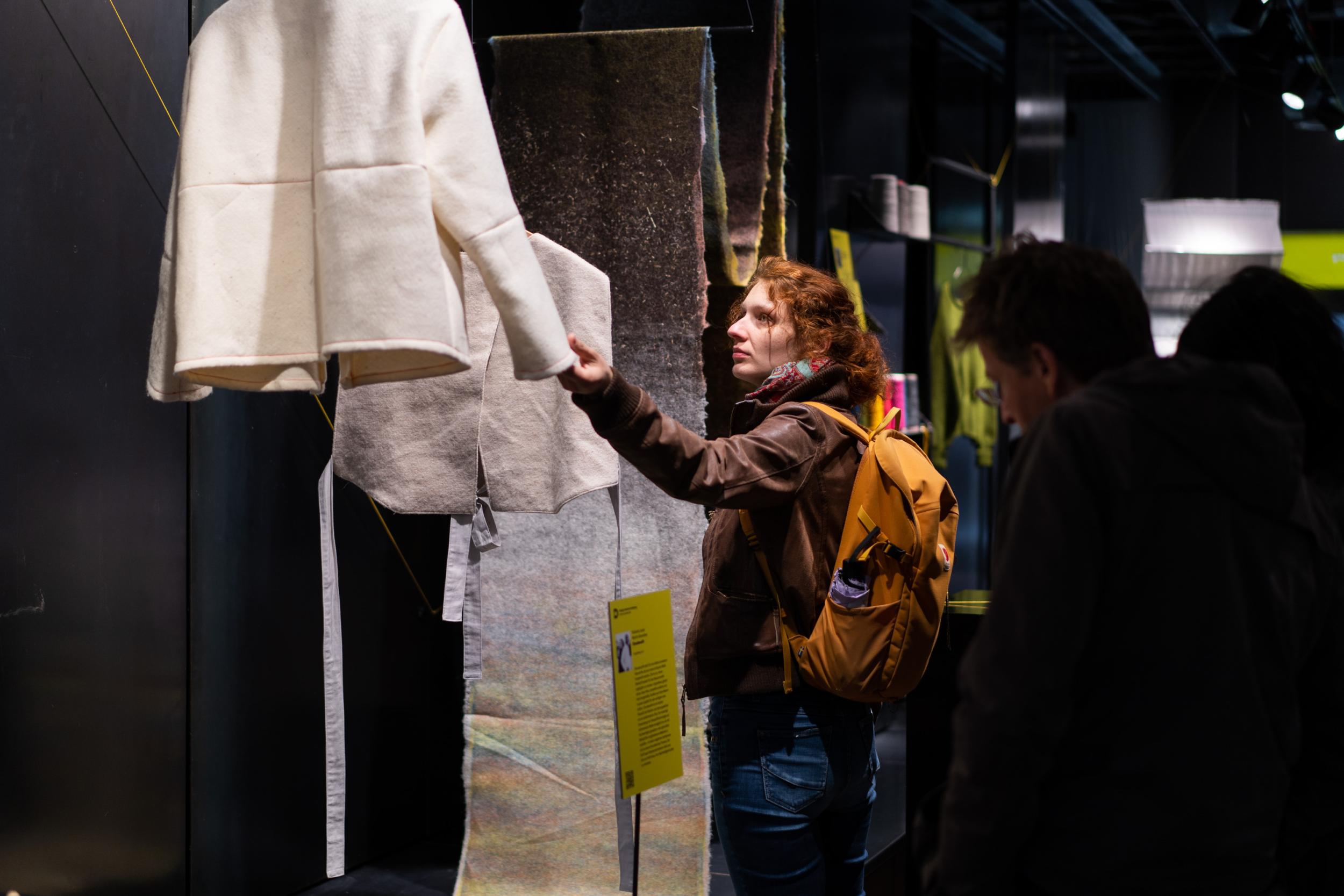
As Design Partner, Neuthread will headline the Source Catwalk throughout the July edition, presenting its collections three times a day alongside trend-led showcases from Source Fashion exhibitors and bringing circular fashion to the forefront of the show's content programme. The partnership will provide a platform to demonstrate how surplus, reclaimed and donated textiles can be transformed into commercially relevant fashion collections, while highlighting the opportunities that circular design presents for the wider industry.

The catwalk showcases will also support Neuthread's ambition to build new relationships with brands, manufacturers and retailers looking for innovative solutions for surplus fabrics, deadstock materials and textile waste streams. Through the partnership, Neuthread hopes to encourage greater collaboration across the industry and demonstrate practical alternatives to landfill and low-value textile recycling.

Johnathon Pickard, Director of Business Development & Income Generation, Neuthread commented: "We are incredibly proud to be partnering with Source Fashion as both Charity Partner and Design Partner for the July show. Source Fashion has established itself as one of the most influential platforms driving conversations around responsible sourcing, sustainability and the future of fashion. Those are conversations that sit at the very heart of what Neuthread is seeking to achieve.

Neuthread was created to challenge the perception that textile waste has reached the end of its life. Through innovative design, circular manufacturing and the talents of autistic and neurodivergent people, we are demonstrating how fashion can create environmental, social and economic impact simultaneously.

Following our journey from becoming the first charity to showcase a scheduled fashion brand collection at London Fashion Week through to securing £1.5 million to establish a pioneering circular fashion manufacturing facility, we are now entering an exciting period of growth. Working alongside Source Fashion provides an opportunity to share that vision with a wider industry audience and inspire new ways of thinking about sustainability, creativity and inclusion.

We are excited about what this partnership can achieve over the next 12 months and look forward to collaborating with the Source Fashion team to demonstrate that fashion can be a force for positive change.”

Suzanne Ellingham, Event Director of Source Fashion, added: “Neuthread is a natural fit for Source Fashion because they bring together creativity, circular innovation and practical action in a way that genuinely resonates with the challenges facing our industry today.

"As our Charity and Design Partner, they will play a central role in the July edition, headlining the Source Catwalk with showcases that demonstrate how surplus, reclaimed and donated textiles can be transformed into commercially relevant fashion collections. Their ambition to build new partnerships across the industry also aligns closely with our mission to connect businesses, encourage collaboration and drive meaningful change.

"From their pioneering manufacturing facility in the North East of England to the Source Fashion catwalk in London, Neuthread showcases the incredible innovation taking place across the UK fashion and textiles sector. We are proud to provide a platform that helps bring those stories to a wider audience and look forward to working together over the next 12 months."

Visitors to Source Fashion's July 2026 edition will be able to experience Neuthread's catwalk collections, engage directly with the team throughout the show and learn more about the organisation's pioneering approach to circular manufacturing, textile waste reduction and inclusive employment.

Source:

Source Fashion

10.06.2026

U.S. Textile Industry Calls for Crackdown on Customs Fraud

The National Council of Textile Organizations (NCTO), spanning the entire spectrum of U.S. textiles from fiber to finished sewn products, issued a statement today applauding a House Textile Caucus-led letter urging the Department of Homeland Security (DHS) to strengthen customs enforcement and combat widespread fraud that is harming American textile manufacturers.

“Unfortunately, for decades, the American textile industry has suffered greatly from customs fraud and abuse by foreign competitors and organized crime,” the bipartisan group of House lawmakers state in a letter to DHS Secretary Markwayne Mullin. “Our trade policies and tariff structures are only as effective as their enforcement. As you begin your role as Secretary, we urge you to review and ensure the U.S. Customs and Border Protection (CBP) is properly oriented and outfitted to fully enforce our customs laws.”

The National Council of Textile Organizations (NCTO), spanning the entire spectrum of U.S. textiles from fiber to finished sewn products, issued a statement today applauding a House Textile Caucus-led letter urging the Department of Homeland Security (DHS) to strengthen customs enforcement and combat widespread fraud that is harming American textile manufacturers.

“Unfortunately, for decades, the American textile industry has suffered greatly from customs fraud and abuse by foreign competitors and organized crime,” the bipartisan group of House lawmakers state in a letter to DHS Secretary Markwayne Mullin. “Our trade policies and tariff structures are only as effective as their enforcement. As you begin your role as Secretary, we urge you to review and ensure the U.S. Customs and Border Protection (CBP) is properly oriented and outfitted to fully enforce our customs laws.”

The letter, led by House Textile Caucus Co-Chairs Reps. David Rouzer (R-NC) and Adriano Espaillat (D-NY), was signed by 14 additional House lawmakers. They further call on DHS to “develop and institute a comprehensive textile enforcement program” that includes: revoking trade privileges, publicly listing and instituting stronger penalties for repeat offenders; increased audits, lab testing and verification of free trade agreement claims; and timely publication of enforcement statistics.

NCTO President and CEO Kim Glas, said: “I sincerely thank Congressman Espaillat and Congressman Rouzer for leading these efforts and strongly commend the bipartisan group of lawmakers for taking the lead in calling on Secretary Mullin and his agency to take urgent action to address a wide range of illegal trade practices that are severely impacting the U.S. textile and apparel industry.”

“This letter sends a powerful message that customs fraud, illegal transshipment, and tariff evasion are rampant and must be stopped. These illegal trade practices cost American jobs, undermine legitimate manufacturers, weaken our trade agreements, and deprive the U.S. Treasury of billions of dollars in revenue,” Glas said. “The industry looks forward to working with Congress, DHS, and CBP to strengthen enforcement efforts and ensure a level playing field for American textile manufacturers and workers.”

Source:

National Council of Textile Organizations