From the Sector

Reset
Yarnbank (c) Shima Seiki
16.06.2026

SHIMA SEIKI at Pitti Filati 99

Leading Japanese computerized knitting solutions provider SHIMA SEIKI MFG., LTD., along with its Italian subsidiary SHIMA SEIKI ITALIA S.p.A., will exhibit at the 99th edition of the Pitti Immagine Filati exhibition in Florence, Italy. It will once again exhibit as part of the CustomEasy section, which explores various aspects of customization in the presence of textile machinery and design software, realized at the SHIMA SEIKI booth through its lineup of WHOLEGARMENT® knitting machine, design and knit software, as well as various web services. 

MACH2®XS173 
SHIMA SEIKI will be exhibiting its WHOLEGARMENT® knitting technology whereby an item can be produced in one entire piece on the machine without linking or sewing. The MACH2®XS173 WHOLEGARMENT® knitting machine in 8L, featuring 4 needle beds and SHIMA SEIKI’s original SlideNeedle™, is capable of producing high-quality WHOLEGARMENT® knitwear in all needles. While fine gauges have remained popular, there has been renewed interest in coarser gauges, which is why the machine will be featured in 8L knitting a Norwegian sweater. 

Leading Japanese computerized knitting solutions provider SHIMA SEIKI MFG., LTD., along with its Italian subsidiary SHIMA SEIKI ITALIA S.p.A., will exhibit at the 99th edition of the Pitti Immagine Filati exhibition in Florence, Italy. It will once again exhibit as part of the CustomEasy section, which explores various aspects of customization in the presence of textile machinery and design software, realized at the SHIMA SEIKI booth through its lineup of WHOLEGARMENT® knitting machine, design and knit software, as well as various web services. 

MACH2®XS173 
SHIMA SEIKI will be exhibiting its WHOLEGARMENT® knitting technology whereby an item can be produced in one entire piece on the machine without linking or sewing. The MACH2®XS173 WHOLEGARMENT® knitting machine in 8L, featuring 4 needle beds and SHIMA SEIKI’s original SlideNeedle™, is capable of producing high-quality WHOLEGARMENT® knitwear in all needles. While fine gauges have remained popular, there has been renewed interest in coarser gauges, which is why the machine will be featured in 8L knitting a Norwegian sweater. 

APEXFiz® 
APEXFiz® subscription-based design software supports the creative side of fashion from planning and design to colorway evaluation, realistic fabric simulation and 3D virtual sampling. Virtual sampling is a digitized version of sample making, accurate enough to be used effectively as prototypes. By replacing physical samples, virtual samples reduce time, cost and material that otherwise go to waste. APEXFiz® thereby helps to realize sustainability and digitally transform the fashion supply chain. 

SDS® KnitPaint-Online 
KnitPaint is proven software used by knitting companies across the globe to create knitting data for programming SHIMA SEIKI computerized flat knitting machines. Previously available only as part of SHIMA SEIKI's SDS®-ONE APEX series all-in-one design system, with SDS® KnitPaint-Online, KnitPaint becomes available as standalone software that carries over the same familiar KnitPaint functions, but enhanced with basic planning and design functionality as well. 

SHIMA SEIKI Online Services 
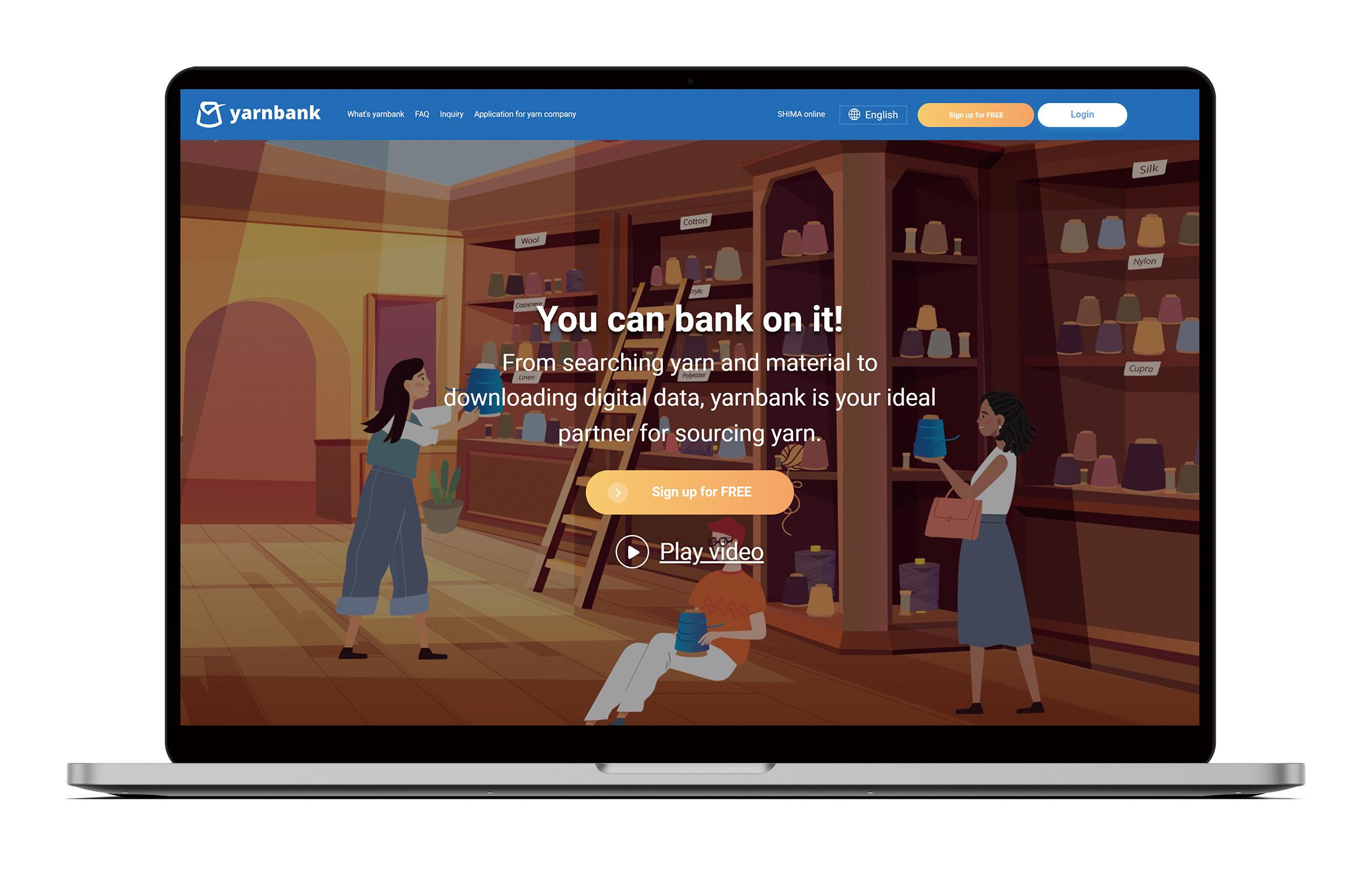
The product planning capability of APEXFiz® is enhanced by several web services featured as part of the SHIMA SEIKI Online Services (SHIMA online) web platform. These include yarnbank® digital yarn sourcing web service that offers digitized yarn data by yarn companies from around the world available for free download and use in virtual sampling, SHIMA Datamall™ digital content web service that allows users to search, browse and purchase a variety of useful data for streamlining the planning and production of fashion items, as well as SHIMANAVI® e-learning system. 

The booth also features several companies exhibiting in collaboration with SHIMA SEIKI ITALIA, including specialty yarn and fabric manufacturers. In addition, SHIMA SEIKI will be exhibiting under the concept "The New Generation" to emphasize the need for nurturing future designers and creatives through the synergy of corporations and educational institutions. Samples produced by students from schools with which SHIMA SEIKI ITALIA is collaborating will be exhibited on site.

Source:

Shima Seiki

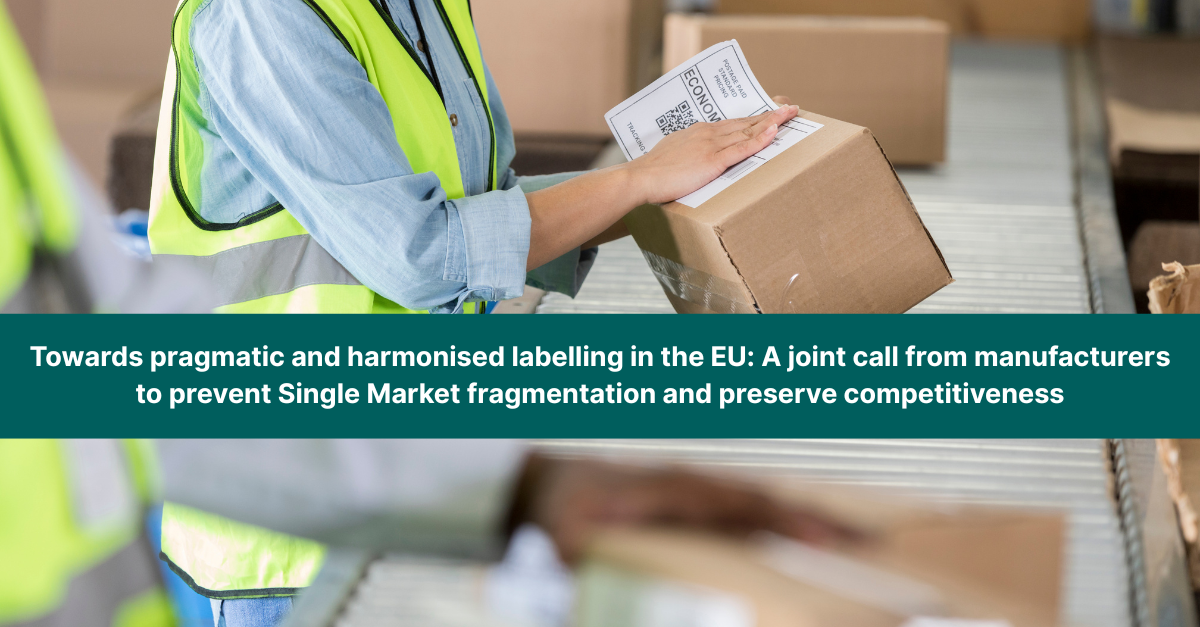
Edana: Pragmatic and harmonised labelling in the EU Photo: Edana
16.06.2026

Edana: Pragmatic and harmonised labelling in the EU

EDANA, alongside 14 European associations, urges the European Commission and Member States to adopt a pragmatic approach for the future harmonised packaging labels, in line with the EU’s agenda for the EU Single Market, simplification and competitiveness. The system should rely on text-free pictograms, available in achromatic or monochromatic versions matching the packaging palette, with the possibility of using digital labelling as a core element. 

The associations represent manufacturers of consumer goods across Europe. Their products are used by millions of Europeans to care for themselves, their families, and their homes. At the heart of this relationship lies trust, built over time through product safety, quality and performance, and maintained through clear and reliable communication with consumers. 

EDANA, alongside 14 European associations, urges the European Commission and Member States to adopt a pragmatic approach for the future harmonised packaging labels, in line with the EU’s agenda for the EU Single Market, simplification and competitiveness. The system should rely on text-free pictograms, available in achromatic or monochromatic versions matching the packaging palette, with the possibility of using digital labelling as a core element. 

The associations represent manufacturers of consumer goods across Europe. Their products are used by millions of Europeans to care for themselves, their families, and their homes. At the heart of this relationship lies trust, built over time through product safety, quality and performance, and maintained through clear and reliable communication with consumers. 

In fast-moving retail environments, product labelling plays a critical role as the primary interface between manufacturers and consumers. Clear and recognisable labels are essential visual cues that enable consumers to quickly identify products, understand their characteristics, and make informed choices. Preserving this clarity is fundamental, particularly as mandatory information on packs becomes increasingly complex, with the risk of consumer confusion and information overload.

More information:
Edana labelling European Commission
Source:

Edana

(c) EDANA
15.06.2026

EDANA: Continence Report to mark the start of the World Continence Week

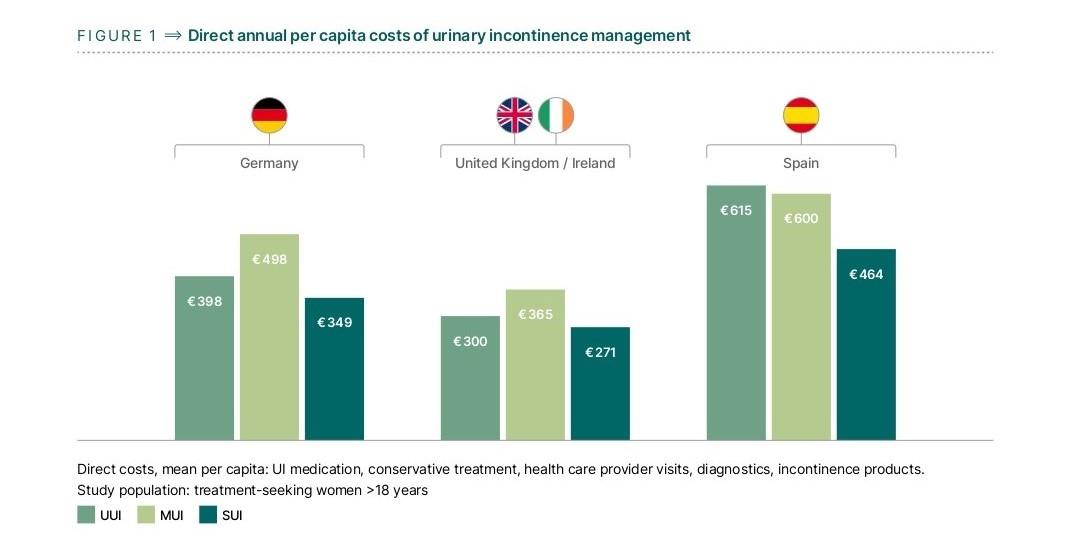
June 15 marks the official commencement of the World Continence Week. To honour this global awareness initiative, EDANA has published a comprehensive report titled "The Central Role of Absorbent Hygiene Products in the Management of Adult Urinary Incontinence: Benefits, Costs and Environmental Impact." 

The World Continence Week (WCW) is an annual global initiative dedicated to raising public awareness about incontinence and bladder or bowel health issues. Traditionally held in June, this awareness week aims to shed light on a condition that affects millions of people worldwide but is frequently kept secret due to widespread social stigma, embarrassment, and taboo. 

June 15 marks the official commencement of the World Continence Week. To honour this global awareness initiative, EDANA has published a comprehensive report titled "The Central Role of Absorbent Hygiene Products in the Management of Adult Urinary Incontinence: Benefits, Costs and Environmental Impact." 

The World Continence Week (WCW) is an annual global initiative dedicated to raising public awareness about incontinence and bladder or bowel health issues. Traditionally held in June, this awareness week aims to shed light on a condition that affects millions of people worldwide but is frequently kept secret due to widespread social stigma, embarrassment, and taboo. 

Urinary incontinence (UI) is a widely prevalent condition affecting millions worldwide across all age groups, with an escalating incidence among older demographics. As global populations age and lifestyle-related risk factors such as obesity and reduced physical activity continue to scale up, the need for reliable, long-term care management frameworks has never been more pressing. This new landmark report provides an essential, multi-dimensional analysis of how Absorbent Hygiene Products (AHPs), and more specifically, continence products, act as a vital lifeline for individuals, macro-economies, and public healthcare systems alike. 

Urinary incontinence is a complex condition 
The report establishes that UI is a deeply nuanced clinical reality. It primarily manifests in three main forms—urge, stress, and mixed incontinence—each driven by distinct physiological mechanisms. Other variations, such as functional incontinence caused by cognitive or physical mobility impairments, further highlight that UI is not a single, uniform issue but an intricately layered medical challenge. 

Urinary incontinence has a major impact on society 
Driven by global aging trends, rising obesity rates, and the expansion of chronic diseases, the global footprint of UI is growing rapidly. Beyond the estimated 465 million adults currently affected worldwide, the macro-economic burden is staggering. Unmanaged UI accounts for billions in direct healthcare costs and tens of billions in indirect costs, creating massive financial strains due to reduced workplace employment, elevated absenteeism, and heavy institutionalization burdens. 

People with urinary incontinence manage their condition in a variety of ways 
A clear majority of individuals manage UI privately due to lingering social stigma, with up to 80% navigating symptoms without ever consulting a clinician. For those who do seek formal primary care, assistance is not always guaranteed. Clinical pathways dictate a stepwise management sequence—ranging from lifestyle adaptations to specialized surgeries—but for the millions who cannot be fully cured, daily containment remains the primary solution. 

Absorbent hygiene products have a significant part to play in managing urinary incontinence 
AHPs are heavily proven, effective tools that directly elevate health-related quality of life and preserve user dignity. These purpose-made products are regulated medical devices engineered to the highest performance standards specifically to handle urine loss. Clinical evidence demonstrates that the utilization of high-quality bodyworn AHPs drastically reduces caregiver laundering demands, supports professional workforce participation, and cuts the risk of secondary medical complications like pressure ulcers by up to 67%. 

Absorbent hygiene products are a worthwhile expenditure for the public payer 
By keeping individuals socially and economically active while preventing severe skin breakdowns or unnecessary hospitalizations, disposable AHPs deliver exceptional socio-economic returns. Public healthcare systems across nations like the UK, the Netherlands, and Australia actively endorse this value by integrating these essential containment products into official public reimbursement and payment schemes. 

Industry initiatives are reducing the environmental impact of absorbent hygiene products 
The report highlights ongoing sector-wide efforts to lower the ecological footprint of these vital solutions. Through continuous material science innovation and cradle-to-grave Life-Cycle Assessments (LCAs), products have become lighter and down-gauged via advanced superabsorbent polymers (SAP), optimizing resource efficiency while strictly maintaining skin safety. Concurrently, various exploratory initiatives are evaluating mechanical separation, chemical recycling, and anaerobic fermentation pilots to help advance scale-level circular economy solutions for the end-of-life stage.