
From the Sector

from to
Reset
1101 results
ALLIED Feather + Down Photo ALLIED Feather + Down
03.09.2025

ALLIED Feather + Down Expands Supply Chain Transparency

ALLIED Feather + Down, global leaders in high performance, responsibly sourced, and sustainably processed down, is preparing for a more transparent textiles future by expanding their supply chain transparency initiatives and sharing initial insights with the market at Permière Vision Paris this September.  

As the Ecodesign for Sustainable Products Regulation (ESPR) prepares to set sustainability and transparency requirements on most products sold in the European Union, ALLIED is working with the supply chain specialists at Green Threads DPP on a comprehensive audit of their down processing facilities. This initiative, when combined with ALLIED’s previous transparency successes with the Responsible Down Standard and their Track My Down education tool, will create the gold standard for transparency in the down industry.

ALLIED Feather + Down, global leaders in high performance, responsibly sourced, and sustainably processed down, is preparing for a more transparent textiles future by expanding their supply chain transparency initiatives and sharing initial insights with the market at Permière Vision Paris this September.  

As the Ecodesign for Sustainable Products Regulation (ESPR) prepares to set sustainability and transparency requirements on most products sold in the European Union, ALLIED is working with the supply chain specialists at Green Threads DPP on a comprehensive audit of their down processing facilities. This initiative, when combined with ALLIED’s previous transparency successes with the Responsible Down Standard and their Track My Down education tool, will create the gold standard for transparency in the down industry.

“As a renewable and biodegradable byproduct of the food industry, down is one of the most sustainable insulation options currently on the market,” said Daniel Uretsky, President with ALLIED Feather + Down. “Now, with the work we are doing with Green Threads, we will have additional data to support these claims, allowing us to help futureproof our partner brands and their customers as new transparency regulations and requirements are implemented.”

By the end of 2025, the EU will release final standards for Ecodesign for Sustainable Products Regulation and Digital Product Passport compliance. ALLIED will be well positioned to provide partner brands with all the information needed to meet pending regulations and showcase sustainability achievements.  

“ALLIED are leaders in supply chain transparency and therefore understand how important this transparency has become in the modern materials marketplace,” said Ross Alexander, CEO with Green Threads DPP. “The audits we are conducting will help ALLIED and their brand partners more easily navigate future compliance requirements and create a point of differentiation at retail, where customers are increasingly interested in making informed buying decisions.”

Remix collection Photo (c) Allbirds
Remix collection
27.08.2025

Transforming blended textile waste and foam scraps into brand new shoes

Allbirds presents the latest addition to its leading-edge lineup of footwear: Remix. Born from a pioneering partnership with Blumaka, a leader in converting recycled foam into footwear products, and Circ®, a leading innovator in textile-to-textile recycling, Remix styles give second life to manufacturing waste by transforming blended textile waste and foam scraps into brand new shoes.

With billions of shoes produced annually, the footwear industry generates a staggering amount of manufacturing waste–trimmings, shavings, and dust from the cutting and shaping processes. In midsole foam alone, the industry produces 344,000 tons of waste annually—enough material to craft 2.5 billion midsoles—yet much of this high-quality foam goes unused and discarded. The materials, which are often non-biodegradable and notoriously difficult to recycle, are then routed to landfills where they take decades to decompose and emit harmful chemicals like methane. In an industry-first, Allbirds, Blumaka and Circ are intervening in the process by taking the landfill-bound waste and refashioning it into two Remix styles: the Runner NZ Remix and Cruiser Remix.

Allbirds presents the latest addition to its leading-edge lineup of footwear: Remix. Born from a pioneering partnership with Blumaka, a leader in converting recycled foam into footwear products, and Circ®, a leading innovator in textile-to-textile recycling, Remix styles give second life to manufacturing waste by transforming blended textile waste and foam scraps into brand new shoes.

With billions of shoes produced annually, the footwear industry generates a staggering amount of manufacturing waste–trimmings, shavings, and dust from the cutting and shaping processes. In midsole foam alone, the industry produces 344,000 tons of waste annually—enough material to craft 2.5 billion midsoles—yet much of this high-quality foam goes unused and discarded. The materials, which are often non-biodegradable and notoriously difficult to recycle, are then routed to landfills where they take decades to decompose and emit harmful chemicals like methane. In an industry-first, Allbirds, Blumaka and Circ are intervening in the process by taking the landfill-bound waste and refashioning it into two Remix styles: the Runner NZ Remix and Cruiser Remix.

The Remix styles incorporate Blumaka midsoles, crafted from reclaimed foam scraps from athletic footwear manufacturing that are ground and molded into a high-performance, recycled foam blend. Not only does this process use 99 percent less water and emit 65 percent fewer carbon emissions than traditional foam production, but it also creates a product that exceeds the expectations of durability, comfort and performance. Blumaka’s approach challenges assumptions about sustainability: these reclaimed materials are not just recycled; they are revitalized into elite, performance-ready components that deliver all-day comfort and cushioning.

Additionally, Remix styles are the world’s first-ever footwear to utilize textile-to-textile recycled materials derived from polycotton waste, using Circ’s proprietary hydrothermal recycling process that separates and recovers cotton and polyester fibers from blended garments. The resulting textile lends a luxurious look and feel, with like-new quality that meets and exceeds virgin synthetics.

The materials combine to create two artful, visually distinct silhouettes that require no compromise on comfort, sustainability or style–offering consumers a fresh look that they can feel good in, and feel good about.

“To us, ‘better things in a better way’ means that we’re not tied to one technology or one method of making–we have a limitless curiosity that inspires us to explore unexpected approaches,” said Adrian Nyman, Chief Design Officer, Allbirds. “Remix is the next step in our innovation journey, delivering on sustainable design that enhances both look and feel.”

The launch of Remix follows a decade of sustainable innovations from Allbirds, including the likes of: Futurecraft.Footprint, an ultra-low carbon running shoe created in collaboration with Adidas; and most recently, M0.0NSHOT Zero, the world’s first net zero carbon shoe made with carbon-negative regenerative wool.

“Allbirds is demonstrating that the world doesn’t need more foam — it needs smarter use of existing resources,” said Stuart Jenkins, CEO of Blumaka. “We don’t recycle trash — we reclaim the most advanced foam ever made and improve upon it. Our process produces elite-level products with proven durability and comfort. Allbirds Remix shows that waste foam isn’t a problem — it’s an opportunity. Better for people. Better for the planet.”

“This collaboration with Allbirds marks a major milestone in proving that textile-to-textile recycling can scale beyond apparel and into high-performance footwear,” said Peter Majeranowski, CEO of Circ. ““By using Circ® Filament Lyocell from recycled textile waste as part of the upper for the Remix, we’re showing that circular materials don’t require compromise, they can look better, feel better, and do better for the planet. This is the future of fashion, and we re proud to help lead the way.”

Source:

Allbirds

Textile Institute World Conference 2025 in Porto Graphic AWOL
27.08.2025

Textile Institute World Conference 2025 in Porto

The full programme for the 93rd Textile Institute World Conference (TIWC 2025) has been announced, with over 100 presentations to be delivered in parellel sessions at the event, which takes place from October 7-10 at the Porto Palácio Hotel and Spa in Porto, Portugal.

In a comprehensive and international programme, the close collaboration between researchers on separate continents will be highlighted, with a major focus on the further development of technologies and practices assisting in the need for advanced fibre-to-fibre recycling as a means of accelerating a circular textiles economy.

Research teams working continents apart are arriving at strikingly similar solutions – circularity, digital integration, cleaner chemistry and human-centred reform are all critical. These interlocking themes will define this year’s conference.

Circularity will be one of the most prominent concepts underpinning the programme and researchers from Manchester in the UK, for example, will share their evaluation of end-of-life garments and show how almost half of those currently sent to waste could be channelled into advanced recycling. 

The full programme for the 93rd Textile Institute World Conference (TIWC 2025) has been announced, with over 100 presentations to be delivered in parellel sessions at the event, which takes place from October 7-10 at the Porto Palácio Hotel and Spa in Porto, Portugal.

In a comprehensive and international programme, the close collaboration between researchers on separate continents will be highlighted, with a major focus on the further development of technologies and practices assisting in the need for advanced fibre-to-fibre recycling as a means of accelerating a circular textiles economy.

Research teams working continents apart are arriving at strikingly similar solutions – circularity, digital integration, cleaner chemistry and human-centred reform are all critical. These interlocking themes will define this year’s conference.

Circularity will be one of the most prominent concepts underpinning the programme and researchers from Manchester in the UK, for example, will share their evaluation of end-of-life garments and show how almost half of those currently sent to waste could be channelled into advanced recycling. 

From Chemnitz in Germany, new knitting technology will be presented that allows higher proportions of recycled content in cotton fabrics while retaining softness and durability. 

Case studies from Bangladesh and Pakistan will meanwhile explore how local enterprises are already adopting closed-loop systems and circular business innovations, with recycled yarns reaching the supply chains of major global brands. 

Taken together, the many presentations addressing circularity will demonstrate how waste is beginning to shift from a burden to a new raw material, while also pointing to the infrastructure and policies that will be needed to make such systems commercially viable.

Alongside this, the conference will also highlight the revolution now taking place in digitalisation. 

Far from being a niche domain of design software, digital tools are becoming the backbone of sustainability itself. Work will be presented on blockchain, digital product passports and RFID systems that trace garments throughout their lifecycle, strengthening consumer trust and helping businesses meet new regulatory requirements. 

New methods of digital textile printing and open-source knitting software will also be discussed, offering designers the ability to localise production and work with greater creative agency.  

The message of these projects is clear – digitalisation is not an add-on to sustainability but one of its primary enablers.

Perhaps most significant at TWIC 2025 will be the attention given to the human dimension of sustainability. 

In Sri Lanka, small and medium-sized apparel manufacturers will be shown to face critical health and safety risks as climate change brings rising temperatures, air pollution and extreme weather. A new assessment tool will be introduced which is helping firms build resilience and protect workers. 

The Sustainable Fibre Alliance will also demonstrate how cashmere herders, traders and processors in Mongolia are being engaged in a collective effort to reduce rangeland degradation and safeguard livelihoods. 

UK fashion educators will further share approaches to preparing the next generation to embrace circular models and ethical consumerism, equipping future designers to balance profit with responsibility. At the consumer end, new research will reveal misalignments between brand recommendations for garment care and the behaviour actually adopted by wearers, showing that communication must evolve. 

“These examples will remind delegates that technology and recycling alone cannot deliver sustainability without parallel shifts in culture, education and policy,” says Textile Institute CEO Stephanie Dick. “The global nature of the challenges facing textiles is already widely acknowledged and climate change, waste, toxic chemicals, unsafe labour practices and consumer overconsumption have combined to make fashion and textiles one of the world’s most scrutinised industries. What will emerge from this conference, however, is an unmistakable sense of convergence and solid progress.”

Carrington Textiles expands military range with ProTact by Haartz® Photo Carrington Textiles Ltd.
25.08.2025

Carrington Textiles expands military range with ProTact by Haartz®

As a global military fabrics manufacturer, Carrington Textiles has partnered with Haartz® GmbH to bring the ProTact by Haartz® range of laminated fabrics to Europe, the Middle East, Africa, Australia and New Zealand.

This partnership expands the specialist portfolio of defence fabrics with high performance technical laminates designed for military and tactical equipment. Manufactured in Germany by Haartz® GmbH, the ProTact range is engineered to meet the demanding requirements of modern military applications, including rucksacks, load carrying systems, vests and pouches.

The range offers several technical benefits for tactical equipment manufacturers, including:

As a global military fabrics manufacturer, Carrington Textiles has partnered with Haartz® GmbH to bring the ProTact by Haartz® range of laminated fabrics to Europe, the Middle East, Africa, Australia and New Zealand.

This partnership expands the specialist portfolio of defence fabrics with high performance technical laminates designed for military and tactical equipment. Manufactured in Germany by Haartz® GmbH, the ProTact range is engineered to meet the demanding requirements of modern military applications, including rucksacks, load carrying systems, vests and pouches.

The range offers several technical benefits for tactical equipment manufacturers, including:

  • Laser-cut ready – clean edges, no residue
  • Reduced fraying – precision layer bonding
  • Superior flexibility – softer feel, more comfortable wear
  • CORDURA® Truelock technology – consistent colour, UV fade resistance
  • No delamination – even in extreme conditions
  • Proven field performance – engineered for reliability under pressure

The initial range includes ProTact G510.1, a 500D/1000D fabric offered in black, coyote brown and the MultiCam® camouflage pattern, and ProTact G55.1, a 500D/500D option available in black, coyote brown and ranger green.

ProTact by Haartz® has already proven itself in the field with advanced durability and protection. The addition of this range complements our existing military fabric offering and further strengthens our position as a trusted supplier to defence forces and tactical equipment manufacturers.

APEXFiz® subscription-based design software Graphic by Shima Seiki
APEXFiz® subscription-based design software
25.08.2025

SHIMA SEIKI at Intertextile Shanghai

Digital textile solutions provider SHIMA SEIKI MFG., LTD. of Wakayama, Japan, together with its Hong Kong and Chinese market subsidiary SHIMA SEIKI (HONG KONG) LTD., will exhibit at the Intertextile Shanghai Apparel Fabrics Autumn Edition 2025 show in Shanghai, China in September. It will exhibit once again as part of the Digital Solutions Zone which allows visitors various opportunities to partake in the digital revolution that is currently making waves in the apparel industry. 
 

Digital textile solutions provider SHIMA SEIKI MFG., LTD. of Wakayama, Japan, together with its Hong Kong and Chinese market subsidiary SHIMA SEIKI (HONG KONG) LTD., will exhibit at the Intertextile Shanghai Apparel Fabrics Autumn Edition 2025 show in Shanghai, China in September. It will exhibit once again as part of the Digital Solutions Zone which allows visitors various opportunities to partake in the digital revolution that is currently making waves in the apparel industry. 
 
SHIMA SEIKI will be showing its APEXFiz® subscription-based design software which digitally supports the creative side of fashion from planning and design to colorway evaluation, realistic fabric simulation and 3D virtual sampling. Virtual samples are a digitized version of sample making that are accurate enough to be used effectively as prototypes, replacing physical sampling and consequently reducing time, cost and material that eventually go to waste. The remarkable realism of textile simulation is achieved by using scanned data of actual yarn to virtually create fabrics that are comparable to physical samples. Simulations are available for wovens, circular knits, flat knits, prints, pile weave and even embroidery. These fabrics can be utilized in various 3D simulation software including APEXFiz® to create realistic product images. Should the design be approved for production, machine data can be generated to allow smooth communication for digitally bridging the gap between the studio and factory. APEXFiz® thereby helps to realize sustainability through reduced waste, to enhance quality, and to digitally transform the fashion supply chain. 
 
The product planning capability of APEXFiz® is enhanced by several web services featured as part of the SHIMA SEIKI Online Services (SHIMA online) web platform. These include the yarnbank® digital yarn sourcing web service that offers digitized yarn data by yarn companies from around the world for download and use in virtual sampling, as well as SHIMA Datamall™ digital content web service that allows users to search, browse and purchase a variety of useful data for streamlining the planning and production of fashion items. Registration to both services is free. 
 
SHIMA SEIKI will also be hosting a seminar session titled “New Era of Digital Fabric: End-to-End DPC Solution” on Wednesday, 3rd September from 10:20 am to 10:50 am at Hall 4.1-C131. 

Gartex Texprocess India 2025 (c) Messe Frankfurt Trade Fairs India
Gartex Texprocess India 2025
21.08.2025

Gartex Texprocess India 2025 opened: 35% new exhibitors

The 13th edition of Gartex Texprocess India opened on a high note at the Bharat Mandapam, Pragati Maidan - New Delhi. The landmark event is being held between the 21st -23rd August 2025. Organized by Messe Frankfurt Trade Fairs India Pvt Ltd and MEX Exhibitions Pvt Ltd, the exhibition is bound to set a new benchmark in the garment, textile manufacturing and denim industry. This 13th edition of the Gartex Texprocess India features two new additions - the LeatherX Pavilion and the Textile Care Forum which makes the event more holistic and all-encompassing.

The Gartex Texprocess India 2025 has a record participation from over 200 exhibitors (35% first-time exhibitors) and 600+ brands from India and with international brands like Durst, Morimota Singapore (Kansai), Epson, Morgan, Jinjen, Groz Beckert, Brothers International, Jack Franc, Veolia, Amazon and more recording international participation from China, Japan, Italy, Germany and Singapore. The first day of the exhibition saw a high-level of engagement and was marked with vigorous activities across all stalls.  

The 13th edition of Gartex Texprocess India opened on a high note at the Bharat Mandapam, Pragati Maidan - New Delhi. The landmark event is being held between the 21st -23rd August 2025. Organized by Messe Frankfurt Trade Fairs India Pvt Ltd and MEX Exhibitions Pvt Ltd, the exhibition is bound to set a new benchmark in the garment, textile manufacturing and denim industry. This 13th edition of the Gartex Texprocess India features two new additions - the LeatherX Pavilion and the Textile Care Forum which makes the event more holistic and all-encompassing.

The Gartex Texprocess India 2025 has a record participation from over 200 exhibitors (35% first-time exhibitors) and 600+ brands from India and with international brands like Durst, Morimota Singapore (Kansai), Epson, Morgan, Jinjen, Groz Beckert, Brothers International, Jack Franc, Veolia, Amazon and more recording international participation from China, Japan, Italy, Germany and Singapore. The first day of the exhibition saw a high-level of engagement and was marked with vigorous activities across all stalls.  

Inaugurating the show, Chief Guest, Shri Manohar Lal Khattar expressed: “The textile industry is one of the largest sources of employment generation in the country with over 45 million people employed directly, including a large number of women and rural population. The government has taken a number of measures/ incentives to boost the textile sector and generate employment in the country. I give due credit to the two joint organisers for doing a great job of amalgamating the complete value chain from yarn to finished products here in Delhi.” 

Speaking on energy, Shri Khattar added: “Coming to power, we have extended several schemes, including subsidies up to 75%. Today, we are looking at the transition from fossil fuels to renewable energy. I urge you all to kindly upgrade your plants to renewable energy, as India is moving towards its Mission 2047 to reduce emissions. India had set a target to replace 50% of the energy by 2030 with renewable and clean sources but has managed to achieve the same this year.”

He was followed by the address from the Guest of Honour: Shri Rakesh Sachan, Hon’ble Minister, Department of MSME, Khadi, Village Industries, Sericulture and Textile, Government of Uttar Pradesh. He expressed: “The Indian textile industry is yet to produce indigenous machinery. It relies mostly on imports. The Government of Uttar Pradesh is taking efforts to allow industries to excel with special dedicated land parcels in the state. We had requested about 200 acres of land for the development of industries. Of these, we have received approval of about 100 acres. In another development, the Yamuna Expressway Industrial Development Authority (YEIDA) is developing a 150-acre apparel cluster in Noida, which will be Uttar Pradesh's first textile park. The project aims to attract investment, generate employment, and boost exports in the apparel sector.”
Speaking on the US tariffs, Shri Sachan said: “The surge in US tariffs has hit hard, but this is the time to upgrade and create capacity, improve on indigenous technology.”

The expo was inaugurated by Chief Guest Shri Manohar Lal Khattar, Hon’ble Minister of Housing & Urban Affairs, India, Minister of Power, Government of India. 

The opening day saw amazing enthusiasm among both exhibitors and visitors. It was witness to many impactful discussions among stakeholders, putting India in the global textile eco-space. The highlights of The Gartex Texprocess India 2025 are ‘The Denim Show’ in association with the Denim Manufacturers Association and the featured zones of the Fabrics and Trims Show, Screen Print India (Textile) and the latest addition of LeatherX Pavilion and launch of the Textile Care Forum in association with the Drycleaners and Launderers Association of India enhance the platform by connecting the industry. The new developments add value to the already composite nature of Gartex Texprocess India. With a focus on technology and modernisation, the exhibition is a step forward towards setting global standards in textile manufacturing, denim, leather goods, laundry management and the overall fashion industry. 

Source:

Messe Frankfurt Trade Fairs India

Hatice Gökçe Foto Hatice Gökçe
15.08.2025

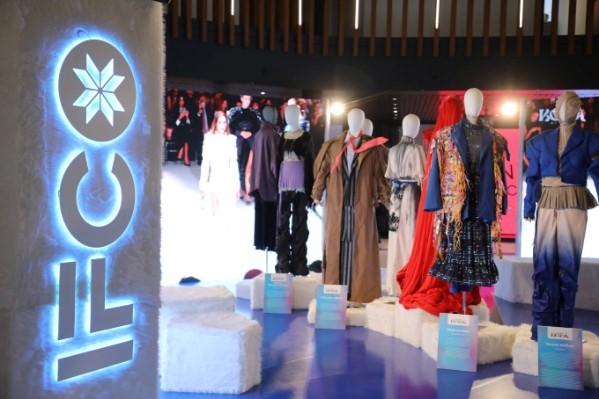
IFCO, Istanbul Fashion Connection August 20–22, 2025

  • Over 250 exhibitors from across all fashion segments will present their latest collections to more than 30,000 visitors from over 100 countries – spanning womenswear, menswear, kidswear, denim, accessories, and homewear. 
  • The Core Istanbul with 24 leading Turkish designers, including internationally acclaimed names such as Arzu Kaprol, Mehtap Elaidi, Hatice Gökçe, and Sudi Etuz, bringing Turkish design to the global stage. 
  • Strong womenswear, menswear, and kidswear segments proving the creativity, high-quality craftsmanship, fast turnaround, and sustainable approaches of Turkish fashion  
  • A diverse seminar program featuring trend talks and expert panels: Industry leaders such as Tatiana Aldrich (WGSN) will explore Autumn/Winter 26/27 trends, while discussions address topics including Gen Z, conscious luxury, digital transformation, and future design strategies. 

From 20–22 August 2025, IFCO – Istanbul Fashion Connection will once again bring the global apparel industry together in the vibrant metropolis of Istanbul.

  • Over 250 exhibitors from across all fashion segments will present their latest collections to more than 30,000 visitors from over 100 countries – spanning womenswear, menswear, kidswear, denim, accessories, and homewear. 
  • The Core Istanbul with 24 leading Turkish designers, including internationally acclaimed names such as Arzu Kaprol, Mehtap Elaidi, Hatice Gökçe, and Sudi Etuz, bringing Turkish design to the global stage. 
  • Strong womenswear, menswear, and kidswear segments proving the creativity, high-quality craftsmanship, fast turnaround, and sustainable approaches of Turkish fashion  
  • A diverse seminar program featuring trend talks and expert panels: Industry leaders such as Tatiana Aldrich (WGSN) will explore Autumn/Winter 26/27 trends, while discussions address topics including Gen Z, conscious luxury, digital transformation, and future design strategies. 

From 20–22 August 2025, IFCO – Istanbul Fashion Connection will once again bring the global apparel industry together in the vibrant metropolis of Istanbul. Following a record-breaking February edition with over 34,000 professional visitors from more than 150 countries, the 8th edition is set to offer an expanded exhibitor portfolio, curated trend showcases, high-calibre runway presentations, and deep market insight. Over 250 exhibitors from across all sectors of the fashion industry will showcase their latest collections to more than 30,000 visitors from over 100 countries.  This August visitors can explore a 360° fashion showcase across womenswear, menswear, kidswear, denim brands, shoes, accessories, activewear and homewear, alongside other specialist participants. Leading names will unveil their latest collections, offering buyers a complete spectrum from premium to commercial lines.  

IFCO Segments  
TheCore Istanbul: Design Excellence Meets Global Reach 
The spotlight will shine brightly on The    Core Istanbul, where 24 of Türkiye’s most influential designers will present their latest collections. These include internationally acclaimed names such as Arzu Kaprol, whose architectural silhouettes are stocked in concept stores from Paris to Hong Kong; Mehtap Elaidi, a champion of contemporary womenswear seen at trade shows across Europe and the Middle East; and Hatice Gökçe, known for redefining menswear codes and collaborating with global cultural projects. Meltem Özbek and Özlem Süer continue to attract international buyers with their sophisticated, feminine aesthetics, while avant-garde label Sudi Etuz by Şansım Adalı has made waves at Paris Fashion Week. This mix of established names and rising talents positions Turkish design firmly on the global fashion map. Among the other rising and established talents unveiling their creative vision are Aylin Çetinkaya, Bahar Korçan, Belma Özdemir, Ceren Ocak, Elif Cığızoğlu, Emre Erdemoğlu, Erkan Demiroglu, Gokay Gundogdu, Gökhan Yavaş, Gönül Altunışık, Mehmet Emiroğlu, Mert Erkan, Murat Aytulum, Özlem Erkan, Özlem Kaya, Tanju Babacan, and Yakup Biçer, each brining a distinctive signature to the international stage.  

Turkish Womenswear 
Türkiye’s womenswear sector is experiencing strong growth, driven by its blend of creativity, craftsmanship, and rapid production capabilities. Offering everything from sleek minimalist tailoring to statement-making eveningwear, Turkish brands are increasingly present in global retail spaces, e-commerce platforms, and multi-brand boutiques. Backed by combining creative direction, premium craftmanship, high-quality fabrics, advanced manufacturing infrastructure, and competitive lead times, they can respond swiftly to shifting market demands – a capability highly valued by international buyers. For many retailers, sourcing in Türkiye also means reduced supply chain risks compared to distant manufacturing hubs, while benefitting from the country’s proximity to Europe and its customs union with the EU.  

With 125 exhibitors in this category alone, IFCO provides a concentrated view of the sector’s capabilities – from high-end designer pieces to large-scale production for global retail. Türkiye’s proximity to Europe, its customs union with the EU, and advanced logistics infrastructure allow for delivery times as short as 2–4 weeks to major European markets – a significant advantage over longer supply chains from Asia. Export destinations such as Germany, the UK, the Netherlands, and Gulf markets continue to show strong growth, with analysts forecasting double-digit annual increases supported by sustainable production investments, digitalisation, and global marketing initiatives. As one of the top brands İpekyol, one of Türkiye’s most influential womenswear brands and part of the Ayaydın-Miroglio Group, which also owns Twist and Machka, proudly marks its presence at IFCO. İpekyol operates over 240 stores domestically and internationally, with a retail presence spanning the Middle East, Eastern Europe, and select European fashion capitals. Known for its modern, feminine aesthetic and high-quality fabrics, İpekyol is a benchmark for Turkish womenswear’s – proving that Turkish brands can thrive in both domestic and international fashion markets. 

Menswear: Tradition Meets Modern Market Demands 
Türkiye is a powerhouse in menswear manufacturing, blending heritage tailoring skills with modern production efficiency. In 2024, Turkish menswear exports exceeded USD 3 billion, reflecting robust demand from Europe, North America, and the Middle East. The country’s menswear segment benefits from high quality-to-price ratio, attracting both luxury and mid-market buyers; agility in production, enabling rapid adaptation to emerging trends; expanding focus on sustainability, from organic fabrics to eco-friendly finishing techniques 

At IFCO, leading menswear brands such as DS Damat, Kiğılı, JAKAMEN and Sabri Özel, UCLA, NCS will present collections that merge refined tailoring with contemporary silhouettes. From premium business attire to casualwear with global appeal, Turkish menswear offers a breadth of choice that meets the needs of diverse retail formats. 

Kidswear: A Market on the Rise 
Türkiye’s kidswear industry is emerging as a high-potential segment, supported by strong domestic consumption and growing export demand. With 21 exhibitors at IFCO buyers will find collections that combine playful, fashionforward design with the stringent quality and safety standards required for children’s apparel. Key competitive advantages include fast fashion capability for kidswear, enabling seasonal refreshes multiple times a year; competitive small-batch production for niche and premium children’s brands; increasing eco-conscious offerings, including organic cotton and non-toxic dyes.  
Export growth is particularly strong in European markets, the Gulf region, and Russia, where Turkish kids wear is valued for its design appeal, comfort, and durability. 
 
IFCO Frame Program 
IFCO Trends 

The Trend Area in hall 8, curated by the Istanbul Moda Academy (IMA), will present forward-looking insights into colour palettes, silhouettes, and fabric innovations for upcoming seasons – framed within cultural and social narratives that help brands connect with consumers worldwide. Istanbul Fashion Connection Apparel and Fashion Fair – is curated by the expertise of Istanbul Moda Academy (IMA), offering visitors an inspiring perspective on the fashion codes of the upcoming season. This special space blends academic knowledge with industry vision, reflecting not only seasonal trends but also the evolving cultural and social dimensions of fashion. From next season’s color palettes and silhouettes to fabric innovations and design details, each theme is presented through a curated lens aligned with global trends. Powerful visual storytelling supports each concept, allowing visitors to experience the latest in fashion both aesthetically and conceptually. 

IFCO Shows 
IFCO Shows is set to capture the pulse of the fashion industry. With the participation of womenswear, menswear, and kidswear brands, this special event will present a dynamic and inspiring fashion showcase featuring the latest collections from leading labels. Drawing strong attention from fashion professionals, buyers, and influencers, the runway will highlight the standout trends of the season. Each collection, reflecting its own unique style language, will bring to life the diverse spirit of fashion through colors, silhouettes, fabrics, and creative details. Positioned as a key showcase of the fashion industry, IFCO Shows not only sets the direction for sector professionals with the latest trends but also contributes to Istanbul’s vision of becoming a global fashion capital. 

IFCO Seminar Program 
The three-day IFCO seminar program promises a compelling blend of trend insights, expert discussions, and cutting-edge industry perspectives. Opening with a keynote by Tatiana Aldrich, WGSN Client & Trend Consultant, attendees will explore the Autumn/Winter 26/27 macro trends, key colors, and standout pieces shaping both women’s and men’s fashion. Thought-provoking panels moderated by industry leaders such as Belma Özdemir and Sinan İz will dive deep into pivotal themes including Gen Z’s reshaping of fashion culture, the evolution of menswear with inclusive identities, and the urgent call for conscious luxury grounded in sustainability and circularity. Further sessions spotlight the transformative impact of digital technologies on fashion retail, with insights from experts Almila Bayraktaroğlu and Esra Bağdat on e-commerce trends and AI applications. A dedicated panel on the “Digital Transformation 

Roadmap for Ready-to-Wear” brings together influential voices from İTKİB, KOSGEB, and sustainability leaders, outlining the future of fashion commerce and innovation. Concluding the program, industry and academic experts collaborate to discuss design and creativity strategies for the future, emphasizing competitions and partnerships that will nurture emerging talent and drive the sector forward. 
This seminar series is designed to empower attendees with actionable knowledge, foster meaningful dialogue, and highlight the fashion industry’s commitment to innovation, inclusivity, and environmental responsibility. 

More information:
IFCO Istanbul
Source:

JANDALI MODE.MEDIEN.MESSEN

DeLin Fashion Photo DeLin
14.08.2025

INSPECTED QUALITY: New quality label for regionally produced fashion

OETI is partnering with Austrian designer Julia Deiger, founder of the sustainable label DeLin. INSPECTED QUALITY is a quality label from OETI for textile and leather businesses. Based on OETI’s 60 years of market experience and current standards, the label is supported by a transparent labelling guideline and independent verification processes.

The initiative is part of TEX-DAN, an EU-funded project led by the Salzburg University of Applied Sciences, which aims to develop innovative, market-ready concepts promoting circular economy models for small and medium-sized enterprises in the textile sector across the Danube region.

As an accredited and independent testing institute, OETI – Institute for Ecology, Technology and Innovation GmbH brings its extensive expertise to this project partnership. Together with designer Julia Deiger, OETI has developed the new INSPECTED QUALITY "Regionally Produced" label.

OETI is partnering with Austrian designer Julia Deiger, founder of the sustainable label DeLin. INSPECTED QUALITY is a quality label from OETI for textile and leather businesses. Based on OETI’s 60 years of market experience and current standards, the label is supported by a transparent labelling guideline and independent verification processes.

The initiative is part of TEX-DAN, an EU-funded project led by the Salzburg University of Applied Sciences, which aims to develop innovative, market-ready concepts promoting circular economy models for small and medium-sized enterprises in the textile sector across the Danube region.

As an accredited and independent testing institute, OETI – Institute for Ecology, Technology and Innovation GmbH brings its extensive expertise to this project partnership. Together with designer Julia Deiger, OETI has developed the new INSPECTED QUALITY "Regionally Produced" label.

This label confirms the strong regional focus and sustainable philosophy of the DeLin brand: the entire value chain is based exclusively in Austria, using only natural, durable materials. The label enhances transparency for consumers and highlights the brand’s commitment to resource-efficient textile production.

Through this project, OETI and Julia Deiger are making a valuable contribution to promoting future-oriented, locally rooted production models within the European textile industry.

A Model for Market Transformation
“The TEX-DAN project generates new, marketable ideas for advancing circular economy models across the Danube region. Our collaboration with Julia Deiger demonstrates how natural materials, short supply chains, and regional production – supported by a structured quality assurance system and visible label – can collectively drive transformation in the textile sector,” concludes Helene Melnitzky, Head of Department Ecology / OEKO-TEX® Products, at OETI, who is responsible for developing the INSPECTED QUALITY “Regionally Produced” label.

More information:
quality label OETI Austria regional
Source:

OETI - Institut fuer Oekologie, Technik und Innovation GmbH

05.08.2025

AEQUALIS4TCLF: Strategy, Education, and Social Innovation in Europe’s TCLF Industries

On the 1st and 2nd of July, 19 textile, clothing, leather, and footwear representatives from 8 European countries gathered at Amsterdam Fashion Institute in the Netherlands to drive forward the Erasmus+ Blueprint AEQUALIS4TCLF project. This bold initiative is set to transform the TCLF industries through a strategic, educational, and social lens, paving the way for more resilient, inclusive, and future-ready sectors.

One of the project’s key deliverables is the upcoming European TCLF Skills Strategy, designed to respond to the impact on companies’ workforce of the rapidly technological, circular and social transformations. Drawing on both qualitative and quantitative insights from stakeholders, ranging from businesses and policymakers to education providers, the updated strategy will inform the development of consecutive tailored national skills strategies. These strategies will then be rolled out by national project partners, with strong support from industry, education and institutional actors.

On the 1st and 2nd of July, 19 textile, clothing, leather, and footwear representatives from 8 European countries gathered at Amsterdam Fashion Institute in the Netherlands to drive forward the Erasmus+ Blueprint AEQUALIS4TCLF project. This bold initiative is set to transform the TCLF industries through a strategic, educational, and social lens, paving the way for more resilient, inclusive, and future-ready sectors.

One of the project’s key deliverables is the upcoming European TCLF Skills Strategy, designed to respond to the impact on companies’ workforce of the rapidly technological, circular and social transformations. Drawing on both qualitative and quantitative insights from stakeholders, ranging from businesses and policymakers to education providers, the updated strategy will inform the development of consecutive tailored national skills strategies. These strategies will then be rolled out by national project partners, with strong support from industry, education and institutional actors.

AEQUALIS4TCLF is also pioneering change in the classroom. Eight brand-new curricula focused on sustainable and digital fashion have already been developed, and then respective training content are under development. To ensure accessibility and engagement, partners are creating an array of innovative learning resources, from interactive e-books and videos to hands-on activities and assessments. All materials will be available online and free of charge, equipping learners and educators alike for the green and digital transitions.

At its heart, AEQUALIS4TCLF is also a social project. A rich programme of workshops, both online and in person, is being rolled out across all partner countries, addressing critical topics such as diversity, innovation, and wellbeing in the workplace. Meanwhile, a TCLF network-building effort is underway to boost collaboration at both local and European levels. This includes the creation of regional TCLF Pacts for Skills, tailored to the unique needs of local economies, and two European-level networks: one uniting education providers to share best practices and foster excellence, and another engaging regional public authorities in supporting TCLF education for the new era.

The AEQUALIS4TCLF project is co-funded by the Erasmus+ programme of the European Union.

Source:

European Commission; AEQUALIS4TCLF

LITAC PhD candidate Kate Baker presented the research. (c) University of Leeds Institute of Textiles and Colour
LITAC PhD candidate Kate Baker presented the research.
04.08.2025

New Study: Price not a reliable guide to t-shirt durability

A new study led by the University of Leeds Institute of Textiles and Colour (LITAC) has found that the price of a t-shirt is no reliable guide to how well it will wear over time.

LITAC PhD candidate Kate Baker presented the research, which was conducted in partnership with climate action NGO WRAP, at the Product Lifetimes and the Environment (PLATE) Conference in Aalborg, Denmark. It forms part of a clothing durability project through the UK Textiles Pact - WRAP’s ten-year industry initiative to bring greater circularity into the UK clothing market.

The LITAC team tested the durability of 47 t-shirts (24 male, 23 female designs) from UK clothing brands, including luxury items. Testing included physical properties and washing using a standard mixed 30°C wash cycle followed by a tumble dry 50 times. The t-shirts were graded for pilling (or bobbling - when small balls form on the surface of an item and the number one reason people dispose of t-shirts), as well as colour fading, shrinkage and general appearance.

A new study led by the University of Leeds Institute of Textiles and Colour (LITAC) has found that the price of a t-shirt is no reliable guide to how well it will wear over time.

LITAC PhD candidate Kate Baker presented the research, which was conducted in partnership with climate action NGO WRAP, at the Product Lifetimes and the Environment (PLATE) Conference in Aalborg, Denmark. It forms part of a clothing durability project through the UK Textiles Pact - WRAP’s ten-year industry initiative to bring greater circularity into the UK clothing market.

The LITAC team tested the durability of 47 t-shirts (24 male, 23 female designs) from UK clothing brands, including luxury items. Testing included physical properties and washing using a standard mixed 30°C wash cycle followed by a tumble dry 50 times. The t-shirts were graded for pilling (or bobbling - when small balls form on the surface of an item and the number one reason people dispose of t-shirts), as well as colour fading, shrinkage and general appearance.

A key finding was that there is no correlation between price and durability. Of the top ten best performing t-shirts, six cost less than £15, outperforming many more expensive tees including the most expensive costing £395.

LITAC’s Dr Eleanor Scott, a Lecturer in Fashion Design: Creative Knit & Innovation at the School of Design, said:
“If circularity in fashion is to be truly effective, durability must come first. Durability underpins the reuse and resale market, as well as keeping our loved items in use longer. Crucially, these findings show that durability is not a luxury reserved for the few - it’s achievable at any price point.”

LITAC PhD candidate Kate Baker added:
“This research is another step forward on the road to developing a way of measuring how durable the clothes we wear are. Improved clothing durability is critical for the future of circularity and providing the opportunity for people to wear the clothes they love for longer. It was an honour to present our work on garment durability at the renowned P.L.A.T.E conference in Aalborg this year.”

The research found more hard-wearing t-shirts tend to have a percentage of synthetic fibres in the composition including polyester, polyamide, and elastane. Cotton t-shirts tended to have higher shrinkage than synthetic ones, which can be exacerbated with tumble drying. However, the research suggests well designed 100% cotton t-shirts can be hard-wearing and good value for money – 4 of the 10 top garments were 100% cotton.

The study identified several common characteristics among the most durable garments tested:

  • Heavier weight cotton t-shirts tend to perform better than lightweight ones
  • T-shirts with a blend of cotton and synthetic fibres, such as polyester or elastane, generally offer greater durability
  • Price is not a reliable indicator of how hard-wearing a t-shirt will be.

By 2030, global apparel consumption is projected to rise by 63% to 102 million tonnes. In the UK, 711,000 tonnes of textile waste were sent to landfill or incineration in 2021, with 72% through the kerbside residual waste stream. WRAP believes designing for durability is critical to moving the industry to a more sustainable model and can be done while still offering value for money for consumers.

WRAP also found that the average person buys around 28 new items of clothing every year. That’s typically 8kg each, or 586,000 tonnes in total, and typically one quarter of every UK wardrobe is unworn for more than a year.

Mark Sumner, WRAP’s Programme Lead on Textiles and a former researcher at the University of Leeds, said:
“Most shoppers use price as an indicator of how hard-wearing clothes are ‘the more I spend, the more I’m bound to get out of my purchase’. But our study shows this is totally misleading. The most expensive t-shirt we tested cost £395 and ranked 28th out of 47, while a £4 t-shirt was placed 15th. The most durable t-shirt cost £28, but the one ranked second worst was £29! So, if you’re judging on price alone – buyer beware.”

The study’s testing methodology for durability is ready to be adapted for other regions and WRAP is now exploring partnerships with EU and US brands to co-create durability and performance standards tailored to their national needs.

Source:

University of Leeds Institute of Textiles and Colour

© INNATEX Scope Marketing
23.07.2025

Green Fashion in the midst of a fundamental transformation

Sustainability requires more than good intentions – as the 56th INNATEX in Hofheim-Wallau, near Frankfurt am Main, illustrated. Between 19 and 21 July 2025, over 200 Green Fashion brands gathered at the international trade fair for sustainable textiles to present collections for Spring/Summer 2026. On the Sunday in particular the atmosphere surrounding ordering was satisfyingly positive, especially in view of the general challenges in the market. 

“While fast fashion is growing, public interest in sustainable fashion has fallen. This is affecting not only retailers like us but the entire supply chain,” says Laura Ott, Buyer at Marlowe green fashion and marketing committee member of the International Association of the Natural Textile Industry (IVN). “We are all entrepreneurs facing similar challenges but our areas of focus and experience vary. Not least, this is a resource that is commercially valuable.” 

Sustainability requires more than good intentions – as the 56th INNATEX in Hofheim-Wallau, near Frankfurt am Main, illustrated. Between 19 and 21 July 2025, over 200 Green Fashion brands gathered at the international trade fair for sustainable textiles to present collections for Spring/Summer 2026. On the Sunday in particular the atmosphere surrounding ordering was satisfyingly positive, especially in view of the general challenges in the market. 

“While fast fashion is growing, public interest in sustainable fashion has fallen. This is affecting not only retailers like us but the entire supply chain,” says Laura Ott, Buyer at Marlowe green fashion and marketing committee member of the International Association of the Natural Textile Industry (IVN). “We are all entrepreneurs facing similar challenges but our areas of focus and experience vary. Not least, this is a resource that is commercially valuable.” 

Reframing long-familiar concepts 
Many fashion brands rely on alternative materials that combine a number of benefits. Sloppy Tunas, for example, has collaborated in the development of its own high-tech textile, made in part from collected ocean plastic. The label from Barcelona uses it to make lightweight, quick-drying swim shorts and closes the cycle itself: Worn shorts are taken back and recycled together with offcuts from production to make new yarn and fabric. 

The call for innovation and functionality is so loud that well-established textiles which are by their very nature sustainable could slip into the background. Businesses are responding by reintroducing the classic fabrics. Clothing from Berlin-based label Moefe consists of 100% organic cotton. A special knitting technique helps the material keep its shape and makes it stable in shape and stretchy – even without elastic. Mor Khadi, on the other hand, is turning traditional Indian handcraft into modern streetwear. The special qualities of the Khadi fabric give the clothing breathable and thermo-regulating properties. 
 
Legal changes call for adaptability 
“The sector is in the midst of a fundamental transformation, caught between Sheinification, the shift to the political right, generation change, digitalisation and increasing pricesensitivity,” says Nina Lorenzen, co-founder of Fashion Changers and a member of the Expert Council Sustainability of the trade journal ‘Textilwirtschaft’. “Companies will remain relevant by being prepared to rethink their business – by turning shopping into an experience, for instance, or reshaping fashion into a statement and a form of protest.” 

Dealing with both the latest and pre-existing statutory requirements represents another challenge. By September 2026, the EU member states must transpose the EmpCo Directive (Empowering Consumers for the Green Transition), which came into force in 2024, into national law. Among other things, it regulates how companies may communicate sustainability. Another example affects the processing of leather. The EU is now imposing restrictions on a substance also used for ecological tanning. This will compel manufacturers to change their processes. 

“We see a huge need for discussion,” concludes Alexander Hitzel, Project Manager of INNATEX. “Demands on Green Fashion are getting more complex and more dynamic. There is no one simple solution for everyone involved and for all sets of problems. What matters now is that businesses can find precise answers to their specific questions. Platforms that generate ideas and promote cooperation are more important than ever.” 

On August 17 and 18, the INNATEX showroom in Bern (Switzerland) will be hosting some 40 brands at the end of the order season. 

Source:

INNATEX

HSV T-Shirt Foto via Hohenstein
HSV T-Shirt
22.07.2025

HSV Relies on OEKO-TEX® Certified T-Shirts

For the past ten years, the OEKO-TEX® MADE IN GREEN label has been answering questions like: Where does my clothing come from and how was it made? It stands for transparency, responsibility, and traceability along the textile supply chain. As a founding member of OEKO-TEX®, Hohenstein played a key role in developing the label.

On the tenth anniversary of OEKO-TEX® MADE IN GREEN, German football club Hamburger SV (HSV) is also celebrating a major milestone: both the men’s and women’s teams have earned promotion to the Bundesliga. To mark the occasion, the traditional club, in collaboration with its long-standing supplier MBA Solutions GmbH, has launched special edition promotion T-shirts certified with the OEKO-TEX® MADE IN GREEN label.

For the past ten years, the OEKO-TEX® MADE IN GREEN label has been answering questions like: Where does my clothing come from and how was it made? It stands for transparency, responsibility, and traceability along the textile supply chain. As a founding member of OEKO-TEX®, Hohenstein played a key role in developing the label.

On the tenth anniversary of OEKO-TEX® MADE IN GREEN, German football club Hamburger SV (HSV) is also celebrating a major milestone: both the men’s and women’s teams have earned promotion to the Bundesliga. To mark the occasion, the traditional club, in collaboration with its long-standing supplier MBA Solutions GmbH, has launched special edition promotion T-shirts certified with the OEKO-TEX® MADE IN GREEN label.

“Rapidly produced success items like the promotion T-shirt should ideally meet the same standards as any other product,” says Sascha Steinbrück, Head of Merchandising at HSV. “What matters to me is that a product is manufactured with ecological and social sustainability in mind and has been tested for harmful substances.” With this promotion T-shirt, HSV once again sets a strong example for certified fan merchandise as a promise for the future. 

Manchester Fashion Week Chanel debuted its 202424 Metiers D'Art Show in Manchester Photo Manchester Fashion Week
18.07.2025

Manchester Fashion Week returns

  • Manchester Fashion Week returns in September 2025 after decade-long absence 
  • Rooted in the textile heritage of the city but rebooted by technological advancements and innovation to make fashion future-proof
  • Industry-led platform to champion sustainable practices to make fashion conscious and circular

After a decade-long hiatus, Manchester Fashion Week returns this Autumn with a bold blueprint for the future of fashion. 

The revival comes at a pivotal moment when the city’s £12bn fashion industry faces unprecedented challenges around sustainability, technology and cultural relevance. 

The announcement is another endorsement of Manchester fast becoming the culture capital of Britain, with the BRIT Awards to be hosted there next year – the first time outside of London in its 48-year history.

Manchester Fashion Week, running from September 9th to 11th, will unite emerging designers and established brands on a platform that bridges Manchester's industrial heritage with cutting-edge innovation. 

  • Manchester Fashion Week returns in September 2025 after decade-long absence 
  • Rooted in the textile heritage of the city but rebooted by technological advancements and innovation to make fashion future-proof
  • Industry-led platform to champion sustainable practices to make fashion conscious and circular

After a decade-long hiatus, Manchester Fashion Week returns this Autumn with a bold blueprint for the future of fashion. 

The revival comes at a pivotal moment when the city’s £12bn fashion industry faces unprecedented challenges around sustainability, technology and cultural relevance. 

The announcement is another endorsement of Manchester fast becoming the culture capital of Britain, with the BRIT Awards to be hosted there next year – the first time outside of London in its 48-year history.

Manchester Fashion Week, running from September 9th to 11th, will unite emerging designers and established brands on a platform that bridges Manchester's industrial heritage with cutting-edge innovation. 

The event traces a path from historic Mancunian mills to contemporary catwalks, honouring textile traditions while accelerating toward fashion's future.

The event will be spearheaded by some of the industry’s renowned thought-leaders, including Carry Somers, Founder of global movement Fashion Revolution and Safia Minney, MBE, award-winning social entrepreneur and founder of People Tree, a pioneer of sustainable and fairtrade fashion.

The main event for Manchester Fashion Week will be centred around the vibrant St. John’s area, with its official hub set in the newly refurbished Campfield - one of the city’s most exciting cultural venues.

Manchester Fashion Week will serve as a platform for honest dialogue, visionary thinking, and radical collaboration, activating spaces across the city and inviting brands, creators, and communities to participate. 

The inaugural pilot will be industry-led, with public experiences and cultural events lighting up Manchester throughout September.

Source:

Manchester Fashion Week

cocoons spider silk Photo: Kraig Biocraft Laboratories
16.07.2025

Kraig Biocraft: Second Production Facility to deliver Spider Silk to European-based global Luxury Market

New architecture lays foundation for higher output, continuous batch production, and prepares company for spider silk delivery to european-based global luxury market leader.

Kraig Biocraft Laboratories, a global leader in spider silk technology, announced the addition of a second parallel production facility, three new advanced spider silk strains, and the immediate launch of a new diapausing system for production. This marks three critical advancements in the Company’s high-performance spider silk manufacturing and commercialization to significantly increase production yields and spun silk quality.

Kraig Labs completed the development of three new spider silk strains, which are now in the field. These strains, developed over the last year, were designed to complement the Company’s existing BAM-1 hybrid by improving hybrid vigor and increasing silk yield. One of these stains was designed as a replacement for an existing BAM-1 parent lines. Two of these strains were bred to produce silkworms suitable for controlled diapause.

New architecture lays foundation for higher output, continuous batch production, and prepares company for spider silk delivery to european-based global luxury market leader.

Kraig Biocraft Laboratories, a global leader in spider silk technology, announced the addition of a second parallel production facility, three new advanced spider silk strains, and the immediate launch of a new diapausing system for production. This marks three critical advancements in the Company’s high-performance spider silk manufacturing and commercialization to significantly increase production yields and spun silk quality.

Kraig Labs completed the development of three new spider silk strains, which are now in the field. These strains, developed over the last year, were designed to complement the Company’s existing BAM-1 hybrid by improving hybrid vigor and increasing silk yield. One of these stains was designed as a replacement for an existing BAM-1 parent lines. Two of these strains were bred to produce silkworms suitable for controlled diapause.

Diapause refers to the silkworm’s natural wintering period, a process which can be replicated with a 90-day cold treatment of the silkworm eggs. Diapausing silkworm strains are the gold standard for producing premium silk. One of the Company’s key initial target customers is a widely-renowned producer of the world’s finest fabrics and garments, crafted from the highest-quality fibers. Kraig Labs is committed to meeting those standards with its spider silk and the shift to diapausing egg production, along with the addition of a second facility, are key drivers in achieving that goal and increasing production.

Thus far, the Company’s production center has operated under a batch production model, bypassing diapause and limiting production to 8 or 9 batches per year. The shift to parallel facilities and the diapausing of eggs (artificial wintering utilizing cold storage treatment) will enable nearly continuous production. These two facilities will operate in tandem to feed that production. While egg production from one facility enters cold storage, the second facility will prepare the next rearing cycle, ensuring a continuous flow of eggs to supply production operations. This new collaborative production system will dramatically expand production capacity far beyond what any single facility could produce independently.

As Kraig Labs rolls out these significant improvements to its operations, the company is undertaking a production transition period, which includes a 90-day cold treatment cycle for the new diapausing hybrid eggs. This wintering process is widely recognized for yielding stronger, finer silk and significantly larger cocoons than non-diapausing silk. Over the next several months, operational emphasis will shift away from finished silk production and focus on expanding parent line populations and generating the next round of hybrid eggs that Kraig Labs plans to begin releasing in the fourth quarter.

“Deploying two separate rearing centers for our parent lines is a key part of our strategy to build a reliable and scalable supply chain that can address the demand for spider silk and support year-round production,” said Kim Thompson, Founder and CEO of Kraig Labs. “This plan, which is the brainchild of our chief sericulture expert, Dr. Kumar, will provide the throughput necessary to support large-scale commercial production and a buffer against potential disruption.”

In parallel with these advancements in production operations, Kraig Labs announced it has completed the latest batch of BAM-1 finished spider silk. With this newest batch of finished silk complete, the company has now accumulated approximately one-third of the total spider silk required to fulfill a material request from a globally renowned European fashion house.

“This latest batch brings us another step closer to delivering premium spider silk materials to one of the most recognized names in fashion. The shift to a diapausing hybrid system reflects our long-term vision to deliver the highest quality spider silk at commercial scale,” said Rice. “By making this investment in time, infrastructure, and production strategy, we are positioning ourselves to meet the demand we see forming.”

Source:

Kraig Biocraft Laboratories

15.07.2025

LVMH pilots new traceability system as Loro Piana is linked to labour exploitation

In light of the recent court cases involving two of LVMH’s subsidiaries, where workers in the supply chain had allegedly been exploited, LVMH is reassessing its supply chains across all subsidiaries. 
 
Luxury conglomerate LVMH is piloting traceability technology across its brands as Loro Piano became the second of its subsidiaries to be placed under court administration this week. 
 
The luxury market has been hit by a series of scandals, from labour exploitation to fake viral stories about luxury goods being made in China alongside fake goods. 
 
The Court of Milan found that Loro Piana, which makes expensive cashmere clothing, subcontracted its production through two front firms that had no actual manufacturing capacity to Chinese-owned workshops in Italy, which the court said exploited workers. 
 
Loro Piana Spa will undergo court monitoring for a year, according to the 26-page ruling released this week, which stems from investigations into the world of subcontracting for luxury goods in Italy that started in 2023. 
 

In light of the recent court cases involving two of LVMH’s subsidiaries, where workers in the supply chain had allegedly been exploited, LVMH is reassessing its supply chains across all subsidiaries. 
 
Luxury conglomerate LVMH is piloting traceability technology across its brands as Loro Piano became the second of its subsidiaries to be placed under court administration this week. 
 
The luxury market has been hit by a series of scandals, from labour exploitation to fake viral stories about luxury goods being made in China alongside fake goods. 
 
The Court of Milan found that Loro Piana, which makes expensive cashmere clothing, subcontracted its production through two front firms that had no actual manufacturing capacity to Chinese-owned workshops in Italy, which the court said exploited workers. 
 
Loro Piana Spa will undergo court monitoring for a year, according to the 26-page ruling released this week, which stems from investigations into the world of subcontracting for luxury goods in Italy that started in 2023. 
 
Units of fashion brands Valentino, LVMH's second largest brand Dior, Italy's Armani, and Italian handbag company Alviero Martini have also been placed under administration recently. 
 
LVMH, the world's biggest luxury group, acquired 80% of Loro Piana in July 2013, with the Italian family that founded the company retaining 20%, according to the court ruling. 
 
Loro Piana declined to comment to Reuters. LVMH was not immediately available for comment. 
In June, Loro Piana appointed Frederic Arnault, a son of LVMH chairman and Chief Executive Bernard Arnault, as its CEO. 
 
In their statement, Italian police concluded they had closed two Chinese-owned factories, the third being a ‘paper’ company with no production capacity, and imposed a joint fine of over 240,000 euros. 
 
One of the workers at the factories allegedly told police he had been hospitalised for over a month after being beaten for asking for his Chinese bosses for unpaid wages. 
 
The Milan court in its ruling on Loro Piana also appointed an external administrator to verify that the company meets all the judges' demands on control of its supply chain, according to documents seen by Reuters. 
 
The administration will be lifted earlier if the unit brings its practices into line with legal requirements, as was the case with Dior, Armani and Alviero Martini. 
 
LVMH reassured its shareholders in its latest AGM in April that it had used traceability platform TextileGenesis to look into tracking a sample 31,000 products across key brands including Louis Vuitton, Loro Piana, Dior and Bulgari.  
 
The system documents anything from the origin of cashmere used in Loro Piana scarves to the material sourcing for Louis Vuitton handbags. 
 
"Traceability and transparency are the fundamental principles that guarantee the excellence of our products," Antoine Arnault, chairman of Loro Piana and head of communications and image at LVMH, told shareholders at the company's annual general meeting in April. 
 
TextileGenesis founder Amit Gautam confirmed that demand for traceability solutions has surged since another subsidiary of LMVH owned Dior was placed under court administration last year for unethical supply chain practices. 
 
"Brands are realising that consumers now expect verification, not just storytelling," he said. "The luxury sector can no longer assume trust based on brand heritage alone."

THE MAGICAL EDITION Photo Scoop
14.07.2025

SCOOP opened ‘THE MAGICAL EDITION’

Scoop welcomed a vibrant crowd of fashion insiders and leading buyers to Olympia National for the opening day of ‘The Magical Edition’. With an inspiring curation of over 200 contemporary designer collections, the atmosphere buzzed with creativity and discovery. Guests from standout retailers including Sister, The Cross, Macbees, Anya, Matthew Williamson and Doyle’s stepped into a world of enchantment where theatrical displays and imaginative styling brought an extra touch of wonder to the day’s events.

Scoop welcomed a vibrant crowd of fashion insiders and leading buyers to Olympia National for the opening day of ‘The Magical Edition’. With an inspiring curation of over 200 contemporary designer collections, the atmosphere buzzed with creativity and discovery. Guests from standout retailers including Sister, The Cross, Macbees, Anya, Matthew Williamson and Doyle’s stepped into a world of enchantment where theatrical displays and imaginative styling brought an extra touch of wonder to the day’s events.

Stepping into Scoop was like entering an enchanted wonderland, where every detail of the show’s immersive theme transported guests into a magical escape. Visitors were met with mannequins gracefully perched on whimsical horse carousels and styled in standout designer collections from A Kjaerbede, Bl^nk, Conditions Apply, écotorie, Flabelus, Freedom Moses, Missoni, Psophia and Reinhard Plank. The atmosphere was enhanced by the melodic sound of a live xylophone player and the uplifting scent of Connock England fragrance that drifted through the air. Striking stylized floral artwork set the tone, leading into a spacious, light-filled venue adorned with cascading chandeliers and vibrant flower displays at every turn. An orange catwalk carpet ran through the space, guiding visitors past, a beautiful tree installation and two charming cafés wrapped in Scoop’s signature artwork. Staff dressed in eye-catching Dr Bloom uniforms added to the theatrical spirit, ensuring that every corner of the show felt curated, creative, and completely captivating.

Buyers explored the show’s thoughtfully curated collections, discovering standout seasonal highlights and reaffirming Scoop’s role as a key destination for sourcing fresh inspiration. The excitement was echoed by both new and returning designers, as the show continued to foster valuable connections and strong business opportunities across the board. 


More information:
Scoop London designers
Source:

Scoop

11.07.2025

First-Ever Conductive Yarn Standard for E-Textile Application

The Global Electronics Association, based in Illinois, announces the release of IPC-8911, Requirements for Conductive Yarns for E-Textiles Applications. This first-of-its-kind global standard establishes a clear framework for classifying, designating, and qualifying conductive yarns—helping to address longstanding challenges in supply chain communication, product testing, and material selection within the growing e-textiles industry. The Global Electronics Association retains the IPC brand for the industry’s standards and certification programs, which are vital to ensure product reliability and consistency. 
 
Developed by the IPC Conductive Yarns for E-Textiles Test Methods Task Group, IPC-8911 defines key yarn categories, introduces a standardized designation system, and includes qualification and conformance requirements tailored to conductive yarns. The standard is supported by eight new IPC-TM-650 Test Methods, designed to evaluate performance characteristics such as conductivity, mechanical durability, and resistance to environmental and chemical exposures.

The Global Electronics Association, based in Illinois, announces the release of IPC-8911, Requirements for Conductive Yarns for E-Textiles Applications. This first-of-its-kind global standard establishes a clear framework for classifying, designating, and qualifying conductive yarns—helping to address longstanding challenges in supply chain communication, product testing, and material selection within the growing e-textiles industry. The Global Electronics Association retains the IPC brand for the industry’s standards and certification programs, which are vital to ensure product reliability and consistency. 
 
Developed by the IPC Conductive Yarns for E-Textiles Test Methods Task Group, IPC-8911 defines key yarn categories, introduces a standardized designation system, and includes qualification and conformance requirements tailored to conductive yarns. The standard is supported by eight new IPC-TM-650 Test Methods, designed to evaluate performance characteristics such as conductivity, mechanical durability, and resistance to environmental and chemical exposures.

By clearly defining the performance characteristics and communication protocols for conductive yarns, IPC-8911 supports faster product development, more consistent sourcing, and improved reliability for all e-textiles product applications, from consumer to medical to aerospace and defense.
 
The release of IPC-8911 marks a critical step in advancing e-textile integration—establishing conductive yarns as true electronic building blocks while supporting better collaboration between yarn suppliers, product developers, and OEMs and brands.

The task group included global experts from both textile and electronics sectors, with leadership from Joe Geiger of Bally Ribbon Mills and Sahar Rostami of Meta.
 
“This standard gives manufacturers tools to know what to ask for when ordering yarns and helps yarn suppliers understand the electrical needs their products must meet,” said Geiger. “It brings clarity to the entire process—acting almost like a recipe for building reliable e-textile systems.”
 
Rostami added, “IPC-8911 eliminates the guesswork. It gives developers, researchers, and engineers a common framework and accelerates R&D by reducing the need to reinvent the wheel when selecting and testing conductive yarns.”

Source:

Global Electronics Association

Graphic RTS Textiles Group
10.07.2025

Carrington: Highlighting group progress in second sustainability report

As a global workwear textile manufacturer and part of RTS Textiles Group, Carrington has published their second annual sustainability report, marking one year since the first edition was launched in July 2024. The publication showcases the progress that has been achieved in environmental performance and sustainable innovation across the Group.

The report reflects a pivotal year for RTS Textiles Group, formed in early 2025 through the consolidation of RTS Textiles Ltd. with their long-standing joint venture partners TMG in Portugal and STM in Pakistan. This unification brought the businesses under full ownership as a single group, with all parties now shareholders, creating a global organisation with over 130 million metres of annual production capacity and operations spanning the UK, mainland Europe and Asia.

As a global workwear textile manufacturer and part of RTS Textiles Group, Carrington has published their second annual sustainability report, marking one year since the first edition was launched in July 2024. The publication showcases the progress that has been achieved in environmental performance and sustainable innovation across the Group.

The report reflects a pivotal year for RTS Textiles Group, formed in early 2025 through the consolidation of RTS Textiles Ltd. with their long-standing joint venture partners TMG in Portugal and STM in Pakistan. This unification brought the businesses under full ownership as a single group, with all parties now shareholders, creating a global organisation with over 130 million metres of annual production capacity and operations spanning the UK, mainland Europe and Asia.

Across their facilities, they have delivered measurable environmental achievements. At Carrington Textiles International in Pakistan, €3.4 million were invested in a state-of-the-art Effluent Treatment Plant to enhance water treatment capacity. The site also reduced CO2 emissions by more than 20,000 tonnes, reclaimed 95% of caustic soda through its recovery plant and sourced 98% of steam consumption from biomass boilers.

At MGC in Portugal, a 7% reduction in CO2 emissions was realized per tonne of product. The site also digitised energy management using Siemens Energy Manager Pro and introduced composting initiatives by repurposing biomass ash.

In the UK, Pincroft generated 68% of its electricity through Combined Heat and Power (CHP) and transitioned 100% of its purchased electricity to renewable sources, supported by REGO certification.
RTS Textiles also strengthened their sustainable product offering with the addition of technologies and fibres like Sorona®, alongside our ongoing commitment to Better Cotton, REPREVE® recycled polyester, organic cotton, TENCEL™ and CiCLO®.

Source:

RTS Textiles Group, Carrington

AdobeStock, @Вася Пупкин_KIgeneriert
10.07.2025

Textile Precision Matters in Swimwear

To ensure swimwear not only looks good in summer but also performs reliably, textile precision is essential. Behind every bikini and swimsuit lies a sophisticated production process, where even the smallest errors can have major consequences.

Elastic, Shape-Retaining, and Chlorine-Resistant
Swimwear must meet a wide range of requirements: high elasticity, recovery, UV resistance, and durability against chlorine are basic standards. These properties are made possible by technical knits based on polyamide or polyester combined with elastane. Typically produced in tricot knit, these fabrics are stretchable in both directions – ideal for a close fit and full freedom of movement in water.

But to achieve a perfect final product, the material composition alone is not enough. Processing in the earlier production stages – especially fabric forming and finishing – plays a crucial role. Elastic materials are particularly prone to distortion. If this isn’t corrected before further processing, the result can be skewed patterns, uneven seams, or misshaped silhouettes.

To ensure swimwear not only looks good in summer but also performs reliably, textile precision is essential. Behind every bikini and swimsuit lies a sophisticated production process, where even the smallest errors can have major consequences.

Elastic, Shape-Retaining, and Chlorine-Resistant
Swimwear must meet a wide range of requirements: high elasticity, recovery, UV resistance, and durability against chlorine are basic standards. These properties are made possible by technical knits based on polyamide or polyester combined with elastane. Typically produced in tricot knit, these fabrics are stretchable in both directions – ideal for a close fit and full freedom of movement in water.

But to achieve a perfect final product, the material composition alone is not enough. Processing in the earlier production stages – especially fabric forming and finishing – plays a crucial role. Elastic materials are particularly prone to distortion. If this isn’t corrected before further processing, the result can be skewed patterns, uneven seams, or misshaped silhouettes.

Distortion-Free Fabric as a Quality Feature
This is where Mahlo’s Orthopac RXVMC comes into play. The latest addition to the weft straightener family is designed specifically for elastic materials with high distortion dynamics – a common feature in swimwear. Equipped with two independently driven straightening modules – one at the fabric’s entry and one at the exit – the system enables particularly fine and rapid corrections. It reliably compensates for skew and bow distortions before the fabric continues to the next production steps. The result is not only improved fit but also stable printing and finishing outcomes.

Technology for Perfect Finishing
Only when the fabric is precisely aligned can finishes like chlorine resistance, UV protection, or the popular lotus effect be applied evenly. Accurate dosage is critical: too little finish limits functionality; too much wastes raw materials and drives up costs.

To ensure precise control of these processes, Mahlo has developed the Qualiscan QMS – a modular online measurement system equipped with application-specific sensors for thickness, basis weight, or moisture. It continuously monitors the finishing process, ensuring consistently high product quality.

Swimwear may look light and playful at first glance – but in reality, it’s backed by highly sensitive textile technology. Only when all stages – from fabric alignment to straightening and finishing – are perfectly coordinated, can a product emerge that passes the ultimate summer test. With technologies like Orthopac RXVMC and Qualiscan QMS, Mahlo provides the tools to manufacture summer textiles that are not only stylish but also functional and cost-efficient.

Source:

Mahlo GmbH & Co. KG

Source Fashion July 2025 Photo Source Fashion
10.07.2025

SOURCE FASHION launches scheme to support British manufacturers

Source Fashion announces £500,000 investment in a scheme to support British Heritage manufacturers. On Day 2 of Source Fashion the show has unveiled a major new initiative designed to champion British manufacturing. The new scheme will provide each of 15 selected UK-based heritage manufacturers with a fully funded stand, marketing support, and brand development assistance, representing over £500,000 worth of support to run across the next three years.

Beginning February 2026, Source Fashion will form a dedicated British Heritage Pavilion to showcase the 15 curated, high-quality, heritage manufacturers, from across the UK. The selected businesses will receive support for three consecutive editions of the show, a move designed to help them build long-term visibility and growth.

Source Fashion announces £500,000 investment in a scheme to support British Heritage manufacturers. On Day 2 of Source Fashion the show has unveiled a major new initiative designed to champion British manufacturing. The new scheme will provide each of 15 selected UK-based heritage manufacturers with a fully funded stand, marketing support, and brand development assistance, representing over £500,000 worth of support to run across the next three years.

Beginning February 2026, Source Fashion will form a dedicated British Heritage Pavilion to showcase the 15 curated, high-quality, heritage manufacturers, from across the UK. The selected businesses will receive support for three consecutive editions of the show, a move designed to help them build long-term visibility and growth.

“As Source Fashion grows into the largest manufacturing sourcing show in Europe, we believe it’s our responsibility to support the brilliant manufacturers we have here in the UK,” said Suzanne Ellingham, Event Director of Source Fashion. “This is about more than just giving away stands. We’re investing in the future of British manufacturing by helping these businesses tell their stories, connect with international buyers, and grow sustainably. It’s a small way that we can give back, while also making sure UK manufacturing is properly represented on the global stage.”

The programme will be open to a diverse range of UK manufacturers, from heritage textiles in Scotland to component specialists in the Midlands and South. It aims to address a long-standing lack of support for British producers who often struggle to afford the costs of exhibiting, especially when compared to government-subsidised competitors abroad.
Each business will receive:

  • A free stand at three consecutive Source Fashion shows in January 2026, July 2026 and January 2027.
  • Dedicated bespoke PR and marketing campaigns
  • Exposure through Source Fashion’s global content channels

To ensure the most deserving and high-potential manufacturers are selected, Source Fashion will work with their advisory board to identify manufacturers and makers that would benefit from the show.  

The first full cohort of heritage manufacturers will be announced in September 2025. While most participants are still under wraps, organisers have confirmed outreach has already begun, and standout British businesses have already been selected to join the inaugural pavilion include Courtnery and Co, The last remaining button manufacturer in the UK, and Alexander Manufacturing. These companies represent the exceptional craftsmanship and highlight how special British manufacturing and heritage can be. The scheme aims to spotlight, with more names to be revealed in the coming months.

Source:

Source Fashion