From the Sector

from to
Reset
3459 results
30.08.2021

Biden Administration Awards $6.5M Contract to US Cotton LLC

  • Ramping Up Production of American-Made Polyester Tipped Swabs

The Biden Administration has awarded a contract for $6.5 million to U.S. Cotton LLC, the largest manufacturer of cotton swabs in the United States, to increase domestic production capability for polyester tipped swabs for home testing kits and mass testing applications to fight the COVID-19 pandemic.  Since the beginning of the pandemic, U.S. Cotton has retooled operations to produce over 400 million COVID testing kit swabs.

The Department of Defense (DOD), in coordination with the Department of Health and Human Services (HHS), announced the award today as part of the administration’s broader effort to increase domestic production capability for essential medical supplies.

U.S. Cotton, based in Cleveland, Ohio, said the company will increase its production capacity from 92 million polyester swab tips per month to approximately 371 million polyester swab tips per month by May 2022 to support domestic COVID-19 testing. The DOD contract award was funded through the American Rescue Plan Act (ARPA) to support the domestic industry base expansion for critical medical resources.

  • Ramping Up Production of American-Made Polyester Tipped Swabs

The Biden Administration has awarded a contract for $6.5 million to U.S. Cotton LLC, the largest manufacturer of cotton swabs in the United States, to increase domestic production capability for polyester tipped swabs for home testing kits and mass testing applications to fight the COVID-19 pandemic.  Since the beginning of the pandemic, U.S. Cotton has retooled operations to produce over 400 million COVID testing kit swabs.

The Department of Defense (DOD), in coordination with the Department of Health and Human Services (HHS), announced the award today as part of the administration’s broader effort to increase domestic production capability for essential medical supplies.

U.S. Cotton, based in Cleveland, Ohio, said the company will increase its production capacity from 92 million polyester swab tips per month to approximately 371 million polyester swab tips per month by May 2022 to support domestic COVID-19 testing. The DOD contract award was funded through the American Rescue Plan Act (ARPA) to support the domestic industry base expansion for critical medical resources.

John Nims, President of U.S. Cotton said, “We are proud to be involved in a national effort to help deploy these testing kit swabs for the American people. These swabs are designed to make it easier for people at home to self-administer coronavirus tests and will also be used for mass testing applications, which is critically important. We greatly appreciate the collaboration with DOD and HHS to ramp up essential capacity of polyester-based synthetic swabs that will help in the fight against the pandemic.

“We continue to step up to meet our nation’s critical need for American-made coronavirus testing kit swabs on a massive scale. It is an honor to work with our government to help fight this pandemic and use our innovative technologies based here in the United States to fill a national and global demand for testing kits. I especially want to thank Senator Brown and Senator Portman for all their incredible support to help us retool and expand our operations in Cleveland. We can’t thank them enough for their tireless work and also want to recognize their hard working staff. As the Delta variant surges across the country, this timely investment will help in the fight against COVID by adding this much-needed, long-term surge capacity.”

Kim Glas, President and CEO of NCTO, said, “We want to sincerely thank President Biden, the Department of Defense, and the Department of Health and Human Services for leading this critical industrial expansion effort. We appreciate the administration’s commitment to expand the U.S. industrial base for these essential products.  We have a once-in-a-generation opportunity to onshore these critical supply chains long-term and we look forward to working with the administration and Congress to advance long-term solutions.”

More information:
corona virus NCTO
Source:

NCTO

(c) Autoneum
Claudia Güntert
27.08.2021

Autoneum appoints new Head of Corporate Communications

Claudia Güntert has been appointed Head of Corporate Communications at Autoneum as of November 1, 2021. She succeeds the Corporate Communications Head, Dr. Anahid Rickmann, who will be leaving the company per end of August 2021.

Claudia Güntert studied Jurisprudence at the University of Basel, Switzerland, as well as German and Eastern European Literature at the Universities of Basel and Zurich, Switzerland.

From 2008 to 2013, she was Marketing & Product Communications Manager at Von Roll Management AG in Wädenswil, Switzerland. She thereby gained broad experience in marketing and customer communications in the industry and a deep understanding of the industrial relations between suppliers and their customers. From 2013 until 2021, she was Head of Corporate Communications & Investor Relations at Von Roll Holding AG in Wädenswil and Breitenbach, Switzerland. In this leading position, she expanded her expertise in internal and external communication with a focus on company vision and strategy, branding, global change management, and social media presence. Claudia Güntert will report to Matthias Holzammer, CEO.

Claudia Güntert has been appointed Head of Corporate Communications at Autoneum as of November 1, 2021. She succeeds the Corporate Communications Head, Dr. Anahid Rickmann, who will be leaving the company per end of August 2021.

Claudia Güntert studied Jurisprudence at the University of Basel, Switzerland, as well as German and Eastern European Literature at the Universities of Basel and Zurich, Switzerland.

From 2008 to 2013, she was Marketing & Product Communications Manager at Von Roll Management AG in Wädenswil, Switzerland. She thereby gained broad experience in marketing and customer communications in the industry and a deep understanding of the industrial relations between suppliers and their customers. From 2013 until 2021, she was Head of Corporate Communications & Investor Relations at Von Roll Holding AG in Wädenswil and Breitenbach, Switzerland. In this leading position, she expanded her expertise in internal and external communication with a focus on company vision and strategy, branding, global change management, and social media presence. Claudia Güntert will report to Matthias Holzammer, CEO.

Dr. Anahid Rickmann leaves Autoneum at the end of August at her own request. After almost nine years of service, she has decided to take on a new professional challenge. Anahid Rickmann strategically realigned the Company's communications after it became independent in 2011 and significantly shaped Autoneum's external perception and reputation. Her particular achievements include the measurable success of external communications, brand positioning and the launch of Autoneum's corporate responsibility strategy. CEO Matthias Holzammer and the Board of Directors would like to thank Anahid Rickmann sincerely for her successful, always dedicated and loyal service to Autoneum and wish her the best for her personal and professional future.

For September and October 2021, Luzia Schoeck, Communications Manager, will act as interim Head of Corporate Communications.

More information:
Autoneum Autoneum Management AG
Source:

Autoneum

Graphical material: Borealis
26.08.2021

Drinking cups using chemically recycled polypropylene

Swiss dairy company Emmi is partnering with Borealis and Greiner Packaging to produce iced coffed drinking cups using chemically recycled polypropylene.

The cups are produced by Greiner Packaging and the chemically recycled material comes from Borealis, one of the world’s leading providers of advanced and circular polyolefin solutions based in Vienna, Austria.

Emmi, Switzerland’s largest milk processor is committed to climate protection and the circular economy. The dairy company has the stated goal to make all of its packaging 100% recyclable and is committed to various measures to promote circularity such as packaging that contains at least 30% recyclate by 2027.

Swiss dairy company Emmi is partnering with Borealis and Greiner Packaging to produce iced coffed drinking cups using chemically recycled polypropylene.

The cups are produced by Greiner Packaging and the chemically recycled material comes from Borealis, one of the world’s leading providers of advanced and circular polyolefin solutions based in Vienna, Austria.

Emmi, Switzerland’s largest milk processor is committed to climate protection and the circular economy. The dairy company has the stated goal to make all of its packaging 100% recyclable and is committed to various measures to promote circularity such as packaging that contains at least 30% recyclate by 2027.

From September 2021 Emmi will use at least 100 tonnes of plastic based on the recycled material each year. Chemical recycling renews plastic back to plastic creating recycled materials with a level of purity equivalent to fossil-fuel based PP and hence, fit for protective, food-safe and other demanding applications. In this way, Emmi is utilizing difficult to recycle feedstock preventing plastic waste that would be likely landfilled or incinerated. In the future, depending on the availability of suitable material, the amount of recycled plastic in packaging is to be further increased.

The new technology to recover the polypropylene is currently still in its infancy, where Greiner Packaging and Borealis are leading the way. Only limited quantities of chemically recycled polypropylene are currently available, and Emmi is one of only a few food manufacturers to have secured a share of the chemically recycled polypropylene plastic through its early commitment and long-standing collaboration with the development companies.

The chemically recycled material used for the cups consists entirely and solely of ISCC (International Sustainability & Carbon Certification) material, on a mass balance basis. Mass balance is a methodology that makes it possible to track the amount and sustainability characteristics of circular and/or bio-based content in the value chain and through each step of the process. This provides transparency ultimately also to the consumers, enabling them to know that the product they are buying is based on this renewable material.

More information:
Polypropylen Borealis
Source:

Borealis

Photo: Sateri
26.08.2021

EU-BAT Compliance Confirmed for all Sateri Viscose Fibre Mills

  • Achievement Ahead of Schedule

All of Sateri’s five viscose mills in China are now fully compliant with the emission limits set out in the European Union Best Available Techniques Reference Document (EU-BAT BREF) on Polymers, following recent verification of Sateri Jiangsu and Sateri China mills.

Verified by independent consultant Sustainable Textile Solutions (STS), a division of BluWin Limited (UK), the parameters assessed included resource utility efficiency, wastewater discharge and air emission.

  • Achievement Ahead of Schedule

All of Sateri’s five viscose mills in China are now fully compliant with the emission limits set out in the European Union Best Available Techniques Reference Document (EU-BAT BREF) on Polymers, following recent verification of Sateri Jiangsu and Sateri China mills.

Verified by independent consultant Sustainable Textile Solutions (STS), a division of BluWin Limited (UK), the parameters assessed included resource utility efficiency, wastewater discharge and air emission.

Allen Zhang, President of Sateri said, “Sateri Jiangsu was established in 2019 following an acquisition while Sateri China was built in the same year. We had aimed to have both mills meet EU-BAT’s recommended emission levels by 2023. To achieve this two years ahead of schedule underscores our continuous efforts in process improvement and control of pollutant emissions, and resource utilization efficiency. We will continue to pursue manufacturing excellence and invest in best-in-class technologies for all our mills – existing, acquired, and newly constructed ones – as part of our Vision 2030 commitment towards closed-loop and cleaner production.”

Chen Xinwei, Chairman of China Chemical Fiber Industry Association, said, "China's regenerated cellulose fibre industry has been progressing steadily in recent years. As a major viscose manufacturer, Sateri has demonstrated leadership in benchmarking itself against advanced domestic and international standards, focusing on low-carbon development, energy-saving and emission-reduction technology, and cleaner production to advance sustainable development, as well as enhance the company’s competitiveness. All other players in the industry should be encouraged to follow suit."

Sateri is a member of the RGE group of companies; Sateri’s other three mills - Sateri Fujian, Sateri Jiujiang and Sateri China (Jiangxi) - had attained EU-BAT compliance in 2020.

Source:

Omnicom Public Relations Group

3D-Lofter. Photo: (c) DiloGroup
26.08.2021

DiloGroup at INDEX

After a long break, the international nonwovens industry will meet again in Geneva, Switzerland, from October 19 to 22, 2021 on the occasion of INDEX. DiloGroup offers tailormade production systems from one supplier and will inform about its portfolio and the latest equipment developments from fibre opening to the finished felt.

A new, simplified elliptical needle beam drive makes Hyperpunch technology also attractive for standard application. Hyperpunch HαV allows a more uniform stitch distribution in the preneedling process especially in combination with the new needle pattern 6000X. In a complete needling line this felt homogenization process can be improved further by using the new needle pattern 8000X which is a milestone in the needle pattern development process and results in endproduct surfaces with low markings over a wide range of advances/stroke.

After a long break, the international nonwovens industry will meet again in Geneva, Switzerland, from October 19 to 22, 2021 on the occasion of INDEX. DiloGroup offers tailormade production systems from one supplier and will inform about its portfolio and the latest equipment developments from fibre opening to the finished felt.

A new, simplified elliptical needle beam drive makes Hyperpunch technology also attractive for standard application. Hyperpunch HαV allows a more uniform stitch distribution in the preneedling process especially in combination with the new needle pattern 6000X. In a complete needling line this felt homogenization process can be improved further by using the new needle pattern 8000X which is a milestone in the needle pattern development process and results in endproduct surfaces with low markings over a wide range of advances/stroke.

The “3D-Lofter” which was first presented during ITMA 2019 in Barcelona offers a wider range of nonwovens applications by exploring the third dimension. A series of single web forming units which work according to the aerodynamic web forming principle deliver defined fibre masses in varied patterns on a base needlefelt. A stress oriented production of technical formed parts resulting in fibre savings or patterned DI-LOUR or DI-LOOP felts are two examples for this technology which explores new application areas for needlefelts The 3D-Lofter technology may also be used “inverted” for filling up bad spots in web mats and thus achieves a better homogeneity of e. g. spunlace, thermobond or airlay products.

The DiloLine 4.0 concept offer I4.0 modules which not only support the user but also facilitate quality control and maintenance by a maximum data transparency in production and control of operation. The Dilo solutions “Smart Start” for a fully automatic start of the production line or “DI-LOWATT” for energy savings are accompanied by Siemens solutions which can be selected via App or Data Cloud “MindSphere”.

Apart from machines for needling technology we offer in cooperation with partner companies also production lines including thermobonding and hydroentangling components.

More information:
DiloGroup Dilo INDEX
Source:

DiloGroup

26.08.2021

Kelheim Fibres at Dornbirn GFC WEBINAR WEEK

  • Circular economy at Kelheim Fibres: Examples of innovation from raw material, product design and all the way to “end of life”

Kelheim Fibres, the world's first viscose fibre manufacturer with an EMAS-certified environmental management system, is continuously working on optimising its special fibres. These can be functionalised as needed - in many cases to save further processing steps (such as dyeing or coating) and thus energy, water and chemicals - and are completely biodegradable at the end of their product life in a short time (according to OECD Test 301 B).

Currently, the specialists in Kelheim are working on the development of alternative raw materials for the production of viscose fibres, such as recycled cellulose as well as other cellulose-containing starting materials. One approach to closing the product cycle in the textile sector is the use of pulp produced from recycled post-consumer waste materials.

  • Circular economy at Kelheim Fibres: Examples of innovation from raw material, product design and all the way to “end of life”

Kelheim Fibres, the world's first viscose fibre manufacturer with an EMAS-certified environmental management system, is continuously working on optimising its special fibres. These can be functionalised as needed - in many cases to save further processing steps (such as dyeing or coating) and thus energy, water and chemicals - and are completely biodegradable at the end of their product life in a short time (according to OECD Test 301 B).

Currently, the specialists in Kelheim are working on the development of alternative raw materials for the production of viscose fibres, such as recycled cellulose as well as other cellulose-containing starting materials. One approach to closing the product cycle in the textile sector is the use of pulp produced from recycled post-consumer waste materials.

In production, Kelheim Fibres focuses on resource conservation by minimising emissions and waste through closed-loop recovery systems, as well as through highly efficient energy generation and the corresponding operation of the plants.

Dr. Roland Scholz, Project Manager Fibre and Application Development at Kelheim Fibres, will present details of this on Wednesday, 15 September, at 5.50 p.m., in Hall B of the 60th Dornbirn GFC WEBINAR WEEK.


Translated with www.DeepL.com/Translator (free version)

Source:

Kelheim Fibres

(c) Autefa
25.08.2021

Swiss Textile Machinery: Top Technology for Nonwovens

Originally conceived as a low-cost, high-volume alternative to knitting and weaving, nonwovens was already expanding its market boundaries by the 1970s with new applications in ‘disposables’ such as diapers, hygiene and teabags.

In the past five decades, the nonwovens business has exploded in all directions, reaching a global market worth USD 40.5 billion in 2020, projected to grow to USD 53.5 billion by 2025. This annual growth rate of 5.7% (MarketsandMarkets, Nonwoven Fabric Market Report) is based on countless new applications and expansion into durable, as well as additional disposable, products.

Major growth drivers include the hygiene sector, and filtration media for power plants and air conditioning systems. Especially during the peak of the COVID pandemic in 2020 and 2021, demand in the hygiene sector multiplied. Worldwide capacities for both meltblown and spunlace production rocketed compared to a normal business year. Swiss Autefa Solutions, for example, significantly benefited from this trend, notably with the launch of a fully-automatic machine for producing face masks.

Originally conceived as a low-cost, high-volume alternative to knitting and weaving, nonwovens was already expanding its market boundaries by the 1970s with new applications in ‘disposables’ such as diapers, hygiene and teabags.

In the past five decades, the nonwovens business has exploded in all directions, reaching a global market worth USD 40.5 billion in 2020, projected to grow to USD 53.5 billion by 2025. This annual growth rate of 5.7% (MarketsandMarkets, Nonwoven Fabric Market Report) is based on countless new applications and expansion into durable, as well as additional disposable, products.

Major growth drivers include the hygiene sector, and filtration media for power plants and air conditioning systems. Especially during the peak of the COVID pandemic in 2020 and 2021, demand in the hygiene sector multiplied. Worldwide capacities for both meltblown and spunlace production rocketed compared to a normal business year. Swiss Autefa Solutions, for example, significantly benefited from this trend, notably with the launch of a fully-automatic machine for producing face masks.

The automotive industry is the second big growth area, with many new applications being pioneered. The trend to electric and hybrid vehicles has helped this, as nonwovens reinforced with carbon fibres are widely used as battery housings.

Swiss nonwovens competence
Innovative applications across all sectors have driven the rapid evolution of sophisticated nonwovens machinery. Today’s trends demand higher productivity, sustainability and Industry 4.0 compatibility – demonstrated by the full equipment portfolio of Swiss Textile Machinery member Autefa Solutions. With V-Jet Futura, the company recently sealed the link in its product range between web forming and drying technology. This latest Hydroentanglement Machine, together with the SQ-V Square Drum Dryer, embodies advanced technology combined with significant reductions in energy consumption compared to other process solutions.

A vital contribution to nonwovens production is offered by Rieter subsidiary Graf, a leading supplier of clothing and combs for carding and combing processes in spinning and nonwovens. Graf's Hipro card clothings – suitable for any man-made fibres in the nonwovens sector – are focussing on higher productivity. Their superior performance delivers up to 10% higher throughput and greater carding efficiency compared to conventional clothings. These reliable card clothing elements also ensure a consistently reproducible high web quality, as well as 20% fewer failures in the web, thanks to the precise fibre transfer to and from the cylinder.

Another constant trend in nonwovens today is the drive for better quality. Manufacturers want to take charge of contamination levels in their processes, as well as eradicating defects which may arise during production. Uster Technologies, a leading provider of quality management solutions from fibre to fabric, offers a combined solution to achieve both these required quality standards. At the fibre preparation stage, Uster Jossi Vision Shield N ensures the best possible initial inspection and removal of contamination. Then, at the end of the production sequence, Uster EVS Fabriq Vision N handles automated detection and marking of all the main defects caused during production. This combined solution avoids material waste and takes full advantage of the potential for process optimization.

Source:

Swiss Textile Machinery Association

25.08.2021

Stahl: Full integration of PielColor

  • Strengthening leather-finishing offering

Stahl announces plans to fully integrate its leather-finishing subsidiary, PielColor, into its core business by the end of 2021. The move will see PielColor’s products and expertise brought entirely in house, strengthening Stahl’s offering to its customers while improving the visibility and reach of the PielColor brand.

Stahl acquired PielColor, a company specializing in the manufacture and marketing of chemical products for leather finishing, in 2004. The subsidiary focuses on specific customer segments within the leather market, such as high-fashion brands, and is known by customers for its support-driven and solutions-oriented approach. PielColor also offers several innovative product lines, including a range of low-impact water-based topcoats, which it is able to tailor to its customers’ requirements.

  • Strengthening leather-finishing offering

Stahl announces plans to fully integrate its leather-finishing subsidiary, PielColor, into its core business by the end of 2021. The move will see PielColor’s products and expertise brought entirely in house, strengthening Stahl’s offering to its customers while improving the visibility and reach of the PielColor brand.

Stahl acquired PielColor, a company specializing in the manufacture and marketing of chemical products for leather finishing, in 2004. The subsidiary focuses on specific customer segments within the leather market, such as high-fashion brands, and is known by customers for its support-driven and solutions-oriented approach. PielColor also offers several innovative product lines, including a range of low-impact water-based topcoats, which it is able to tailor to its customers’ requirements.

In late 2020, the decision was taken to fully integrate PielColor, positioning it alongside Stahl as a core brand within the Stahl group. Full integration will strengthen Stahl’s position in the leather-finishing market by leveraging PielColor’s well-established reputation and extensive range of innovative responsible chemistry solutions. Marketing PielColor as a Stahl group brand will also drive the visibility and market reach of PielColor products, including in regions where they are less well established.

The integration program will continue to take place over the remainder of 2021, with all parts of the PielColor business expected to be fully operational under the new structure by the end of the year.

Source:

Stahl Holdings B.V.

Photo: Centa-Star
25.08.2021

CENTA-STAR introduces Product with CELLIANT®

Materials science innovation pioneer Hologenix, LLC, whose CELLIANT® infrared technology is an ingredient in brands across many categories, has another important partner, bedding specialist Centa-Star. Based in Stuttgart, Germany and available throughout Europe, Centa-Star has introduced a new line of “Regeneration” duvets and pillows infused with CELLIANT mineralized fibers.  

Regeneration products, thanks to CELLIANT, are thermo-regulating with maximum breathability, promoting stronger performance, faster recovery and better sleep.

CELLIANT thermo-reactive minerals absorb the body heat and convert it into infrared energy, which is reflected back to the body.  The resulting temporary increase in blood flow and local circulation helps regulate body temperature and increases tissue oxygen. This leads to a more restful, restorative sleep as well as faster recovery and stronger performance.

Materials science innovation pioneer Hologenix, LLC, whose CELLIANT® infrared technology is an ingredient in brands across many categories, has another important partner, bedding specialist Centa-Star. Based in Stuttgart, Germany and available throughout Europe, Centa-Star has introduced a new line of “Regeneration” duvets and pillows infused with CELLIANT mineralized fibers.  

Regeneration products, thanks to CELLIANT, are thermo-regulating with maximum breathability, promoting stronger performance, faster recovery and better sleep.

CELLIANT thermo-reactive minerals absorb the body heat and convert it into infrared energy, which is reflected back to the body.  The resulting temporary increase in blood flow and local circulation helps regulate body temperature and increases tissue oxygen. This leads to a more restful, restorative sleep as well as faster recovery and stronger performance.

Centa-Star Regeneration products are available online throughout Europe in selected department stores in Germany, Austria and Switzerland, including KaDeWe Berlin, Betten Rid in Munich, Karstadt or Kaufhof stores, in well-sorted furniture shops, in upscale specialist shops.

More information:
Centa-Star Bedding sleep industry
Source:

Sarah P. Fletcher Communications

(c) Suominen Corporation
24.08.2021

Suominen: Progress in Sustainability, decreasing EBITDA expected

As part of Suominen Corporation’s Half-Year Financial Report for January 1 – June 30, 2021 the company shared their insights and actions defined in their sustainability agenda.
A new Code of Conduct was launched in the beginning of 2021 and a mandatory training program about the Code will be start in the third quarter of this year.

Suominen is committed to continuously improving their production efficiency and the efficient utilization of natural resources. What active measures towards reducing energy consumption, greenhouse gas emissions, water consumption and waste to landfill are concerned, the commitment is to diminish them by 20% per ton of product by 2025 compared to the base year of 2019.
Offering a comprehensive portfolio of sustainable nonwovens and continuously developing new and innovative solutions with a reduced environmental impact, the target is a 50% increase in sales of sustainable nonwovens by 2025 compared to 2019, and to have at least 10 sustainable product launches per year. During the first half of the year, nine sustainable product launches were made.

As part of Suominen Corporation’s Half-Year Financial Report for January 1 – June 30, 2021 the company shared their insights and actions defined in their sustainability agenda.
A new Code of Conduct was launched in the beginning of 2021 and a mandatory training program about the Code will be start in the third quarter of this year.

Suominen is committed to continuously improving their production efficiency and the efficient utilization of natural resources. What active measures towards reducing energy consumption, greenhouse gas emissions, water consumption and waste to landfill are concerned, the commitment is to diminish them by 20% per ton of product by 2025 compared to the base year of 2019.
Offering a comprehensive portfolio of sustainable nonwovens and continuously developing new and innovative solutions with a reduced environmental impact, the target is a 50% increase in sales of sustainable nonwovens by 2025 compared to 2019, and to have at least 10 sustainable product launches per year. During the first half of the year, nine sustainable product launches were made.

OUTLOOK FOR 2021
As announced on August 12, 2021 Suominen expects that its comparable EBITDA (earnings before interest, taxes, depreciation and amortization) in 2021 will decrease from 2020 due to the slowdown in the demand for nonwovens in the second half of 2021 as well as some continuing volatility in the raw material and transportation markets. In 2020, Suominen’s comparable EBITDA was EUR 60.9 million.

More information:
Suominen nonwovens
Source:

Suominen Corporation

GRAFE: Plagiarism Protection with Marking Substances in the Plastic Matrix (c) GRAFE Advanced Polymers GmbH
23.08.2021

GRAFE: Plagiarism Protection with Marking Substances in the Plastic Matrix

To ensure product protection and prevent brand piracy, GRAFE has developed a simple and elegant solution that also offers a high level of security. The basis is special markers. "The highly complex pigments with special physical properties designed for this purpose are used in minute quantities within the plastic matrix. With an appropriately calibrated detector, products equipped with them can thus be read and authenticated," explains Business Development Manager Florian Ludwig. At the same time no changes in properties can usually be observed. The detectors can use an LED display to check within seconds whether the unique marker is contained in the product and whether this item is the original product.

To ensure product protection and prevent brand piracy, GRAFE has developed a simple and elegant solution that also offers a high level of security. The basis is special markers. "The highly complex pigments with special physical properties designed for this purpose are used in minute quantities within the plastic matrix. With an appropriately calibrated detector, products equipped with them can thus be read and authenticated," explains Business Development Manager Florian Ludwig. At the same time no changes in properties can usually be observed. The detectors can use an LED display to check within seconds whether the unique marker is contained in the product and whether this item is the original product.

In general, there are two options: x ray and light fluorescence, i.e. fluorescent X-rays or light. With the first option, the base color has no influence (not even black) and the customer benefits from low addition dosage and batch price, but this method requires higher investment. "With light fluorescence, on the other hand, detection is done by a measuring device, which is preconfigured by our partner or by us directly. Different types are available, from handy hand-held measuring devices to stationary office solutions to inline spectrometers, in order to have a control take place directly during production," Ludwig explains. With this method, the masterbatch dosage is based on the base color, among otherv things. The method of operation is fast and simple, and the necessary investment is also manageable.

From injection molding and extrusion to transparent and fiber applications, almost all areas of plastics processing come into question.

Source:

GRAFE Advanced Polymers GmbH

Montalvo Attending Upcoming ICE Trade Show on October 19-21 (c) Montalvo
20.08.2021

Montalvo Attending Upcoming ICE Trade Show on October 19-21

Montalvo, an international specialists in web tension control, will be attending the upcoming ICE Trade Show in Orlando, Florida, on October 19-21, where Montalvo presents its latest products and web control solutions.

Visitors can get hands-on experience with a fully equipped and running machine featuring Montalvo’s industry-leading Load Cells, Controllers, Brakes, and more. At the show, visitors will also have the opportunity to see a full live demo line featuring Montalvo U4 Controller, M4 Tension Indicators, US4 Ultrasonic Sensor, and a V-Brake.

Montalvo, an international specialists in web tension control, will be attending the upcoming ICE Trade Show in Orlando, Florida, on October 19-21, where Montalvo presents its latest products and web control solutions.

Visitors can get hands-on experience with a fully equipped and running machine featuring Montalvo’s industry-leading Load Cells, Controllers, Brakes, and more. At the show, visitors will also have the opportunity to see a full live demo line featuring Montalvo U4 Controller, M4 Tension Indicators, US4 Ultrasonic Sensor, and a V-Brake.

Source:

Montalvo Corporation

(c) Brückner Trockentechnik GmbH & Co. KG
BRÜCKNER ECO-HEAT and ECO-AIR system on the stenter at FEINJERSEY
19.08.2021

Sustainable production technology from BRÜCKNER

  • Long-term partnership between the Austrian textile producer FEINJERSEY and the German textile machinery manufacturer BRÜCKNER

The Feinjersey Group is an internationally operating textile company and supplies the "global players" of the textile industry worldwide. The value chain of the company, which is based in Götzis, Austria, ranges from yarn processing to the finished product.

As a fully integrated production company, the internationally active textile company Feinjersey attaches great importance to a high quality standard and guarantees care at every step in the process chain. With approx. 250 employees and annual sales of around 45 million euros, the company knits, dyes and finishes top-quality knitted fabrics as well as elastic woven fabrics for a wide range of applications.

Products are made for the fashion, sports, workwear and technical textiles sectors. Among other things, fabrics for the automotive industry, laminating backings and coating substrate for artificial leather or foils, construction textiles or fabrics for medical technology are all produced.

  • Long-term partnership between the Austrian textile producer FEINJERSEY and the German textile machinery manufacturer BRÜCKNER

The Feinjersey Group is an internationally operating textile company and supplies the "global players" of the textile industry worldwide. The value chain of the company, which is based in Götzis, Austria, ranges from yarn processing to the finished product.

As a fully integrated production company, the internationally active textile company Feinjersey attaches great importance to a high quality standard and guarantees care at every step in the process chain. With approx. 250 employees and annual sales of around 45 million euros, the company knits, dyes and finishes top-quality knitted fabrics as well as elastic woven fabrics for a wide range of applications.

Products are made for the fashion, sports, workwear and technical textiles sectors. Among other things, fabrics for the automotive industry, laminating backings and coating substrate for artificial leather or foils, construction textiles or fabrics for medical technology are all produced.

The Austrian textile manufacturer has been certified with the Bluesign textile seal and ensures efficient use of resources with modern machinery. Water and energy consumption as well as pollutant emissions are to be reduced to a minimum.

In textile finishing in particular, the focus is on minimising energy consumption as this process is the most energy-intensive in the entire process chain. Feinjersey uses its own photovoltaic system for this purpose, as well as the heat recovery and exhaust air purification systems on the stenter frames. By using the waste heat from production, the company's buildings are heated. All six stenter frames at Feinjersey are made by BRÜCKNER and produce with three-stage heat recovery and exhaust air purification systems.

The latest BRÜCKNER line has a working width of 4.20 m and is mainly used for the finishing of high-ly elastic and extremely sensitive knitted fabric. In order to avoid yellowing on the fabric, the stenter is equipped with an indirect gas heating system. The knitting oil vapours coming from the fabric during the heat-setting process are extracted from the dryer and cleaned in a BRÜCK-NER ECO-AIR exhaust air cleaning system before being extracted to atmosphere. The complete exhaust air treat-ment on the newest stenter is carried out by a multistage BRÜCKNER ECO-HEAT and ECO-AIR system.

Source:

Brückner Trockentechnik GmbH & Co. KG

Oerlikon Webinar with a Focus on Customer Service (c) Oerlikon
19.08.2021

Oerlikon Webinar with a Focus on Customer Service

The new series of webinars of the Swiss Oerlikon Group’s Manmade Fibers Solutions business unit will be focusing on services for manmade fiber systems.

Short Overview of the webinars:

  • How ceramics within the yarn path improve the quality of your yarn on September 01
  • myOerlikon – tailored digital services provide a comprehensive overview on September 13
  • Always by your side – with Oerlikon Remote Services on September 22
  • Better safe than sorry – maximize productivity and minimize downtimes with regular machine check-ups on September 29

For more information click here, where we keep you informed about upcoming events.

The new series of webinars of the Swiss Oerlikon Group’s Manmade Fibers Solutions business unit will be focusing on services for manmade fiber systems.

Short Overview of the webinars:

  • How ceramics within the yarn path improve the quality of your yarn on September 01
  • myOerlikon – tailored digital services provide a comprehensive overview on September 13
  • Always by your side – with Oerlikon Remote Services on September 22
  • Better safe than sorry – maximize productivity and minimize downtimes with regular machine check-ups on September 29

For more information click here, where we keep you informed about upcoming events.

Source:

Oerlikon

(c) lululemon
18.08.2021

Genomatica partners with lululemon bring bio-nylon to apparel

  • Renewably Sourced Materials to Help Replace Petrochemicals in Apparel for a Healthier Planet

lululemon athletica inc. (NASDAQ:LULU) announced a multi-year collaboration with sustainable materials leader Genomatica to bring renewably-sourced, bio-based materials into lululemon’s products. This represents lululemon’s first-ever equity investment in a sustainable materials company and Genomatica’s largest partnership within the retail industry. Together, the two companies will create a lower-impact, plant-based nylon to replace conventional nylon, which is the largest volume of synthetic material currently used to make lululemon products.

Genomatica uses biotechnology and fermentation to convert plant-based ingredients into widely used chemical building blocks, like those used to make nylon. These building blocks are converted to pellets and yarns, and the companies will be working closely with lululemon’s fabric supply chain to incorporate this material into future products. Through this collaboration, the companies seek to create positive change within the $22B global nylon market by building more sustainable supply chains.  

  • Renewably Sourced Materials to Help Replace Petrochemicals in Apparel for a Healthier Planet

lululemon athletica inc. (NASDAQ:LULU) announced a multi-year collaboration with sustainable materials leader Genomatica to bring renewably-sourced, bio-based materials into lululemon’s products. This represents lululemon’s first-ever equity investment in a sustainable materials company and Genomatica’s largest partnership within the retail industry. Together, the two companies will create a lower-impact, plant-based nylon to replace conventional nylon, which is the largest volume of synthetic material currently used to make lululemon products.

Genomatica uses biotechnology and fermentation to convert plant-based ingredients into widely used chemical building blocks, like those used to make nylon. These building blocks are converted to pellets and yarns, and the companies will be working closely with lululemon’s fabric supply chain to incorporate this material into future products. Through this collaboration, the companies seek to create positive change within the $22B global nylon market by building more sustainable supply chains.  

More information:
lululemon Genomatica bio-based nylon
Source:

Method Communications

Thomas Bucher (c) ARCHROMA
18.08.2021

ARCHROMA: Chief Financial Officer Succession

Archroma, a global leader in specialty chemicals towards sustainable solutions, announced that it has appointed Thomas Bucher as its new Chief Financial Officer (CFO) effective 1 October 2021, replacing Roland Waibel who will retire.

Thomas Bucher has a long career in Finance, having held CFO roles with leading industrial and services companies as well as senior Finance roles in the chemical sector. He joins Archroma from Alpiq Holding AG, where he has been Group CFO and a Member of the Executive Management Board since 2015. Prior to Alpiq, Thomas Bucher was Group CFO at Gategroup for 6 years, where he supported the company’s listing and subsequent strategic repositioning, and before that he held a number of senior Finance roles at Ciba Specialty Chemicals over more than 12 years.

Chief Executive Officer Heike van de Kerkhof comments: “We are very happy to have Thomas Bucher join us, and add his financial expertise to support our agenda towards confirming Archroma as an undisputed leader in innovative and sustainable specialty chemicals, supported by solid and profitable growth.”

Archroma, a global leader in specialty chemicals towards sustainable solutions, announced that it has appointed Thomas Bucher as its new Chief Financial Officer (CFO) effective 1 October 2021, replacing Roland Waibel who will retire.

Thomas Bucher has a long career in Finance, having held CFO roles with leading industrial and services companies as well as senior Finance roles in the chemical sector. He joins Archroma from Alpiq Holding AG, where he has been Group CFO and a Member of the Executive Management Board since 2015. Prior to Alpiq, Thomas Bucher was Group CFO at Gategroup for 6 years, where he supported the company’s listing and subsequent strategic repositioning, and before that he held a number of senior Finance roles at Ciba Specialty Chemicals over more than 12 years.

Chief Executive Officer Heike van de Kerkhof comments: “We are very happy to have Thomas Bucher join us, and add his financial expertise to support our agenda towards confirming Archroma as an undisputed leader in innovative and sustainable specialty chemicals, supported by solid and profitable growth.”

She adds: “I want to thank Roland Waibel for his many contributions since the beginning of Archroma in 2013. He has played an important role helping the company deliver on our growth whilst building a strong finance expert team and expertise at Archroma.”

More information:
Archroma
Source:

ARCHROMA

(c) Textile Exchange
17.08.2021

Textile Exchange: Preferred Fiber and Materials Market Report 2021 released

  • Textile Exchange report shows growth of preferred fiber and materials market needs to be accelerated
  • With post-pandemic fiber production increasing, the transition to preferred fibers and materials must be a non-negotiable decision, notes Textile Exchange.

According to a new Textile Exchange report, the market share for preferred fiber and materials grew significantly in 2020. The Preferred Fiber and Materials Market Report 2021 outlines the market for plant fibers such as cotton, hemp, and linen; animal fibers and materials such as wool, mohair, cashmere, alpaca, down, silk, and leather; manmade cellulosics (MMCFs) such as viscose, lyocell, modal, acetate, and cupro; as well as synthetics such as polyester, polyamide, and more.

  • Textile Exchange report shows growth of preferred fiber and materials market needs to be accelerated
  • With post-pandemic fiber production increasing, the transition to preferred fibers and materials must be a non-negotiable decision, notes Textile Exchange.

According to a new Textile Exchange report, the market share for preferred fiber and materials grew significantly in 2020. The Preferred Fiber and Materials Market Report 2021 outlines the market for plant fibers such as cotton, hemp, and linen; animal fibers and materials such as wool, mohair, cashmere, alpaca, down, silk, and leather; manmade cellulosics (MMCFs) such as viscose, lyocell, modal, acetate, and cupro; as well as synthetics such as polyester, polyamide, and more.

The report is a unique annual publication about global fiber and materials production, availability, and trends, including those associated with improved social and environmental impacts, referred to as ”preferred.” The comprehensive report includes quantitative data, industry updates, trend analysis and inspiring insights into the work of leading companies and organizations as they create material change.

The results show that between 2019 and 2020 the market share of preferred cotton increased from 24 to 30 percent and recycled polyester from 13.7 to 14.7 percent. Preferred cashmere increased from 0.8 to 7 percent of all cashmere produced while Responsible Mohair Standard certified fiber expanded from 0 to 27 percent of all mohair produced worldwide in its first year of existence in 2020. The market share of FSC and/or PEFC certified MMCFs increased to approximately 55-60 percent. While the market share of recycled MMCFs is only 0.4 percent, it is expected to increase significantly in the following years.

Brands’ increased interest in the use of preferred fibers and materials was also demonstrated by 75 percent increase in the total number of facilities (to 30,000) around the world becoming certified to the organization’s portfolio of standards in 2020. However, the report also notes that despite the increase, preferred fibers only represent less than one-fifth of the global fiber market. Less than 0.5 percent of the global fiber market was from pre- and post-consumer recycled textiles.

Indeed, global fiber production has almost doubled in the last 20 years from 58 million tonnes in 2000 to 109 million tonnes in 2020. While it is not yet clear how the pandemic and other factors will impact future development, global fiber production is expected to increase by another 34 percent to 146 million tonnes in 2030 if the industry builds back business as usual. If this growth continues, it will be increasingly difficult for the industry to meet science-based targets for climate and nature.

Textile Exchange aims to be the driving force for urgent climate action, and its Climate+ strategy calling for the textile industry to reduce greenhouse gas emissions by 45 percent by 2030 compared to a 2019 baseline in the pre-spinning phase of textile fiber and materials production, while also addressing other impact areas interconnected with climate such as water, biodiversity, and soil health.

Source:

Textile Exchange

Photo: Pixabay
16.08.2021

Hohenstein: New quantitative method to detect genetic modifications in organic cotton

There has been a sharp rise in demand for organic cotton products. Compared to conventionally grown cotton, the cultivation of organic cotton requires the renunciation of genetically modified seeds, chemical pesticides or fertilisers. Nevertheless, genetic modifications are repeatedly found in textiles that are falsely labelled with organic claims. Often, available certification systems are not backed up by lab testing. At best, they only take random seed samples. Textile testing specialist, Hohenstein, has developed an assessment method specifically for cotton. This new DNA analysis method makes it possible to ascertain the amount of genetically modified cotton contained in products. This is good news for textile industry stakeholders who will be on the safe side in terms of quality control and labelling of organic cotton products.

There has been a sharp rise in demand for organic cotton products. Compared to conventionally grown cotton, the cultivation of organic cotton requires the renunciation of genetically modified seeds, chemical pesticides or fertilisers. Nevertheless, genetic modifications are repeatedly found in textiles that are falsely labelled with organic claims. Often, available certification systems are not backed up by lab testing. At best, they only take random seed samples. Textile testing specialist, Hohenstein, has developed an assessment method specifically for cotton. This new DNA analysis method makes it possible to ascertain the amount of genetically modified cotton contained in products. This is good news for textile industry stakeholders who will be on the safe side in terms of quality control and labelling of organic cotton products.

First step: qualitative screening and identification. Second step: quantification of genetically modified cotton.
For qualitative screening, Hohenstein experts had developed molecular biological detection systems to make clear yes/no statements about genetically modified cotton. Testing can be applied to all kinds of materials, from raw cotton to chemically untreated yarns and fabrics. In addition, Hohenstein is one of only a few laboratories in the world accredited to test for GMOs in accordance with the ISO/IWA 32:2019 protocol. Its method provides reliable evidence of the presence or exclusion of genetic modification in cotton textile precursors.

Once qualitative proof of genetic modification is obtained, Hohenstein experts begin quantifying the type and extent of the genetic modifications. To do this, they use DNA analysis to search for different cotton lines known to contain genetic alterations and quantify the proportion. Only by pinpointing individual genetic modifications and quantifying the extent of modification is it possible to provide precise information on whether there is an extremely small proportion of contamination, or whether larger proportions of GMOs have been mixed in. This offers clear benefits to manufacturers, brand owners and retailers when it comes to supply chain transparency and fraud prevention.

Source:

Hohenstein Laboratories GmbH & Co. KG.

Röhm with innovative materials at Fakuma 2021 (c) Röhm GmbH
16.08.2021

Röhm with innovative materials at Fakuma 2021

  • Röhm will be presenting the new PLEXIGLAS® Optical HT special molding compound for increased continuous service temperatures, as well as other products for various application areas
  • Highlight: PLEXIGLAS® molding compounds for innovative design of vehicles, luminaires and household appliances

The transition in the automotive industry towards electric vehicles is heralding a change in the design language, just like LEDs did for luminaires. Material manufacturers are adapting to these new conditions and are developing custom materials for the respective applications. Between October 12 and 16, the Molding Compounds business unit will be demonstrating how design elements can be combined with a range of functions at the Fakuma 2021 trade fair in Friedrichshafen.

PLEXIGLAS® molding compounds have proven their worth in many fields of application – from the automotive and lighting industries to the electronics and household appliance sectors.

  • Röhm will be presenting the new PLEXIGLAS® Optical HT special molding compound for increased continuous service temperatures, as well as other products for various application areas
  • Highlight: PLEXIGLAS® molding compounds for innovative design of vehicles, luminaires and household appliances

The transition in the automotive industry towards electric vehicles is heralding a change in the design language, just like LEDs did for luminaires. Material manufacturers are adapting to these new conditions and are developing custom materials for the respective applications. Between October 12 and 16, the Molding Compounds business unit will be demonstrating how design elements can be combined with a range of functions at the Fakuma 2021 trade fair in Friedrichshafen.

PLEXIGLAS® molding compounds have proven their worth in many fields of application – from the automotive and lighting industries to the electronics and household appliance sectors.

The brand polymethyl methacrylate (PMMA) from Röhm is an extremely diverse plastic that offers great design freedom and boasts great light-guiding properties. At the same time, it impresses with its low weight and easy to mold and process. The material also stands out thanks to its UV and weather resistance and its resulting durability. At Fakuma 2021, Röhm will be showcasing the material’s versatile properties and present its extensive portfolio based on various application examples of PLEXIGLAS® molding compounds.

Source:

Röhm GmbH

(c) Indorama Ventures Public Company Limited
16.08.2021

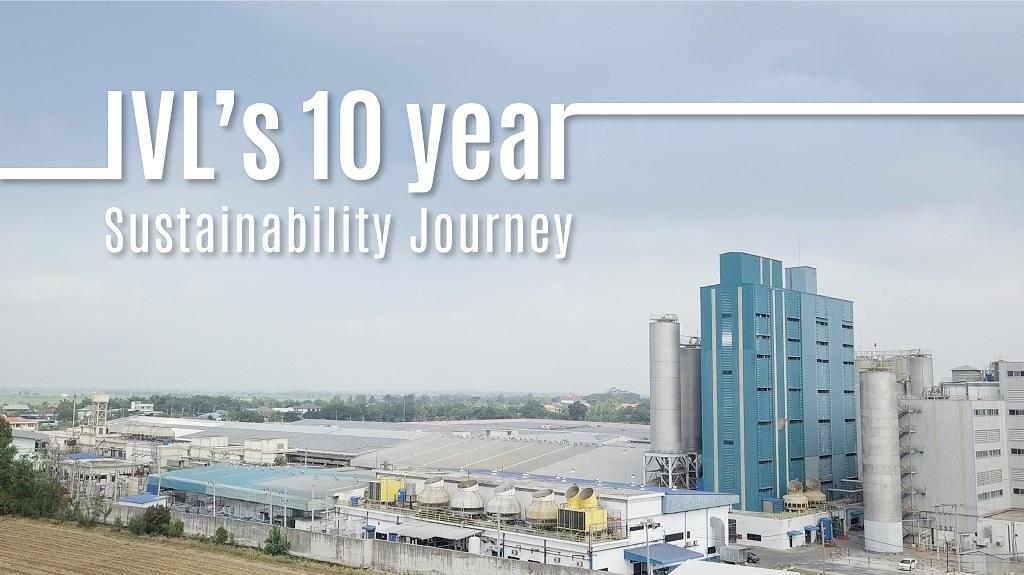
Indorama Ventures acquires Brazil-based Oxiteno

  • Goal: Creating a unique portfolio in high-value surfactants

Indorama Ventures Public Company Limited (IVL), a global chemicals producer, today announced it agreed to acquire Brazil-based Oxiteno S.A. Indústria e Comércio, a subsidiary of Ultrapar Participações S.A. The acquisition gives IVL a unique portfolio in high-value surfactants and significantly extends its existing Integrated Oxides and Derivatives (IOD) business.

IVL will purchase Oxiteno for US$1.3 billion (subject to adjustments at closing), with a deferred payment of $150 million in 2024. The transaction is subject to customary conditions to closing, including approval of relevant regulatory authorities. The transaction is expected to close in Q1 2022 and will be earnings accretive immediately. Financing is secured through deferred payment, using existing extra cash on our balance sheet, free cash flow generated from existing businesses, short term loans against working capital and the balance as long-term debt.

  • Goal: Creating a unique portfolio in high-value surfactants

Indorama Ventures Public Company Limited (IVL), a global chemicals producer, today announced it agreed to acquire Brazil-based Oxiteno S.A. Indústria e Comércio, a subsidiary of Ultrapar Participações S.A. The acquisition gives IVL a unique portfolio in high-value surfactants and significantly extends its existing Integrated Oxides and Derivatives (IOD) business.
IVL will purchase Oxiteno for US$1.3 billion (subject to adjustments at closing), with a deferred payment of $150 million in 2024. The transaction is subject to customary conditions to closing, including approval of relevant regulatory authorities. The transaction is expected to close in Q1 2022 and will be earnings accretive immediately. Financing is secured through deferred payment, using existing extra cash on our balance sheet, free cash flow generated from existing businesses, short term loans against working capital and the balance as long-term debt.

Oxiteno is a leading integrated surfactants producer, catering to highly attractive end-use markets in LATAM. The acquisition brings an excellent management team, world-class expertise in green chemistry innovation, strong customer relationships in Brazil, Uruguay and Mexico, and substantial growth potential in attractive end markets, including the U.S. through a new facility in Pasadena, Texas. Oxiteno has a strong commitment to environmental governance, and its focus on lowering greenhouse gas emissions will also enhance IVL’s ESG credentials.

Source:

Indorama Ventures Public Company Limited