
From the Sector

from to
Reset
4422 results
23.03.2023

SGL Carbon reports for 2022 best operating result in more than ten years

  • Sales increase of 12.8% to €1,135.9 million
  • EBITDApre improves by 23.4% to €172.8 million
  • Net financial debt reduced from €206.3 million to €170.8 million
  • Fiscal 2023 expected to be investment and stabilization year

SGL Carbon was again able to improve sales and earnings in fiscal year 2022 following 2021. All four business units contributed to this success.
Sales in fiscal 2022 increased by 12.8% year-on-year to €1,135.9 million (previous year: €1,007.0 million). The rise in sales was mainly due to both volume effects and the successful implementation of pricing initiatives to compensate higher raw material, energy and transport prices. At 23.4%, adjusted EBITDA (EBITDApre) improved at a higher rate than sales and amounted to €172.8 million in fiscal 2022 (previous year: €140.0 million). Increased sales and the associated higher capacity utilization also contributed to the improvement in earnings, as well as focusing on market segments with higher margin potential.
 
Earnings development of SGL Carbon

  • Sales increase of 12.8% to €1,135.9 million
  • EBITDApre improves by 23.4% to €172.8 million
  • Net financial debt reduced from €206.3 million to €170.8 million
  • Fiscal 2023 expected to be investment and stabilization year

SGL Carbon was again able to improve sales and earnings in fiscal year 2022 following 2021. All four business units contributed to this success.
Sales in fiscal 2022 increased by 12.8% year-on-year to €1,135.9 million (previous year: €1,007.0 million). The rise in sales was mainly due to both volume effects and the successful implementation of pricing initiatives to compensate higher raw material, energy and transport prices. At 23.4%, adjusted EBITDA (EBITDApre) improved at a higher rate than sales and amounted to €172.8 million in fiscal 2022 (previous year: €140.0 million). Increased sales and the associated higher capacity utilization also contributed to the improvement in earnings, as well as focusing on market segments with higher margin potential.
 
Earnings development of SGL Carbon
The increase in EBITDApre by €32.8 million to €172.8 million was mainly driven by the Graphite Solutions business unit (+€30.6 million). The Composite Solutions (+€7.9 million) and Process Technology (+€5.2 million) business units also contributed to the improvement in profitability. Although the Carbon Fibers business unit was able to offset the loss of a lucrative supply contract with an automotive customer in terms of sales with new orders from the wind energy sector, but these sales showed a significantly lower margin level. Accordingly, EBITDApre of this business unit decreased by €11.2 million to €43.2 million (previous year: €54.5 million).

Taking into account net one-off effects and non-recurring items of €8.9 million (previous year: €30.7 million) and depreciation and amortization of €60.8 million (previous year: €60.3 million), reported EBIT amounted to €120.9 million (2021: €110.4 million). This corresponds to an increase of 9.5%.
As a result of the pleasing business performance, the successes of the transformation and non-operating one-off effects and non-recurring items (€8.9 million), a positive Group’s net profit of €126.9 million (previous year: €75.4 million) was achieved in 2022. It should be noted that consolidated net income includes tax income of €31.3 million (previous year: minus €6.2 million). This development is mainly due to valuation adjustments on deferred tax assets amounting to €41.8 million, based on the good business development combined with positive earnings prospects in the USA. Current tax expenses amounted to €11.4 million in 2022 (previous year: €11.9 million).
 
Net financial debt and equity
In fiscal 2022, net financial debt was reduced significantly by 17.2% to €170.8 million compared with the end of 2021 (€206.3 million). The main reason for the decrease is the repayment of financial liabilities in the amount of €29.0 million. Free cash flow decreased from €111.5 million to €67.8 million in 2022. In this context, it should be taken into account that in the previous year, free cash flow included cash inflows of €30.6 million from the sale of land not required for operations.
After 2021, the equity ratio increased again to 38.5% at the end of 2022 (previous year: 27.0% I 2020: 17.5%). Due to the significantly improved earnings situation, the return on capital employed (ROCE) also rose from 8.0% in the previous year to 11.3% in 2022.
 
Development of the business units
As the largest business unit with a share of Group sales of around 45%, Graphite Solutions contributed €512.2 million to Group sales in 2022 (previous year: €443.6 million). The 15.5% increase in sales is based in particular on the positive development of the important market segments Semiconductor & LED and Industrial Applications. Compared to the previous year, sales to customers in the semiconductor & LED industry increased by 49.6%, driven in particular by increasing demand of materials and components for the production of silicon carbide-based high-performance semiconductors. Combined with the increase in sales, GS EBITDApre improved by 34.8% to €118.5 million (previous year: €87.9 million). Accordingly, the EBITDApre margin increased from 19.8% to 23.1%. Volume effects due to higher sales as well as margin effects from the product and customer mix had a positive impact.  Especially the higher sales with customers from the semiconductor industry should be taken into account.

In fiscal 2022, the Process Technology (PT) business unit benefited from the good order situation in recent months and increased its sales by 21.9% to €106.3 million. The main clients of the PT business unit are customers from the chemical industry. The positive development of PT is also reflected in EBITDApre which rose from €4.7 million in the same period of the previous year to €9.9 million. Higher capacity utilization and the successful passing on of increased raw material costs led to an improvement in the EBITDApre margin from 5.4%  to 9.3% in 2022. Energy costs play only a minor role at PT.

In the reporting year, sales of the Carbon Fibers (CF) business unit increased by 3.0% to €347.2 million (previous year: €337.2 million). It should be noted that CF had to absorb the scheduled expiry of a supply contract with an automotive customer at the end of June 2022. These sales were offset by orders from the wind industry and Industrial Applications. However, EBITDApre in the CF division decreased by 20.7% year-on-year to €43.2 million (previous year: €54.5 million). This earnings development is mainly attributable to the expiry of the high-margin automotive contract. In addition, a special effect from energy derivatives in the amount of minus €9.2 million impacted CF earnings in the 1st quarter of 2022. However, the implemented energy price hedges enabled the business unit to maintain its production capability throughout the entire fiscal year, that the weakening of earnings was mitigated.
The Composite Solutions (CS) business unit confirmed its upward trend in fiscal 2022 with a 25.0% increase in sales to €153.1 million (previous year: €122.5 million). The most important market segment for the CS business unit is the automotive industry. In line with the highly positive business performance, EBITDApre of CS increased by 65.3% to €20.0 million (previous year: €12.1 million). This figure also includes non-recurring positive effects of €3.7 million from compensation payments received from automotive customers for premature project terminations.

The non-operating Corporate segment contributed €17.1 million to Group sales (previous year: €16.5 million). In line with continued strict cost management as part of the transformation, EBITDApre improved slightly to minus €18.8 million (previous year: minus €19.2 million).

Outlook
"If we summarize our expectations for the 2023 financial year, it can be summed up under the guiding principle: -invest and stabilize," CFO Thomas Dippold comments on the forecast for 2023.
For the fiscal year 2023 we continue to expect solid demand for our materials and products. In particular, we expect that the demand for special graphite products for high-temperature processes, e.g. in the semiconductor, solar and LED industries, will continue to increase. On the other hand, the first-time full-year effect from the expiry of a supply contract with an automotive customer in the carbon fiber segment and the sale of our business in Gardena (USA) will burden sales development.

"The increasing demand for high-performance semiconductors for electromobility or renewable forms of energy will also boost the demand of components made of graphite for the production of these semiconductors. To benefit from the related opportunities, we will expand our production capacities in this segment and invest a double-digit million amount in 2023 . Based on existing supply relationships, we will implement this investments partly together with our customers," explains CEO Dr. Torsten Derr.
On the cost side, we expect energy and raw material prices to remain at a high level in 2023, along with significant wage increases. Our forecast implies that higher factor costs can be partially passed on to customers through price initiatives.
Based on the assumptions described, we expect Group sales to be at prior-year level and EBITDApre to be between €160 million and €180 million in the financial year 2023.
In the medium term (until 2027), we anticipate a further improvement in our EBITDApre margin between 18% and 19%.

Source:

SGL CARBON SE

Photo Fibre Extrusion Technology Ltd (FET)
23.03.2023

FET prepares for INDEX 23 Exhibition in Geneva

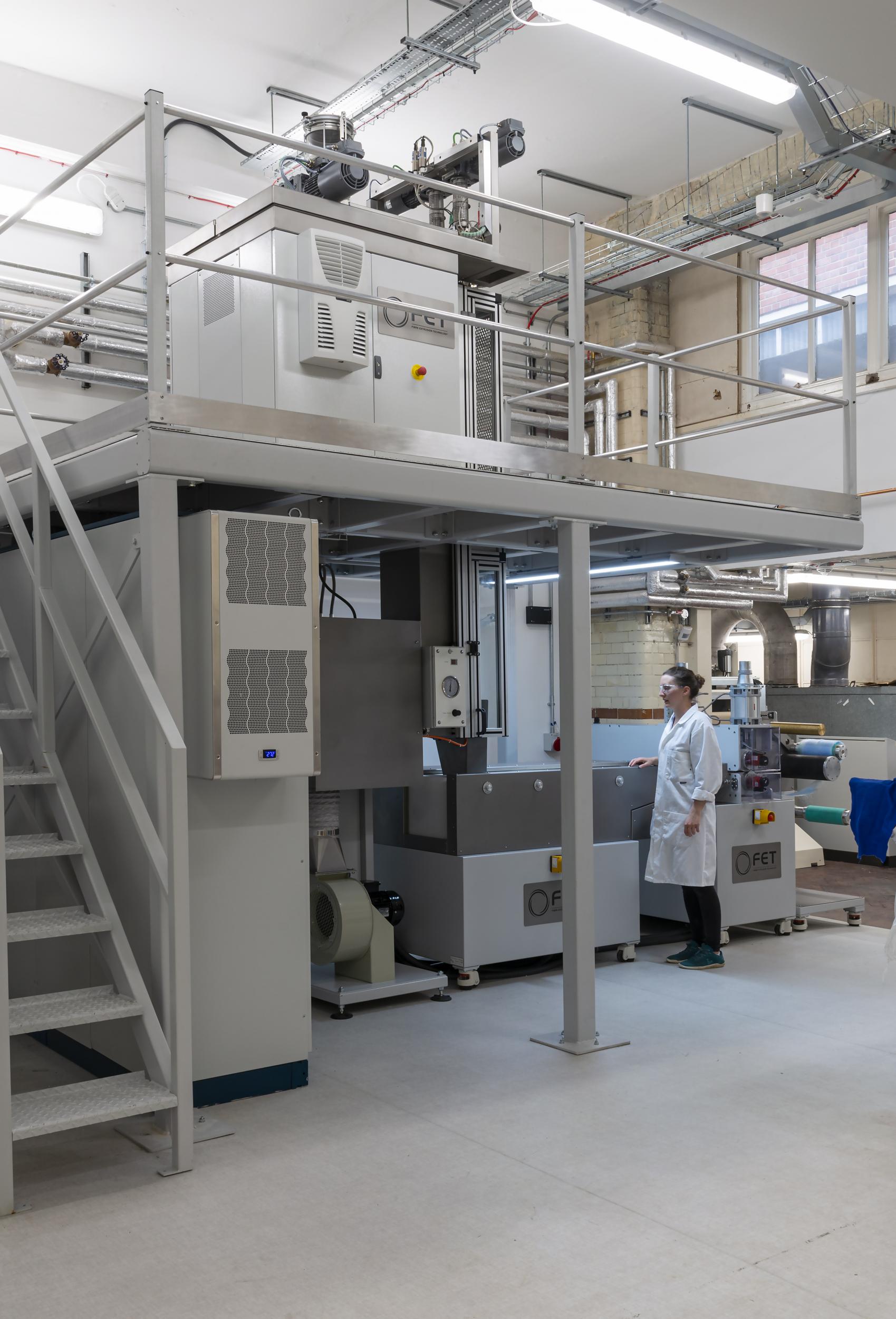
Fibre Extrusion Technology Ltd (FET) of Leeds, UK will shortly be exhibiting at INDEX 23, the leading nonwovens exhibition in Geneva, 18-21 April.

As well as featuring its latest meltblown and spunbond technology, FET will focus on its new Fibre Development Centre. Construction and fit-out of this new purpose-built building is now fully operational. This modern two-storey development provides state-of-the-art facilities, including enhanced laboratory for client testing and product development.

Resident equipment in the Fibre Development Centre reflects the wide range of fibre extrusion systems offered by FET to clients across the globe and will enable continued growth of the company through innovation.  

Complementing FET’s highly successful meltblown technology, the more recent spunbond range provides unprecedented opportunities for the scaled development of new nonwoven fabrics based on a wide range of fibres and polymers, including bicomponents.

Fibre Extrusion Technology Ltd (FET) of Leeds, UK will shortly be exhibiting at INDEX 23, the leading nonwovens exhibition in Geneva, 18-21 April.

As well as featuring its latest meltblown and spunbond technology, FET will focus on its new Fibre Development Centre. Construction and fit-out of this new purpose-built building is now fully operational. This modern two-storey development provides state-of-the-art facilities, including enhanced laboratory for client testing and product development.

Resident equipment in the Fibre Development Centre reflects the wide range of fibre extrusion systems offered by FET to clients across the globe and will enable continued growth of the company through innovation.  

Complementing FET’s highly successful meltblown technology, the more recent spunbond range provides unprecedented opportunities for the scaled development of new nonwoven fabrics based on a wide range of fibres and polymers, including bicomponents.

Source:

Fibre Extrusion Technology Ltd (FET)

23.03.2023

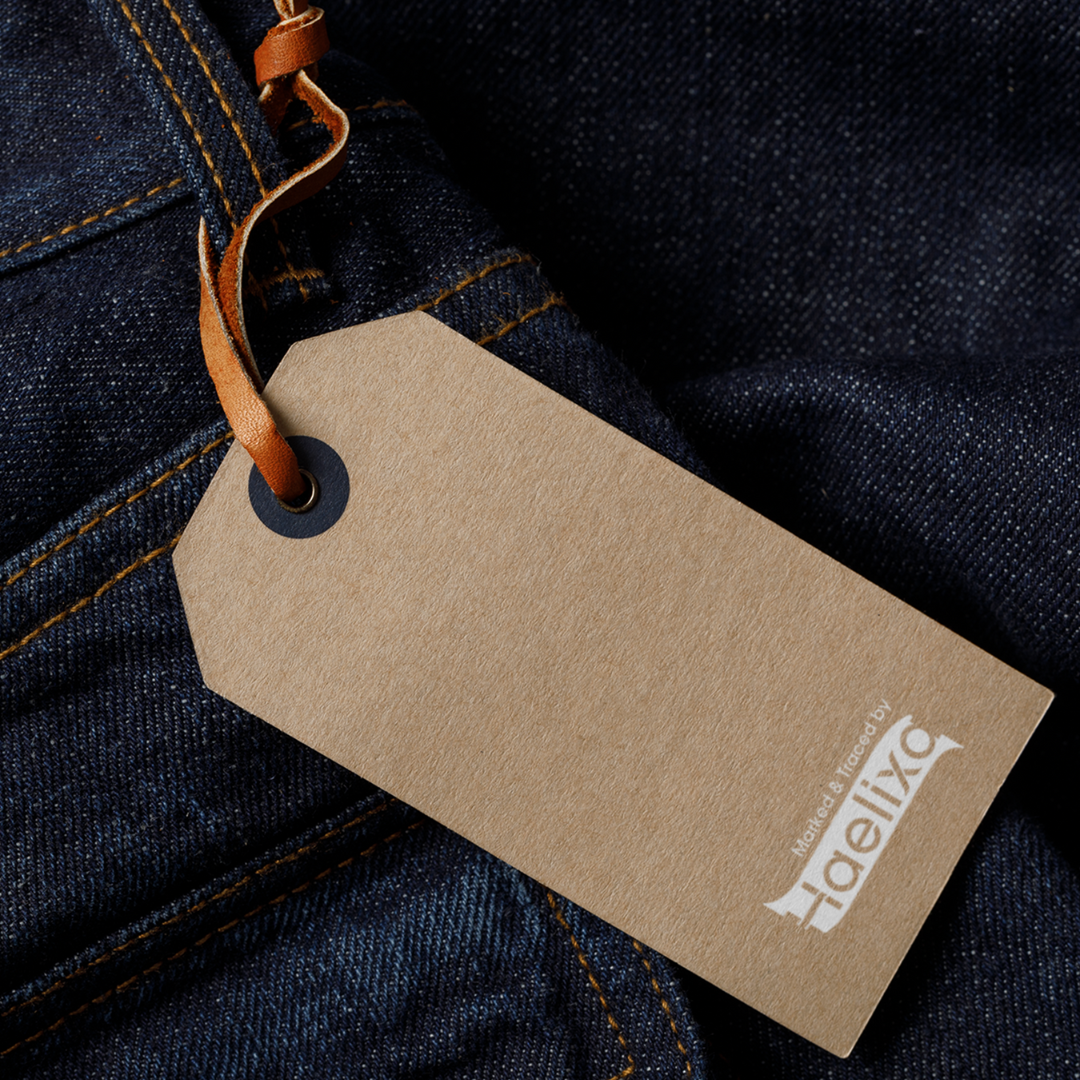
Haelixa added to the Denim Deal

The steering committee for the Denim Deal has announced that Haelixa, the Swiss standard in physical traceability, is approved as a new signature. The Denim Deal is an international collaboration of more than 50 private and public sector companies united in the commitment to produce denim more circularly.

The Denim Deal aims to close the loop and achieve change in the value chain. Based in Amsterdam, the group is working towards a circular economy where textile waste no longer exists. The brand and manufacturing members pledge to work towards using 5% recycled post-consumer cotton in all future denim collections and produce 3 million denim jeans made with 20% recycled post-consumer cotton.

The steering committee for the Denim Deal has announced that Haelixa, the Swiss standard in physical traceability, is approved as a new signature. The Denim Deal is an international collaboration of more than 50 private and public sector companies united in the commitment to produce denim more circularly.

The Denim Deal aims to close the loop and achieve change in the value chain. Based in Amsterdam, the group is working towards a circular economy where textile waste no longer exists. The brand and manufacturing members pledge to work towards using 5% recycled post-consumer cotton in all future denim collections and produce 3 million denim jeans made with 20% recycled post-consumer cotton.

Coordination of the Denim Deal is led by Roosmarie Ruigrok, where the objective is to unite potential allies who have made the journey to circularity a priority. She has been working to improve sustainability in textiles for more than two decades and is an expert on enrolling the correct stakeholders to instigate change. Ruigrok states, "a circular supply chain in the textile industry is like a well-prepared machine - it ensures that every part of the production process runs smoothly, from sourcing post-consumer materials to delivering well-made finished products to customers. It not only drives efficiency and profitability but also builds trust among stakeholders and fosters sustainable practices - we welcome Haelixa who offers a trustful traceability solution."

Over the last few years, the demand for the technology in recycled denim has grown as brands are asked to validate their recycling claims. Haelixa’s unique DNA solution marks and traces fibers from the source to retail. Using DNA to mark the recycled post-consumer cotton, Haelixa substantiates claims by testing the final garment to validate that the marked waste is present.

The Denim Deal is pushing to lead the change in how denim is made. Changing the standards of operation is always challenging, and traceability is a key to authenticating recycled claims. “We are committed to promoting the use of recycled fibers through traceability and thrilled to align with this group,” said Holly Berger, Haelixa’s Marketing Director. “The goals of the Denim Deal support our vision for a circular economy.”

Source:

Haelixa AG

(c) Fashion for Good
22.03.2023

Fashion for Good welcomes start-ups to its Global Platform

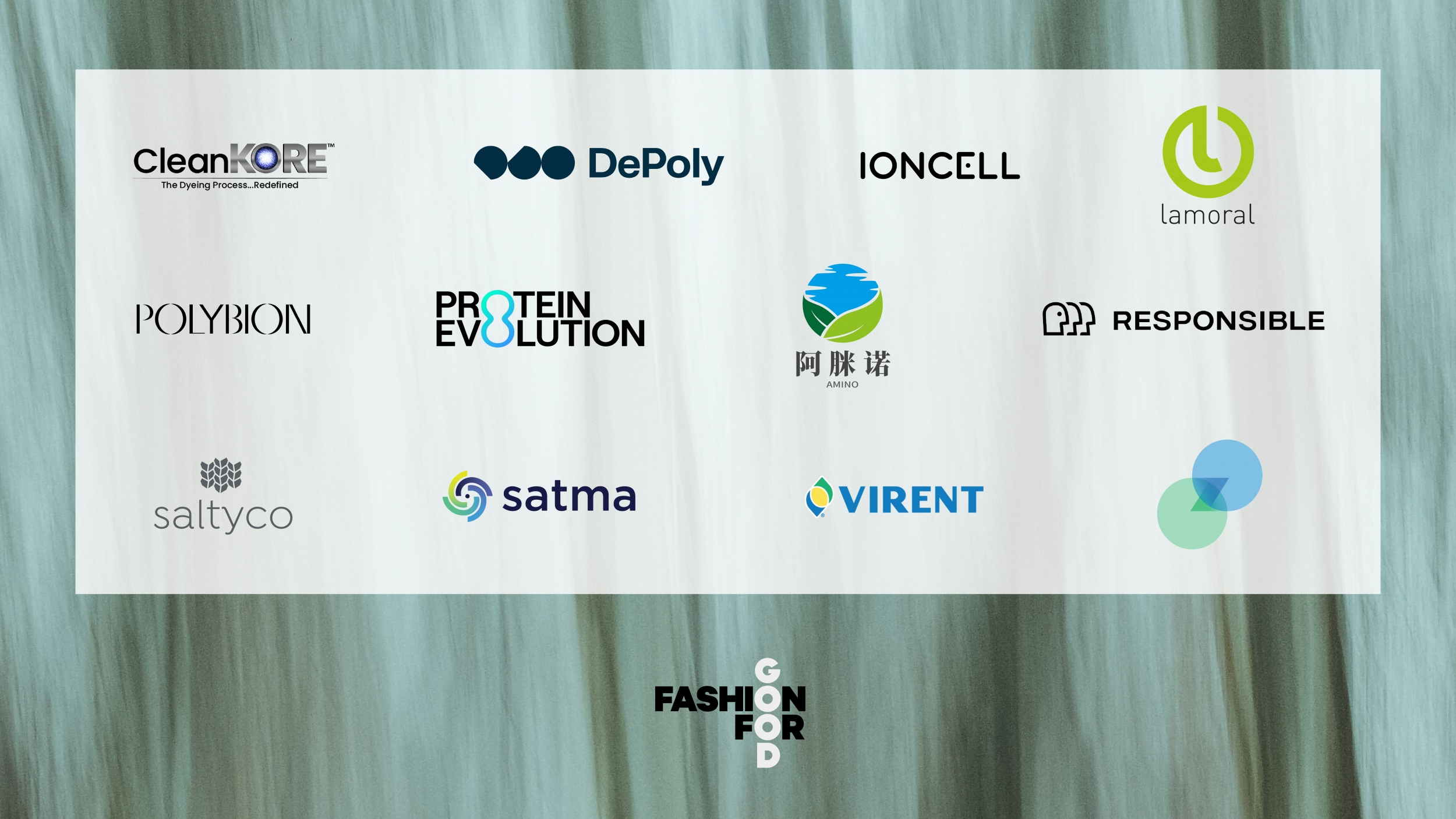
Fashion for Good welcomes twelve new start-ups to its Global Platform. The selected Innovators will participate in a nine-month innovation programme with bespoke support to validate their technologies in preparation for implementation across the fashion value chain.

The selected innovators represent technologies across Raw Materials, Processing, Traceability & Transparency, Circular Business Models and End of Use.

The selected innovators joining the Fashion for Good 2023 Innovation Programme are: Virent, Inc., ZimoChem Inc, Polybion, Saltico Ltd, Lamoral Coatings B.V., CleanKore LLC, RESPONSIBLE, Qingdao Amino Material Technology Co., Ltd.,Protein Evolution, Inc., DePoly, Ioncell Oy, and SATMA CE.


Fashion for Good welcomes twelve new start-ups to its Global Platform. The selected Innovators will participate in a nine-month innovation programme with bespoke support to validate their technologies in preparation for implementation across the fashion value chain.

The selected innovators represent technologies across Raw Materials, Processing, Traceability & Transparency, Circular Business Models and End of Use.

The selected innovators joining the Fashion for Good 2023 Innovation Programme are: Virent, Inc., ZimoChem Inc, Polybion, Saltico Ltd, Lamoral Coatings B.V., CleanKore LLC, RESPONSIBLE, Qingdao Amino Material Technology Co., Ltd.,Protein Evolution, Inc., DePoly, Ioncell Oy, and SATMA CE.


Source:

Fashion for Good

22.03.2023

Premium Group: Repositioning of trade shows PREMIUM and SEEK

The Premium Group have announced a repositioning of its flagship trade shows PREMIUM and SEEK.
     
The first change is the relocation of the event to its iconic location: the Station Berlin. The venue is a historic place, which has served as the home of the Premium Group trade shows in the past.
The event will also be shortened to two days instead of three days, with new opening hours from 10 am - 10 pm including networking events and parties. This is a reflection of the changing times and the need to provide more efficient business and networking opportunities for exhibitors and visitors, maximizing their time and investment.

PREMIUM and SEEK will be held together and focus on curated trends, lifestyle brands, and sophisticated fashion collections. The CONSCIOUS CLUB remains one of Europe's biggest platforms for sustainability in fashion showcasing promosing brands and developments. Brands, retailers, and visitors can expect a more surprising, and streamlined event. The booth concept will be limited to a maximum size of 100 sqm, with a new sustainable booth system.

The Premium Group have announced a repositioning of its flagship trade shows PREMIUM and SEEK.
     
The first change is the relocation of the event to its iconic location: the Station Berlin. The venue is a historic place, which has served as the home of the Premium Group trade shows in the past.
The event will also be shortened to two days instead of three days, with new opening hours from 10 am - 10 pm including networking events and parties. This is a reflection of the changing times and the need to provide more efficient business and networking opportunities for exhibitors and visitors, maximizing their time and investment.

PREMIUM and SEEK will be held together and focus on curated trends, lifestyle brands, and sophisticated fashion collections. The CONSCIOUS CLUB remains one of Europe's biggest platforms for sustainability in fashion showcasing promosing brands and developments. Brands, retailers, and visitors can expect a more surprising, and streamlined event. The booth concept will be limited to a maximum size of 100 sqm, with a new sustainable booth system.

The summer editions of PREMIUM, SEEK, and the CONSCIOUS CLUB will take place on the 11th & 12th of July 2023 in Berlin.

Source:

Premium Group

22.03.2023

ChemSec’s PFAs Movement: Brands want the EU to ban PFAS chemicals

  • Harmful PFAS chemicals, used in thousands of consumer products, are shaping up to be the big environmental and health threat of our time. The EU is now the first in the world to propose a broad ban on these chemicals.
  • Consumer brands worth more than €130 billion support the ban on PFAS.  
  • Investors with assets in PFAS-producing companies are calling for an end to production.

Many companies are taking a stand against PFAS chemicals as the EU invites the public to give its opinions on the proposed ban on these harmful chemicals.

  • Harmful PFAS chemicals, used in thousands of consumer products, are shaping up to be the big environmental and health threat of our time. The EU is now the first in the world to propose a broad ban on these chemicals.
  • Consumer brands worth more than €130 billion support the ban on PFAS.  
  • Investors with assets in PFAS-producing companies are calling for an end to production.

Many companies are taking a stand against PFAS chemicals as the EU invites the public to give its opinions on the proposed ban on these harmful chemicals.

108 companies dedicated to phasing out PFAS chemicals from products and processes have joined the PFAS Movement, an advocacy campaign initiated by environmental NGO ChemSec that calls for comprehensive regulation of PFAS in the EU. The members comprise many well-known brands, such as Inditex, Urbanears and the Cookware Company, representing various industries— fashion, home goods, food, and personal care. The members are worth more than €130 billion in total revenue.

“A European ban on PFAS chemicals will have huge repercussions for all manufacturing industries and require much work for companies in the global supply chain. However, some parts of the industry oppose this ban, claiming that the change is too big to be justified. That’s why the support for a ban from such influential consumer brands as those in the PFAS Movement is so important. It’s a strong sign that businesses want to eliminate PFAS chemicals in products and processes”, says Anne-Sofie Bäckar, Executive Director at ChemSec.

A Hollywood Helping Hand
ChemSec’s PFAS Movement is not only supported by the brands but also by Hollywood actor Mark Ruffalo who became a PFAS activist after his involvement in the film Dark Waters. The film depicts the real-life events following the massive uncovering of PFAS contamination in the USA. As a result, several PFAS producers in the USA are now involved in multimillion-dollar lawsuits.

The health and environmental threats of PFAS, along with all the lawsuits, have also created attention among another influential group: institutional investors. Last year, 47 institutional investors with US$8 trillion in assets sent a letter to 54 chemical companies named by ChemSec, calling for them to halt the production of persistent “forever chemicals”.

The EU ban on PFAS
The proposed EU ban on PFAS is extensive and the first of its kind worldwide. The idea was initially initiated by Sweden, Denmark, the Netherlands, Germany and Norway, who have spent almost three years mapping the implications of a ban on PFAS chemicals in a dossier that expands over nearly 2000 pages. The proposal shows, among other things, that the emissions of PFAS were 75 000 tonnes in 2020. If this continues, the emissions are expected to sit at 4.4 million tonnes in 30 years. The emissions originate from the production and use of the many products that contain PFAS; furniture, cosmetics, electronics and many more.

More information:
ChemSec PFAS chemicals
Source:

ChemSec

22.03.2023

ECHA seeks input on proposed PFAS restriction

The European Chemicals Agency invites interested parties to send in scientific and technical information on the manufacture, placing on the market and use of per- and polyfluoroalkyl substances (PFAS) by 25 September 2023.

The six-month consultation on the restriction proposal, prepared by the Danish, German, Dutch, Norwegian and Swedish authorities, opens on 22 March 2023 and closes on 25 September 2023 (23:59 Helsinki time).

The consultation is to give anyone with information on PFAS the opportunity to have their say. Of particular interest is information relevant to the risks, socio-economic aspects and alternative substances.

ECHA’s scientific committees for Risk Assessment (RAC) and for Socio-Economic Analysis (SEAC) will use the consultation input to evaluate the proposed restriction and form an opinion on it.

The European Chemicals Agency invites interested parties to send in scientific and technical information on the manufacture, placing on the market and use of per- and polyfluoroalkyl substances (PFAS) by 25 September 2023.

The six-month consultation on the restriction proposal, prepared by the Danish, German, Dutch, Norwegian and Swedish authorities, opens on 22 March 2023 and closes on 25 September 2023 (23:59 Helsinki time).

The consultation is to give anyone with information on PFAS the opportunity to have their say. Of particular interest is information relevant to the risks, socio-economic aspects and alternative substances.

ECHA’s scientific committees for Risk Assessment (RAC) and for Socio-Economic Analysis (SEAC) will use the consultation input to evaluate the proposed restriction and form an opinion on it.

An online information session will be held on 5 April. During the session, experts from ECHA and the five national authorities will explain the restriction process, the content of the proposal and how to participate in the consultation. They will also respond to questions from the participants.

The five national authorities submitted the universal proposal to restrict PFAS to ECHA on 13 January. The European Commission, together with the EU Member States, will eventually decide on the potential restriction based on the proposal and the committees’ opinion.

More information:
ECHA PFAS
Source:

ECHA

(c) BTMA
22.03.2023

BTMA welcomes digital dyeing and finishing company Alchemie

Alchemie Technology is the latest company to join the British Textile Machinery Association (BTMA), as all of the organisation’s members gear up to showcase an array of new innovations at ITMA 2023 in Milan from June 8-14 this year.

Cambridge-headquartered Alchemie is the inventor of two technologies – EndeavourTM and NovaraTM.

The Endeavour digital dyeing system produces no wastewater and reduces water consumption by up to 95% compared to traditional dyeing. The virtually waterless process delivers dyed fabric with high colour consistency and colour fastness and does not require post dyeing washing steps which leads to an energy reduction up to 85%. It can deliver any colour shade required and enables on-demand digital colour changeovers in any run length, from a few metres to several kilometres.

Alchemie Technology is the latest company to join the British Textile Machinery Association (BTMA), as all of the organisation’s members gear up to showcase an array of new innovations at ITMA 2023 in Milan from June 8-14 this year.

Cambridge-headquartered Alchemie is the inventor of two technologies – EndeavourTM and NovaraTM.

The Endeavour digital dyeing system produces no wastewater and reduces water consumption by up to 95% compared to traditional dyeing. The virtually waterless process delivers dyed fabric with high colour consistency and colour fastness and does not require post dyeing washing steps which leads to an energy reduction up to 85%. It can deliver any colour shade required and enables on-demand digital colour changeovers in any run length, from a few metres to several kilometres.

Similar energy savings can be achieved with the Novara precision finishing system which utilises a nozzle array to deliver finishing chemistry with millimetre resolution. Finishing chemistries penetrate deeply into the fabric due to the combination of high velocity liquid jetting and precisely-controlled vacuum and textile finishes are applied only where needed, reducing chemistry usage and enabling multi-functionality.

In the past year, Alchemie, backed by Swedish fashion giant H&M, has established a first demonstration hub at customer JSRTEX in Taiwan. It is now progressing plans to set up further centres at customer sites around the world.

Source:

BTMA / AWOL Media

17.03.2023

ERCA's new business unit: ERCA TCS (Textile Chemical Solutions)

January 2024 marks the official birth of ERCA TCS (Textile Chemical Solutions), a business unit of ERCA S.p.A. with a focus on the textile market. Founded in the 1960s, ERCA S.p.A. is an Italian company, present with six plants in three macro-regions: Europe, Latin America and Asia. The ERCA group produces specialty and auxiliary chemicals with a responsible innovation approach and its production covers several markets: textiles, cosmetics, polyurethanes, concrete.

Why a business unit that caters solely to the textile industry? The decision to give birth to ERCA TCS comes from the desire to be a unique and innovative reference point for ERCA's customers, with products and
services designed specifically for the needs of today's textile industry, grappling with the challenges and
opportunities of sustainability and responsible production.

January 2024 marks the official birth of ERCA TCS (Textile Chemical Solutions), a business unit of ERCA S.p.A. with a focus on the textile market. Founded in the 1960s, ERCA S.p.A. is an Italian company, present with six plants in three macro-regions: Europe, Latin America and Asia. The ERCA group produces specialty and auxiliary chemicals with a responsible innovation approach and its production covers several markets: textiles, cosmetics, polyurethanes, concrete.

Why a business unit that caters solely to the textile industry? The decision to give birth to ERCA TCS comes from the desire to be a unique and innovative reference point for ERCA's customers, with products and
services designed specifically for the needs of today's textile industry, grappling with the challenges and
opportunities of sustainability and responsible production.

ERCA TCS bases its activities on the principles of "Green Chemistry" with the aim of offering the textile industry chemical solutions that make the concepts of safety, performance and circularity a reality. The chemical auxiliaries of ERCA TCS are the result of a vision that incorporates responsible innovation, continuous research, and a desire to offer to the market effective yet ethically, environmentally, and economically sustainable solutions.

The green, high tech and circular commitment of ERCA TCS is demonstrated by a product and brand range that is totally based on the circular economy, which started from a problem - the disposal of used vegetable oil - and turned it into a resource, into a raw material for the production of chemical auxiliaries for the textile industry: REVECOL®, the circular range of high-performance, made-in-Italy, GRS-certified chemical auxiliaries. The REVECOL® range can be used on any type of fiber, recycled or not.

Source:

ERCA S.p.A. / classecohub

(c) Hologenix, LLC
17.03.2023

Purecare launches CELLIANT® viscose bedding range

Purecare, a wellness-focused bedding essentials manufacturer, has launched sheets and pillowcases with CELLIANT® Viscose, the first time the fiber has used been in luxury bedding products in a new offering aptly named the “Recovery Collection.”

Developed by materials science innovator Hologenix®, creators of CELLIANT, and Kelheim Fibres, CELLIANT Viscose is the first in-fiber sustainable infrared viscose. It is lightweighted, soft, highly breathable and has an excellent moisture management. CELLIANT has been clinically demonstrated to promote faster recovery and restful sleep, as it improves local circulation and cell oxygenation, enhancing thermoregulation and comfort.

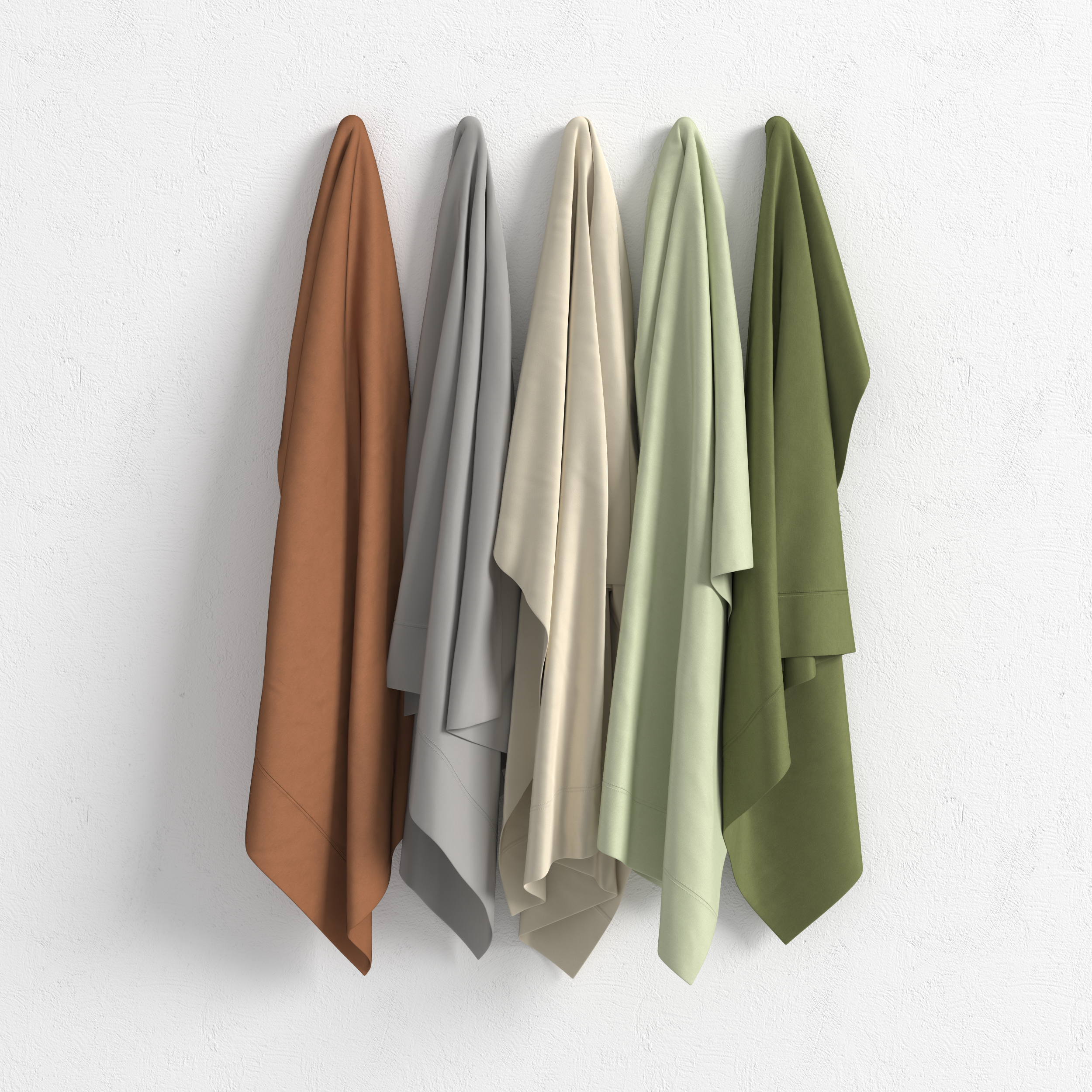
The collection is available in five colors: dove gray, ivory, clay, moss, and sage in Queen through Split California King sizing and Queen and King pillowcases. The Precision-Fit® corners on the fitted sheets have a one-inch elastic cuff to ensure that they stay securely on the bed. The sheets are also compatible with adjustable base mattresses. The Recovery Collection sheets and pillowcases are also treated with Antimicrobial Silver Product Protection (AgCI).

Purecare, a wellness-focused bedding essentials manufacturer, has launched sheets and pillowcases with CELLIANT® Viscose, the first time the fiber has used been in luxury bedding products in a new offering aptly named the “Recovery Collection.”

Developed by materials science innovator Hologenix®, creators of CELLIANT, and Kelheim Fibres, CELLIANT Viscose is the first in-fiber sustainable infrared viscose. It is lightweighted, soft, highly breathable and has an excellent moisture management. CELLIANT has been clinically demonstrated to promote faster recovery and restful sleep, as it improves local circulation and cell oxygenation, enhancing thermoregulation and comfort.

The collection is available in five colors: dove gray, ivory, clay, moss, and sage in Queen through Split California King sizing and Queen and King pillowcases. The Precision-Fit® corners on the fitted sheets have a one-inch elastic cuff to ensure that they stay securely on the bed. The sheets are also compatible with adjustable base mattresses. The Recovery Collection sheets and pillowcases are also treated with Antimicrobial Silver Product Protection (AgCI).

Source:

Hologenix, LLC

(c) RadiciGroup
17.03.2023

RadiciGroup: 100% naturally sourced yarn made from castor oil

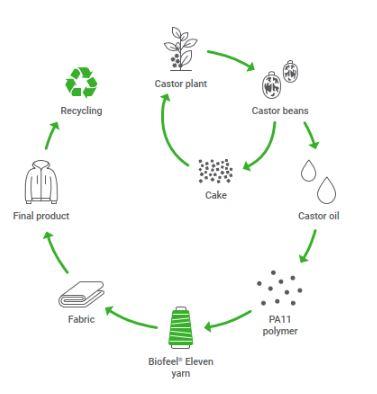
RadiciGroup presented Biofeel® Eleven, a yarn of natural origin, at the Performance Days trade fair (from March 15-16 in Munich). Biofeel® Eleven is sourced from castor oil and is suitable for obtaining bio-polymer. It can be used for fabrics and fine garments in many sectors, from fashion to sports, from automotive to home textiles.

Today, 80% of the world's castor-oil plantations are in India, particularly in the Gujarat region, due to its favourable climatic conditions. In this area, local people can earn an additional income by cultivating semi-arid land that does not compete with food production, and by applying the skills they have acquired over time to this work. Over the years, thanks to research, development and innovation in the value chain, the seeds from which the oil is produced have been selected and certified to ensure the finest quality, also in terms of end uses.

Castor beans contain around 45% oil, rich in ricinolein, from which the bio-polymer polyamide 11 is derived. This is the polymer RadiciGroup uses for its Biofeel® Eleven yarn. What remains after the first pressing is a highly effective bio-fertiliser that is returned to the soil.

RadiciGroup presented Biofeel® Eleven, a yarn of natural origin, at the Performance Days trade fair (from March 15-16 in Munich). Biofeel® Eleven is sourced from castor oil and is suitable for obtaining bio-polymer. It can be used for fabrics and fine garments in many sectors, from fashion to sports, from automotive to home textiles.

Today, 80% of the world's castor-oil plantations are in India, particularly in the Gujarat region, due to its favourable climatic conditions. In this area, local people can earn an additional income by cultivating semi-arid land that does not compete with food production, and by applying the skills they have acquired over time to this work. Over the years, thanks to research, development and innovation in the value chain, the seeds from which the oil is produced have been selected and certified to ensure the finest quality, also in terms of end uses.

Castor beans contain around 45% oil, rich in ricinolein, from which the bio-polymer polyamide 11 is derived. This is the polymer RadiciGroup uses for its Biofeel® Eleven yarn. What remains after the first pressing is a highly effective bio-fertiliser that is returned to the soil.

Biofeel® Eleven can also be solution dyed, i.e. dyed at the yarn production stage, saving a great deal of water and energy and also providing greater colour stability.

Source:

RadiciGroup

© Aid by Trade Foundation
16.03.2023

The GoodTextiles Foundation and Cotton made in Africa join forces again

  • Precious water for villages that are running on dry land

The GoodTextiles Foundation has worked to improve drinking water supplies in sub-Saharan Africa in another joint project with Cotton made in Africa (CmiA). In three villages in Togo particularly affected by climate change, the partners built wells and trained people in the use of water. The curriculum included the topics of disease prevention, hygiene and health care.

In 2016, the textile company Dibella (Bocholt) established the GoodTextiles Foundation with the aim of making textile value chains more sustainable. It raises funds and implements its own support projects to benefit people at all stages of the textile industry. Now the foundation has once again supported a project in sub-Saharan Africa initiated by Cotton made in Africa (Hamburg). Funding is being provided for three villages in Togo that, according to a needs assessment by CmiA's local partner, the cotton company Nouvelle Société Cotonnière du Togo (NSCT), have no direct access to drinking water.

  • Precious water for villages that are running on dry land

The GoodTextiles Foundation has worked to improve drinking water supplies in sub-Saharan Africa in another joint project with Cotton made in Africa (CmiA). In three villages in Togo particularly affected by climate change, the partners built wells and trained people in the use of water. The curriculum included the topics of disease prevention, hygiene and health care.

In 2016, the textile company Dibella (Bocholt) established the GoodTextiles Foundation with the aim of making textile value chains more sustainable. It raises funds and implements its own support projects to benefit people at all stages of the textile industry. Now the foundation has once again supported a project in sub-Saharan Africa initiated by Cotton made in Africa (Hamburg). Funding is being provided for three villages in Togo that, according to a needs assessment by CmiA's local partner, the cotton company Nouvelle Société Cotonnière du Togo (NSCT), have no direct access to drinking water.

Difficult water procurement
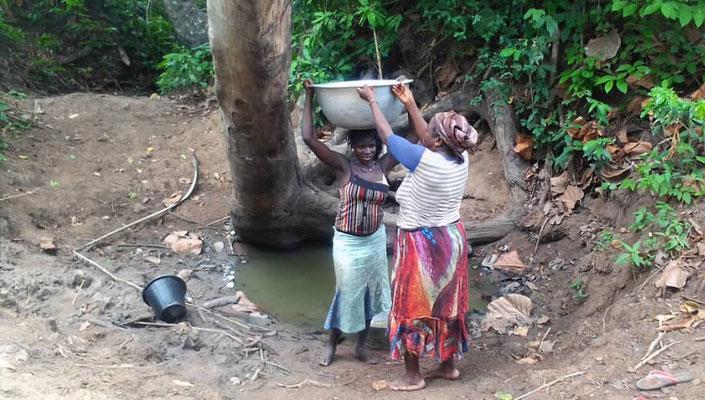
The areas where CmiA's drought-resistant cotton is grown include the north and interior of Togo, where cotton farmers are particularly affected by the effects of climate change due to prolonged periods of drought. Many village communities lack access to clean drinking water, and people draw contaminated water from more distant rivers or waterholes and carry the heavy load back with difficulty.

Guide to clean water
As part of a joint project between the GoodTextiles Foundation, Aid by Trade Foundation (holder of the CmiA standard) and NSCT, three drought-affected villages - Namare/Puob-n-kpaad, Tchokoroko and Aloba - will now receive their own water supply.

The funds - 11,756 euros will be provided by the GoodTextiles Foundation, and 4,419 euros will come from the Cotton Society - will be used to construct a well operated by hand pumps in each village. The construction work is to be completed by March 2023 and the 2,300 inhabitants will be taught the basics of water handling, disease prevention and hygiene measures in so-called WASH training courses.

Driving force: UN SDGs
For years, we have aligned our company with the UN's 17 Sustainable Development Goals (Global Goals for Sustainable Development). Through the sponsorship project, we are not only contributing to SDG 6 "Clean water and sanitation", but also to gender equality (SDG 5). In the African countries from which we source CmiA cotton, the physically strenuous task of procuring water is still the responsibility of women. The construction of the wells now leads to a significant improvement of their living situation," reports Ralf Hellmann, managing director of Dibella and chairman of the foundation.

Continued under their own responsibility
Once the wells have been handed over to the village communities, "water committees" will take over their management and maintenance, as well as responsibility for further hygiene training for the residents. The operation of the wells will be financed on the basis of a fund made up of small contributions from the beneficiary communities.

Source:

The GoodTextiles Foundation

15.03.2023

AFRY project partner in TreeToTextile

  • TreeToTextile sustainable textile fibre demo plant in Sweden

TreeToTextile, owned by H&M Group, Inter IKEA Group, Stora Enso, and LSCS Invest, invested €35 million in constructing a textile fiber process technology demonstration plant in Sweden. AFRY supported TreeToTextile throughout the project in the development and implementation phases from 2016-2022. The demonstration plant is now in the start-up phase.

TreeToTextile is offering a new technology to produce bio-based textile fibers with a low environmental footprint and aims to make sustainable textile fibers available to all. The new fiber is a regenerated cellulosic fiber, produced from renewable and sustainably sourced raw materials from forests. TreeToTextile has invested €35 million in developing and constructing a new demonstration plant in Nymölla, Sweden. This investment is a crucial step prior to the scale-up and commercialization of this technology.

  • TreeToTextile sustainable textile fibre demo plant in Sweden

TreeToTextile, owned by H&M Group, Inter IKEA Group, Stora Enso, and LSCS Invest, invested €35 million in constructing a textile fiber process technology demonstration plant in Sweden. AFRY supported TreeToTextile throughout the project in the development and implementation phases from 2016-2022. The demonstration plant is now in the start-up phase.

TreeToTextile is offering a new technology to produce bio-based textile fibers with a low environmental footprint and aims to make sustainable textile fibers available to all. The new fiber is a regenerated cellulosic fiber, produced from renewable and sustainably sourced raw materials from forests. TreeToTextile has invested €35 million in developing and constructing a new demonstration plant in Nymölla, Sweden. This investment is a crucial step prior to the scale-up and commercialization of this technology.

AFRY has been the leading consultant and engineering partner of TreeToTextile from its early stages of project development in 2016, continuing onto demo plant implementation engineering from 2020-2022 In the project development phase, AFRY’s assignment included several pre-feasibility and feasibility studies, process design, up-scaling evaluations, and supplier pilot runs planning. In the demo plant implementation phase, AFRY was responsible for the engineering, project management and site services, also providing many additional services like permit and procurement support as well as machine and IT solutions.

“AFRY and TreeToTextile have a long-lasting, mutually developing relationship that we hope to continue. Together with AFRY, we have overcome the challenges through close collaboration, flexibility, broad competence and most important of all, mutual commitment”, says Olli Ylä-Jarkko, CTO at TreeToTextile.

The commissioning of the demonstration plant started in the summer of 2022, and the project was handed over to TreeToTextile for start-up and further optimization of the process.

“I’m proud of the deep and long-lasting cooperation with TreeToTextile. This project shows AFRY’s ability and wide competence to meet various demands of customer investment projects – from early phase development to implementation. AFRY’s long experience with bio-based materials, combined with our extensive process industry and project execution experience, makes us a unique partner for industrial clients in accelerating their bio-based fibers to scalable commercial production”, says Lisa Vedin, Head of Process Industries Sweden at AFRY.

More information:
TreeToTextile AFRY bio-based
Source:

Afry

15.03.2023

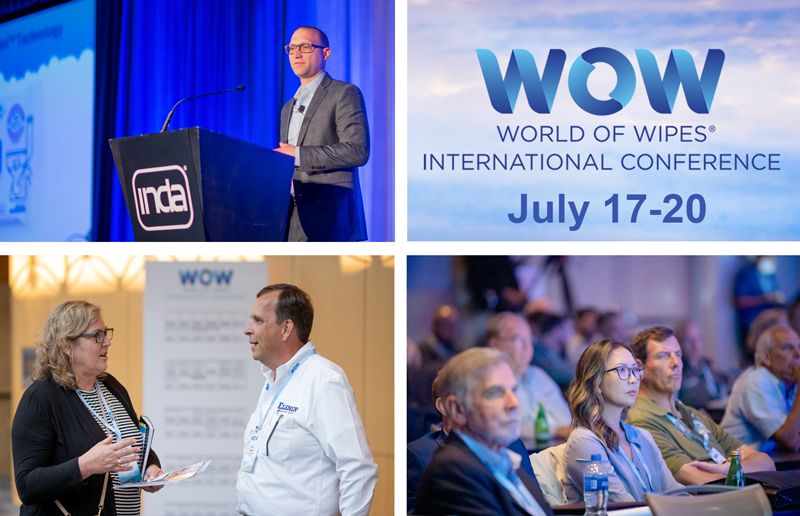
World of Wipes® (WOW) Program Announced

INDA announced the program for the World of Wipes® (WOW) International Conference, July 17-20, Atlanta, Georgia. Key topics include: Plastics policy: closing the “intention-action” gap, sustainable manufacturing practices, what consumers think about sustainability and how they are driving cultural change, supply chain transparency, wipes advancements, flushability developments, and a special CEO panel sharing their organizations’ approach to inflation, supply chain challenges, and capacity/demand balance.

Among the leading organizations presenting at this year’s event are: Berry Global, Birla Cellulose, Bringabouts, Bureau Veritas, Diamond Wipes, Freudenberg Performance Materials, Glatfelter, Goodwipes, Kimberly-Clark Corporation, National Cotton Council, Mango Consulting, Plastics Industry Association, Rockline Industries, Sharon Laboratories, and Trützschler Nonwovens. Program and speaker details are available on the WOW website.

INDA announced the program for the World of Wipes® (WOW) International Conference, July 17-20, Atlanta, Georgia. Key topics include: Plastics policy: closing the “intention-action” gap, sustainable manufacturing practices, what consumers think about sustainability and how they are driving cultural change, supply chain transparency, wipes advancements, flushability developments, and a special CEO panel sharing their organizations’ approach to inflation, supply chain challenges, and capacity/demand balance.

Among the leading organizations presenting at this year’s event are: Berry Global, Birla Cellulose, Bringabouts, Bureau Veritas, Diamond Wipes, Freudenberg Performance Materials, Glatfelter, Goodwipes, Kimberly-Clark Corporation, National Cotton Council, Mango Consulting, Plastics Industry Association, Rockline Industries, Sharon Laboratories, and Trützschler Nonwovens. Program and speaker details are available on the WOW website.

Two new features at WOW this year are Lightning Talks and Lunch Around. Lightning Talks are an opportunity for tabletop exhibitors to highlight their innovations in “supersized elevator speeches” to WOW participants. Lightning Talks will take place before the tabletop exhibits open Tuesday and Wednesday evenings. The Lunch Around opportunity connects participants and thought leaders from the wipes industry at select downtown Atlanta restaurants on Tuesday and Wednesday. Space is limited and is first-come, first-served.

WOW kicks off with the WIPES Academy, a comprehensive course including elements of market research, materials, chemistry, converting, and regulatory filing. This course has been redeveloped to include all aspects of wipes development from concept to commercialization. The WIPES Academy is led by Heidi Beatty, Chief Executive Officer, and Paul Davies, Ph.D., Consultant, Crown Abbey LLC. Ms. Beatty and Mr. Davies bring decades of practical experience to give participants real-world solutions for product development challenges and tools to improve processes.

(c) Hohenstein
15.03.2023

Hohenstein: First 3D measurement study to improve garment sizing for children

Garment fitting pioneer Hohenstein has conducted the first ever measurement series on babies and toddlers. The data will aid the pattern development and fit assessment that is particularly challenging for children's clothing. The new database will help brands and manufacturers design their children's clothing in an accurate, efficient and more sustainable way using fit testing and pattern optimisation.

Hohenstein has been taking body measurements for all target groups since 1957. Based on regular serial measurements taken with 3D body scans over 20 years, data is continuously updated. With the measurement of toddlers and babies, Hohenstein is now closing a large gap in the German market for the first time. 5626 girls and boys in sizes 56 to 182 were measured. This means that 3D scans of infants are available for the first time. The 3D body data form an indispensable basis for customer-specific measurement tables, child-friendly patterns and gradings, optimal fits as well as 3D children's avatars for the simulation of clothing.

Garment fitting pioneer Hohenstein has conducted the first ever measurement series on babies and toddlers. The data will aid the pattern development and fit assessment that is particularly challenging for children's clothing. The new database will help brands and manufacturers design their children's clothing in an accurate, efficient and more sustainable way using fit testing and pattern optimisation.

Hohenstein has been taking body measurements for all target groups since 1957. Based on regular serial measurements taken with 3D body scans over 20 years, data is continuously updated. With the measurement of toddlers and babies, Hohenstein is now closing a large gap in the German market for the first time. 5626 girls and boys in sizes 56 to 182 were measured. This means that 3D scans of infants are available for the first time. The 3D body data form an indispensable basis for customer-specific measurement tables, child-friendly patterns and gradings, optimal fits as well as 3D children's avatars for the simulation of clothing.

Hohenstein offers a wide range of tests for safe children's clothing from a single source. In addition to fit and pattern, Hohenstein carries out risk assessments and safety tests for children's clothing (e.g. cords according to DIN EN 13682), UV protection according to different standards, tests for harmful substances according to OEKO-TEX®, among others. Toy testing is also part of the portfolio.

Source:

Hohenstein

(c) Willy BOGNER GmbH
15.03.2023

BOGNER Wanderlust Capsule Collection 2023

The BOGNER Wanderlust styles transport the iconic BOGNER après-ski look into summer, combining details from hiking and active sports with fashionable urban silhouettes.

Vintage details from the BOGNER archives are reinterpreted through modern materials. Slightly cropped tops with dropped shoulders and voluminous sleeves meet piped pockets and striking hoods. BOGNER typical performance elements are combined with sustainability through natural materials like Bavarian Wool and recycled polyester. The highlights of the styles are prints by Viennese street artist Manuel Skirl capturing the spirit of wanderlust. The result is a creation of handmade and digitized prints that resemble a topographical map of a mountain.

The BOGNER Wanderlust styles transport the iconic BOGNER après-ski look into summer, combining details from hiking and active sports with fashionable urban silhouettes.

Vintage details from the BOGNER archives are reinterpreted through modern materials. Slightly cropped tops with dropped shoulders and voluminous sleeves meet piped pockets and striking hoods. BOGNER typical performance elements are combined with sustainability through natural materials like Bavarian Wool and recycled polyester. The highlights of the styles are prints by Viennese street artist Manuel Skirl capturing the spirit of wanderlust. The result is a creation of handmade and digitized prints that resemble a topographical map of a mountain.

Source:

Willy BOGNER GmbH

(c) Digital Capability Center
15.03.2023

ITA Supports SMEs in Digitisation and Sustainability

The Institut für Textiltechnik (ITA) of RWTH Aachen University, as part of the Mittelstandzentrum 4.0 Kompetenzzentrum Textil vernetzt, has supported numerous small and medium-sized enterprises (SMEs) on their way to digitalisation over the last five years. At the Digital Capability Center (DCC) in Aachen, for example, SMEs were able to experience digitised production from yarn to smart bracelets and thus test the feasibility of Industry 4.0 solutions in their working environment.

New supply chain laws and social sustainability now pose current challenges for SMEs. In the follow-up project Mittelstand-Digital Zentrum Smarte Kreisläufe (SME Digital Centre Smart Cycles), ITA will be supporting SMEs from 1 March in implementing ideas for digitalisation and sustainability in concrete terms.

The Institut für Textiltechnik (ITA) of RWTH Aachen University, as part of the Mittelstandzentrum 4.0 Kompetenzzentrum Textil vernetzt, has supported numerous small and medium-sized enterprises (SMEs) on their way to digitalisation over the last five years. At the Digital Capability Center (DCC) in Aachen, for example, SMEs were able to experience digitised production from yarn to smart bracelets and thus test the feasibility of Industry 4.0 solutions in their working environment.

New supply chain laws and social sustainability now pose current challenges for SMEs. In the follow-up project Mittelstand-Digital Zentrum Smarte Kreisläufe (SME Digital Centre Smart Cycles), ITA will be supporting SMEs from 1 March in implementing ideas for digitalisation and sustainability in concrete terms.

This means finding sustainable solutions and processes for the circular economy together with companies and developing new digital business models. The ITA's solutions cover the areas of awareness-raising, qualification, implementation and networking. These offers are free of charge for SMEs - follow-up projects often lead to the funding programme "Central Innovation Programme for SMEs - ZIM" of the Federal Ministry of Economics and Climate Protection (BMWK) or to research and development projects.

Questions concerning the funding conditions can be sent to the following e-mail address: rosario.othen@ita.rwth-aachen.de.

Source:

Institut für Textiltechnik der RWTH Aachen University

15.03.2023

Indorama Ventures and Polymateria sign partnership for biodegradable hygiene products

Indorama Ventures Public Company Limited (IVL) and technology specialist Polymateria Limited have signed an exclusive 10-year partnership to help household brands bring biodegradable nonwoven hygiene products to the market through biotransformation technology.

This collaboration provides a new solution for dealing with essential items like facemasks and wipes once they have been used, ensuring they can return safely to nature without leaving behind any microplastics or toxic residue. It is specifically designed to tackle plastic leaking into the environment as unmanaged waste, meaning it is neither collected for landfill nor recycled. Given that most of the plastic in our oceans originates as unmanaged waste on land, addressing the unmanaged waste challenge is key.

Indorama Ventures Public Company Limited (IVL) and technology specialist Polymateria Limited have signed an exclusive 10-year partnership to help household brands bring biodegradable nonwoven hygiene products to the market through biotransformation technology.

This collaboration provides a new solution for dealing with essential items like facemasks and wipes once they have been used, ensuring they can return safely to nature without leaving behind any microplastics or toxic residue. It is specifically designed to tackle plastic leaking into the environment as unmanaged waste, meaning it is neither collected for landfill nor recycled. Given that most of the plastic in our oceans originates as unmanaged waste on land, addressing the unmanaged waste challenge is key.

IVL’s right to use Polymateria’s unique biotransformation technology for nonwovens supports application in non-virgin resin recycling while providing a solution for ‘fugitive’ used articles, especially those items that end up in the natural environment. This biotransformation process involves the plastic transforming into a bioavailable wax in the open terrestrial environment, whereupon the wax is fully consumed by bacteria, microbes and fungi, leaving just carbon dioxide, water, and biomass. The pulp component is inherently biodegradable under similar conditions.

Nonwovens made by IVL using Polymateria’s technology have been independently tested against, and meet the criteria in, the BSI PAS 9017 standard for the biodegradation of polyolefins in an open-air terrestrial environment published by the British Standards Institution in October 2020. This standard and/or its criteria – the first in the world to ensure plastic can biotransform in the open terrestrial environment without creating any microplastics – is being adopted around the world including in India, Malaysia, the Philippines and Hungary.

Source:

Indorama Ventures Public Company Limited

(c) Hypetex
15.03.2023

Michael Dowse joins Hypetex Board

UK advanced materials and technology firm Hypetex, a manufacturer of coloured carbon fibre, has appointed Michael Dowse as a Non-Executive Director and Board Member.

Dowse brings experiences across sport and retail, following leadership roles at some of the biggest sports organisations and companies in the world. He was a Global Director for Nike before becoming President and General Manager Outdoor Americas for Amer Sports, managing brands such as Salomon, Arc’Teryx and Suunto.

As President of Wilson Sporting Goods (2013-2019), Dowse led 1,500+ colleagues in delivering the company’s global strategy, corporate operations, and manufacturing across more than 160 countries. He then took up the position of Chief Executive Officer and Executive Director of the United States Tennis Association (2020-2022).

Dowse will join a group of advisors at Hypetex, which includes Board Chairman Neil MacDougall and former Diageo Chief Financial Officer Nick Rose. They will support CEO Marc Cohen and Chief Technology Officer Nigel Dunlea as they continue to expand the company’s presence in sport and other sectors worldwide.

UK advanced materials and technology firm Hypetex, a manufacturer of coloured carbon fibre, has appointed Michael Dowse as a Non-Executive Director and Board Member.

Dowse brings experiences across sport and retail, following leadership roles at some of the biggest sports organisations and companies in the world. He was a Global Director for Nike before becoming President and General Manager Outdoor Americas for Amer Sports, managing brands such as Salomon, Arc’Teryx and Suunto.

As President of Wilson Sporting Goods (2013-2019), Dowse led 1,500+ colleagues in delivering the company’s global strategy, corporate operations, and manufacturing across more than 160 countries. He then took up the position of Chief Executive Officer and Executive Director of the United States Tennis Association (2020-2022).

Dowse will join a group of advisors at Hypetex, which includes Board Chairman Neil MacDougall and former Diageo Chief Financial Officer Nick Rose. They will support CEO Marc Cohen and Chief Technology Officer Nigel Dunlea as they continue to expand the company’s presence in sport and other sectors worldwide.

Source:

Hypetex

15.03.2023

GOTS Version 7.0 released

The Global Organic Textile Standard is pleased to announce the release of GOTS Version 7.0, which features an expanded scope of environmental and social criteria while maintaining a standard that is practicable for industrial production and appropriate for a wide range of products. During the regular year-long revision process, international stakeholders with expertise in organic production, textile processing, textile chemistry, human rights and social criteria, as well as representatives from industry, NGOs and civil society organisations, contributed to the new Version 7.0 through multiple consultation rounds. Final decisions were made by the multistakeholder GOTS Standard Revision Committee.

The Global Organic Textile Standard is pleased to announce the release of GOTS Version 7.0, which features an expanded scope of environmental and social criteria while maintaining a standard that is practicable for industrial production and appropriate for a wide range of products. During the regular year-long revision process, international stakeholders with expertise in organic production, textile processing, textile chemistry, human rights and social criteria, as well as representatives from industry, NGOs and civil society organisations, contributed to the new Version 7.0 through multiple consultation rounds. Final decisions were made by the multistakeholder GOTS Standard Revision Committee.

GOTS Version 7.0 provides a comprehensive solution for companies who want to produce organic textiles ensuring compliance with environmental and human rights due diligence along the entire supply chain, from field to finished product. With full traceability from origin to destination, GOTS certification provides an efficient means of verifying genuine sustainability efforts. GOTS 7.0 introduces new requirements to conduct risk-based due diligence of Certified Entities’ own operations and their supply chains based on the UN Guiding Principles for Business and Human Rights and the OECD guidelines. The Social Criteria section was substantially revised to include a broader human rights-focused approach. GOTS 7.0 now allows recycled organic fibres as additional materials. Key requirements, such as certified organic fibre content, a general ban on toxic and harmful chemicals such as PFAS, conventional cotton and virgin polyester restrictions, and social compliance management, are maintained in GOTS Version 7.0.

Some of the changes in Version 7.0 include:

  • GOTS and the Manual for the Implementation of GOTS were restructured, and sections were grouped to reflect the standard’s scope.
  • New due diligence criteria ensures that Certified Entities address their actual and potential negative impacts on human rights and the environment.
  • GOTS Environmental Criteria, Product Stewardship, and Environmental Health and Safety (EHS) requirements will also apply to the subcontractors of chemical formulators.
  • Criteria for the incoming organic material have been made stricter.
  • Quinoline is included among the prohibited substances and some existing restrictions have been made tighter such as of “aniline, free”, residue limit is decreased to 20 mg/kg from 100 mk/kg.
  • GOTS 7.0 reduces the permissible quantity of recycled synthetic (polymer) fibres in its certified products, taking into account the disadvantages associated with recycled synthetics, such as microplastics and poor quality.
  • In the pursuit of circularity, GOTS will allow use of recycled GOTS Goods waste as an additional fibre in its certified products.
  • GOTS Human Rights and Social Criteria will now require Certified Entities to respect internationally recognised human rights protocols, including the International Bill of Human Rights and other international human rights treaties.
  • Criteria concerning Discrimination, Violence and Harassment were revised to make them more comprehensive and include the International Labour Organisation (ILO) Violence and Harassment Convention (C190).
  • Certified Entities are now required to develop a plan to cover the living wage gap.
  • GOTS Occupational Health and Safety criteria were revised to consider best international practices and recommendations from the ILO.

For more information, see the following documents:

Source:

GOTS