From the Sector

Reset
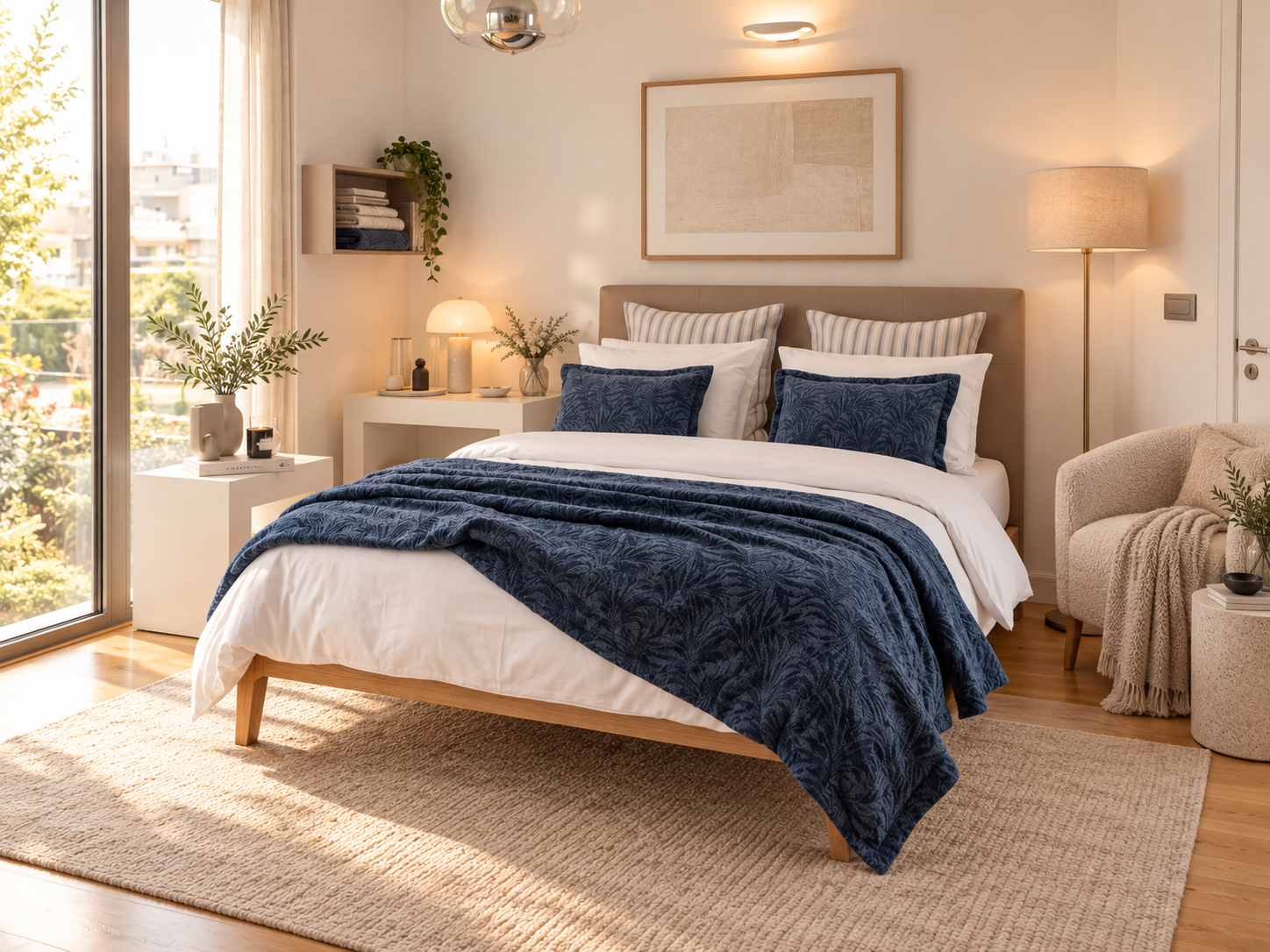
(c) Archroma / Lameirinho
16.09.2026

Dye, fix and soften in one step

Archroma and Portuguese home-textile manufacturer Lameirinho have moved the InOneGO continuous dyeing process into commercial production. Lameirinho's first bed-linen collection made with the technology is now available worldwide.

InOneGO combines coloration, fixation and softening in a single pad-dry application. It was developed for woven cellulosic textiles including denim, fashion fabrics and home textiles, and works with Archroma sulfur-dye systems including DIRESUL RDT, EarthColors and FiberColors.

Archroma's ONE WAY Impact Calculator indicates reductions of up to 81% in process time, 97% in water consumption, 65% in energy use and 75% in CO2 emissions when a defined InOneGO/DIRESUL RDT scenario is compared with conventional cold pad-batch reactive dyeing plus pigment top-dye finishing. These are supplier calculations for a specified benchmark, not universal mill values.

The process runs on stenter and Thermosol lines. That makes the industrial proposition particularly relevant: mills may be able to remove several wet and dry processing stages without replacing the core line architecture.


Archroma and Portuguese home-textile manufacturer Lameirinho have moved the InOneGO continuous dyeing process into commercial production. Lameirinho's first bed-linen collection made with the technology is now available worldwide.

InOneGO combines coloration, fixation and softening in a single pad-dry application. It was developed for woven cellulosic textiles including denim, fashion fabrics and home textiles, and works with Archroma sulfur-dye systems including DIRESUL RDT, EarthColors and FiberColors.

Archroma's ONE WAY Impact Calculator indicates reductions of up to 81% in process time, 97% in water consumption, 65% in energy use and 75% in CO2 emissions when a defined InOneGO/DIRESUL RDT scenario is compared with conventional cold pad-batch reactive dyeing plus pigment top-dye finishing. These are supplier calculations for a specified benchmark, not universal mill values.

The process runs on stenter and Thermosol lines. That makes the industrial proposition particularly relevant: mills may be able to remove several wet and dry processing stages without replacing the core line architecture.


Source:

Archroma / Lameirinho

(c) Messe Frankfurt
14.09.2026

Shanghai draws 36,000 home-textile buyers

Intertextile Shanghai Home Textiles – Autumn Edition reports more than 900 exhibitors from 19 countries and regions and nearly 36,000 visitors representing 113 markets. The show covered more than 100,000 square metres and included bedding, upholstery fabrics, curtains, carpets and design-led collections.

Messe Frankfurt says sustainability, new technologies and supply-chain transparency were increasingly visible in buying discussions. Exhibitors presented established sourcing categories alongside functional textiles, more sustainable materials and technology-enabled solutions. Buyer representation was especially strong from Greater China and Southeast Asia, with growing participation from Central Asia.

The fringe programme also moved beyond trend forecasting into operational questions. Sessions covered AI implementation in the home-textile sector, urban renewal, product development, changing lifestyles and opportunities in Latin America. The mix suggests that home-textile sourcing is becoming more closely linked to material innovation, digital tools and verifiable sustainability requirements.

Intertextile Shanghai Home Textiles – Autumn Edition reports more than 900 exhibitors from 19 countries and regions and nearly 36,000 visitors representing 113 markets. The show covered more than 100,000 square metres and included bedding, upholstery fabrics, curtains, carpets and design-led collections.

Messe Frankfurt says sustainability, new technologies and supply-chain transparency were increasingly visible in buying discussions. Exhibitors presented established sourcing categories alongside functional textiles, more sustainable materials and technology-enabled solutions. Buyer representation was especially strong from Greater China and Southeast Asia, with growing participation from Central Asia.

The fringe programme also moved beyond trend forecasting into operational questions. Sessions covered AI implementation in the home-textile sector, urban renewal, product development, changing lifestyles and opportunities in Latin America. The mix suggests that home-textile sourcing is becoming more closely linked to material innovation, digital tools and verifiable sustainability requirements.

Source:

Messe Frankfurt (HK) Ltd / Intertextile Shanghai Home Textiles

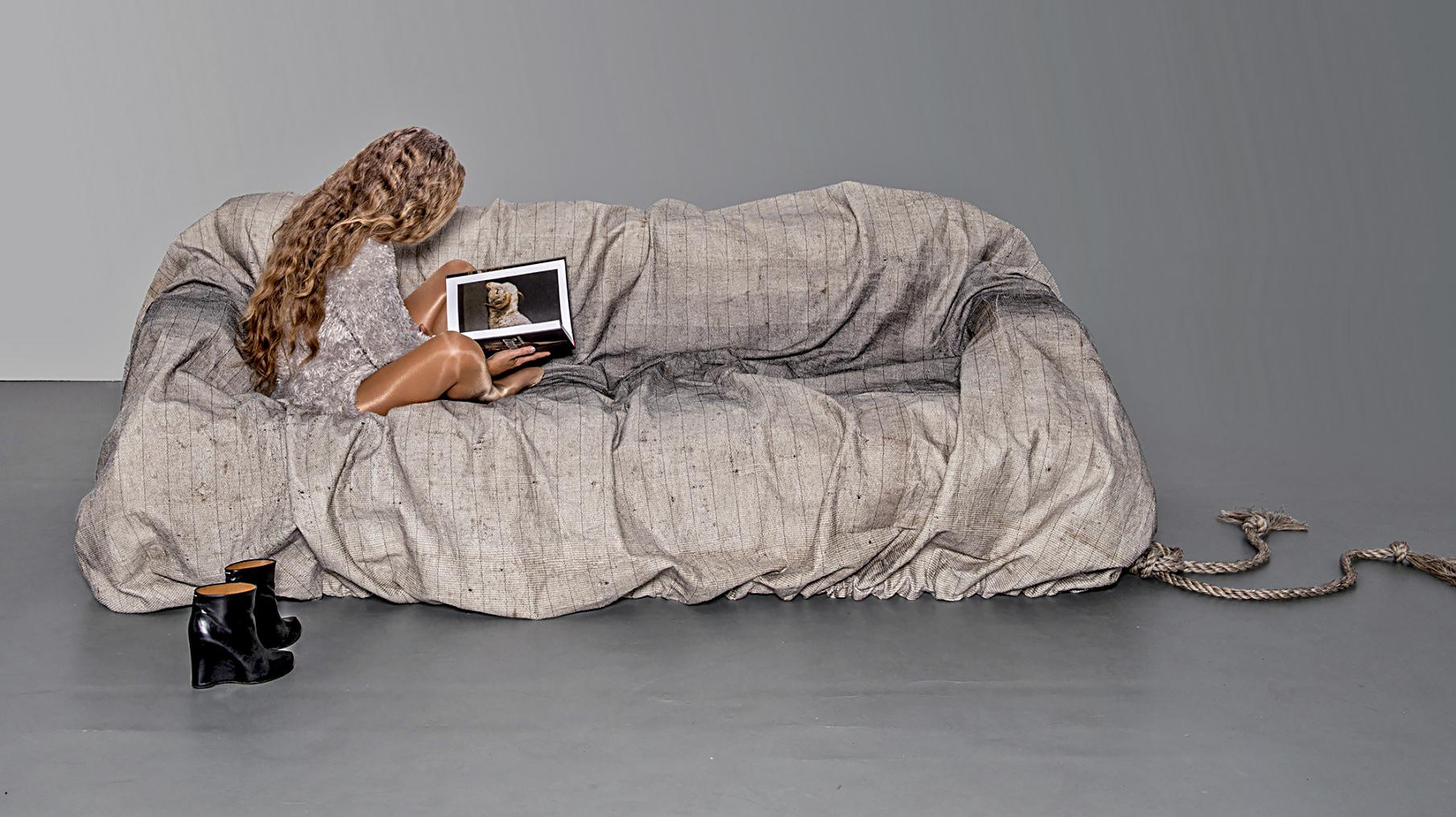
Wooden Couchcover, Buro Belén. Photography: Belén, Guus Schoth.
Wooden Couchcover, Buro Belén.
10.09.2026

Home-Maxxing shapes Heimtextil Trends 27/28

Heimtextil Trends 27/28 place the tension between optimization and respite at the center of the coming interior-textile season. Under the theme “Home-Maxxing – The Performance of Everyday Living,” Heimtextil and Milan design platform Alcova explore how technology, functionality and sensory material qualities are reshaping homes, hospitality, workplaces and healthcare environments.

Textiles are framed explicitly as functional components: they can regulate light, absorb sound or filter air. At the same time, tactility, durability and understandable construction are gaining importance. The three directions, Staged Competence, Inside, Out and Hyper Presence, range from visibly engineered performance and exposed connections to natural fibers and surfaces whose physical qualities take priority.

The trends will be presented in the Trend Space at Heimtextil from 12 to 15 January 2027. For home and contract-textile suppliers, the key message is that technical performance is no longer expected to disappear into the background; it increasingly becomes part of the visual and material language of a product.


Heimtextil Trends 27/28 place the tension between optimization and respite at the center of the coming interior-textile season. Under the theme “Home-Maxxing – The Performance of Everyday Living,” Heimtextil and Milan design platform Alcova explore how technology, functionality and sensory material qualities are reshaping homes, hospitality, workplaces and healthcare environments.

Textiles are framed explicitly as functional components: they can regulate light, absorb sound or filter air. At the same time, tactility, durability and understandable construction are gaining importance. The three directions, Staged Competence, Inside, Out and Hyper Presence, range from visibly engineered performance and exposed connections to natural fibers and surfaces whose physical qualities take priority.

The trends will be presented in the Trend Space at Heimtextil from 12 to 15 January 2027. For home and contract-textile suppliers, the key message is that technical performance is no longer expected to disappear into the background; it increasingly becomes part of the visual and material language of a product.


01.09.2026

MELANGE project moves colour design upstream in interior-textile production

The new Horizon Europe project MELANGE aims to reorganise how colour is designed and applied in interior textiles. Rather than treating coloration mainly as a finishing-stage operation, the project moves colour decisions upstream and explores fibre-stage technologies including spin, dope and solution dyeing, as well as the use of pre-coloured recycled fibres. The rationale is that conventional coloration consumes substantial water, energy and chemicals, while the pursuit of near-perfect uniformity can drive additional trials and material losses.

The new Horizon Europe project MELANGE aims to reorganise how colour is designed and applied in interior textiles. Rather than treating coloration mainly as a finishing-stage operation, the project moves colour decisions upstream and explores fibre-stage technologies including spin, dope and solution dyeing, as well as the use of pre-coloured recycled fibres. The rationale is that conventional coloration consumes substantial water, energy and chemicals, while the pursuit of near-perfect uniformity can drive additional trials and material losses.

MELANGE brings together nine partners from seven European countries under the leadership of Aalto University, with Textile ETP responsible for dissemination and stakeholder engagement. The project proposes treating variation as a design feature rather than automatically as a defect. It draws inspiration from Prato’s practice of blending pre-coloured recycled fibres by shade to avoid re-dyeing. According to the project communication, the approach aims to reduce water and chemical use by up to 50% compared with conventional finishing-stage processes. Business models, B2B marketing, standards and policy are also part of the work.

Source:

Textile ETP / MELANGE consortium