From the Sector

Reset
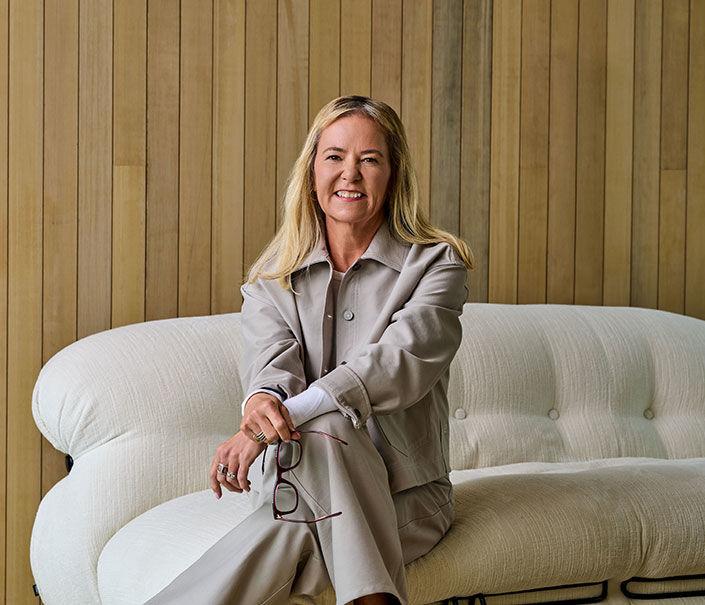
Heidi O’Neill (c) lululemon athletica inc.
14.09.2026

Heidi O’Neill starts lululemon reset

Heidi O’Neill has taken over as chief executive of lululemon. In her first employee message, published in the company newsroom, she places product, brand clarity and operational execution at the centre of the next phase.

O’Neill says her initial weeks will focus on listening to teams, partners, guests and communities before translating ideas into changes. She identifies a need to re-establish the brand’s core and to create more innovative and distinctive product that gives consumers a stronger reason to choose lululemon. She also points to improving operations and how the company connects with its communities.

The appointment matters beyond corporate governance. O’Neill spent more than 25 years at Nike, including leadership across product, design, merchandising, brand and global marketplace operations. At lululemon, that experience meets a business whose differentiation depends heavily on fabric development, fit, functional apparel and a tightly integrated direct-retail model.

Heidi O’Neill has taken over as chief executive of lululemon. In her first employee message, published in the company newsroom, she places product, brand clarity and operational execution at the centre of the next phase.

O’Neill says her initial weeks will focus on listening to teams, partners, guests and communities before translating ideas into changes. She identifies a need to re-establish the brand’s core and to create more innovative and distinctive product that gives consumers a stronger reason to choose lululemon. She also points to improving operations and how the company connects with its communities.

The appointment matters beyond corporate governance. O’Neill spent more than 25 years at Nike, including leadership across product, design, merchandising, brand and global marketplace operations. At lululemon, that experience meets a business whose differentiation depends heavily on fabric development, fit, functional apparel and a tightly integrated direct-retail model.

Source:

lululemon athletica inc.

(c) Messe Frankfurt
14.09.2026

Shanghai draws 36,000 home-textile buyers

Intertextile Shanghai Home Textiles – Autumn Edition reports more than 900 exhibitors from 19 countries and regions and nearly 36,000 visitors representing 113 markets. The show covered more than 100,000 square metres and included bedding, upholstery fabrics, curtains, carpets and design-led collections.

Messe Frankfurt says sustainability, new technologies and supply-chain transparency were increasingly visible in buying discussions. Exhibitors presented established sourcing categories alongside functional textiles, more sustainable materials and technology-enabled solutions. Buyer representation was especially strong from Greater China and Southeast Asia, with growing participation from Central Asia.

The fringe programme also moved beyond trend forecasting into operational questions. Sessions covered AI implementation in the home-textile sector, urban renewal, product development, changing lifestyles and opportunities in Latin America. The mix suggests that home-textile sourcing is becoming more closely linked to material innovation, digital tools and verifiable sustainability requirements.

Intertextile Shanghai Home Textiles – Autumn Edition reports more than 900 exhibitors from 19 countries and regions and nearly 36,000 visitors representing 113 markets. The show covered more than 100,000 square metres and included bedding, upholstery fabrics, curtains, carpets and design-led collections.

Messe Frankfurt says sustainability, new technologies and supply-chain transparency were increasingly visible in buying discussions. Exhibitors presented established sourcing categories alongside functional textiles, more sustainable materials and technology-enabled solutions. Buyer representation was especially strong from Greater China and Southeast Asia, with growing participation from Central Asia.

The fringe programme also moved beyond trend forecasting into operational questions. Sessions covered AI implementation in the home-textile sector, urban renewal, product development, changing lifestyles and opportunities in Latin America. The mix suggests that home-textile sourcing is becoming more closely linked to material innovation, digital tools and verifiable sustainability requirements.

Source:

Messe Frankfurt (HK) Ltd / Intertextile Shanghai Home Textiles

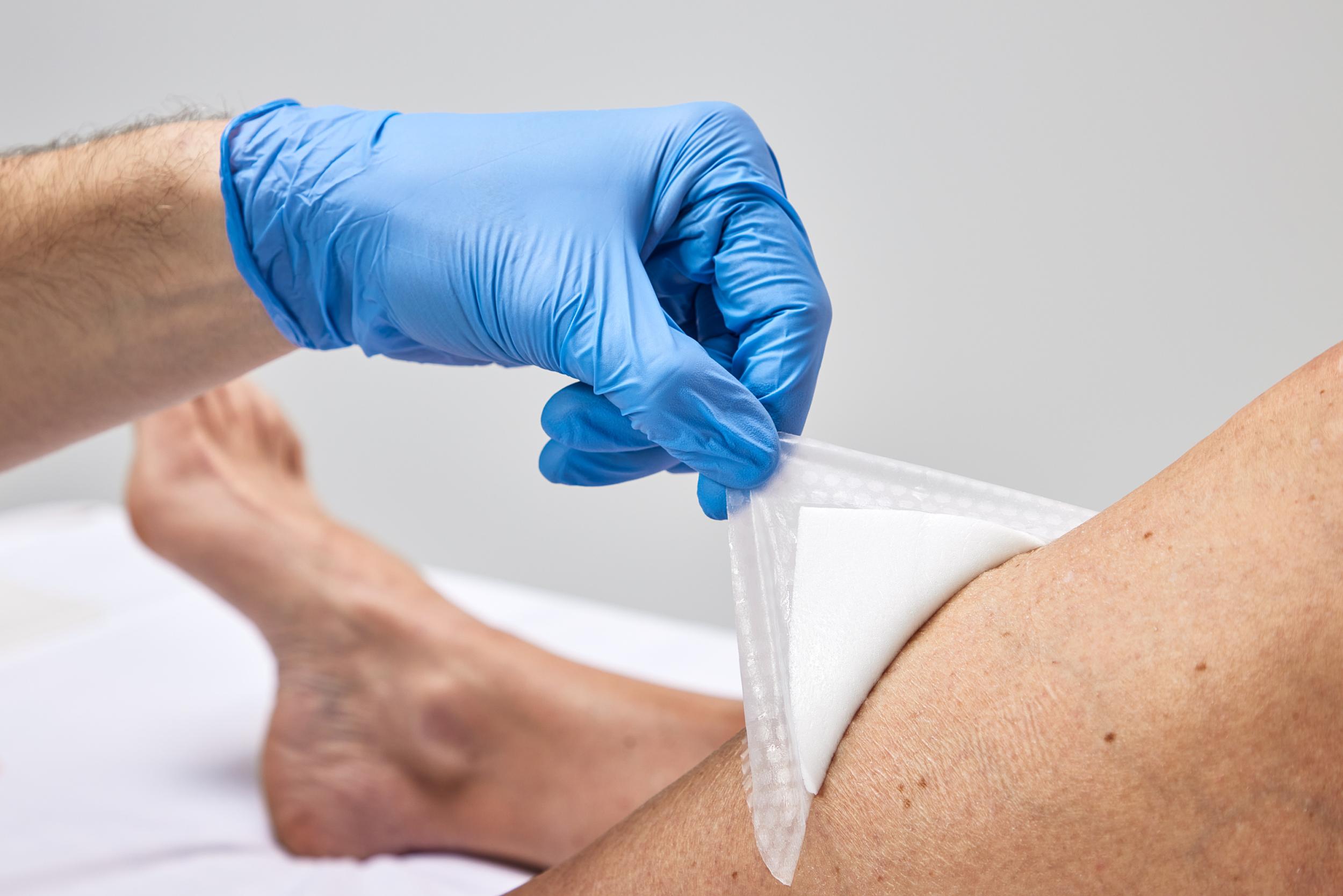
Tacnera: Freudenberg’s innovative technology for silicone-coated secondary foam dressings. © Freudenberg Performance Materials
Tacnera: Freudenberg’s innovative technology for silicone-coated secondary foam dressings.
14.09.2026

Wound care becomes more textile-integrated

Freudenberg Performance Materials and Foshan United Medical Technologies (UMT) will make their first joint appearance at the WUWHS congress in Kuala Lumpur since Freudenberg acquired the Chinese wound-care specialist at the end of July. The combined platform stretches from fibre and nonwoven technologies to finished advanced wound-care solutions.

UMT’s primary dressings include alginate, carboxymethylcellulose (CMC) and chitosan technologies. Alginate variants include silver-containing options for antimicrobial protection, while CMC is used for moisture management and gel formation. Chitosan brings haemostatic and bacteriostatic properties. UMT is also presenting a non-invasive wound-closure system.

Freudenberg Performance Materials and Foshan United Medical Technologies (UMT) will make their first joint appearance at the WUWHS congress in Kuala Lumpur since Freudenberg acquired the Chinese wound-care specialist at the end of July. The combined platform stretches from fibre and nonwoven technologies to finished advanced wound-care solutions.

UMT’s primary dressings include alginate, carboxymethylcellulose (CMC) and chitosan technologies. Alginate variants include silver-containing options for antimicrobial protection, while CMC is used for moisture management and gel formation. Chitosan brings haemostatic and bacteriostatic properties. UMT is also presenting a non-invasive wound-closure system.

Freudenberg complements these primary-care products with Tacnera®, its patented silicone-coated foam-dressing technology. A dual-silicone construction combines secure edge adhesion with a gentler wound-contact layer, while a wave-pattern coating is designed to improve flexibility and exudate management. The wider industrial story is vertical integration: UMT’s capabilities run from fibre production and functionalisation through nonwovens, packaging, sterilisation and regulatory approval.

Source:

Freudenberg Performance Materials Holding GmbH