
From the Sector

Reset
Dublin Photo by Sean Griffin, Pixabay
15.07.2026

Irish government publishes Delivery Plan for textiles EPR scheme

The Irish government has published its draft Delivery Plan for its national textiles Extended Producer Responsibility (EPR) scheme – subject to a stakeholder consultation.  

The draft plan outlines the actions required for the effective design and go-live of a national textiles Extended Producer Responsibility (EPR) scheme, including the establishment of an entirely new Producer Responsibility Organisation (PRO) in Ireland, required by April 2028.

Commenting, Aimee Campanella, Development Director – Textiles EPR at leading international circularity specialists Reconomy, said: “It is great to see the Irish Government making progress towards establishing a national textiles Extended Producer Responsibility (EPR) scheme.”

“The proposed April 2028 go-live date gives textile producers time to prepare, but businesses should be using this period to understand what the new scheme will mean for their operations and how they can put the right systems in place.

The Irish government has published its draft Delivery Plan for its national textiles Extended Producer Responsibility (EPR) scheme – subject to a stakeholder consultation.  

The draft plan outlines the actions required for the effective design and go-live of a national textiles Extended Producer Responsibility (EPR) scheme, including the establishment of an entirely new Producer Responsibility Organisation (PRO) in Ireland, required by April 2028.

Commenting, Aimee Campanella, Development Director – Textiles EPR at leading international circularity specialists Reconomy, said: “It is great to see the Irish Government making progress towards establishing a national textiles Extended Producer Responsibility (EPR) scheme.”

“The proposed April 2028 go-live date gives textile producers time to prepare, but businesses should be using this period to understand what the new scheme will mean for their operations and how they can put the right systems in place.

“Moving towards greater producer responsibility will require better visibility across supply chains, stronger data management and a clearer understanding of how textiles flow through the economy. For businesses, preparing early will not only support compliance but also unlock wider commercial benefits, helping them identify efficiencies, reduce costs and make more informed decisions around design, sourcing and end-of-life management.

“The establishment of a Producer Responsibility Organisation (PRO) will be central to delivering an effective scheme, but getting the framework right will be critical. It’s important that it strikes the right balance – creating the incentives needed to drive greater reuse, repair and recycling, while recognising the operational and cost implications for producers. 

“If designed effectively, Ireland’s textiles EPR scheme will provide the foundations for a more circular textiles economy, keeping materials in use for longer, reducing waste and creating new opportunities to recover valuable resources.”


Sustainability Report Photo: (c) Carrington Textiles
15.07.2026

Carrington Textiles publishes third Sustainability Report

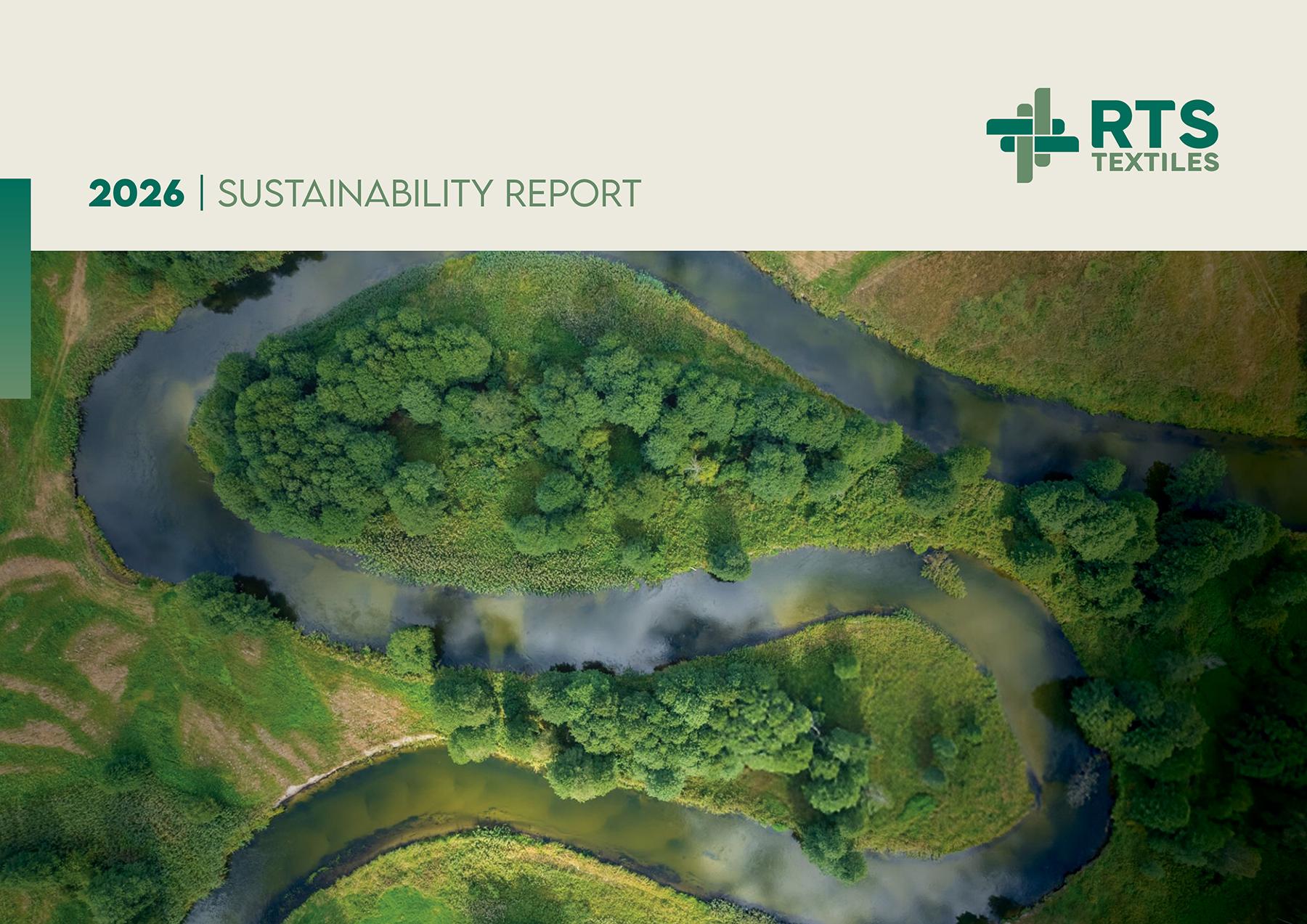
At Carrington Textiles, we are pleased to announce the publication of the third Sustainability Report from the RTS Textiles Group, showcasing another year of progress towards more responsible manufacturing across our global operations.

The report reflects continued investment in technologies and initiatives that improve environmental performance while supporting long-term business resilience. From renewable energy and water stewardship to circular economy projects and product innovation, sustainability remains embedded in how we operate across the Group.

Among this year's highlights is the completion of a new wastewater treatment plant in Pakistan, significantly strengthening water treatment capacity at CTi ahead of becoming operational later this year. The site has also expanded its circular economy initiatives through the reuse of biomass and coal ash in brick manufacturing and projects that support local biodiversity.

At Carrington Textiles, we are pleased to announce the publication of the third Sustainability Report from the RTS Textiles Group, showcasing another year of progress towards more responsible manufacturing across our global operations.

The report reflects continued investment in technologies and initiatives that improve environmental performance while supporting long-term business resilience. From renewable energy and water stewardship to circular economy projects and product innovation, sustainability remains embedded in how we operate across the Group.

Among this year's highlights is the completion of a new wastewater treatment plant in Pakistan, significantly strengthening water treatment capacity at CTi ahead of becoming operational later this year. The site has also expanded its circular economy initiatives through the reuse of biomass and coal ash in brick manufacturing and projects that support local biodiversity.

At MGC in Portugal, investment in renewable energy and energy efficiency has continued, with solar generation capacity increasing to 8.3 MW and further projects underway to reduce natural gas consumption and carbon emissions. At Pincroft in the UK, continued progress has been made through Combined Heat and Power (CHP), the ongoing development of its Carbon Roadmap and wider decarbonisation initiatives.

The report also highlights how the RTS Textiles Group continues to expand the use of innovative fibres and technologies that combine comfort, protection and performance with a reduced environmental impact, supporting customers in achieving their own sustainability objectives.

John Vareldzis, CEO of RTS Textiles Group, said: "Building on the foundations established in previous years, this report highlights our progress and reaffirms our commitment to responsible manufacturing, innovation and transparency across our global operations."

STEELTOP® (c) Trützschler
STEELTOP®
15.07.2026

Trützschler: New benchmark in flat tops for spinning preparation

Modern carding generations achieve higher production performance, placing significantly greater stress on flat tops. Higher cylinder speeds and increased fiber density, combined with tighter carding gaps, create more demanding operating conditions. At the same time, poorer raw material quality and the increased use of recycled materials further intensify these challenges. With STEELTOP®, Trützschler introduces a new full steel flat top series developed for these demanding modern carding processes. 
 
A new benchmark in flat tops for spinning preparation 
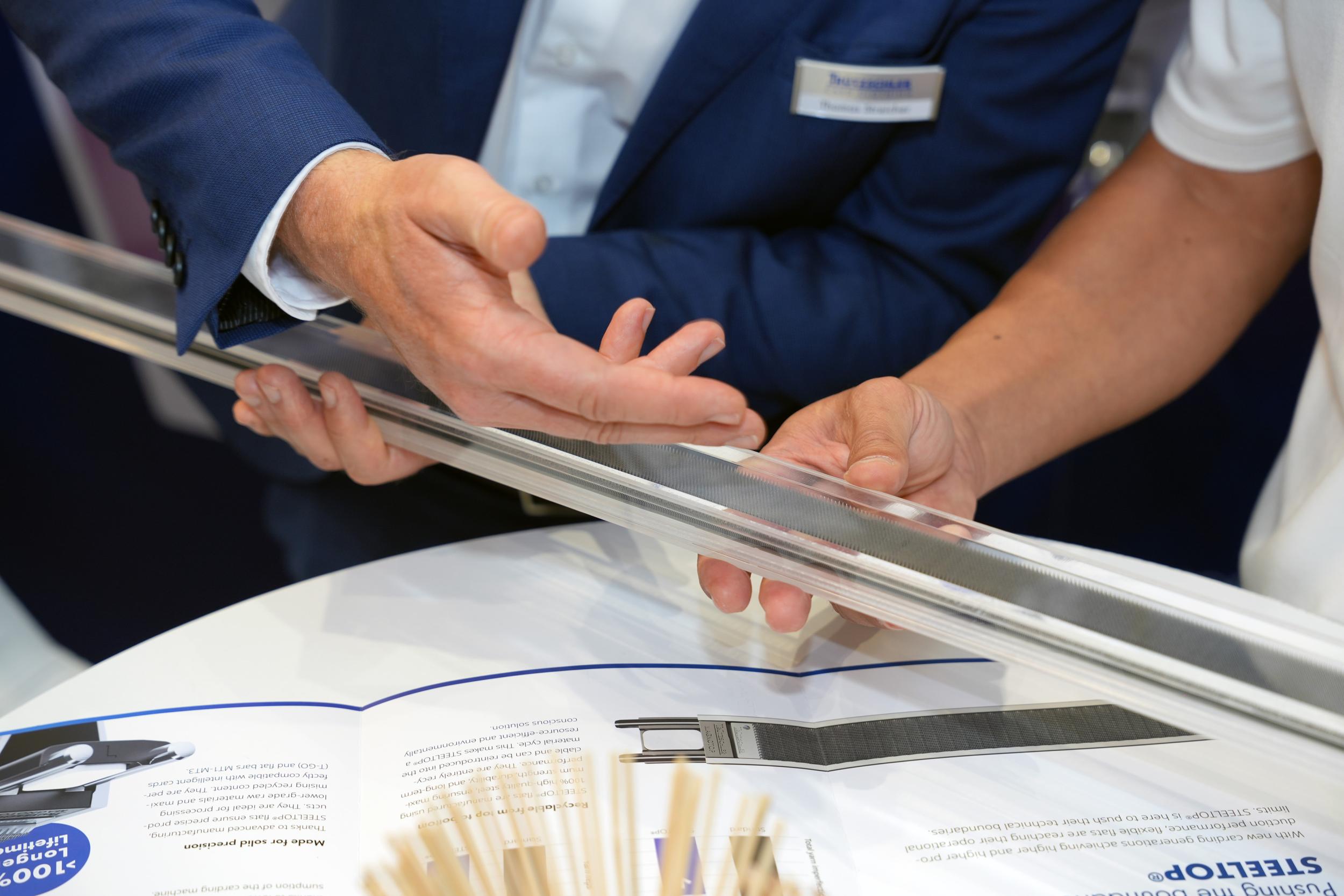
STEELTOP® is manufactured entirely from high-quality steel and is designed to deliver consistent performance under demanding production conditions. It is ideal for processing lower-grade natural and man-made fibers and is perfectly compatible with intelligent cards, including Trützschler cards equipped with T-GO, due to its superior electrical conductivity. 
 
Built to last under extreme conditions 

Modern carding generations achieve higher production performance, placing significantly greater stress on flat tops. Higher cylinder speeds and increased fiber density, combined with tighter carding gaps, create more demanding operating conditions. At the same time, poorer raw material quality and the increased use of recycled materials further intensify these challenges. With STEELTOP®, Trützschler introduces a new full steel flat top series developed for these demanding modern carding processes. 
 
A new benchmark in flat tops for spinning preparation 
STEELTOP® is manufactured entirely from high-quality steel and is designed to deliver consistent performance under demanding production conditions. It is ideal for processing lower-grade natural and man-made fibers and is perfectly compatible with intelligent cards, including Trützschler cards equipped with T-GO, due to its superior electrical conductivity. 
 
Built to last under extreme conditions 
The new flat top achieves outstanding durability even under the most challenging carding conditions. Compared to conventional alternatives, the lifetime is more than doubled, ensuring long-term reliability. This extended lifetime reduces waste on carding machines, including fewer flat top strips and less fiber waste and leads to cost savings of more than 30% on flat top replacement. 
 
Driving yarn quality and production efficiency 
STEELTOP® contributes to elevated yarn quality and is particularly suitable for open-end (OE) and airjet (MVS) applications. It enables comparable or better sliver and yarn quality, with a reduction in total yarn imperfections (IPI) of up to 10%. In addition, it is exceptionally effective in the removal of neps, achieving reductions of up to 20%. 
Lower overall current consumption of the carding machine improves energy efficiency, while enhanced efficiency supports higher production rates. 
 
Sustainable from top to bottom 
Sustainability is a key feature of the new development. Made entirely of steel, the flat tops are fully recyclable and can be returned to the material cycle after use. At the same time, reduced waste and lower energy consumption contribute to a more sustainable carding process overall. 
 
Extending the limits of modern carding 
Combining durability, precision, recyclability, and efficiency, STEELTOP® sets a benchmark in performance and extends the limits of modern carding technology. 

Source:

Trützschler