From the Sector

Reset
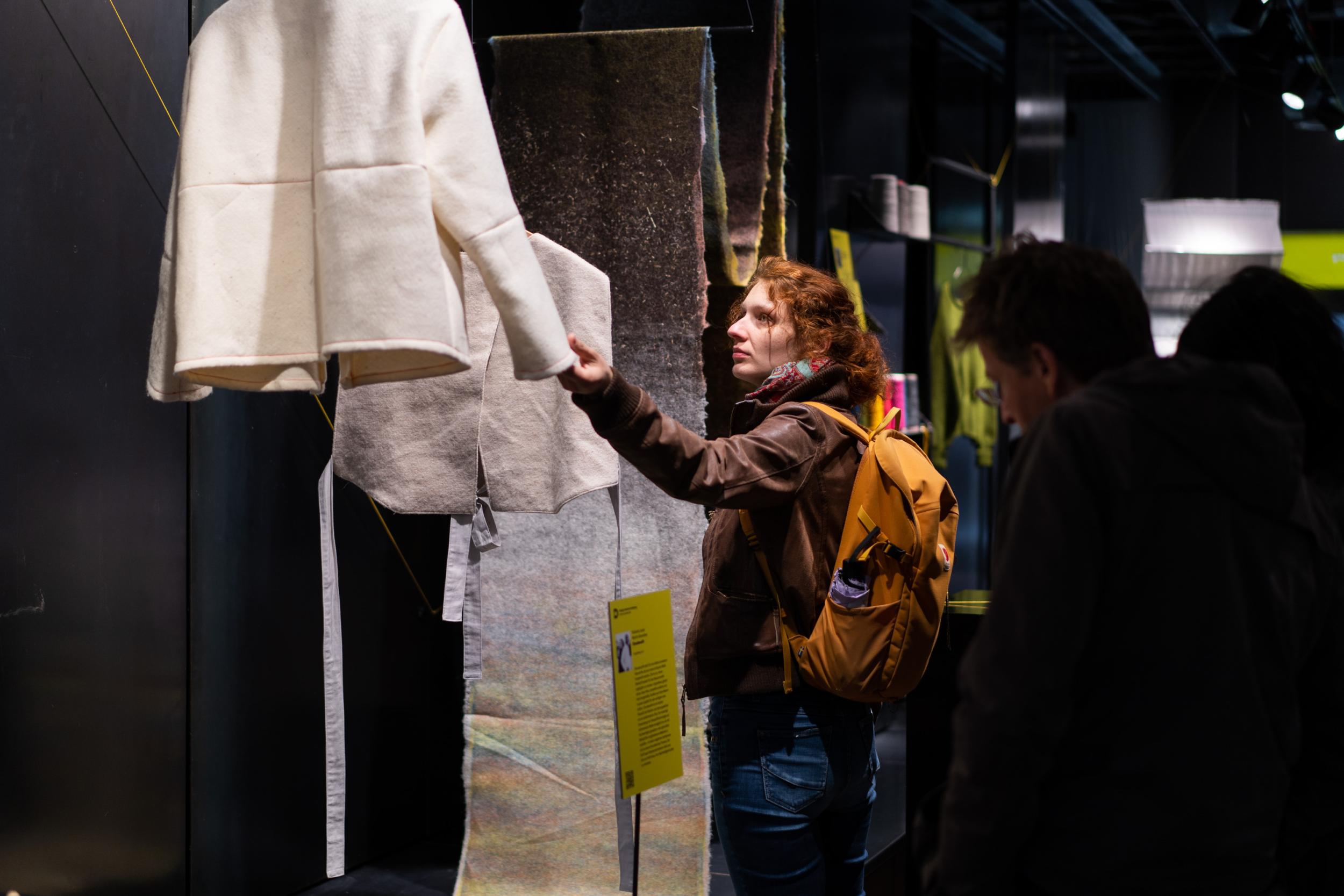
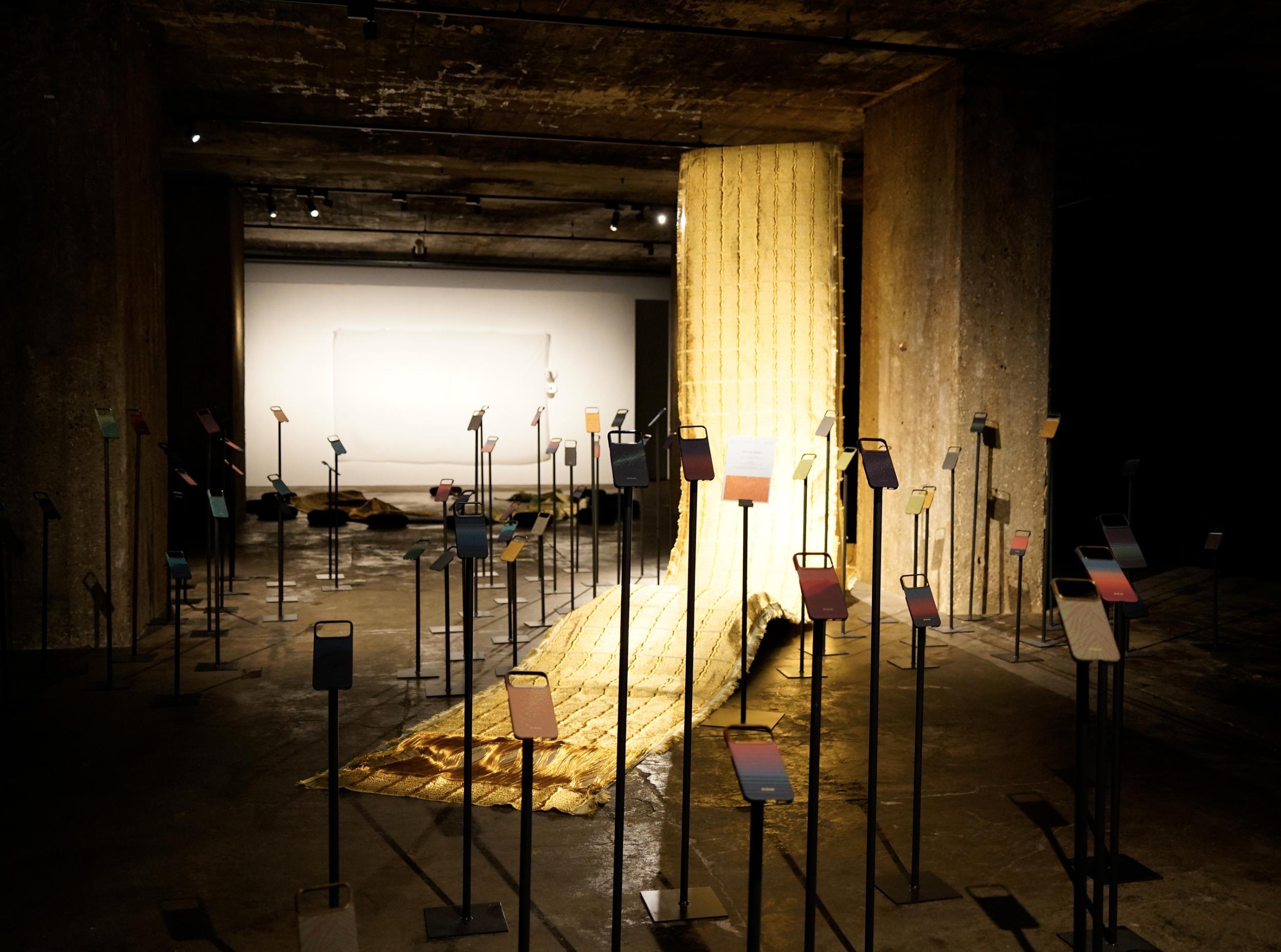
Photo (c) Neo.Fashion.
08.06.2026

Neo.Fashion. Berlin: Emerging Fashion Talent Chart a New Course

More than 620 talents, nine editions, one milestone: Neo.Fashion. celebrates its 10th edition this July and announces a new organizational structure — a clear statement of commitment to the long-term development of emerging talent in the German fashion industry. 

More than 620 talents, nine editions, one milestone: Neo.Fashion. celebrates its 10th edition this July and announces a new organizational structure — a clear statement of commitment to the long-term development of emerging talent in the German fashion industry. 

Germany’s most versatile platform for emerging fashion talent marks its 10th anniversary with a strategic repositioning and a new venue: For its 10th edition, Neo.Fashion. will take place during Berlin Fashion Week from July 2 to 4, 2026, in a former industrial hall at “Neues Ufer 13” in Berlin-Moabit. The program includes the Best Graduates Shows and Aspiring Designer Shows, alongside the presentation of the Neo.Fashion. Award and the Digital Fashion Award. To date, ten universities from Germany, Austria, Switzerland, and Ukraine have confirmed their participation. A strong emphasis on sustainability defines this year’s collections. With the establishment of the non-profit Neo.Fashion. e.V. in 2025, the initiative has further professionalized its organizational structure, creating a more robust foundation for the long-term promotion of emerging design talent. 
 
What started in 2017 as a vision has since become a defining fixture for young fashion designers across Germany: Neo.Fashion. is celebrating its 10th edition this year. Since the inaugural graduate show in the fall of 2017 at Motorwerk Weißensee in Berlin, more than 620 graduates from across the country have presented their final collections on the Neo.Fashion. stage. In 2019, the platform became an official part of Berlin Fashion Week, cementing its place in the international fashion calendar. With the Best Graduates Shows, the Aspiring Designer Shows, the Neo.Fashion. Award, and the Digital Fashion Award — launched for the first time last year — Neo.Fashion. has grown into a unique ecosystem that goes far beyond a pure presentation platform. 

The founding of the nonprofit Neo.Fashion. e.V. in 2025 marks a pivotal step toward sustained, structured talent development. A newly expanded organizational team now manages the full range of Neo.Fashion. activities — from university coordination and communications to technical production, industry partnerships, textile research, and startup outreach. Workshops, competitions, mentoring programs, and international collaborations will be part of the platform’s expanded offering going forward. 

Neo.Fashion. is also making a geographic move. From July 2 through 4, 2026 — as always, in sync with Berlin Fashion Week — the event relocates to “Neues Ufer 13” (“New Shore 13”) in the Berlin district of Moabit: a former industrial hall whose raw, urban aesthetic provides an authentic backdrop for young, uncharted fashion voices. “We see ‘Neues Ufer’ as a metaphor — for us as a format that has reinvented itself time and again over ten years, and for the talents who show their collections here with a new shore as their destination,” says Jens Zander, CEO of brand experience agency S49, founder of Neo.Fashion., and director of the new Neo.Fashion. e.V., where he oversees production and strategic development. 

More than ten professional runway shows are planned, featuring selected graduates from nearly all German fashion schools presenting their collections. Each show will spotlight six to eight emerging designers. In total, up to 80 participants will take the stage in July, presenting their work to a broad public audience—well beyond the industry itself. This open and inclusive approach sets Neo.Fashion apart from other formats. 
Ten universities have already confirmed their participation: Hochschule Pforzheim (Pforzheim), Hochschule Niederrhein (Krefeld, Mönchengladbach), AMD Akademie Mode & Design (Berlin, Hamburg, Düsseldorf, Wiesbaden, Munich), Hochschule Reutlingen (Reutlingen), Hochschule Hannover (Hannover), Hochschule Bielefeld (Bielefeld), Hochschule für Technik und Wirtschaft Berlin – HTW Berlin (Berlin), Hochschule Macromedia (Berlin), Burg Giebichenstein Kunsthochschule Halle (Halle/Saale), and HAW Hamburg – University of Applied Sciences (Hamburg). On the international side: the University of Art and Design Linz (Linz, Austria), the Academy of Art and Design Basel – HGK FHNW (Basel, Switzerland), Fashion Art Toronto (Toronto, Canada), and the Kyiv National University of Technologies and Design – KNUTD (Kyiv, Ukraine). 

One theme runs through nearly every collection shown at Neo.Fashion.: sustainability. What was a niche concern a decade ago is now a core driver of young designers’ creative work. From material sourcing and production processes to circular design principles, Neo.Fashion. graduates are rethinking fashion from the ground up — and setting new standards for a responsible future in the industry. Neo.Fashion. actively supports this shift, providing space for innovative, sustainable approaches. 

Nurturing Talent as an Investment in the Future 
Germany’s fashion economy — including retail, startups, and FashionTech — contributes approximately €70 billion to the country’s GDP and supports around one million jobs, according to research by Oxford Economics commissioned by the Fashion Council Germany (FCG) and the Federal Ministry for Economic Affairs and Climate Action (BMWK). The German textile and apparel industry generates around €32 billion in annual revenue and employs more than 120,000 people across approximately 1,400 companies. The German apparel market as a whole recorded revenues of around €67.7 billion in 2025. 

Maintaining and growing that position demands a consistent pipeline of new talent. Platforms like Neo.Fashion. play a central role in bridging the gap between education and professional entry — giving emerging designers the visibility and industry connections they need to launch their careers. 

Success Stories and International Partnerships 
The impact of Neo.Fashion. as a launchpad for young designers is evident in the careers that have followed: many alumni who showed their first collections on the Neo.Fashion. runway have since returned with their own labels — and are now fixtures in the Berlin Fashion Week calendar. 

Particularly noteworthy is the partnership with Ukrainian Fashion Week, established in 2022, which gives Ukrainian design talent an international platform despite the difficult situation in their home country. Strategic partners including the Fashion Council Germany (FCG) and the German Textile and Fashion Federation (Gesamtverband textil+mode) support Neo.Fashion. in broadening its reach and opening doors into the industry for emerging designers. 

Neo.Fashion. — The Ecosystem 
Best Graduates Show: The flagship show of Neo.Fashion. during Berlin Fashion Week, in which the best final collections from fashion design students across Germany are presented in professional runway shows. 

Neo.Fashion. Award: An award recognizing outstanding emerging talent distinguished by exceptional creativity, innovation, or sustainability in their collections — designers who are setting the agenda for the future of the industry. 

Aspiring Designer Shows: A platform for young designers who have already taken their first steps toward independence and are building their own labels — giving them the opportunity to present their current collections to a broad professional audience. 

Digital Fashion Award: Launched in 2025, this award signals a shift in how fashion engages with the digital world — treating it not just as a tool, but as a creative space in its own right. For Neo.Fashion., it marks a key step in the evolution of the format and opens a new chapter in supporting digital emerging talent. 

Hygienix™ 2026 (c) INDA
Hygienix™ 2026
08.06.2026

Registration and Exhibit Reservations Are Open for Hygienix™ 2026

INDA, the Association of the Nonwoven Fabrics Industry, has announced that registration and exhibit reservations for Hygienix™ 2026 are now open. Hygienix will take place Nov. 16-19 at the Hyatt Regency Houston in Houston, Texas.

Hygienix will bring together industry leaders, innovators, and business professionals from across the absorbent hygiene products (AHP) industry for expert-led conference sessions, product showcases, networking opportunities, Lifetime Service Awards, and the presentation of the Hygienix Innovation Award™.

Hygienix Program Highlights
Attendees will gain valuable insights across key areas driving the future of hygiene:

INDA, the Association of the Nonwoven Fabrics Industry, has announced that registration and exhibit reservations for Hygienix™ 2026 are now open. Hygienix will take place Nov. 16-19 at the Hyatt Regency Houston in Houston, Texas.

Hygienix will bring together industry leaders, innovators, and business professionals from across the absorbent hygiene products (AHP) industry for expert-led conference sessions, product showcases, networking opportunities, Lifetime Service Awards, and the presentation of the Hygienix Innovation Award™.

Hygienix Program Highlights
Attendees will gain valuable insights across key areas driving the future of hygiene:

  • Industry collaboration or “coopertition”
  • Market intelligence and global economics
  • Regulatory and trade environment
  • Innovation in products, materials, and processes
  • Sustainability and end-of-life solutions
  • Consumer and end-user insights
  • Startups, entrepreneurs, and emerging technologies

Business Opportunities and Networking
The Exhibits will showcase the latest innovations in the absorbent hygiene industry, offering a platform for companies to demonstrate their products and services to potential partners and clients.

Hygienix 2026 will once again feature Lightning Talks—a series of fast-paced, five-minute presentations by nearly 20 companies scheduled for Nov. 17-18 in the afternoon.

Hygienix Innovation Award™
Recognizing breakthrough products, technologies, and solutions that are making a significant impact in the hygiene sector, the Hygienix Innovation Award will be awarded at the event.

Nominations will be accepted until Sept. 14th. Finalists will present their products on Nov. 17, and the winner will be announced on Nov. 19 to close the event. Last year’s winner was Confitex Technology for their Washable Nonwoven Sanitary Pads, the world’s first washable nonwoven sanitary pads designed for sustainability and scalability without the need for SAPs.

Lifetime Service Award Recipients
Carl Cucuzza and Pricie Hanna are receiving the Lifetime Service Awards. Both industry veterans are being recognized for their key contributions to the advancement of the nonwovens industry and INDA. Cucuzza and Hanna will accept their awards Tuesday, November 17th at 4:30 pm.

Source:

INDA Association of the Nonwoven Fabrics Industry

The new Thermex continuous dyeing range at the Kahramanmaraş plant. Photo: AWOL for A. Monforts Textilmaschinen GmbH & Co. KG
The new Thermex continuous dyeing range at the Kahramanmaraş plant.
04.06.2026

New Monforts systems deliver round-the-clock production for Kipaş

As a valued Monforts customer for many years, Türkiye’s Kipaş Textile has just installed a new Thermex dyeing range and a Monfortex sanforizer at its new dyeing and finishing plant in Kahramanmaraş.

Founded in 1984, Kipaş has grown into the largest vertically-integrated textile manufacturer in Greater Europe and now employs some 5,500 people throughout its operations. It produces 400 tons of yarn on a daily basis, with annual capacities of 48 million metres of denim and a further 36 million metres of non-denim fabrics.

“Türkiye offers fast logistics to European markets thanks to its strategic location, while its strong textile heritage and qualified workforce enable us to produce high-quality products,” says Kipaş CEO Halit Gümüser. “Our R&D capacity – especially in sustainable and technical textiles – makes Türkiye an indispensable solution partner in the global supply chain.”

Fully operational
Kipaş already operates a number of Monforts lines and the two latest machine systems have been operating 24/7 since the first day they were commissioned.

As a valued Monforts customer for many years, Türkiye’s Kipaş Textile has just installed a new Thermex dyeing range and a Monfortex sanforizer at its new dyeing and finishing plant in Kahramanmaraş.

Founded in 1984, Kipaş has grown into the largest vertically-integrated textile manufacturer in Greater Europe and now employs some 5,500 people throughout its operations. It produces 400 tons of yarn on a daily basis, with annual capacities of 48 million metres of denim and a further 36 million metres of non-denim fabrics.

“Türkiye offers fast logistics to European markets thanks to its strategic location, while its strong textile heritage and qualified workforce enable us to produce high-quality products,” says Kipaş CEO Halit Gümüser. “Our R&D capacity – especially in sustainable and technical textiles – makes Türkiye an indispensable solution partner in the global supply chain.”

Fully operational
Kipaş already operates a number of Monforts lines and the two latest machine systems have been operating 24/7 since the first day they were commissioned.

Thermex continuous dyeing ranges are well known for their ability to deliver high productivity, excellent dyeing quality and significant energy savings. The Thermex system combines precise application technology with advanced process control to ensure highly uniform dye penetration and outstanding colour reproducibility across long production runs, while also enabling smaller lot sizes to be rapidly executed.

Monfortex sanforizers are meanwhile designed to deliver minimum residual shrinkage with excellent fabric hand and highly reproducible quality. Their enlarged shrink cylinder and optimised rubber belt technology enable enhanced shrinkage performance at lower contact pressures, extending rubber belt life while reducing production costs.

“We are extremely satisfied with the installation process of the two Monforts machines installed in our new fabric dyeing and finishing plant, and with the professional support provided by the technicians,” says Mr Gümüser. “In particular, the uninterrupted remote support they provided to ensure operational continuity played a major role in quickly resolving any potential problems.”

Recycling platform
At the end of 2025, Kipaş announced the launch of its fibR-e recycling platform designed to tackle the hurdles that have stopped polyester from becoming truly circular.

In a partnership with fellow Turkish company, Adana-based Meltem Kimya, waste garments containing 70% or more polyester are now being regenerated and turned into certified, high-quality filament yarns and staple fibres ready for new collections.

“Recycling has barely scratched the surface of the polyester problem,” says Mr Gümüser. “With fibR-e, we can take real post-consumer waste in all its complexity and return it to the market as certified, high-quality filament yarns and staple fibres. This is how the industry moves from linear to circular, not through pilots but through commercial scale.

“As the global market’s expectations for sustainability and circularity increase day by day, we at Kipaş see this process not just as an adaptation phase, but as an area where we can assume leadership. With our innovative investments such as fibR-e and strong technology partnerships with companies like Monforts, we are ready to meet these demands at the highest level.”

“Ahead of this year’s ITM exhibition in Istanbul, we are very pleased to be able to highlight one of our latest showpiece projects for an industry leader in Türkiye,” adds Monfort Marketing Manager Nicole Croonenbroek. 

Source:

A. Monforts Textilmaschinen GmbH & Co. KG

IDF 3 helps improve sliver quality, yarn evenness and strength – especially when processing higher short fiber content. Photo: Trützschler
IDF 3 helps improve sliver quality, yarn evenness and strength – especially when processing higher short fiber content.
04.06.2026

Unlocking the full potential of short fiber processing

Spinning mills worldwide are looking for solutions that combine higher productivity, stable quality and shorter processes, especially when processing short fibers. Trützschler’s integrated draw frame IDF 3 has proven to be a powerful answer to these requirements. Evaluations from several customer trials in Türkiye under real production conditions highlight the strong performance of the IDF 3, particularly when combined with the next-generation card TC 30i. 

Outstanding results with TC 30i and IDF 3 
A leading Turkish spinning mill produces a 100% cotton rotor yarn (Ne 30/1). The mill compared its conventional set-up of one breaker and one finisher draw frame, running consistently at 90 kg/h, with a TC 30i card combined with the integrated draw frame IDF 3. While the conventional setup was limited to 90 kg/h, TC 30i and IDF 3 enabled a stepwise increase in production to 130 kg/h and later even 150 kg/h. Across all trials, the combination delivered higher and more consistent quality with lower IPI levels. These results confirm excellent process stability at significantly increased production output. 

Spinning mills worldwide are looking for solutions that combine higher productivity, stable quality and shorter processes, especially when processing short fibers. Trützschler’s integrated draw frame IDF 3 has proven to be a powerful answer to these requirements. Evaluations from several customer trials in Türkiye under real production conditions highlight the strong performance of the IDF 3, particularly when combined with the next-generation card TC 30i. 

Outstanding results with TC 30i and IDF 3 
A leading Turkish spinning mill produces a 100% cotton rotor yarn (Ne 30/1). The mill compared its conventional set-up of one breaker and one finisher draw frame, running consistently at 90 kg/h, with a TC 30i card combined with the integrated draw frame IDF 3. While the conventional setup was limited to 90 kg/h, TC 30i and IDF 3 enabled a stepwise increase in production to 130 kg/h and later even 150 kg/h. Across all trials, the combination delivered higher and more consistent quality with lower IPI levels. These results confirm excellent process stability at significantly increased production output. 

Further results from other Turkish spinning mills underline the competitive advantage of IDF 3 combined with the TC 30i. Another customer operates TC 30i cards equipped with IDF 3, in a rotor spinning line which processes cotton and cotton blends. The combination shortens the process and delivers a 33% increase in productivity compared to a conventional competitor setup, which included a breaker and a finisher draw frame. At the same time, consistently high quality is maintained. The customer reports that the decision to adopt the TC 30i and IDF 3 should have been made much earlier. 

Proven performance beyond TC 30i 
Another Turkish customer carried out trials using the IDF 3 combined with a TC 19i card, processing a blend of 50% cotton waste and 50% polyester. At a production rate of 130 kg/h, the IDF 3 process reduced IPI levels by around 50% compared to a conventional two-passage draw frame setup consisting of one breaker and one finisher draw frame. Even when the production rate was increased to 220 kg/h, the IPI values achieved with the IDF 3 remained below those achieved in the conventional process. Encouraged by these results, the mill management decided to remove competitor cards and competitor draw frames from the mill and to switch to the latest card generation, TC 30i, combined with IDF 3.

The proven solution for direct spinning 
The success of IDF 3 lies in its ability to control short fibers reliably while enabling a shortened spinning preparation process. Results repeatedly show that the shorter the fiber and the higher the proportion of short fibers, the stronger the positive effect of the IDF 3 on sliver quality – resulting in improved yarn IPI values, better evenness and maintained yarn strength. 

Conventional draw frames typically involve two drafting zones, which can lead to a higher amount of floating fibers, especially when processing short fibers. In contrast, the IDF 3 operates with only one drafting zone. With its special drafting zone geometry, the IDF 3 ensures reliable fiber guidance and effectively stabilizes floating fibers. Its unique design minimizes count variations and leads to more homogeneous sliver and improved yarn quality. 

These effects become especially powerful when combined with the TC 30i. The card delivers material at high productivity levels and the IDF 3 keeps up this speed, even during can change. At the same time, this powerful combination reduces space requirements, compressed air consumption and operator effort. In this way, TC 30i and IDF 3 unlock the full benefits of direct spinning, particularly for applications with high short fiber content or recycled materials.

Source:

Trützschler 

Neste RE is produced from ISCC certified and traceable renewable raw materials, such as waste and residues like used cooking oil. Source: Neste
Neste RE is produced from ISCC certified and traceable renewable raw materials, such as waste and residues like used cooking oil.
04.06.2026

Renewable nylon fiber for THE NORTH FACE brand

Goldwin Inc., Neste, Idemitsu Kosan Co., Ltd., and Toray Industries, Inc. have established a supply chain for nylon fiber made from renewable raw materials. Neste supplies Neste RE™, a renewable raw material that enables the production of high-performance renewable nylon fiber and reduces the reliance on fossil feedstocks. The nylon fiber produced through this project is scheduled to be used by Goldwin for a part of THE NORTH FACE products in August 2026. 

Renewable naphtha, or Neste RE, is made from bio-based raw materials such as used cooking oil and other renewable raw materials. It is a lower-GHG-emission alternative to conventional fossil feedstocks. With the use of neat (i.e., unblended) renewable Neste RE, over 85%* of the greenhouse gas (GHG) emissions of the raw material are reduced compared to the use of virgin fossil raw materials. Bio-based plastics derived from Neste RE are of identical quality to those made from virgin fossil feedstocks and can be turned into exactly the same products and used for the same applications.

Goldwin Inc., Neste, Idemitsu Kosan Co., Ltd., and Toray Industries, Inc. have established a supply chain for nylon fiber made from renewable raw materials. Neste supplies Neste RE™, a renewable raw material that enables the production of high-performance renewable nylon fiber and reduces the reliance on fossil feedstocks. The nylon fiber produced through this project is scheduled to be used by Goldwin for a part of THE NORTH FACE products in August 2026. 

Renewable naphtha, or Neste RE, is made from bio-based raw materials such as used cooking oil and other renewable raw materials. It is a lower-GHG-emission alternative to conventional fossil feedstocks. With the use of neat (i.e., unblended) renewable Neste RE, over 85%* of the greenhouse gas (GHG) emissions of the raw material are reduced compared to the use of virgin fossil raw materials. Bio-based plastics derived from Neste RE are of identical quality to those made from virgin fossil feedstocks and can be turned into exactly the same products and used for the same applications.

“Renewable materials made from Neste RE meet the performance standards of global brands like THE NORTH FACE operated by Goldwin Inc. This project with Goldwin, Idemitsu, and Toray shows how the fashion industry's dependence on fossil resources can also be reduced for high-performance products. It demonstrates how our drop-in solutions can rapidly transform complex value chains to help brands work towards their climate targets,” says Maiju Helin, Director of Polymers and Chemicals at Neste.

Fossil-based feedstocks, like naphtha, can be replaced with Neste RE without changes to the polymers and chemicals manufacturing infrastructure or processes; it is a seamless drop-in solution. In building this supply chain, the participating companies utilized existing facilities and applied the mass balance** approach.

Mitsubishi Corporation coordinated the participating companies in establishing the supply chain for renewable nylon fiber in Goldwin's products.

This collaboration marks Neste’s second supply chain collaboration for THE NORTH FACE products, following a similar partnership in July 2024.

Source:

Neste Corporation

Cinte Techtextil China Photo Messe Frankfurt HK Ltd.
03.06.2026

Cinte Techtextil China maps textile future with specialised zones

As global demand for high-performance materials evolves, Cinte Techtextil China is set to steer the industry’s next growth phase by driving the convergence of global expertise, specialised zones, and forward-looking tech and insights. Building on its diverse scope, the upcoming edition will especially spotlight critical sub-sectors such as Medtech & Protech, Indutech and Buildtech. The offering will be augmented by the well-received Mobiltech and Textile Chemicals and Dyes Zones, alongside the high-calibre German and European Zones. Beyond the booths, the fringe programme structured around four core pillars will chart a definitive roadmap for technical textiles and nonwovens.

As global demand for high-performance materials evolves, Cinte Techtextil China is set to steer the industry’s next growth phase by driving the convergence of global expertise, specialised zones, and forward-looking tech and insights. Building on its diverse scope, the upcoming edition will especially spotlight critical sub-sectors such as Medtech & Protech, Indutech and Buildtech. The offering will be augmented by the well-received Mobiltech and Textile Chemicals and Dyes Zones, alongside the high-calibre German and European Zones. Beyond the booths, the fringe programme structured around four core pillars will chart a definitive roadmap for technical textiles and nonwovens.

China’s technical textile and nonwovens industry continues to build positive momentum in early 2026 despite a complex external environment. According to China Customs, imports remained stable while the sector’s export value reached USD 7.7 billion during the first two months of the year, a YoY increase of 17.7%[1]. The upward trajectory is firmly rooted in a widespread push for tech and quality upgrades, as well as more precise requirements across critical application areas, namely Mobiltech, Medtech, Protech, Indutech, and Buildtech. In 2026, Cinte Techtextil China will bring these sectors to the forefront with exhibitors such as Dawnsens New Material, Picanol NV, and Zhejiang Jinda Coating.

During the fair’s networking event at Techtextil in April, Ms R.Lalitha, I.A.S., Commissioner of Textiles, State Government of Tamil Nadu, India, underscored Cinte Techtextil China’s direct relevance to global demands: “The fair’s focus on Indutech, Mobiltech, and Medtech aligns perfectly with Tamil Nadu’s automotive and medical textile strengths. As we encourage our industries to foray into high-value, sustainable technical textiles, this platform is vital for mutual cooperation and understanding recent developments in China. Cinte Techtextil China’s fringe event themes are also highly on point, capturing where the future of textiles lies.”

Specialised zones showcase growing sub-sectors and international excellence
In addition to the highly sought-after Textile Chemicals and Dyes Zone in Hall W5, the Mobiltech Zone in Hall W4 is expected to remain a top priority for global buyers. Reflecting the soaring demand for automotive textiles, the zone has consistently attracted leading buyers such as Hyosung, Hyundai, Li Auto, Mazda, SAIC-GM, SAIC Volkswagen, Tesla, and Zeekr. This year, one of the zone’s key exhibitors will be Shanghai Shenda, whose offering comprises automotive carpets, headliners, trunks, parcel shelves, wheel arch liners, dash insulators, and related acoustic components.

Europe remains China’s premier source for technical textiles, capturing a 26% share of import value in 2025[2].Showcasing the continent’s expertise with their own comprehensive rosters of pioneers, the German Zone and European Zone at the Overseas Zone (W5) will attract buyers sourcing high-tech, premium solutions, connecting them directly with manufacturers who shape the future of technical textiles and nonwovens. Featured participants include:

  • Groz-Beckert: the world’s leading provider of industrial machine needles, precision parts, fine tools, and systems for the textile and nonwovens industries. With a global presence and strong local expertise in China, the company supports customers across all key sectors including knitting, weaving, nonwovens, tufting, sewing, and spinning.
  • Swisstulle (Qingdao): owned by Swisstulle AG, the company specialises in high-grade fabric knitting, finishing and dyeing. Using imported raw materials and advanced Karl Mayer and Brückner machinery, Swisstulle delivers bespoke tulle across a diverse range of widths, colours, densities and styles.The company offers tailored solutions mainly serving the high-end lingerie, automotive sunshade, and home textile sectors.

Also in the Overseas Zone, the Nonwoven Federation of India (NWFI), the unified body representing the country’s regional associations of spunbond nonwoven fabric manufacturers, will give fairgoers efficient access to a wide range of India’s latest solutions and opportunities for collaboration.

Multi-themed fringe programme to shape industry horizons
Complementing the future-focused business exchange, the fair’s fringe programme will revolve around four core pillars: Industry Insights, AI, Innovation, and Sustainability.

At the heart of Industry Insights is the annual flagship conference – China International Nonwovens Conference (CINC) – plus a series of other sessions and end-use guided tours delivering critical information.

The AI-focused events will bring together experts to share advanced models and demonstrate how AI is actively empowering textile manufacturing and supply chains. Meanwhile, the Innovation pillar will highlight forward-thinking solutions, including exhibitor presentations and a curated project showcase from domestic and international textile students. Catered to the rapid growth of the new energy vehicle (NEV) sector, the Mobiltech display zone will present cutting-edge and sustainable advancements in automotive textiles, showcasing key products like interior materials, lightweight composites, smart-sensing fabrics, and acoustic insulation solutions.

Moving into the Sustainability frontier, the expert-led Econogy Tours will connect buyers with a select lineup of exhibitors who have passed the Econogy Check[3], providing direct insights into sustainable production practices and innovative, eco-friendly materials set to make an impact across the fairground.

The fair’s product categories cover 12 application areas, which comprehensively span a full range of potential uses in modern technical textiles and nonwovens. These categories also cover the entire industry, from upstream technology and raw materials providers to finished fabrics, chemicals and other solutions. This scope of product groups and application areas ensures that the fair is an effective business platform for the entire industry.

The fair is organised by Messe Frankfurt (HK) Ltd; the Sub-Council of Textile Industry, CCPIT; and the China Nonwovens & Industrial Textiles Association (CNITA).

Source:

Messe Frankfurt HK Ltd.