
From the Sector

Reset
8 results
23.10.2026

Italian Textile Machinery Orders in Q3 2026

Order intake for Italian textile machinery manufacturers increased by 7% in the third quarter of 2026, compared with the same period of 2025. Growth was driven by demand from international markets, where orders rose by 8%, while the domestic market remained weak, posting a 4% decline.

Compared with the previous quarter, overall order intake decreased by 4%, reflecting the uncertainty that continues to affect investment decisions across the global textile sector. The textile machinery orders index for the July-September period reached 44.6 points (base year 2021 = 100).

Italian manufacturers reported an average order backlog equivalent to 3.5 months of production, while capacity utilisation stood at 72.4%.

Sector-by-sector data show that order trends were generally stable or declining during the quarter, both in the domestic and export markets. Expectations for the final quarter of 2026 remain cautious, with most companies anticipating either stable or lower levels of order intake.

Marco Salvadè, President of ACIMIT, commented:
“Despite the widespread caution among manufacturers, fuelled by international uncertainty and rising energy costs, foreign markets continue to provide positive signals. This is particularly encouraging, as exports account for around 80% of the order intake of Italian textile machinery manufacturers.”

“The domestic market, however, remains subdued. The industry is looking for stronger investment momentum from Italian companies, supported by the incentives available under the Transition 5.0 scheme, which offers improved planning opportunities for industrial investments.”

More information:
order intake Italy quarter
Source:

ACIMIT

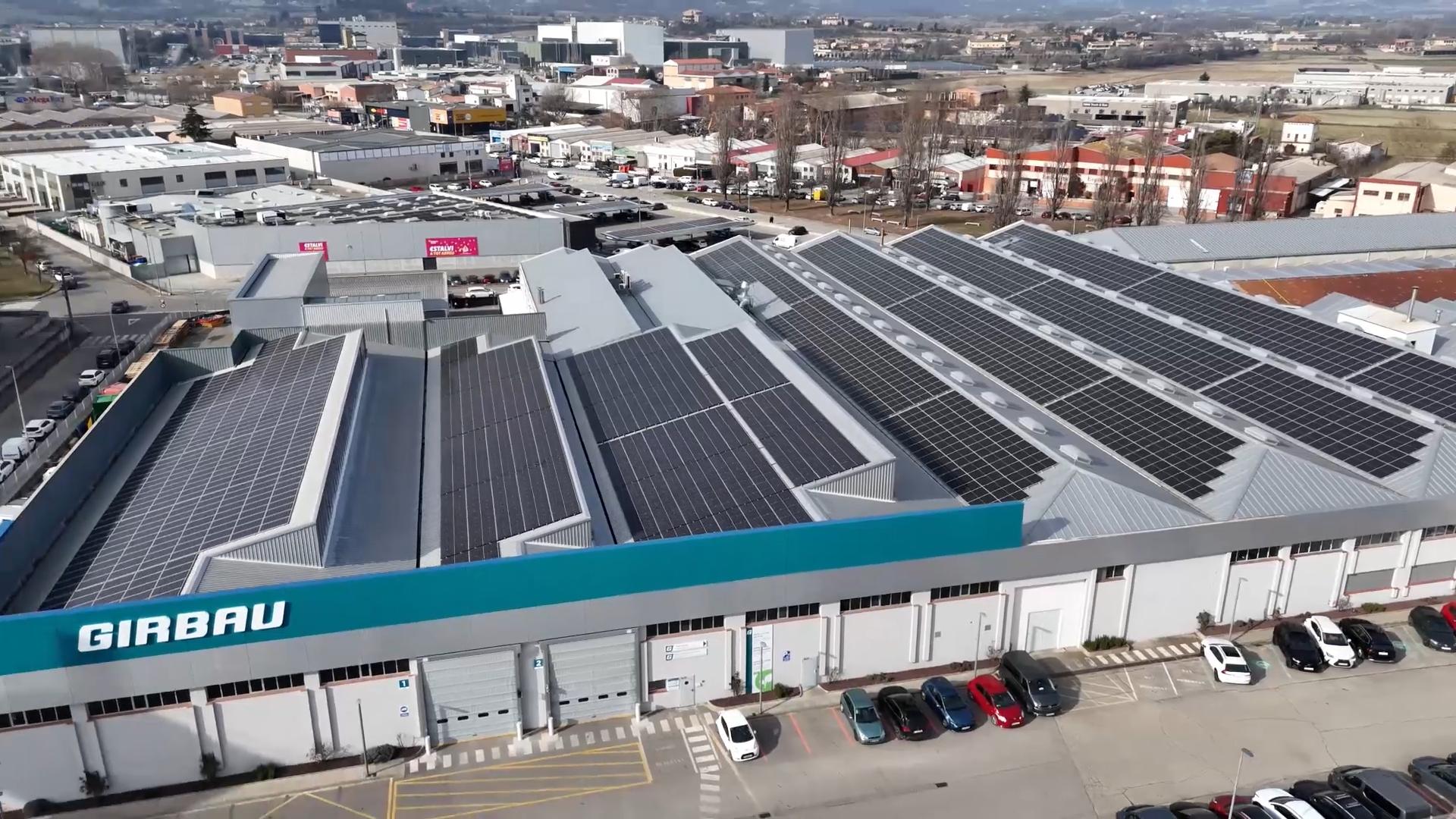
Photo (c) Girbau
21.10.2026

Girbau acquires German company Fintec

Girbau has signed an agreement to acquire 100% of FINTEC Textilpflegesysteme GmbH, a German company specialising in the development and manufacture of textile finishing, folding, sorting and internal transport systems. The acquisition will take effect on 1 January 2027.

The transaction is part of Girbau’s growth strategy and will expand its range of complete solutions for industrial laundries. Fintec’s technology, systems and expertise will increase the share of proprietary products in industrial projects and improve integration between the different stages of the laundry process. Girbau also aims to further strengthen its service to end customers with an offering that combines proximity and excellence.

“Fintec represents a major leap forward in our value proposition, vertically integrating the design, manufacture and marketing of garment solutions” says Martí Giralt, CEO of Girbau.

Girbau and Fintec have worked together for more than 20 years, and the German company’s solutions were already part of Girbau’s industrial portfolio. The transaction takes this relationship a step further and strengthens the technological and service capabilities that both companies offer the market.

Fintec will continue to operate as usual with the same team of professionals, while gaining greater capacity for growth as part of Girbau.

“This transaction enables us to ensure the continuity of the expertise and solutions developed by Fintec, while opening a new chapter with greater industrial capacity and international reach” says Claudia Pollauf, Managing Director of Fintec.

With this acquisition, Girbau reinforces its growth plan and its ability to support laundries comprehensively in their projects, with more proprietary technology and a more complete end-to-end offering.

Source:

Girbau 

Artificial turf for golf (c) Photo STC Extrusion GmbH
14.10.2026

New Specialist in Artificial Turf and Technical Monofilaments

With the foundation of STC Extrusion GmbH, headquartered in Chemnitz, Germany, a technical competence and know-how hub for the production of artificial turf and technical monofilaments has been established within the Starlinger Group.

The newly founded machine manufacturing company is part of Austria-based Starlinger Group and has taken over selected assets from the insolvent STC Spinnzwirn GmbH. STC Extrusion GmbH is a legally independent entity and does not act as the legal successor to STC Spinnzwirn GmbH. The company plans to focus on the core areas monofilament production for artificial turf and technical monofilaments made from a wide variety of polymers.

 “With the founding of STC Extrusion GmbH, we are opening a new chapter in STC’s history—with the experience, passion, and dedication to our customers that have always distinguished STC,” said Managing Director Nico Dürrschmidt. “We are convinced that with this solution, we have laid a solid foundation that will enable us to continue delivering value for our customers and partners worldwide in the future.”

In addition to production technology for artificial turf applications and technical monofilaments, STC Extrusion GmbH offers a Customer Experience Center for customer tests, raw material evaluation, research, and product and technology development. Furthermore, the company will take over and continue to provide service and spare parts for installed STC Spinnzwirn extrusion systems. This ensures that existing customers receive the technical support they need.
To leverage the established know-how in the field of winders, synergies with Georg Sahm GmbH & Co. KG—a winding technology specialist that is also part of the Starlinger Group—will be deepened to advance innovative winding technology and offer automation solutions and handling systems for bobbins. The expertise of Starlinger’s recycling division will also be incorporated into the development and implementation of environmentally friendly solutions with higher recycled content.

“With this strategical reorganization we aim to make STC Extrusion GmbH the knowledge and competence hub for artificial turf and technical monofilaments within the Starlinger network and establish it as a technology leader and brand for these specialized areas,” explains Angelika Huemer, CEO and Managing Partner of Starlinger & Co Ges.m.b.H., which holds the shares in the newly founded company. “We intend to make even better use of the synergies that arise among the companies in the Starlinger Group and to further develop and expand their individual areas of expertise.”

Source:

STC Extrusion GmbH

14.10.2026

Brazil: The Italian Textile and Textile-Machinery Sector Takes Centre Stage at Two Workshops

From 19 to 24 October 2026, Brazil will host a mission showcasing Italian excellence in the textile and textile machinery sectors, with two workshops scheduled for 20 October in the state of Santa Catarina and 22 October in São Paulo. The initiative will bring together Italian companies specialising in textile machinery, yarns, fabrics and clothing accessories, with the aim of strengthening commercial and industrial ties between the two countries and opening up new opportunities for collaboration.

Organised by the Italian Trade Agency in collaboration with ACIMIT and Confindustria Moda, the mission will comprise two stages in key areas of Brazil’s textile industry. The programme includes seminars featuring presentations by Italian companies, B2B meetings with local industry representatives and visits to local production facilities. The first stage will take place in the state of Santa Catarina, in the areas of Blumenau, Joinville and Brusque, while the second will take place in the state of São Paulo, with activities also planned in Americana and at Denim City São Paulo, a major centre of innovation and a key hub for the textile and denim industries.

The initiative aims to showcase the expertise and innovative capabilities of the entire Italian supply chain, which is internationally recognised for the high quality of its products and technologies. In particular, the Italian textile machinery industry stands out for its ability to develop advanced, customised solutions that meet the needs of a sector increasingly focused on production efficiency, sustainability and technological innovation.

Brazil is one of the most strategic markets in Latin America for Italian textile machinery manufacturers. In 2025, Italian exports of textile machinery to Brazil reached €48 million, while in the first half of 2026 they amounted to €20 million, placing Brazil tenth among the leading destination markets for Italian textile machinery. The most sought-after technologies are those related to finishing, which accounts for 57% of Italian textile machinery exports to Brazil, followed by accessories and other machinery, each representing 11%, and knitting machinery, at 10%.

“Brazil is a market of great interest to our industry, with which we have well-established commercial relations and significant prospects for collaboration,” said Marco Salvadè, President of ACIMIT. “This mission represents a concrete opportunity to strengthen dialogue between Italian companies and Brazilian operators, fostering new synergies across the entire textile supply chain. Our companies’ ability to offer innovative, flexible and sustainable technologies can make a significant contribution to modernising the local textile industry and enhancing its competitiveness. The decision to organise two workshops in different manufacturing regions of the country also demonstrates our commitment to fostering direct dialogue with Brazil’s various industrial clusters, thereby making the most of the opportunities offered by this important market.” The initiative, organised by the Italian Trade Agency and ACIMIT with the valuable support of Confindustria Moda, will bring together 22 Italian companies in total, 18 of which operate in the textile machinery sector and are listed below: Biancalani, BTSR, Color Service, Corino Macchine, DURST, Reggiani Macchine, Erhardt + Leimer, Ferraro, I.M.A., Itema, Lawer, M.C.S. Officina Meccanica, Mesdan, Monti – Mac, MSJK (MS Printing & JK Group), Pinter Caipo Italia, Salvade’, Savio Macchine Tessili.

More information:
ACIMIT Brazil Italian Trade Agency
Source:

ACIMIT 

A matrix for recycled-fiber quality Graphic: (c) Uster Technologies AG
10.09.2026

A matrix for recycled-fiber quality

Uster Technologies has introduced a structured matrix for assessing mechanically recycled fibers. The approach is intended to help spinners deal with the wider variability of recycled feedstocks and relate measured fiber properties more directly to processing decisions and intended end uses.

Mechanically recycled cotton typically shows greater variation than virgin material because fiber length is reduced and input streams differ in origin and processing history. A consistent assessment framework can therefore support bale management, blending decisions and the adjustment of spinning parameters. Uster positions the Recycled Fiber Matrix as a practical bridge between increasing recycled-content targets and reliable quality control.

This matters for circularity at industrial scale. More recycling capacity alone does not guarantee usable yarn feedstock; recycled fibers also need to enter established production systems with predictable performance. Testing and data interpretation are becoming part of the infrastructure required to move textile-to-textile recycling from availability to repeatable production.

Valmet 3D Fiber technology combines high capacity and speed, automation, and resource efficiency to produce high-quality molded fiber packaging. Photo by VALMET
Valmet 3D Fiber technology combines high capacity and speed, automation, and resource efficiency to produce high-quality molded fiber packaging.
28.08.2026

Valmet and Metsä scale 3D fibre forming to commercial production

Metsä Group has selected Valmet to supply what the companies describe as the world’s first commercial-scale production line for Valmet’s 3D Fiber technology. The line will be installed in Äänekoski and is scheduled to start up in 2028, with a nominal capacity of more than 100 million three-dimensional fibre products per year.

The process converts cellulose fibres directly into lightweight yet rigid end products. Valmet combines fibre processing, forming, automation and final packing in an integrated production chain. The technology has been co-developed with Metsä Spring since 2020 and was initially validated in a demonstration plant.

Although packaging is the primary target market, the development is relevant to the textile and fibre sector because it demonstrates how fibre-based structures and forming technologies are moving into three-dimensional industrial applications.

Source:

VALMET

Focus on rising raw material costs: At ASE, Barmag presents material-efficient pump technology for adhesive and sealant applications. Photo (c) Barmag
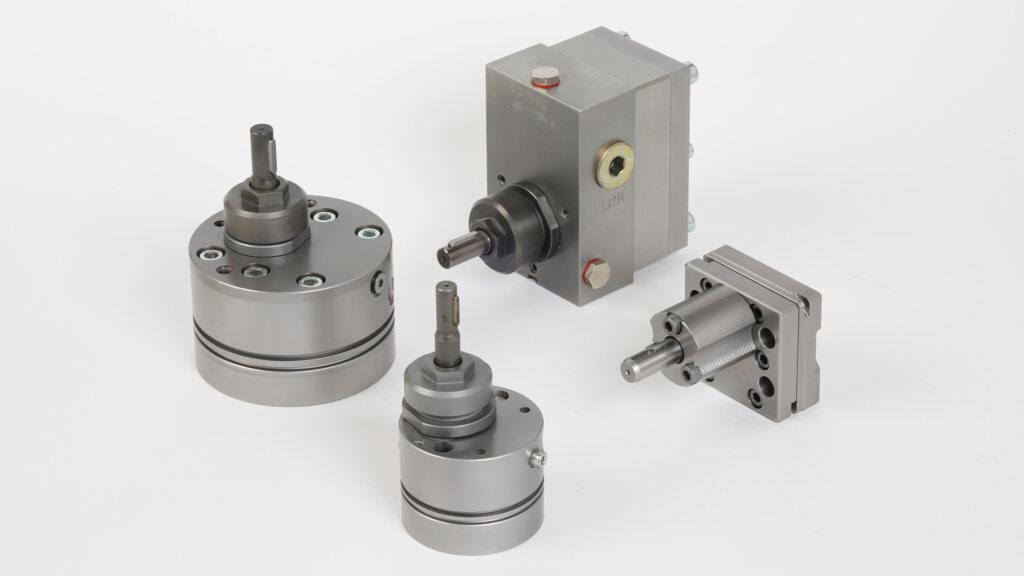
Focus on rising raw material costs: At ASE, Barmag presents material-efficient pump technology for adhesive and sealant applications.
20.08.2026

Barmag presents metering pump solutions at ASE China

Precision for Adhesives and Sealants
The demands placed on modern adhesive and sealant applications are constantly increasing. Manufacturers expect reproducible dosing results, minimal material loss, and reliable processing in increasingly demanding processes. This is precisely where Barmag’s product portfolio comes into play.

Material efficiency as a competitive advantage
At ASE China, Barmag is focusing in particular on its solutions for hot-melt adhesives, PUR systems, silicones, resins, and two-component adhesives and sealants. The pumps in the GA/GX series, in particular, enable uniform, low-pulsation delivery of these media, thereby contributing to consistently high product quality and reduced material consumption. “Rising raw material costs and increasing quality requirements make precise metering more important today than ever before. With our pumps, we help users make their processes more efficient, sustainable, and cost-effective,” explains Andreas Heitzer, Key Account Manager of the Pumps Division.

In addition, with the GA series, Barmag offers metering pump solutions for shear-sensitive media where product properties must be preserved during pumping. This is particularly important for certain reactive adhesives, silicones, or filled sealants. Gentle pumping minimizes product changes and ensures uniform material application. This increases process reliability and ensures consistently high quality of the end product.

Partner for demanding metering applications
With decades of experience in metering technology, Barmag is one of the leading suppliers of high-precision gear metering pumps for industrial applications. These solutions are used worldwide in adhesive, sealant, coating, laminating, and hot-melt systems, as well as in plastics processing. At ASE China, Barmag invites trade visitors to discuss the latest developments in metering and conveying technology and to learn about customized solutions for future adhesive and sealant applications.

More information:
ASE China Barmag pumps
Source:

Barmag

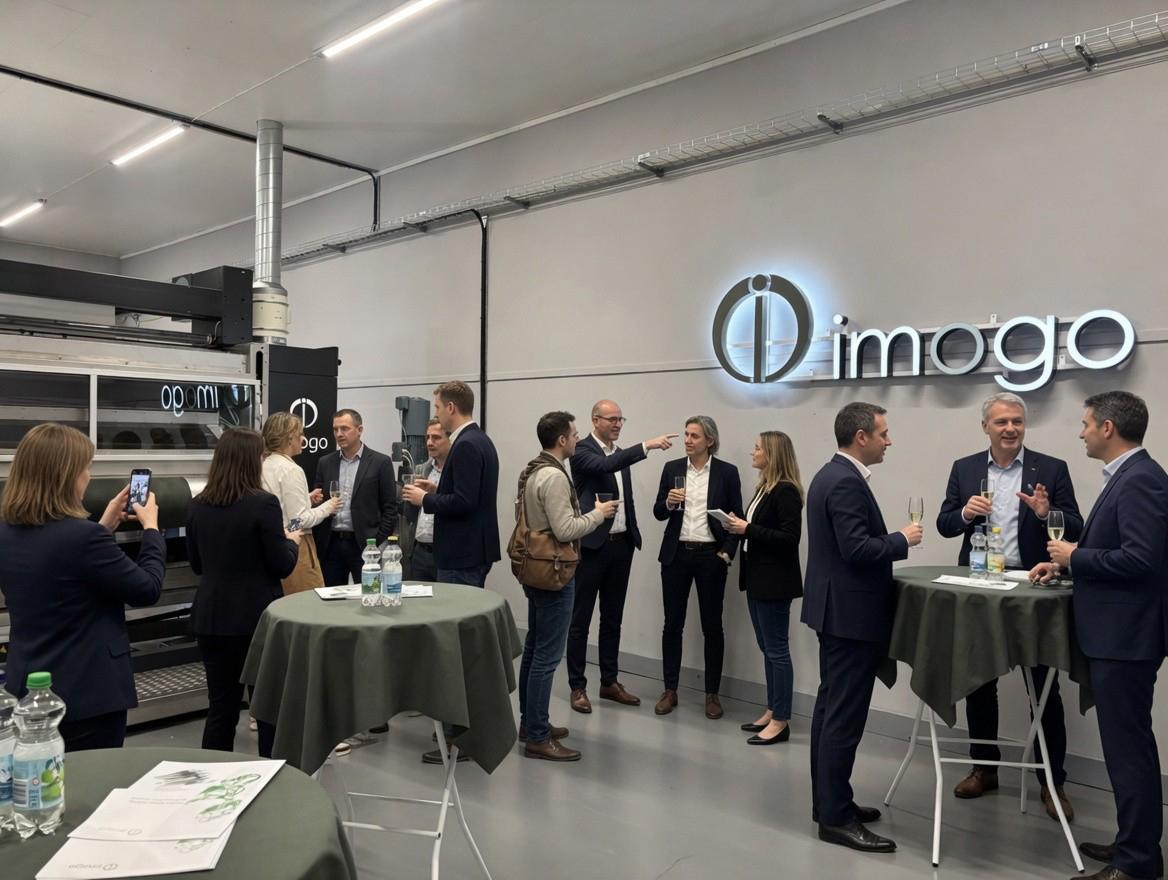
Opening of the new showroom and production hub in Kinnahult (c) AWOL Media
Opening of the new showroom and production hub in Kinnahult
18.08.2026

Imogo: New showroom and production hub

Located at the 7H Dyehouse in Kinnahult, Sweden, it represents a significant milestone in the company’s evolution, offering a fully operational environment where brands and manufacturers can experience the future of textile dyeing.

Imogo’s digital spray technology drastically reduces the use of water, energy and chemicals compared with traditional processes, while also lowering production costs.

“For early partners who have followed our journey, this opening marks the moment vision meets reality,” says CEO Joacim Wellander CEO. “While previous discussions have focused on the potential of spray dyeing, we are now fully equipped with the machinery, technical expertise, and operational experience to move projects from the lab to full-scale commercial production.”

The showroom features the latest generation of Imogo technology including both the Dye-max and Mini-max spray dyeing systems capable of handling both laboratory trials and full-scale production for fabrics up to 2.4 metres wide.

High volume production
Imogo is specialising in the coloration of natural fibres for both knitted and woven constructions, with chemistry optimised for the high-performance application of reactive dyes. The Dye-max line enables commercial high volume production, with a capacity of 1.5 metric tons per day.

“We are thrilled to welcome our early contacts and new partners to Kinnahult,” says Wellander at Imogo. “We’ve spent the last few years refining our process and our hardware and today, we aren’t just showing a concept but delivering a proven, high-capacity solution that helps the textile industry meet its urgent sustainability goals without compromising on quality or scale.”

“Imogo’s new showroom marks the third major new expansion from TMAS member in the past 12 months,” says TMAS Secretary General Therese Premler-Andersson. “It follows ACG’s expansion at its headquarters in Skene for advanced automation services, and the etsblishment of ReSpin’s new Holma Spinning Mill in Forsa. All three of these new facilties will play cricial role sin shaping the future of textile production technology through digital technologies with a sustainable future at their core.”

The imogo showroom is now open for bookings and the company is inviting industry stakeholders to witness the Dye-max technology in action, conduct trial runs on their own fabrics, and discuss how to integrate its efficiencies into their existing supply chains.”

Source:

AWOL Media