From the Sector

Reset
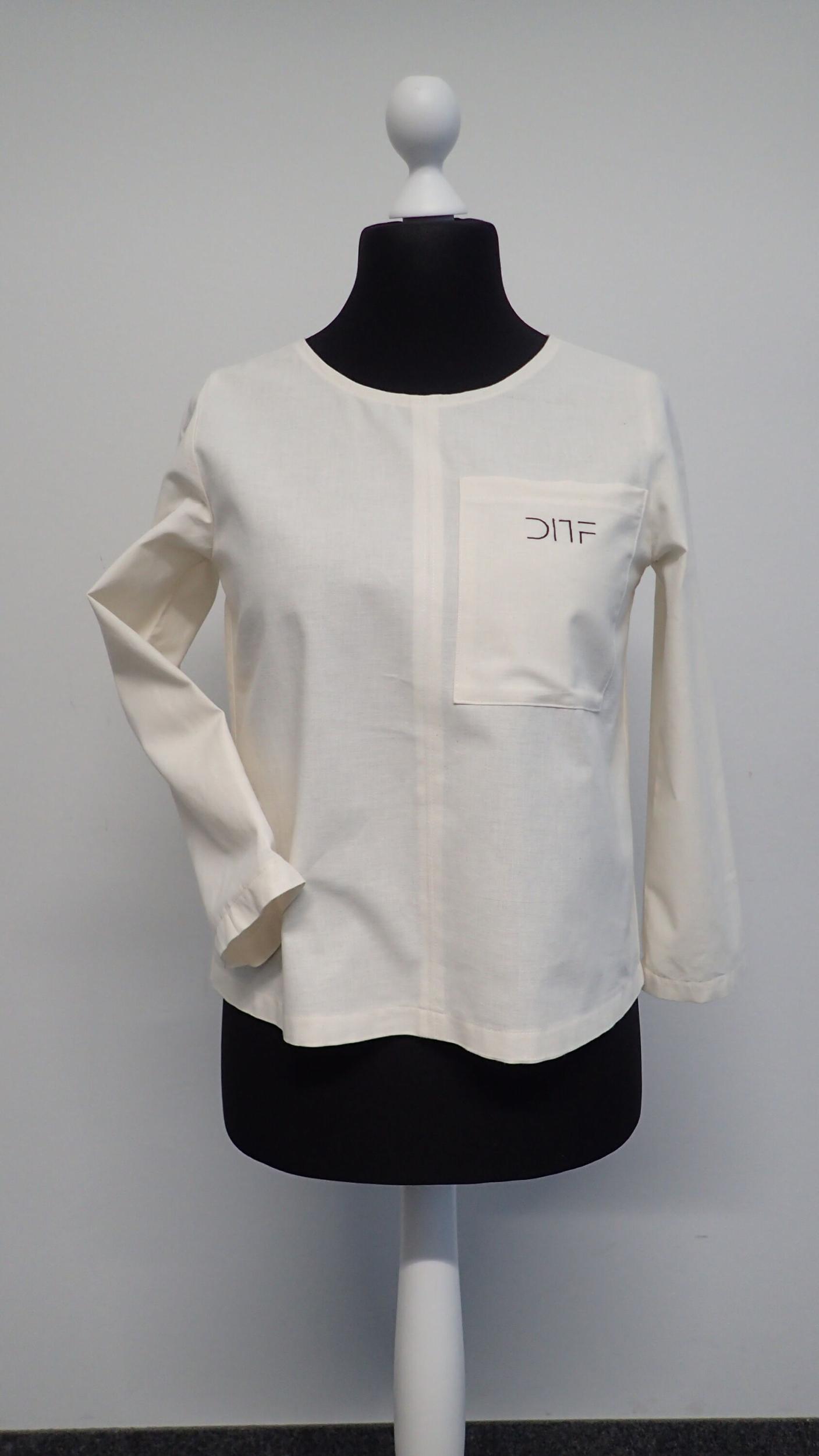
Demonstration blouse made of recycled cotton, recycled yarn count Nm 50, weight 140 g/m² (Module A). Photo Deutsche Institute für Textil- und Faserforschung Denkendorf

Demonstration blouse made of recycled cotton, recycled yarn count Nm 50, weight 140 g/m² (Module A).
25.11.2026

DITF Research Center Cyclotexum promotes the Circular Economy in the Textile Industry

As part of the CYCLOTEXUM research project, the German Institutes of Textile and Fiber Research Denkendorf (DITF) established the CYCLOTEXUM recycling center. There, in collaboration with industry partners, the center develops application-oriented solutions for mechanical and solvent-based recycling processes. The technologies developed make a significant contribution along the textile value chain toward the efficient use of textile resources in the future and the transition of production in the German textile sector to a circular economy. The project was funded by the Ministry for the Environment, Climate and Energy Sector of the State of Baden-Württemberg.

As part of the CYCLOTEXUM research project, the German Institutes of Textile and Fiber Research Denkendorf (DITF) established the CYCLOTEXUM recycling center. There, in collaboration with industry partners, the center develops application-oriented solutions for mechanical and solvent-based recycling processes. The technologies developed make a significant contribution along the textile value chain toward the efficient use of textile resources in the future and the transition of production in the German textile sector to a circular economy. The project was funded by the Ministry for the Environment, Climate and Energy Sector of the State of Baden-Württemberg.

Over the course of seven and a half months, two modules were worked on in parallel as part of the CYCLOTEXUM research project: In Module A (mechanical recycling), fiber data for mechanically torn secondary raw materials were determined, and a processing strategy was developed that enables the estimation of industrial processes based on small laboratory-scale quantities. Using the process chain set up at the DITF, production waste was exemplarily processed into a woven blouse made from 100 percent recycled fibers. The spinning mill models for material flow and cost accounting developed in the project enable a technical, economic, and ecological evaluation of the recycled yarns and textile fabrics.

The studies show that high-quality yarns can be produced from high-quality recycled fibers that have been tested for their properties. The production costs are not higher than when using primary raw materials. The major advantage is that the use of recycled fibers reduces CO₂ emissions.

In contrast, low-quality recycled fibers result in yarns of inadequate quality, high waste rates, frequent process disruptions, and increased staffing requirements in production, making them less efficient. This leads to high costs and a negative carbon footprint.

This work forms the basis for advising the industry on the technical, economic, and environmental evaluation of recycled yarns.

Module B investigated the solvent-based recycling of flame-retardant poly(ethylene terephthalate) (PET). The solvents sulfolane and γ-valerolactone (GVL) proved suitable for primary materials, production waste, and end-consumer waste alike: the flame retardant could be completely separated from the base polymer.

In addition, filtration systems were developed on a laboratory and pilot scale, and it was demonstrated that the systems are also effective for post-consumer waste on the scale of a 5-liter reactor using GVL.

The laboratory and pilot-scale facilities developed in Module B expand the scope of filtration-based recycling processes, for example, for PET-cotton blends or for the separation of elastane. This provides capacity for further research and industrial projects.

The methods, models, and technical facilities developed in the CYCLOTEXUM project are transferable to many applications in the apparel, home textiles, nonwovens, and technical textiles industries. The solvent-based recycling and filtration capacities can also be used for blended textiles, such as PET-cotton blends, as well as for the separation of elastane or other polymers. It is possible to apply these methods to polymer-based waste streams from other sectors, such as the automotive, construction, medical, and plastics industries. The newly established CYCLOTEXUM recycling center at the DITF serves as an interface between research and industry, thereby ensuring the transfer of results.

The CYCLOTEXUM project was funded by state funds approved by the Baden-Württemberg State Parliament.

Source:

Deutsche Institute für Textil- und Faserforschung Denkendorf 

25.11.2026

Inspectors find non-compliance in products sold online

ECHA’s Enforcement Forum found that many products sold online did not comply with EU chemicals legislation. The most common issues were missing hazard information in online offers and the presence of restricted hazardous substances above the permitted limits in products.

Inspectors in 27 European Economic Area (EEA) countries checked 5,281 products sold online in the EEA as part of the REACH-EN-FORCE-13 enforcement project. The checks covered substances, mixtures and articles sold through online platforms and web shops. Inspectors checked whether the products complied with EU chemicals legislation, such as Classification, Labelling and Packaging (CLP) Regulation rules on the provision of hazard information online and on labels and restrictions for hazardous substances under EU's chemical regulation REACH and Persistent Organic Pollutants (POPs) Regulation.

The project found that 61 % of the products or online offers checked did not comply with at least one of the requirements inspected. The checks were risk-based and targeted products where non-compliance was likely, so the results do not necessarily reflect the overall level of compliance of all products sold online in the EEA.

CLP hazard information often missing
Inspectors found that from the 2 206 substances and mixtures checked for the obligation to provide hazard information in online advertisements, 62 % did not include the required hazard information.

Restricted hazardous substances in products
Inspectors checked 3 126 products with hazardous substances subject to REACH restrictions for compliance and found that 56 % were non-compliant, with mixtures containing the restricted substance accounting for most cases.

The highest non-compliance rate concerned restricted substances that are carcinogenic, mutagenic or toxic to reproduction in products intended for the general public, mainly because of the presence of lead and borates. High rates of non-compliance were also found for restrictions covering hazardous substances in lamp oils, perfluoroalkyl carboxylic acids (PFAS) and phthalates, among others. As in previous projects, jewellery was also found to contain cadmium, nickel and lead above their permitted limits.

Inspections under the POPs Regulation found that 14 % of checked products were non-compliant. This was mainly due to restricted substances, including short-chain chlorinated paraffins and perfluorooctanoic acid (PFOA), being present above the permitted limits.

Non-compliance was more commonly found in products sold via online platforms, than in products sold via web shops. Inspectors also found that non-compliance was more common among traders based outside the EEA who sold through online platforms, and in products manufactured outside the EEA, particularly for articles.

Enforcement measures and recommendations
National enforcement authorities took enforcement measures where non-compliance was detected to ensure products or offers complied.

The Forum makes recommendations for online traders, online platforms and other actors to help improve the compliance of products sold online. It recommends that online platforms strengthen measures to reduce the availability of non-compliant products, for example by withdrawing offers and preventing them from reappearing. The project’s findings also indicate which product categories have a higher risk of non-compliance.
 

Source:

ECHA is the EU’s chemicals agency responsible for implementing EU chemical regulations. We protect health and the environment through our work for chemical safety.

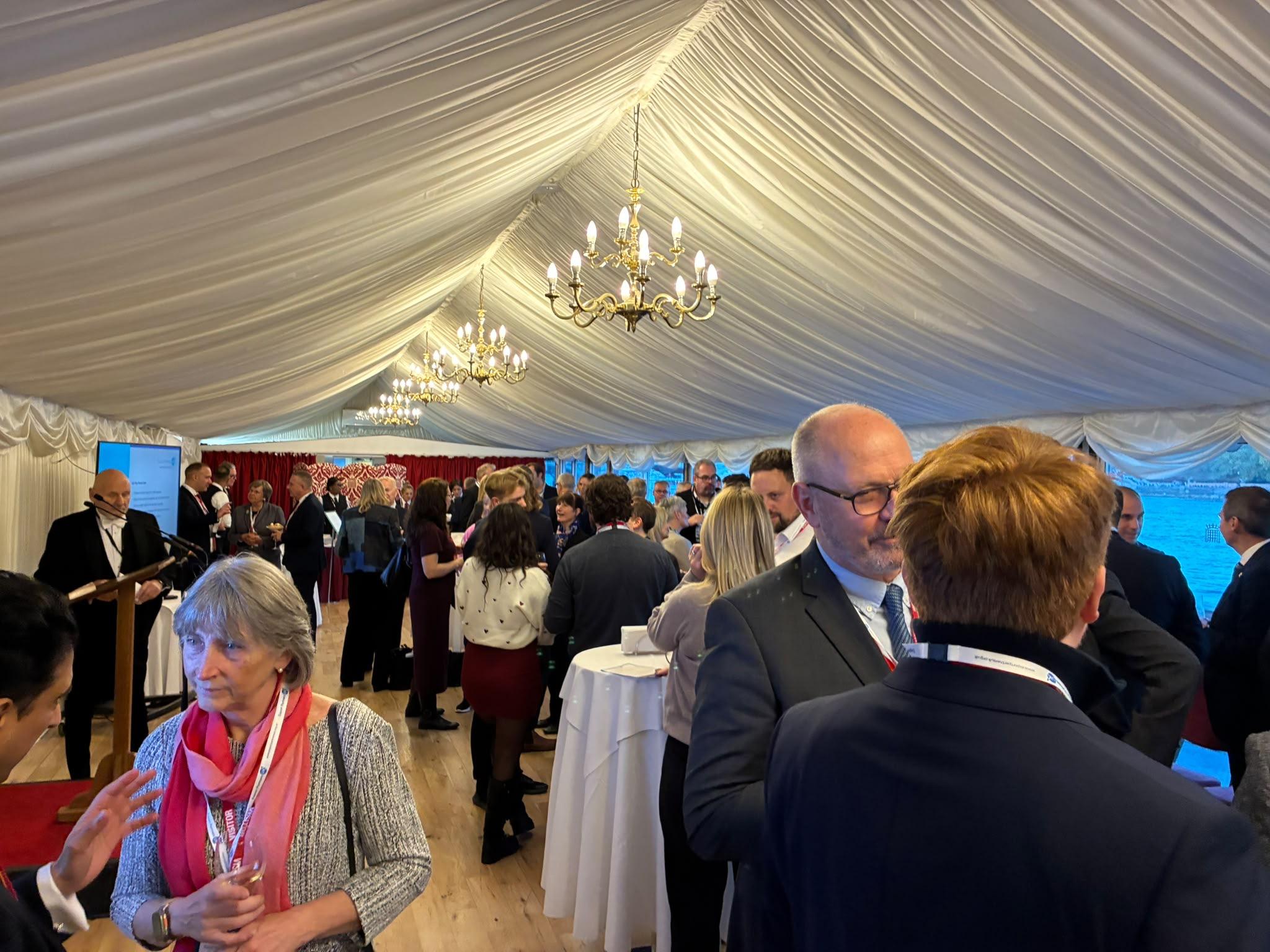
Photo: (c) UK Fashion & Textile Association UKFT
18.11.2026

UKFT seeks export grants and stronger overseas business networks

The UK Fashion & Textile Association is asking the British government to restore direct support for exporters, particularly small businesses and emerging brands. In evidence submitted to a House of Commons committee, UKFT identifies customs costs, VAT that businesses cannot recover, regulatory complexity and high domestic manufacturing costs as obstacles to international sales.

The association wants financial assistance for participation in overseas trade fairs, stronger commercial expertise in embassies and consulates, and better access to buyers and agents. It argues that trade promotion and new agreements need practical support if companies are to turn market opportunities into orders.

UKFT also calls for changes to the operation of trade agreements, including rules of origin and the treatment of import VAT. Its concerns include British brands that manufacture collections outside the UK and face additional barriers when selling into the EU.

The campaign is supported by Export Partners UK, chaired by UKFT’s Paul Alger. The organisation brings together more than 30 trade associations. Its members represent over 7,000 companies and organise trade-fair participation, market visits and other export activities. It is calling for grants and better-resourced embassy and consulate teams to help smaller firms compete internationally.

18.11.2026

Etteplan’s Defence Competence Centre: Defence industry hub employing several hundred people

Etteplan’s Defence Competence Centre, established in June to serve the defence industry, has started operations. The competence centre currently serves Patria’s Protected Mobility business area, but the intention is to expand its operations to other defence customers and to build it into a defence industry hub employing several hundred people.

In June, Etteplan and Patria announced that they would significantly deepen their collaboration in vehicle engineering. To support this, Etteplan established a competence centre focused on the defence industry, which initially brings together and expands Etteplan’s specialist expertise in vehicle engineering. AI-driven productized service solutions from Etteplan are used in the engineering and documentation of the vehicles, helping to manage and streamline the work. Later, the intention is to extend the competence centre’s operations to other services and customers as well.

The competence centre has launched its first engineering projects over the summer and fall. It has already recruited experienced defence professionals to key positions, including chief engineers and department managers. Design engineers and product information specialists have also joined the team. The competence centre is continuously recruiting more professionals, including chief vehicle engineers, electrical engineers, integrated logistics support (ILS) specialists and systems engineers.

“The importance of the defence industry has grown rapidly, and demand for engineering expertise in the sector is higher than ever. It is great to be building this as Patria’s partner. Etteplan has strong capabilities in vehicle and special vehicle engineering, and we are now complementing them with more and more in-depth defence experience. We want to be an engineering partner to the defence industry that offers both solid expertise and capacity,” says Juha Näkki, Etteplan’s CEO.

The defence industry has become a significant sector for Etteplan, currently accounting for approximately 9% of the company’s revenue. Etteplan has defence industry customers in all of its European operating countries.

Source:

Etteplan

17.11.2026

EURATEX and 3 Egyptian textile associations sign Memorandum of Understanding

The European Apparel and Textile Confederation (EURATEX) has signed a Memorandum of Understanding (MoU) with three leading Egyptian industry organisations: the Apparel Export Council of Egypt (AEC), the Textile Export Council of Egypt (TEC) and the Egyptian Exporters Association (EXPOLINK). 

The agreement was signed in Cairo during Destination Africa 2026, one of the region's major textile and apparel trade events, in the presence of EURATEX President Mario Jorge Machado and representatives of the Egyptian textile industry. 

The MoU marks an important step towards strengthening cooperation between the European and Egyptian textile and clothing sectors, with a shared objective of improving competitiveness, facilitating investment and developing more resilient and sustainable value chains. 

Under the agreement, the four organisations will work together on several priorities, including: 

  • Sustainability and regulatory cooperation: supporting Egyptian manufacturers in understanding and complying with European legislation, including requirements on circularity, waste management and Digital Product Passports. 
  • Industrial transformation: promoting sustainable production practices and advocating for an Industrial Greening Fund to support the sector's green transition. 
  • Trade and investment: facilitating business-to-business contacts, encouraging partnerships between European and Egyptian manufacturers and addressing customs-related challenges. 
  • Innovation and skills: exchanging industrial expertise, developing training initiatives and exploring joint participation in European projects. 

To ensure concrete follow-up, the agreement establishes a Joint Committee on Textiles and Clothing, which will meet at least twice a year to identify common priorities, develop projects and monitor cooperation. 

The partnership also reflects a broader ambition to reinforce economic relations across the Euro-Mediterranean region. With increasingly interconnected supply chains and growing demand for sustainable production, closer industrial cooperation can help European and Mediterranean manufacturers respond to common challenges while creating new business opportunities. 

Mario Jorge Machado, President of EURATEX, commented: 
"Egypt is an increasingly important partner for the European textile and clothing industry. At a time when our companies face increased global competition and pressure to transform their production models, strengthening cooperation with our Mediterranean neighbours is a strategic priority. This agreement is about creating concrete opportunities for businesses on both sides, supporting investment and building a more competitive and sustainable Euro-Mediterranean textile value chain."

The new six-chamber MONTEX stenter line is 100% electrically powered. AWOL
The new six-chamber MONTEX stenter line is 100% electrically powered.
10.11.2026

AEI reaps the benefits of all-electric new Monforts range

The impact of the rising cost of energy on the textile industry has been well documented, with some European countries paying up to seven times more to run their manufacturing operations than in other regions of the world.

In France, however, powering plants with electricity offers particular advantages, since the national energy system is already structured around low-carbon generation. With a large share of electricity produced from nuclear power alongside growing renewable capacity, French industry can also operate with a significantly lower emissions profile than in many other countries. 

Seeking to benefit as much as possible from this situation, AEI – Ateliers d’Ennoblissement d’Irigny – has recently installed a new six-chamber MONTEX stenter line from Monforts which is 100% electrically powered. 

Bespoke configuration
With a working width of 3.2 metres, the new MONTEX line has a bespoke configuration with extended inlet arms, enabling the processing of fabrics in widths from 70 centimetres and weights ranging from 15 to 1,000gsm. It replaces a machine originally installed in the 1980s and represents a significant step forward in both efficiency and sustainability.

In addition to being fully electrically heated, the new stenter is equipped with an integrated heat recovery system, forming part of a long-term energy efficiency plan that has also included the installation of an electric transformer to replace the previously gas-powered system.

“We continue to monitor our consumption through targeted management and this new MONTEX stenter will significantly reduce our carbon emissions thanks to 100% electric power and the energy recovery system,” says general manager Céline de Montigny. “In addition, it allows for safe operation for our operators, with carefully designed ergonomics to minimise handling strain, while ensuring more consistent quality in chemical and mechanical finishes across our wide range of textiles.”