
From the Sector

Reset
Knitted sports belt for postnatal strengthening of the deep abdominal and pelvic floor muscles Copyright: STFI/Weißensee KHB
Knitted sports belt for postnatal strengthening of the deep abdominal and pelvic floor muscles
26.02.2026

Techtextil 2026: STFI presents concepts for the textile circular economy

Sächsisches Textilforschungsinstitut e.V. (STFI) has been supporting companies in developing marketable innovations for over 30 years. With a clear focus on sustainability, the environment, health and protection, the STFI offers future-oriented research, textile testing for tailor-made solutions and certification of personal protective equipment. At Techtextil 2026, the institute will present ideas for the textile circular economy and showcase solutions for healthy and safe living.  

Sächsisches Textilforschungsinstitut e.V. (STFI) has been supporting companies in developing marketable innovations for over 30 years. With a clear focus on sustainability, the environment, health and protection, the STFI offers future-oriented research, textile testing for tailor-made solutions and certification of personal protective equipment. At Techtextil 2026, the institute will present ideas for the textile circular economy and showcase solutions for healthy and safe living.  

Highlights at Techtextil 2026: 
Sound booth – an oasis of calm amid the hustle and bustle of the trade fair 

Chemical recycling of mixed textile fractions produces textile residues that are currently not used as raw materials but are thermally recycled or disposed of. To enable further recycling, STFI is working with Refresh Global to investigate efficient treatment and processing methods for reusing these textile residues. These can be used in sound-absorbing design products, such as acoustic walls or furniture. Nonwoven forming processes are particularly suitable for processing these textile residues. At STFI, the recyclates are mechanically processed on pilot plants on a laboratory or semi-industrial scale before being laid into a non-woven fabric and consolidated. Through appropriate finishing, a visually matching top layer can also be integrated directly onto the nonwoven fabric. The finished nonwoven fabrics are processed into sound-absorbing design products by the project's industrial partner. 
 
Sports belt based on modulated medium frequencies for mobile applications for postnatal muscle building of the deep abdominal and pelvic floor muscles 
A team of companies and research institutions has developed a novel smart textile for stimulating and strengthening the deep abdominal and pelvic floor muscles using modulated medium frequencies (EMA), specifically for mobile use during and after childbirth. To this end, a textile belt was designed using knitting technology that covers the abdomen, thighs and buttocks and integrates electrodes at the relevant muscle zones. The electrodes are washable and fixed in the belt system, and the belt adapts to the user's decreasing body circumference thanks to its textile construction. The miniaturised, battery-powered control unit is attached to the belt and can be operated via a removable remote control. The system is easy to put on, comfortable, intuitive to use and does not restrict freedom of movement. This makes it particularly suitable for home use and everyday postnatal recovery.  
 
Protective trousers protect against stab and cut injuries and attacks by wild boar. 
In forestry and hunting in particular, workers are exposed to high risks of impact injuries resulting from attacks by wild boar. Conventional protective clothing often only offers protection against stab or cut injuries. The STFI has therefore developed a textile concept that adds impact protection to the existing level of protection, thus increasing the overall protection of users in practical working environments. In  tests, the impact of a blow was reduced by up to 20 per cent. We present an example of trousers in which the special impact protection fabric has been incorporated. Depending on requirements, the impact protection elements can also be designed to be recyclable. Specially woven hinges also increase the comfort of the work trousers.  

MC4 – Optimising recycling cycles for carbon and glass fibre composites 
High-performance fibre materials made of carbon and glass have a significant ecological footprint, and not just because of their energy-intensive production. High waste volumes in the manufacturing process and the reuse of raw materials at the end of the product life cycle offer enormous recycling potential for the future. MC4 (Multi-level Circular Process Chain for Carbon and Glass Fibre Composites) is a European project to promote circular approaches for carbon and glass fibre composites. These materials are indispensable in many technical applications due to their light weight and high mechanical properties. The project consortium is working until March 2025 to make the European value chains for carbon and glass fibres more ecologically and economically efficient and will present the development work carried out at the STFI stand as well as at its own stand and show what is technically feasible using selected demonstrators. 

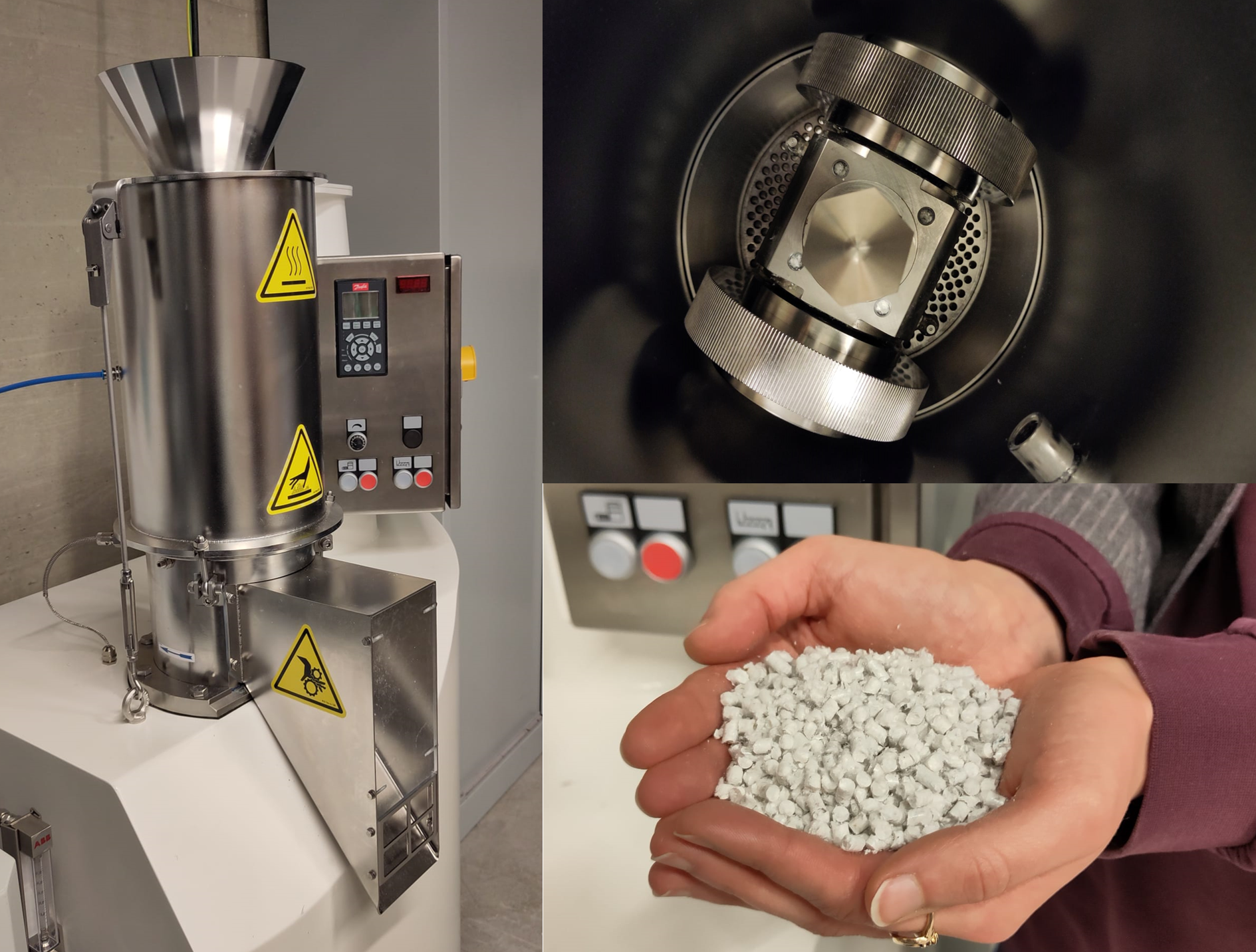
(c) Institut für Textiltechnik (ITA) der RWTH Aachen University
26.02.2026

ITA: Pellet press enables thermomechanical textile recycling

Since the end of 2025, the technical centre of the Institut für Textiltechnik (ITA) of RWTH Aachen University has been equipped with a pellet press from the manufacturer Amandus Kahl GmbH & Co. KG, Reinbek, Germany. This press can efficiently compact shredded synthetic textiles at a throughput of up to 25 kg/h and process them into pellets with a diameter of 4 mm.

The produced pellets are characterised by a homogeneous geometry, defined bulk density and suitable flowability. This enables reliable dosing and continuous feeding into an extruder. In this way, the process-related prerequisite for thermomechanical textile recycling on a pilot scale at the ITA is established.

Current research at the institute includes the thermomechanical recycling of cleaning textiles made from polylactide (PLA). The pellet press was procured as part of the RePLAy research project. The Federal Ministry of Research, Technology and Space is funding the project as part of the BIOTEXFUTURE innovation space. 

Since the end of 2025, the technical centre of the Institut für Textiltechnik (ITA) of RWTH Aachen University has been equipped with a pellet press from the manufacturer Amandus Kahl GmbH & Co. KG, Reinbek, Germany. This press can efficiently compact shredded synthetic textiles at a throughput of up to 25 kg/h and process them into pellets with a diameter of 4 mm.

The produced pellets are characterised by a homogeneous geometry, defined bulk density and suitable flowability. This enables reliable dosing and continuous feeding into an extruder. In this way, the process-related prerequisite for thermomechanical textile recycling on a pilot scale at the ITA is established.

Current research at the institute includes the thermomechanical recycling of cleaning textiles made from polylactide (PLA). The pellet press was procured as part of the RePLAy research project. The Federal Ministry of Research, Technology and Space is funding the project as part of the BIOTEXFUTURE innovation space. 

Stratasys Earns EcoVadis Gold Medal for Sustainability Graphic via Stratasys
26.02.2026

Stratasys Earns EcoVadis Gold Medal for Sustainability

Stratasys Ltd. has earned a Gold Medal from EcoVadis for sustainability, placing the company in the top 5% of 150,000 organizations evaluated globally, improving its status from last year’s Silver rating. Being at the highest level of ESG performance helps strengthen our value proposition to customers and their sustainable goals.

EcoVadis is a leading provider of business sustainability ratings, evaluating companies across four key areas: environment, labor and human rights, ethics, and sustainable procurement.

“Through our Mindful Manufacturing™ commitment, we’re building the evidence-based, data-driven responsible business practices that our customers and strategic stakeholders increasingly expect from a future-ready manufacturing partner,” said Rosa Coblens, Vice President, Sustainability and Communications, Stratasys. “Earning the EcoVadis Gold Medal and ranking in the top 5% globally is an important recognition of the hard and dedicated work our global teams have done to strengthen sustainability infrastructures across the company.”

Stratasys Ltd. has earned a Gold Medal from EcoVadis for sustainability, placing the company in the top 5% of 150,000 organizations evaluated globally, improving its status from last year’s Silver rating. Being at the highest level of ESG performance helps strengthen our value proposition to customers and their sustainable goals.

EcoVadis is a leading provider of business sustainability ratings, evaluating companies across four key areas: environment, labor and human rights, ethics, and sustainable procurement.

“Through our Mindful Manufacturing™ commitment, we’re building the evidence-based, data-driven responsible business practices that our customers and strategic stakeholders increasingly expect from a future-ready manufacturing partner,” said Rosa Coblens, Vice President, Sustainability and Communications, Stratasys. “Earning the EcoVadis Gold Medal and ranking in the top 5% globally is an important recognition of the hard and dedicated work our global teams have done to strengthen sustainability infrastructures across the company.”

Stratasys’ improved rating reflects sustainability excellence, maturity of management systems, and continued progress across enterprise sustainability practices, including reporting emissions across the value chain (Scope 3), increased supplier engagement on ESG, ongoing research on product environmental impacts through Life Cycle Analyses (LCAs), and third party limited assurance processes for carbon reporting.
As a leading 3D printing business partner for future-ready manufacturing enterprises, Stratasys helps customers scale production of parts while supporting more efficient, optimized, and responsible manufacturing.

More information:
Stratasys EcoVadis gold medal
Source:

Stratasys 

Graphic by EDANA
26.02.2026

EDANA warns of consequences of misclassification of PET spunbond imports

EDANA would like to remind its members and industry stakeholders of the legal requirement to comply with the EU rules on customs classification when importing non-wovens from third countries outside the EU. In this regard, it was recently discovered that there appears to be a high level of customs misclassification occurring in the nonwoven’s industry. This could have dangerous and costly consequences for importers. 

Following repeated requests by its members, EDANA worked closely with the European Union and the World Customs Organisation to introduce in 2024 specific customs codes CN code 5603 14 20 and 5603 9420 in order to better monitor imports of certain PET spunbond and staple fibre products. Based on market intelligence, EDANA knows that third country imports of the respective products were in the range of 15,000 to 30,000 MT in 2024 and 2025. However, actual import volumes recorded under the specifically created CN codes were significantly lower. 

EDANA would like to remind its members and industry stakeholders of the legal requirement to comply with the EU rules on customs classification when importing non-wovens from third countries outside the EU. In this regard, it was recently discovered that there appears to be a high level of customs misclassification occurring in the nonwoven’s industry. This could have dangerous and costly consequences for importers. 

Following repeated requests by its members, EDANA worked closely with the European Union and the World Customs Organisation to introduce in 2024 specific customs codes CN code 5603 14 20 and 5603 9420 in order to better monitor imports of certain PET spunbond and staple fibre products. Based on market intelligence, EDANA knows that third country imports of the respective products were in the range of 15,000 to 30,000 MT in 2024 and 2025. However, actual import volumes recorded under the specifically created CN codes were significantly lower. 

“There is a clear mismatch between import volumes observed in the market and what is reported under the correct customs codes. Often, importers continue to use outdated customs codes as a matter of habit not paying due attention to changes of the Combined Nomenclature”, says Jacques Prigneaux from EDANA. “However, this is problematic, especially where certain products are subject to investigations by the EU authorities.” 

EDANA has therefore actively commenced an outreach initiative to raise awareness among its members. They have also contacted the European Commission and the national customs authorities of the EU member states to ask the authorities to enhance import checks. 

Incorrect customs classification not only makes EDANA’s work more difficult to monitor import flows and protect the interests of its members. It can also have severe negative legal consequences for importers. Customs authorities penalize misclassifications with additional duties, administrative fines and even criminal penalties. “To avoid such unpleasant surprises, we recommend that all members and their supply chain regularly review and update their customs classification databases and also instruct their customs agents accordingly” adds Mr Prigneaux. 

Awareness and compliance are in particular important where imports are under enhanced customs control (such as in the framework of import registration during an anti-dumping investigation) or subject to special trade or regulatory regimes (such as duty-free or reduced duty imports from countries with which the EU has special trade arrangements). 

A list of preferential trade regimes can be found on the website of the European Commission (here) and the Access2Markets webpage contains product-specific information for imports of goods into the EU (here). Also, presently, certain PET spunbond from China is subject to an EU anti-dumping investigation and imports were made subject to registration in December 2025 (see here for further information). The exact definition of the product subject to the investigation is: ‘non-woven needle-punched sheets of polyester filaments, whether or not reinforced by glass fibres, weighing more than 70 g/m², of a thickness exceeding 0.5 mm but not exceeding 1.8 mm, impregnated with one or more binders, containing less than 30% of glass fibres by weight, not coated or covered’. All imports of these products must be classified under TARIC code 5603 1390 70, CN code 5603 14 20 or TARIC code 5603 1480 70.

Source:

EDANA

26.02.2026

Minna Rouru (CPCO) leaves Suominen

Suominen Chief People and Communications Officer (CPCO) Minna Rouru has announced her decision to leave Suominen to take on a role in another company. She will leave Suominen at the latest on August 26, 2026. The CPCO succession process has been initiated and will be announced in due course.

“I would like to warmly thank Minna for her significant contribution to Suominen’s transformation. Her expertise, commitment, and positive mindset have been instrumental in advancing our cultural change and strengthening our organization. I wish Minna all success in her next professional projects,” says Charles Héaulmé, President and CEO of Suominen.

Suominen Chief People and Communications Officer (CPCO) Minna Rouru has announced her decision to leave Suominen to take on a role in another company. She will leave Suominen at the latest on August 26, 2026. The CPCO succession process has been initiated and will be announced in due course.

“I would like to warmly thank Minna for her significant contribution to Suominen’s transformation. Her expertise, commitment, and positive mindset have been instrumental in advancing our cultural change and strengthening our organization. I wish Minna all success in her next professional projects,” says Charles Héaulmé, President and CEO of Suominen.

Source:

Suominen Corporation

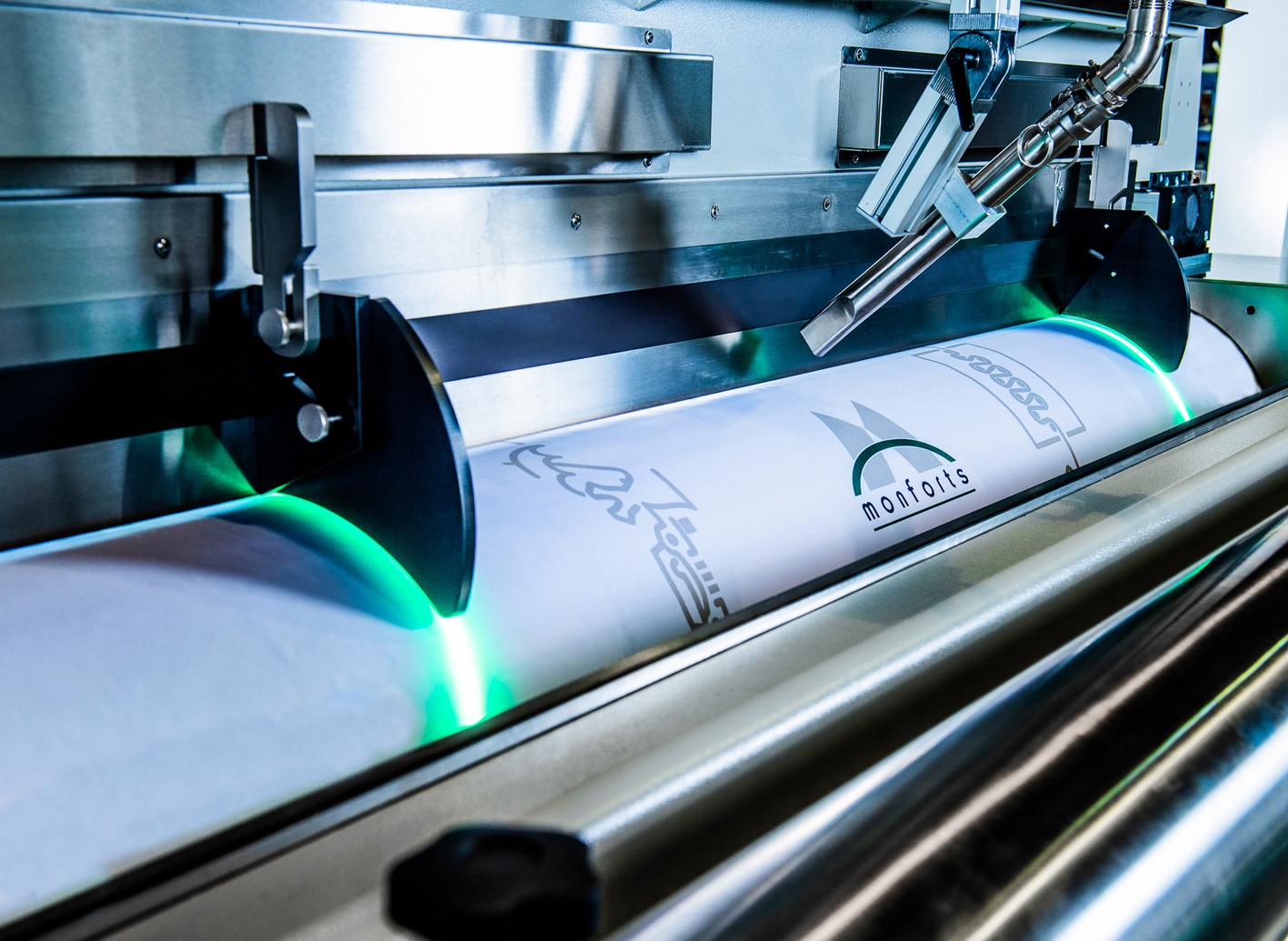
The MontexCoat coater serves a very diverse number of markets. Photo Monforts Textilmaschinen GmbH
The MontexCoat coater serves a very diverse number of markets.
24.02.2026

Monforts with coating solutions at Techtextil 2026

Over the past few years Monforts has significantly advanced its technologies for coating, with the successive introductions of the MontexCoat, coaTTex and VertiDry systems combining flexibility, precision and energy efficiency for the technical textiles market.

Monforts experts will be on hand at the forthcoming Techtextil 2026 in Frankfurt from April 21-24, to discuss the virtually endless possibilities these advanced coating and drying technologies open up for adding functionality and performance to textile substrates.

Applications
In outdoor and architectural textiles, for example, typical coated products include tents, awnings, sailcloth and blackout blinds, with coating providing the desired combinations of water resistance, dimensional stability, opacity or weather durability. 

Over the past few years Monforts has significantly advanced its technologies for coating, with the successive introductions of the MontexCoat, coaTTex and VertiDry systems combining flexibility, precision and energy efficiency for the technical textiles market.

Monforts experts will be on hand at the forthcoming Techtextil 2026 in Frankfurt from April 21-24, to discuss the virtually endless possibilities these advanced coating and drying technologies open up for adding functionality and performance to textile substrates.

Applications
In outdoor and architectural textiles, for example, typical coated products include tents, awnings, sailcloth and blackout blinds, with coating providing the desired combinations of water resistance, dimensional stability, opacity or weather durability. 

A second major field is in transport interiors, particularly automotive upholstery and interior fabrics, with coatings having a positive influence on parameters including abrasion resistance, tactile feel, stain behaviour and long-term durability. Automotive suppliers also demand absolute reproducibility across batches, which Monforts addresses through digitally-stored coating recipes that can be reloaded for identical results every time.

Beyond consumer-visible products, a large share of applications are in industrial applications, with Monforts coating ranges processing materials such as high-temperature filter media, flame-retardant barrier fabrics and heavy membranes for biogas storage systems. The technology is also used for carbon fibre prepregs and composite reinforcement fabrics, where coating precision is the key to mechanical performance. 

MontexCoat
The Monforts flagship MontexCoat coater serves a very diverse number of markets and enables full PVC coatings, pigment dyeing or minimal application surface and low penetration treatments as well as solvent coatings. Knife coating, roller coating or screen printing can also all be accommodated with this system.

In addition, the MontexCoat provides the ultimate in flexibility and the ability to switch quickly from one fabric run to the next, without compromising on the economical use of energy or raw materials.

coaTTex
The coaTTex coating unit is meanwhile exclusively dedicated to air knife and knife-over-roller coating for single-sided application with paste or foam to add properties such as waterproofing, liquid and gas protection and breathability.

Both coating units are suitable for incorporation into existing finishing ranges as well as installation with new Monforts lines, notably the industry-leading MONTEX stenter systems.

VertiDry
A further recently-introduced technology complementing these coating units is the VertiDry, a fully contactless and energy optimised convection dryer.

The VertiDry is intended for use in combination with a stenter, either before or after it, depending on the specific application, for the essential pre-drying of sensitive fabrics, as well as after the coating of airbags, denim fabrics and glass-fibre substrates. Other envisaged applications include the finishing of sportswear, outerwear, carpets, geotextiles and tarpaulins.

Industry standards
For over 40 years, Monforts machines have been manufactured at Montex Maschinenfabrik based in St. Stefan, Austria, and while there is standardisation across series-produced machines, the company is increasingly being called upon to construct bespoke machines with unique designs, according to the special needs of customers in the technical textiles sector.

“MONTEX stenters and THERMEX dyeing systems are the industry standards for the dyeing and finishing of technical textiles, providing a number of advantages in terms of production throughput and especially in energy efficiency and savings,” says Monforts Marketing Manager Nicole Croonenbroek. “These machines remain unmatched in terms of their robustness and long service life, as well as resource-efficient productivity. As a third strand of our business, our coating technologies are now being rapidly adopted by technical textile manufacturers, as the industry recognises their benefits. We look forward to discussing all possibilties for both established and new applications with interested parties in Frankfurt.”

24.02.2026

VIATT 2026: Connecting the ASEAN textile sector - sustainability, trends and technology

Opening this week Thursday, the Vietnam International Trade Fair for Apparel, Textiles, and Textile Technologies (VIATT) is set to welcome visitors from ASEAN’s dynamic textile market and beyond. From 26 to 28 February, VIATT 2026 – the fair’s third editions – will reinforce its strategic proposition with an integrated showcase of the three core sectors of the entire textile value chain. Beyond new sourcing opportunities in Apparel Fabrics & Fashion, Home & Contract Textiles, and Technical Textiles & Technologies, the fair will present an expanded fringe programme. Highlights include the inaugural Trend Forum, alongside an industry summit, local and international fashion shows, interactive workshops, and expert seminars. 

Opening this week Thursday, the Vietnam International Trade Fair for Apparel, Textiles, and Textile Technologies (VIATT) is set to welcome visitors from ASEAN’s dynamic textile market and beyond. From 26 to 28 February, VIATT 2026 – the fair’s third editions – will reinforce its strategic proposition with an integrated showcase of the three core sectors of the entire textile value chain. Beyond new sourcing opportunities in Apparel Fabrics & Fashion, Home & Contract Textiles, and Technical Textiles & Technologies, the fair will present an expanded fringe programme. Highlights include the inaugural Trend Forum, alongside an industry summit, local and international fashion shows, interactive workshops, and expert seminars. 

“As VIATT continues to grow and attract broader international participation, at this edition we are pleased to introduce the inaugural German Pavilion and Türkiye Zone, the Textile Chemicals and Dyes Zone, as well as the Trend Forum, a unified vision exploring all three sub-sectors,” said Ms Wilmet Shea, General Manager of Messe Frankfurt (HK) Ltd. “These additions highlight our commitment to enhancing the fair from multiple perspectives, as we explore new opportunities in diverse yet overlapping textile sectors, while reinforcing VIATT’s dedication to design, sustainability, innovation, and international collaboration – key elements that distinguish this platform as one of ASEAN’s premier industry hubs.”

Covering 18,000 sqm in Halls A and B, VIATT 2026 will host nearly 460 exhibitors from 21 countries and regions. The fair will feature an impressive lineup of international participants, including the returning pavilions from China, India, Taiwan, and the debut of the German Pavilion. The show floor will also include the European Zone, Japan Zone, Vietnam Zone, and the new Türkiye Zone. Econogy Hub will also return, alongside the Garment Display Zone and the Trend Forum, showcasing integrated LIFESTYLE TRENDS across the apparel, home, and technical sectors – a first for a textile trade fair.

In anticipation, visitors from across Asia-Pacific and beyond are preparing to source in Ho Chi Minh City. These include nine buyer delegations from six countries / regions, including Australia, India, Laos, Malaysia, Myanmar, Thailand, and Vietnam. To enhance the sourcing experience, the fair’s Global Exhibitor Search feature will enable buyers to connect efficiently with potential suppliers.

Fringe programme to reinforce connections across the textile spectrum
The fair’s range of fringe events include the inaugural VIATT Trend Forum, Vietnam Textile & Garment Industry Development Strategy Summit (VGTIS), and Textile Industry Exchange. Other featured events include various seminars and workshops designed to provide valuable insights into industry trends and innovations: 

  • Sustainable by Design: The Green Thread (Design & Trends): in this session, the Asia International Hemp Association, Bio-Smart Group, and TOUCHABLE will focus on the transformation of hemp fibre into a premium, eco-friendly material for fashion and home textiles. It addresses technological advancements and sustainability benefits that have facilitated hemp to enter high-value markets, emphasising its role in promoting circular design and reducing environmental impact. 
  • Fashioning a Circular Textile Economy Through Industry Collaboration (Econogy Talks): panellists from Covation Biomaterials, the Hong Kong Research Institute of Textiles and Apparel (HKRITA), RMIT University Vietnam, the UK Fashion and Textile Association (UKFT), and XAVAN will focus on circularity and the importance of solutions such as sustainable manufacturing, circular business models, recycling infrastructure, novel technologies, and more.
  • Vietnam Sourcing Forum: Insights for Suppliers and Buyers (Market Information & Business Strategies): in collaboration with MoveToAsia, this panel discussion provides expert insights for exhibitors and buyers relating to sourcing in Vietnam. It addresses key considerations for overseas stakeholders, including common misconceptions, pain points, and pitfalls faced by first-time buyers, and explores manufacturing operations, sales channels, and Vietnam’s role as a garment manufacturing hub. 
  • Redefining AI’s Role in Automated Textile Material Inspection (Technology & Solutions): in this seminar, AiDLab examines how AI is transforming material inspection within the textile industry. Traditional methods often rely on human checks, leading to inefficiencies. The discussion will focus on the advantages of AI, including enhanced accuracy and real-time inspection in fast-paced production environments. Challenges in adopting AI will also be addressed, along with essential considerations for companies preparing for implementation.

In addition, VIATT 2026 will feature three captivating fashion shows that blend local and international trends: the Local Booming Designer – Phan Dang Hoang will present a collection that fuses Vietnam’s rich cultural heritage with modern aesthetics. The Sustainable, Zero-Waste Fashion Show – KHAAR features a luxury brand that combines heritage craftsmanship with innovation, using circular materials and digital design for sustainable fashion. The third show, the Essence of French Fashion, will feature esteemed brands Royal Mer, a heritage knitwear house known for its timeless sea-inspired garments designed for durability across generations, and Fantaisie Militaire, which draws from military styles to emphasise functionality, timelessness, and the value of ‘Made in France’. Fairgoers can also look forward to the Upcycled Jewellery Workshop, a hands-on experience for participants to transform discarded textiles into unique, handcrafted accessories.

The Vietnam International Trade Fair for Apparel, Textiles and Textile Technologies (VIATT) is organised by Messe Frankfurt (HK) Ltd and the Vietnam Trade Promotion Agency (VIETRADE). VIATT 2026 will be held from 26 – 28 February 2026.

Bacterial cellulose film produced by Sumatrix. Photo: Source: Sumatrix Biotech (CC BY-NC 4.0)
Bacterial cellulose film produced by Sumatrix.
24.02.2026

Fabricating vegan and circular leather alternatives from bio-tech derived cellulose

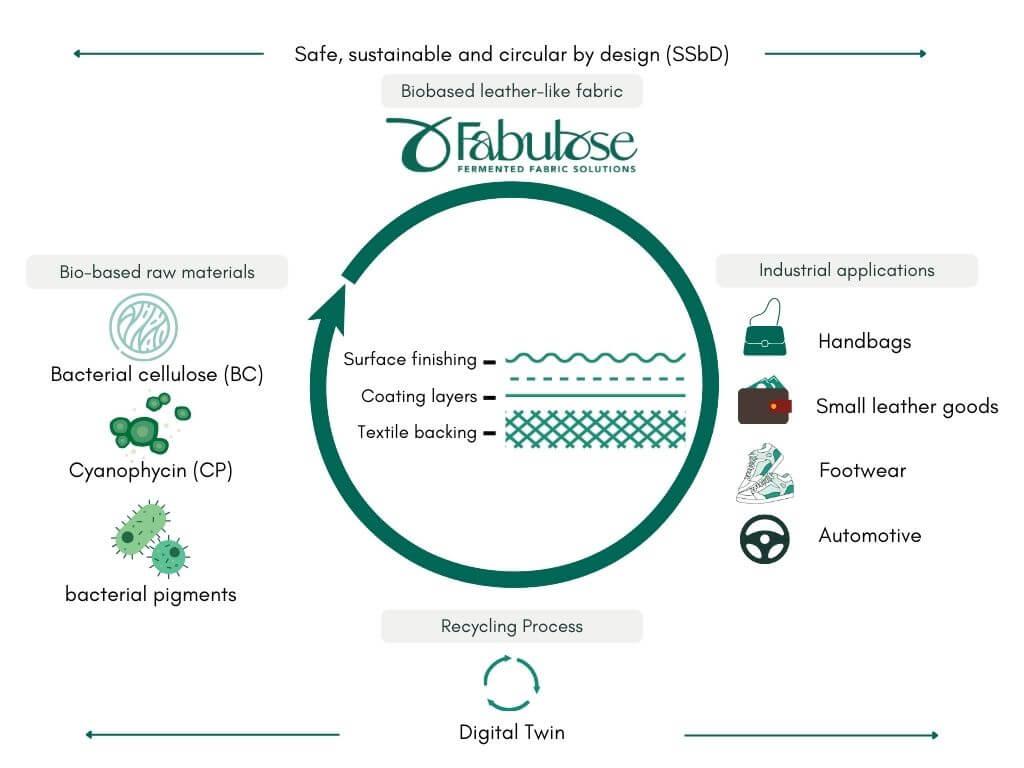
Fabulose is an EU funded project coordinated by the German Institutes of Textile and Fiber Research (DITF). Its consortium consists of leading research institutes, biotech innovators, and industry stakeholders who aim to create high-performance, biobased and recyclable leather-like fabrics, using efficient biotech production routes for bacterial cellulose, cyanophycin and bacterial pigments

Current leather alternatives are either made from petrol-based plastics and non-recyclable, or they are (partly) biobased, but difficult to scale up and recycle. The project, supported by the Circular Bio-based Europe Joint Undertaking (CBE JU), is investigating how animal-based materials can be replaced by environmentally friendly alternatives in industries such as automotive, fashion, and upholstered furniture.

Fabulose is an EU funded project coordinated by the German Institutes of Textile and Fiber Research (DITF). Its consortium consists of leading research institutes, biotech innovators, and industry stakeholders who aim to create high-performance, biobased and recyclable leather-like fabrics, using efficient biotech production routes for bacterial cellulose, cyanophycin and bacterial pigments

Current leather alternatives are either made from petrol-based plastics and non-recyclable, or they are (partly) biobased, but difficult to scale up and recycle. The project, supported by the Circular Bio-based Europe Joint Undertaking (CBE JU), is investigating how animal-based materials can be replaced by environmentally friendly alternatives in industries such as automotive, fashion, and upholstered furniture.

Fabulose uses advanced fermentation techniques, utilizes waste streams as feedstocks, and optimizes processes with the assistace of AI. This enables the environmentally-friendly and efficient production of bacterial cellulose, cyanophycin and pigments. These bio-based materials are combined in a coating formulation that replicates the durability and aesthetics of traditional leather. DITF’s HighPerCell® technology allows for re-spinning of bacterial cellulose to filaments to create recycled textile backings that offer high tensile strength without toxic agents. Instead of processing individual batches, the technology also allows to implement a roll-to-roll production process, thereby simplifying future scale-up to cost-effective mass production.

In addition, market requirements have been collected to select optimal material characteristics, while eco-design and Safe-by-design principles help to assess potential risks and ensure alignment with the safety and sustainability objectives. A digital twin framework will include key process parameters for optimisation and monitoring of material performances.

Summary of the key project innovations:

  • Using fermentation products to enable fast and cost-effective production of raw materials
  • Grow micro-organisms on waste feedstocks and CO2 to reduce production costs and environmental impact
  • Re-spinning bacterial cellulose to filaments to create recyclable, consistent and high-quality fabrics
  • Enabling production of cyanophycin to create durable coatings and finishing
  • Implementing roll-to-roll production process to simplify future scale-up

Project partners
The Fabulose project has a duration of 3,5 years and a budget of ca. 3,5 M euro.

The consortium includes 10 partners from 6 European countries, spanning the entire value chain, from research to real-world applications:

German Institutes of Textile and Fiber Research Denkendorf (DITF) (Germany), Next Technology Tecnotessile Societa Nazionale (Italy), University of Maribor (Slovenia), Sumatrix Biotech (Turkey), VTL GmbH (Austria), Novis GmbH (Germany), Melina Bucher (Germany), Benecke-Kaliko GmbH (Germany), Konrad Hornschuch GmbH (Germany), University of Aveiro (Portugal), and Steinbeis 2i GmbH (Germany).

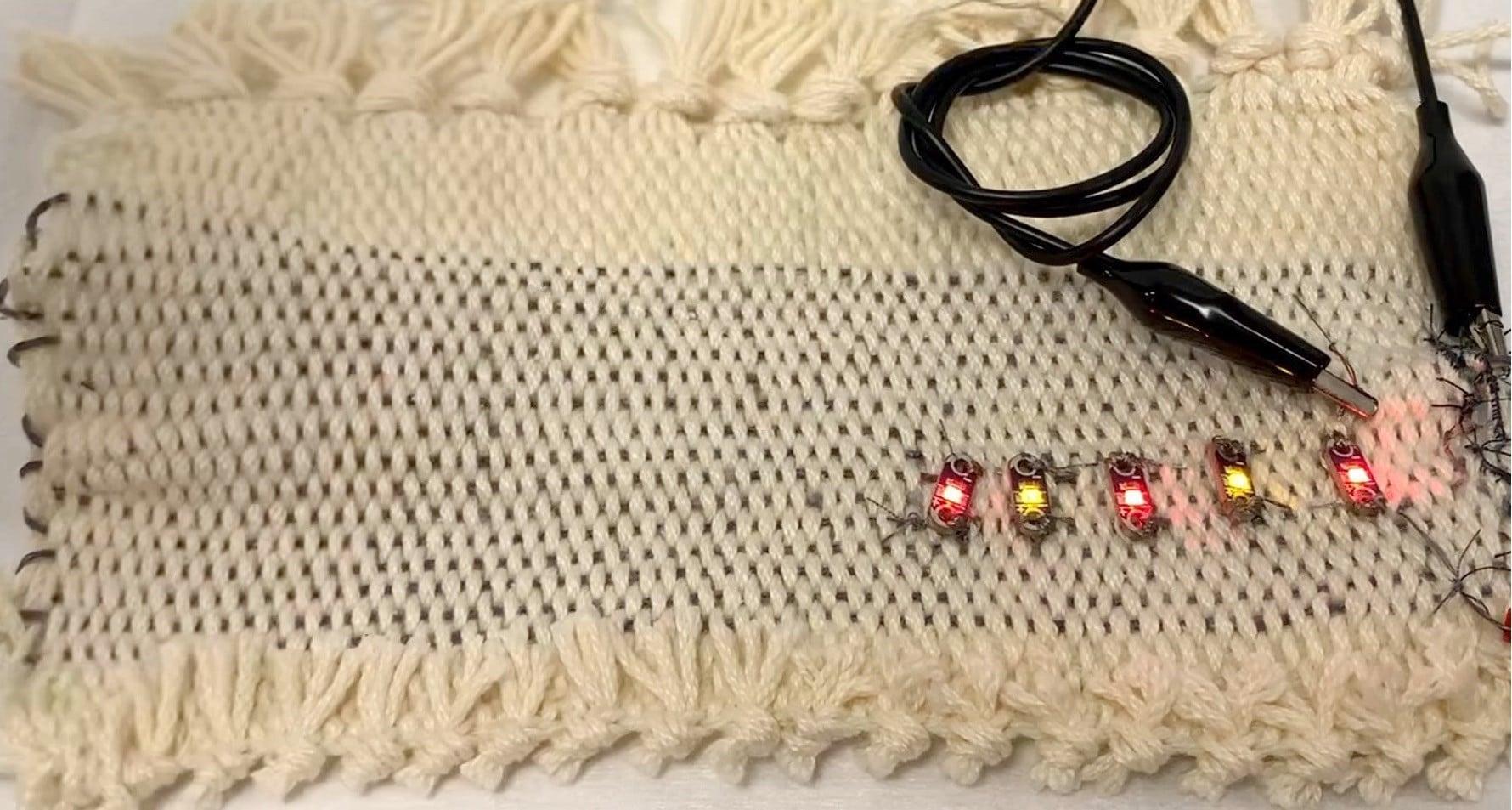
Supercapacitor yarns integrated into a fabric for powering LEDs. © Nanfei He
Supercapacitor yarns integrated into a fabric for powering LEDs.
23.02.2026

Preventing Malfunction in Yarns Designed to Store Energy

In a new study, North Carolina State University researchers found a way to prevent electrical malfunctions in yarns designed to store electrical energy. Ultimately, the findings could help advance the development of “smart textiles” that would capture energy from the wearer’s movements and power sensors and wearable electronics.

The researchers reported in npj Flexible Electronics that they were able to prevent short-circuiting in yarns that act as supercapacitors – which are electrical devices that store energy – by wrapping the yarns with an insulating thread. They also tested the strength and durability of the yarns to make sure they could still work after going through knitting and weaving processes.

In a new study, North Carolina State University researchers found a way to prevent electrical malfunctions in yarns designed to store electrical energy. Ultimately, the findings could help advance the development of “smart textiles” that would capture energy from the wearer’s movements and power sensors and wearable electronics.

The researchers reported in npj Flexible Electronics that they were able to prevent short-circuiting in yarns that act as supercapacitors – which are electrical devices that store energy – by wrapping the yarns with an insulating thread. They also tested the strength and durability of the yarns to make sure they could still work after going through knitting and weaving processes.

“A supercapacitor functions like a battery, but in this case, we’re working on a flexible battery shaped as a textile yarn that you could weave or knit into your T-shirt or sweater,” said Wei Gao, associate professor of textile engineering, chemistry and science and a University Faculty Scholar at NC State. “In this study, we have woven this yarn into a piece of fabric so that it can store electrical energy, and eventually we want to use it to power whatever electronic devices you need, whether it be a sensor, a light or even a cell phone.”

While research into these so-called “yarn-shaped supercapacitors” is promising, researchers say developers face a consistent problem with their design: the yarn-shaped supercapacitors are more likely to short circuit as their length increases. Short-circuiting is when the electric current flows through an unintended path. It is a safety concern because a short circuit can result in a burst of heat energy or even a fire.

“Everybody is trying to make smart electronics that can be incorporated into cloth or fabric,” Gao said. “What we found is if you try to make a supercapacitor yarn longer than 8 inches, it’s pretty easy for this device to short-circuit. It’s pretty dangerous, and it’s something nobody wants to encounter when wearing a smart suit.”

To solve that problem, the researchers tested what would happen when they wrapped the super-capacitor yarn electrodes with insulating threads. The idea was that the threads would act as a physical barrier, keeping the opposite electrodes from contacting each other and preventing short-circuiting. They tested their device’s performance by connecting the electrodes to a power source and recording the device’s current response. They also tested how well the yarns were able to hold a charge. They found that the yarns kept 90% of the initial energy after charging and discharging them 10,000 times.

The researchers also tested to see if they could withstand bending and stretching by weaving their yarn-shaped supercapacitors into a fabric.

“The yarns need to be flexible and strong enough so that when you bend, stretch and press them, they keep their original electrical performance after all of those mechanical deformations,” said the study’s lead author Nanfei He, postdoctoral research scholar in textile engineering, chemistry and science at NC State. “The yarns all kept their original performance, even after going through weaving and knitting.”

Researchers said they made the yarn-shaped supercapacitor using processes that are conventional in textile manufacturing.

“All of these processes can be scaled up very easily,” He said.

 In future work, the researchers want to incorporate their design into a garment, and to try to integrate it with other energy-generating devices.

“Materials innovation and process engineering are critical to the scalability and device performance,” said Feng Zhao, CEO of Storagenergy Technologies Inc., the industrial partner of the project. “We have developed a process to produce thousands of meters of high-performance yarns in a continuous manner.”

The study, “Separator Threads in Yarn-Shaped Super-capacitors,” was published online in npj Flexible Electronics. In addition to He, Gao and Zhao the other authors were Junhua Song and Jinyun Liao of Storagenergy Technologies Inc. The study was supported by Storagenergy Technologies Inc., and funded by the United States Army under contract numbers W911NF19C0074 and W911NF18C0086.

Source:

North Carolina State University

Ruan Cunfan Photo DyStar Group
Ruan Cunfan
23.02.2026

DyStar Group Announces Board Transition to Drive Innovation

DyStar, a leading specialty chemical company with a heritage of more than a century in product development and innovation, announced the appointment of Ruan Cunfan to its Board of Directors, effective 20 February 2026. His appointment and the conclusion of Yao Jianfang’s tenure mark a seamless transition, reinforcing stability while opening doors to new opportunities.

Ruan Cunfan graduated from Claremont McKenna College in the United States, holding dual bachelor’s degrees in Economics & Accounting and Chemistry. He currently serves as a Director and Assistant to the Chairman of Zhejiang Longsheng Group Co., Ltd., and as Assistant to Chairman of Longsheng Group Holdings (Shanghai) Co., Ltd. He brings extensive experiences, having built a distinguished career overseeing its Group real estate investment strategy, operations, and management. His appointment reflects the company’s commitment to strengthening governance and driving long-term strategic growth globally. At the same time, Yao Jianfang will be stepping down from the Board. 

DyStar, a leading specialty chemical company with a heritage of more than a century in product development and innovation, announced the appointment of Ruan Cunfan to its Board of Directors, effective 20 February 2026. His appointment and the conclusion of Yao Jianfang’s tenure mark a seamless transition, reinforcing stability while opening doors to new opportunities.

Ruan Cunfan graduated from Claremont McKenna College in the United States, holding dual bachelor’s degrees in Economics & Accounting and Chemistry. He currently serves as a Director and Assistant to the Chairman of Zhejiang Longsheng Group Co., Ltd., and as Assistant to Chairman of Longsheng Group Holdings (Shanghai) Co., Ltd. He brings extensive experiences, having built a distinguished career overseeing its Group real estate investment strategy, operations, and management. His appointment reflects the company’s commitment to strengthening governance and driving long-term strategic growth globally. At the same time, Yao Jianfang will be stepping down from the Board. 

“The appointment of Ruan Cunfan marks an important step in strengthening our Board for the future,” said Ruan WeiXiang, Chairman, Board of Directors, DyStar Group. “His visionary expertise and innovative leadership will be instrumental as we continue to advance DyStar’s internationalization process. This transition reflects our commitment to leadership continuity, while also embracing new opportunities aligned with our long-term vision for responsible and resilient development.” 

“We are delighted to welcome Ruan Cunfan to the Board at this pivotal moment in the Group’s journey,” said Xu Yalin, Managing Director, President and CEO of DyStar Group. “His fresh perspective and outstanding innovative capabilities will help us further expand our impact, while embedding sustainability deeply into every facet of our strategy. At the same time, we pay tribute to Yao Jianfang, thanking him for his past contributions to the Board, and we look forward to his continued insights and guidance at the shareholder level in support of DyStar’s growth.”

DyStar Group remains committed as it embarks on its next phase of growth. The Group looks forward to building stronger partnerships, advancing sustainability initiatives, and delivering enhanced value across its global operations.

Vandewiele data-ready weft feeders in action. Photo (c) Vandewiele
Vandewiele data-ready weft feeders in action.
23.02.2026

Swedish efficiency at Techtextil & Texprocess

Process control, intelligent automation and long-term industrial reliability remain the shared priorities that continue to define members of TMAS, the Swedish textile machinery association.

“Across different stages of textile and material production, TMAS members are united by a common belief that productivity begins with stability,” says TMAS General Secretary Therese Premler-Andersson. “Rather than focusing on isolated machine functions, the emphasis is on controlling the critical variables that directly influence quality, efficiency and uptime.”

Examples of this approach will be demonstrated at Messe Frankfurt’s forthcoming Techtextil and Texprocess exhibitions taking place concurrently in Frankfurt from April 21-24.

Process control, intelligent automation and long-term industrial reliability remain the shared priorities that continue to define members of TMAS, the Swedish textile machinery association.

“Across different stages of textile and material production, TMAS members are united by a common belief that productivity begins with stability,” says TMAS General Secretary Therese Premler-Andersson. “Rather than focusing on isolated machine functions, the emphasis is on controlling the critical variables that directly influence quality, efficiency and uptime.”

Examples of this approach will be demonstrated at Messe Frankfurt’s forthcoming Techtextil and Texprocess exhibitions taking place concurrently in Frankfurt from April 21-24.

Operational value
In weaving and related processes for example, Vandewiele Sweden AB has long-standing expertise in weft feeding and tension control. At Techtextil 2026 in Hall 12 stand C21, company experts will be on hand to explain how, through ensuring repeatable, predictable yarn delivery at ever higher loom speeds, it is enabling weaving mills to operate closer to their technical limits while maintaining fabric quality. 

The company’s continued development of data-ready weft feeders reflects a broader approach to digitalisation, embedding intelligence where it delivers clear operational value rather than adding complexity to already demanding production environments.

Quality assurance
Eltex of Sweden addresses the same challenge from a complementary angle. Its electronic yarn sensors and tension monitoring systems focus on early detection, identifying yarn breaks, end-outs or abnormal tension before they lead to waste, downtime or quality claims. From weaving and warping through to tufting, braiding, quilting and sewing, Eltex technology provides the assurance that modern automated processes depend on. As production speeds increase and manual supervision is reduced, the ability to monitor yarn behaviour in real time becomes a key enabler of stable, high-quality output.

At Techtextil 2026, Eltex will highlight its latest EyETM Multiact system for heat setting machines, guaranteeing yarn consistency throughout the entire process via individual yarn tension monitoring and control according to a predefined reference tension. 

Each channel operates independently and the system also includes a machine stop function in the event of yarn breakage or if yarn tension operates outside preset limits.

Also showcased, will be the ACT-R system for rapier weaving machines which is highly effective in achieving constant weft yarn tension for yarns based on recycled fibres at one end of the scale, and for expensive technical yarns such as Kevlar at the other.

Consistency
Further downstream, BW Converting, extends this focus on control and assurance into dyeing and finishing. 

Following the runaway success of the company’s Baldwin TexCoat G4 finishing system in the past few years, the Baldwin TexChroma digital spray dyeing system is currently being launched.

“Since its introduction, global textile finishers have embraced TexCoat and are now reaping the benefits,” says vice-president of global business development Rick Stanford. “They have been able to increase profitability, cut energy use and reduce their carbon footprint, in addition to exercising precision control with our patented precision spray technology. In the past two years we have been very active in Asia, and many of these customers have been asking for a similar technology for the dyeing process.” 

From production data to date, TexChroma can achieve savings in energy, dyes and chemicals of more than 30% compared to conventional continuous pad batch dyeing using steam, and up to 50% compared to exhaust reactive dyeing. 

It also benefits from an advanced technology enabling reactive dyestuffs and alkali fixation chemicals to be mixed just seconds before spray application, in order to completely eliminate any ‘tailing and listing’– uneven dye application or colour variations.

Eton aUPS
Meanwhile, at Texprocess, Eton Systems will outline how Industry 4.0 and AI are further boosting the capabilities of its aUPS (AI powered unit production system) technologies.

Eton Systems productivity and management system have a positive impact on the productivity of thousands of production lines for a range of industries. Designed to increase value-added time in production by eliminating manual transportation and minimising handling, the individually addressable product carriers are now fully managed and controlled by the company’s advanced software.

The UPS works perfectly for mass production but provides companies with an extra competitive edge through its ability to quickly respond to special custom- made orders - even without disrupting an ongoing larger production batch. The aUPS is developed for circular garment identification, but the ambition is also to cover quality control in future linear production.

The individually addressable product carriers of these fully automated and digitised handling solutions for finished garments, home textiles and furniture are fully managed and controlled by the latest ETONingenious™ software.

This web based real-time data collection and information system continuously accumulates, processes, and makes all production information instantly available to supervisors, quality control personnel, and management.

Precision slitting
Also at Texprocess Svegea will demonstrate its EC 200-C colarette cutter as well as an FA 350 fully automatic roll slitting machine.
 
Svegea’s colarette technology is used by knit garment manufacturers around the world for the production of tubular components such as cuff and neck tapes and other seam reinforcements.  

“In Europe, while the garment manufacturing sector is relatively limited in size, interest in these machines has increased in recent years, mainly driven by logistics, cost and lead-time considerations as production moves closer to the market,” says Svegea Managing Director Håkan Steene. “The ongoing shortage of skilled operators has also increased the demand for such automated solutions.”
 
Svegea’s fully automatic FA 350 roll slitting machine meanwhile addresses a wider range of needs for roll conversion within the technical textiles sector, combining high capacity with very low power consumption and providing extremely accurate cutting precision. Capable of cutting both knitted and woven fabrics – including those produced from a wide range of technical fibres – it can accommodate different shaft sizes and is fully electronically controlled with servo motors. The touchscreen interface has recently been redesigned and expanded with new functions, including automatic control of the knife surface speed during the cutting cycle, maintaining consistent cutting conditions as the roll diameter decreases for improved cutting quality and material handling.
 
Bespoke bias cutting systems are another speciality of the company, for specifically contoured technical textile-based components.

Essential foundation
A second theme linking all TMAS members in Frankfurt is a shared response to the economic realities facing textile manufacturers worldwide. 

“Rather than promoting automation as an abstract objective, Swedish machinery suppliers focus on tangible productivity gains that help manufacturers in high-cost regions remain competitive,” says Premler-Andersson. “Reduced waste, higher uptime and repeatable quality are the essential foundations for sustainable manufacturing. 

Source:

Textile Machinery Association of Sweden

Today's modern vehicles contain an average of 30 to 35 kilograms of technical yarns, most of which are used for safety-related components such as airbags and seat belts.  Photo Barmag
Today's modern vehicles contain an average of 30 to 35 kilograms of technical yarns, most of which are used for safety-related components such as airbags and seat belts.
19.02.2026

High-performance yarns for tomorrow's mobility

At this year's Techtextil in Frankfurt (April 21–24), Barmag will be presenting comprehensive solutions for the production of industrial filament yarns at the VDMA joint stand. The focus will be on applications that ensure greater safety, durability, and efficiency in automotive engineering.

High-performance filament yarns for maximum vehicle safety
Today's modern vehicles contain an average of 30 to 35 kilograms of industrial yarns – most of which are used for safety-related components such as airbags and seat belts. Polyamide and, increasingly, polyester filament yarns are predominantly used for airbag applications. Barmag offers particularly energy-efficient and productive technologies for this purpose, enabling stable processes and consistently high yarn quality. “Our solutions meet all the demanding standards for airbag yarns worldwide – throughout the entire service life of a vehicle, regardless of climate or operating conditions,” emphasizes Dr. Jen Supra, Technology Manager for Industrial Yarns at Barmag.

At this year's Techtextil in Frankfurt (April 21–24), Barmag will be presenting comprehensive solutions for the production of industrial filament yarns at the VDMA joint stand. The focus will be on applications that ensure greater safety, durability, and efficiency in automotive engineering.

High-performance filament yarns for maximum vehicle safety
Today's modern vehicles contain an average of 30 to 35 kilograms of industrial yarns – most of which are used for safety-related components such as airbags and seat belts. Polyamide and, increasingly, polyester filament yarns are predominantly used for airbag applications. Barmag offers particularly energy-efficient and productive technologies for this purpose, enabling stable processes and consistently high yarn quality. “Our solutions meet all the demanding standards for airbag yarns worldwide – throughout the entire service life of a vehicle, regardless of climate or operating conditions,” emphasizes Dr. Jen Supra, Technology Manager for Industrial Yarns at Barmag.

Seat belts: Precision in the high-tenacity yarn process
Seat belts also rely on the performance of industrial filament yarns. A single belt consists of around 300 HT filament yarns, whose high-strength individual filaments can absorb enormous tensile forces of over 3 tons – and at the same time must stretch in a controlled manner in an emergency. Barmag's patented Single Filament Layer technology enables a gentle, high-precision process for the production of hightenacity (HT) yarns for maximum safety.

Industrial yarns for stable roads – geotextiles in the substructure
Industrial yarns also prove their performance outside the vehicle, for example in road construction. Geotextiles – such as geogrids under asphalt – require yarns with extremely high titers of up to 24,000 denier. Barmag systems efficiently produce three filament yarns with 6,000 denier each, which can be combined cost-effectively to achieve a higher titer.
Complementing this, the Barmag product brand Neumag supplies spunbond technologies for geotextiles made of polyester or polypropylene, which impress with their high production capacities and low energy consumption.

Neumag's PP inline technology exceeds the market standard for geotextile applications
In staple fiber production, Barmag is setting new standards for geotextile applications with the Neumag PP inline concept. The improved technology is suitable for strengths higher than 6 cN/dtex with high residual elongation. The fibers thus significantly exceed the parameters previously established in this area of application. The first production plant equipped with the new spinning concept recently went into operation at a well-known staple fiber producer in Asia.

Part of the concept is the EvoDuct air ducting system introduced last year, which ensures more efficient air flow distribution, reduces energy consumption, and improves fiber homogeneity. The optimized EvE-2 monomer and hot air suction system, another Neumag development, minimizes turbulence while
increasing spinning performance.

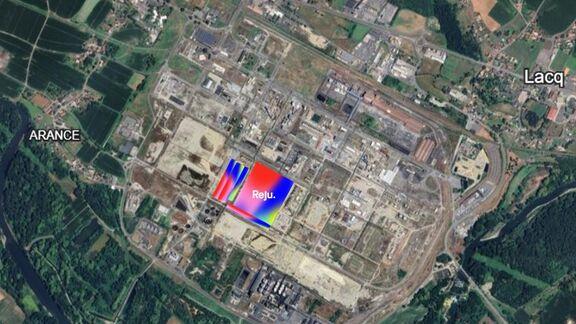
Reju announces French site for regeneration hub Photo Reju
19.02.2026

Reju announces French site for regeneration hub

Reju, the textile-to-textile regeneration company based in France, announces the site selection for an industrial sized Regeneration Hub, in Lacq, in the Pyrénées-Atlantiques, on the Induslacq platform. Reju, a Technip Energies owned company, is deepening its roots in France through the development of this new Regeneration Hub. 

Every year, 121 million tonnes of textiles are discarded, yet only 1% are recycled into new garments. The vast majority end up in landfills or are incinerated, creating a severe environmental challenge for the world. Reju is tackling this global issue by developing solutions to regenerate textile waste into new materials. 

Reju, the textile-to-textile regeneration company based in France, announces the site selection for an industrial sized Regeneration Hub, in Lacq, in the Pyrénées-Atlantiques, on the Induslacq platform. Reju, a Technip Energies owned company, is deepening its roots in France through the development of this new Regeneration Hub. 

Every year, 121 million tonnes of textiles are discarded, yet only 1% are recycled into new garments. The vast majority end up in landfills or are incinerated, creating a severe environmental challenge for the world. Reju is tackling this global issue by developing solutions to regenerate textile waste into new materials. 

This Regeneration Hub will strengthen France’s leadership in circular, low carbon industrial innovation. Backed by Technip Energies’ global engineering expertise, Reju will bring cutting edge textile to textile regeneration technology to French industry. The plant will utilize Reju’s proprietary depolymerization technology to take post-consumer textiles from national waste streams as feedstock and to transform them into rBHET, a regenerated raw material for making new polyester from textile waste, that will then be repolymerized into Reju PET. 

The project is subject to final investment decision by the board of Technip Energies, the parent company of Reju. 

This project will help structure a new local industry, contributing to decarbonization. It would generate 80 direct jobs and more than 300 indirect jobs. “This French Regeneration Hub builds on our strategy to industrialize a circular post-consumer textile-to-textile model,” said Patrik Frisk, CEO of Reju. “By leveraging France’s ambitious circular-economy agenda and advancing our technology to new markets, we are reinforcing our mission to transform textile waste into valuable, circular resources.” 

Through its French Hub, Reju aims to build a scalable circular infrastructure in France and Europe, enabling textile-to-textile traceability and closing the loop on fiber use. The project aligns with Reju’s established operations, including Regeneration Hub Zero in Frankfurt, the announced site selection in Chemelot, Sittard-Geleen the Netherlands and the recently announced United States Hub to be located in Eastman Business Park, in Rochester, New York. 

The Regeneration Hub will be located on the Induslacq platform, owned by TotalEnergies. 

Owned by Technip Energies, Reju utilizes proprietary technology developed in conjunction with IBM Research to recover, regenerate and recirculate textile waste, starting with polyester. 
Reju actively participates in the work of several bodies and organizations such as ReHubs, Petcore and Evolen. This will create a circular ecosystem, developing a textile-to-textile sector in France in line with European requirements and based on traceability.

More information:
Reju regeneration hub France
Source:

Reju 

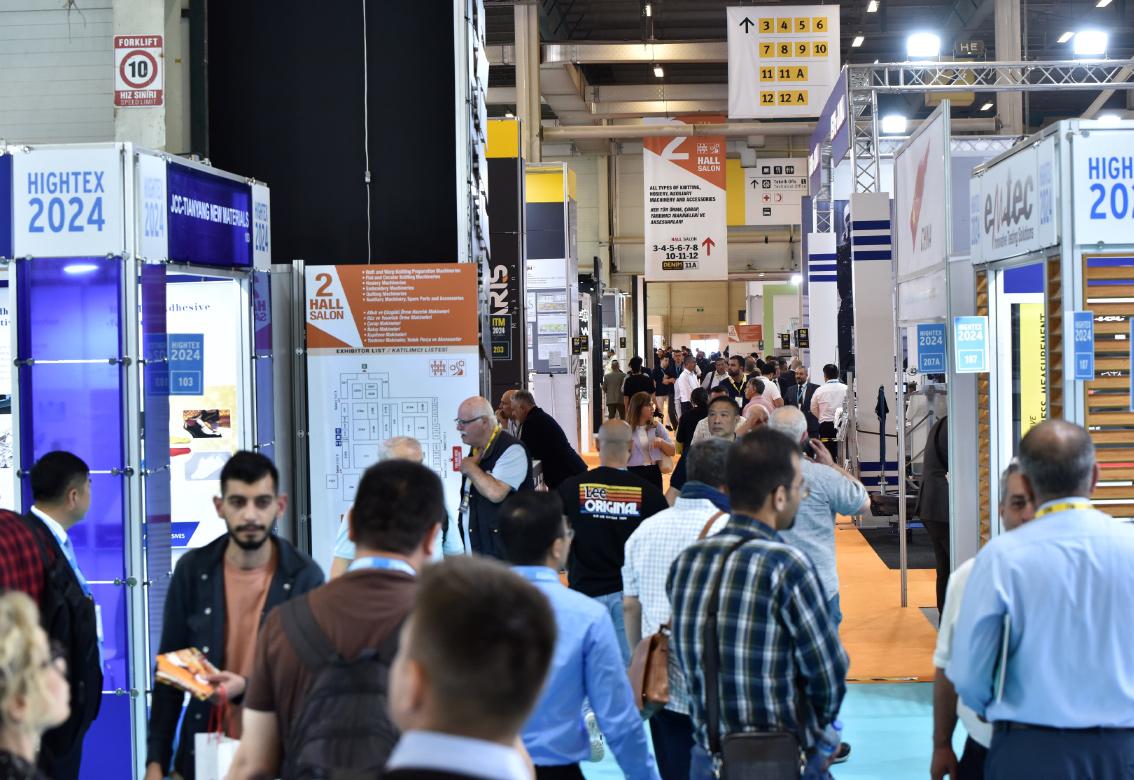
Hightex Photo (c) Hightex
19.02.2026

HIGHTEX 2026: Technical Textiles and Nonwovens

HIGHTEX 2026 International Technical Textiles and Nonwoven Exhibition is preparing to open its doors at Tüyap Fair and Congress Center between 9–13 June 2026. Bringing together leading manufacturers and technology providers in the field of technical textiles and nonwoven technologies in Istanbul, the exhibition will assume the character of an international hub where the strategic future of the industry is discussed.

While topics such as sustainable production models, digitalization, high-performance materials and smart manufacturing systems will form the main agenda of HIGHTEX 2026, a strong showcase will be presented for companies aiming to make a difference in the global competitive environment.

HIGHTEX 2026 International Technical Textiles and Nonwoven Exhibition is preparing to open its doors at Tüyap Fair and Congress Center between 9–13 June 2026. Bringing together leading manufacturers and technology providers in the field of technical textiles and nonwoven technologies in Istanbul, the exhibition will assume the character of an international hub where the strategic future of the industry is discussed.

While topics such as sustainable production models, digitalization, high-performance materials and smart manufacturing systems will form the main agenda of HIGHTEX 2026, a strong showcase will be presented for companies aiming to make a difference in the global competitive environment.

Organized in cooperation with Teknik Fuarcılık and Tüyap, and held concurrently with the ITM International Textile Machinery Exhibition, HIGHTEX holds the distinction of being Türkiye’s and the region’s first and only specialized exhibition in the field of technical textiles and nonwovens. Organized since 2005, the event has, over more than 20 years, personally witnessed the technological evolution experienced by the industry and has become one of the most important platforms where innovative solutions are introduced to the global market. Thanks to being held simultaneously with ITM, textile machinery, production technologies and the technical textiles ecosystem will come together under the same roof, offering visitors an integrated exhibition experience.

The Indispensable Element of Strategic Industries: Technical Textiles
Today, technical textiles have a wide range of applications extending from automotive to defense industry, from medical applications to infrastructure projects, and from agriculture to the energy sector. Distinguished from conventional textile products thanks to their superior properties such as high strength, lightness, durability, heat and chemical resistance, these materials directly affect the performance criteria of strategic industries. The solutions to be exhibited at HIGHTEX 2026 will reveal not only product-based innovations but also the transformation in production processes. A broad exhibitor profile, ranging from raw material producers to machinery manufacturers, from software developers to end-product manufacturers, will represent the entire value chain of the sector.

This comprehensive structure transforms the exhibition into not only a display area but also a strategic platform in terms of information sharing, business development and investment planning. While professional visitors will have the opportunity to examine new technologies on-site and establish direct contact with manufacturers, participating companies will gain the opportunity to enter new markets and strengthen their brand positioning.

A New Era in Nonwoven Technologies
Nonwoven production technologies have achieved a significant leap in recent years in terms of both capacity and quality. Based on the principle of bonding fibers through mechanical, thermal or chemical methods without weaving or knitting, this production model is rapidly expanding on a global scale due to the flexibility, speed and cost advantage it offers. Nonwoven solutions have become indispensable especially in hygiene products, medical consumables, filtration systems and automotive interior trim applications.

The next-generation nonwoven lines to be exhibited at HIGHTEX 2026 will contribute to sustainability targets with criteria such as lower energy consumption, optimized raw material usage and high production speed. Solutions for recyclable and biodegradable raw materials will also be among the prominent topics of the exhibition. These developments demonstrate that the nonwoven sector simultaneously carries growth potential along with environmental responsibility.

Artificial Intelligence and Industry 4.0 Integration Comes to the Fore
Digital transformation has become one of the fundamental elements of competitive advantage in technical textile and nonwoven production. The Industry 4.0 integrated systems to be exhibited at HIGHTEX 2026 will enable real-time monitoring of production processes, performance optimization through data analytics, and the minimization of error rates. Thanks to artificial intelligence-supported quality control systems, defects that may occur on production lines will be detected instantly, thereby reducing cost losses.

Automation solutions will increase production speed and standardization while minimizing human error; at the same time, smart infrastructures that provide savings in energy and resource usage will strengthen the understanding of sustainable production. These technologies will offer companies not only operational efficiency but also the opportunity for strong positioning in the global market.

Fabrics of the Future: Smart Textiles
Smart textiles developed at the intersection of textiles and advanced technology stand out as one of the most dynamic and fastest-growing fields of the sector. Nanotechnology applications, conductive fibers, sensor-integrated fabric structures and materials capable of responding to environmental conditions offer a wide range of applications from health monitoring to defense uses, from sports technologies to industrial safety. These innovations transform textiles from being a passive material into a structure capable of generating data and interacting. At HIGHTEX 2026, geotextiles, medical and hygienic textiles, high-performance composite structures for aviation and automotive, and technical solutions specific to the agriculture and food sectors will also be exhibited together. Thus, the exhibition will present a holistic panorama of innovative materials responding to the needs of different industries.

New Collaborations and Global Trade Opportunities
HIGHTEX 2026 will not only provide participating companies with the opportunity to exhibit their products but will also create a strong business development platform that will expand international trade networks. Bilateral business meetings and sectoral contacts to be held throughout the exhibition will prepare the ground for generating concrete commercial outcomes ranging from machinery sales to technology transfers, from joint production agreements to new investment decisions. For sector representatives coming from a wide geography extending from America to Asia, from Europe to Africa, Istanbul will become a global meeting point in the field of technical textiles and nonwovens. HIGHTEX 2026 will continue to position itself at the center of information sharing, strategic vision and technological transformation, maintaining its role as an international reference platform guiding the sector.

19.02.2026

INVISTA: Nancy Kowalski New President and CEO

Nancy Kowalski has been named new president and CEO of INVISTA, a Koch company, effective March 1, 2026. In this role, she’ll be responsible for continuing to adapt and improve business models across INVISTA, a global manufacturer of chemical intermediates, polymers and fibers used in parts for the automotive industry, medical equipment, airbags, food packaging and clothing.

Nancy has 22 years of expertise across INVISTA in a variety of its business lines and its global supply chain. She joined INVISTA as a director of corporate reporting in 2004 and went on to hold leadership roles in treasury, global finance and global supply chain.

She was most recently executive vice president for INVISTA’s global nylon business, with operations in China, Europe, and the United States, leading its overall profit and loss management and overseeing Nylon Sales and Marketing, the strategic management of feedstock procurement and purchasing processes for the company.

Nancy Kowalski has been named new president and CEO of INVISTA, a Koch company, effective March 1, 2026. In this role, she’ll be responsible for continuing to adapt and improve business models across INVISTA, a global manufacturer of chemical intermediates, polymers and fibers used in parts for the automotive industry, medical equipment, airbags, food packaging and clothing.

Nancy has 22 years of expertise across INVISTA in a variety of its business lines and its global supply chain. She joined INVISTA as a director of corporate reporting in 2004 and went on to hold leadership roles in treasury, global finance and global supply chain.

She was most recently executive vice president for INVISTA’s global nylon business, with operations in China, Europe, and the United States, leading its overall profit and loss management and overseeing Nylon Sales and Marketing, the strategic management of feedstock procurement and purchasing processes for the company.

After more than 30 years of service to Koch, Brook Vickery, president and CEO of INVISTA, has announced his retirement, effective March 1, 2026. Brook joined Koch in 1991 as an instrument engineer for Flint Hills Resources. He joined INVISTA as its global operations leader in 2023 and then became president and CEO in January 2025.

Brook has been fundamental in helping transform Koch’s operational models both at Flint Hills and INVISTA. His ability to build culture, apply Principle Based Management™, and deliver results and operational reliability will continue to create long-term value.

More information:
Invista CEO
Source:

Invista

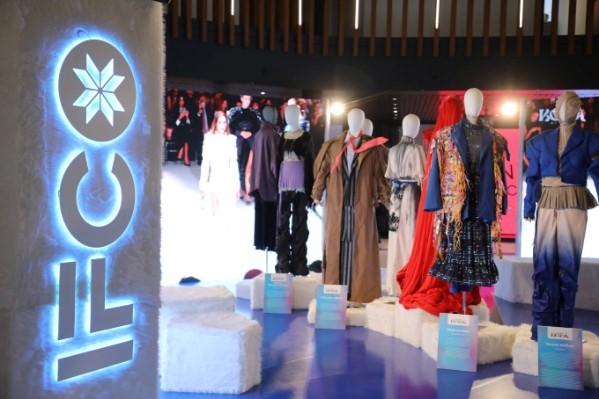
Photo Istanbul Fashion Connection
18.02.2026

IFCO: Global Meeting Point of Fashion for the 9th Time

IFCO – Istanbul Fashion Connection, convened the global fashion industry in Istanbul again at its ninth edition.

Bringing Türkiye’s design vision together with its strong manufacturing power onto the global fashion stage, IFCO hosted over 450 exhibitors across 6 halls and welcomed 29,746 professional visitors from 134 countries in Istanbul.

With international buying delegations, strong brand participation, and a highly qualified visitor profile, IFCO once again proved its position as one of the most strategic B2B meeting points in the global fashion calendar.

From womenswear, menswear and kidswear to eveningwear and designer collections extending across denim, activewear, lingerie, hosiery, leather, footwear and accessories  IFCO presented a fully integrated and business-focused sourcing platform for global buyers

Enhanced by fashion shows, curated trend areas, seminars and expert talks, the exhibition delivered forward-looking insights on trend forecasting, digital transformation, sustainability and emerging market opportunities, creating a dynamic content experience alongside strong commercial engagement.

IFCO – Istanbul Fashion Connection, convened the global fashion industry in Istanbul again at its ninth edition.

Bringing Türkiye’s design vision together with its strong manufacturing power onto the global fashion stage, IFCO hosted over 450 exhibitors across 6 halls and welcomed 29,746 professional visitors from 134 countries in Istanbul.

With international buying delegations, strong brand participation, and a highly qualified visitor profile, IFCO once again proved its position as one of the most strategic B2B meeting points in the global fashion calendar.

From womenswear, menswear and kidswear to eveningwear and designer collections extending across denim, activewear, lingerie, hosiery, leather, footwear and accessories  IFCO presented a fully integrated and business-focused sourcing platform for global buyers

Enhanced by fashion shows, curated trend areas, seminars and expert talks, the exhibition delivered forward-looking insights on trend forecasting, digital transformation, sustainability and emerging market opportunities, creating a dynamic content experience alongside strong commercial engagement.

Source:

Istanbul Fashion Connection 

Federal procurement of American-made mission critical clothing, textiles and gear Deniece Platt, Pixabay (AI generated)
18.02.2026

Federal procurement of American-made mission critical clothing, textiles and gear

The National Council of Textile Organizations (NCTO), representing the full spectrum of U.S. textiles from fiber, yarn and fabrics to finished sewn products, applauded the launch of the House Berry Amendment Caucus. 

Statement from National Council of Textile Organizations (NCTO) President and CEO Kim Glas

“On behalf of the U.S textile industry, NCTO sincerely thanks Rep. Pat Harrigan (R-NC) and Rep. Don Davis (D-NC) for their leadership in co-chairing the new bipartisan House Berry Amendment Caucus, aimed at strengthening national security and the U.S. defense industrial supply chain through the federal procurement of American-made mission critical clothing, textiles and gear. 

“NCTO strongly supports this new caucus to promote and expand the Berry Amendment, a law requiring the Department of War (DOW) to buy textile and clothing products made with virtually 100% U.S. content and labor to support our U.S. warm industrial base. 

The National Council of Textile Organizations (NCTO), representing the full spectrum of U.S. textiles from fiber, yarn and fabrics to finished sewn products, applauded the launch of the House Berry Amendment Caucus. 

Statement from National Council of Textile Organizations (NCTO) President and CEO Kim Glas

“On behalf of the U.S textile industry, NCTO sincerely thanks Rep. Pat Harrigan (R-NC) and Rep. Don Davis (D-NC) for their leadership in co-chairing the new bipartisan House Berry Amendment Caucus, aimed at strengthening national security and the U.S. defense industrial supply chain through the federal procurement of American-made mission critical clothing, textiles and gear. 

“NCTO strongly supports this new caucus to promote and expand the Berry Amendment, a law requiring the Department of War (DOW) to buy textile and clothing products made with virtually 100% U.S. content and labor to support our U.S. warm industrial base. 

“The U.S. textile industry provides $1.8 billion of high-tech and functional components for vital uniforms and equipment for our armed forces each year. The Department of War estimates that over 8,000 different textile items are purchased for use by the U.S. military—and over 30,000 line items when individual sizes are considered.

“It is vital to America’s national security that the U.S. military maintain the ability to source high-quality, innovative textile materials, apparel, and personal equipment from a vibrant U.S. textile industrial base and key to this goal is defending and strengthening the Berry Amendment.

“We look forward to working with the new caucus’ leadership and our industry partners to focus congressional efforts on preserving the Berry Amendment and expanding opportunities for U.S. textile manufacturers, safeguarding domestic supply chains, and ensuring our troops continue to receive innovative, high-quality American-made products.”

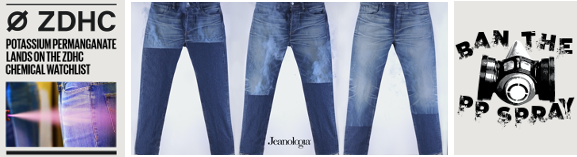
Jeanologia urges industry to accelerate PP Spray phase-out Graphic Jeanologia
17.02.2026

Jeanologia urges industry to accelerate PP Spray phase-out

Since 2015, Jeanologia has set the standard with laser, Light Bright and G2 Ozone technologies, achieving authentic vintage effects in denim without chemical spraying.

Potassium permanganate has officially entered the Chemical Watchlist of the ZDHC Foundation, signaling increased scrutiny and potential phase-out of one of the most hazardous chemicals still used in denim finishing. The inclusion confirms an industry shift that Jeanologia anticipated more than a decade ago.

For years, Jeanologia has called for the elimination of PP spray, warning about its impact on worker health, operational safety and the environment. Now, the industry is formally acknowledging what has been evident on factory floors worldwide.

PP spray is commonly used to create localized vintage effects in denim, but it exposes operators to chemical micro-particles and presents serious occupational risks. Despite growing awareness and available alternatives, this practice continues to be used in parts of the industry. According to Jeanologia, millions of workers globally are still affected by this process.

Since 2015, Jeanologia has set the standard with laser, Light Bright and G2 Ozone technologies, achieving authentic vintage effects in denim without chemical spraying.

Potassium permanganate has officially entered the Chemical Watchlist of the ZDHC Foundation, signaling increased scrutiny and potential phase-out of one of the most hazardous chemicals still used in denim finishing. The inclusion confirms an industry shift that Jeanologia anticipated more than a decade ago.

For years, Jeanologia has called for the elimination of PP spray, warning about its impact on worker health, operational safety and the environment. Now, the industry is formally acknowledging what has been evident on factory floors worldwide.

PP spray is commonly used to create localized vintage effects in denim, but it exposes operators to chemical micro-particles and presents serious occupational risks. Despite growing awareness and available alternatives, this practice continues to be used in parts of the industry. According to Jeanologia, millions of workers globally are still affected by this process.

Jeanologia eliminated the need for PP spray in 2015, becoming the first technology provider to offer a scalable industrial alternative through laser-based finishing. Today, the company replaces PP spray through its laser technology with Light Bright tool and combined with G2 Ozone technology, delivering authentic vintage effects without chemical spraying. The solution offers full digital control, safer working conditions and reliable industrial performance.

This approach is reinforced by Jeanologia’s Environmental Impact Measuring (EIM) platform. In its Innovations and Challenges in Denim Finishing 2024 Report, EIM identifies potassium permanganate as one of the remaining high-risk processes in garment finishing and highlights the urgent need for safer technologies, reinforcing laser-based solutions as a low-impact alternative.

Over the past decade, Jeanologia has progressively replaced the most hazardous denim finishing processes with eco-efficient technologies, becoming the first company to eliminate sandblasting and to advance alternatives to stone washing, manual scraping and PP spray. Today, its laser and G2 Ozone technologies are implemented worldwide, enabling denim brands to achieve the same aesthetic results while improving worker safety, reducing chemical use and lowering water consumption, with measurable impact across global production.

As transparency requirements, ESG reporting frameworks and chemical management standards continue to evolve, early adoption of safer technologies is increasingly becoming a competitive advantage. Jeanologia calls on brands, laundries and manufacturers to accelerate the transition toward chemical-free finishing. The technology exists.

Kraig Biocraft Laboratories Photo Kraig Biocraft Laboratories
17.02.2026

Kraig Activates First Wave of 2026 Production Program

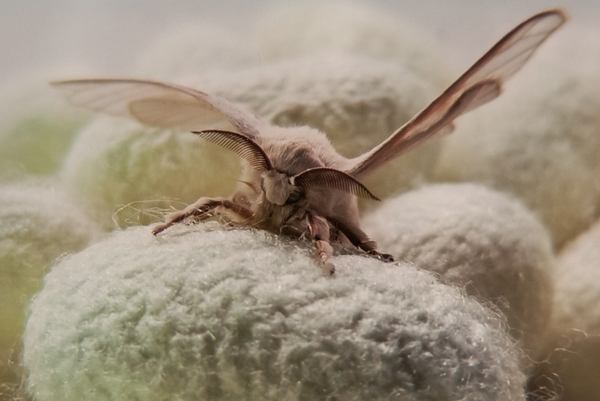
Kraig Biocraft Laboratories, Inc., a global leader in spider silk technology*, announced that its 2026 production plan has officially moved from strategy to execution.
 
The Company has now moved bio-material to incubation, getting a jumpstart on its March production plan and formally initiating its multi-ton spider silk scale-up initiative.
 
This milestone follows Kraig’s recently announced 2026 production schedule. This aggressive plan is set to achieve sustained monthly production of recombinant spider silk cocoons at unprecedented commercial volumes. With the release of the first wave of production materials now complete, Kraig Labs has activated its expanded manufacturing pipeline and commenced field-level implementation.
 
"This is the moment where planning becomes production," said Kim Thompson, Kraig Labs CEO and Founder. "Our 2026 roadmap was built around disciplined expansion, operational efficiency, and multi-ton output. Today, that roadmap is in motion. Bio-materials have recently been moved to incubation in preparation for the March production run."
 

Kraig Biocraft Laboratories, Inc., a global leader in spider silk technology*, announced that its 2026 production plan has officially moved from strategy to execution.
 
The Company has now moved bio-material to incubation, getting a jumpstart on its March production plan and formally initiating its multi-ton spider silk scale-up initiative.
 
This milestone follows Kraig’s recently announced 2026 production schedule. This aggressive plan is set to achieve sustained monthly production of recombinant spider silk cocoons at unprecedented commercial volumes. With the release of the first wave of production materials now complete, Kraig Labs has activated its expanded manufacturing pipeline and commenced field-level implementation.
 
"This is the moment where planning becomes production," said Kim Thompson, Kraig Labs CEO and Founder. "Our 2026 roadmap was built around disciplined expansion, operational efficiency, and multi-ton output. Today, that roadmap is in motion. Bio-materials have recently been moved to incubation in preparation for the March production run."
 
The March production run represents the first major deployment under the Company's 2026 plan. The initiative is designed to drive consistent output at levels never before seen, while reinforcing quality control, supply chain stability, and downstream processing capacity.
 
By initiating this production cycle, Kraig Labs is delivering on its commitment, creating the world's first reliable, repeatable, and scalable commercial spider silk manufacturing. The Company's vertically integrated model enables rapid deployment of materials, controlled expansion of silkworm rearing operations, and alignment with future customer demand.
 
"Our focus is clear," Thompson continued. "Execution. Volume. Commercialization. Every production cycle strengthens our position as the global leader in recombinant spider silk."
 
Kraig Labs expects this March run to set the pace for subsequent production cycles throughout 2026, forming the foundation for sustained monthly metric-ton-level spider silk production.

Source:

Kraig Biocraft Laboratories

12.02.2026

Rieter: Price increase for products and systems from March

Response to higher material costs worldwide: Global political and economic developments have been leading to rising raw material and energy costs for some time. The textile machinery industry is also affected by this trend. Rieter machines and components consist to a large extent of steel, copper, aluminum and electronics. These materials in particular have seen higher demand and higher prices in recent months.

Rieter has not yet passed on the additional costs to its customers. Since the price trend is proving to be long-term, the company will adjust its prices from March 2026.

Response to higher material costs worldwide: Global political and economic developments have been leading to rising raw material and energy costs for some time. The textile machinery industry is also affected by this trend. Rieter machines and components consist to a large extent of steel, copper, aluminum and electronics. These materials in particular have seen higher demand and higher prices in recent months.

Rieter has not yet passed on the additional costs to its customers. Since the price trend is proving to be long-term, the company will adjust its prices from March 2026.

More information:
Rieter AG Rieter price increases
Source:

Rieter AG