
From the Sector

Reset
YarnProof Photo (C) UNIFI
YarnProof
15.10.2026

YarnProof embeds origin checks in polyester yarn

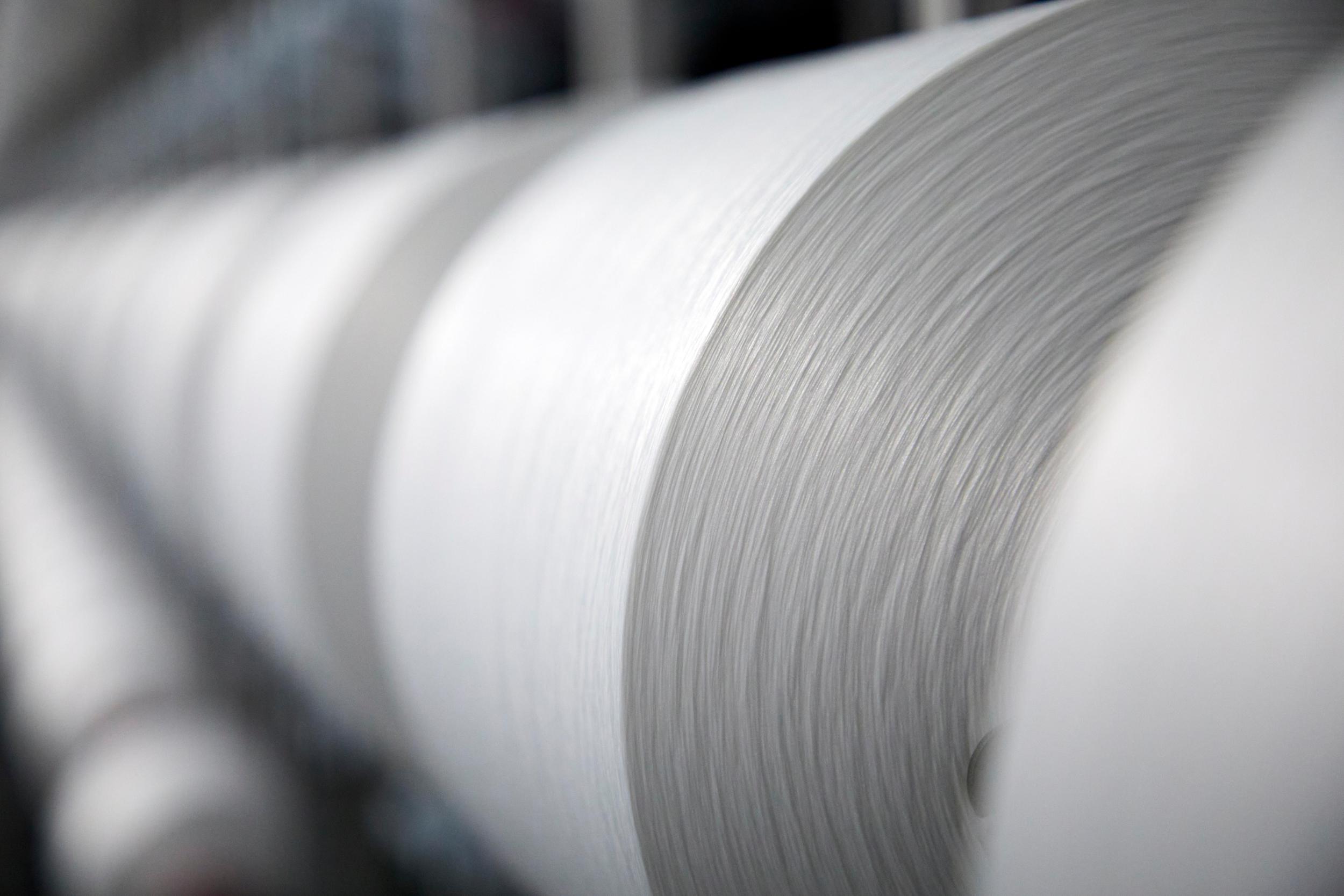
A group of polyester filament manufacturers in North and Central America has launched YarnProof, a system designed to provide physical evidence of yarn origin throughout the textile supply chain. Led by Unifi and using FibreTrace technology, the initiative embeds a persistent, invisible marker in polyester filament during extrusion. A handheld scanner can subsequently detect the marker in yarn, fabric or finished goods.

The system is intended to complement rather than replace commercial documents, audits and certificates. Each verification step can link the marked material to sourcing and production records, creating an additional check on origin claims. The manufacturers are targeting the yarn-forward rules that determine eligibility for preferential treatment under the USMCA and CAFTA-DR trade agreements.

A group of polyester filament manufacturers in North and Central America has launched YarnProof, a system designed to provide physical evidence of yarn origin throughout the textile supply chain. Led by Unifi and using FibreTrace technology, the initiative embeds a persistent, invisible marker in polyester filament during extrusion. A handheld scanner can subsequently detect the marker in yarn, fabric or finished goods.

The system is intended to complement rather than replace commercial documents, audits and certificates. Each verification step can link the marked material to sourcing and production records, creating an additional check on origin claims. The manufacturers are targeting the yarn-forward rules that determine eligibility for preferential treatment under the USMCA and CAFTA-DR trade agreements.

The participating manufacturers named by Unifi include Aquafil O’Mara, CS America, CS Central America, Nan Ya Plastics Corporation America, Premiere Fibers, Sans Americas, Skytex México, Tecnología Textil Avanzada, Textufil, Unifi Manufacturing and United Textiles of America. Under Armour and the National Council of Textile Organizations have publicly supported the initiative.

Physical marking could help brands distinguish verified regional production from materials whose paperwork cannot be substantiated downstream. It does not, by itself, establish that a customs authority has accepted a shipment as meeting all preferential-origin requirements. Those determinations still depend on the applicable legal rules and supporting evidence.

The project illustrates a shift from traceability systems based solely on documentation toward approaches in which material identity can be checked at multiple production stages. Its commercial impact will depend on implementation across mills, brands and independent verification processes.

09.10.2026

Textile Exchange puts numbers on textile-to-textile recycling capacity for the first time

Editorial relevance: Very high – establishes a global baseline for available spinnable textile-to-textile recycled fiber and quantifies the gap between waste availability and usable output.

Textile Exchange has published a first global methodology for estimating textile-to-textile recycled fiber availability for apparel and home textiles. Developed with Fashion for Good, Reverse Resources and TEXroad, the framework combines available waste volumes with collection, sorting, processing and technology constraints to estimate how much material can actually become spinnable fiber.

The analysis projects recyclable textile feedstocks to increase from roughly 10 million tonnes in 2025 to around 15 million tonnes by 2030. Yet the quantity of recycled spinnable fiber is estimated at only 1–1.5 million tonnes in 2025, rising to approximately 3–5 million tonnes by 2030.

Editorial relevance: Very high – establishes a global baseline for available spinnable textile-to-textile recycled fiber and quantifies the gap between waste availability and usable output.

Textile Exchange has published a first global methodology for estimating textile-to-textile recycled fiber availability for apparel and home textiles. Developed with Fashion for Good, Reverse Resources and TEXroad, the framework combines available waste volumes with collection, sorting, processing and technology constraints to estimate how much material can actually become spinnable fiber.

The analysis projects recyclable textile feedstocks to increase from roughly 10 million tonnes in 2025 to around 15 million tonnes by 2030. Yet the quantity of recycled spinnable fiber is estimated at only 1–1.5 million tonnes in 2025, rising to approximately 3–5 million tonnes by 2030.

The scope covers post-industrial and post-consumer textiles and both mechanical and chemical recycling of cotton, polyester, nylon, manmade cellulosics, wool and and blends.
Textile Exchange stresses that the figures are directional: data quality remains uneven, and future editions are intended to incorporate more primary data from recyclers and suppliers.