
From the Sector

Reset
(c) Archroma / Lameirinho
16.09.2026

Dye, fix and soften in one step

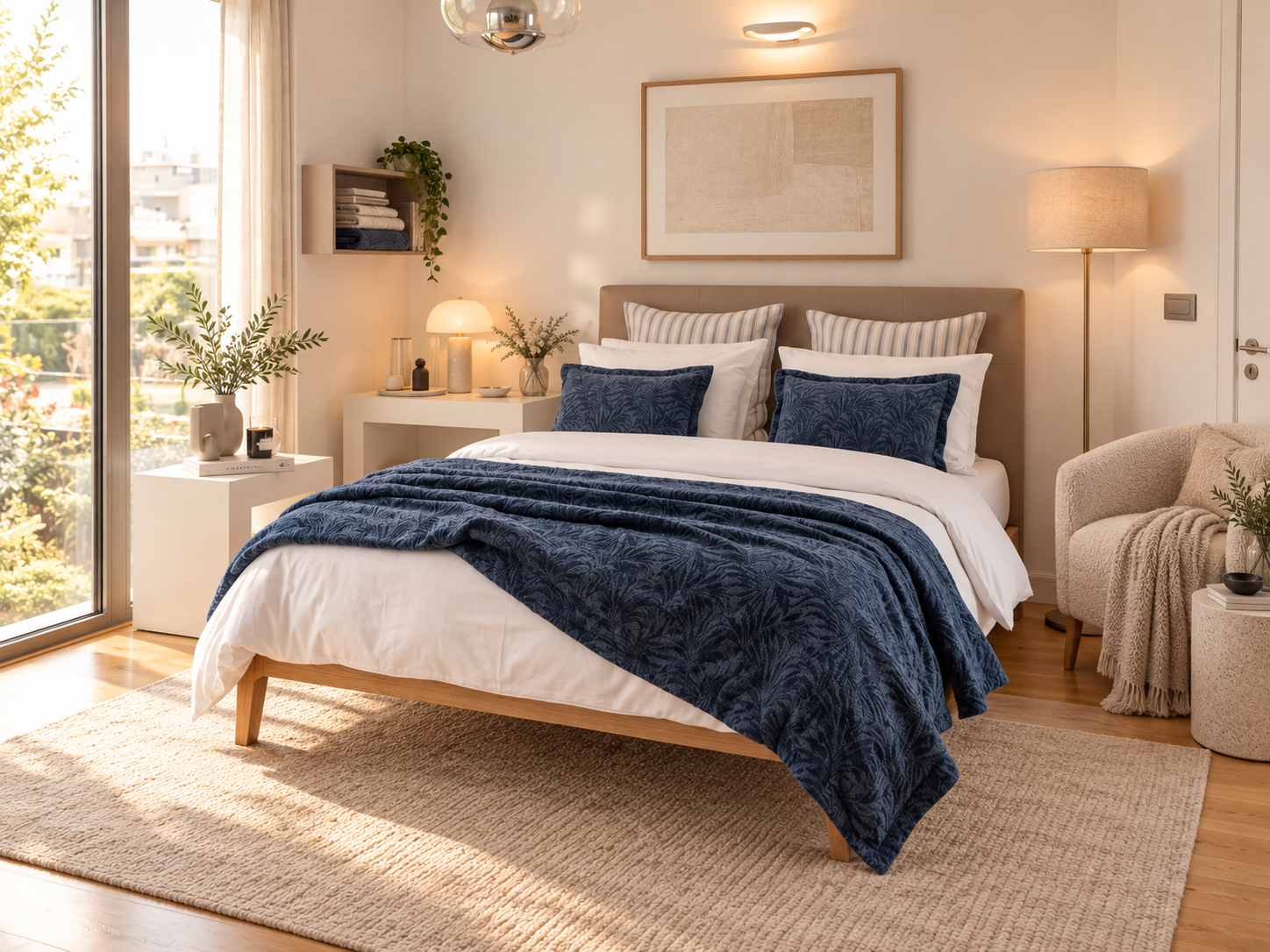
Archroma and Portuguese home-textile manufacturer Lameirinho have moved the InOneGO continuous dyeing process into commercial production. Lameirinho's first bed-linen collection made with the technology is now available worldwide.

InOneGO combines coloration, fixation and softening in a single pad-dry application. It was developed for woven cellulosic textiles including denim, fashion fabrics and home textiles, and works with Archroma sulfur-dye systems including DIRESUL RDT, EarthColors and FiberColors.

Archroma's ONE WAY Impact Calculator indicates reductions of up to 81% in process time, 97% in water consumption, 65% in energy use and 75% in CO2 emissions when a defined InOneGO/DIRESUL RDT scenario is compared with conventional cold pad-batch reactive dyeing plus pigment top-dye finishing. These are supplier calculations for a specified benchmark, not universal mill values.

The process runs on stenter and Thermosol lines. That makes the industrial proposition particularly relevant: mills may be able to remove several wet and dry processing stages without replacing the core line architecture.


Archroma and Portuguese home-textile manufacturer Lameirinho have moved the InOneGO continuous dyeing process into commercial production. Lameirinho's first bed-linen collection made with the technology is now available worldwide.

InOneGO combines coloration, fixation and softening in a single pad-dry application. It was developed for woven cellulosic textiles including denim, fashion fabrics and home textiles, and works with Archroma sulfur-dye systems including DIRESUL RDT, EarthColors and FiberColors.

Archroma's ONE WAY Impact Calculator indicates reductions of up to 81% in process time, 97% in water consumption, 65% in energy use and 75% in CO2 emissions when a defined InOneGO/DIRESUL RDT scenario is compared with conventional cold pad-batch reactive dyeing plus pigment top-dye finishing. These are supplier calculations for a specified benchmark, not universal mill values.

The process runs on stenter and Thermosol lines. That makes the industrial proposition particularly relevant: mills may be able to remove several wet and dry processing stages without replacing the core line architecture.


Source:

Archroma / Lameirinho

(c) Messe Frankfurt
14.09.2026

Shanghai draws 36,000 home-textile buyers

Intertextile Shanghai Home Textiles – Autumn Edition reports more than 900 exhibitors from 19 countries and regions and nearly 36,000 visitors representing 113 markets. The show covered more than 100,000 square metres and included bedding, upholstery fabrics, curtains, carpets and design-led collections.

Messe Frankfurt says sustainability, new technologies and supply-chain transparency were increasingly visible in buying discussions. Exhibitors presented established sourcing categories alongside functional textiles, more sustainable materials and technology-enabled solutions. Buyer representation was especially strong from Greater China and Southeast Asia, with growing participation from Central Asia.

The fringe programme also moved beyond trend forecasting into operational questions. Sessions covered AI implementation in the home-textile sector, urban renewal, product development, changing lifestyles and opportunities in Latin America. The mix suggests that home-textile sourcing is becoming more closely linked to material innovation, digital tools and verifiable sustainability requirements.

Intertextile Shanghai Home Textiles – Autumn Edition reports more than 900 exhibitors from 19 countries and regions and nearly 36,000 visitors representing 113 markets. The show covered more than 100,000 square metres and included bedding, upholstery fabrics, curtains, carpets and design-led collections.

Messe Frankfurt says sustainability, new technologies and supply-chain transparency were increasingly visible in buying discussions. Exhibitors presented established sourcing categories alongside functional textiles, more sustainable materials and technology-enabled solutions. Buyer representation was especially strong from Greater China and Southeast Asia, with growing participation from Central Asia.

The fringe programme also moved beyond trend forecasting into operational questions. Sessions covered AI implementation in the home-textile sector, urban renewal, product development, changing lifestyles and opportunities in Latin America. The mix suggests that home-textile sourcing is becoming more closely linked to material innovation, digital tools and verifiable sustainability requirements.

Source:

Messe Frankfurt (HK) Ltd / Intertextile Shanghai Home Textiles