From the Sector

Reset
4 results
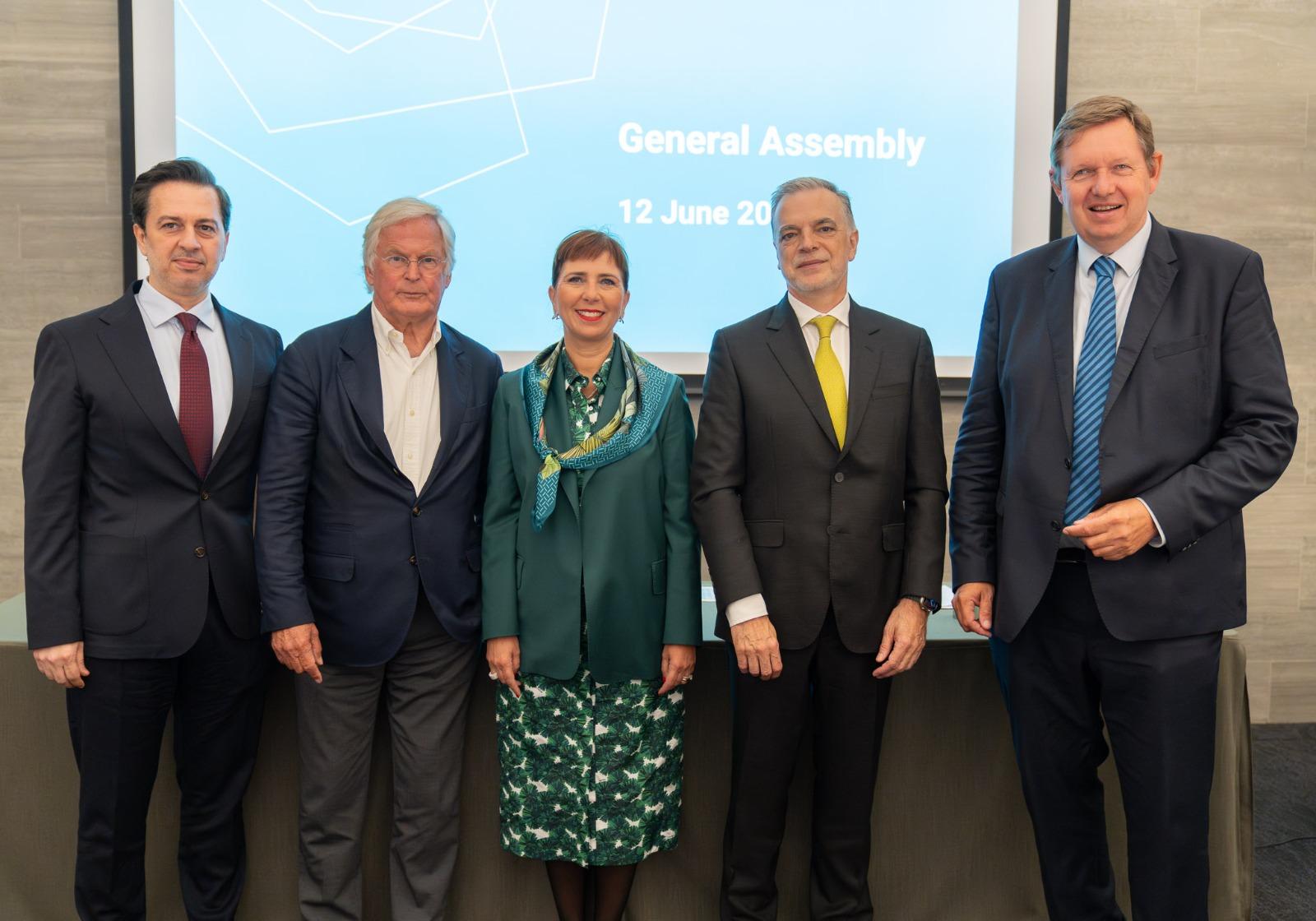
Presidency Team Photo (c) European Apparel and Textile Confederation EURATEX
Presidency Team
12.06.2026

Mario Jorge Machado re-elected President of EURATEX

The EURATEX General Assembly has re-elected Mario Jorge Machado as President of EURATEX, renewing its confidence in his leadership at a crucial moment for the European textile and clothing industry. The sector is facing rising costs, global competitive pressure and an increasingly challenging transition towards sustainability and digitalisation. 

With a degree in Production Polymer Engineering from the University of Minho, Mario Jorge Machado brings extensive industrial experience and a strong commitment to innovation, competitiveness and sustainable transformation. 

Upon his re-election, Mario Jorge Machado said:
“My priority for this new mandate is clear: to strengthen the competitiveness of our industry, ensure that the same rules apply to all products sold in Europe, and support our companies through the green and digital transition. Europe must decarbonise its industry, not deindustrialise it.” 

Three priorities for the new mandate

The EURATEX General Assembly has re-elected Mario Jorge Machado as President of EURATEX, renewing its confidence in his leadership at a crucial moment for the European textile and clothing industry. The sector is facing rising costs, global competitive pressure and an increasingly challenging transition towards sustainability and digitalisation. 

With a degree in Production Polymer Engineering from the University of Minho, Mario Jorge Machado brings extensive industrial experience and a strong commitment to innovation, competitiveness and sustainable transformation. 

Upon his re-election, Mario Jorge Machado said:
“My priority for this new mandate is clear: to strengthen the competitiveness of our industry, ensure that the same rules apply to all products sold in Europe, and support our companies through the green and digital transition. Europe must decarbonise its industry, not deindustrialise it.” 

Three priorities for the new mandate

1. Competitiveness as the foundation
Mario Jorge Machado has made clear that competitiveness must be the starting point for any successful industrial policy. In his recent Brussels address, he stressed that without competitiveness there can be no investment, no innovation, no sustainability and no strategic autonomy. He will therefore continue to push for a stronger business environment for textile companies, with support for investment in automation, digitalisation, artificial intelligence, skills and innovation, especially for SMEs. 

2. A genuine level playing field
A second key priority is to ensure that the same rules apply to everything sold in Europe, not only to what is made in Europe. Mario Jorge Machado has repeatedly called for stronger market surveillance, better border enforcement and more effective control of imports sold through digital platforms, so that European companies are not put at a disadvantage against products that bypass EU safety, environmental and consumer rules. EURATEX will continue to advocate for equal enforcement, fair competition and a market where compliance is rewarded. 

3. Supporting industry through the transition
Mario Jorge Machado also wants to ensure that the green and digital transition strengthens European industry rather than weakening it. He has underlined that sustainability must become a source of competitiveness, not a burden, and that companies need realistic rules, affordable energy, workable implementation and targeted support to adapt successfully. He has also stressed the importance of stimulating demand for sustainable European-made textiles, including through public procurement and transparency tools that are feasible for companies. 

Presidency Team
The General Assembly also confirmed the composition of the EURATEX Presidency Team, which will support the President in steering the organisation’s strategic direction:

  • Mr. Franz Peter Falke, T+M, Germany
  • Ms. Barbara Cimmino, Confindustria Moda, Italy
  • Mr. Ismail Kolunsag, IHKIB, Türkiye 
  • Mr. Grégory Marchand, UIT, France 
Source:

European Apparel and Textile Confederation EURATEX

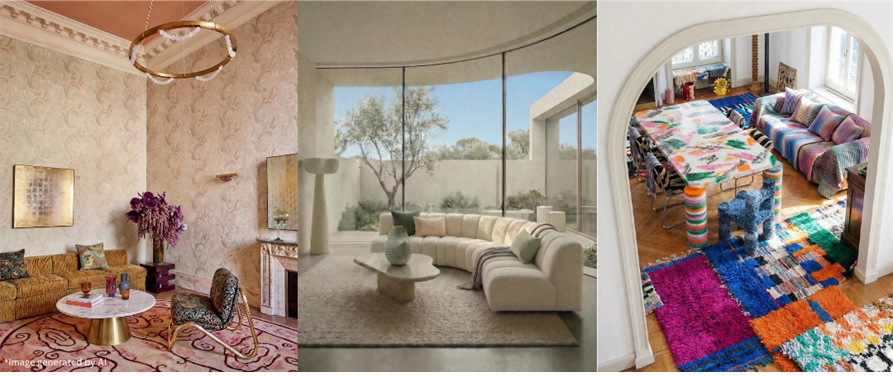
Trends 2027 will equip fairgoers with design insights to navigate the latest trends shaping the industry, across three directions: RE-DECORATE, RE-CONNECT, and RE-USE. Photo: Messe Frankfurt
Trends 2027 will equip fairgoers with design insights to navigate the latest trends shaping the industry, across three directions: RE-DECORATE, RE-CONNECT, and RE-USE.
24.05.2026

Intertextile Shanghai Home Textiles: Trends 2027, New Lifestyle Zone and Product Expansion

Intertextile Shanghai Home Textiles – Autumn Edition 2026 will spotlight forward-looking design directions and evolving consumer demand, as the global home and lifestyle market continues to adapt to sustainability priorities, emotional well-being, and diversified living spaces. Taking place from 18 – 20 August 2026 at the National Exhibition and Convention Center (Shanghai), the fair will present its latest trend theme, ‘BREATHE UP!’, developed in collaboration with leading international trend forecaster NellyRodi™ Agency, alongside expanded product categories, and the debut of the Home Textiles Lifestyle Zone.

Amid a shifting market landscape shaped by greener consumption policies in China, the rise of home-centric lifestyles, and growing demand for multi-functional and emotionally resonant interiors[1], the fair serves as a key platform for trend-led sourcing, cross-sector collaboration, and business exchange. These developments will be reflected across four halls, from curated displays to exhibitor showcases aligned with emerging consumer preferences.

Intertextile Shanghai Home Textiles – Autumn Edition 2026 will spotlight forward-looking design directions and evolving consumer demand, as the global home and lifestyle market continues to adapt to sustainability priorities, emotional well-being, and diversified living spaces. Taking place from 18 – 20 August 2026 at the National Exhibition and Convention Center (Shanghai), the fair will present its latest trend theme, ‘BREATHE UP!’, developed in collaboration with leading international trend forecaster NellyRodi™ Agency, alongside expanded product categories, and the debut of the Home Textiles Lifestyle Zone.

Amid a shifting market landscape shaped by greener consumption policies in China, the rise of home-centric lifestyles, and growing demand for multi-functional and emotionally resonant interiors[1], the fair serves as a key platform for trend-led sourcing, cross-sector collaboration, and business exchange. These developments will be reflected across four halls, from curated displays to exhibitor showcases aligned with emerging consumer preferences.

Guided by NellyRodi™ Agency, the 2027 trend directions are developed by a committee including the agency’s Founder and Trendsetter Ms Nelly Rodi, Global Creative Director Ms Cécile Rosenstrauch, and Founder and Design Director of the Interior Architects Design Mr Shen Lei. At the fair, the concept ‘BREATHE UP!’ will be brought to life through a dedicated trend area featuring curated spaces and immersive installations, offering visitors a preview of the season’s key directions.

‘BREATHE UP!’ reflects a renewed search for balance and vitality in an increasingly complex world. Inspired by the rhythm of breathing, the theme explores how design can restore emotional well-being, reconnect individuals with their surroundings, and open new creative possibilities at home. It captures a shift from purely functional living spaces towards environments that nurture both body and mind, a transition that will be echoed in product innovations presented onsite.

The concept unfolds through three key textile directions. RE-DECORATE celebrates expressive interiors, where bold aesthetics, rich textures, and artisanal craftsmanship transform the home into a stage for individuality and creativity. RE-CONNECT embraces a softer, more mindful approach, combining pared-back design with intelligent functionality to create calm, restorative spaces. RE-USE highlights circular thinking, encouraging experimentation with recycled materials and innovative processes to redefine sustainability as both practical and aesthetic. 

New zone and offerings reflect lifestyle convergence, emerging demand
In response to the continued expansion of lifestyle-driven consumption, and the growing desire for more holistic, well-being-oriented living environments, the fair will also introduce the Home Textiles Lifestyle Zone, bringing together complementary categories such as carpets, wallpapers, aromatherapy, and home accessories. Featuring highlighted exhibitors such as Simple Home and Zhejiang Nine home Co Ltd, this new zone reflects the growing integration between home textiles and broader lifestyle products, as consumers increasingly seek cohesive, experience-led living environments. It also broadens the show’s offering, providing visitors with a more comprehensive resource across core home textiles and a wider range of home products.
 
Meanwhile, the fair will expand its commerce product scope, tapping into a fast-growing segment in consumer market and reflecting the increasing integration of digital shopping experiences into everyday lifestyles. With the growing adoption of e-commerce platforms and digital retail tools in brand strategies, this addition aims to help exhibitors capture emerging opportunities and reach new customer groups.
 
Aligned with China’s policy direction towards sustainable development, green consumption, and commercial refurbishment, the fair will further spotlight exhibitors specialising in contract business and eco-friendly innovations, helping to meet rising demand for low-carbon, wellness-oriented, and future-ready living spaces. These better positions the fair to connect exhibitors with buyers in the hospitality, contract, and public sectors seeking practical solutions that support sustainable operations and the ongoing upgrading of built environments.
 
Intertextile Shanghai Home Textiles – Autumn Edition is organised by Messe Frankfurt (HK) Ltd; the Sub-Council of Textile Industry, CCPIT; and the China Home Textile Association (CHTA).

Source:

Messe Frankfurt (HK) Ltd

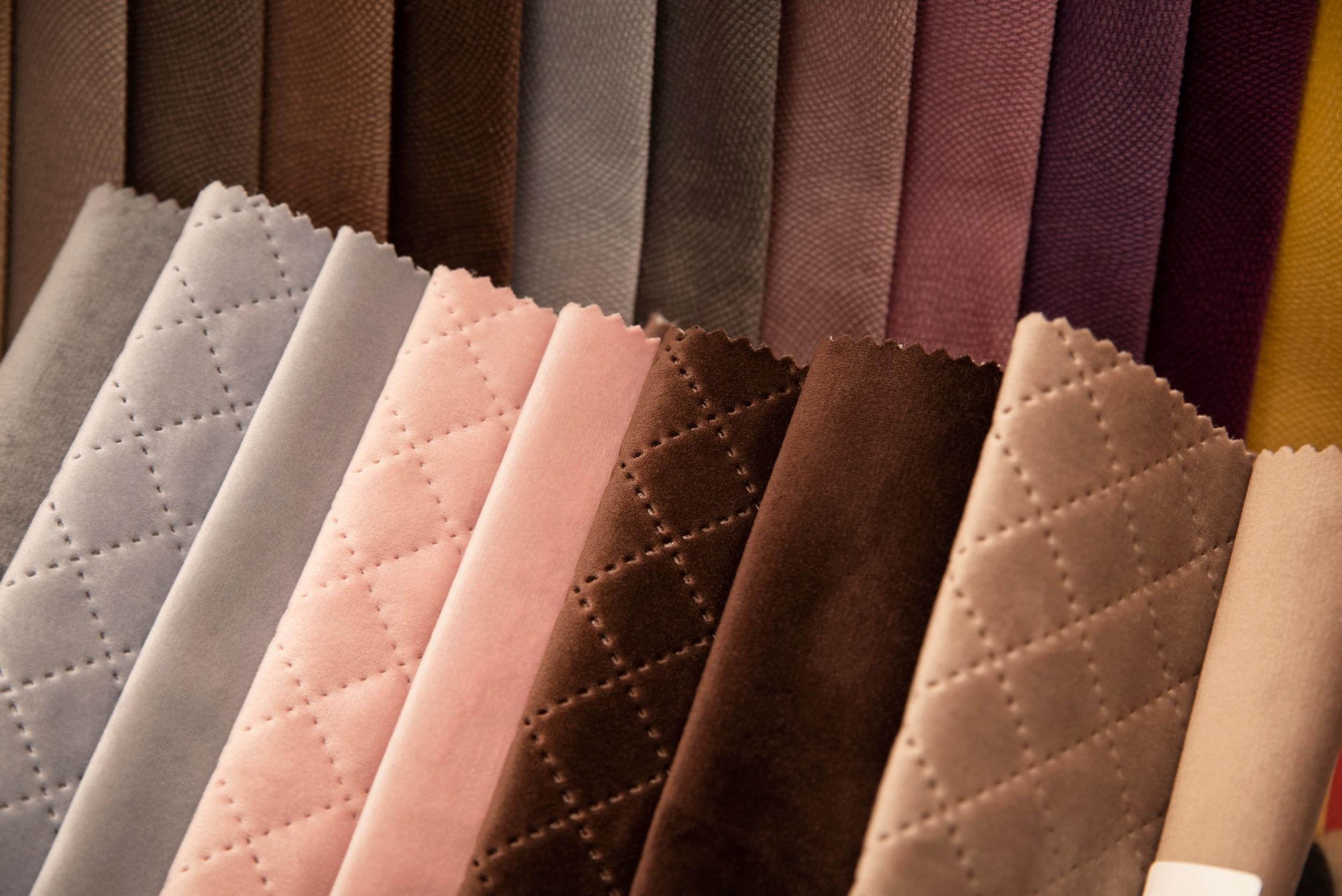
Upholstered furniture textiles Photo: Temple Bar Advisory for Reconomy
Upholstered furniture textiles
14.05.2026

Circular solutions for B2B textiles failing to keep pace with rising waste volumes

  • B2B textiles are textile-based products used in commercial or industrial settings, rather than by consumers  
  • While B2B textiles are considered better positioned for circularity than the B2C textile sector, solutions remain early-stage and have not yet scaled in line with the volume of waste generated 
  • New research examines key barriers to circularity across five priority sub-sectors and the opportunities to unlock greater circularity  

Circular solutions for B2B textiles have yet to scale in line with the volume of waste generated, according to new research by Reconomy, the international circular economy specialist. 

  • B2B textiles are textile-based products used in commercial or industrial settings, rather than by consumers  
  • While B2B textiles are considered better positioned for circularity than the B2C textile sector, solutions remain early-stage and have not yet scaled in line with the volume of waste generated 
  • New research examines key barriers to circularity across five priority sub-sectors and the opportunities to unlock greater circularity  

Circular solutions for B2B textiles have yet to scale in line with the volume of waste generated, according to new research by Reconomy, the international circular economy specialist. 

B2B textiles include textile-based products used for commercial or industrial purposes such as soft furnishings, automotive interiors, agricultural textiles and construction materials rather than clothing worn by consumers. While these sectors are widely considered to be better positioned for circularity than the B2C sector due to established logistics and the fact that B2B textiles are typically more homogenous in material composition, solutions remain underdeveloped and have not yet scaled, leaving large volumes of material flowing into downcycling or disposal.   

The research examines waste flows and market dynamics across five priority B2B textile categories, including: soft furnishings; upholstery and furniture textiles; automotive textiles; agricultural textiles; and geotextiles and construction textiles. 

Across all five, the findings point to a common challenge, namely that while circularity is technically possible, it is impeded in practice by weak sorting, limited aggregation, poor data visibility and underdeveloped end-markets – meaning materials that could be reused or recycled are instead lost from the system. 

Within UK B2B soft furnishings, for example, the research found that products are dominated by bed, bath and table linen used by the hospitality and healthcare sectors which generate large waste flows. Despite the strong underlying recycling potential of these materials, reuse is structurally constrained by hygiene requirements and low unit value, resulting in most volumes sent to energy-from-waste facilities or landfill.  

The research identifies that the primary opportunity for the industry lies upstream, in improving sorting and aggregation at industrial laundries, which act as the key control point for circular and end-of-life material routing. 

The report comes amid rising waste volumes, with more than 6,000 tonnes of hospitality textiles lost each year in the UK and four million linen items lost annually by the NHS, including bed sheets, pillowcases and surgical gowns. 
 
Commenting, Aimee Campanella, Development Director for Textiles EPR at Reconomy, said: “While much discussion around textiles circularity has centred on apparel, non-apparel textiles represent a significant adjacent area that has been largely overlooked. Given our expertise in textiles for clothing and footwear, we commissioned this new research to provide the industry with greater clarity on the structural barriers holding circularity back, and what needs to change to accelerate circular models that reduce waste, cut carbon emissions and lower costs for businesses.”

Source:

Temple Bar Advisory for Reconomy

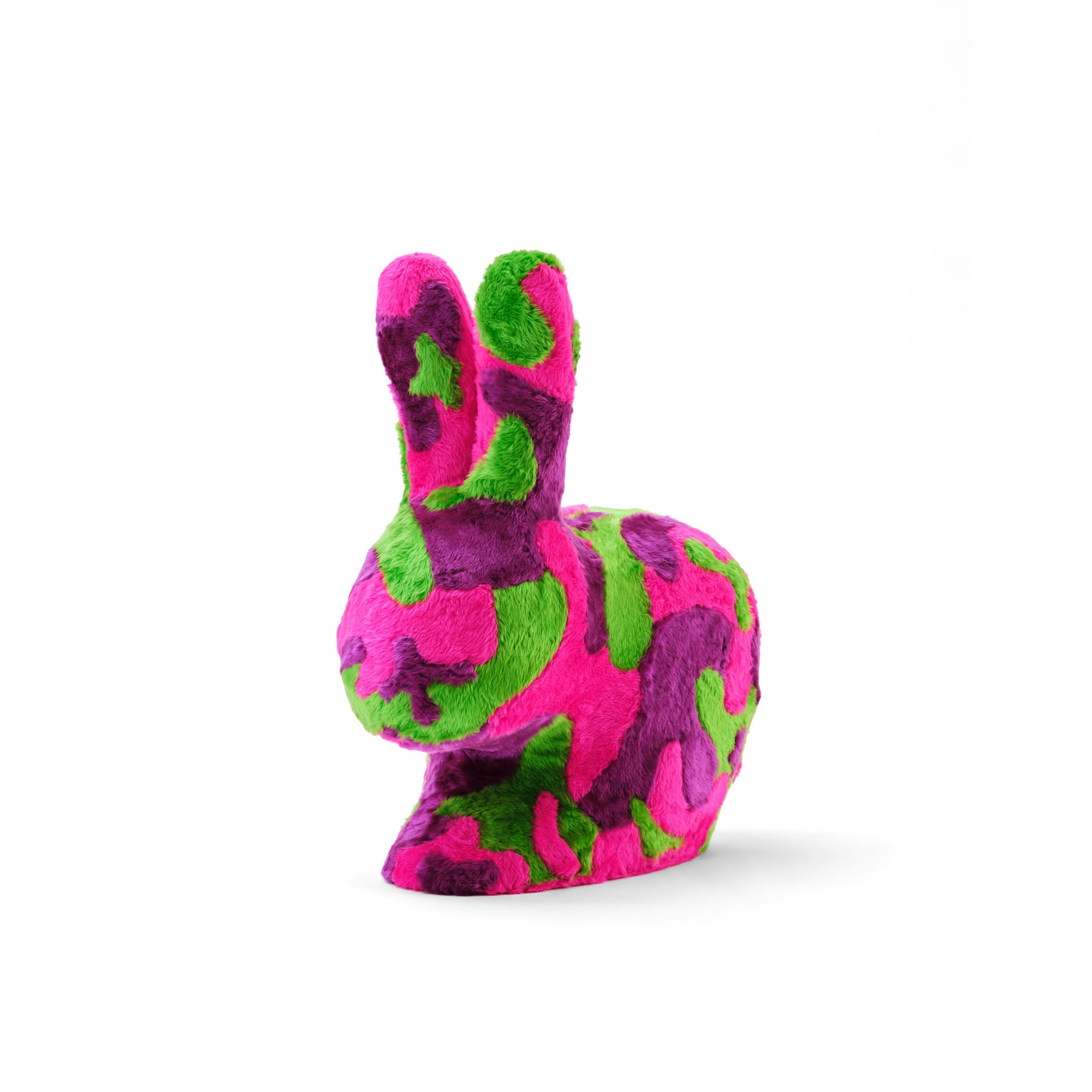
Danny Bunny - design by Estúdio Campana Photo via Qeeboo
Danny Bunny - design by Estúdio Campana
20.04.2026

Iconic Rabbit Chair: Qeeboo celebrates its tenth anniversary

Qeeboo marks its tenth anniversary with a special project dedicated to its most iconic product: the Rabbit Chair, designed by Stefano Giovannoni.  
 
Launched in 2016 at the brand’s debut, the Rabbit Chair has become a defining symbol of Qeeboo, blending iconic design and emotion into a distinctive and recognizable language. 
  
To celebrate this milestone, the company invited designers who have contributed to its history to reinterpret this product through their own vision, exploring new expressive possibilities across the diverse languages of contemporary design.  
 
Among the participants are some of the most prominent figures on the international design scene: Estudio Campana, Furf Design Studio, Elisa Giovannoni, Richard Hutten, Studio Job, Marcantonio, Maum Studio, Studio Nucleo, Marco Oggian, Marcel Wanders, Nika Zupanc.  
 
The results are unique, handcrafted pieces that will be auctioned during the exhibition and sold through the Paris-based auction house Piasa, highlighting the exclusive and artistic value of the initiative. 
 

Qeeboo marks its tenth anniversary with a special project dedicated to its most iconic product: the Rabbit Chair, designed by Stefano Giovannoni.  
 
Launched in 2016 at the brand’s debut, the Rabbit Chair has become a defining symbol of Qeeboo, blending iconic design and emotion into a distinctive and recognizable language. 
  
To celebrate this milestone, the company invited designers who have contributed to its history to reinterpret this product through their own vision, exploring new expressive possibilities across the diverse languages of contemporary design.  
 
Among the participants are some of the most prominent figures on the international design scene: Estudio Campana, Furf Design Studio, Elisa Giovannoni, Richard Hutten, Studio Job, Marcantonio, Maum Studio, Studio Nucleo, Marco Oggian, Marcel Wanders, Nika Zupanc.  
 
The results are unique, handcrafted pieces that will be auctioned during the exhibition and sold through the Paris-based auction house Piasa, highlighting the exclusive and artistic value of the initiative. 
 
The exhibition will be open from Tuesday, April 21 to Sunday, April 26, from 10 AM to 7 PM, at the Qeeboo Loft in via Stendhal 35, Milan.  
 
With this project, Qeeboo renews its commitment to promoting emotional, positive, and unexpected design, looking toward the future with the same curiosity and innovative spirit that have defined its first ten years.

More information:
Qeeboo chair Rabbit Chair
Source:

Qeeboo