From the Sector

Reset
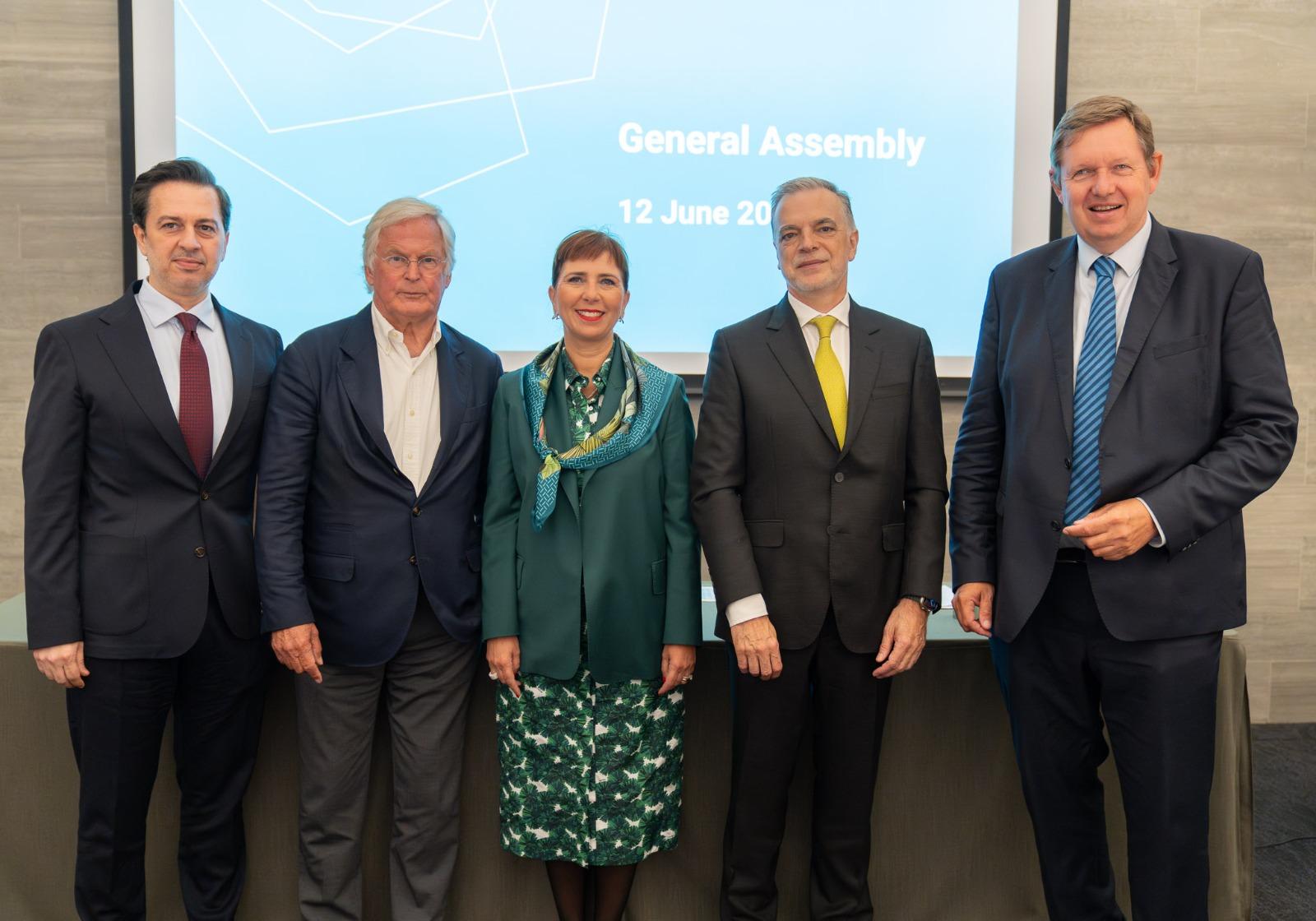
ITA Institute Director Professor Dr Thomas Gries, Janne Warnecke, and Peter D. Dornier (from left to right) (c) DITF
ITA Institute Director Professor Dr Thomas Gries, Janne Warnecke, and Peter D. Dornier (from left to right)
05.12.2025

Walter Reiners Foundation: Promotion and Sustainability Prizes awarded

ITA Master's student Janne Warnecke investigated tension differences over the fabric width in the weaving process and thereby contributed to quality assurance; ITA Bachelor's student Jasmin Roos found a basis for the development of recyclable yarns and textiles. For these developments, they were awarded the Walter Reiners Foundation's Promotion and Sustainability Prizes on 27 November. Peter D. Dornier, Chairman of the Walter Reiners Foundation, presented the awards at the Aachen-Dresden-Denkendorf International Textile Conference (ADD-ITC) in Aachen, Germany.

Thermoplastic elastomers as a recyclable alternative to elastane
The increasing importance of a circular economy for conserving resources and minimising negative environmental impacts requires innovative recycling concepts for textiles. The increasing use of elastane poses a particular challenge in textile recycling. Even small amounts of elastane cause difficulties in established recycling technologies such as thermomechanical recycling, for example by clogging filter media or decomposing into potentially toxic degradation products.

ITA Master's student Janne Warnecke investigated tension differences over the fabric width in the weaving process and thereby contributed to quality assurance; ITA Bachelor's student Jasmin Roos found a basis for the development of recyclable yarns and textiles. For these developments, they were awarded the Walter Reiners Foundation's Promotion and Sustainability Prizes on 27 November. Peter D. Dornier, Chairman of the Walter Reiners Foundation, presented the awards at the Aachen-Dresden-Denkendorf International Textile Conference (ADD-ITC) in Aachen, Germany.

Thermoplastic elastomers as a recyclable alternative to elastane
The increasing importance of a circular economy for conserving resources and minimising negative environmental impacts requires innovative recycling concepts for textiles. The increasing use of elastane poses a particular challenge in textile recycling. Even small amounts of elastane cause difficulties in established recycling technologies such as thermomechanical recycling, for example by clogging filter media or decomposing into potentially toxic degradation products.

Jasmin Roos won the Sustainability Award for her bachelor's thesis on the topic: ‘Potential of thermoplastic elastomers for thermomechanical textile recycling as an alternative to elastane: Experimental evaluation of PET/TPC blends’ with prize money of €3,000.

In her thesis, Jasmin Roos, supervised by ITA scientist Ricarda Wissel, took an in-depth look at the development of sustainable solutions for recycling elastic textiles. The innovative approach aims to replace conventional, non-recyclable elastane with melt-spun yarns made from thermoplastic copolyester elastomers (TPC). This can not only improve recyclability, but also contribute to reducing environmental impact, as harmful solvents can be dispensed with in yarn production.

The main objective of her work was to evaluate the suitability of blends of TPC and polyethylene terephthalate (PET) for joint thermomechanical recycling. Blend and melt spinning tests were carried out on a laboratory and pilot scale at the ITA facilities. Jasmin Roos succeeded in producing blends of different proportions of PET and TPC, based on typical elastane proportions in textiles, and successfully processing them into yarns on a melt spinning line – a crucial aspect for closed-loop recycling. The results of her bachelor's thesis thus form a promising basis for the development of recyclable elastic yarns and textiles.

Image: Edana
05.12.2025

European Commission imposes registration on imports of PET spunbond from China

On 15 September 2025, the European Commission opened an Anti-dumping (AD) investigation into imports of PET spunbond from China following a complaint by the EU industry (AD738). 

On 2 December 2025, the Commission made imports of PET spunbond from China subject to registration. This is an important milestone in the proceedings. 

It means that as of 3 December 2025 all users must register their imports with the customs authorities who are carefully monitoring the import flows from now on. 

Having made those imports subject to registration allows the Commission to impose definitive AD duties with retroactive effect. 

The EU industry welcomes this step and thanks the European Commission for its efforts to re-establish a level playing field on the EU market.

On 15 September 2025, the European Commission opened an Anti-dumping (AD) investigation into imports of PET spunbond from China following a complaint by the EU industry (AD738). 

On 2 December 2025, the Commission made imports of PET spunbond from China subject to registration. This is an important milestone in the proceedings. 

It means that as of 3 December 2025 all users must register their imports with the customs authorities who are carefully monitoring the import flows from now on. 

Having made those imports subject to registration allows the Commission to impose definitive AD duties with retroactive effect. 

The EU industry welcomes this step and thanks the European Commission for its efforts to re-establish a level playing field on the EU market.

Source:

Edana

Archroma & Fibre52®: Distribution partnership Graphic Archroma
05.12.2025

Archroma & Fibre52®: Distribution partnership

Archroma becomes the exclusive global distributor of Fibre52®’s patented chemistry—advancing a new standard in sustainable processing. Combined with Archroma’s AVITERA® SE dyes, the partnership delivers the industry’s most resource-efficient bleach-and-dye systems.
 
Archroma, a leading global specialty chemicals company committed to sustainable innovation, and Innovo Fiber LLC, owner of the patented Fibre52® system, announced an exclusive global distribution partnership to expand the reach of Fibre52®’s proven low-temperature, bleaching technology with innovative dyeing application to textile mills and brands worldwide.

When combined with Archroma’s AVITERA® SE reactive dye range, the collaboration brings forward a comprehensive system that reduces resource use across pretreatment and dyeing, setting a new benchmark for sustainable cotton and cotton/polyester production. Together, the technologies enable mills to reduce water use and CO₂ emissions by up to 50%, helping brands accelerate their progress toward carbon-reduction and sustainability targets.

Archroma becomes the exclusive global distributor of Fibre52®’s patented chemistry—advancing a new standard in sustainable processing. Combined with Archroma’s AVITERA® SE dyes, the partnership delivers the industry’s most resource-efficient bleach-and-dye systems.
 
Archroma, a leading global specialty chemicals company committed to sustainable innovation, and Innovo Fiber LLC, owner of the patented Fibre52® system, announced an exclusive global distribution partnership to expand the reach of Fibre52®’s proven low-temperature, bleaching technology with innovative dyeing application to textile mills and brands worldwide.

When combined with Archroma’s AVITERA® SE reactive dye range, the collaboration brings forward a comprehensive system that reduces resource use across pretreatment and dyeing, setting a new benchmark for sustainable cotton and cotton/polyester production. Together, the technologies enable mills to reduce water use and CO₂ emissions by up to 50%, helping brands accelerate their progress toward carbon-reduction and sustainability targets.

Under the agreement, Archroma will integrate Fibre52® into its global sales and technical network, expanding access to the ZDHC MRSL v3.1 and OEKO-TEX®-approved system for mills adopting high-performance, sustainable processing.

Revolutionizing Cotton and Cellulose Processing
Fibre52®’s breakthrough technology replaces harsh, high-temperature caustic bleaching with a gentle, low-temperature system that preserves the cotton fiber’s natural wax layer. The result is stronger, softer, more durable fabrics that reduce process weight loss by 2–4%, lower energy and water use, and deliver cost-neutral conversion—while minimizing the need for added softeners through the cotton’s naturally enhanced hand feel.

Already adopted by partner mills across multiple regions, the process delivers consistent results across all shades—including whites—and performs exceptionally on cotton/polyester blends, reducing time and water requirements. Combined with Archroma’s AVITERA® SE dyes, it enhances dye uptake, color depth, and overall resource efficiency—a next-generation solution for sustainable textile processing.

Engineered for versatility across modern bleaching and dyeing platforms, Fibre52® offers mills a single, low-impact system adaptable to a wide range of fabric constructions and process methods. Designed for cotton and effective with cotton/polyester, manmade cellulosics, and cotton-rich blends, the system also supports greater use of recycled cotton, advancing circular textile production.

By combining Archroma’s global reach and technical expertise with Fibre52®’s patented innovation, the partnership will accelerate the industry’s shift to a comprehensive bleach-and-dye system, unlocking new efficiencies and environmental benefits at scale. Together, Archroma and Fibre52® are setting a new benchmark for sustainable, high-performance cotton and blended fabric processing.

Executive Perspectives
“Our goal has always been to make sustainable cotton processing the global standard,” said Laura Thornquist, President of Innovo Fiber LLC, owner of Fibre52®. “Through our partnership with Archroma, we can now deliver that vision at scale—combining Fibre52®’s neutral-pH, caustic-free technology with Archroma’s AVITERA® SE dyes to create a complete, low-impact bleach-and-dye system. This is how the industry moves forward: practical innovation that improves performance, protects fibers, and dramatically reduces environmental impact.”

“This partnership is a strategic milestone that brings together Innovo Fiber’s groundbreaking technology and Archroma’s sustainability innovation. Together we are empowering the textile industry to achieve new levels of efficiency and environmental sustainability. This is a game-changer for the industry and we are excited to lead the charge,” said Dhirendra Gautam, VP Commercial, Archroma. “With Fibre52®, we now deliver a unique, industry-first solution, for cotton and its blends, as part of Archroma’s SUPER SYSTEMS+ portfolio.”

® Trademarks of Archroma registered in many countries.
Fibre52® is a registered trademark of Fibre52 (Innovo Fiber LLC).

Polybutylene succinate (PBS) film tape Photo Sächsisches Textilforschungsinstitut e.V. (STFI)
Polybutylene succinate (PBS) film tape
05.12.2025

Region of renewable raw materials: Central German Alliance for Bioplastics

The development of sustainable plastic solutions is rapidly gaining importance in light of global environmental pollution, dwindling fossil resources and ambitious climate protection targets. As part of the regional alliance RUBIO, which brings together 18 partners from central Germany and the Berlin-Brandenburg area, the bio-based and biodegradable plastic polybutylene succinate (PBS) was comprehensively investigated, starting with the raw material, through the manufacturing process, to industrial application. The aim was to evaluate the potential of PBS as an environmentally friendly alternative to polyethylene and to create the technological basis for new sustainable value chains. As a partner in the alliance, STFI was able to demonstrate that the bioplastic PBS is suitable for textile processing using the example of a net for straw bales. 

The development of sustainable plastic solutions is rapidly gaining importance in light of global environmental pollution, dwindling fossil resources and ambitious climate protection targets. As part of the regional alliance RUBIO, which brings together 18 partners from central Germany and the Berlin-Brandenburg area, the bio-based and biodegradable plastic polybutylene succinate (PBS) was comprehensively investigated, starting with the raw material, through the manufacturing process, to industrial application. The aim was to evaluate the potential of PBS as an environmentally friendly alternative to polyethylene and to create the technological basis for new sustainable value chains. As a partner in the alliance, STFI was able to demonstrate that the bioplastic PBS is suitable for textile processing using the example of a net for straw bales. 

The starting point: bioplastics sought as a substitute for PE
Increasing reports of macro and microplastics everywhere on earth, the finite nature of fossil re-sources, EU climate protection targets, and the call for CO2 reduction compel all stakeholders, especially the plastics industry, to act promptly. Bio-based and simultaneously biodegradable plastics ap-pear to be valuable raw materials for many applications, ranging from the packaging industry to the textile sector and agriculture. The aim of this project was comprehensive investigation of polybutylene succinate (PBS) from raw material to its industrial applicability. In order to qualify the biopolymer as a substitute for polyethylene (PE), its material properties were tested and evaluated with regard to their suitability for a wide range of applications.

The textile processing of the bioplastic PBS
During project work, STFI main task was to explore opportunities and limits of technological processing of PBS materials (resins, film, nonwoven fabric, ribbons) into textile end products. Investigations were carried out on processing behavior of resins to nonwoven fabrics, followed by cutting processes into narrow ribbons, as well as studies on cutting and stretching PBS films and resins into ribbons. Subsequently, these ribbons were used to produce surfaces on knitting and weaving ma-chines. As a result, nonwoven fabrics, ribbons, and textile structures are available, which will be further optimized in subsequent projects. It has been possible to develop a knitted straw bale net that meets the requirements regarding mechanical properties of DLG (German Agricultural Society) for novel bio-based plastics.

Success and outlook
The results include spunbonded fabrics, ribbons and textile structures. A knitted straw bale net has been successfully developed that meets the requirements of the DLG (German Agricultural Society) for innovative bio-based plastics in terms of mechanical properties. 

The focus for the future is on optimising textile production processes for the bioplastic PBS. The RUBIO2Value project was launched in December and will focus on applications such as injection-moulded reusable packaging, textiles and geotextiles, but also disposable packaging in upcoming studies by the consortium. At STFI, established textile processes are being converted to sustainable and renewable raw materials in order to use recycled or biodegradable materials for sustainable production.

Source:

Sächsisches Textilforschungsinstitut e.V. (STFI) 

03.12.2025

Global Fashion Summit 2026: ‘Building Resilient Futures’

Global Fashion Agenda (GFA) has revealed the theme for Global Fashion Summit: Copenhagen Edition 2026: ‘Building Resilient Futures’. Under the esteemed patronage of Her Majesty the Queen of Denmark, the leading forum for sustainability in fashion will take place on 6 - 7 May at the iconic Copenhagen Concert Hall, with pre-Summit events commencing on 5 May. Throughout the event, fashion's most influential figures will focus on forging the infrastructure of a future that is durable, restorative, and fair. Registration is now open. 

Global Fashion Agenda (GFA) has revealed the theme for Global Fashion Summit: Copenhagen Edition 2026: ‘Building Resilient Futures’. Under the esteemed patronage of Her Majesty the Queen of Denmark, the leading forum for sustainability in fashion will take place on 6 - 7 May at the iconic Copenhagen Concert Hall, with pre-Summit events commencing on 5 May. Throughout the event, fashion's most influential figures will focus on forging the infrastructure of a future that is durable, restorative, and fair. Registration is now open. 

The sustainability movement in fashion has faced extraordinary challenges. Supply chains have been disrupted, especially in key sourcing countries like Bangladesh, Turkey and Vietnam, green ambitions questioned, and cultural narratives reshaped. Last year marked the first time global average temperatures exceeded the 1.5°C threshold set by the Paris Agreement. The industry’s collective capacity to withstand and adapt has been profoundly tested. The Summit theme, ‘Building Resilient Futures’, recognises this moment as both a reckoning and a renewal. It challenges the global fashion community to carefully consider where they will fall on the resilience spectrum: rigid and resistant to change or agile and actively adapting to it.

Across the industry, emerging circularity networks, material innovation, evolving policy frameworks, new financing mechanisms, and data driven accountability are becoming essential building blocks of resilience. The 2026 Summit will examine how these enablers can reinforce long term social, environmental, and economic stability.

Global Fashion Summit will highlight how resilience can be strengthened through collaboration. The programme will focus not only on navigating upheaval, but on using it as a catalyst for greater strength, creativity, and impact - featuring curated content across five stages offering expanded perspectives and session formats. 

The Innovation Forum will showcase a curated selection of solutions spanning the value chain - from pioneering materials to advanced end-of-use processes. Summit attendees can connect with solution providers and participate in the Matchmaking Programme, which enables tailored, one-on-one meetings to help accelerate sustainability strategies through targeted partnerships.

Source:

Global Fashion Agenda

Trevira CS® at Heimtextil 2026 with "WE CARE" campaign (c) IVL
03.12.2025

Trevira CS® at Heimtextil 2026 with "WE CARE" campaign

Indorama Ventures, a global sustainable chemical company, announced its Trevira CS® brand’s presentation at Heimtextil 2026 in Frankfurt, Germany, from January 13 to 16, 2026. The theme of the show: “WE CARE.” 

“WE CARE”: A Focus on Community, Sustainability, and Craftsmanship 
Trevira CS®, alongside its partners, is transforming the traditional trade show display into an active, meaningful experience at the Trevira CS Joint Booth. The theme "WE CARE" embodies a commitment to the textile industry, fire safety, mindful resource usage, and social responsibility. 

“We care about the textile industry, fire safety indoors, the communities we operate in, the mindful usage of our resources, and about you and your loved ones. At Heimtextil 2026, we are completely shifting the focus from a passive display to an active, memorable, and meaningful experience,” says Svenja Fromm, Fibers Global Communication and Brand Manager. 

Experiencing the fabric: Sensory engagement and social impact 
The core of the "WE CARE" booth is an interactive activity designed to enhance sensory engagement and support a worthy cause: 

Indorama Ventures, a global sustainable chemical company, announced its Trevira CS® brand’s presentation at Heimtextil 2026 in Frankfurt, Germany, from January 13 to 16, 2026. The theme of the show: “WE CARE.” 

“WE CARE”: A Focus on Community, Sustainability, and Craftsmanship 
Trevira CS®, alongside its partners, is transforming the traditional trade show display into an active, meaningful experience at the Trevira CS Joint Booth. The theme "WE CARE" embodies a commitment to the textile industry, fire safety, mindful resource usage, and social responsibility. 

“We care about the textile industry, fire safety indoors, the communities we operate in, the mindful usage of our resources, and about you and your loved ones. At Heimtextil 2026, we are completely shifting the focus from a passive display to an active, memorable, and meaningful experience,” says Svenja Fromm, Fibers Global Communication and Brand Manager. 

Experiencing the fabric: Sensory engagement and social impact 
The core of the "WE CARE" booth is an interactive activity designed to enhance sensory engagement and support a worthy cause: 

  1. Sensory enhancement: Visitors, including interior designers, decorators, and media, will be encouraged to physically touch, feel, and work with the Trevira CS fabrics, enabling a deeper understanding of essential qualities like drape, weight, and texture. Trevira CS fabric donations from various partners have been turned into pillowcases. Partner in this craftsmanship activity is hum Kissen, Sulingen, Germany. Since over 20 years, hum stands for sustainable design, high quality, and fair cooperation for cushions. That's why they only use valuable, certified materials for their hum design and outdoor cushions, which are manufactured in Germany. Their value promise: feel good in any environment! Also, pillowcases from various displays and showcases have been submitted by Trevira CS partners – all awaiting the following next step. 
  2. Memorable interaction & giving back: The WE CARE highlight activity invites Heimtextil visitors to stuff these pillowcases using permanently flame-retardant fibers provided by Indorama Ventures. This hands-on process allows participants to truly appreciate the fabric's "hand" and craftsmanship. 
  3. One act of kindness: All cushions created during the show will be handed over to the Lions Club Wiesbaden. They will ensure that the finished cushions are distributed to those in need within the local community, supporting two initiatives: “Herzenswärme” (Warmth of the Heart) initiative and the „IFB“ (Inklusion.Förderung.Betreuung/Inclusion.Support.Care.) initiative, which focuses on the inclusion of children with disabilities. 

Trevira CS Joint Booth Experience: Innovations in Flame-Retardancy & Design 
The Trevira CS Joint Booth will feature a diverse collection of inherently flame-retardant products for the home textiles and contract market. The exhibiting partners will showcase products across all textile applications, from spun to fancy flame retardant yarns eligible for the brand Trevira CS to from lightweight curtains to upholstery fabrics, woven and knitted fabrics as well as interior solar shading solutions.

Dedicated gallery information walls will provide unique insights into the Trevira CS brand, its sub-brands, rigorous trademark testing, various application areas, and its path forward using advanced recycled materials. 

Exhibiting Partners at the Trevira CS Joint Booth (Hall 3.1, G95) 

  • Baroni Filati S.r.l. 
  • FILTRADING S.R.L. 
  • ILCAT S.P.A. 
  • TORCITURA LEI TSU S.R.L. 
  • LODETEX S.P.A. 
  • MOTTURA Spa 
  • PIF sarl 
  • Pugi RG S.r.l. 
  • Tintoria filati Sala S.r.l. 
  • Selvafil S.A. 
  • Hum Kissen 
  • The Lion Club Wiesbaden 

Deja™: Advancing Sustainability with Recycled Materials 
Demonstrating a commitment to a sustainable path forward, Indorama Ventures will also introduce the deja™ brand family. Deja marks fibers, yarns and technical fabrics made from what is already here, thereby significantly reducing CO2 emissions and environmental impact while delivering virgin-like performance. 

This sustainable product family of staple fibers, filament yarns, and technical fabrics is suitable for a broad variety of applications, including home textiles, apparel, and automotive interiors. 

Indorama Ventures and Trevira CS® invite all visitors to experience the "WE CARE" concept, to stuff a cushion, and engage with the Trevira CS partners, and its brands Trevira CS® and deja™ at Heimtextil 2026.

Source:

IVL, Trevira CS

02.12.2025

Kelheim Fibres: Transaction Process Failed – Preparation for Production Phase-Out

Kelheim Fibres GmbH announces that the transaction process pursued as part of the ongoing self-administered insolvency proceedings with the Munich-based LEO III Fund, exclusively advised by the DUBAG Group, could not be successfully completed despite intensive efforts. The purchase agreement, which had already been notarised, could not be executed due to the non-fulfilment of essential closing conditions – in particular, the absence of binding volume commitments from several major customers for the year 2026. As a result, the investor was compelled to withdraw from the agreement, as a viable business model could not be secured.

Despite broad support from the majority of customers and the restructuring measures already successfully implemented, the currently binding order volume is not sufficient to economically justify a regular continuation of operations beyond 31 December 2025. Against this backdrop, Kelheim Fibres must now prepare for an orderly phase-out of production.

Kelheim Fibres GmbH announces that the transaction process pursued as part of the ongoing self-administered insolvency proceedings with the Munich-based LEO III Fund, exclusively advised by the DUBAG Group, could not be successfully completed despite intensive efforts. The purchase agreement, which had already been notarised, could not be executed due to the non-fulfilment of essential closing conditions – in particular, the absence of binding volume commitments from several major customers for the year 2026. As a result, the investor was compelled to withdraw from the agreement, as a viable business model could not be secured.

Despite broad support from the majority of customers and the restructuring measures already successfully implemented, the currently binding order volume is not sufficient to economically justify a regular continuation of operations beyond 31 December 2025. Against this backdrop, Kelheim Fibres must now prepare for an orderly phase-out of production.

In parallel, the company is examining whether a limited continuation of production in 2026 – both in terms of duration and volume – may be possible based on additional binding customer orders. Customers are therefore being asked for swift final commitments. Once these responses have been evaluated, a decision will be made on whether, and to what extent, operations can be maintained beyond the turn of the year.

The workforce and the Works Council were informed of the current developments and potential scenarios on Monday, 24 November 2025.

The company's statement:
"We extend our sincere gratitude to our employees for their exceptional dedication and many years of loyalty. Their commitment during challenging times has shaped our company and significantly helped safeguard our values, quality, and continuity. We deeply regret the necessary step of ceasing operations and greatly appreciate the professional cooperation, engagement, and loyalty of each individual. Our thanks go to all colleagues for their contributions, their support throughout this transition, and their commitment to our community. Together, we carry the responsibility to find fair solutions for everyone affected and will provide support wherever possible in transitioning to new opportunities."

02.12.2025

CARBIOS & Wankai New Materials: Strategic partnership for the first PET biorecycling plant in China

In line with the commitment signed on November 6, 2025, CARBIOS and Wankai New Materials, a listed subsidiary of Zhink Group, the 3rd largest PET producer in China and 4th worldwide, announce the signing of the definitive agreement establishing a strategic partnership for the large-scale deployment of CARBIOS’s PET biorecycling technology in Asia, with the first step being the construction of a PET biorecycling plant in China.
 
The two companies have signed on 2 December 2025 the shareholders’ agreement for their joint venture, dedicated to the construction and operation of a first PET biorecycling plant in China, with a processing capacity of 50,000 tons of PET waste.
 
Wankai will be the majority shareholder of this company with a 70% stake, while CARBIOS will hold the remaining 30%. The financing of the plant’s construction, estimated at €115 million, will be covered 30% by equity and 70% by debt, with all debt guaranteed by Wankai.
 

In line with the commitment signed on November 6, 2025, CARBIOS and Wankai New Materials, a listed subsidiary of Zhink Group, the 3rd largest PET producer in China and 4th worldwide, announce the signing of the definitive agreement establishing a strategic partnership for the large-scale deployment of CARBIOS’s PET biorecycling technology in Asia, with the first step being the construction of a PET biorecycling plant in China.
 
The two companies have signed on 2 December 2025 the shareholders’ agreement for their joint venture, dedicated to the construction and operation of a first PET biorecycling plant in China, with a processing capacity of 50,000 tons of PET waste.
 
Wankai will be the majority shareholder of this company with a 70% stake, while CARBIOS will hold the remaining 30%. The financing of the plant’s construction, estimated at €115 million, will be covered 30% by equity and 70% by debt, with all debt guaranteed by Wankai.
 
The plant will be located in Haining (Zhejiang province) on site provided by Wankai, which is already equipped with infrastructure (equipment, waste treatment, etc.), thus reducing the investment cost. Construction is expected to begin during the first quarter of 2026, with commissioning targeted by the first quarter of 2027.
 
CARBIOS and Wankai have also approved on 2 December 2025 the license agreement, which will be granted by CARBIOS to the joint venture upon its incorporation.
 
CARBIOS and Wankai have committed to a long-term partnership with the ambition to build and operate several PET biorecycling plants in Asia. CARBIOS agrees to exclusively license its PET depolymerization technology in Asia to Wankai for a period of three years, subject to signing licenses with the latter for at least 100 kt per year of additional capacity. This term will be extended in five-year increments if additional licenses for at least 200 kt per year of extra capacity are signed.
 
To strengthen the strategic partnership between the two companies, Wankai has committed to subscribe, before 2 June 2026, to a dedicated capital increase of €5 million in the share capital of CARBIOS S.A., paid on the basis of an issue price per share of €8.0947, corresponding to the volume-weighted average of the last five trading days preceding the 1st of December 2025, reduced by a 10% discount. 

01.12.2025

Autoneum: Acquisition of Chengdu Yiqi-Sihuan Automobile Interior Co., Ltd. completed

Autoneum has closed the acquisition of Chengdu Yiqi-Sihuan Automobile Interior Co., Ltd., a leading Chinese supplier of acoustic and thermal management solutions for the automotive industry. This strategic transaction marks a key step in Autoneum’s expansion in Asia and further strengthens its position in the world’s largest automotive market. 

Originally announced in May 2025 as the takeover of Chengdu FAW-Sihuan Group, the transaction includes all shares of Chengdu Yiqi-Sihuan. The company name was clarified during the process to better reflect the scope of the transaction. This takeover follows the recent integration of Jiangsu Huanyu Group. Together, these initiatives reinforce Autoneum’s commitment to its “Level Up” strategy and its goal to generate 20 percent of Group revenue in Asia over the medium term. 

Founded in 2011, Chengdu Yiqi-Sihuan operates four production facilities across China and em-ploys approximately 240 people. The company supplies major Chinese OEMs including FAW-VW, FAW-Audi, FAW-Toyota, and Geely. In 2024, it generated revenues of approximately CHF 27 mil-lion, with further growth expected in the coming years. 

Autoneum has closed the acquisition of Chengdu Yiqi-Sihuan Automobile Interior Co., Ltd., a leading Chinese supplier of acoustic and thermal management solutions for the automotive industry. This strategic transaction marks a key step in Autoneum’s expansion in Asia and further strengthens its position in the world’s largest automotive market. 

Originally announced in May 2025 as the takeover of Chengdu FAW-Sihuan Group, the transaction includes all shares of Chengdu Yiqi-Sihuan. The company name was clarified during the process to better reflect the scope of the transaction. This takeover follows the recent integration of Jiangsu Huanyu Group. Together, these initiatives reinforce Autoneum’s commitment to its “Level Up” strategy and its goal to generate 20 percent of Group revenue in Asia over the medium term. 

Founded in 2011, Chengdu Yiqi-Sihuan operates four production facilities across China and em-ploys approximately 240 people. The company supplies major Chinese OEMs including FAW-VW, FAW-Audi, FAW-Toyota, and Geely. In 2024, it generated revenues of approximately CHF 27 mil-lion, with further growth expected in the coming years. 

“This acquisition is another milestone in our Asia strategy,” said Eelco Spoelder, CEO Autoneum. “We aim to grow with Chinese OEMs not only in China but also globally. Expanding our local presence in China allows us to be closer to the local customers and accelerate innovation cycles—both of which are critical for sustainable growth.” 

Autoneum will continue to operate the entities of Chengdu Yiqi-Sihuan under their existing Chinese names, while fully integrating them into its Business Group Asia. This approach aligns with Autoneum’s strategic focus on sustainability, innovation, and customer-centric solutions—particularly in the dynamic Chinese market.

Source:

Autoneum Management AG

Hygienix™ 2025: Absorbent Hygiene Innovation, Sustainability, and Collaboration Graphic INDA
01.12.2025

Hygienix™ 2025: Absorbent Hygiene Innovation, Sustainability, and Collaboration

Hygienix™ 2025 brought together hundreds of industry leaders to explore advancements in the absorbent hygiene and personal care markets during the 11th annual Hygienix™ event, held November 17-20 in Orlando, Florida. INDA, the Association of the Nonwoven Fabrics Industry, announced Confitex Technology as the winner of the 2025 Hygienix™ Innovation Award™ for its groundbreaking Washable Nonwoven Sanitary Pads, recognizing exceptional innovation in absorbent hygiene materials, products, or technologies.

2025 Hygienix Innovation Award winner:
Confitex Technology – Washable Nonwoven Sanitary Pads
Making single-use reusable: As regulators, retailers and consumers move toward a greener future, a new category of washable AHPs is creating opportunities for the nonwoven industry. Confitex Technology has created and patented world’s first washable nonwoven sanitary pads designed for sustainability and scalability without the need for SAPs. Confitex Technology is leading Innovator and Private Label supplier. Their purpose is to transform the lives of millions and reduce the Earth’s landfill by creating the ultimate reusable AHPs.

Hygienix™ 2025 brought together hundreds of industry leaders to explore advancements in the absorbent hygiene and personal care markets during the 11th annual Hygienix™ event, held November 17-20 in Orlando, Florida. INDA, the Association of the Nonwoven Fabrics Industry, announced Confitex Technology as the winner of the 2025 Hygienix™ Innovation Award™ for its groundbreaking Washable Nonwoven Sanitary Pads, recognizing exceptional innovation in absorbent hygiene materials, products, or technologies.

2025 Hygienix Innovation Award winner:
Confitex Technology – Washable Nonwoven Sanitary Pads
Making single-use reusable: As regulators, retailers and consumers move toward a greener future, a new category of washable AHPs is creating opportunities for the nonwoven industry. Confitex Technology has created and patented world’s first washable nonwoven sanitary pads designed for sustainability and scalability without the need for SAPs. Confitex Technology is leading Innovator and Private Label supplier. Their purpose is to transform the lives of millions and reduce the Earth’s landfill by creating the ultimate reusable AHPs.

Finalists Dukane – Curved Leg Elastic (CLE) and ZymoChem – BAYSE™ were also recognized for their significant contributions to advancing performance, sustainability, and consumer well-being in absorbent hygiene.

“The innovations presented this year demonstrate remarkable creativity and a clear focus on improving lives while advancing environmental stewardship,” said Tony Fragnito, INDA President & CEO. “The level of collaboration and innovation seen at Hygienix continues to raise the bar for our industry.”

Networking and Collaboration Across the Hygiene Value Chain
The 2025 Hygienix™ Conference fostered meaningful connections through multiple networking formats, including:

  • Women in Nonwovens (WiN) Luncheon – Encouraging mentorship, leadership, and collaboration among women in the industry.
  • Lightning Talks – High-energy, five-minute presentations from exhibiting companies.
  • Evening Receptions & Exhibits – Showcasing breakthrough technologies and supplier capabilities across absorbent hygiene.
  • Lunch Around with Olivia Ahn, MD, Co-Founder, Planera – Sharing her start-up journey and sustainability vision.
  • Welcome Reception – An informal kickoff Monday evening connecting industry peers and innovators.

Program Content: Insights Driving the Future of Absorbent Hygiene
The conference featured a comprehensive technical program and three Pre-Conference Workshops on absorption systems, menstrual care innovation, and baby and infant care market dynamics.

Throughout the week, attendees explored presentations and panel discussions on:

  • Circularity and sustainable materials, including bio-based fibers, PFAS-free chemistries, and flushable packaging.
  • Regulatory, testing, and consumer trends shaping product design and market growth.
  • New applications such as pet care, eczema-friendly testing, and private label innovation.

Speakers represented a global cross-section of the value chain, including Absorbent Hygiene Insights, BAHP, Cycleology, Euromonitor International, Kuraray Europe, Lenzing AG, ProVerde Environmental, SmartSolve, Soane Materials, Trützschler Nonwovens, Woolchemy NZ, and many others.

Industry Momentum and Strong Attendance
This year’s event was well-received by all attendees, drawing global participation from brand owners, converters, material and equipment suppliers, and entrepreneurs committed to advancing performance and sustainability in absorbent hygiene.


Fashion for Good: Blueprint For Near-net-zero Textile Manufacturing Source: danishkhan via Canva
27.11.2025

Fashion for Good: Blueprint For Near-net-zero Textile Manufacturing

Fashion for Good launches the first open-source blueprint for near-net-zero textile manufacturing, tackling one of fashion’s biggest emissions hotspots. Developed under the Future Forward Factory project, the blueprint offers Tier 2 manufacturers in India five practical, financially viable pathways to reduce carbon emissions by up to 93%. 

Fashion for Good launches the first open-source blueprint for near-net-zero textile manufacturing, tackling one of fashion’s biggest emissions hotspots. Developed under the Future Forward Factory project, the blueprint offers Tier 2 manufacturers in India five practical, financially viable pathways to reduce carbon emissions by up to 93%. 

The urgent need for practical decarbonisation strategies
Textile dyeing, treatment, and finishing facilities (Tier 2 of the fashion supply chain) are a major source of pollution and emissions. These wet processes consume high amounts of water, energy, and chemicals, yet manufacturers face a tangle of barriers: prohibitive upgrade costs, a fragmented approach, and no clear path forward. Without a holistic playbook, decarbonisation remains out of reach and unjustified for most, hindering the industry’s biggest opportunity to decarbonise.
 
A blueprint for scaling the future of textile manufacturing
Developed as part of the Future Forward Factories project, this one-of-its-kind blueprint is freely available to manufacturers, brands, bringing together energy interventions, disruptive process innovations and best-in-class technologies. 

Designed as a practical guide for Tier 2 textile manufacturers in India producing cotton knits and wovens, the blueprint launches today through Fashion for Good. The initiative is backed by catalytic funders Laudes Foundation and H&M Foundation, as well as Apparel Impact Institute, IDH, and on-the-ground experts Bluwin, Wazir Advisors, Grant Thornton Bharat, and Sattva Consulting. Arvind Mills serves as the anchor partner supporting the blueprint’s development in India.

The blueprint provides five tailored pathways based on product type and production process, identifying best available technologies and innovative processes to achieve near-net-zero operations. In case of full implementation of all processes and infrastructure upgrades, factories can achieve up to: 

  • 93% reduction in carbon emissions
  • 33% reduction in water usage and 
  • 41% reduction in electricity consumption.

Critically, each pathway includes financial analysis (payback periods, internal rates of return, and net present value calculations), revealing where additional support is needed. The blueprint also incorporates a Policy Landscape Overview that maps available government incentives, and includes a “How to Navigate” section enabling manufacturers to identify the scenario most applicable to them.

“The Future Forward Factory blueprint removes the guesswork and delivers a pragmatic solution to a complex problem,” said Katrin Ley, Managing Director of Fashion for Good. “By making this knowledge freely available, we are systematically dismantling the biggest barrier to decarbonisation: the lack of a clear, implementable ‘how-to.’ Every manufacturer now has access to concrete guidance and validated financial data. This is more than a roadmap; it is the essential guide for the industry’s factory transformation.”

Fashion for Good aims to support a selected set of manufacturers in India to retrofit their facilities with the help of this blueprint, with the support of Apparel Impact Institute (Aii). Selected facilities will gain hands-on guidance, technical expertise, and financial clarity to implement the blueprint. Manufacturers interested in taking part in the programme can register their interest here. 

 “As we build this facility, we are committed to sharing what we will learn. The Future Forward Factory blueprint is proof that a holistic understanding of the decarbonisation journey can unlock an investment case and create operational efficiencies for long-term profitability. Moving from assessments to the actual deployment of solutions.” Abhishek Bansal, SVP-Sustainability at Arvind Mills.

Moving beyond theory, the blueprint‘s viability will be concretely demonstrated by Fashion for Good and Arvind. The partners are aiming to transition from concept to reality and are in the process of exploring the set-up of the first Future Forward factory using this blueprint. This near-net-zero textile production facility will function as a demonstrative, operational proof of concept and will set the foundation for future blueprints, which Fashion for Good is already looking to develop in South Asia and Latin America, developing bespoke solutions to suit the diverse needs of different manufacturing contexts. 

To get the blueprint, please visit the Fashion for Good website at this link.

Source:

Fashion for Good

26.11.2025

ECHA's opinion on ethanol postponed to 2026

The European Chemicals Agency’s (ECHA) Biocidal Products Committee (BPC) concluded its discussions on November, 26 on the approval of ethanol as an active substance in disinfectants without adopting an opinion. The Committee will resume its work in February 2026 and aims to adopt the opinion later that year.

The BPC discussed the approval of ethanol for use in hand and general disinfectants but was unable to adopt an opinion on its potential hazards and alternatives.

Due to the lack of consensus, the Committee further postponed the opinion making. The final opinion is not expected before May 2026, after which the European Commission will take the decision.

Background
Under the Biocidal Products Regulation, all active substances used in biocidal products must be approved before those products can be authorised. The BPC provides science-based opinions on these substances to evaluate their safety and effectiveness.

The European Chemicals Agency’s (ECHA) Biocidal Products Committee (BPC) concluded its discussions on November, 26 on the approval of ethanol as an active substance in disinfectants without adopting an opinion. The Committee will resume its work in February 2026 and aims to adopt the opinion later that year.

The BPC discussed the approval of ethanol for use in hand and general disinfectants but was unable to adopt an opinion on its potential hazards and alternatives.

Due to the lack of consensus, the Committee further postponed the opinion making. The final opinion is not expected before May 2026, after which the European Commission will take the decision.

Background
Under the Biocidal Products Regulation, all active substances used in biocidal products must be approved before those products can be authorised. The BPC provides science-based opinions on these substances to evaluate their safety and effectiveness.

Source:

ECHA

Dimpled metamaterial in hourglass pattern Photo Harvard John A. Paulson School of Engineering and Applied Sciences
Dimpled metamaterial in hourglass pattern
26.11.2025

New textile can adjust its aerodynamic properties

Imagine a road cyclist or downhill skier whose clothing adapts to their wind speed, allowing them to shave time just by pulling or stretching the fabric.

Such cutting-edge textiles are within reach, thanks to researchers at the Harvard John A. Paulson School of Engineering and Applied Sciences (SEAS). Led by SEAS mechanical engineering graduate student David Farrell, a study published in Advanced Materials describes a new type of textile that uses dimpling to adjust its aerodynamic properties while worn on the body. The research has potential to change not only high-speed sports, but also industries like aerospace, maritime, and civil engineering.

The research is a collaboration between the labs of Katia Bertoldi, the William and Ami Kuan Danoff Professor of Applied Mechanics, and Conor J. Walsh, the Paul A. Maeder Professor of Engineering and Applied Sciences.  

Imagine a road cyclist or downhill skier whose clothing adapts to their wind speed, allowing them to shave time just by pulling or stretching the fabric.

Such cutting-edge textiles are within reach, thanks to researchers at the Harvard John A. Paulson School of Engineering and Applied Sciences (SEAS). Led by SEAS mechanical engineering graduate student David Farrell, a study published in Advanced Materials describes a new type of textile that uses dimpling to adjust its aerodynamic properties while worn on the body. The research has potential to change not only high-speed sports, but also industries like aerospace, maritime, and civil engineering.

The research is a collaboration between the labs of Katia Bertoldi, the William and Ami Kuan Danoff Professor of Applied Mechanics, and Conor J. Walsh, the Paul A. Maeder Professor of Engineering and Applied Sciences.  

On-demand golf ball dimples
Farrell, whose research interests lie at the intersection of fluid dynamics and artificially engineered materials, or metamaterials, led the creation of a unique textile that forms dimples on its surface when stretched, even when tightly fitted around a person’s body. The fabrics utilize the same aerodynamic principles as a golf ball, whose dimpled surface causes a ball to fly further by using turbulence to reduce drag. Because the fabric is soft and elastic, it can move and stretch to change the size and shape of the dimples on demand.  

Adjusting dimple sizes can make the fabric perform better in certain wind speeds by reducing drag by up to 20%, according to the researchers’ experiments using a wind tunnel.

“By performing 3,000 simulations, we were able to explore thousands of dimpling patterns,” Farrell said. “We were able to tune how big the dimple is, as well as its form. When we put these patterns back in the wind tunnel, we find that certain patterns and dimples are optimized for specific wind-speed regions.”

Farrell and team used a laser cutter and heat press to create a dual-toned fabric made of a stiffer black woven material, similar to a backpack strap, and a gray softer knit that’s flexible and comfortable. Using a two-step manufacturing process, they cut patterns into the woven fabric and sealed it together with the knit layer to form a textile composite. Experimenting with multiple flat samples patterned in lattices like squares and hexagons, they systematically explored how different tessellations affect the mechanical response of each textile material.

Lattice pattern
The textile composite’s on-demand dimpling is the result of a lattice pattern that Bertoldi and others have previously explored for its unusual properties. Stretch a traditional textile onto the body, and it will smooth out and tighten. “Our textile composite breaks that rule,” Farrell explained. “The unique lattice pattern allows the textile to expand around the arm rather than clamp down.

“We’re using this unique property that [Bertoldi] and others have explored for the last 10 years in metamaterials, and we’re putting it into wearables in a way that no one’s really seen before,” Farrell said. 

The paper was co-authored by Connor M. McCann and Antonio Elia Forte. The research had federal support from the National Science Foundation under award No. DMR-2011754. The Harvard Office of Technology Development has safeguarded the innovations associated with this research and is exploring commercial opportunities.

Source:

Anne J. Manning, Harvard John A. Paulson School of Engineering and Applied Sciences

26.11.2025

Ontex driving growth in the baby pants segment

Ontex Group NV, a leading international developer and producer of personal care solutions, launches Dreamshield® 360 Night Pants, a new night-time concept designed to give babies dry nights and parents greater peace of mind. The new night pants offer extra absorbency for up to 12 hours of protection – especially important for long nights, heavy wetters, extended naps and travel.

Ontex’s Dreamshield®360 baby pants are already trusted for nighttime use, and the new night pants build on that foundation by offering parents an even more reassuring solution for prolonged overnight protection.

Research confirms that nighttime performance remains a critical priority for families: 75% of parents identify their baby’s sleep quality as their top stressor, with nighttime leaks the leading cause of disruption. Parents increasingly look for products that guarantee dryness for longer periods, not just overnight but also during situations that require absorbency designed for high-demand occasions.

Ontex Group NV, a leading international developer and producer of personal care solutions, launches Dreamshield® 360 Night Pants, a new night-time concept designed to give babies dry nights and parents greater peace of mind. The new night pants offer extra absorbency for up to 12 hours of protection – especially important for long nights, heavy wetters, extended naps and travel.

Ontex’s Dreamshield®360 baby pants are already trusted for nighttime use, and the new night pants build on that foundation by offering parents an even more reassuring solution for prolonged overnight protection.

Research confirms that nighttime performance remains a critical priority for families: 75% of parents identify their baby’s sleep quality as their top stressor, with nighttime leaks the leading cause of disruption. Parents increasingly look for products that guarantee dryness for longer periods, not just overnight but also during situations that require absorbency designed for high-demand occasions.

Recent consumer insights confirm the relevance of stronger night-time protection: parents choose baby pants more often for nighttime across all ages and tend to switch to baby pants sooner at night than during the day.

Superior nighttime protection, comfort and sustainability
Dreamshield® 360 Night Pants deliver enhanced overnight performance together with the trusted features of the Dreamshield® 360 Pants range:

  • Extra absorbency for long nights – up to 12 hours of leak-free sleep and extended-use protection.
  • Triple leak protection – including Ontex’s unique pee & poo back barrier.
  • Soft, secure 360° fit – gentle materials and an elastic waistband for comfortable sleeping.
  • Night-time packaging – clear extra absorbency claims and strong night icons for quick and confident shopper navigation.
  • Sustainability at the core – supporting Ontex’s targets of CO₂ emissions and plastic reduction across its product portfolio.
More information:
Ontex Group NV baby pants
Source:

Ontex Group NV

Texworld Apparel Sourcing Paris Photo (c) Messe Frankfurt France
26.11.2025

Texworld Apparel Sourcing Paris: Weaving the future!

From February 2 to 4, 2026, Texworld Apparel Sourcing Paris will again bring together key players in textiles and clothing at the Paris-Le Bourget Exhibition Center. For 3 days, visitors will discover, compare and select among 1,300 suppliers who will shape the collections of tomorrow, from ready-to-wear to luxury. 
 
Crossroads for fashion professionals 
As a barometer of the international textile industry, this 58th edition of Texworld Apparel Sourcing Paris will gather over a thousand exhibitors, fabric makers and manufacturers of finished products, coming from around thirty major producing countries. This diversity confirms the lasting role of European markets in global demand and highlights Paris’s strategic position as the capital of fashion, sourcing and creativity. 
 

From February 2 to 4, 2026, Texworld Apparel Sourcing Paris will again bring together key players in textiles and clothing at the Paris-Le Bourget Exhibition Center. For 3 days, visitors will discover, compare and select among 1,300 suppliers who will shape the collections of tomorrow, from ready-to-wear to luxury. 
 
Crossroads for fashion professionals 
As a barometer of the international textile industry, this 58th edition of Texworld Apparel Sourcing Paris will gather over a thousand exhibitors, fabric makers and manufacturers of finished products, coming from around thirty major producing countries. This diversity confirms the lasting role of European markets in global demand and highlights Paris’s strategic position as the capital of fashion, sourcing and creativity. 
 
The development of the Spring-Summer 2027 collections will remain at the heart of discussions with buyers, with creative directions revealed by the show’s artistic directors, Louis Gérin and Gregory Lamaud. Sustainability and supply chain traceability, central concerns for market players, will also be highlighted through dedicated itineraries, conferences and the Texpertise Econogy tools developed by Messe Frankfurt to identify innovations and industrial partners committed to more responsible production (Econogy Finder, Econogy Talks, Econogy Tour...). The Econogy HUB, located in the passage between Hall 2 and Hall 3, will focus on the sustainable initiatives and actions of the show’s partners. 
 
A redesigned sector layout 
While the overall structure of the show, centered around Halls 2, 3 and 4, remains unchanged from the past two editions, Messe Frankfurt France has decided to rethink the distribution of major sectors within the exhibition space. The goal is to meet the expectations of buyers who want to explore fabrics and finished products in one continuous flow while optimizing their visit. The Apparel Sourcing area dedicated to women’s wardrobes (All about her) and Texworld’s Knit offer will move to Hall 3, alongside the national pavilions. In Hall 4, Texworld’s Activewear sector will be grouped with the Casual & sport clothing area, while Print and Jacquard will be placed closer to Silky Aspects, strengthening the women’s ready-to-wear offer. Hall 2 will remain dedicated to trend forums, round tables and services areas (food, networking...) while also offering comfortable breathing zones. 

This new organization makes it easier to connect different product worlds according to their uses and types, strengthening synergies between Texworld and Apparel Sourcing exhibitors. Buyers can now move naturally from one skill to another and circulate freely between materials, accessories and finished product lines, enjoying a smoother sourcing experience with easier navigation. 
 
Areas dedicated to showcasing products and expertise 
Visitors will find several features that were highly appreciated in previous editions. Initiatives, the showcase area dedicated to craftsmanship and collective projects from industries or countries, will be accessible at the entrance of the show. As an area that highlights textile identities and the know-how of French and European training schools, it will offer an expanded view of international expertise. The Ready to Sell area, located in Hall 2 near the trend forums, will present a carefully curated selection of finished products chosen by Texworld’s artistic directors. Buyers will be able to quickly identify collection suggestions available from exhibitors, in line with the creative trends shaping the coming season. These features help make Texworld Apparel Sourcing Paris both a practical and forward-looking service platform. 

Photo Asahi Kasei/Brugnoli
25.11.2025

ROICA™ at ISPO: Responsible Stretch Solutions for Sportswear

Asahi Kasei’s premium stretch fiber brand, ROICA™, continues to take a responsible approach to innovation, advanced functionality, and trusted quality for the evolving sports apparel industry. 

At ISPO Munich 2025, ROICA™ will once again be featured as an important element of the Asahi Kasei booth, presenting the latest developments in responsible stretch fiber technology. This year, ROICA™ introduces a carefully selected range of samples from seven European textile partners — Brugnoli, Cifra, Iluna Group, Inplet Pletiva, Penn Solutions, Sitip, and Tessitura Colombo Antonio — each demonstrating the possibilities of ROICA™ in sports and activewear. 

In addition, ROICA™ will highlight two special initiatives: 

  • The adoption of ROICA™ V550 in the official EXPO 2025 Osaka, Kansai uniforms by CRAFTEVO® -V&A Japan, showing a new approach to compostable, circular event apparel. 
  • The collaboration of NILIT and ROICA™ aims to develop an innovative fabric concept with reduced en-vironmental impact, combining SENSIL® By-Nature Nylon 6.6 and ROICA™ made using a mass balance approach with renewable feedstock. 

Asahi Kasei’s premium stretch fiber brand, ROICA™, continues to take a responsible approach to innovation, advanced functionality, and trusted quality for the evolving sports apparel industry. 

At ISPO Munich 2025, ROICA™ will once again be featured as an important element of the Asahi Kasei booth, presenting the latest developments in responsible stretch fiber technology. This year, ROICA™ introduces a carefully selected range of samples from seven European textile partners — Brugnoli, Cifra, Iluna Group, Inplet Pletiva, Penn Solutions, Sitip, and Tessitura Colombo Antonio — each demonstrating the possibilities of ROICA™ in sports and activewear. 

In addition, ROICA™ will highlight two special initiatives: 

  • The adoption of ROICA™ V550 in the official EXPO 2025 Osaka, Kansai uniforms by CRAFTEVO® -V&A Japan, showing a new approach to compostable, circular event apparel. 
  • The collaboration of NILIT and ROICA™ aims to develop an innovative fabric concept with reduced en-vironmental impact, combining SENSIL® By-Nature Nylon 6.6 and ROICA™ made using a mass balance approach with renewable feedstock. 
More information:
Asahi Kasei ROICA™ ISPO Sportwear
Source:

Asahi Kasei

Kraig Biocraft Laboratories (c) Kraig Biocraft Laboratories
25.11.2025

Kraig: Hiring Initiative to Support Expanded Spider Silk Production in Southeast Asia

Kraig Biocraft Laboratories, a leader in spider silk technology*, launched a key hiring initiative at its production operations in Southeast Asia. This expansion of the company's production workforce is driven by rapidly increasing throughput, an expanded operational footprint, and preparations for the opening of its newest production center, now in active development.
 
The company is ramping up staffing to support what it expects to be a significant increase in production volumes over the coming quarters. These new team members will play a critical role in supporting the deployment of the Company's advanced spider silk technologies and modernized sericulture systems across its growing network of facilities.
 
All incoming production staff will receive specialized training under Dr. Nirmal Kumar, one of the world's foremost sericulture experts. Training under Dr. Kumar will prepare new hires to support operational growth at Kraig Labs' newest production center, currently in development, increasing capacity, resilience, and commercial production of its high-performance spider silk.
 

Kraig Biocraft Laboratories, a leader in spider silk technology*, launched a key hiring initiative at its production operations in Southeast Asia. This expansion of the company's production workforce is driven by rapidly increasing throughput, an expanded operational footprint, and preparations for the opening of its newest production center, now in active development.
 
The company is ramping up staffing to support what it expects to be a significant increase in production volumes over the coming quarters. These new team members will play a critical role in supporting the deployment of the Company's advanced spider silk technologies and modernized sericulture systems across its growing network of facilities.
 
All incoming production staff will receive specialized training under Dr. Nirmal Kumar, one of the world's foremost sericulture experts. Training under Dr. Kumar will prepare new hires to support operational growth at Kraig Labs' newest production center, currently in development, increasing capacity, resilience, and commercial production of its high-performance spider silk.
 
"This hiring initiative reflects the incredible momentum we are building and the strength of our forward-looking production strategy," said Kim Thompson, Founder and CEO of Kraig Labs. "As we scale up our next-generation spider silk technology and expand our production footprint, we are focused on assembling a team capable of supporting the high growth trajectory we anticipate. Bringing new staff into the fold and having them train directly with Dr. Kumar ensures that we are building the strongest possible foundation for the future of our operations."
 
The Company's expanded workforce will contribute to Kraig Labs' increasing production capacity and its readiness to meet both near-term production targets and longer-term commercial opportunities. As construction and development of the new production center takes shape, these newly trained team members will be positioned to support the facility's launch and help drive the Company's next major phase of growth.
 
Kraig Labs expects to continue adding staff and resources as it advances its mission of delivering the world's first cost-effective, eco-friendly, industrial-scale recombinant spider silk.

Archroma: Portfolio-wide Cradle to Cradle Certifications Photo by Archroma
25.11.2025

Archroma: Portfolio-wide Cradle to Cradle Certifications

Archroma, a leader in specialty chemicals, confirmed its commitment to advancing circularity for the textile industry with ten product groups achieving Cradle to Cradle Certified® Material Health Gold level under Version 4.0 of the standard.

Representing dozens of Archroma brands and approximately 200 individual products, the certifications are an assurance of safety and sustainability under a leading multi-attribute standard. This means that textile mills and fashion brands can confidently use these products to help achieve Cradle to Cradle certification on their finished fabrics and garments as retailers and consumers embrace the circular economy.

The Cradle to Cradle Material Health standard evaluates the chemical composition of products for safety to humans and the environment. This provides the foundation for circularity because safe chemicals are essential for safe recycling and composting.

Archroma, a leader in specialty chemicals, confirmed its commitment to advancing circularity for the textile industry with ten product groups achieving Cradle to Cradle Certified® Material Health Gold level under Version 4.0 of the standard.

Representing dozens of Archroma brands and approximately 200 individual products, the certifications are an assurance of safety and sustainability under a leading multi-attribute standard. This means that textile mills and fashion brands can confidently use these products to help achieve Cradle to Cradle certification on their finished fabrics and garments as retailers and consumers embrace the circular economy.

The Cradle to Cradle Material Health standard evaluates the chemical composition of products for safety to humans and the environment. This provides the foundation for circularity because safe chemicals are essential for safe recycling and composting.

“Our goal is to exceed industry standards and help lead the shift to cleaner chemistries and a more sustainable world,” Dhirendra Gautam, Global VP Commercial, Archroma, said. “The Cradle to Cradle label is becoming increasingly significant at the brand and mill level. We believe in transparency and supporting our partners to make informed decisions that not only prioritize human health and the environment, but also bring production resource savings and improve the durability of end products.”

Archroma’s SUPER SYSTEMS+ solutions matrix quantifies these factors. It allows industry professionals to combine processing solutions and intelligent effects for specific end uses while delivering measurable environmental impact. Cradle to Cradle-certified Archroma products will generally be found within the Impact and Impact+ categories.

Archroma’s Cradle to Cradle Certified® product portfolio spans reactive, acid, disperse, indigo and sulfur dyes; a full series of chemical products such as pretreatment and sizing, optical brightening agents, dyeing auxiliaries and flame retardants. It includes DIRESUL® EVOLUTION BLACK, the most sustainable sulfur black in the market; AVITERA SE®, a revolutionary resource-saving reactive dye range; the revolutionary Blue Magic pretreatment concept which comprise of the all-in-one IMEROL® BLUE bleaching auxiliary, which saves water and speeds processing time, SIRRIX® NE LIQ, a biodegradable neutralizing agent with precise control across the whole pH range and BACTOSOL® SAP NEW LIQ, an anti-peroxide enzymes that remove residual bleaching agents before dyeing; industry-leading high fastness and phenol/bisphenol compound-free color blocking ERIOFAST® dyes for polyamide; TERASIL® WW dye range with outstanding washfastness for high-performance polyester and its blends; and ULTRAPHOR® optical brightening agents that deliver outstanding results on synthetic fibers, fabrics and finished garments.

Photo: Dibella b.v.
25.11.2025

Strategic partnership with Deren: Dibella strengthens its presence in France

Deren and Dibella are joining forces and have agreed to a partnership for the French market. Through this strategic collaboration, both companies combine their strengths: Dibella’s expertise in high-quality, durable, and sustainably produced textiles, and Deren’s market knowledge and trusted customer relationships across France. 

Together, Deren and Dibella will offer French customers a comprehensive portfolio of long-lasting, responsibly manufactured textiles alongside excellent service. The alliance cooperation represents an important step in Dibella’s international growth strategy, and reinforces the shared commitment both companies have to providing professionals with sustainable textile solutions that stand for quality, reliability, and responsible business practices. 

Deren and Dibella look forward to a successful collaboration and to jointly shaping a more sustainable future for the French market.

Deren and Dibella are joining forces and have agreed to a partnership for the French market. Through this strategic collaboration, both companies combine their strengths: Dibella’s expertise in high-quality, durable, and sustainably produced textiles, and Deren’s market knowledge and trusted customer relationships across France. 

Together, Deren and Dibella will offer French customers a comprehensive portfolio of long-lasting, responsibly manufactured textiles alongside excellent service. The alliance cooperation represents an important step in Dibella’s international growth strategy, and reinforces the shared commitment both companies have to providing professionals with sustainable textile solutions that stand for quality, reliability, and responsible business practices. 

Deren and Dibella look forward to a successful collaboration and to jointly shaping a more sustainable future for the French market.

Source:

Dibella b.v.

LFDY Paris (c) Judith Wagner
LFDY Paris
25.11.2025

LFDY: First flagship store in Paris

Streetwear label Live Fast Die Young (LFDY) continues its international growth and opened its first store in France on November 15, 2025 — right in the heart of Le Marais at 33 Rue du Temple, one of Paris’ most vibrant creative hubs. Following locations in Germany, Amsterdam and London, the Paris flagship marks a major milestone for the brand and reinforces its ambition to establish a strong presence in key cities around the globe. 

The roughly 100 sqm LFDY store preserves the character of the historic building, weaving its layered past into a contemporary retail design. Exposed walls with faded murals, cast-iron columns, and the original tiled flooring set the stage for the LFDY signature aesthetic. Sleek polished steel furnishings with clean lines create a striking contrast to the quintessential Parisian charm, highlighting the brand’s distinctive design language – in cooperation with the team of architects from Dorenz + Jokisch. 

Streetwear label Live Fast Die Young (LFDY) continues its international growth and opened its first store in France on November 15, 2025 — right in the heart of Le Marais at 33 Rue du Temple, one of Paris’ most vibrant creative hubs. Following locations in Germany, Amsterdam and London, the Paris flagship marks a major milestone for the brand and reinforces its ambition to establish a strong presence in key cities around the globe. 

The roughly 100 sqm LFDY store preserves the character of the historic building, weaving its layered past into a contemporary retail design. Exposed walls with faded murals, cast-iron columns, and the original tiled flooring set the stage for the LFDY signature aesthetic. Sleek polished steel furnishings with clean lines create a striking contrast to the quintessential Parisian charm, highlighting the brand’s distinctive design language – in cooperation with the team of architects from Dorenz + Jokisch. 

The customer areas were intentionally designed: seating zones around the checkout and fitting rooms are purposefully interrupted by a DJ booth, which will be activated regularly in the future. Design icons like the Robert Mallet-Stevens Chair No. 222 and a vintage cognac leather lounge chair near the fitting rooms — framed by heavy grey velvet curtains with rich texture — complete the space with an elevated, atmospheric touch.