From the Sector

Reset
27.01.2026

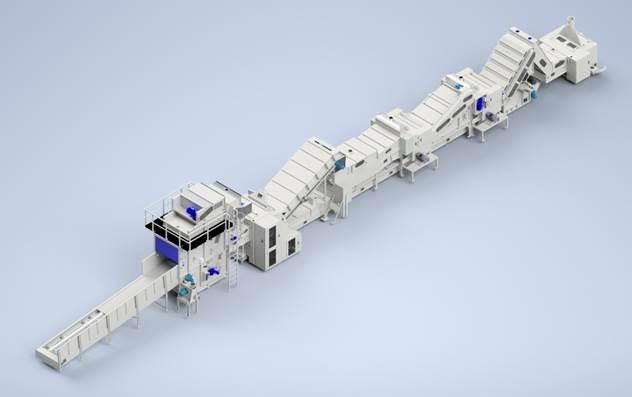
Three ANDRITZ spunlace lines for Alar Silk Road New Materials in China

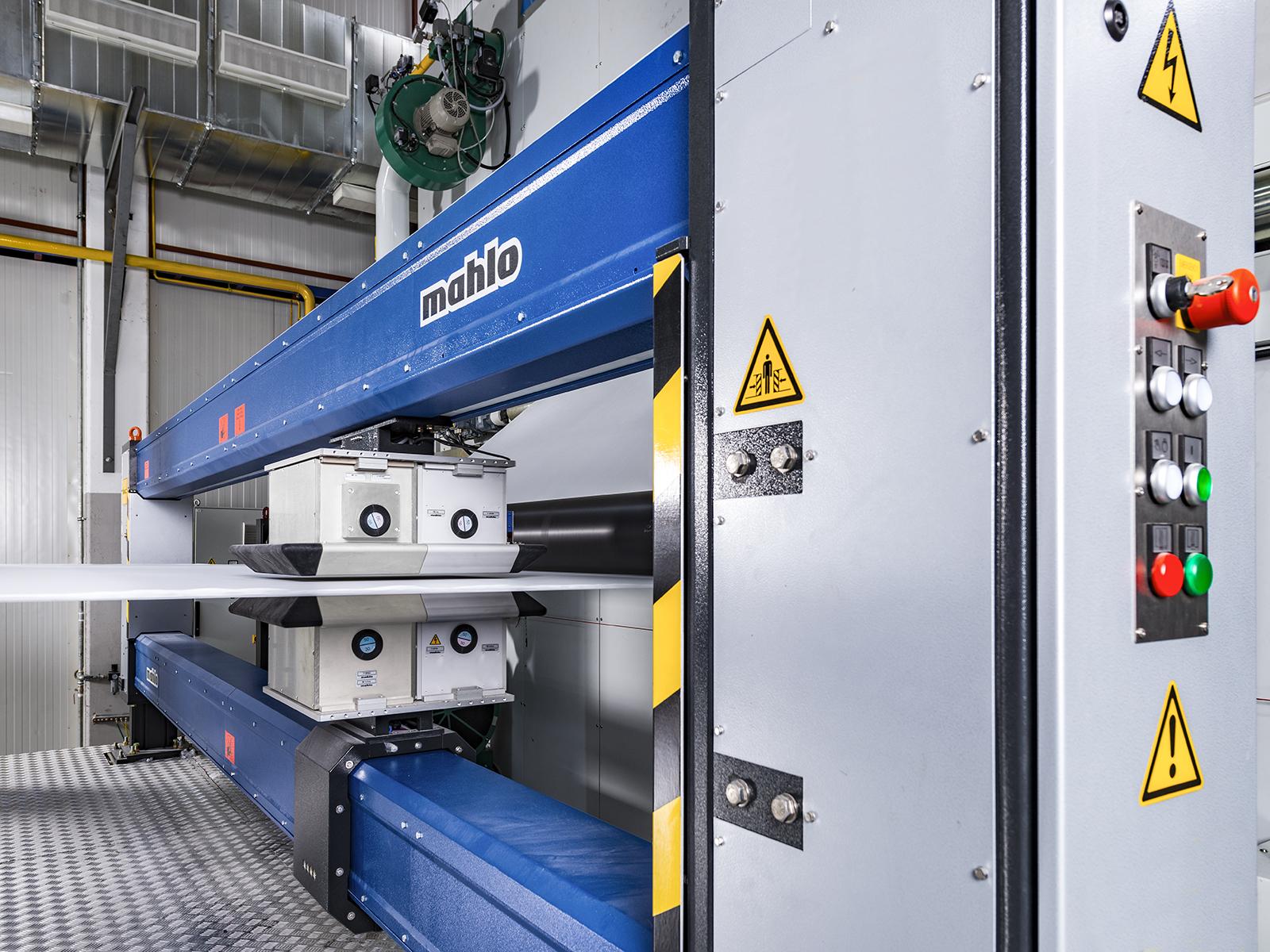
Alar Silk Road New Materials and ANDRITZ have successfully commissioned three spunlace lines in crosslapped configuration at Alar’s facility in Aral City, Xinjiang, China.

The new lines strengthen Alar’s capacity to produce high-quality nonwovens and support the development of a more resource-efficient and sustainable ecosystem for the region’s hygiene and medical industries.

The neXline spunlace lines from ANDRITZ process viscose and/or cotton fibers to produce nonwoven fabrics that meet stringent quality requirements for hygiene and medical end uses. The lines deliver excellent web uniformity, strong tensile properties, and high production rates, enabling Alar to meet the growing market demand. The latest Profile™ crosslappers help reduce operating costs by ensuring even fiber distribution. 

ANDRITZ will continue to support Alar in further advancing its operations. The two companies plan to deepen their cooperation in innovation, digitalization, and energy efficiency to implement Alar’s goals and contribute to sustainable industrial development in the Xinjiang region.

Alar Silk Road New Materials and ANDRITZ have successfully commissioned three spunlace lines in crosslapped configuration at Alar’s facility in Aral City, Xinjiang, China.

The new lines strengthen Alar’s capacity to produce high-quality nonwovens and support the development of a more resource-efficient and sustainable ecosystem for the region’s hygiene and medical industries.

The neXline spunlace lines from ANDRITZ process viscose and/or cotton fibers to produce nonwoven fabrics that meet stringent quality requirements for hygiene and medical end uses. The lines deliver excellent web uniformity, strong tensile properties, and high production rates, enabling Alar to meet the growing market demand. The latest Profile™ crosslappers help reduce operating costs by ensuring even fiber distribution. 

ANDRITZ will continue to support Alar in further advancing its operations. The two companies plan to deepen their cooperation in innovation, digitalization, and energy efficiency to implement Alar’s goals and contribute to sustainable industrial development in the Xinjiang region.

Alar Silk Road New Materials Co., Ltd., based in Aral City, Xinjiang, is a leading producer of high quality nonwovens for hygiene, medical, and care applications. Using the region’s rich cotton resources, the company develops advanced materials supported by strong technological capabilities. Alar also drives innovation in renewable raw materials, converting resources such as reed into high value pulp, which supports circular economy goals. Through continuous collaboration and technological development, the company is building a modern, internationally competitive industrial base.

Cotton farmer from Tanzania © Martin J. Kielmann für Cotton made in Africa
Cotton farmer from Tanzania
27.01.2026

Dibella increases the use of CmiA cotton by 9%

Dibella is increasing its demand for Cotton made in Africa (CmiA)–verified cotton by 9% compared to the previous year (825 tonnes), reaching a total of 900 tonnes in 2026. This underscores the company’s strategic objective to continuously support the cultivation of sustainable fibers. 

By supporting CmiA cotton, Dibella makes a measurable contribution to greater sustainability along the textile value chain. CmiA stands for more resource-efficient cotton cultivation: reliance on natural rainfall instead of irrigation, the exclusion of hazardous pesticides, and low greenhouse gas emissions. At the same time, the initiative strengthens the economic resilience of smallholder farms in Sub-Saharan Africa. A key impact of CmiA lies in its social effect: through training programs on efficient agriculture, occupational safety, and gender equality, incomes are stabilized and living conditions sustainably improved. In addition, education, health, and infrastructure projects in the growing regions are financed. 

Dibella is increasing its demand for Cotton made in Africa (CmiA)–verified cotton by 9% compared to the previous year (825 tonnes), reaching a total of 900 tonnes in 2026. This underscores the company’s strategic objective to continuously support the cultivation of sustainable fibers. 

By supporting CmiA cotton, Dibella makes a measurable contribution to greater sustainability along the textile value chain. CmiA stands for more resource-efficient cotton cultivation: reliance on natural rainfall instead of irrigation, the exclusion of hazardous pesticides, and low greenhouse gas emissions. At the same time, the initiative strengthens the economic resilience of smallholder farms in Sub-Saharan Africa. A key impact of CmiA lies in its social effect: through training programs on efficient agriculture, occupational safety, and gender equality, incomes are stabilized and living conditions sustainably improved. In addition, education, health, and infrastructure projects in the growing regions are financed. 

“Increasing our CmiA cotton volume is far more than just a number for us,” emphasizes Michaela Gnass, CSR Manager at Dibella. “It represents tangible improvements on the ground—for farming families, for environmental standards, and for more responsible textile production. The annual increase in the use of CmiA fibers in our supply chain is part of our sustainability strategy. As a provider of contract textiles, we see it as our duty to take responsibility and not merely to source materials.” 

Dibella uses Cotton made in Africa cotton in accordance with a mass balance approach. This enables the company to efficiently integrate sustainable cotton into existing production processes while systematically increasing demand for CmiA cotton. This creates an important lever for anchoring more sustainable cultivation methods in the market over the long term. In addition to the mass balance system, Cotton made in Africa also offers full traceability from the origin of the cotton to the finished product.

Source:

Dibella b.v.

ITA PhD student Florian Pohlmeyer demonstrates the open secure data room live to interested visitors © ITA
ITA PhD student Florian Pohlmeyer demonstrates the open secure data room live to interested visitors
27.01.2026

Exchange data between textile companies without a central platform

The Institut für Textiltechnik (ITA) of RWTH Aachen University has launched a new demonstrator for an open and secure data space in the textile industry at the Digital Innovation Centre Europe (DICE). For the first time, the demonstrator shows directly and clearly how companies can share their data securely with each other without the need for a central platform. Data exchange is based on shared, freely usable technical foundations.

The participating companies thus share important information about materials, processes or supply chains directly. This increases transparency and helps, for example, with sustainability assessments, traceability or compliance with legal requirements. At the same time, companies retain control over their data at all times.

What is new and special is that, for the first time, the data room can be experienced in practice – not just as a concept on paper. Using real data and real processes, the demonstrator shows how secure data exchange works in the textile industry.

The Institut für Textiltechnik (ITA) of RWTH Aachen University has launched a new demonstrator for an open and secure data space in the textile industry at the Digital Innovation Centre Europe (DICE). For the first time, the demonstrator shows directly and clearly how companies can share their data securely with each other without the need for a central platform. Data exchange is based on shared, freely usable technical foundations.

The participating companies thus share important information about materials, processes or supply chains directly. This increases transparency and helps, for example, with sustainability assessments, traceability or compliance with legal requirements. At the same time, companies retain control over their data at all times.

What is new and special is that, for the first time, the data room can be experienced in practice – not just as a concept on paper. Using real data and real processes, the demonstrator shows how secure data exchange works in the textile industry.

Companies can see directly how information flows between businesses without having to submit it to a central platform. This makes it clear that getting started with modern data rooms is easier, more secure and more cost-effective than many expect.

ITA developed and implemented the demonstrator from a technical perspective. It provides the textile production environments, supplies the technical expertise and ensures that the demonstrator works with real industrial applications.

The demonstrator is publicly accessible at DICE and can be used in workshops, guided tours or company visits. The technological components are already suitable for industrial use and serve as a starting point for companies to launch their own data room projects.

Flame retardant pef granulate (c) DITF
Flame retardant pef granulate
27.01.2026

Bio-based fibers with good flame retardancy

Fibers made from bio-based plastics reduce dependence on fossil raw materials and promote the circular economy. The covalent bonding of flame-retardant additives can open the way for these fibers to enter the mass market.

The recent fire disaster in Switzerland has revealed how crucial the use of flame-retardant materials is in construction materials, insulation, and many other everyday objects. Textiles with flame-retardant properties fulfill a particularly important function here, as they are used in considerable quantities - not only in building materials, but also in safety and protective clothing, in vehicle interiors, and in home furnishings such as carpets and upholstered furniture.

Fibers made from bio-based plastics reduce dependence on fossil raw materials and promote the circular economy. The covalent bonding of flame-retardant additives can open the way for these fibers to enter the mass market.

The recent fire disaster in Switzerland has revealed how crucial the use of flame-retardant materials is in construction materials, insulation, and many other everyday objects. Textiles with flame-retardant properties fulfill a particularly important function here, as they are used in considerable quantities - not only in building materials, but also in safety and protective clothing, in vehicle interiors, and in home furnishings such as carpets and upholstered furniture.

Flame-retardant compounds have been used for synthetic fibers for decades. Inorganic, brominated, or organophosphorus compounds, which are particularly used in polyester fibers, have proven to be highly effective. Phosphorus compounds are slightly less harmful to the environment when released and are therefore often the first choice. Their effectiveness is based on the fact that they form a protective carbonization layer and intercept radicals, which reduces the flammability of the material. The release of toxic gases and further heat development is limited.

For several years now, there has been a shift in the use of synthetic fibers toward bio-based fibers. Although their market share is still small compared to established synthetic fibers such as polyethylene terephthalate or polypropylene, they are growing steadily. Bio-based fibers are gaining in importance because they reduce the demand for fossil raw materials. At the same time, their use supports the circular economy and reduces greenhouse gas emissions.

Persistent and effective flame retardancy in bio-based fibers that is also inexpensive and environmentally friendly could give bio-based textiles a boost in innovation and contribute to significant market expansion. This is where the DITF's “Polymers and Fiber Composites” research team comes in with the development of a flame-retardant, bio-based plastic called polyethylene furanoate (PEF). PEF is similar in many properties to the widely used polyethylene terephthalate (PET), but unlike PET, it is made from bio-based monomers. While PEF is already technologically advanced and on its way to the mass market, it currently lacks flame retardancy, which would enable its widespread use in the textile sector.

At the DITF, PEF is not only synthesized in in-house reactors. Extensive test series have also been conducted to evaluate the suitability of various phosphorus-based flame retardants in different concentrations. Two things are important to the researchers here: First, the flame retardant should be covalently bound to the polymer molecules to prevent bleeding. This is crucial for long-term fire protection of fibers because of their small diameter and high specific surface area. Second, the concentration of flame retardant should be as low as possible while still providing the best possible effect. Despite their good fire protection properties, all common additives share that they are potentially harmful to health and, when released into the environment, are difficult to degrade because they are chemically stable. In Denkendorf, they have not only succeeded in meeting these requirements. They have also been able to increase the molecular weight of the synthesized polymers by solid state polymerization to spin fibers with higher strength.

Further thermal and rheological investigations of the polymers with different flame-retardant concentrations identified the most suitable variant for the spinning process. In addition to the PEF variant containing five grams of phosphorus per kilogram of polymer in the form of copolymerized organophosphorus compounds, a flame retardant-free PEF reference was spun. The fibers obtained in the spinning laboratory were processed into textile fabrics, which were subjected to fire tests. The flame-retardant knitted fabrics showed significantly reduced flammability. The DITF will continue to study in flame-retardant, bio-based PEF fibers.

Alchemie’s Endeavour. Photo Alchemie Technology
Alchemie’s Endeavour
26.01.2026

Alchemie partners with Acatel: Precision jet dyeing at industrial scale

BTMA member Alchemie Technology, the pioneer of precision jet dyeing solutions based in Cambridge, UK, is partnering with Acatel, the Portuguese leader in sustainable textile manufacturing.

The two companies will work together to validate and optimise Alchemie’s Endeavour system for knitted cellulosic fabrics. 

Endeavour enables dye houses to eliminate energy and CO2 emissions by up to 85%, achieve chemistry savings of up to 30%, and reduce water usage by up to 95% compared to traditional methods. The proprietary liquid application solution combines a large droplet size and high droplet velocity to deliver unrivalled penetration and precision into a textile fabric. 

R&D programme
As part of the collaboration, Alchemie and Acatel will run a twelve-month R&D programme to prepare the technology for large-scale manufacturing and demonstrate how the fully electric, non-contact dyeing process can replace conventional dyeing routes.

BTMA member Alchemie Technology, the pioneer of precision jet dyeing solutions based in Cambridge, UK, is partnering with Acatel, the Portuguese leader in sustainable textile manufacturing.

The two companies will work together to validate and optimise Alchemie’s Endeavour system for knitted cellulosic fabrics. 

Endeavour enables dye houses to eliminate energy and CO2 emissions by up to 85%, achieve chemistry savings of up to 30%, and reduce water usage by up to 95% compared to traditional methods. The proprietary liquid application solution combines a large droplet size and high droplet velocity to deliver unrivalled penetration and precision into a textile fabric. 

R&D programme
As part of the collaboration, Alchemie and Acatel will run a twelve-month R&D programme to prepare the technology for large-scale manufacturing and demonstrate how the fully electric, non-contact dyeing process can replace conventional dyeing routes.

The partnership will operate from the Acatel Innovation Hub in northern Portugal, with the industrial expertise, manufacturing infrastructure and focus on innovation necessary to accelerate the adoption of this next-generation textile technology. 

Through the platform, Alchemie will advance the commercial readiness of its low-carbon digital dyeing system tailored for knitted cellulosic fabrics based on cotton, lyocell, linen, hemp and wool blends.
“Transforming one of the world’s most resource-intensive industrial processes requires resilience, vision and innovation,” says Dr Alan Hudd, founder and CEO of Alchemie Technology. “Being part of the Acatel Innovation Hub represents exactly the kind of partnership needed to scale sustainable textile solutions globally.”

Acatel has been a leader in sustainable textile processes since 1985, combining advanced technology with a strong environmental commitment. By leveraging Acatel’s innovation ecosystem, the partnership aims to accelerate the adoption of next-generation dyeing solutions and highlight the role of the Acatel Innovation Hub in bringing scalable, sustainable innovations to industry.

“Acatel’s commitment to innovation and environmental stewardship aligns perfectly with Alchemie’s mission,” says Tércio Pinto, member of the board at Acatel “With this collaboration we are empowering textile producers to redefine responsible manufacturing.”
 
Première Vision
To mark the partnership, Alchemie and Acatel will be exhibiting side-by-side at Première Vision in Paris from February 3-5, where visitors will be able to directly assess the touch and feel of fabrics processed with the technology. Attendees will have the opportunity to learn first-hand how Endeavour technology can deliver substantial sustainability and efficiency gains.

“This development is great news to kick off 2026,” said BTMA CEO Jason Kent. “Textile dyeing is a significant polluter and Alchemie’s digital technologies, developed here in the UK and now to be further commercialised within Europe, promise to archive a dramatic reduction in energy consumption while eliminating contaminated wastewater emissions, which will be a major boost for the industry.”

Kohinoor at Heimtextil 2026 Photo AWOL Media
Kohinoor at Heimtextil 2026
26.01.2026

Monforts Pakistani customers make strong showing at Heimtextil 2026

Monforts dyeing and finishing technology customers from Pakistan had a successful presence at the Heimtextil 2026 home and contract textiles exhibition which attracted over 48,000 visitors to Frankfurt in Germany this month (January 13-16).

They included key home furnishings suppliers such as Crestex, Faisal, Gohar, and Kausar Processing, all based in the Faisalabad region of the country, Karachi-based Al Karam, Adamjee, Liberty, Lucky and Rainbow, and Kohinoor, Nishat Chunian and Sapphire of Lahore.

Monforts dyeing and finishing technology customers from Pakistan had a successful presence at the Heimtextil 2026 home and contract textiles exhibition which attracted over 48,000 visitors to Frankfurt in Germany this month (January 13-16).

They included key home furnishings suppliers such as Crestex, Faisal, Gohar, and Kausar Processing, all based in the Faisalabad region of the country, Karachi-based Al Karam, Adamjee, Liberty, Lucky and Rainbow, and Kohinoor, Nishat Chunian and Sapphire of Lahore.

Strategic importance
For these vertically integrated manufacturers, Europe remains one of the most strategically important end markets for home textiles, not simply for volume, orders but because of what Europe represents in terms of standards, stability and long-term positioning. European buyers, whether retailers, brand owners or contract textile specialists, have historically set the benchmark for quality, safety and consistency in bedding, towelling and decorative home fabrics. Supplying this market therefore anchors Pakistani mills at the higher end of the global value chain and provides a reference point that strengthens their credibility in other markets.

Pakistan is also one of the world’s few countries with large-scale vertical integration across cotton raw materials, spinning, weaving, knitting, wet processing, finishing and making up, all concentrated within single groups or closely linked clusters. This allows mills to respond to European buying models that favour fewer, larger suppliers capable of controlling quality from fibre to finished product. 

In addition, European customers increasingly want traceability, process transparency and consistency across multiple seasons, not opportunistic buying. Vertically integrated Pakistani mills are able to offer this by aligning yarn selection, fabric construction, finishing and made-up production within one controlled industrial ecosystem.

European norms
“Pakistan offers relatively predictable shipping routes to Europe and crucially, a manufacturing culture already shaped by European norms,” says Monforts Area Sales Manager Manfred Havenith. “These companies rely on our established technologies including MONTEX stentering equipment, MONFORTEX sanforizing units and THERMEX dyeing ranges. We continue to assist them with trials and optimised processing parameters in developing advanced fabrics for a wide range of end-uses, both at their own plants and at our Advanced Technology Centre (ATC) in Germany.

“We have also worked with Al Ameen, our valued partner in Pakistan for over 40 years and this close cooperation, along with constant R&D and machine innovations – both in terms of productivity and energy savings – has allowed Monforts to build an 80% market share for stenters in Pakistan and to retain it for a number of decades. We remain dedicated to the ongoing success of our valued customers in Pakistan.”

26.01.2026

Suominen: Proposals to the Annual General Meeting

The Shareholders' Nomination Board of Suominen Corporation proposes to the Annual General Meeting 2026 that the number of Board members will be decreased from seven to six.

The Nomination Board proposes to the Annual General Meeting that Andreas Ahlström, Gail Ciccione, Nina Linander, Maija Joutsenkoski and Laura Remes would be re-elected as members of the Board of Directors and that Ville Vuori would be elected as a new member of the Board of Directors.

Out of the current Board members, Björn Borgman, is not available as a candidate for the Board of Directors. Additionally, the current Chairman of the Board, Charles Héaulmé, has decided to step out from the Board of Directors due to his role as the President & CEO of the Company. 

Ville Vuori (b. 1973, B.Sc. (Mech. Eng.), eMBA, Finnish citizen) currently acts as the Chairman of the Boards of Incap Oyj and Aspocomp Oyj. Prior to that, he served as the CEO of Kemppi Oy and Incap Oyj. Ville Vuori’s CV is attached to this stock exchange release. The proposed current members of the Board of Directors are presented on the company website www.suominen.fi.

The Shareholders' Nomination Board of Suominen Corporation proposes to the Annual General Meeting 2026 that the number of Board members will be decreased from seven to six.

The Nomination Board proposes to the Annual General Meeting that Andreas Ahlström, Gail Ciccione, Nina Linander, Maija Joutsenkoski and Laura Remes would be re-elected as members of the Board of Directors and that Ville Vuori would be elected as a new member of the Board of Directors.

Out of the current Board members, Björn Borgman, is not available as a candidate for the Board of Directors. Additionally, the current Chairman of the Board, Charles Héaulmé, has decided to step out from the Board of Directors due to his role as the President & CEO of the Company. 

Ville Vuori (b. 1973, B.Sc. (Mech. Eng.), eMBA, Finnish citizen) currently acts as the Chairman of the Boards of Incap Oyj and Aspocomp Oyj. Prior to that, he served as the CEO of Kemppi Oy and Incap Oyj. Ville Vuori’s CV is attached to this stock exchange release. The proposed current members of the Board of Directors are presented on the company website www.suominen.fi.

All candidates have given their consent to the election. All candidates are independent of the company. The candidates are also independent of Suominen’s significant shareholders, with the exceptions of Andreas Ahlström who acts currently as the CEO of Ahlström Invest B.V. and Maija Joutsenkoski who acts as the Investment Director at A. Ahlström Corporation. The largest shareholder of Suominen Corporation, Ahlstrom Capital B.V., belongs to the same group of companies as Ahlström Invest B.V. and A. Ahlström Corporation.

The Nomination Board proposes to the Annual General Meeting that Ville Vuori would be elected as the Chair of the Board of Directors.

With regard to the election procedure for the members of the Board of Directors, the Nomination Board recommends that the shareholders take a position on the proposal as a whole at the Annual General Meeting. In preparing its proposals the Nomination Board, in addition to ensuring that individual board member candidates possess the required competences, has determined that the proposed Board of Directors as a whole has the best possible expertise for the company and that the composition of the Board of Directors meets the other requirements of the Finnish Corporate Governance Code for listed companies.

Proposal on the Board remuneration
The Nomination Board proposes that the remuneration of the Board of Directors remains unchanged and would be as follows: the Chair would be paid an annual fee of EUR 74,000, the Deputy Chair an annual fee of EUR 45,000 and other Board members an annual fee of EUR 35,000. The Nomination Board also proposes that the additional fee paid to the Chair of the Audit Committee would remain unchanged and be EUR 10,000.

Further, the Nomination Board proposes that the fees payable for each Board and Committee meeting would remain unchanged and be as follows: EUR 500 for each meeting held in the home country of the respective member, EUR 1,000 for each meeting held elsewhere than in the home country of the respective member and EUR 500 for each meeting attended by telephone or other electronic means. No fee is paid for decisions made without convening a meeting.

75% of the annual fees is paid in cash and 25% in Suominen Corporation’s shares. The shares will be transferred out of the own shares held by the company by the decision of the Board of Directors within two weeks from the date on which the interim report of January–March 2026 of the company is published.

Compensation for expenses will be paid in accordance with the company's valid travel policy.

The composition of the Nomination Board
The members of the Nomination Board, as of September 2, 2025, are Jyrki Vainionpää (President & CEO of A. Ahlström Corporation) as a member appointed by Ahlstrom Capital B.V., Mikael Etola (CEO of Etola-Yhtiöt) as a member appointed by Etola Group Oy and Ville Vuori (Board Professional) as a member appointed by Oy Etra Invest Ab. Charles Héaulmé, Chair of Suominen’s Board of Directors, serves as the fourth member of the Nomination Board.

Jyrki Vainionpää acts as the Chair of the Nomination Board. 

All of the proposals made by the Nomination Board were unanimous, except that Charles Héaulmé and Ville Vuori abstained from participating in the decision making relating to the Nomination Board’s proposal for the Chair of the Board.

The Board of Directors of Suominen Corporation will include the proposals submitted by the Nomination Board to the Notice of the Annual General Meeting of Suominen which will be published at a later date. The Annual General Meeting of Suominen Corporation is scheduled to be held on April 15, 2026.

Source:

Suominen Corporation 

‘Revoice’ device gives stroke patients their voice back Credit: Occipinti Group
23.01.2026

‘Revoice’ device gives stroke patients their voice back

Researchers have developed a wearable, comfortable and washable device called Revoice that could help people regain the ability to communicate naturally and fluently following a stroke, without the need for invasive brain implants.

The device, whose development was led by researchers at the University of Cambridge, uses a combination of ultra-sensitive sensors and artificial intelligence to decode speech signals and emotional cues to allow people with post-stroke speech impairment to communicate naturally.

The Revoice device, worn as a soft and flexible choker, captures the wearer’s heart rate and tiny vibrations from throat muscles, and uses those signals to reconstruct intended words and sentences in real time.

The signals from the device are processed by two AI agents: one reconstructs words from fragments of silently mouthed speech, while the other interprets emotional state and contextual information, such as the time of day or weather conditions, to expand short phrases into complete, expressive sentences.

Researchers have developed a wearable, comfortable and washable device called Revoice that could help people regain the ability to communicate naturally and fluently following a stroke, without the need for invasive brain implants.

The device, whose development was led by researchers at the University of Cambridge, uses a combination of ultra-sensitive sensors and artificial intelligence to decode speech signals and emotional cues to allow people with post-stroke speech impairment to communicate naturally.

The Revoice device, worn as a soft and flexible choker, captures the wearer’s heart rate and tiny vibrations from throat muscles, and uses those signals to reconstruct intended words and sentences in real time.

The signals from the device are processed by two AI agents: one reconstructs words from fragments of silently mouthed speech, while the other interprets emotional state and contextual information, such as the time of day or weather conditions, to expand short phrases into complete, expressive sentences.

In a small trial with five patients with dysarthria, a common type of post-stroke speech impairment, the device achieved a word error rate of 4.2% and a sentence error rate of just 2.9%. Unlike existing assistive speech technologies, which often require slow letter-by-letter input, eye tracking or brain implants, the Revoice device provides seamless real-time communication, turning just a few mouthed words into full, fluent sentences.

Their results, reported in the journal Nature Communications, could not only have implications for stroke rehabilitation, but could also help support people with conditions such as Parkinson’s and motor neuron disease. The researchers are currently planning a clinical study in Cambridge for native English-speaking dysarthria patients to assess the viability of the system, which they are hoping to launch this year.

About half of people develop dysarthria, or dysarthria in combination with aphasia, following a stroke. Dysarthria is a physical condition that causes weakness in the muscles of the face, mouth and vocal cords. It affects people in different ways, but often causes an inability to speak clearly, slurred or slow speech, or speaking in short, disjointed bursts rather than full sentences.

“When people have dysarthria following a stroke, it can be extremely frustrating for them, because they know exactly what they want to say, but physically struggle to say it, because the signals between their brain and their throat have been scrambled by the stroke,” said Professor Luigi Occhipinti from Cambridge’s Department of Engineering, who led the research. “That frustration can be profound, not just for the patients, but for their caregivers and families as well.”

Most stroke patients with dysarthria work with a speech therapist to regain their ability to communicate, primarily through repetitive word drills, where patients repeat words or phrases back to the speech therapist. Typical recovery time varies from a few months to a year or more.

“Patients can generally perform the repetitive drills after some practice, but they often struggle with open-ended questions and everyday conversation,” said Occhipinti. “And as many patients do recover most or all of their speech eventually, there is not a need for invasive brain implants, but there is a strong need for speech solutions that are more intuitive and portable.”

Occhipinti and his colleagues developed the Revoice device as such a solution. The sensors in the device capture subtle vibrations from the throat to detect speech signals and decodes emotional states from pulse signals – a simplified but effective proxy. The device also uses an embedded lightweight large language model (LLM) to predict full sentences, so only uses minimal power.

Working with colleagues in China, the researchers carried out a small trial with five stroke patients with dysarthria, as well as ten healthy controls. In the study, participants wore the device and mouthed short phrases. By nodding twice, they could choose to expand those phrases into sentences using the embedded LLM.

In one example, “We go hospital” became “Even though it’s getting a bit late, I’m still feeling uncomfortable. Can we go to the hospital now?” The sensors in the Revoice device inferred that the wearer was feeling frustrated due to their elevated heart rate, and that it was getting late at night. The LLM was able to use this data to expand three mouthed words into a full sentence.

Participants in the study reported a 55% increase in satisfaction, showing that the device could be a promising development to help stroke patients regain their ability to communicate. Although extensive clinical trials will be required before the device can be made widely available, the researchers hope that future versions of the device will include multilingual capabilities, a broader range of emotional states and fully self-contained operation for everyday use.

“This is about giving people their independence back,” said Occhipinti. “Communication is fundamental to dignity and recovery.”

The research was supported in part by the British Council, Haleon, and the Engineering and Physical Sciences Research Council (EPSRC), part of UK Research and Innovation (UKRI).

Source:

Reference:
Chenyu Tang, Shuo Gao, Cong Li et al. ‘Wearable intelligent throat enables natural speech in stroke patients with dysarthria.’ Nature Communications (2026). DOI: 10.1038/s41467-025-68228-9
University of Cambridge

Andrew G. Backman Photo Kornit Digital Ltd
Andrew G. Backman
23.01.2026

Kornit Digital Appoints Chief Capital Markets Officer

Kornit Digital Ltd., a global market leader in sustainable, on-demand digital fashion and textile production technologies, today announced the appointment of Andrew G. Backman as Chief Capital Markets Officer, effective January 13, 2026. In this role, Mr. Backman will support Kornit’s capital markets activities, investor relations, and corporate and business development initiatives. 

Mr. Backman, who will be based at the Company's U.S. Headquarters in Englewood, New Jersey, has extensive capital markets and investor relations experience, participating in more than $30 billion in capital markets transactions, and maintaining long-standing relationships with institutional investors, sell-side analysts, and global investment banking partners. He previously served as Kornit’s Global Head of Investor Relations from 2021 to 2023. 

Kornit Digital Ltd., a global market leader in sustainable, on-demand digital fashion and textile production technologies, today announced the appointment of Andrew G. Backman as Chief Capital Markets Officer, effective January 13, 2026. In this role, Mr. Backman will support Kornit’s capital markets activities, investor relations, and corporate and business development initiatives. 

Mr. Backman, who will be based at the Company's U.S. Headquarters in Englewood, New Jersey, has extensive capital markets and investor relations experience, participating in more than $30 billion in capital markets transactions, and maintaining long-standing relationships with institutional investors, sell-side analysts, and global investment banking partners. He previously served as Kornit’s Global Head of Investor Relations from 2021 to 2023. 

Mr. Backman recently served as Global Head of Investor Relations at EMCOR Group, Inc. (NYSE: EME), with prior experiences including senior capital markets and investor relations roles across more than 14 industries. He holds a B.A. in Economics from Boston College and is a graduate of AT&T / Lucent Technologies’ Financial Leadership Program. 

Source:

Kornit Digital Ltd

23.01.2026

Autoneum: Solid Revenue, strong EBIT Margin above 5 Percent in Fiscal Year 2025

Despite a challenging market environment, Autoneum reached key strategic milestones in fiscal year 2025. With two acquisitions in China, the Group significantly strengthened its position in the strategic growth market of Asia. Revenue consolidated in Swiss francs totaled CHF 2’290.6 million (2024: CHF 2’338.7 million). In local currencies, revenue increased to CHF 2’393.3 million.

This performance underscores Autoneum’s resilience in a globally demanding market and demonstrates its solid foundation for the future. Despite muted economic conditions and moderate demand for new vehicles in many regions, Autoneum maintained its position and generated important growth impulses. The global automotive market grew by 3.7% in 2025*, driven primarily by China — highlighting the strategic importance of Asia for Autoneum.

Despite a challenging market environment, Autoneum reached key strategic milestones in fiscal year 2025. With two acquisitions in China, the Group significantly strengthened its position in the strategic growth market of Asia. Revenue consolidated in Swiss francs totaled CHF 2’290.6 million (2024: CHF 2’338.7 million). In local currencies, revenue increased to CHF 2’393.3 million.

This performance underscores Autoneum’s resilience in a globally demanding market and demonstrates its solid foundation for the future. Despite muted economic conditions and moderate demand for new vehicles in many regions, Autoneum maintained its position and generated important growth impulses. The global automotive market grew by 3.7% in 2025*, driven primarily by China — highlighting the strategic importance of Asia for Autoneum.

In local currencies, Autoneum achieved revenue growth of 2.3%. This was primarily due to two acquisitions in China which contributed to an inorganic revenue increase of 6.4%. Organically, revenue declined by 4.1%. Due to the continued appreciation of the Swiss franc and resulting negative currency translation effects, consolidated revenue in Swiss francs amounted to 2‘290.6 million, down 2.1% from the prior year CHF 2’338.7 million. 

Regional Performance
In Business Group Asia, revenue grew strongly to CHF 326.4 million (previous year: CHF 198.3 million), corresponding to an increase of 73.9% in local currencies. The main driver was the successful acquisition of Jiangsu Huanyu Group and Chengdu Yiqi-Sihuan Group. The integration of both companies is progressing according to plan. This strengthens Autoneum’s ability to expand its access to leading Chinese OEMs and to sustainably build its market presence in Asia.

In a slightly declining market (–1.3%), Business Group Europe generated revenue of CHF 1’057.1 million (previous year: CHF 1’152.4 million). In local currencies, revenue decreased by 7.6%. Business Group North America recorded revenue of CHF 805.8 million (previous year: CHF 884.6 million). In local currencies, revenue fell by 3.0%, while the market declined by 1.0%*. Business Group SAMEA (South America, Middle East and Africa) benefited from a slightly growing market (+2.1%) and achieved revenue growth of 17.7% in local currencies, primarily driven by inflation-related price increases. In Swiss francs, revenue declined to CHF 117.8 million (previous year: CHF 121.4 million) due to the significant devaluation of various local currencies.

Full-Year Guidance Achieved; Free Cash Flow Exceeds Expectations
In fiscal year 2025, Autoneum delivered revenue of nearly CHF 2.3 billion, an EBIT margin well above 5%, and a strong free cash flow exceeding CHF 100 million. The Group’s solid financial foundation and successful execution of its strategic “Level Up” initiatives provide the basis for sustainable growth and value creation going forward.

Source:

Autoneum Management AG

The smart replacement: organIQ seek as alternative to potassium permanganate (c) CHT Germany GmbH
22.01.2026

organIQ seek as alternative to potassium permanganate

LAB 102 – the blue veins of CHT – brings the Denim Industry closer to permanganate-free bleaching through new application findings within the organIQ seek platform

CHT Group announces new technical findings within its organIQ seek platform that significantly advance the transition toward permanganate-free denim bleaching. Through extensive industrial testing and application research, CHT confirms that organIQ seek can now be used with remarkable effectiveness as a substitute for potassium permanganate in spray bleach, while remaining aligned with sustainability expectations and cost realities in the European market.

The global denim sector continues to rely heavily on potassium permanganate to achieve the characteristic “used look.” Internal calculations indicate that approximately 250,000 liters of permanganate solution are consumed daily in continuous global production. Despite growing regulatory pressure and brand commitments under European sustainability frameworks, the adoption of ecological alternatives has been limited due to technical challenges such as inconsistencies in color loss, fiber sensitivity and equipment corrosion.

LAB 102 – the blue veins of CHT – brings the Denim Industry closer to permanganate-free bleaching through new application findings within the organIQ seek platform

CHT Group announces new technical findings within its organIQ seek platform that significantly advance the transition toward permanganate-free denim bleaching. Through extensive industrial testing and application research, CHT confirms that organIQ seek can now be used with remarkable effectiveness as a substitute for potassium permanganate in spray bleach, while remaining aligned with sustainability expectations and cost realities in the European market.

The global denim sector continues to rely heavily on potassium permanganate to achieve the characteristic “used look.” Internal calculations indicate that approximately 250,000 liters of permanganate solution are consumed daily in continuous global production. Despite growing regulatory pressure and brand commitments under European sustainability frameworks, the adoption of ecological alternatives has been limited due to technical challenges such as inconsistencies in color loss, fiber sensitivity and equipment corrosion.

CHT has a long history of pioneering sustainable denim chemistry. In 2015, the company introduced organIQ BLEACH T, the first ecological alternative to potassium permanganate with near-unrestricted application performance. Although highly effective, costs prevented broad industry adoption at the time.
 
After more than a decade of focused research conducted by the specialists at LAB102, the blue veins of CHT can now confirm a major advancement within its organIQ seek ecosystem. While organIQ seek has been known for its versatility and ecological profile, its performance level now brings the industry significantly closer to truly permanganate-free bleaching. The technology has reached a stage where it performs incredibly well as a permanganate substitute in spray bleach, delivering consistent fading effects, excellent color removal and reliable process stability – without the environmental drawbacks traditionally associated with KMnO₄. Furthermore, the same chemistry remains fully compatible with water-based bleaching, nebulization (fogging) and foam applications, including sharp contrast effects such as the classic salt-andpepper finish.

“Since the introduction of organIQ BLEACH T, our objective has been to offer ecological solutions that meet the technical realities of industrial denim finishing. The confirmed capabilities of organIQ seek in spray bleach applications represent a meaningful step toward reducing and ultimately replacing permanganate use - both technically and economically. This is an important development for the denim industry in Europe and worldwide.” says Thomas Aplas, Head of LAB102.

These new findings fit naturally within the existing organIQ seek platform and support the growing demand for safer and more responsible chemistry in the EU textile sector. They also align with emerging European regulatory frameworks, including the EU Green Deal, the EU Strategy for Sustainable and Circular Textiles and increasing brand commitments to phase out hazardous substances.

Barmag was honored with the Gold Partner Award as one of Yongrong’s key suppliers. via Oerlikon Barmag
Barmag was honored with the Gold Partner Award as one of Yongrong’s key suppliers.
22.01.2026

Yongrong Holding Group honored Barmag as Gold Partner

At this year's supplier conference held by polyamide yarn manufacturer Yongrong on January 17, Barmag was honored with the Gold Partner Award. The company presents the award to suppliers who make a significant contribution to the sustainable growth and success of the group.

The Yongrong Holding Group's supplier conference 2025 took place in Fuzhou, China, under the motto “Shaping the future together with a focus on value.” As a long-standing strategic supplier, Barmag was invited and represented by Hou Xiaoguang, Head of Barmag China, and Felix Chau, Head of Sales China.

Barmag and the Yongrong Group have maintained a partnership-based business relationship since 2004, which has developed from a strategic to a value-adding collaboration over more than two decades. In the field of polyamide yarn production, the Yongrong Group is now one of Barmag's most important customers worldwide.

At this year's supplier conference held by polyamide yarn manufacturer Yongrong on January 17, Barmag was honored with the Gold Partner Award. The company presents the award to suppliers who make a significant contribution to the sustainable growth and success of the group.

The Yongrong Holding Group's supplier conference 2025 took place in Fuzhou, China, under the motto “Shaping the future together with a focus on value.” As a long-standing strategic supplier, Barmag was invited and represented by Hou Xiaoguang, Head of Barmag China, and Felix Chau, Head of Sales China.

Barmag and the Yongrong Group have maintained a partnership-based business relationship since 2004, which has developed from a strategic to a value-adding collaboration over more than two decades. In the field of polyamide yarn production, the Yongrong Group is now one of Barmag's most important customers worldwide.

While the company initially used mainly standard equipment from Barmag, the focus is now on customized, innovative solutions that have been jointly developed and continuously optimized. High-quality, cutting-edge technology from Barmag, combined with the Yongrong Group's forward-looking strategy, has contributed significantly to the successful development of both partners.

In the future, both partners intend to further intensify their cooperation. The focus will be on developing environmentally friendly and intelligent production processes for the nylon industry, as well as a new model for a high-quality and sustainable industry.

Source:

Oerlikon Barmag

22.01.2026

Archroma: High impact textile innovations at Colombiatex 2026

Archroma, a global leader in specialty chemicals towards sustainable solutions, participates in Colombiatex 2026, one of the most influential textile and apparel industry events in the Americas. The event will take place in Medellín, Colombia, from January 27 to 29. 

At Colombiatex 2026, Archroma will highlight its latest innovations designed to support more sustainable, high-performance textile production. Visitors will have the opportunity to discover the company’s award-winning AVITERA® SE dyes and SILIGEN® D2W, alongside a strong portfolio of advanced solutions including BLUE MAGIC, THIOTAN® R, ERIOFAST®, ERIOPON® E3 SAVE, and TERASIL® W-VM. In addition, visitors will also be able to explore solutions from our latest partnership with HeiQ. 

“These innovations reflect our commitment to helping the textile industry meet growing demands for performance, efficiency, and sustainability,” said Gerardo Estrada, Vice President, Americas, Archroma. “Colombiatex is a key platform for connecting with partners across the Americas, and we look forward to demonstrating how our solutions can enable more planet conscious textile production.” 

Archroma, a global leader in specialty chemicals towards sustainable solutions, participates in Colombiatex 2026, one of the most influential textile and apparel industry events in the Americas. The event will take place in Medellín, Colombia, from January 27 to 29. 

At Colombiatex 2026, Archroma will highlight its latest innovations designed to support more sustainable, high-performance textile production. Visitors will have the opportunity to discover the company’s award-winning AVITERA® SE dyes and SILIGEN® D2W, alongside a strong portfolio of advanced solutions including BLUE MAGIC, THIOTAN® R, ERIOFAST®, ERIOPON® E3 SAVE, and TERASIL® W-VM. In addition, visitors will also be able to explore solutions from our latest partnership with HeiQ. 

“These innovations reflect our commitment to helping the textile industry meet growing demands for performance, efficiency, and sustainability,” said Gerardo Estrada, Vice President, Americas, Archroma. “Colombiatex is a key platform for connecting with partners across the Americas, and we look forward to demonstrating how our solutions can enable more planet conscious textile production.” 

21.01.2026

Trevira® CS Eco fabrics: Now made by textile-recycled, permanently flame-retardant fibers and yarns

Indorama Ventures, a global sustainable chemical company, takes an important next step toward making textiles more circular for homes and public spaces. To support fabric makers in creating a more sustainable version of the well-known flame-retardant Trevira CS fabric, the company now offers Trevira® flame-retardant fibers and filament yarns that contain 50% recycled textile material. First customers were introduced to the new offering during Heimtextil trade show mid-January in Frankfurt, Germany. 

Jesper Nielsen, Global Key Account Manager Flame Retardancy, explains: “This innovation is possible through Indorama Ventures’ joint venture with Jiaren Chemical Recycling. The renowned recycler uses textile waste from both, consumers and industry, to produce recycled polyester chips. From these chips, we make our high-modified Trevira® flame-retardant fibers and yarns. Customers who use these fibers and yarns to produce fabrics can then apply for the Trevira CS Eco brand. This way, they combine their commitment to circularity with the strong, permanent flame-retardant performance the Trevira CS fabric brand is known for since 1980.” 

Indorama Ventures, a global sustainable chemical company, takes an important next step toward making textiles more circular for homes and public spaces. To support fabric makers in creating a more sustainable version of the well-known flame-retardant Trevira CS fabric, the company now offers Trevira® flame-retardant fibers and filament yarns that contain 50% recycled textile material. First customers were introduced to the new offering during Heimtextil trade show mid-January in Frankfurt, Germany. 

Jesper Nielsen, Global Key Account Manager Flame Retardancy, explains: “This innovation is possible through Indorama Ventures’ joint venture with Jiaren Chemical Recycling. The renowned recycler uses textile waste from both, consumers and industry, to produce recycled polyester chips. From these chips, we make our high-modified Trevira® flame-retardant fibers and yarns. Customers who use these fibers and yarns to produce fabrics can then apply for the Trevira CS Eco brand. This way, they combine their commitment to circularity with the strong, permanent flame-retardant performance the Trevira CS fabric brand is known for since 1980.” 

Indorama Ventures announced its partnership with Jiaren Chemical Recycling in November 2025. This strategic move reflects the company’s ambition to play a leading role in making textile circularity a reality at scale. The newly available textile-recycled Trevira® flame-retardant fibers and yarns are one outcome of this partnership, which will create more resource-friendly textiles without compromising on comfort or safety.

Source:

Indorama Ventures Public Company Limited 

T-Frame
T-Frame
21.01.2026

Terrot to Redefine Stability and Flexibility in Large-Diameter Circular Knitting

Terrot Textilmaschinen GmbH has unveiled the new T-Frame, a universal machine frame platform for large-diameter circular knitting machines. Designed to meet growing demands for flexibility, stability, and operational safety, the T-Frame provides a next-generation foundation for both current and future industrial knitting machines, combining German engineering expertise with a modular, future-ready design approach.

Industry Relevance & Market Context
Circular knitting producers worldwide are facing growing pressure to increase output flexibility while maintaining consistent fabric quality under tighter cost and labor constraints. At the same time, demand for ergonomic operation, machine safety and sustainable production concepts are rising. The T-Frame directly addresses these challenges by combining mechanical robustness with smart structural design, enabling manufacturers to respond faster to market changes without compromising process reliability.

Terrot Textilmaschinen GmbH has unveiled the new T-Frame, a universal machine frame platform for large-diameter circular knitting machines. Designed to meet growing demands for flexibility, stability, and operational safety, the T-Frame provides a next-generation foundation for both current and future industrial knitting machines, combining German engineering expertise with a modular, future-ready design approach.

Industry Relevance & Market Context
Circular knitting producers worldwide are facing growing pressure to increase output flexibility while maintaining consistent fabric quality under tighter cost and labor constraints. At the same time, demand for ergonomic operation, machine safety and sustainable production concepts are rising. The T-Frame directly addresses these challenges by combining mechanical robustness with smart structural design, enabling manufacturers to respond faster to market changes without compromising process reliability.

Technological Core
With the T-Frame, Terrot introduces a newly engineered tubular machine frame made from premium steel, developed to handle higher mechanical loads while improving precision and machine accessibility. After nearly three decades of proven large-diameter machine concepts, the company has completely redesigned the frame architecture.

At the core of the innovation is an intelligently welded frame construction that combines structural rigidity with modular adaptability. A single, standardized frame platform supports multiple extraction and take-down variants, reducing mechanical complexity while enabling fast configuration changes. Integrated cable routing, centralized display positioning and optimized component layouts replace traditional add-on solutions and improve both ergonomics and safety.

Industrial Benefits & Business Impact

The T-Frame platform delivers measurable advantages in daily production environments:

  • Operational flexibility:
    One universal frame supports multiple machine configurati¬ons, enabling rapid adaptation to changing fabric requirements.
  • High productivity:
    Increased structural stability guarantees knitting precision at industrial speeds, particularly in large diameters ranging from 26 to 54 inches.
  • Improved efficiency:
    Standardized components and optimized accessibility redu¬ces setup times and simplifies maintenance routines.
  • Enhanced safety & reliability:
    Intelligent cable management and reduced external attachments minimize failure points and support long-term process stability.
  • Future readiness:
    The platform is designed to accommodate upcoming machine generations, protecting customer investment.

Terrot T-Frame platform is available for large-diameter tubular circular knitting machines in multiple frame sizes and configurations. The development stands for transformation in textile manufacturing, combining the company’s long-standing engineering expertise with a clear commitment to future-oriented, user-friendly production processes. 

Source:

Terrot Textilmaschinen GmbH

Burghausen, Germany Photo: Borealis
Burghausen, Germany
20.01.2026

Borealis Invests EUR 49 Million in Germany to Accelerate Design for Circularity

Borealis announces a EUR 49 million strategic investment to scale up production of Borstar® Nextension polypropylene (PP) at its manufacturing site in Burghausen, Germany. This will expand commercial production of next-generation single-site polypropylene (ssPP) grades that deliver enhanced purity, processability, and performance - supporting customers in key sectors including packaging, healthcare, mobility, and fibers, to meet evolving market and regulatory demands.  
 
Enabling the shift to circular design with monomaterials  
The investment will support the transition to high-performance monomaterial PP solutions. By integrating a tailored combination of performance properties into a single PP material, Borstar Nextension technology facilitates material substitution in complex multilayer structures – supporting design for circularity, reducing weight, and improving overall performance. 
 
Meeting recyclability requirements 

Borealis announces a EUR 49 million strategic investment to scale up production of Borstar® Nextension polypropylene (PP) at its manufacturing site in Burghausen, Germany. This will expand commercial production of next-generation single-site polypropylene (ssPP) grades that deliver enhanced purity, processability, and performance - supporting customers in key sectors including packaging, healthcare, mobility, and fibers, to meet evolving market and regulatory demands.  
 
Enabling the shift to circular design with monomaterials  
The investment will support the transition to high-performance monomaterial PP solutions. By integrating a tailored combination of performance properties into a single PP material, Borstar Nextension technology facilitates material substitution in complex multilayer structures – supporting design for circularity, reducing weight, and improving overall performance. 
 
Meeting recyclability requirements 
In packaging, this innovation enables brand owners and converters to comply with the EU Packaging and Packaging Waste Regulation (PPWR), including the target of achieving 100% recyclable packaging by 2030. A growing portfolio of Borstar Nextension PP grades is already demonstrating these benefits in flexible packaging applications, combining improved processability with superior sustainability and a step change in purity, clarity and sealing performance. 
 
Driving customer growth and sustainability 

“By scaling up Borstar Nextension PP production, we empower our customers to stay ahead in a rapidly changing regulatory and market landscape. It’s another example of our commitment to increase the availability of innovative, recyclable polymer materials suitable for a wide range of applications across multiple industries,” says Craig Arnold, Borealis EVP Polyolefins, Circular Economy Solutions and Base Chemicals. 

Graphic by Beaulieu Fibres International
20.01.2026

Beaulieu Fibres awarded EcoVadis Platinum, trusted partner for sustainable fibre solutions

Beaulieu Fibres has been awarded the EcoVadis Platinum Medal, placing the company among the top 1% of more than 130.000 companies assessed worldwide.

This is the highest possible recognition granted by EcoVadis and confirms Beaulieu Fibres’ strong performance across environmental management, labor & human rights, ethics, and sustainable procurement.

EcoVadis is a globally recognized, independent sustainability assessment platform that evaluates companies based on verified actions rather than stated intentions. The Platinum rating provides customers with third-party validation that Beaulieu Fibres operates responsibly, transparently, and with a continuous focus on reducing environmental impact and strengthening supply-chain practices.

For customers in the disposable and durable nonwoven technical textile markets, this recognition reinforces Beaulieu Fibres’ role as a reliable, future-ready business partner, capable of supporting growing requirements in sustainability, compliance, performance, and operational efficiency.

Beaulieu Fibres has been awarded the EcoVadis Platinum Medal, placing the company among the top 1% of more than 130.000 companies assessed worldwide.

This is the highest possible recognition granted by EcoVadis and confirms Beaulieu Fibres’ strong performance across environmental management, labor & human rights, ethics, and sustainable procurement.

EcoVadis is a globally recognized, independent sustainability assessment platform that evaluates companies based on verified actions rather than stated intentions. The Platinum rating provides customers with third-party validation that Beaulieu Fibres operates responsibly, transparently, and with a continuous focus on reducing environmental impact and strengthening supply-chain practices.

For customers in the disposable and durable nonwoven technical textile markets, this recognition reinforces Beaulieu Fibres’ role as a reliable, future-ready business partner, capable of supporting growing requirements in sustainability, compliance, performance, and operational efficiency.

The EcoVadis Platinum rating aligns closely with Beaulieu Fibres’ long-term ambition to become the preferred partner for innovative and sustainable fibre solutions and to act as “the most complete fibre expert” in the market. The company aims to empower customers to exceed limits - whether in product performance, sustainability objectives, or manufacturing efficiency.

Source:

Beaulieu Fibres International

Easy Cut Studio 6.016 Photo: EasyCut Studio
20.01.2026

Easy Cut Studio 6.016 officially released

EasyCut, a cutting-edge company focused on sign making software solutions, announced the official release of Easy Cut Studio 6.016, an upgrade of its sign design and vinyl cutting software. This updated version brings support for several new vinyl cutters, including Vevor Smart1, Vevor TT450, E-Cut TT-450, YOW! CraftY and Roland CM series cutters, and also brings a series of improvements aimed at enhancing the user experience and make your cutting machines run better.

Easy Cut Studio 6.016 builds on its set of functions and tools, while offering new features, improvements, and efficiency, elevates excellence and performance for signage and professional graphic designers. With the newly added cutter support, more users can now use the software to design, print, and cut. These enhancements allow beginners to get started quickly, while enabling seasoned experts to easily create more complex, technically advanced layouts with greater ease – and less time. 

EasyCut, a cutting-edge company focused on sign making software solutions, announced the official release of Easy Cut Studio 6.016, an upgrade of its sign design and vinyl cutting software. This updated version brings support for several new vinyl cutters, including Vevor Smart1, Vevor TT450, E-Cut TT-450, YOW! CraftY and Roland CM series cutters, and also brings a series of improvements aimed at enhancing the user experience and make your cutting machines run better.

Easy Cut Studio 6.016 builds on its set of functions and tools, while offering new features, improvements, and efficiency, elevates excellence and performance for signage and professional graphic designers. With the newly added cutter support, more users can now use the software to design, print, and cut. These enhancements allow beginners to get started quickly, while enabling seasoned experts to easily create more complex, technically advanced layouts with greater ease – and less time. 

"We are very proud that our software is compatible with more models of cutting plotters, helping our customers achieve outstanding results. EasyCut has always been dedicated to simplifying complex workflows and making professional printing and cutting accessible to everyone", says Eric Johnson, Director of Global Marketing and Sales, EasyCut. "We are confident that printing and cutting with Easy Cut Studio Version 6.016 is more efficient than ever before, with the guarantee of delivering better results no matter the application.”

Vevor Smart1 is a precise, versatile desktop vinyl cutter designed for creative and DIY projects. It features auto-adjusting blade pressure and auto-tracking for consistent, clean cuts. It supports over 100 materials (vinyl, cardstock, heat transfer, etc.) and various tools for cutting, writing, and fold lines, it’s ideal for stickers, decals, apparel, home decor, labels, and signage. User-friendly and efficient, it suits beginners to pros, helping turn ideas into high-quality projects with less setup and fewer errors. Now Vevor Smart1 users can fully control the Vevor Smart1 cutting machine with Easy Cut Studio, effortlessly handling printing and cutting projects.

The E-Cut TT-450 and Vevor TT-450 are compact, entry-level auto contour vinyl cutting plotters ideal for DIY crafts and small businesses. Both models are produced in China, and their appearance and functions are basically identical. Both machines feature automatic contour cutting (via camera or edge detection) for precise print-and-cut applications, delivering ±0.1mm accuracy at speeds up to 400mm/s. When using this machine with Easy Cut Studio, anyone can easily create custom stickers, labels, and signs.

In addition, Easy Cut Studio 6.016 also added support for the Roland CM series machines, including the CM-12, CM-24, and the older CM-300, CM-400, and CM-500. EasyCut is constantly updating Easy Cut Studio 6 to support new vinyl cutters as they are released and ensuring that old vinyl cutters remain supported, even when the manufacturer stops supporting these cutters.

Source:

EasyCut Studio

Amsterdam Textile Show Photo Amsterdam Textile Show
19.01.2026

Amsterdam Textile Show 2026 with a new concept

The Netherlands will host one of Europe’s leading international fashion, textile, and ready-to-wear trade fairs. The 4th Amsterdam Textile Show (ATS) will bring together manufacturers, suppliers, designers, and buyers from more than 14 countries across Europe and other regions of the world, offering a unique platform for international business opportunities and innovation.

Organized by Exponew Fuarcilik, the fair will be held at the World Fashion Centre in Amsterdam. The event will present visitors with a wide product range covering ready-to-wear, fabrics, yarns, sportswear, leather, footwear, accessories, and home textiles. With its new concept and expanded exhibition area, ATS aims to strengthen commercial relations in Europe, Asia, and other global markets, and to create new business opportunities within the textile supply chain.

Over the course of three days, participants will have the opportunity to meet potential business partners, discover new trends, and establish direct contact with decision-makers shaping the future of fashion and textile production.

The Netherlands will host one of Europe’s leading international fashion, textile, and ready-to-wear trade fairs. The 4th Amsterdam Textile Show (ATS) will bring together manufacturers, suppliers, designers, and buyers from more than 14 countries across Europe and other regions of the world, offering a unique platform for international business opportunities and innovation.

Organized by Exponew Fuarcilik, the fair will be held at the World Fashion Centre in Amsterdam. The event will present visitors with a wide product range covering ready-to-wear, fabrics, yarns, sportswear, leather, footwear, accessories, and home textiles. With its new concept and expanded exhibition area, ATS aims to strengthen commercial relations in Europe, Asia, and other global markets, and to create new business opportunities within the textile supply chain.

Over the course of three days, participants will have the opportunity to meet potential business partners, discover new trends, and establish direct contact with decision-makers shaping the future of fashion and textile production.

“We are proud to bring the international fashion and textile community together under one roof in Amsterdam. This fair is not only a trade event; it is an important meeting platform for innovation, business partnerships, and sustainable growth. It hosts both well-established brands and emerging players from around the world.” — Burak Serer, Project Director of Amsterdam Textile Show

Source:

Amsterdam Textile Show 

19.01.2026

Archroma debuts sustainable denim innovations at Denimsandjeans Egypt 2026

Archroma, a global leader in specialty chemicals focused on sustainable solutions, is excited to announce its debut participation in Denimsandjeans Egypt, taking place on January 19–20, 2026 at the InterContinental Citystars Cairo. 

In its first year at the show, Archroma will showcase its low-impact denim solutions, designed to help brands and mills advance sustainability without compromising aesthetics, quality or performance. 

“With Egypt emerging as a strategic denim sourcing market, there is a clear opportunity to accelerate more sustainable production. Archroma’s innovations are designed to support this growth with scalable, low impact solutions,” commented Dhirendra Gautam, Vice President, Commercial, Archroma. 

Visitors to the Archroma stand will discover a portfolio of innovative and award-winning solutions, including: 

Archroma, a global leader in specialty chemicals focused on sustainable solutions, is excited to announce its debut participation in Denimsandjeans Egypt, taking place on January 19–20, 2026 at the InterContinental Citystars Cairo. 

In its first year at the show, Archroma will showcase its low-impact denim solutions, designed to help brands and mills advance sustainability without compromising aesthetics, quality or performance. 

“With Egypt emerging as a strategic denim sourcing market, there is a clear opportunity to accelerate more sustainable production. Archroma’s innovations are designed to support this growth with scalable, low impact solutions,” commented Dhirendra Gautam, Vice President, Commercial, Archroma. 

Visitors to the Archroma stand will discover a portfolio of innovative and award-winning solutions, including: 

  • DENIM HALO - Archroma’s revolutionary award-winning denim pretreatment and dyeing process that gives brands and mills a simple way to produce highly sought-after distressed denim looks. It draws on a unique new chemistry, DIRSOL® RD, and a broad portfolio of textile dyes based on decades of advanced research to produce laser-friendly denim with outstanding contrast on intense black and indigo shades. 
  • DIRESUL® EVOLUTION BLACK - Archroma’s cleanest sulfur black dyestuff. Manufactured using fewer resources, it has an overall impact reduction of 57% during dye synthesis compared to standard Sulfur Black 1 liquid. 
  • DENISOL® PURE INDIGO 30 LIQ - An aniline-free pre-reduced indigo that creates authentic denim colors with the same performance and efficiency as conventional indigo dye, but in a way that can reduce the risk of pollution. Furthermore, it is produced in an aniline-free** process to help enable cleaner denim production. 
  • EarthColors® - A patented Archroma technology that creates high-performance biowaste-based dyes from non-edible food and agricultural waste, leaving the edible part available for consumption. EarthColors® dyes help reduce the industry’s overall impact on the water footprint. Since they upcycle waste from other industries, they also help contribute to a circular economy. 
Source:

Archroma