From the Sector

Reset
15.10.2026

adidas and Arte Antwerp design modular winterwear

adidas and Belgian label Arte Antwerp have completed their FW26 collaboration with a winter outerwear release built around layering and football supporter culture. The collection launches globally on 15 October in stores and online, with apparel priced between US$70 and US$400.

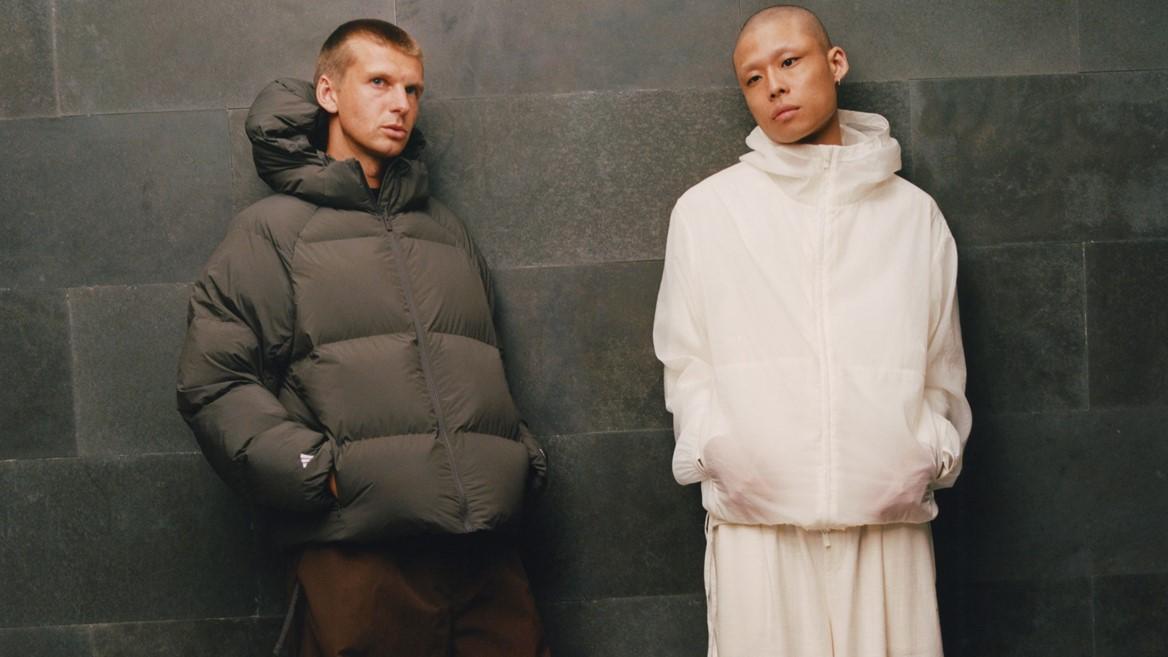
The central garment is a two-in-one puffer jacket with a detachable translucent shell and contrasting insulated inner layer. Both components can be worn together or separately. A second convertible piece reinterprets a long-sleeve football jersey with a removable outer layer, drawing on the South Africa 2002 national-team shirt.

The range also includes winter accessories made from 100% merino wool, among them a beanie, balaclava and scarf referencing Belgian football fanwear. A muted colour palette and adaptable silhouettes aim to connect streetwear styling with cold-weather functionality.

Although the collaboration is primarily a fashion and branding launch, its detachable garment constructions are relevant to designers examining modularity, product versatility and multi-season use. The release does not make a quantified environmental-performance claim for the collection.

adidas and Belgian label Arte Antwerp have completed their FW26 collaboration with a winter outerwear release built around layering and football supporter culture. The collection launches globally on 15 October in stores and online, with apparel priced between US$70 and US$400.

The central garment is a two-in-one puffer jacket with a detachable translucent shell and contrasting insulated inner layer. Both components can be worn together or separately. A second convertible piece reinterprets a long-sleeve football jersey with a removable outer layer, drawing on the South Africa 2002 national-team shirt.

The range also includes winter accessories made from 100% merino wool, among them a beanie, balaclava and scarf referencing Belgian football fanwear. A muted colour palette and adaptable silhouettes aim to connect streetwear styling with cold-weather functionality.

Although the collaboration is primarily a fashion and branding launch, its detachable garment constructions are relevant to designers examining modularity, product versatility and multi-season use. The release does not make a quantified environmental-performance claim for the collection.

Source:

adidas AG / Arte Antwerp

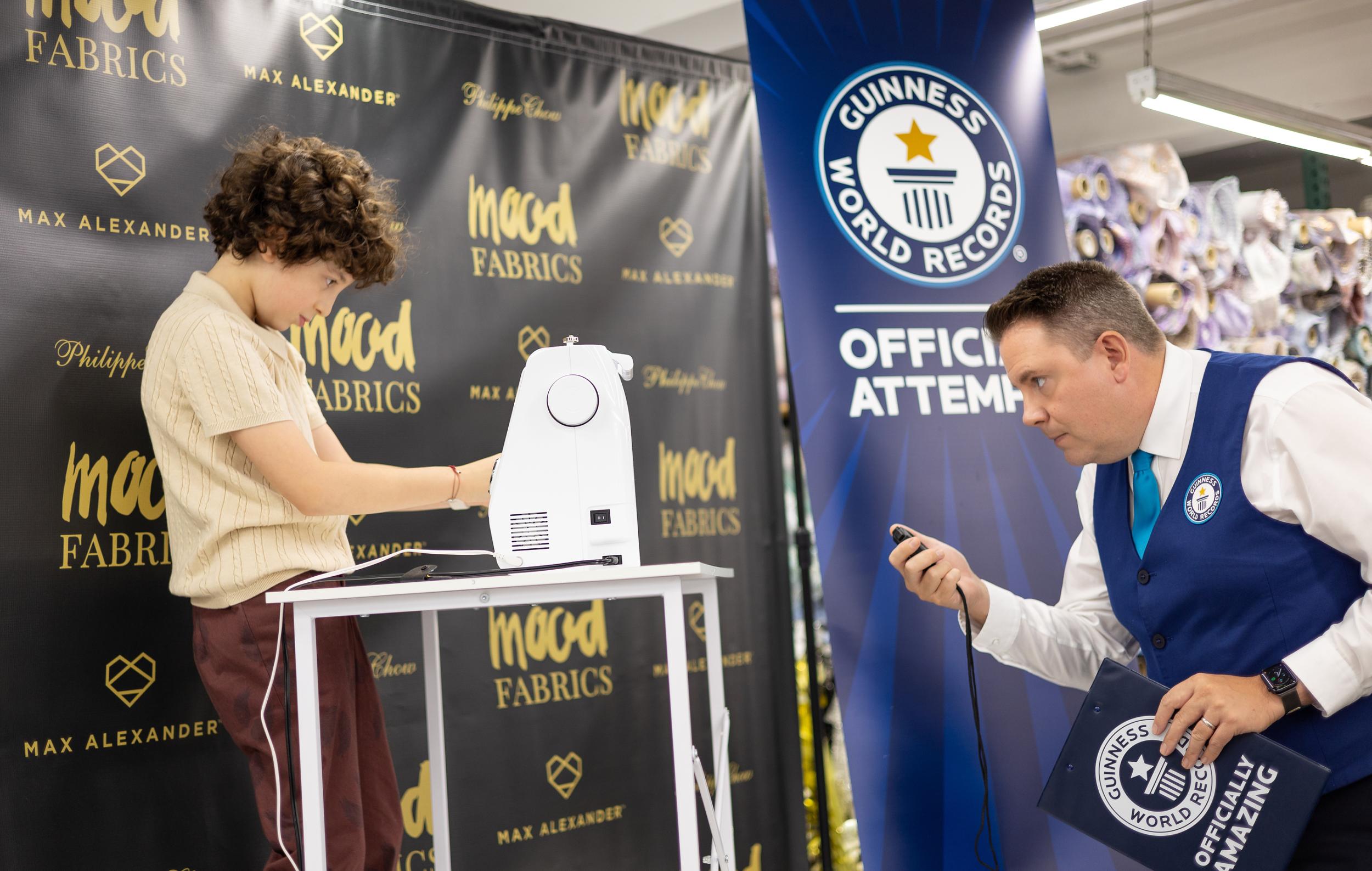
Under the close watch of a Guinness World Records adjudicator, 10-year-old designer Max Alexander competes during his launch event at Mood Fabrics NYC on September 14, 2026. Photo via Mood Fabrics
Under the close watch of a Guinness World Records adjudicator, 10-year-old designer Max Alexander competes during his launch event at Mood Fabrics NYC on September 14, 2026.
18.09.2026

Mood Fabrics launches 15-piece fabric line with Max Alexander

Mood Fabrics has launched a 15-fabric collection with ten-year-old designer Max Alexander. The Mood × Max Alexander line debuted in New York on 14 September and is being sold online and through Mood's U.S. retail locations.

The company lists BCI cotton, EcoVero viscose, European flax linen and recycled-polyester faux fur among the materials. The range combines prints and textured fashion fabrics with several fibre choices already associated with established sourcing or recycling programmes.

Alexander selected and annotated the fabrics. The collaboration therefore starts at material choice, leaving the collection open to further garment design and making rather than presenting a fixed apparel capsule.

Mood Fabrics has launched a 15-fabric collection with ten-year-old designer Max Alexander. The Mood × Max Alexander line debuted in New York on 14 September and is being sold online and through Mood's U.S. retail locations.

The company lists BCI cotton, EcoVero viscose, European flax linen and recycled-polyester faux fur among the materials. The range combines prints and textured fashion fabrics with several fibre choices already associated with established sourcing or recycling programmes.

Alexander selected and annotated the fabrics. The collaboration therefore starts at material choice, leaving the collection open to further garment design and making rather than presenting a fixed apparel capsule.