


Kraig Biocraft Laboratories begins Processing 1.8 Metric Tons of Recombinant Spider Silk Cocoons
Kraig Biocraft Laboratories, Inc., a world leader in spider silk technology, announced that it has begun processing nearly 1.8 metric tons of recombinant spider silk cocoons into finished reeled silk.
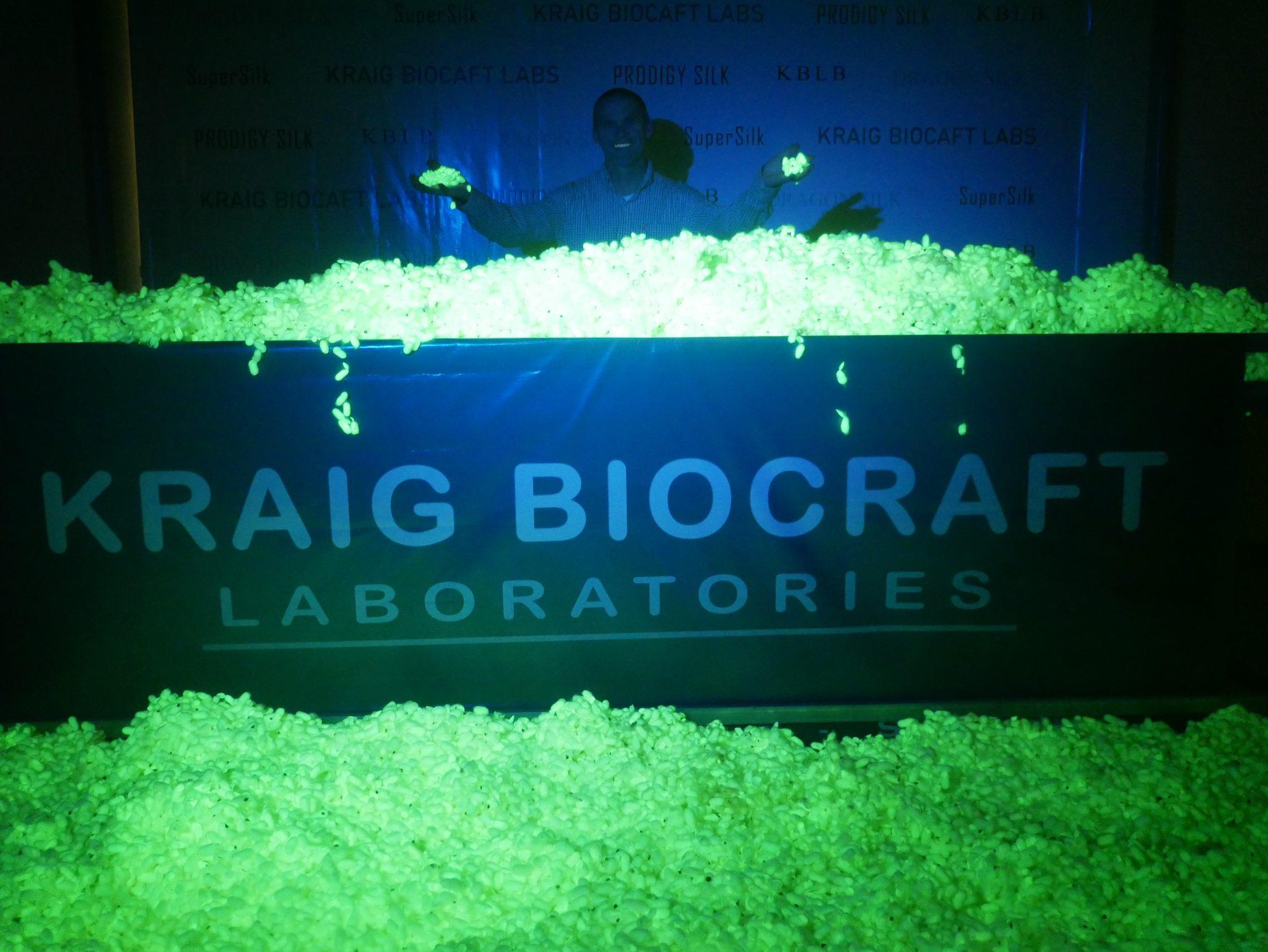
In early April, the Company announced that it had exceeded 1.3 metric tons of cocoon production in March, setting a new production record. Since that announcement, Kraig Labs is now confirming that it produced an additional half ton of cocoons (approximately) that were not included in the in the March report. This brings the Company’s total available cocoon inventory to nearly 1.8 metric tons. The attached image represents less than 4% of the total cocoon production.
Kraig Labs has now initiated the reeling process, converting this inventory into finished reeled silk. This work is currently underway at one of the Company’s production partners and is expected to be completed by the end of the month.
Upon completion of this processing phase, Kraig Labs expects to hold the largest inventory of recombinant spider silk in its history. To the Company’s knowledge, this volume also represents the largest single supply of recombinant spider silk ever to exist.
The finished reeled silk will shortly be available for processing, including twisting into yarns and integration into textile and technical material applications. Kraig Labs plans to make these materials available to targeted markets, including luxury fashion, performance textiles, and industrial applications.
Senior management is currently in Asia overseeing these operations. During this visit, leadership is working directly with production staff to monitor the reeling process, evaluate facility performance, and coordinate with supply chain partners. Management is also advancing the implementation of the Company’s aggressive scale-up strategy. This plan is designed to continue rapidly increasing production output in the months ahead.
“The execution we are seeing across our operations is tracking exactly as we expected,” said Kim Thompson, Founder and CEO of Kraig Labs. “That is a direct result of the considerable groundwork our team has completed over the last three years to put our production infrastructure in place and fine tune our processes in the field. What we are seeing now is preparation translating into consistent, scalable output.”
The Company leadership in biomaterials was recently spotlighted on the cover of the March 2026 issue of National Geographic, highlighting the growing importance and predominance of our work in scaling spider silk production.
Kraig Biocraft Laboratories