
From the Sector

Reset
01.06.2026

Lenzing AG: Georg Kasperkovitz new Chief Executive Officer

The Supervisory Board of Lenzing AG has appointed Georg Kasperkovitz, Member of the Management Board and Chief Operations Officer, as Chief Executive Officer (CEO) of Lenzing AG with effect from June 1, 2026. 
Kasperkovitz will assume this role in addition to his current function as Chief Operations Officer (COO). 

Kasperkovitz has been a member of the Management Board of Lenzing AG as Chief Operations Officer since June 2025. In this role, he has most recently led the Fiber Division (sales, production, and supply chain) as well as the further development and execution of the performance program. He has achieved significant progress in operational excellence and the profitability of the fiber production sites. 

As CEO, in addition to overseeing the company-wide fiber production sites, he will also assume global responsibility for fiber sales, supply chain, and human resources. 
Kasperkovitz’s mandate as CEO runs for three years until May 31, 2029. 

The Supervisory Board of Lenzing AG has appointed Georg Kasperkovitz, Member of the Management Board and Chief Operations Officer, as Chief Executive Officer (CEO) of Lenzing AG with effect from June 1, 2026. 
Kasperkovitz will assume this role in addition to his current function as Chief Operations Officer (COO). 

Kasperkovitz has been a member of the Management Board of Lenzing AG as Chief Operations Officer since June 2025. In this role, he has most recently led the Fiber Division (sales, production, and supply chain) as well as the further development and execution of the performance program. He has achieved significant progress in operational excellence and the profitability of the fiber production sites. 

As CEO, in addition to overseeing the company-wide fiber production sites, he will also assume global responsibility for fiber sales, supply chain, and human resources. 
Kasperkovitz’s mandate as CEO runs for three years until May 31, 2029. 

Supervisory Board emphasizes continuity and performance 
Patrick Lackenbucher, Chairman of the Supervisory Board of Lenzing AG, commented: “Over the past months, the Supervisory Board has intensively addressed the appointment of the CEO position and evaluated both internal and external candidates. It became clear that the current Management Board works very effectively together and that Georg Kasperkovitz manages his areas of responsibility extremely successfully. 

He has achieved measurable progress in operational performance and profitability. His appointment as CEO is therefore a logical step that ensures stability and execution strength, particularly in challenging market environments. 

The Management Board will continue to consistently focus on structural profitability and strengthening competitiveness, with the aim of further expanding Lenzing’s position as a leading integrated premium supplier of regenerated cellulose fibers.”

Focus on transformation, profitability, and growth 
Georg Kasperkovitz said: “I would like to thank the Supervisory Board for their trust and for appointing me as CEO, and I am very much looking forward to actively shaping Lenzing’s future. 

A clearly prioritized strategy focused on premium products, the consistent execution of our performance program, and a strong leadership team are key drivers of Lenzing’s continued transformation. 

We will drive sustainable growth in high-margin market segments, such as nonwovens applications in hygiene and filtration, while further advancing next-generation technologies such as Tree-to-Textile. 

At the same time, we will consistently implement measures to further strengthen our cost position and global competitiveness. Our goal is to unlock the company’s full value-creation potential.” 

Management Board structure remains unchanged 
The composition of the Management Board remains unchanged and continues to consist of Georg Kasperkovitz (CEO), Mathias Breuer (CFO), and Christian Skilich (CPO/CTO). 
The extended Executive Committee, consisting of six members, also remains unchanged. 

About Georg Kasperkovitz 
Georg Kasperkovitz holds a PhD in Mechanical Engineering (Vienna University of Technology) and an MBA from Harvard Business School. He has more than 15 years of international management experience across Europe, North America, Asia, and China—Lenzing’s key production regions and markets. Prior to joining Lenzing, he served as Business Unit CEO at the international packaging and paper company Mondi plc (2016–2019) and as CEO of Rail Cargo Austria AG (2012–2016). He previously worked as a partner at the global consulting firm McKinsey & Company.

Source:

Lenzing AG

2026 World of Wipes Innovation Award® Finalists Revealed (c) INDA
01.06.2026

2026 World of Wipes Innovation Award® Finalists Revealed

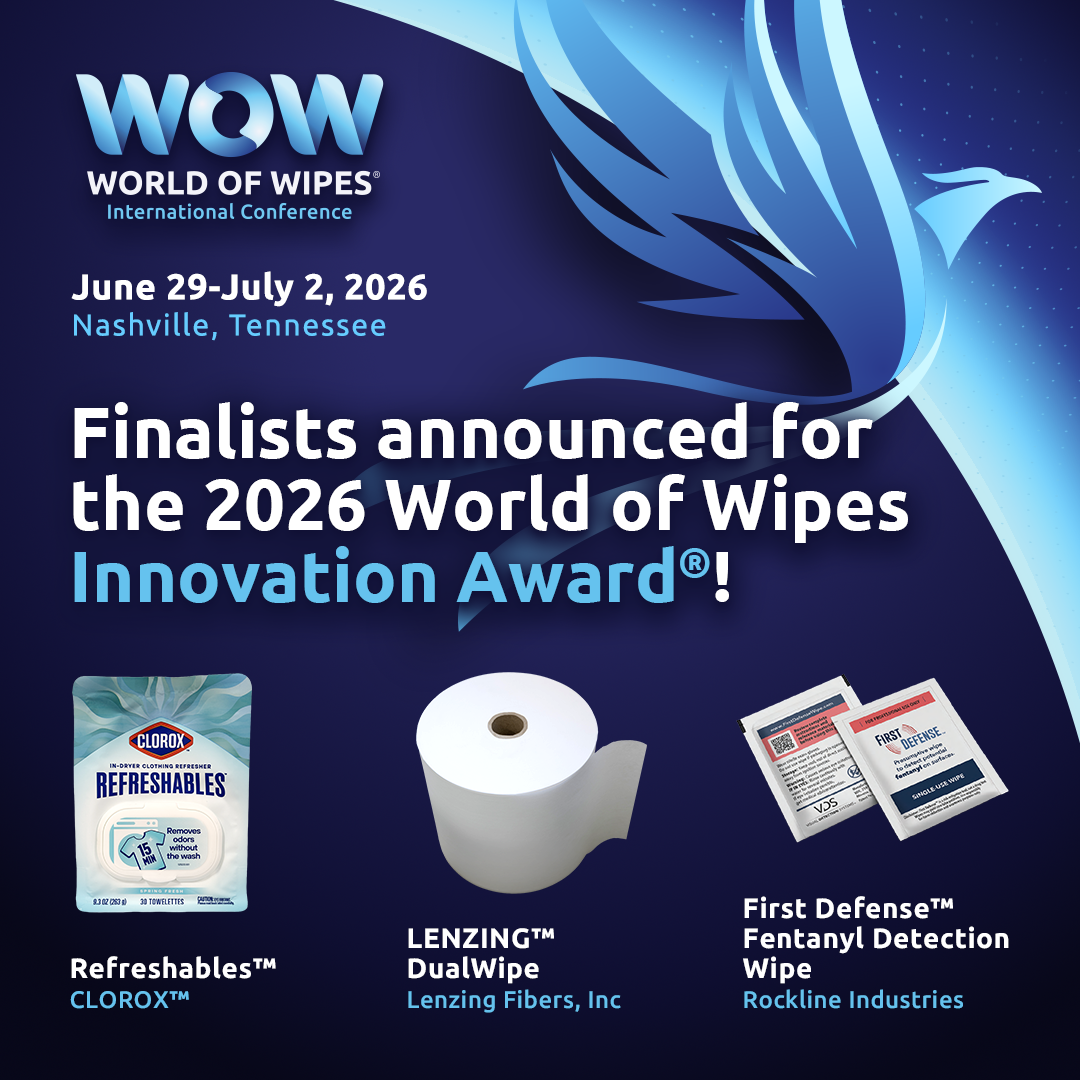
INDA, the Association of the Nonwoven Fabrics Industry, announced the three finalists for the 2026 World of WipesInnovation Award®. The finalists are The Clorox Company for their Clorox™ Refreshables™, Lenzing Fibers, Inc. for their Lenzing™ DualWipe, and Rockline Industries for their First Defense™ Fentanyl Detection Wipe.

These finalists will present their products at the World of Wipes® (WOW) International Conference, June 29-July 2, at the Grand Hyatt Nashville in Nashville, Tennessee. The winner will be announced during the closing session on July 2.

Presented annually, the World of Wipes Innovation Award recognizes breakthrough achievements in nonwoven product design, technology, and application across the wipes supply chain. Selected by INDA’s Technical Advisory Board, finalists are honored for creativity, technical excellence, and distinctive advancements in areas such as raw materials, fibers, converting, packaging, binders, additives, active ingredients, sustainability, and end-use performance.

INDA, the Association of the Nonwoven Fabrics Industry, announced the three finalists for the 2026 World of WipesInnovation Award®. The finalists are The Clorox Company for their Clorox™ Refreshables™, Lenzing Fibers, Inc. for their Lenzing™ DualWipe, and Rockline Industries for their First Defense™ Fentanyl Detection Wipe.

These finalists will present their products at the World of Wipes® (WOW) International Conference, June 29-July 2, at the Grand Hyatt Nashville in Nashville, Tennessee. The winner will be announced during the closing session on July 2.

Presented annually, the World of Wipes Innovation Award recognizes breakthrough achievements in nonwoven product design, technology, and application across the wipes supply chain. Selected by INDA’s Technical Advisory Board, finalists are honored for creativity, technical excellence, and distinctive advancements in areas such as raw materials, fibers, converting, packaging, binders, additives, active ingredients, sustainability, and end-use performance.

The 2026 Award finalists are:
The Clorox Company: Clorox Refreshables In-Dryer Clothing Refresher – The power of the wash without the wait. Clorox Refreshables In Dryer Clothing Refresher turns dryers into a 15-minute wardrobe reset, no washing machine needed. These innovative wet dryer sheets work like a fast, fabric-friendly tune-up: just toss one towelette into the dryer with an outfit for 15 minutes to revive lightly worn items, tackling odor, wrinkles, static and pet hair while leaving a crisp, lasting Spring Fresh scent.

Lenzing Fibers, Inc.: Lenzing DualWipe – enabled by Lenzing’s Nonwovens Technology (LNT), integrates two functional surfaces within a single material: an abrasive side for effective removal of dirt and residues, and a soft, highly absorbent side for wiping and finishing. DualWipe contains no synthetic fibers, binders or finishing chemicals, and eliminates the risk of plastic and microplastic shedding typically associated with conventional synthetic wipes. Its compatibility with standard converting processes supports broad applicability across industrial, professional and household cleaning segments.

Rockline Industries: First Defense Fentanyl Detection Wipe – Rockline Industries, in collaboration with Visual Detection Systems, developed the First Defense Fentanyl Detection Wipe, a single-use presumptive test that rapidly detects trace fentanyl through a visible color change. Featuring specialized indicators bound to viscose fibers with a starch-based system, the wipe improves field usability and reliability. Tested with pharmaceutical and street-grade fentanyl and other opioids, it is designed for law enforcement, first responders, military, airports, schools, and correctional facilities.

The 2025 award winner was Cookware Care’s Seasoning Wipes™ which offer a simple, convenient, mess-free solution for maintaining cast iron and carbon steel cookware. Made from 100 percent viscose and infused through a proprietary process using a combination of non-petrochemical oils and beeswax, the formula contains no water, emulsifiers, or synthetic additives.

Source:

INDA Association of the Nonwoven Fabrics Industry 

Photo Palexpo.SA / INDEX™
24.05.2026

INDEX™26: A strong edition in a challenging context

  • INDEX™26 officially concluded at Palexpo as a successful edition, spread over a gross exhibition space of 50’000m2, the event featured 625 exhibitors from 44 countries, fully playing their part through high-quality, prestigious stands, confirming its status as a central hub for nonwovens innovation. 
  • The event attracted 11,452 visits providing an important meeting place for global decision-makers to witness the industry's evolution toward high-tech, durable, and sustainable solutions. 
  • A defining theme of the edition was the integration of technical excellence and environmental responsibility, with a major focus on circular design and carbon footprint reduction as primary performance indicators. 
  • Beyond the exhibition halls, the strong response to the specialized seminar programme and new immersive experiences highlighted how global collaboration and smart technologies are helping to shape a path for a circular manufacturing landscape. 

INDEX™ 26, the World’s Leading Nonwovens Exhibition, officially closed its doors today at Palexpo.

  • INDEX™26 officially concluded at Palexpo as a successful edition, spread over a gross exhibition space of 50’000m2, the event featured 625 exhibitors from 44 countries, fully playing their part through high-quality, prestigious stands, confirming its status as a central hub for nonwovens innovation. 
  • The event attracted 11,452 visits providing an important meeting place for global decision-makers to witness the industry's evolution toward high-tech, durable, and sustainable solutions. 
  • A defining theme of the edition was the integration of technical excellence and environmental responsibility, with a major focus on circular design and carbon footprint reduction as primary performance indicators. 
  • Beyond the exhibition halls, the strong response to the specialized seminar programme and new immersive experiences highlighted how global collaboration and smart technologies are helping to shape a path for a circular manufacturing landscape. 

INDEX™ 26, the World’s Leading Nonwovens Exhibition, officially closed its doors today at Palexpo. In a context marked by uncertainty and continued pressure, the 2026 edition of INDEX™ concluded successfully. With a diverse range of 625 exhibiting companies from 44 countries, an important number of visitors, and an expanded international reach, the event confirmed its role as a central hub for innovation and a representative showcase of the nonwovens ecosystem. 

Driven by the strong presence of exhibitors, the 2026 edition confirmed the continued relevance of the event. With 11,452 visits, the four-day event brought together a strong mix of global decision-makers and technical experts, who came to explore the sector’s evolution from mass-produced disposable items to high-tech, durable and sustainable solutions. The professional events were well attended, establishing the exhibition as an indispensable meeting place for sharing experience and passion for the industry. Magali Fakhry Dufresne, Director of INDEX™, noted: “Despite the current geopolitical context, affecting travel conditions and budgets, the industry demonstrated a strong commitment to attend. Participants were keen to meet in person, reconnect with their peers and advance discussions. INDEXTM is a great opportunity for the young generation to discover many innovations all gathered under one roof. Once again, INDEX™ confirmed its role as a key event for the global nonwovens community every three years.” She adds: “I also would like to thank the industry, and particularly the exhibitors, for their engagement and continued commitment. Exhibitors played a decisive role in the success of the edition, with high-quality, prestigious stands that reflected the strength and ambition of the sector.” 

The defining theme of the 2026 edition was the integration of environmental responsibility and technical excellence. Industry representatives demonstrated that sustainability and performance now form a unified mission that permeates the entire value chain. A key focus was the increasing significance of reducing the carbon footprint as the industry's primary performance indicator. Exhibitors presented the latest production technologies designed to increase throughput and produce finer fibres. Circular design was a major focus of these developments, with many new materials replacing complex multi-layer structures with recyclable designs made from a single material. Furthermore, the event showcased high-performance protective textiles that meet new safety standards without the use of PFAS. 

“The INDEX™26 seminar programme and products presentations showcased developments demonstrating how companies are achieving a competitive edge by going beyond regulatory compliance. It showed that it is vitally important for companies to adapt and be agile to successfully master new market challenges such as the Iranian and other crises”, added Pieter Meijer, Chairman of the INDEX™ Advisory Board. 

Networking and immersive experiences 
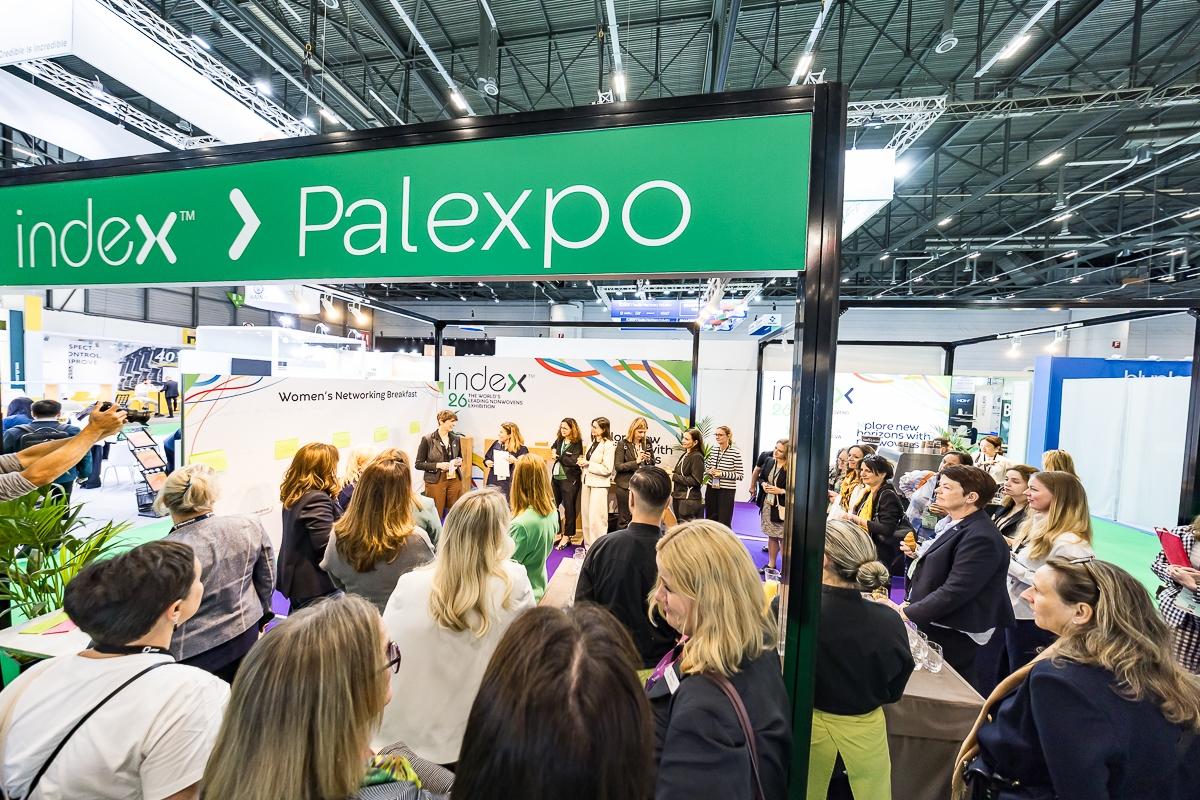
The exhibition offered a consistent experience-oriented approach, as evidenced by the numerous areas dedicated to innovation and technical demonstrations. The event also strengthened its networking dimension, introducing a unique 'Women's Networking Breakfast' to build mentoring networks for the future of the community. The new immersive experience, 'Nonwovens: In Every Layer of Life', was well received, offering visitors a deeper understanding of the integral role these materials play in modern society. Over four days, Geneva provided the setting for an exhibition that remains a place of discovery for current and future technologies. 

Looking to the future 
Murat Dogru, General Manager of EDANA concludes: “INDEX™26 had demonstrated how innovation in the industry is now being driven by global collaboration. The synergy between automated machinery, smart chemistry, and extreme weight reduction has pointed to a promising direction for a more efficient, circular manufacturing landscape. We are already looking forward to INDEXTM29 (15-18 May 2029), to discuss the latest developments.”

More information:
INDEX nonwovens Geneva
Source:

Palexpo.SA / INDEX™

INDEX™26 Awards Winners Announced Photo (c) Edana
INDEX™26 Awards Winners Announced
19.05.2026

INDEX™26 Awards Winners Announced


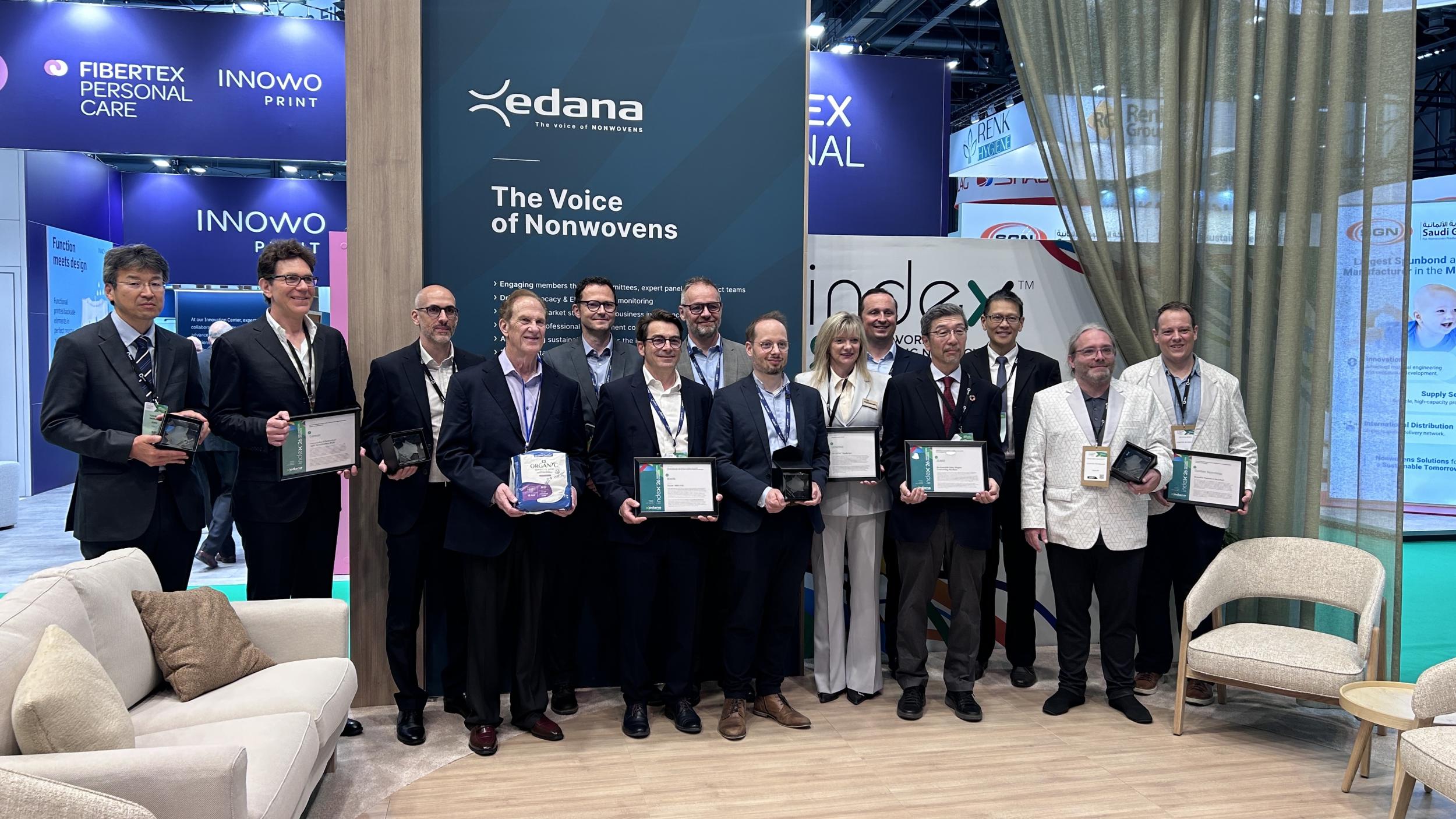
The nonwovens industry has officially crowned its new winners. Today at the opening of INDEX™ 2026, five companies were honoured with the INDEX™ Awards, the industry’s highest accolade for technical excellence and forward-thinking design. 

From high-speed machinery to breakthroughs in molecular chemistry, this year's winners were selected for their ability to merge top-tier performance with the urgent requirements of a circular economy. 


The nonwovens industry has officially crowned its new winners. Today at the opening of INDEX™ 2026, five companies were honoured with the INDEX™ Awards, the industry’s highest accolade for technical excellence and forward-thinking design. 

From high-speed machinery to breakthroughs in molecular chemistry, this year's winners were selected for their ability to merge top-tier performance with the urgent requirements of a circular economy. 

Category: Nonwoven roll goods 
Winner: Lenzing - LENZING™ Dualwipe 
LENZING™ Dualwipe is a high-performance cleaning wipe crafted from regenerated cellulose using LENZING™ Nonwovens Technology. Its innovative dual-surface design integrates abrasion and absorbency in a single material, enabling efficient cleaning without relying on fossil-based synthetic materials, binders, or chemical additives. One side features a mechanically active surface for scrubbing away dirt, grease, and residues, while the other offers a soft, highly absorbent surface for liquid uptake and surface finishing. Designed for industrial, professional, and household applications, LENZING™ Dualwipe is compatible with existing converting and processing infrastructure, facilitating rapid adoption. 

Category: Finished products made from, or incorporating nonwovens - Single-use application 
Corman - Organyc brand "Personalized Protection" Light Incontinence Pads 

Corman’s new light incontinence pads deliver personalized protection through three key innovations. The Smart-Cotton™ cover with a citric acid buffer maintains an ideal skin pH of 5.5, reducing irritation. The patented Cotton-Balanced Absorbent Core channels liquid to superabsorbent polymers that lock in moisture and expand toward the body for superior leak protection. Natural odor control uses an organic ingredient to bind ammonia and slow odor formation, eliminating odor instead of masking it. Clinically proven, the pads address the three main concerns of light incontinence: leaks, odor, and skin irritation.

Category: Finished products made from, or incorporating nonwovens - Durable application 
Winner: Confitex Technology - Reusable Nonwoven Bed Pads 

This new Confitex technology has enabled the world’s first machine-washable and tumble-dryable nonwoven bed pads, opening a significant new application for nonwoven materials. Using a proprietary fibre-stabilisation bonding technique, the innovation allows absorbent nonwoven structures to withstand more than 30 machine wash and tumble-dry cycles while maintaining performance. The fully nonwoven construction combines a fast-wicking top sheet with a highly absorbent core capable of holding over two litres of liquid. In addition, a bonded frame structure prevents leakage across the entire surface, including the edges, addressing a common weakness of stitched textile bed pads. 

Category: Raw materials or components (e.g.polymer,fibre, binder, film, tape) of special relevance to the nonwovens and related converted products industry 
Winner: Bostik - Kizen™ Miles 9.0 

Bostik - Kizen™ Miles 9.0 Bostik’s latest innovation, Kizen™ Miles 9.0, is the first adhesive designed for disposable hygiene article construction, that offers the unique feature of debonding on demand: when exposed to a specific chemical key, combined with controlled temperature and mechanical stress, the adhesive allows clean, rapid separation of plastic components in minutes. This process keeps the adhesive material on the substrate, preventing contamination for cleaner, more efficient hygiene article recycling. But during the lifetime of the hygiene article, this new material, based on up to 75% renewable materials, delivers exceptional bonding across a wide range of substrates—including PP, PE, and PLA—while maintaining stable performance over time and under wet conditions. 

Category: Innovation in machinery of special relevance to the nonwovens industry 
Winner: ZUIKO – Recloseable Baby Diaper Converting Machine 
ZUIKO - Converting machine for recloseable baby diapers 

ZUIKO has developed a converting line to produce adjustable pull on pant diapers that address the challenge of achieving a secure fit around a baby’s waist and legs while maintaining softness and stretchability. The design of such a diaper combines the adjustability of open diapers with the stretch characteristics of pant diapers. Unlike conventional pant diapers, which are processed symmetrically, ZUIKO’s recloseable diapers are asymmetric, requiring a precise, glue-less attachment process during folding. Central to the production is ZUIKO’s patented “Stretch Re-pitch Drum™,” which regulates elastic tension and product spacing, allowing panel folding in line with the machine’s flow. This system enables the production of over 700 diapers per minute without the need for multiple folding units.

Source:

Edana

Serving the market for fine titers below 100 denier: The new Barmag ceramic oiling device, type 2777. Photo: Barmag, Oerlikon Textile GmbH & Co. KG
Serving the market for fine titers below 100 denier: The new Barmag ceramic oiling device, type 2777.
14.05.2026

Barmag's specialist in fine counts: New type 2777 ceramic oiler

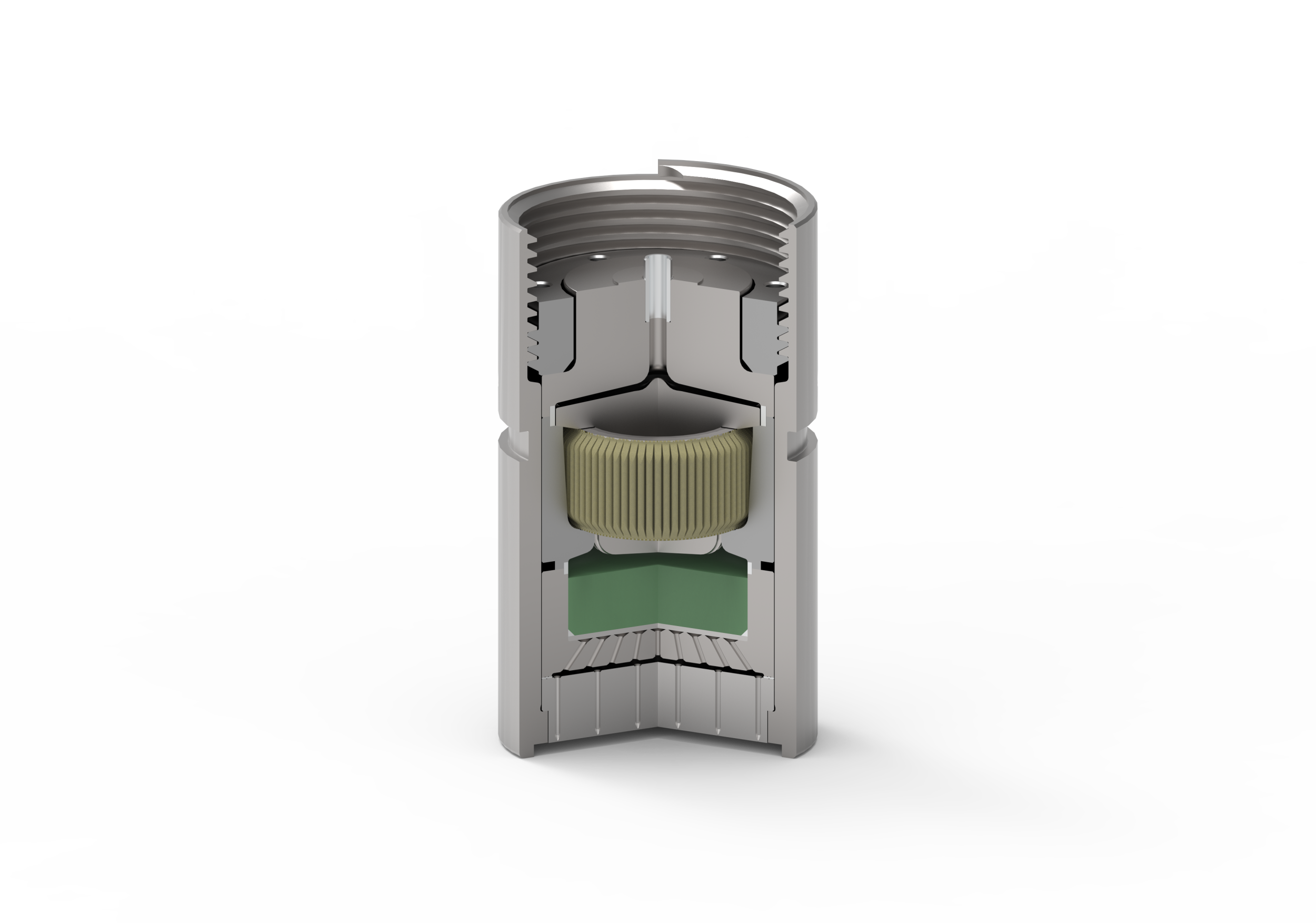
With the new Type 2777 ceramic oiler, Barmag has added a solution for fine titers and microfilaments to its portfolio of original parts.

The new design, based on the proven model 2888, is significantly slimmer and has been specifically optimized for fine titers and sensitive filament counts. While the type 2888, as an all-rounder, demonstrates its strengths in the high denier range and up to 288 filaments, the type 2777 offers the long-awaited solution for the lower fineness range. This is where standard oilers often reach their physical limits, leading to uneven deposits in the corners or instability in the yarn path when processing finer titers. Here, the narrower variant excels with maximum precision in the process.

With the new Type 2777 ceramic oiler, Barmag has added a solution for fine titers and microfilaments to its portfolio of original parts.

The new design, based on the proven model 2888, is significantly slimmer and has been specifically optimized for fine titers and sensitive filament counts. While the type 2888, as an all-rounder, demonstrates its strengths in the high denier range and up to 288 filaments, the type 2777 offers the long-awaited solution for the lower fineness range. This is where standard oilers often reach their physical limits, leading to uneven deposits in the corners or instability in the yarn path when processing finer titers. Here, the narrower variant excels with maximum precision in the process.

Both oiler types are designed for reduced spray-off thanks to their special geometry. In the fine-titer range, the new design reduces spray-off by a further 50% compared to the use of standard oilers. Extremely easy to adjust, the oiler impresses with its tolerance for installation deviations of ±2°. This largely prevents uneven oil application. The integrated ceramic shaft eliminates the typical errors that occur during the labor-intensive process of bonding metal shafts, thereby ensuring greater process stability.

Ceramic quality has a direct impact on yarn quality
The quality of yarn-guiding components in the spinning process is also a decisive factor for downstream processing. Inferior ceramics have a negative impact on yarn quality, which manifests itself in the downstream processing. Initial market deployments of the new oiler confirm the yarn’s improved downstream performance—a result shared by other ceramics from Barmag.

For yarn manufacturers, the ability to schedule the replacement of wear parts is particularly important: Thanks to consistently high manufacturing quality, components wear out in a controlled and synchronized manner—rather than unpredictably, as is the case with inferior components. This enables greater process stability and predictive maintenance.

Source:

Barmag, Oerlikon Textile GmbH & Co. KG

Rendering of ValuePack Photo BB Engineering GmbH
Rendering of ValuePack
13.05.2026

BB Engineering at ITM 2026 in Istanbul

At the upcoming ITM in Istanbul, taking place June 9–13 at the Tüyap Fair Convention and Congress Center in Hall 7, Booth 702B, BB Engineering will once again be represented at a joint booth with its parent company, Barmag, and its representative, Tekstil Servis. The German machine manufacturer will showcase its expertise in man-made fiber and recycling technology, presenting its entire product portfolio, which includes components such as extruders and filters, as well as complete systems for spinning synthetic fibers, air-texturing, and PET recycling. 

At the upcoming ITM in Istanbul, taking place June 9–13 at the Tüyap Fair Convention and Congress Center in Hall 7, Booth 702B, BB Engineering will once again be represented at a joint booth with its parent company, Barmag, and its representative, Tekstil Servis. The German machine manufacturer will showcase its expertise in man-made fiber and recycling technology, presenting its entire product portfolio, which includes components such as extruders and filters, as well as complete systems for spinning synthetic fibers, air-texturing, and PET recycling. 

New, patented “ValuePack” spin pack 
With its new, patented spin pack, BB Engineering underlines its expertise in synthetic fiber spinning. Until now, spin packs have been equipped with either metal powder (“sand”) or filter candles as filter media. Both variants have their place in specific applications but come with their own set of advantages and disadvantages. While sand packs score points primarily for their homogeneity and are therefore well-suited for virgin material, packs with filter candles offer an increased filter area and were originally developed specifically for recycling applications. The large filter area leads to better filter performance and service life, but at the same time is accompanied by a lower flux rate and shear. This can compromise homogeneity. 

The ValuePack combines both methods — metal sand and filter candle — in a two-step filtration process. The melt first passes through the filter candle, where it is optimally filtered over a large filter surface down to 15 µm. The melt then flows through the sand chamber, where homogenization and shearing are the primary processes. As simple as the concept is, it is equally innovative and advantageous. BB Engineering is a pioneer with its multi-step filtration in the spin pack. The result is significantly better homogeneity in terms of temperature and viscosity, improved spinning performance, and higher yarn quality for a wide range of applications that goes beyond pure recycling. Another advantage of the ValuePack is that it is already forced-sealed independently of pressure. This prevents leaks that can occur with self-sealing packages and offers a larger process window. Existing systems can be easily retrofitted to accommodate the ValuePack, which is slightly longer due to its design. 

VarioFil® 
Such as the popular VarioFil® compact spinning system from BB Engineering. Compact size, flexibility, and consistently high yarn quality—that’s what VarioFil® stands for, and that’s what Turkish fiber and textile producers value. “Our compact spinning system perfectly meets the needs of the Turkish textile market. Fibers and yarns from our VarioFil® customers are used, for example, in clothing, carpets, or textile automotive components such as seat covers or seat belts,” reports Ralf Morgenroth, Head of Sales and Customer Service. With over 60 systems installed since its market launch, Turkey is the largest market for VarioFil®. Accordingly, BB Engineering will once again be showcasing its compact spinning system at ITM this year for customers, prospective clients, and industry professionals. VarioFil® produces high-quality yarns (POY, FDY, HTY, LSY, HMY) from all common polymers with a production capacity of up to 450 kg/h per extruder. VarioFil® also spins recycled PET or bottle flakes directly into POY or FDY with impressive quality.

COBRA® Filter sets new standards
BB Engineering first introduced the new COBRA® filter at the Plastics Recycling Show Europe and K 2025 — setting new standards in the process. The company had clear goals in mind during development: The filter was designed to handle the increasing levels of contamination in recycling, simplify filter changes and cleaning through automation, and significantly reduce operating costs.

The result is a system that combines continuous, large-area filtration with automated, chemical-free intermediate cleaning. Two filter cartridges with automatic switching ensure stable, reliable, and uninterrupted operation. As a result, COBRA® can handle even high levels of contamination where conventional candle filters or screen changers reach their limits. The integrated cleaning system significantly extends the service life of the filter media. At the same time, it reduces operational effort, melt loss, and energy consumption—all without the use of chemicals. This increases process reliability and significantly lowers operating costs.

As a versatile solution, COBRA® is suitable for both coarse and fine filtration. In addition to PET recycling, the system is also suitable for other applications, such as plastic spinning, where it can be used to improve efficiency or retrofitted.

Source:

BB Engineering GmbH

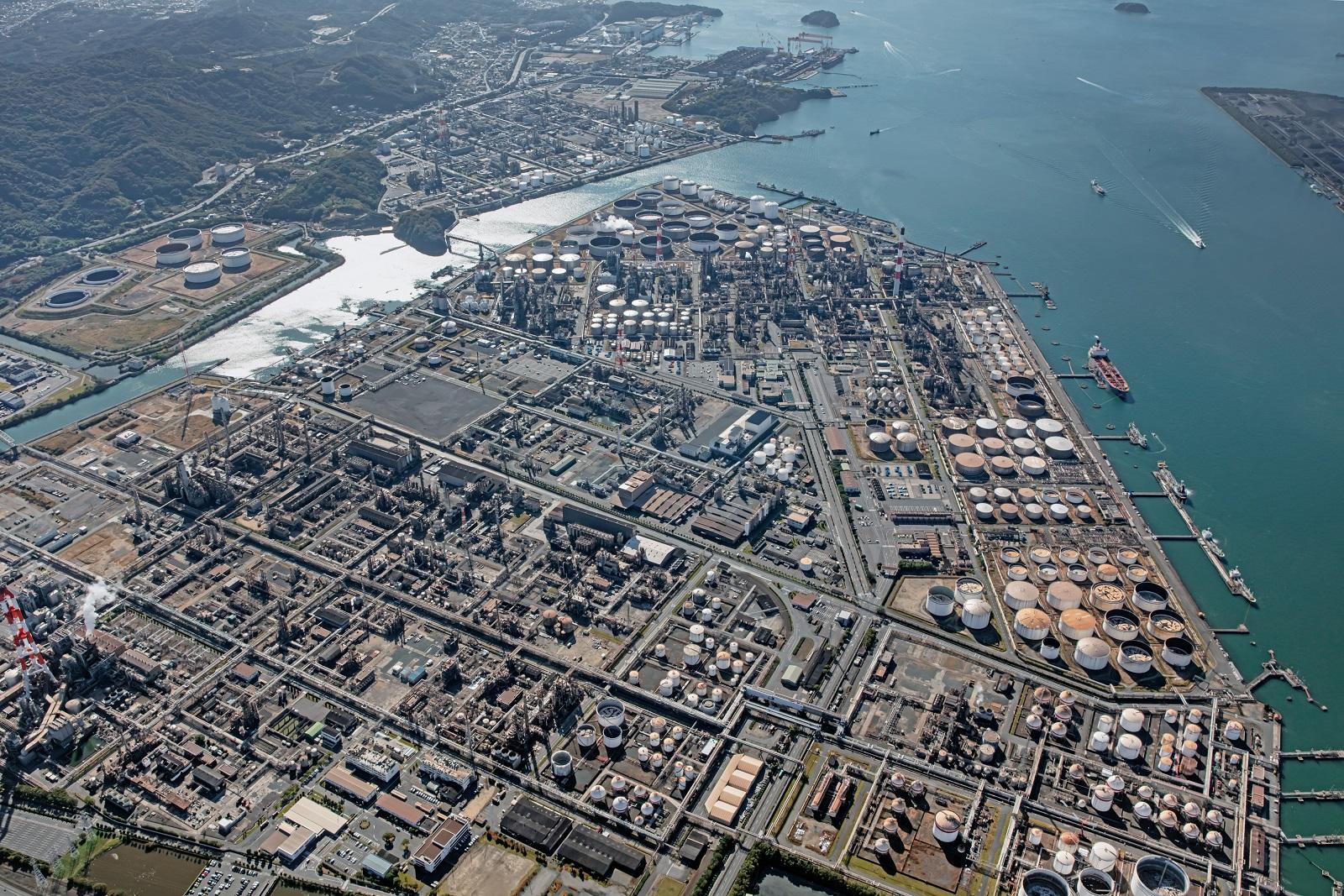
Chemical Complex in Mizushima (c) Photo Asahi Kasei
Chemical Complex in Mizushima
12.05.2026

Asahi Kasei Optimizes Material Portfolio Through Supply Realignment by FY2030

Asahi Kasei has announced plans to streamline operations at its Mizushima Works by fiscal 2030. 

There will be no immediate impact on the company’s supply of derivative products. The businesses covered by this initiative recorded revenue of ¥116.2 billion in fiscal year 2025, compared with ¥1,306.2 billion for the Material segment overall. 


Asahi Kasei has announced plans to streamline operations at its Mizushima Works by fiscal 2030. 

There will be no immediate impact on the company’s supply of derivative products. The businesses covered by this initiative recorded revenue of ¥116.2 billion in fiscal year 2025, compared with ¥1,306.2 billion for the Material segment overall. 


Product Applications FY 2030 Scope
Styrene monomer Resin feedstock, etc. Discontinuation of production
Suntec™-LD and Suntec™-EVA
low-density polyethylene (LDPE)
Various films, packag-ing materials, sundry goods, etc.
Suntec™-HD and Creolex™
high-density polyethylene (HDPE)
Acrylonitrile (AN) Resin feedstock, fiber feedstock, etc. Discontinuation of Mizushima 200 kt/y AN line and conversion of 50 kt/y MAN (meth-acrylonitrile) line to AN/MAN co-produc-tion, with continued AN supply through Tongsuh Petrochemical (South Korea).
Duranol™ polycarbonate diol (PCD) Polyurethane feed-stock for synthetic leather, etc.

Discontinuation of Mizushima ≈3 kt/y PCD line; supply maintained via Asahi Kasei Per-formance Chemicals (China), etc.


Asahi Kasei’s discontinuation of these derivatives and realignment of its supply chain form part of a broader initiative to streamline its Material sector portfolio and enhance capital efficiency. 

These measures are intended to exit businesses where profitability has become inherently challenging and to restructure the related supply chains within the global petrochemical markets. This is expected to improve margins and reduce cash outflows associated with maintaining these operations, enabling the strategic reallocation of capital toward higher-value opportunities. Such disciplined portfolio man-agement reinforces Asahi Kasei’s focus on areas with stronger long-term return potential. 

Under its three-year medium-term management plan "Trailblaze Together," Asahi Kasei is improving capital efficiency and accelerating earnings by converting past growth investments into tangible returns. To support this, the company is implementing structural reforms that channel resources to its key growth pillars—pharmaceuticals, critical care, overseas homes, and electronics. 

Recent actions such as entering a basic agreement with Mitsui Chemicals and Mitsubishi Chemical to promote the decarbonization of ethylene production in western Japan, and acquiring Aicuris to strengthen its specialty pharma platform in severe infectious diseases, demonstrate Asahi Kasei’s dis-ciplined execution of this strategy and reinforce the foundation for sustained, profitable growth.

Source:

Asahi Kasei 

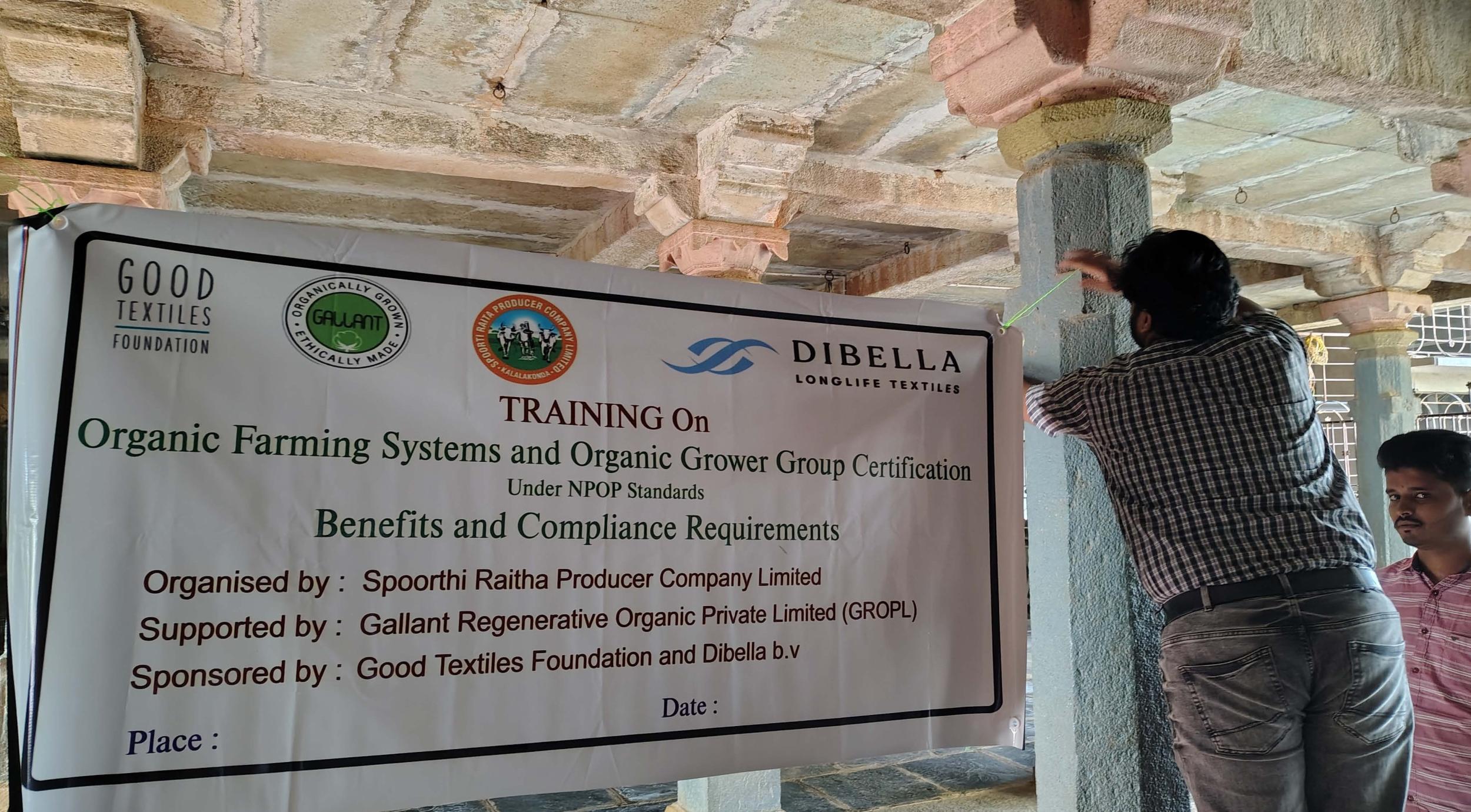
Start of the Training for Common Ground Farmers Photo GoodTextiles Foundation
Start of the Training for Common Ground Farmers
12.05.2026

GoodTextiles Foundation launches “Common Ground” Farmer Initiative in India

The GoodTextiles Foundation, in collaboration with Dibella India, Gallant Regenerative Organic Private Limited, and Spoorthi Raith Producer Company Limited, announces the launch of its new flagship project Common Ground. This initiative marks a significant step toward fostering sustainable, regenerative cotton cultivation among smallholder farmers in southern India. 

A Shared Vision Rooted in the Land 
Set in the rural landscapes of Karnataka’s Haveri district, Common Ground brings together farmers, local communities and agricultural experts with a unified goal: to restore harmony between people and nature through organic and regenerative farming practices. 

The foundation for this initiative was laid as early as 2024 through site visits, farmer dialogues and collaboration with the University of Agricultural Sciences Dharwad. In 2025, the project entered its implementation phase, including soil assessments, team training, community engagement and the registration of participating farmers. 

The GoodTextiles Foundation, in collaboration with Dibella India, Gallant Regenerative Organic Private Limited, and Spoorthi Raith Producer Company Limited, announces the launch of its new flagship project Common Ground. This initiative marks a significant step toward fostering sustainable, regenerative cotton cultivation among smallholder farmers in southern India. 

A Shared Vision Rooted in the Land 
Set in the rural landscapes of Karnataka’s Haveri district, Common Ground brings together farmers, local communities and agricultural experts with a unified goal: to restore harmony between people and nature through organic and regenerative farming practices. 

The foundation for this initiative was laid as early as 2024 through site visits, farmer dialogues and collaboration with the University of Agricultural Sciences Dharwad. In 2025, the project entered its implementation phase, including soil assessments, team training, community engagement and the registration of participating farmers. 

Seven carefully selected villages now form the core of the project. Chosen for their accessibility, strong community structures and development potential, they provide fertile ground for a scalable model that can be replicated across other regions. 

Empowering Farmers Through Knowledge and Structure 
At the heart of Common Ground lies a commitment to people. To date, 510 farmers have been identified, with 475 already in the final stages of enrolment into a newly established Organic Cotton Grower Group (OGG). 

The project combines technical expertise with hands-on support close, continuous support. A dedicated team—comprising an Internal Control System (ICS) Manager and trained field staff—is being steadily expanded to ensure effective on-the-ground implementation. Farmers participate in targeted training sessions that introduce them to organic cultivation practices and certification requirements, equipping them with the knowledge needed for long-term success. 

In parallel, external experts are developing location-specific “Packages of Practice” tailored to local conditions, alongside watershed-level strategies that promote sustainable resource management. To ensure transparency and traceability from the outset, all farms are digitally documented, including GPS-based mapping of agricultural plots.

Beyond Cotton: Building Resilient Futures 
Common Ground goes far beyond sustainable cotton production. It is an investment in the long-term resilience of farming communities. By improving soil health, conserving water resources and enhancing biodiversity, the initiative supports both environmental sustainability and economic opportunity. 

At the same time, it strengthens farmers’ independence and confidence in an agricultural system capable of sustaining livelihoods for generations to come. 

Together the partners are building a scalable model for regenerative value creation – from seed to finished textile. Step by step, a transparent and responsible supply chain is emerging. 

With every field converted, every training delivered and every partnership formed, Common Ground is cultivating more than cotton – it is nurturing a growing community committed to shaping a more sustainable future.

Source:

GoodTextiles Foundation

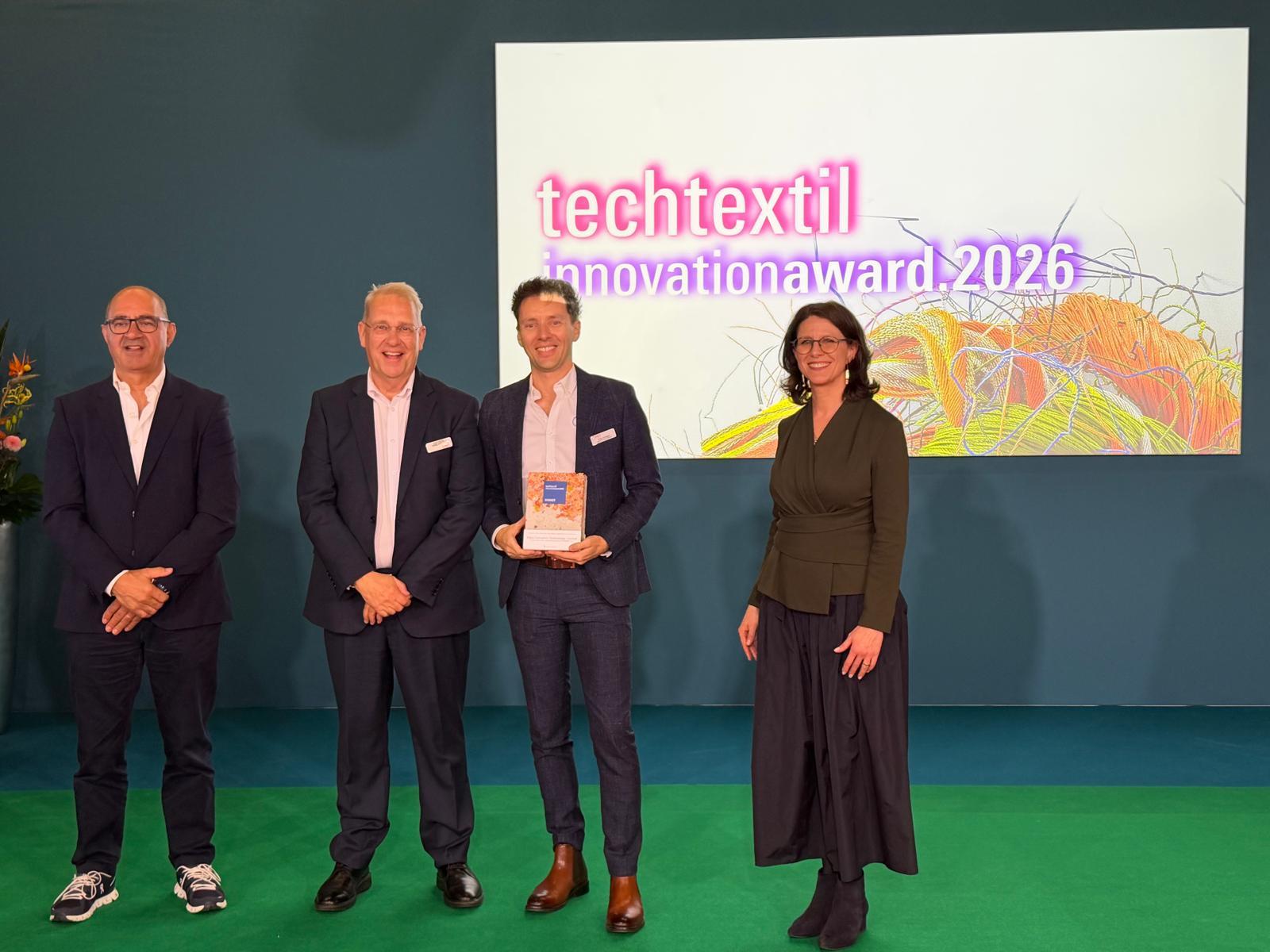
FET’s Managing Director Richard Slack and Senior Scientist Kristoffer Kortsen (centre) receive the Innovation Award Photo FET
FET’s Managing Director Richard Slack and Senior Scientist Kristoffer Kortsen (centre) receive the Innovation Award
08.05.2026

FET’s gel spinning system wins Techtextil Innovation Award

FET has received the Techtextil Innovation Award 2026 in the New Production Technology category. The Techtextil Innovation Award honours outstanding ideas in textile technology, sustainability, AI and the creation of technical textiles, selected by an international jury of experts. Ranging from new materials to new production technologies, this award recognises progressive ideas that are driving forces for numerous industries, such as automotive, medical and construction.

The new FET-500 Series now allows rapid, small-scale gel spinning of UHMWPE without the use of the toxic solvents typically associated with the process. This game-changing equipment will finally unlock R&D and new product development in UHMWPE yarns, which was previously blocked by the large-scale nature of UHMWPE yarn production, enabling significant savings in cost, footprint and environmental factors.

“We are proud that the Techtextil Innovation Award recognises our intensive work. It shows that we are at the forefront of technological developments supporting the textiles of tomorrow.” - Richard Slack, Managing Director.

FET has received the Techtextil Innovation Award 2026 in the New Production Technology category. The Techtextil Innovation Award honours outstanding ideas in textile technology, sustainability, AI and the creation of technical textiles, selected by an international jury of experts. Ranging from new materials to new production technologies, this award recognises progressive ideas that are driving forces for numerous industries, such as automotive, medical and construction.

The new FET-500 Series now allows rapid, small-scale gel spinning of UHMWPE without the use of the toxic solvents typically associated with the process. This game-changing equipment will finally unlock R&D and new product development in UHMWPE yarns, which was previously blocked by the large-scale nature of UHMWPE yarn production, enabling significant savings in cost, footprint and environmental factors.

“We are proud that the Techtextil Innovation Award recognises our intensive work. It shows that we are at the forefront of technological developments supporting the textiles of tomorrow.” - Richard Slack, Managing Director.

This reinforces FET’s success in processing over 130 different polymer types in multifilament, monofilament and nonwoven formats, collaborating with specialist companies worldwide to promote greater sustainability through innovative manufacturing processes.

Source:

FET

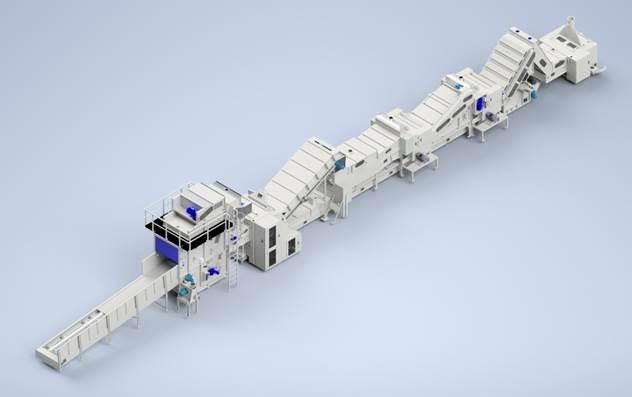
Exemplary Hemp Straw Processing Plant (c) Temafa Maschinenfabrik GmbH
Exemplary Hemp Straw Processing Plant
08.05.2026

Temafa Maschinenfabrik GmbH supplies a complete decortication plant for processing hemp straw

Temafa Maschinenfabrik GmbH, a leading supplier of machinery and plants for fibre processing, has successfully secured an order to supply a complete plant for processing hemp straw to Hanffaser Geiseltal eG, based in Mücheln.

With this project, Hanffaser Geiseltal eG is implementing its first industrial plant for processing hemp straw into hemp fibres. The plant will be delivered, installed and commissioned in the course of the year.

The plant, designed and manufactured by Temafa, is specifically engineered for the efficient processing of hemp straw. The aim is to produce high-quality fibre products, which are primarily used in the building materials industry, for example in sustainable insulation materials and other ecological applications.

With this investment, Hanffaser Geiseltal eG is strengthening its position in the field of sustainable raw materials and sending a clear signal regarding the increasing industrialisation of hemp processing in Germany.

Temafa Maschinenfabrik GmbH, a leading supplier of machinery and plants for fibre processing, has successfully secured an order to supply a complete plant for processing hemp straw to Hanffaser Geiseltal eG, based in Mücheln.

With this project, Hanffaser Geiseltal eG is implementing its first industrial plant for processing hemp straw into hemp fibres. The plant will be delivered, installed and commissioned in the course of the year.

The plant, designed and manufactured by Temafa, is specifically engineered for the efficient processing of hemp straw. The aim is to produce high-quality fibre products, which are primarily used in the building materials industry, for example in sustainable insulation materials and other ecological applications.

With this investment, Hanffaser Geiseltal eG is strengthening its position in the field of sustainable raw materials and sending a clear signal regarding the increasing industrialisation of hemp processing in Germany.

“We are delighted to be supporting Hanffaser Geiseltal eG as it enters the field of industrial hemp fibre processing,” says Dr Jörg Morgner, Managing Director at Temafa Maschinenfabrik GmbH. “This project underscores the growing importance of natural fibres as sustainable raw materials and our expertise in developing bespoke plant solutions.”

Source:

Temafa Maschinenfabrik GmbH

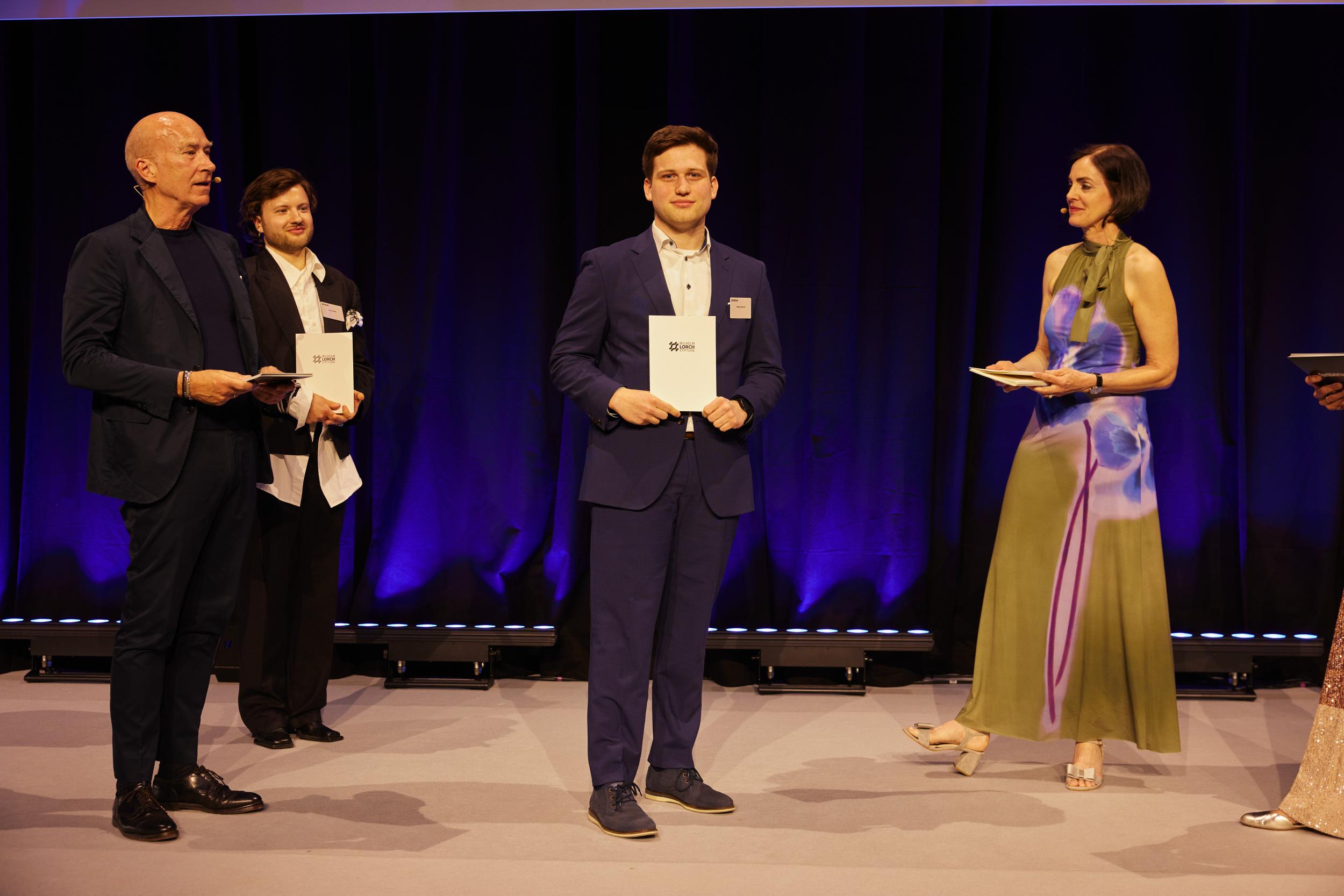
Award winner Tobias Dickmeiß with his certificate © Katharina Dubno
Award winner Tobias Dickmeiß with his certificate
08.05.2026

Elastic yarns to become more recyclable and environmentally friendly in future

On 29 April 2026, ITA student Tobias Dickmeiß was awarded a sponsorship prize by the Wilhelm Lorch-Stiftung for his innovative approach, to replacing conventional elastane with elastic yarns made from thermoplastic copolyester elastomers (TPC). Thanks to their thermoplastic nature and compatibility with typical polyesters used in the textile industry, elastic TPC yarns offer improved recyclability. Furthermore, the use of the melt-spinning process in yarn production eliminates the need for solvents that are harmful to the environment and human health.

Elastic textiles have become an integral part of our everyday lives, as they ensure comfort, a good fit and freedom of movement. At the same time, the increasing use of traditional elastic yarns, known as elastanes, significantly complicates textile recycling. Even small amounts of elastane can impair thermomechanical recycling processes and prevent a closed recycling loop.

On 29 April 2026, ITA student Tobias Dickmeiß was awarded a sponsorship prize by the Wilhelm Lorch-Stiftung for his innovative approach, to replacing conventional elastane with elastic yarns made from thermoplastic copolyester elastomers (TPC). Thanks to their thermoplastic nature and compatibility with typical polyesters used in the textile industry, elastic TPC yarns offer improved recyclability. Furthermore, the use of the melt-spinning process in yarn production eliminates the need for solvents that are harmful to the environment and human health.

Elastic textiles have become an integral part of our everyday lives, as they ensure comfort, a good fit and freedom of movement. At the same time, the increasing use of traditional elastic yarns, known as elastanes, significantly complicates textile recycling. Even small amounts of elastane can impair thermomechanical recycling processes and prevent a closed recycling loop.

As part of his bachelor’s thesis, Tobias Dickmeiß carried out extensive empirical process studies on a pilot-scale melt-spinning line. By systematically analysing the influence of various process parameters on yarn properties, he succeeded in specifically improving the properties of the resulting TPC yarns. The findings of his bachelor’s thesis thus provide a promising basis for the further development of recyclable elastic yarns and textiles.

Tobias Dickmeiß was granted a sponsorship prize of EUR 5,000 for specific further training in recognition of his outstanding bachelor’s thesis, ‘Development of a melt spinning process for elastic yarns made from thermoplastic copolyester elastomers at pilot scale’.

During his bachelor’s thesis, hr was supervised by ITA PhD student Ricarda Wissel.

Source:
Institut für Textiltechnik der RWTH Aachen University