From the Sector

Reset
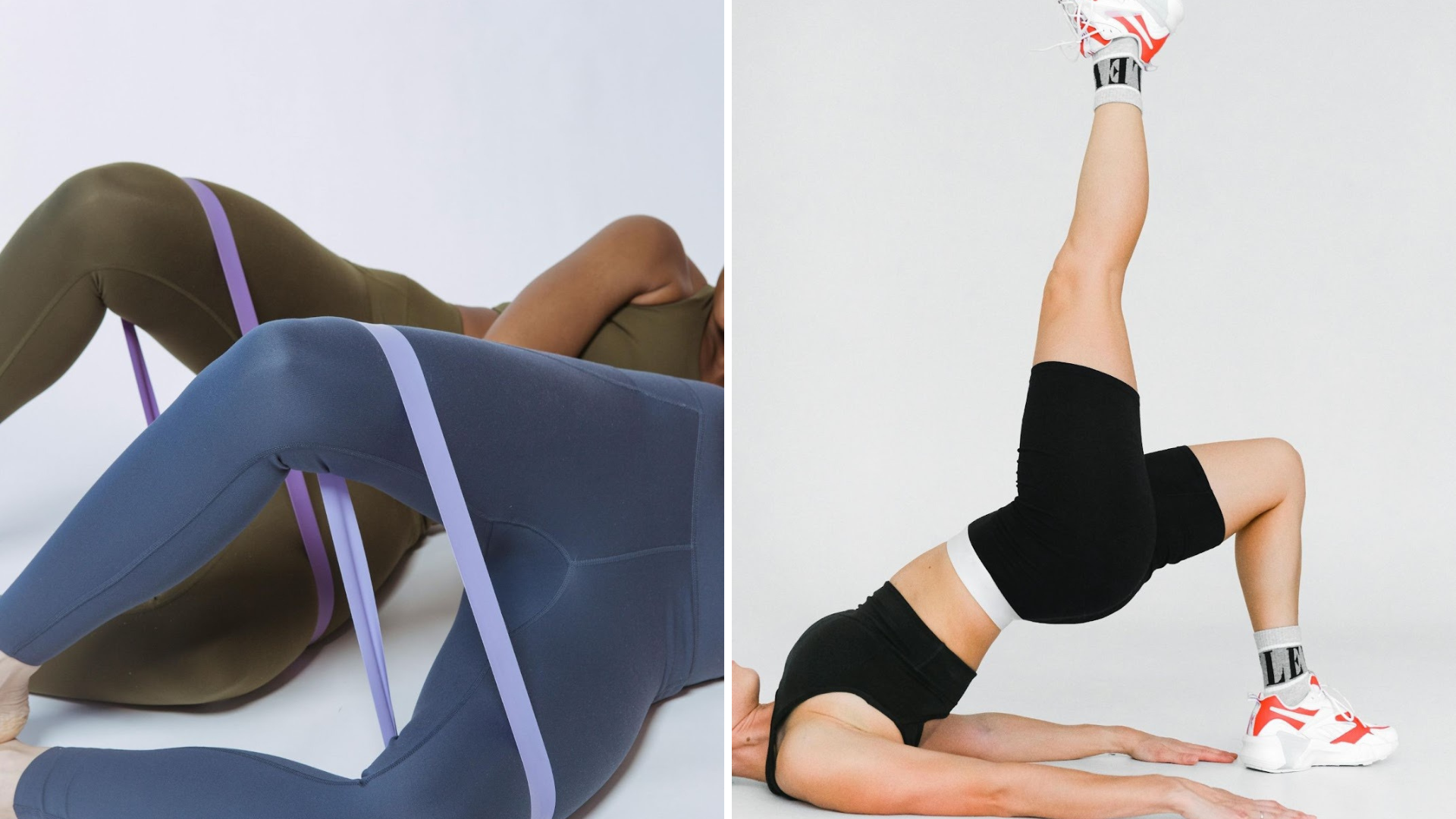
Stretching Circularity is a collaborative project initiated by Fashion for Good dedicated to accelerating the adoption of lower-impact elastane alternatives that are compatible with circular textile systems. By validating bio-based and recycled elastane solutions through pilot-scale testing and demonstrator garments, the initiative aims to remove one of the most significant technical barriers to a circular textile economy. Source: Canva
Stretching Circularity is a collaborative project initiated by Fashion for Good dedicated to accelerating the adoption of lower-impact elastane alternatives that are compatible with circular textile systems. By validating bio-based and recycled elastane solutions through pilot-scale testing and demonstrator garments, the initiative aims to remove one of the most significant technical barriers to a circular textile economy.
12.02.2026

The Future Of Stretch: New Project To Validate Bio-based And Recycled Elastane

Stretching Circularity is a collaborative project initiated by Fashion for Good dedicated to accelerating the adoption of lower-impact elastane alternatives that are compatible with circular textile systems. By validating bio-based and recycled elastane solutions through pilot-scale testing and demonstrator garments, the initiative aims to remove one of the most significant technical barriers to a circular textile economy.

Present in approximately 80% of all clothing, elastane is a material added in varying concentrations (typically from 1–5% by weight in cotton or wool garments to up to 20% in polyester or polyamide garments) to provide stretch and comfort. This fossil-based material creates two critical sustainability challenges:

Stretching Circularity is a collaborative project initiated by Fashion for Good dedicated to accelerating the adoption of lower-impact elastane alternatives that are compatible with circular textile systems. By validating bio-based and recycled elastane solutions through pilot-scale testing and demonstrator garments, the initiative aims to remove one of the most significant technical barriers to a circular textile economy.

Present in approximately 80% of all clothing, elastane is a material added in varying concentrations (typically from 1–5% by weight in cotton or wool garments to up to 20% in polyester or polyamide garments) to provide stretch and comfort. This fossil-based material creates two critical sustainability challenges:

  • First, it contributes to carbon emissions and non-renewable resource consumption across the industry. 
  • Second (and more critically for circularity), even minimal concentrations of elastane act as a “contaminant” in textile recycling feedstocks, compromising fibre-to-fibre recycling of high-volume fibres like polyester and cotton. This effectively blocks circularity for the vast majority of clothing, leaving the industry with limited options beyond downcycling or landfill.

Stretching Circularity is a project initiated by Fashion for Good which tackles this challenge through two key workstreams. One workstream focuses on testing next-generation elastane materials made from alternative inputs, including bio-based materials and other feedstocks. This phase includes the creation of “demonstrator” garments, specifically a technical t-shirt (with 10% elastane) and a non-technical t-shirt (with 2% elastane). The other focuses on testing regenerated elastane made through emerging recycling innovations. Both workstreams follow a pilot-scale validation approach to generate comparable data on performance, impact, economical feasibility and scalability.

Driving this work is a powerful coalition of industry stakeholders representing the entire value chain. The consortium includes Fashion for Good partners Levi Strauss & Co (Beyond Yoga), On, Paradise Textiles, Positive Materials, and Reformation, with Ralph Lauren Corporation as an Advisor. Supported by ecosystem experts like Materiom and the Ellen MacArthur Foundation, the group will support knowledge sharing across the consortium to identify gaps and generate comparative data to de-risk the adoption of these circular solutions for the wider industry. Stretching Circularity operates under a structured due diligence and validation framework to assess if alternative materials are not just conceptually sound but also meet the performance standards of conventional elastane. 

“Lower-impact elastane solutions exist, but they lack the pilot-scale validation brands need to scale them confidently,” Katrin Ley, Fashion for Good Managing Director. “This initiative seeks to provide that missing data, turning a well-known recycling “contaminant” into a functional component of a circular supply chain.”

“Elastane is one of the most overlooked blockers to true circularity in fashion: it’s everywhere and yet there is a significant challenge to recovering it at scale. Stretching Circularity is about tackling that problem at the root and proving that lower-impact stretch materials and new recycling pathways can meet real performance and design standards.” Carrie Freiman Parry, Senior Director of Sustainability at Reformation

Source:

Fashion for Good

12.02.2026

Pay Equity in Türkiye’s Fashion Manufacturing Sector?

Global Fashion Agenda (GFA) has published a new insights paper, Unpacking Pay Equity in Fashion: Türkiye, examining the drivers of gender pay disparities in one of Europe’s most important fashion sourcing hubs. Launched during a closed-door industry roundtable at the OECD Forum on Due Diligence in the Garment and Footwear Sector in Paris, the insights paper explores how structural factors, including occupational segregation, care responsibilities, and limited data visibility, continue to shape pay outcomes for women in Türkiye’s textile and apparel sector, while highlighting opportunities for coordinated action across policy makers, brands, other buyers, and suppliers.

Global Fashion Agenda (GFA) has published a new insights paper, Unpacking Pay Equity in Fashion: Türkiye, examining the drivers of gender pay disparities in one of Europe’s most important fashion sourcing hubs. Launched during a closed-door industry roundtable at the OECD Forum on Due Diligence in the Garment and Footwear Sector in Paris, the insights paper explores how structural factors, including occupational segregation, care responsibilities, and limited data visibility, continue to shape pay outcomes for women in Türkiye’s textile and apparel sector, while highlighting opportunities for coordinated action across policy makers, brands, other buyers, and suppliers.

The insights paper draws on a facility-level survey of 43 Turkish textile and apparel manufacturers, interviews with trade unions and worker associations, and input from social sustainability experts including the Social & Labor Convergence Program (SLCP), the Fair Labor Association (FLA), and the Anker Research Institute (ARI). The findings offer a nuanced picture of pay equity in a sector that employs nearly one million formally registered workers and contributes approximately 7.8% of Türkiye’s national GDP.

Key Findings:
Unpacking Pay Equity in Fashion: Türkiye highlights several key insights into pay equity within the Turkish fashion manufacturing industry:

  • Türkiye’s gender pay gap is estimated at between 15.6% and 17.4%. The EU average is around 12%. The insights paper cautions, however, that headline pay gap figures alone can mask deeper structural inequalities within the sector.
  • Gender pay disparities are driven largely by structural factors rather than unequal pay for the same work, including occupational segregation, differences in career progression opportunities, cultural norms, access to training, and the distribution of care responsibilities.
  • Women remain concentrated in lower-paid production, sewing and quality control roles, while men are more prevalent in higher-paid technical and supervisory positions – a key driver of persistent pay inequalities.
  • The insights paper finds that limited measurement and disclosure of gender-disaggregated wage data continues to hinder companies’ ability to identify where inequality sits – and therefore to address it effectively.
  • Ongoing economic pressures, including inflation and rising production costs, have placed sustained strain on the sector. Despite this, many manufacturers are making concerted efforts to maintain formal employment, comply with labour laws and protect jobs, demonstrating resilience in challenging conditions.

Closing gender pay gaps is not only a social imperative but a business one. Improving pay equity can strengthen workforce morale, retention and long-term resilience, while supporting alignment with evolving EU regulatory and buyer expectations. As EU pay transparency and due diligence requirements increasingly affect global supply chains, brands sourcing from Türkiye require greater visibility into wage practices across their supply chains.

Federica Marchionni, CEO of Global Fashion Agenda, says: “Pay equity is fundamental to build a fair and resilient fashion industry. This research shows that gender pay gaps in Türkiye’s fashion manufacturing sector are real, but they are also addressable. As progress depends on coordinated actions – from policymakers strengthening enabling frameworks, to brands adopting responsible purchasing practices, and suppliers embedding transparent, gender-responsive wage systems that reflect the realities of women’s working lives – GFA will continue to accelerate impact by mobilising the industry toward a more resilient future.”

The insights paper outlines practical recommendations for policymakers, brands, other buyers and suppliers. These include expanding access to childcare and parental support, strengthening formal employment and oversight of subcontracting, improving gender-disaggregated pay reporting, adopting responsible purchasing practices, and investing in women’s skills development and leadership pathways. Collectively, these actions can strengthen Türkiye’s manufacturing base, enhance women’s economic participation, and advance the fashion industry towards a net-positive future in which pay equity is a lived reality.

Source:

Global Fashion Agenda

VIATT 2026 announces inaugural lifestyle Trend Forum (c) Messe Frankfurt (HK) Ltd
06.02.2026

VIATT 2026 announces inaugural lifestyle Trend Forum

“The launch of VIATT's inaugural Trend Forum marks an important new step for this fair,” stated Ms Wilmet Shea, General Manager of Messe Frankfurt (HK) Ltd. “Leveraging Messe Frankfurt’s nearly three decades of leadership in coordinating apparel and home textiles trend forecasting – a track record of consistently setting industry benchmarks – we are now extending this unparalleled expertise to enlighten the entire textile value chain. Utilising the expertise of our top-level trend curators, this holistic approach is designed to deliver unparalleled insights, foster robust innovation, and empower businesses to anticipate and shape consumer preferences with greater precision and relevance.”
 
Acting as a unified set of principles that flows seamlessly across sectors, the LIFESTYLE TRENDS shape fashion choices, home interior design, and interactions with technical products and interfaces.
 

“The launch of VIATT's inaugural Trend Forum marks an important new step for this fair,” stated Ms Wilmet Shea, General Manager of Messe Frankfurt (HK) Ltd. “Leveraging Messe Frankfurt’s nearly three decades of leadership in coordinating apparel and home textiles trend forecasting – a track record of consistently setting industry benchmarks – we are now extending this unparalleled expertise to enlighten the entire textile value chain. Utilising the expertise of our top-level trend curators, this holistic approach is designed to deliver unparalleled insights, foster robust innovation, and empower businesses to anticipate and shape consumer preferences with greater precision and relevance.”
 
Acting as a unified set of principles that flows seamlessly across sectors, the LIFESTYLE TRENDS shape fashion choices, home interior design, and interactions with technical products and interfaces.
 
Mr Kai Chow, Lead Curator, VIATT Trend Forum and Creative Director of MUSEATIVE, explained the unique approach: “Rather than treating fashion, home, and technology as separate worlds, the Trend Forum presents lifestyle trends as a shared design language – one that shapes what we wear, how we live, and how we engage with the products around us. Instead of presenting trends in isolation, it demonstrates how a single mindset can influence products, spaces, and technologies simultaneously. Because these themes are rooted in human behaviour, they naturally scale across sectors – creating one coherent language that connects what we wear, how we live, and the materials and technologies that support everyday life.”
 
In this vibrant tapestry for S/S 2027, ARTISANSHIP is set to elevate style into a rarefied realm of artistry, with NeIlyRodi™ Agency bringing the four distinct themes to life:
 
TO WORK
This theme slows the rhythm of the city and transforms metropolitan living into an oasis of calm. In fashion, garments take the shape of fluid tailoring, softly draped dresses, and minimal separates. Interiors echo this sentiment, with cushions, throws, and drapery that create restorative sanctuaries within dense cityscapes.
 
It is expressed through a colour palette of soft, natural hues, accented by slate blue and black. Fabrics are notably soft, tactile, and sustainable. Design direction emphasises minimalist botanicals, tonal motifs, and organic lines. Applications span tailored separates, light outerwear, and city-chic loungewear in fashion; cushions and drapery for the home; and aesthetically innovative, wellness-tracking technical textiles.
 
TO RELAX 
Celebrating the season’s carefree spirit, this theme encapsulates the romance of leisure, expressed through light, airy, and deliberately imperfect fabrics. This mood is liberated by a jubilant blend of airy pastels and sun-soaked brights, including mint, aqua, and teal for freshness, a soft touch of blush and pink, and optimistic pops of vivid yellow and orange.
 
Fabrics include linen, cotton voile, chambray, and organic blends. Design direction highlights hand-drawn botanicals, romantic florals, nautical strips, and country checks. Applications include airy curtains and casual throws for the home; relaxed fashion pieces; and tech innovations focusing on functional performance, wellness tracking, and circular materials.
 
TO HAVE FUN
This theme presents an unapologetically dramatic counterpoint, unfolding a world of grandeur, decoration, and glamour. Terracotta, sage, and lavender establish a grounded base, while golden ochre, crimson, cobalt, and royal purple electrify the narrative with jewel-like vibrancy, balanced by the mysterious depth of deep teal and midnight blue. 
 
Luxurious fabrics and textures include ornate brocade, jacquard, beading and jewel. Design direction features baroque florals, ornate geometrics, and embellished surfaces. Applications span statement bedding and dramatic drapery for interiors; evening gowns and statement accessories in fashion; and textural, 3D-printed, and light-emitting textiles in tech.
 
TO CREATE
Being the most personal and expressive of the S/S 2027 narratives, this theme champions individuality and cultural storytelling. It blends earthy-warm colours with bold vibrancy, where terracotta reds, golden yellows, and forest greens echo artisanal roots, while teal and indigo provide modern contrast.
 
Fabrics and textures are notably natural and textural, encompassing hemp, bamboo blends, patchwork, and circular/recycled textiles. Design direction draws from cultural motifs, alongside painterly abstracts and hand-painted details. Applications range from fashion-forward layered streetwear and boho ensembles; to bold rugs and artistic throws for the home; to AI and digital design integration, protective textiles, and real-time data integration in tech.
 
Overall, trends will be an important aspect of the fair’s fringe programme. Mr Kai Chow will present the VIATT Lifestyle Trends Spring/Summer 2027 Seminar, along with two Trend Forum Introduction Tours taking place on 26 and 27 February in Hall B. The first tour will occur right after the seminar on Day 1 – ideal for fairgoers seeking more in-depth analysis.
 
In addition, the Thai Industrial Hemp Trade Association (TiHTA) will return to the fair to host a seminar focused on design and trends. The association aims to captivate global buyers with fashion designs that leverage organic raw materials and promote sustainable fashion made from hemp fibres. 
 
Meanwhile, Style Republik, Vietnam’s fashion media dedicated to championing and empowering the country’s fashion talents, will also lead a panel discussion on upcoming local fashion trends.
 
The Vietnam International Trade Fair for Apparel, Textiles and Textile Technologies (VIATT) is organised by Messe Frankfurt (HK) Ltd and the Vietnam Trade Promotion Agency (VIETRADE). VIATT 2026 will be held from 26 – 28 February 2026.

More information:
VIATT Trends Trend Forum Vietnam
Source:

Messe Frankfurt (HK) Ltd

06.02.2026

DIGEL: New Premium Showrooms in Düsseldorf and Munich

DIGEL AG is strengthening its national and international presence with two new, representative locations in Düsseldorf and Munich, set to open for the Spring/Summer 2027 order season. With these two showrooms, the menswear company is making a clear statement for growth, internationality, and brand strength in the premium segment.

The new showroom in Düsseldorf is located in one of Germany’s most prestigious menswear environments, in the immediate vicinity of brands such as Boss, Strellson, and PVH. Spanning 550 square meters—around 30% larger than before—the two brands Digel and Digel Move will in future offer an exclusive brand experience in an urban lifestyle setting. In addition to order activities, the location will also be used as an event venue, for the DIGEL Academy, and for VIP customer events. Thanks to Düsseldorf’s central location and international character, more than 60% of export customers can be optimally served here, with further growth potential.

DIGEL AG is strengthening its national and international presence with two new, representative locations in Düsseldorf and Munich, set to open for the Spring/Summer 2027 order season. With these two showrooms, the menswear company is making a clear statement for growth, internationality, and brand strength in the premium segment.

The new showroom in Düsseldorf is located in one of Germany’s most prestigious menswear environments, in the immediate vicinity of brands such as Boss, Strellson, and PVH. Spanning 550 square meters—around 30% larger than before—the two brands Digel and Digel Move will in future offer an exclusive brand experience in an urban lifestyle setting. In addition to order activities, the location will also be used as an event venue, for the DIGEL Academy, and for VIP customer events. Thanks to Düsseldorf’s central location and international character, more than 60% of export customers can be optimally served here, with further growth potential.

The new showroom in Munich will also take the Digel and Digel Move brands to the next level. Located in Lodenfrey Park and surrounded by leading premium labels, a modern space with a loft character and industrial style is being created—perfect for presenting the Digel DNA in an authentic and inspiring environment. Munich will not only become an important order location, but also a venue for exclusive press events, academy formats, and customer experiences.

With these new showrooms, DIGEL underscores its ambition to further expand premium menswear internationally while simultaneously fostering creative and collaborative exchange with retail partners and the press.

“With Düsseldorf and Munich, we are creating two exceptional spaces that make our brand emotionally tangible. Both locations combine aesthetics, functionality, and inspiration—exactly what DIGEL stands for,” explains Jochen Digel, CEO of DIGEL AG.

Source:

Digel AG

29.01.2026

adidas: Record Revenues in 2025 and Launch of Share Buyback

adidas announced preliminary results for the fourth quarter of 2025. In Q4, currency-neutral revenues for the adidas brand increased 11%. Including Yeezy sales in the prior year (2024: around € 50 million), currency-neutral revenues increased 10%. In euro terms, revenues reached € 6,076 million in the quarter (2024: € 5,965 million). The company’s gross margin improved 1.0 percentage points to 50.8% (2024: 49.8%), while operating profit more than doubled to € 164 million (2024: € 57 million).

adidas announced preliminary results for the fourth quarter of 2025. In Q4, currency-neutral revenues for the adidas brand increased 11%. Including Yeezy sales in the prior year (2024: around € 50 million), currency-neutral revenues increased 10%. In euro terms, revenues reached € 6,076 million in the quarter (2024: € 5,965 million). The company’s gross margin improved 1.0 percentage points to 50.8% (2024: 49.8%), while operating profit more than doubled to € 164 million (2024: € 57 million).

Based on preliminary unaudited numbers for the full year of 2025, currency-neutral revenues for the adidas brand increased 13% for the second consecutive year, driven by double-digit growth in all markets and channels. Including Yeezy sales in the prior year (2024: around € 650 million), currency-neutral revenues increased 10%. In euro terms, revenues reached a record level of € 24,811 million (2024: € 23,683 million), despite a negative currency translation impact of more than € 1 billion. The company’s gross margin improved 0.8 percentage points to 51.6% in 2025 (2024: 50.8%), despite the negative impacts from unfavorable currency developments and higher tariffs. Full-year operating profit increased by more than € 700 million to € 2,056 million (2024: € 1,337 million). The operating margin improved 2.6 percentage points to 8.3% in 2025 (2024: 5.6%).

Given the strong brand momentum, the company’s robust fundamentals, its healthy balance sheet and strong cash flow generation, as well as Management’s confidence in the future development of adidas, the adidas Executive Board has, with the approval of the Supervisory Board, decided to launch a share buyback. Starting in early February, the company plans to buy back shares worth up to € 1 billion in 2026. The share buyback will be financed through the company’s anticipated strong cash flow generation in 2026. adidas intends to cancel the repurchased shares.

adidas will publish its final set of financial results for 2025, issue financial guidance for 2026, and provide an update on its future capital allocation plans on March 4, 2026.

adidas CEO Bjørn Gulden:
“I am again very proud what our people have achieved. Driving double-digit growth in the fourth quarter despite all the external turbulence, and more than doubling our operating profit in the quarter made the year end very well and made 2025 much better than we had planned and expected when the year started.

The double-digit growth in all markets and all channels is of course very pleasing, but even more important is that this is quality growth. Our markets have been very good at managing that the right product in the right amount has been sold in their markets and that we have managed to keep full-price sell-throughs high and discounts under control. The gross margin of 51.6% (without Yeezy) is historically high and underlines this performance and the strength of our brand.

Our mission is to do everything we can to serve and please the consumer, the athlete and our retail partners. To do that we need to be as close as we can to the markets. We want to be a global brand with a local mindset.

We are lucky to be in an industry that sells consumer products for many segments. We sell products for sport, comfort, lifestyle and fashion. We are very confident that all these segments will continue to grow all over the world and we are also very confident that we will continue to take market share.

Our confidence in adidas future top- and bottom-line growth and cash flow generation is also the reason why we now have decided to launch a share buyback. We will buy back shares up to € 1 billion this year. We will come back with our detailed numbers for 2025, our financial guidance for 2026 and our future capital allocation plans at the beginning of March.

Now we look forward to great Olympic and Paralympic Winter Games in Italy starting next week and we continue to prepare for a fantastic FIFA World Cup in the summer.

These are great events that I think the world needs. Sports and global sport events bring people from all over the world together. We need that now!”

Source:

adidas AG

Flame retardant pef granulate (c) DITF
Flame retardant pef granulate
27.01.2026

Bio-based fibers with good flame retardancy

Fibers made from bio-based plastics reduce dependence on fossil raw materials and promote the circular economy. The covalent bonding of flame-retardant additives can open the way for these fibers to enter the mass market.

The recent fire disaster in Switzerland has revealed how crucial the use of flame-retardant materials is in construction materials, insulation, and many other everyday objects. Textiles with flame-retardant properties fulfill a particularly important function here, as they are used in considerable quantities - not only in building materials, but also in safety and protective clothing, in vehicle interiors, and in home furnishings such as carpets and upholstered furniture.

Fibers made from bio-based plastics reduce dependence on fossil raw materials and promote the circular economy. The covalent bonding of flame-retardant additives can open the way for these fibers to enter the mass market.

The recent fire disaster in Switzerland has revealed how crucial the use of flame-retardant materials is in construction materials, insulation, and many other everyday objects. Textiles with flame-retardant properties fulfill a particularly important function here, as they are used in considerable quantities - not only in building materials, but also in safety and protective clothing, in vehicle interiors, and in home furnishings such as carpets and upholstered furniture.

Flame-retardant compounds have been used for synthetic fibers for decades. Inorganic, brominated, or organophosphorus compounds, which are particularly used in polyester fibers, have proven to be highly effective. Phosphorus compounds are slightly less harmful to the environment when released and are therefore often the first choice. Their effectiveness is based on the fact that they form a protective carbonization layer and intercept radicals, which reduces the flammability of the material. The release of toxic gases and further heat development is limited.

For several years now, there has been a shift in the use of synthetic fibers toward bio-based fibers. Although their market share is still small compared to established synthetic fibers such as polyethylene terephthalate or polypropylene, they are growing steadily. Bio-based fibers are gaining in importance because they reduce the demand for fossil raw materials. At the same time, their use supports the circular economy and reduces greenhouse gas emissions.

Persistent and effective flame retardancy in bio-based fibers that is also inexpensive and environmentally friendly could give bio-based textiles a boost in innovation and contribute to significant market expansion. This is where the DITF's “Polymers and Fiber Composites” research team comes in with the development of a flame-retardant, bio-based plastic called polyethylene furanoate (PEF). PEF is similar in many properties to the widely used polyethylene terephthalate (PET), but unlike PET, it is made from bio-based monomers. While PEF is already technologically advanced and on its way to the mass market, it currently lacks flame retardancy, which would enable its widespread use in the textile sector.

At the DITF, PEF is not only synthesized in in-house reactors. Extensive test series have also been conducted to evaluate the suitability of various phosphorus-based flame retardants in different concentrations. Two things are important to the researchers here: First, the flame retardant should be covalently bound to the polymer molecules to prevent bleeding. This is crucial for long-term fire protection of fibers because of their small diameter and high specific surface area. Second, the concentration of flame retardant should be as low as possible while still providing the best possible effect. Despite their good fire protection properties, all common additives share that they are potentially harmful to health and, when released into the environment, are difficult to degrade because they are chemically stable. In Denkendorf, they have not only succeeded in meeting these requirements. They have also been able to increase the molecular weight of the synthesized polymers by solid state polymerization to spin fibers with higher strength.

Further thermal and rheological investigations of the polymers with different flame-retardant concentrations identified the most suitable variant for the spinning process. In addition to the PEF variant containing five grams of phosphorus per kilogram of polymer in the form of copolymerized organophosphorus compounds, a flame retardant-free PEF reference was spun. The fibers obtained in the spinning laboratory were processed into textile fabrics, which were subjected to fire tests. The flame-retardant knitted fabrics showed significantly reduced flammability. The DITF will continue to study in flame-retardant, bio-based PEF fibers.

Alchemie’s Endeavour. Photo Alchemie Technology
Alchemie’s Endeavour
26.01.2026

Alchemie partners with Acatel: Precision jet dyeing at industrial scale

BTMA member Alchemie Technology, the pioneer of precision jet dyeing solutions based in Cambridge, UK, is partnering with Acatel, the Portuguese leader in sustainable textile manufacturing.

The two companies will work together to validate and optimise Alchemie’s Endeavour system for knitted cellulosic fabrics. 

Endeavour enables dye houses to eliminate energy and CO2 emissions by up to 85%, achieve chemistry savings of up to 30%, and reduce water usage by up to 95% compared to traditional methods. The proprietary liquid application solution combines a large droplet size and high droplet velocity to deliver unrivalled penetration and precision into a textile fabric. 

R&D programme
As part of the collaboration, Alchemie and Acatel will run a twelve-month R&D programme to prepare the technology for large-scale manufacturing and demonstrate how the fully electric, non-contact dyeing process can replace conventional dyeing routes.

BTMA member Alchemie Technology, the pioneer of precision jet dyeing solutions based in Cambridge, UK, is partnering with Acatel, the Portuguese leader in sustainable textile manufacturing.

The two companies will work together to validate and optimise Alchemie’s Endeavour system for knitted cellulosic fabrics. 

Endeavour enables dye houses to eliminate energy and CO2 emissions by up to 85%, achieve chemistry savings of up to 30%, and reduce water usage by up to 95% compared to traditional methods. The proprietary liquid application solution combines a large droplet size and high droplet velocity to deliver unrivalled penetration and precision into a textile fabric. 

R&D programme
As part of the collaboration, Alchemie and Acatel will run a twelve-month R&D programme to prepare the technology for large-scale manufacturing and demonstrate how the fully electric, non-contact dyeing process can replace conventional dyeing routes.

The partnership will operate from the Acatel Innovation Hub in northern Portugal, with the industrial expertise, manufacturing infrastructure and focus on innovation necessary to accelerate the adoption of this next-generation textile technology. 

Through the platform, Alchemie will advance the commercial readiness of its low-carbon digital dyeing system tailored for knitted cellulosic fabrics based on cotton, lyocell, linen, hemp and wool blends.
“Transforming one of the world’s most resource-intensive industrial processes requires resilience, vision and innovation,” says Dr Alan Hudd, founder and CEO of Alchemie Technology. “Being part of the Acatel Innovation Hub represents exactly the kind of partnership needed to scale sustainable textile solutions globally.”

Acatel has been a leader in sustainable textile processes since 1985, combining advanced technology with a strong environmental commitment. By leveraging Acatel’s innovation ecosystem, the partnership aims to accelerate the adoption of next-generation dyeing solutions and highlight the role of the Acatel Innovation Hub in bringing scalable, sustainable innovations to industry.

“Acatel’s commitment to innovation and environmental stewardship aligns perfectly with Alchemie’s mission,” says Tércio Pinto, member of the board at Acatel “With this collaboration we are empowering textile producers to redefine responsible manufacturing.”
 
Première Vision
To mark the partnership, Alchemie and Acatel will be exhibiting side-by-side at Première Vision in Paris from February 3-5, where visitors will be able to directly assess the touch and feel of fabrics processed with the technology. Attendees will have the opportunity to learn first-hand how Endeavour technology can deliver substantial sustainability and efficiency gains.

“This development is great news to kick off 2026,” said BTMA CEO Jason Kent. “Textile dyeing is a significant polluter and Alchemie’s digital technologies, developed here in the UK and now to be further commercialised within Europe, promise to archive a dramatic reduction in energy consumption while eliminating contaminated wastewater emissions, which will be a major boost for the industry.”

Andrew G. Backman Photo Kornit Digital Ltd
Andrew G. Backman
23.01.2026

Kornit Digital Appoints Chief Capital Markets Officer

Kornit Digital Ltd., a global market leader in sustainable, on-demand digital fashion and textile production technologies, today announced the appointment of Andrew G. Backman as Chief Capital Markets Officer, effective January 13, 2026. In this role, Mr. Backman will support Kornit’s capital markets activities, investor relations, and corporate and business development initiatives. 

Mr. Backman, who will be based at the Company's U.S. Headquarters in Englewood, New Jersey, has extensive capital markets and investor relations experience, participating in more than $30 billion in capital markets transactions, and maintaining long-standing relationships with institutional investors, sell-side analysts, and global investment banking partners. He previously served as Kornit’s Global Head of Investor Relations from 2021 to 2023. 

Kornit Digital Ltd., a global market leader in sustainable, on-demand digital fashion and textile production technologies, today announced the appointment of Andrew G. Backman as Chief Capital Markets Officer, effective January 13, 2026. In this role, Mr. Backman will support Kornit’s capital markets activities, investor relations, and corporate and business development initiatives. 

Mr. Backman, who will be based at the Company's U.S. Headquarters in Englewood, New Jersey, has extensive capital markets and investor relations experience, participating in more than $30 billion in capital markets transactions, and maintaining long-standing relationships with institutional investors, sell-side analysts, and global investment banking partners. He previously served as Kornit’s Global Head of Investor Relations from 2021 to 2023. 

Mr. Backman recently served as Global Head of Investor Relations at EMCOR Group, Inc. (NYSE: EME), with prior experiences including senior capital markets and investor relations roles across more than 14 industries. He holds a B.A. in Economics from Boston College and is a graduate of AT&T / Lucent Technologies’ Financial Leadership Program. 

Source:

Kornit Digital Ltd

The smart replacement: organIQ seek as alternative to potassium permanganate (c) CHT Germany GmbH
22.01.2026

organIQ seek as alternative to potassium permanganate

LAB 102 – the blue veins of CHT – brings the Denim Industry closer to permanganate-free bleaching through new application findings within the organIQ seek platform

CHT Group announces new technical findings within its organIQ seek platform that significantly advance the transition toward permanganate-free denim bleaching. Through extensive industrial testing and application research, CHT confirms that organIQ seek can now be used with remarkable effectiveness as a substitute for potassium permanganate in spray bleach, while remaining aligned with sustainability expectations and cost realities in the European market.

The global denim sector continues to rely heavily on potassium permanganate to achieve the characteristic “used look.” Internal calculations indicate that approximately 250,000 liters of permanganate solution are consumed daily in continuous global production. Despite growing regulatory pressure and brand commitments under European sustainability frameworks, the adoption of ecological alternatives has been limited due to technical challenges such as inconsistencies in color loss, fiber sensitivity and equipment corrosion.

LAB 102 – the blue veins of CHT – brings the Denim Industry closer to permanganate-free bleaching through new application findings within the organIQ seek platform

CHT Group announces new technical findings within its organIQ seek platform that significantly advance the transition toward permanganate-free denim bleaching. Through extensive industrial testing and application research, CHT confirms that organIQ seek can now be used with remarkable effectiveness as a substitute for potassium permanganate in spray bleach, while remaining aligned with sustainability expectations and cost realities in the European market.

The global denim sector continues to rely heavily on potassium permanganate to achieve the characteristic “used look.” Internal calculations indicate that approximately 250,000 liters of permanganate solution are consumed daily in continuous global production. Despite growing regulatory pressure and brand commitments under European sustainability frameworks, the adoption of ecological alternatives has been limited due to technical challenges such as inconsistencies in color loss, fiber sensitivity and equipment corrosion.

CHT has a long history of pioneering sustainable denim chemistry. In 2015, the company introduced organIQ BLEACH T, the first ecological alternative to potassium permanganate with near-unrestricted application performance. Although highly effective, costs prevented broad industry adoption at the time.
 
After more than a decade of focused research conducted by the specialists at LAB102, the blue veins of CHT can now confirm a major advancement within its organIQ seek ecosystem. While organIQ seek has been known for its versatility and ecological profile, its performance level now brings the industry significantly closer to truly permanganate-free bleaching. The technology has reached a stage where it performs incredibly well as a permanganate substitute in spray bleach, delivering consistent fading effects, excellent color removal and reliable process stability – without the environmental drawbacks traditionally associated with KMnO₄. Furthermore, the same chemistry remains fully compatible with water-based bleaching, nebulization (fogging) and foam applications, including sharp contrast effects such as the classic salt-andpepper finish.

“Since the introduction of organIQ BLEACH T, our objective has been to offer ecological solutions that meet the technical realities of industrial denim finishing. The confirmed capabilities of organIQ seek in spray bleach applications represent a meaningful step toward reducing and ultimately replacing permanganate use - both technically and economically. This is an important development for the denim industry in Europe and worldwide.” says Thomas Aplas, Head of LAB102.

These new findings fit naturally within the existing organIQ seek platform and support the growing demand for safer and more responsible chemistry in the EU textile sector. They also align with emerging European regulatory frameworks, including the EU Green Deal, the EU Strategy for Sustainable and Circular Textiles and increasing brand commitments to phase out hazardous substances.

Easy Cut Studio 6.016 Photo: EasyCut Studio
20.01.2026

Easy Cut Studio 6.016 officially released

EasyCut, a cutting-edge company focused on sign making software solutions, announced the official release of Easy Cut Studio 6.016, an upgrade of its sign design and vinyl cutting software. This updated version brings support for several new vinyl cutters, including Vevor Smart1, Vevor TT450, E-Cut TT-450, YOW! CraftY and Roland CM series cutters, and also brings a series of improvements aimed at enhancing the user experience and make your cutting machines run better.

Easy Cut Studio 6.016 builds on its set of functions and tools, while offering new features, improvements, and efficiency, elevates excellence and performance for signage and professional graphic designers. With the newly added cutter support, more users can now use the software to design, print, and cut. These enhancements allow beginners to get started quickly, while enabling seasoned experts to easily create more complex, technically advanced layouts with greater ease – and less time. 

EasyCut, a cutting-edge company focused on sign making software solutions, announced the official release of Easy Cut Studio 6.016, an upgrade of its sign design and vinyl cutting software. This updated version brings support for several new vinyl cutters, including Vevor Smart1, Vevor TT450, E-Cut TT-450, YOW! CraftY and Roland CM series cutters, and also brings a series of improvements aimed at enhancing the user experience and make your cutting machines run better.

Easy Cut Studio 6.016 builds on its set of functions and tools, while offering new features, improvements, and efficiency, elevates excellence and performance for signage and professional graphic designers. With the newly added cutter support, more users can now use the software to design, print, and cut. These enhancements allow beginners to get started quickly, while enabling seasoned experts to easily create more complex, technically advanced layouts with greater ease – and less time. 

"We are very proud that our software is compatible with more models of cutting plotters, helping our customers achieve outstanding results. EasyCut has always been dedicated to simplifying complex workflows and making professional printing and cutting accessible to everyone", says Eric Johnson, Director of Global Marketing and Sales, EasyCut. "We are confident that printing and cutting with Easy Cut Studio Version 6.016 is more efficient than ever before, with the guarantee of delivering better results no matter the application.”

Vevor Smart1 is a precise, versatile desktop vinyl cutter designed for creative and DIY projects. It features auto-adjusting blade pressure and auto-tracking for consistent, clean cuts. It supports over 100 materials (vinyl, cardstock, heat transfer, etc.) and various tools for cutting, writing, and fold lines, it’s ideal for stickers, decals, apparel, home decor, labels, and signage. User-friendly and efficient, it suits beginners to pros, helping turn ideas into high-quality projects with less setup and fewer errors. Now Vevor Smart1 users can fully control the Vevor Smart1 cutting machine with Easy Cut Studio, effortlessly handling printing and cutting projects.

The E-Cut TT-450 and Vevor TT-450 are compact, entry-level auto contour vinyl cutting plotters ideal for DIY crafts and small businesses. Both models are produced in China, and their appearance and functions are basically identical. Both machines feature automatic contour cutting (via camera or edge detection) for precise print-and-cut applications, delivering ±0.1mm accuracy at speeds up to 400mm/s. When using this machine with Easy Cut Studio, anyone can easily create custom stickers, labels, and signs.

In addition, Easy Cut Studio 6.016 also added support for the Roland CM series machines, including the CM-12, CM-24, and the older CM-300, CM-400, and CM-500. EasyCut is constantly updating Easy Cut Studio 6 to support new vinyl cutters as they are released and ensuring that old vinyl cutters remain supported, even when the manufacturer stops supporting these cutters.

Source:

EasyCut Studio

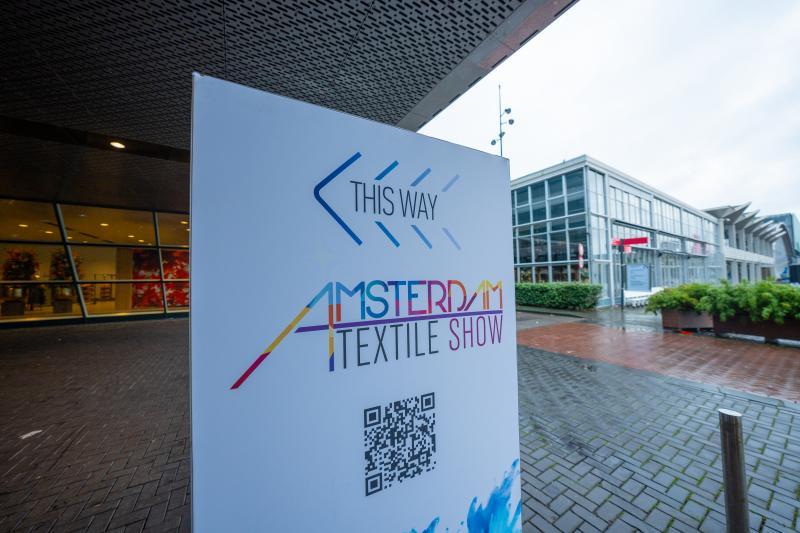
Amsterdam Textile Show Photo Amsterdam Textile Show
19.01.2026

Amsterdam Textile Show 2026 with a new concept

The Netherlands will host one of Europe’s leading international fashion, textile, and ready-to-wear trade fairs. The 4th Amsterdam Textile Show (ATS) will bring together manufacturers, suppliers, designers, and buyers from more than 14 countries across Europe and other regions of the world, offering a unique platform for international business opportunities and innovation.

Organized by Exponew Fuarcilik, the fair will be held at the World Fashion Centre in Amsterdam. The event will present visitors with a wide product range covering ready-to-wear, fabrics, yarns, sportswear, leather, footwear, accessories, and home textiles. With its new concept and expanded exhibition area, ATS aims to strengthen commercial relations in Europe, Asia, and other global markets, and to create new business opportunities within the textile supply chain.

Over the course of three days, participants will have the opportunity to meet potential business partners, discover new trends, and establish direct contact with decision-makers shaping the future of fashion and textile production.

The Netherlands will host one of Europe’s leading international fashion, textile, and ready-to-wear trade fairs. The 4th Amsterdam Textile Show (ATS) will bring together manufacturers, suppliers, designers, and buyers from more than 14 countries across Europe and other regions of the world, offering a unique platform for international business opportunities and innovation.

Organized by Exponew Fuarcilik, the fair will be held at the World Fashion Centre in Amsterdam. The event will present visitors with a wide product range covering ready-to-wear, fabrics, yarns, sportswear, leather, footwear, accessories, and home textiles. With its new concept and expanded exhibition area, ATS aims to strengthen commercial relations in Europe, Asia, and other global markets, and to create new business opportunities within the textile supply chain.

Over the course of three days, participants will have the opportunity to meet potential business partners, discover new trends, and establish direct contact with decision-makers shaping the future of fashion and textile production.

“We are proud to bring the international fashion and textile community together under one roof in Amsterdam. This fair is not only a trade event; it is an important meeting platform for innovation, business partnerships, and sustainable growth. It hosts both well-established brands and emerging players from around the world.” — Burak Serer, Project Director of Amsterdam Textile Show

Source:

Amsterdam Textile Show 

19.01.2026

Archroma debuts sustainable denim innovations at Denimsandjeans Egypt 2026

Archroma, a global leader in specialty chemicals focused on sustainable solutions, is excited to announce its debut participation in Denimsandjeans Egypt, taking place on January 19–20, 2026 at the InterContinental Citystars Cairo. 

In its first year at the show, Archroma will showcase its low-impact denim solutions, designed to help brands and mills advance sustainability without compromising aesthetics, quality or performance. 

“With Egypt emerging as a strategic denim sourcing market, there is a clear opportunity to accelerate more sustainable production. Archroma’s innovations are designed to support this growth with scalable, low impact solutions,” commented Dhirendra Gautam, Vice President, Commercial, Archroma. 

Visitors to the Archroma stand will discover a portfolio of innovative and award-winning solutions, including: 

Archroma, a global leader in specialty chemicals focused on sustainable solutions, is excited to announce its debut participation in Denimsandjeans Egypt, taking place on January 19–20, 2026 at the InterContinental Citystars Cairo. 

In its first year at the show, Archroma will showcase its low-impact denim solutions, designed to help brands and mills advance sustainability without compromising aesthetics, quality or performance. 

“With Egypt emerging as a strategic denim sourcing market, there is a clear opportunity to accelerate more sustainable production. Archroma’s innovations are designed to support this growth with scalable, low impact solutions,” commented Dhirendra Gautam, Vice President, Commercial, Archroma. 

Visitors to the Archroma stand will discover a portfolio of innovative and award-winning solutions, including: 

  • DENIM HALO - Archroma’s revolutionary award-winning denim pretreatment and dyeing process that gives brands and mills a simple way to produce highly sought-after distressed denim looks. It draws on a unique new chemistry, DIRSOL® RD, and a broad portfolio of textile dyes based on decades of advanced research to produce laser-friendly denim with outstanding contrast on intense black and indigo shades. 
  • DIRESUL® EVOLUTION BLACK - Archroma’s cleanest sulfur black dyestuff. Manufactured using fewer resources, it has an overall impact reduction of 57% during dye synthesis compared to standard Sulfur Black 1 liquid. 
  • DENISOL® PURE INDIGO 30 LIQ - An aniline-free pre-reduced indigo that creates authentic denim colors with the same performance and efficiency as conventional indigo dye, but in a way that can reduce the risk of pollution. Furthermore, it is produced in an aniline-free** process to help enable cleaner denim production. 
  • EarthColors® - A patented Archroma technology that creates high-performance biowaste-based dyes from non-edible food and agricultural waste, leaving the edible part available for consumption. EarthColors® dyes help reduce the industry’s overall impact on the water footprint. Since they upcycle waste from other industries, they also help contribute to a circular economy. 
Source:

Archroma 

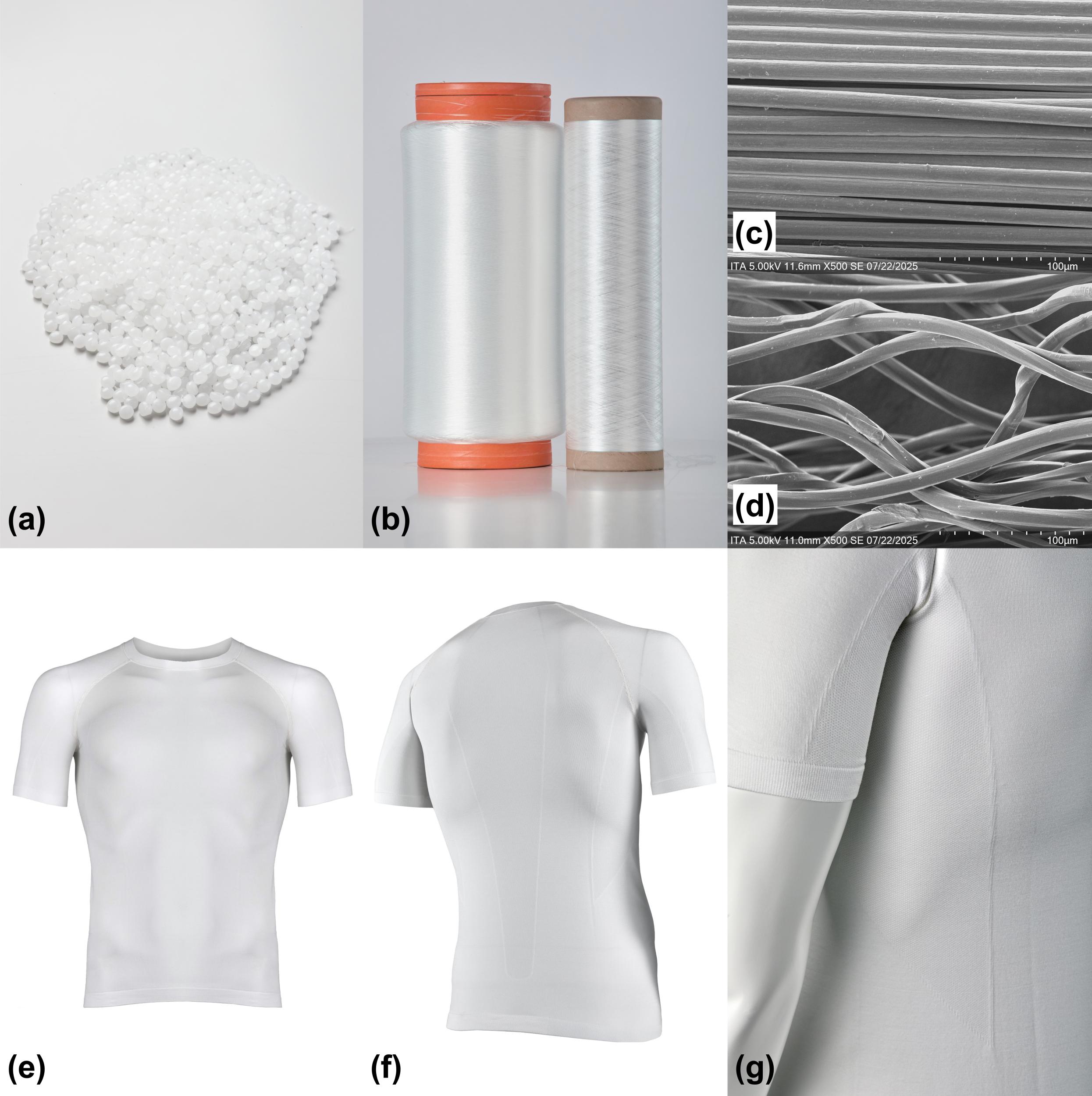
(a) bioPE granule, source: FALKE; (b) bioPE-POY and bioPE-DTY, source: FALKE; (c) REM image of bioPE-POY, source: ITA; (d) REM image of bioPE-DTY, source: ITA; (e) T-shirt made primarily from bioPE yarns (front), source: FALKE; (f) Back of the T-shirt, source: FALKE; (g) Close-up of the T-shirt, source: FALKE
15.01.2026

Sustainable Athletic Wear Made from Bio-Based Polyethylene

Conventional sports textiles made from petroleum-based synthetic fibres are to be replaced in the future by sustainable, bio-based, cooling textiles. Polyethylene, previously used mainly in the packaging industry, is thus qualified for use in textiles and, as a bio-based drop-in solution, offers a cost-effective, sustainable alternative for the future.

TECNARO (Ilsfeld/Germany), BB Engineering (Remscheid/Germany), FALKE (Schmallenberg/Germany) and the Institut für Textiltechnik (ITA) of RWTH Aachen University have developed textiles from bio-based polyethylene (bioPE) in the bioPEtex project of the BIOTEXFUTURE Innovation Space.

TECNARO develops the bio-based PE compounds and handles their dyeing. ITA is concentrating on the process development for melt spinning (partially-oriented yarn, POY) and false-twist texturing (draw-textured yarn, DTY) of the bioPE yarns. BB Engineering implements the false-twist texturing on an industrial scale, and FALKE is developing the final T-shirt, which will be treated with a bio-based finish for improved elasticity.

Conventional sports textiles made from petroleum-based synthetic fibres are to be replaced in the future by sustainable, bio-based, cooling textiles. Polyethylene, previously used mainly in the packaging industry, is thus qualified for use in textiles and, as a bio-based drop-in solution, offers a cost-effective, sustainable alternative for the future.

TECNARO (Ilsfeld/Germany), BB Engineering (Remscheid/Germany), FALKE (Schmallenberg/Germany) and the Institut für Textiltechnik (ITA) of RWTH Aachen University have developed textiles from bio-based polyethylene (bioPE) in the bioPEtex project of the BIOTEXFUTURE Innovation Space.

TECNARO develops the bio-based PE compounds and handles their dyeing. ITA is concentrating on the process development for melt spinning (partially-oriented yarn, POY) and false-twist texturing (draw-textured yarn, DTY) of the bioPE yarns. BB Engineering implements the false-twist texturing on an industrial scale, and FALKE is developing the final T-shirt, which will be treated with a bio-based finish for improved elasticity.

The successful creation of a first T-shirt from the yarns developed in this project underscores their promising characteristics. This represents a key milestone and forms the basis for investigating potential market readiness in subsequent phases. Above all, the white BioPE T-shirt impresses with its pleasantly cool and soft touch. However, additional development, characterisation, and optimisation steps are necessary to make a market introduction possible.

Source:

ITA – Institut für Textiltechnik of RWTH Aachen University