
From the Sector

Reset
05.05.2026

Environmental Impact Measurement: Report - Denim moves towards sustainability

EIM (Environmental Impact Measurement), the global reference platform for measuring the environmental impact of garment finishing, presents the second edition of its annual report Denim Industry Progress & Insights 2025. The study analyses over 100,000 real denim finishing processes, providing an accurate and up-to-date view of the industry’s evolution towards more sustainable models.

The textile industry, as one of the sectors with the greatest environmental impact, plays a key role in the transition towards more sustainable production models. To move forward, measuring, understanding, and acting are essential. EIM acts as a compass for the industry, enabling the objective assessment of process impacts and supporting decision-making towards more eco-efficient production.

The report confirms that the denim industry continues to make progress in reducing its environmental impact. Currently, 66% of processes are already classified as low impact, reflecting a positive trend driven by process optimization and the adoption of more efficient technologies.

EIM (Environmental Impact Measurement), the global reference platform for measuring the environmental impact of garment finishing, presents the second edition of its annual report Denim Industry Progress & Insights 2025. The study analyses over 100,000 real denim finishing processes, providing an accurate and up-to-date view of the industry’s evolution towards more sustainable models.

The textile industry, as one of the sectors with the greatest environmental impact, plays a key role in the transition towards more sustainable production models. To move forward, measuring, understanding, and acting are essential. EIM acts as a compass for the industry, enabling the objective assessment of process impacts and supporting decision-making towards more eco-efficient production.

The report confirms that the denim industry continues to make progress in reducing its environmental impact. Currently, 66% of processes are already classified as low impact, reflecting a positive trend driven by process optimization and the adoption of more efficient technologies.

In terms of resource use, significant progress has been made in optimizing water and energy, although there is still room for improvement to reach more advanced standards. Water consumption remains stable at around 30 liters per garment, indicating a plateau after years of continuous improvement. Energy shows the strongest performance, with 85% of processes classified as low impact, driven by equipment modernization and automation.

However, the report highlights that chemical impact remains the industry’s main challenge, with 27% of processes still classified as high impact. Factors such as the use of generic chemicals, lack of transparency in formulations, and the persistence of legacy practices, such as pumice stones or potassium permanganate, continue to limit progress, despite the availability of more sustainable alternatives.

At the same time, worker health impact has improved significantly, with 68% of processes classified as low impact, driven by the increasing adoption of automated technologies replacing more harmful manual techniques.

“The industry has proven that it can improve when it measures its impact, but the next step requires accelerating the adoption of technologies and leaving behind practices that are no longer sustainable,” says Begoña García, creator of EIM and co-author of the report. “Today more than ever, we need reliable data to make informed decisions and move towards a real transformation of the industry.”

This second report further establishes EIM as a global reference standard to measure and track environmental impact in denim finishing. Its annual nature allows brands and manufacturers to benchmark performance, identify improvement areas, and move forward together towards more ambitious sustainability goals.

The full report is available for download and will be updated annually, reinforcing the industry’s commitment to transparency, continuous improvement and environmental impact reduction.

EIM, a global standard to measure and compare environmental impact
EIM, Environmental Impact Measurement, is a globally recognized tool for assessing the environmental performance of garment finishing processes.

It evaluates four key categories, water consumption, energy consumption, chemical impact and worker health impact. Each process is assessed and classified into three levels, low, medium or high impact, according to standardized benchmarks.

EIM includes specific benchmarks for denim finishing, garment washing and garment dyeing, ensuring that results are accurate, comparable and relevant for each type of process.

This methodology enables brands and manufacturers to measure their processes with precision, track improvements and communicate environmental performance in a transparent and verifiable way.

Source:

Environmental Impact Measurement

05.05.2026

Kornit Digital Launches Konnections 365: Bringing together Brands, Retailers, Creatives, Print Producers

Local events, webinars, on-demand content, and podcasts unite creatives, brands, retailers, supply-chain experts, and print producers – leading seismic shift in apparel and textile production.
 
Kornit Digital, a global pioneer in sustainable, on-demand digital fashion and textile production today announced the launch of Konnections 365 - a year-round movement designed for the people moving the apparel, print, and retail industries forward. The strategy is built on the success of Konnections 2026 held in Hollywood, Florida, featuring more than 500 customers, partners, and collaborators who together are driving the future of apparel and textiles.
 
Bringing together brands, retailers, creatives, print producers, and supply-chain experts, Konnections 365 delivers thought leadership, local and global experiences, committees, webinars, podcasts, and on-demand resources. The intent is to help the industry navigate a watershed moment driven by digital print, AI, sustainability, new inventory models, and emerging technologies.
 

Local events, webinars, on-demand content, and podcasts unite creatives, brands, retailers, supply-chain experts, and print producers – leading seismic shift in apparel and textile production.
 
Kornit Digital, a global pioneer in sustainable, on-demand digital fashion and textile production today announced the launch of Konnections 365 - a year-round movement designed for the people moving the apparel, print, and retail industries forward. The strategy is built on the success of Konnections 2026 held in Hollywood, Florida, featuring more than 500 customers, partners, and collaborators who together are driving the future of apparel and textiles.
 
Bringing together brands, retailers, creatives, print producers, and supply-chain experts, Konnections 365 delivers thought leadership, local and global experiences, committees, webinars, podcasts, and on-demand resources. The intent is to help the industry navigate a watershed moment driven by digital print, AI, sustainability, new inventory models, and emerging technologies.
 
“During our live Konnections event, the room moved and now the industry is ready to follow. We brought together an ecosystem around one clear truth: the winners will be the companies that connect demand, production, technology, and speed – faster than the market can change,” said Ilan Elad, President at Kornit Digital Americas. “Kornit 365 is an extension of this movement, and we can’t wait to see how the industry responds.”
 
Konnections 365 is built on three pillars:
Movement — Year-round community driving industry priorities;
Learn — Practical education through content and thought leadership;
Connect & Act — Events and pilot programs that turn ideas into measurable results.
 
Participants benefit from rapid learning, local-to-global engagement, and the ability to move from ideas to pilots that reduce waste, shorten lead times, and improve margins.
 
Education is free for all participants. However, community events, business networking, and pilot programs are by invitation only for the Kornit Digital Production Community and ecosystem.

Source:

Kornit Digital Ltd.

05.05.2026

Texworld Apparel Sourcing Paris: At the heart of the global textile offering

From August 31 to September 2, 2026, Texworld Apparel Sourcing Paris will once again bring together all international players in textiles and apparel at the Paris-Le Bourget Exhibition Center.

A strategic platform for buyers
As a global sourcing hub for fashion professionals, the event will offer direct access to nearly 1,200 international textile and apparel companies across two main areas: Texworld, dedicated to fabrics and raw materials, and Apparel Sourcing, focused on finished products and accessories. These two shows stand out for their broad offering, centered on mid-range and premium segments, meeting the growing expectations of buyers seeking quality and added value. They will be complemented by the key Avantex sector, dedicated to innovative solutions for high-performance and responsible fashion. 

From August 31 to September 2, 2026, Texworld Apparel Sourcing Paris will once again bring together all international players in textiles and apparel at the Paris-Le Bourget Exhibition Center.

A strategic platform for buyers
As a global sourcing hub for fashion professionals, the event will offer direct access to nearly 1,200 international textile and apparel companies across two main areas: Texworld, dedicated to fabrics and raw materials, and Apparel Sourcing, focused on finished products and accessories. These two shows stand out for their broad offering, centered on mid-range and premium segments, meeting the growing expectations of buyers seeking quality and added value. They will be complemented by the key Avantex sector, dedicated to innovative solutions for high-performance and responsible fashion. 

This 59th edition continues to build on a strategy of qualitative consolidation. In line with previous editions, the overall structure of the show remains unchanged to ensure a smooth and intuitive visitor experience: Halls 3 and 4 will bring together the full offering, organized by expertise and end use. Synergies between exhibitors from both shows will be strengthened to optimize visitor flow, with a focus on womenswear, casualwear and sportswear. Hall 2 will host Avantex exhibitors, the Trend Forums, and the conference and service areas, forming a spacious zone designed to encourage interaction.

An enriched international offer for Texworld
Texworld Apparel Sourcing Paris reinforces its position as a barometer of the global textile industry. Alongside major historic producing countries (China, Türkiye, India, Korea, etc.), the 2026 edition stands out for the upgrading of the expertise presented and the growing interest in new sourcing regions.

On the Texworld side, the exceptional participation of La Lainière de Picardie marks a first and highlights the value of European know-how in export markets. Specializing in high-end wool linings, this French company embodies industrial excellence, textile innovation, and a commitment to natural and sustainable materials. In a spirit of international openness, an ECO-HUB dedicated to China’s Zhejiang province will bring together around thirty exhibitors committed to 100% sustainable production. Located in Hall 4, this key area underscores the evolution of supply chains toward more responsible and traceable models, aligned with market expectations.

Apparel Sourcing: confirmed momentum and new perspectives
Following a record edition in September 2025, Apparel Sourcing continues its trajectory of qualitative growth. The interest shown by new countries, particularly Mongolia, Pakistan and Taiwan, reflects the industrial capabilities of these production regions while responding to European buyers’ demand for a broader sourcing offer.

In a continued effort to improve clarity and visibility, new pavilions dedicated to leather and jewelry will better showcase these specific finished-product sectors. Similarly, a new Outdoor area, positioned at the intersection of Texworld and Apparel Sourcing, will bring together around fifty exhibitors and offer a cross-category selection combining technical fabric manufacturers (active wear fabrics) and sportswear garment makers, meeting the needs of a rapidly evolving market.
Finally, the new Apparel Sourcing Initiatives area, an extension of the existing Texworld concept, will highlight high-value-added industrial know-how, production flexibility, and premium services offered by a selection of finished-product exhibitors.

Avantex: innovation and commitment for the fashion of tomorrow
Once again this year, the Avantex sector will confirm its role as an innovation laboratory, showcasing technological solutions and sustainable initiatives for the fashion industry. Conferences, workshops and professional meetings will enrich discussions around these key issues in a context of profound transformation within the textile sector. True to its DNA, Messe Frankfurt reaffirms its commitment to supporting and promoting industry players working toward a more responsible, transparent and competitive global model. The creation of the Texworld ECO-HUB is part of this vision.

Source:

Texworld Apparel Sourcing Paris

Source Fashion January 2026 Photo: (c) Source Fashion
Source Fashion January 2026
05.05.2026

Source Fashion: What Matters to Buyers in 2026?

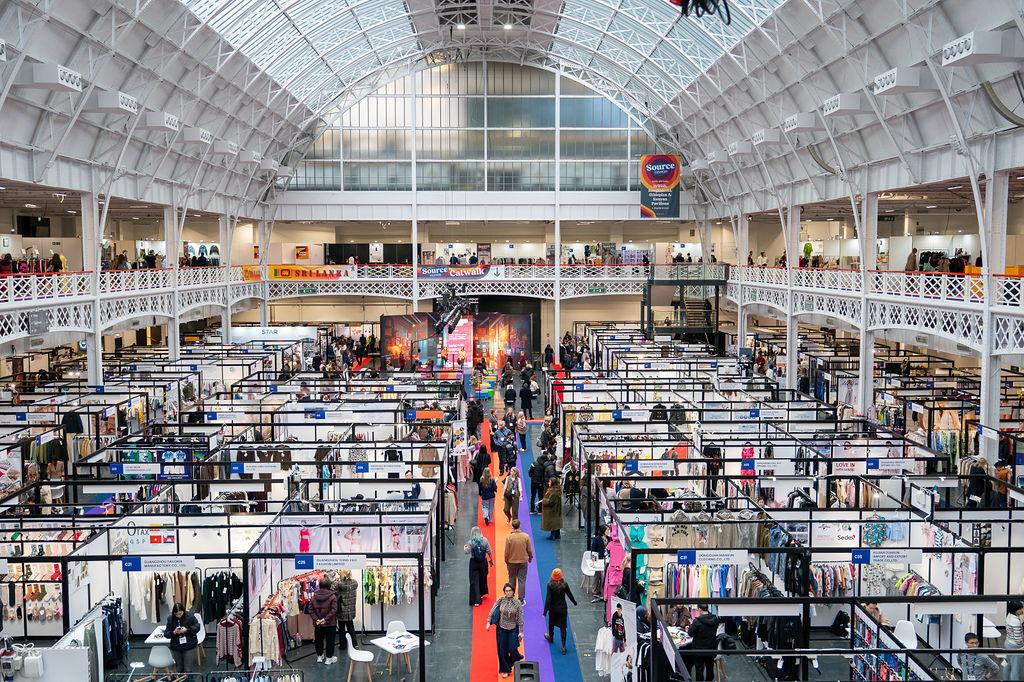
As fashion brands and retailers navigate an increasingly complex landscape shaped by geopolitical disruption, ongoing supply chain challenges, evolving trade tensions and regulatory uncertainty, alongside shifting consumer demand, understanding what truly matters to buyers has never been more critical. For its July 2026 edition, Source Fashion is placing these challenges at the centre of its content agenda, using new industry insights and advisory board input to shape a programme designed to help buyers make more informed, commercially viable decisions in a market defined by constant change.

Insights from Source Fashion’s advisory board and from industry research point to a growing sense of complexity and fatigue across the industry. Buyers are being asked to navigate rising costs, increasing regulation and ongoing uncertainty, while making faster, higher-stakes sourcing decisions. Sustainability, once driven by advocacy, is now increasingly shaped by compliance and reporting requirements, leaving many teams questioning how to balance commercial reality with long-term responsibility.

As fashion brands and retailers navigate an increasingly complex landscape shaped by geopolitical disruption, ongoing supply chain challenges, evolving trade tensions and regulatory uncertainty, alongside shifting consumer demand, understanding what truly matters to buyers has never been more critical. For its July 2026 edition, Source Fashion is placing these challenges at the centre of its content agenda, using new industry insights and advisory board input to shape a programme designed to help buyers make more informed, commercially viable decisions in a market defined by constant change.

Insights from Source Fashion’s advisory board and from industry research point to a growing sense of complexity and fatigue across the industry. Buyers are being asked to navigate rising costs, increasing regulation and ongoing uncertainty, while making faster, higher-stakes sourcing decisions. Sustainability, once driven by advocacy, is now increasingly shaped by compliance and reporting requirements, leaving many teams questioning how to balance commercial reality with long-term responsibility.

Key themes shaping 2026
The research highlights six key shifts shaping buyer priorities in 2026:

  • Operating in permanent volatility - as geopolitical disruption, supply chain instability and unpredictable consumer demand force businesses to plan in a world that is constantly shifting. 
  • The commercial realities of sustainability – where doing the right thing does not always align with cost pressures, margins and supplier constraints. 
  • Making circularity commercially viable – with growing focus on resale, repair and lifecycle integration as part of a scalable business model. 
  • Rethinking the fashion value chain – as traditional sourcing strategies evolve and closer collaboration across the value chain becomes essential. 
  • Innovation with measurable impact – as brands look beyond hype to understand which technologies, including AI, can deliver real, scalable value. 
  • Regulation, data and compliance – as increasing reporting requirements and upcoming legislation reshape how businesses approach sustainability often shifting the focus from advocacy to obligation.

In response to these insights, Source Fashion’s July 2026 content programme has been designed to move beyond discussion and provide practical, commercially relevant guidance for buyers navigating an increasingly complex landscape. Through a series of new formats and returning features, the show will translate industry challenges into actionable insight, helping visitors better understand how to balance cost, risk and responsibility within their sourcing strategies. This approach is designed to support faster, more confident decision-making in a rapidly changing market.

Fashion Deconstructed will offer a hands-on, interactive space designed to help buyers better understand materials, processes and techniques, from upcycling and repair to innovative production methods. Alongside this, the Catwalk Stage will bring together industry leaders and practitioners to explore the future of fashion through panels, case studies and debates, while the return of the Debates Stage will create space for more open, peer-led discussion around the issues shaping the industry today. 

Speaker highlights include:

  • Marguerite, Global Insights Manager, Fashion, Euromonitor International  
  • Bill McRaith, Executive Advisor, Future-Proof Fashion  
  • Sonica Beckman, Founder and CEO, House of Kind  
  • Sarah Coleman, Head of Development, Design and Sustainability, Margarett Howell 
  • Nick Reed, Founder, Neem London 
  • Rosie Cripps, Head of Circularity, Vivo Barefoot
  • Joseph Mountain, Sustainability Manager, N Brown   

Suzanne Ellingham, Event Director of Source Fashion, said “What we’re hearing isn’t rocket science, what we know from listening is that the industry has become more complex, more pressured and, in many cases, overwhelming. There are no shortage of high expectations, new strategies, regulation or technology, but there is a real need for clarity on what actually works in practice, and what delivers real value at scale. As an industry we have to share insight now to help the boat go faster for everyone, in the right direction.

For us, this research is about listening to those challenges and shaping a content programme that responds directly to them. We want to move the conversation beyond theory and into practical, actionable insight that helps buyers navigate cost, risk and responsibility in a more confident and informed way. It’s about making sure the industry conversations we’re having translate into real business impact. Ultimately we want to talk about the things that matter.”


Source:

Source Fashion 

Haglöfs is the first brand to adopt it, currently rolling out in Europe with a small capsule collection. Polartec is positioning Standard Issue Black as a platform-level solution available across its brand partners. Photo: Polartec/Haglöfs
Haglöfs is the first brand to adopt it, currently rolling out in Europe with a small capsule collection. Polartec is positioning Standard Issue Black as a platform-level solution available across its brand partners.
01.05.2026

Polartec®: Approach to Simplifying Color Within Outdoor Apparel

Polartec®, a Milliken & Company brand and the creator of synthetic fleece, introduces Standard Issue, a unified pre-dyed option now available in black on the company’s best-selling Fleece fabric platform. The technology will be progressively rolled out across the entire Polartec® portfolio and expanded in its color availability based on market demand. Developed to address an industry-wide problem, Standard Issue offers brands a simplified approach to producing one of the most widely used colors in outdoor apparel. 

Every year, top brands independently order thousands of rolls of fleece fabric in nearly identical shades of black. Yet because each variation requires its own dye batch, minimum order quantity and production setup, custom dyeing adds unnecessary time and complexity without necessarily delivering meaningful differentiation.

Polartec®, a Milliken & Company brand and the creator of synthetic fleece, introduces Standard Issue, a unified pre-dyed option now available in black on the company’s best-selling Fleece fabric platform. The technology will be progressively rolled out across the entire Polartec® portfolio and expanded in its color availability based on market demand. Developed to address an industry-wide problem, Standard Issue offers brands a simplified approach to producing one of the most widely used colors in outdoor apparel. 

Every year, top brands independently order thousands of rolls of fleece fabric in nearly identical shades of black. Yet because each variation requires its own dye batch, minimum order quantity and production setup, custom dyeing adds unnecessary time and complexity without necessarily delivering meaningful differentiation.

With Standard Issue, Polartec® is helping streamline production and reduce resource impact. And because the pre-dyed fabrics can be seamlessly integrated into product development, the initiative also helps simplify sourcing decisions and accelerate timelines without compromising the durability, performance, and reliability outdoor brands expect from Polartec® fabrics. More importantly, the new standard is designed to complement, not replace, the multiple customization options Polartec® already offers its partners.  

“Sometimes the biggest opportunities for progress come from questioning the most familiar parts of our industry,” said Ramesh Kesh, Senior Vice President at Milliken & Company and Business Leader for Polartec. “Standard Issue invites the industry to consider a shared alternative to producing countless variations of a visually identical color like Black. It’s a solution whose practical benefits for our partners include simplified development in addition to smarter and more efficient production practices across the global supply chain.”

“This initiative highlights Polartec’s long-standing tradition of solving real-world challenges through material innovation,” added Karen Beattie, Director of Product Management at Polartec. “By providing brands with a consistent, ready-to-use color option, we are helping design teams move from concept to production more efficiently without sacrificing the technical performance their products rely on.”

28.04.2026

Source Fashion Expands Advisory Board

Source Fashion has announced a refreshed Advisory Board, bringing together leading voices from across fashion, retail, sustainability and media to help shape the next phase of Source Fashion’s growth and industry impact. As the industry navigates increasing complexity across supply chains, regulation and responsible sourcing, the strengthened board reflects Source Fashion’s commitment to driving meaningful industry collaboration and delivering practical, commercially relevant solutions for buyers and manufacturers.

Advisory Board Expanded with New Members
The new Advisory Board appointments strengthen expertise across circularity, responsible sourcing and industry insight. New members include Kirsty McGregor, journalist and former Vogue Business editor; Rosie Cripps, Head of Circularity at Vivobarefoot; Miranda Beckett, Fashion Project Manager at the Ellen MacArthur Foundation; and James Sleater, CEO of Buffalo Systems.

Source Fashion has announced a refreshed Advisory Board, bringing together leading voices from across fashion, retail, sustainability and media to help shape the next phase of Source Fashion’s growth and industry impact. As the industry navigates increasing complexity across supply chains, regulation and responsible sourcing, the strengthened board reflects Source Fashion’s commitment to driving meaningful industry collaboration and delivering practical, commercially relevant solutions for buyers and manufacturers.

Advisory Board Expanded with New Members
The new Advisory Board appointments strengthen expertise across circularity, responsible sourcing and industry insight. New members include Kirsty McGregor, journalist and former Vogue Business editor; Rosie Cripps, Head of Circularity at Vivobarefoot; Miranda Beckett, Fashion Project Manager at the Ellen MacArthur Foundation; and James Sleater, CEO of Buffalo Systems.

Together, they bring a wealth of experience spanning global fashion media, circular business models and systems-level change across the industry. Kirsty McGregor is widely recognised for her systems-level understanding of fashion’s supply chain challenges, with particular expertise in materials innovation, circularity and onshoring.

Rosie Cripps brings expertise in translating circular business models into commercially viable solutions, supporting Source Fashion’s focus on delivering responsible sourcing grounded in real-world application. Miranda Beckett contributes a systems-level perspective on circularity through her work at the Ellen MacArthur Foundation, helping to connect industry ambition with practical frameworks for change across the fashion supply chain. James Sleater, CEO of Buffalo Systems, brings deep experience in UK manufacturing and technical apparel production, offering valuable insight into building resilient, high-quality supply chains at a time of growing demand for British-made products.

Rosie Cripps commented, “I’m delighted to be joining the Source Fashion Advisory Board. Source Fashion plays a vital role in bringing the industry together around responsible sourcing grounded in commercial reality. I’m really looking forward to collaborating with the Source team and fellow board advisors to help contribute meaningful, practical progress across the industry.”

Miranda Beckett added, “I’m delighted to be joining Source Fashion’s Advisory Board at such a pivotal moment for the industry. Source Fashion plays a vital role in connecting brands, suppliers and innovators around the shared challenge of building responsible supply chains. I look forward to contributing to conversations that help turn a vision of a circular economy for fashion into a practical reality for sourcing professionals across the sector.”

Existing board members provide continued industry leadership
The new appointments join an established group of Advisory Board members drawn from across retail, sourcing, sustainability and policy. Existing members include Oliver Bruckner, Product Director at JOSEPH; Hayley Shore, Design Director at PepsiCo; Simon Platts, former Sourcing Director at ASOS; Lauretta Roberts, CEO of TheIndustry.fashion; Nicola Kirby, Commercial Director at Bhartiya Group; Mark Sumner, Policy Lead at WRAP; Nick Reed, Founder of Neem London; and Helena Mansell-Stopher, CEO of Products of Change.

Together, the board brings a broad cross-section of industry expertise, ensuring Source Fashion remains closely aligned with the evolving needs of brands, retailers and manufacturers, while continuing to provide a platform for informed discussion, collaboration and practical progress across the fashion supply chain.

The Advisory Board will play a key role in shaping the direction of Source Fashion, from content and programming to wider industry engagement. 

Suzanne Ellingham, Event Director of Source Fashion, said, “As Source Fashion continues to grow, it’s essential that we are guided by the right mix of industry voices. Our Advisory Board brings together leaders who are not only shaping the future of fashion but are deeply engaged in the practical challenges facing sourcing, manufacturing and supply chains today. In order for our programme and event to remain industry leading, these voices are vital as businesses reflect on the tsunami of challenges ahead, from commercial challenges, new regulatory frameworks and unprecedented levels of volatility that is now just business as usual. Their insight ensures that everything we deliver, from the show floor to our content programme, remains relevant, commercially focused and aligned with where the industry is heading.”

She added, “The addition of new members strengthens our ability to reflect the evolving priorities of the industry, particularly around circularity, responsible sourcing and innovation. By bringing these perspectives together, we’re able to create a platform that not only responds to change but actively helps drive it.”

More information:
advisory board Source Fashion
Source:

Source Fashion

Agrotextiles (c) Institut für Textiltechnik der RWTH Aachen University
15.04.2026

ITA @ Techtextil 2026: Smart textiles - sustainable, eco-friendly and AI-powered

Sports shoes made from algae, leggings made from mushrooms, filtering (diesel) oil from water, 4D textiles, recyclable, sustainable and featuring AI – this is what the ITA Group is presenting at three individual stands run by ITA Aachen, ITA Augsburg gGmbH and ITA Technologietransfer GmbH on the joint stand of Elmatex in hall 12.0 D05.

ITA Aachen embraces the concept of sustainability and, through its exhibits, presents solutions to specific contemporary challenges:

Sports shoes made from algae, leggings made from mushrooms, filtering (diesel) oil from water, 4D textiles, recyclable, sustainable and featuring AI – this is what the ITA Group is presenting at three individual stands run by ITA Aachen, ITA Augsburg gGmbH and ITA Technologietransfer GmbH on the joint stand of Elmatex in hall 12.0 D05.

ITA Aachen embraces the concept of sustainability and, through its exhibits, presents solutions to specific contemporary challenges:

  1. 4D-printed textiles
    4D textiles are textile structures capable of selectively altering their shape or function over time. The ‘fourth dimension’ refers to their response to external stimuli such as temperature, humidity, light or electrical impulses. These are typically based on active materials such as shape-memory polymers, shape-memory alloys or hygroscopic fibres, which are integrated into textile structures. Their role lies in the development of adaptive, functional systems: from climate-regulating clothing and textile-based actuators in soft robotics to self-deploying or medical applications. 4D textiles transform textiles from passive flat structures into responsive, intelligent systems.
  2. AlgaeTex sports shoe
    Algae have immense potential as a bio-based raw material to replace petroleum in synthetic textiles: they grow rapidly and can absorb carbon dioxide more efficiently than other bio-based raw materials derived from land plants. Furthermore, their cultivation requires less land – including land unsuitable for other crops – and avoids the use of pesticides. The use of algae as a renewable resource for the production of biopolymers and textiles circumvents the challenges of competing with low fuel prices by creating higher-value applications. In this way, the German textile industry can act as a catalyst for the shift away from fossil fuels towards a bioeconomy in which algae represent an important source of biomass.

    The AlgaeTex project demonstrates that the production of thermoplastic biopolymers from algae for textile applications is technically feasible. These novel biopolymers are melt-spun and processed into high-quality textiles that are of significance to the sporting goods industry, such as knitted shoe uppers or T-shirts. 
  3. Visionary Agrotextiles
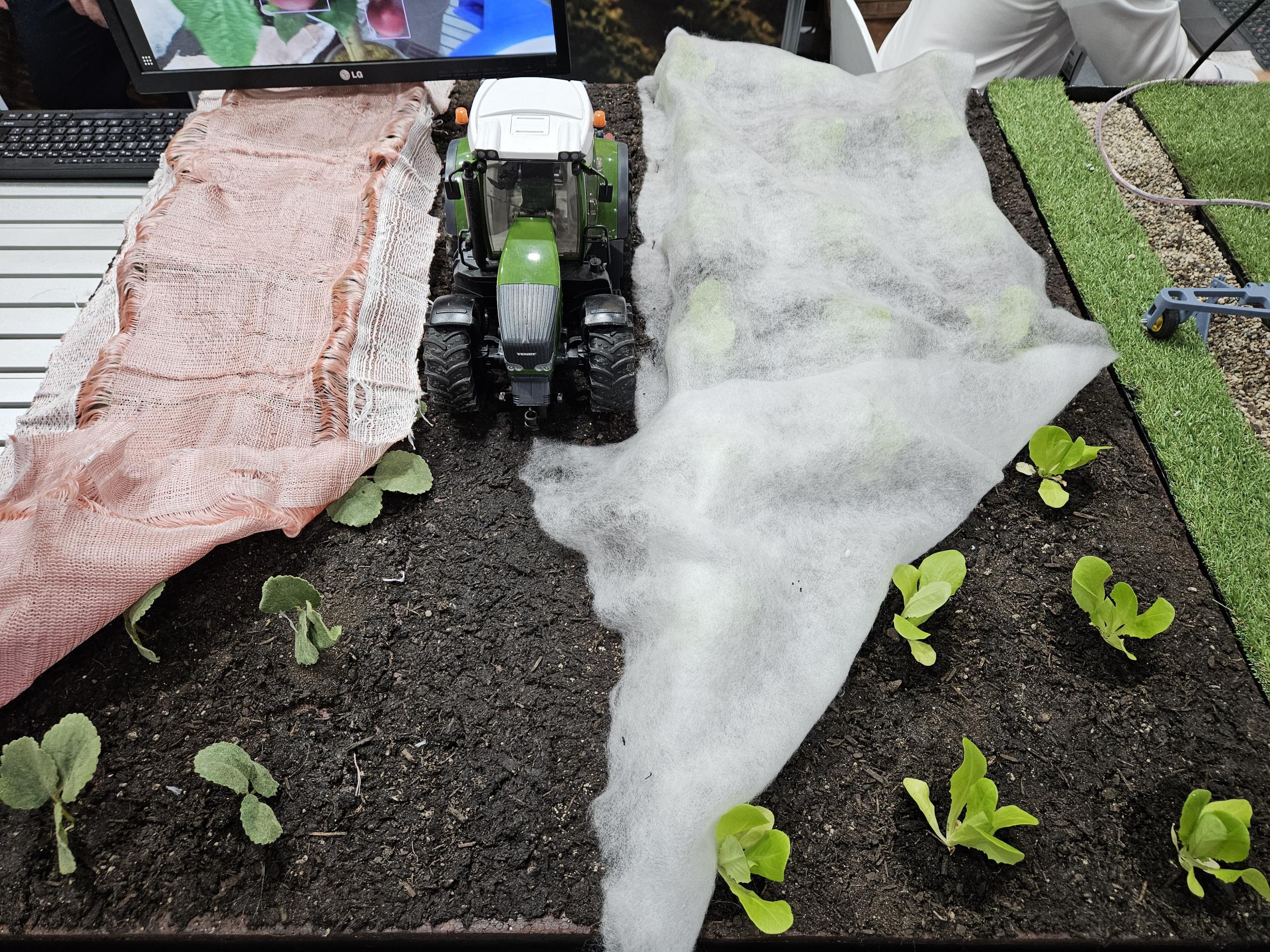
    Agrotextiles are of particular importance for specialised crops such as strawberries, lettuce and kohlrabi, as they have a significant influence on growing conditions. For instance, they can raise soil temperature, channel water to the plants and protect seedlings from external influences, particularly during early growth stages. Agrotextiles consist almost exclusively of petrochemically produced polymers that are not biodegradable. This demonstrator therefore showcases a carded fleece made from biodegradable polymers, which is used to bring forward the harvest in strawberry fields. In the same crop but serving a different purpose, a monofilament net is on display; its deep red colour and a coating of ultra-fine silicate particles serve to protect the plants from invasive insect species.
  4. Bionic Oil Adsorber
    On various biological surfaces, oil is adsorbed from the water’s surface and transported along floating leaves.
    ITA postdoctoral researcher Dr Leonie Beek has transferred this effect to a technical textile using her Bionic Oil Adsorber (BOA), which, at maturity level 4, can remove up to 4 litres of diesel per hour from the water.

    The BOA differs from technical solutions in that the oil-water separation takes place without external energy and without toxic substances. The work on the BOA has been recognised with the Bionics Award – only in German available - and the Paul Schlack Prize.
  5. BioPEtex – A PE-based, solution-dyed and sustainable T-shirt made from organic raw materials
    In the multi-billion-pound fibre market, fossil-based polyesters (PES) dominate the clothing sector, accounting for 52% of the market. Unfortunately, PET, the most commonly used PES, cannot be produced on an industrial scale as 100% bio-based material, unlike polyethylene (PE). Bio-based PE (bioPE), a drop-in polymer derived from fermented starches or sugars, has properties identical to those of fossil-based PE and is easily recyclable. It is also more cost-effective than other biopolymers used in fibres and can be processed at lower temperatures, which saves energy. Solution-dyed bioPE offers significant environmental benefits: it consumes 50% less energy and water than conventional dyeing processes and emits 60% less CO2.

    Life cycle assessments (LCA) predict that PE could significantly reduce the textile industry’s ecological footprint, with solution-dyed bio-PE further enhancing this reduction. Furthermore, PE textiles are IR-transparent and thus provide passive cooling for the body.

    Despite these advantages, PE is not yet used in the clothing industry. Preliminary research findings from the ITA suggest that PE can be processed into spun, dyed filaments and knitted fabrics with promising textures. The T-shirt on display is spun and dyed and features an elastic surface made from bio-based raw materials. A bio-based elastic finish enhances the T-shirt, which is made from a single source and is thermomechanically recyclable. Contact: Mathias.Ortega@ita.rwth-aachen.de
  6. FungalFibers – Leggings
    Against a backdrop of limited resources such as oil, water and arable land, as well as increasing environmental degradation and potential for conflict, there is significant social and commercial interest in providing competitive, socially and environmentally sustainable alternative raw materials for the textile industry. The aim of this project is to develop a completely new process chain for the production of bio-based, vegan textiles from chitosan fibres (filament and staple fibre yarns).

    Chitosan is chemically closely related to chitin, the second most abundant substance in nature after cellulose. It occurs naturally in a variety of sources: in insects, crab and shellfish shells, and as a structural component of the cell walls of all fungi. Chitin can therefore be obtained from by-products of crab meat production, insect protein or fungal biomass waste from industrial processes. Chitosan, in turn, can be easily produced from chitin through deacetylation. Contact: Leonie.Beek@ita.rwth-aachen.de.

    ITA Group will be presenting the latest developments in sustainable textile products and production processes at Techtextil 2026, taking place from 21 to 24 April 2026 in Frankfurt am Main. The exhibits from ITA Augsburg gGmbH and ITA Technologietransfer GmbH will be on display at the Elmatex joint stand in Hall 12.0, Booth D05.

ITA Group will showcase various approaches to mechanical and thermo-mechanical recycling, addressing potential applications in the textile, materials and automotive industries. ITA Augsburg gGmbH, which specialises in mechanical textile recycling, will present innovations in the fields of composites, mechanical textile recycling and artificial intelligence in production. These include sound and thermal insulation panels from the “IsoTex” project, a towel from the “EcoYarn” recycling project, and the “ColoSens” demonstrator, an AI-based solution for automated colour recognition of fibres in the recycling process.

ITA Technologietransfer GmbH demonstrates thermo-mechanical recycling using numerous examples within the Fabric2Fabric cycle. Using a 3D-printed car seat demonstrator as an example, the recyclable filament yarns are incorporated into a seat cover.

In addition, ITA Technologietransfer GmbH is showcasing its patented ‘Textile Anchor’ concept, an innovative anchoring system designed to protect and secure structures in geotechnical environments such as mountains, in the ground and underwater, as well as for use in building construction. The textile anchor offers an ultra-lightweight solution with high flexibility and optimal adaptability, and is manufactured from extremely durable or biodegradable and sustainable textiles.

At ITA Group’s ‘shared booth’, ITA Technologietransfer GmbH will be providing information on innovations from various industrial partners:

  • technofibres s.a. from Luxembourg offers solution-dyed PET and sustainable trPET filament yarns with a wide range of matting levels, filament cross-sections and packaging options for bespoke solutions, even in the smallest batch sizes, making it unique in Europe.
  • Idemitsu Kosan Co., Ltd. from Japan offers Xarec™, a syndiotactic polystyrene (SPS) fibre for use in fabrics and nonwovens. The advantages of this semi-crystalline high-performance material, which acquires its syndiotactic structure through the polymerisation of polystyrene and a metallocene catalyst, are demonstrated in nonwoven samples for the filtration sector in comparison with conventional materials.
  • The Swedish company Luma Wire Tech AB is an innovative specialist in fine wires, with expertise in advanced plating. Each wire, ranging from 4 to 300 microns and produced from tungsten, molybdenum, or other advanced materials, is tailored to meet each customer’s specific needs— available either uncoated or with high-performance coatings of gold, silver, palladium, or other.
Source:

Institut für Textiltechnik der RWTH Aachen University

VEGANCELIO Photo AIMPLAS
VEGANCELIO
10.04.2026

VEGANCELIO: Transforming organic waste into vegan leather and cosmetic microcapsules

Organic waste accounts for around 50% of municipal waste in Spain. Current treatment methods, such as composting or biogas production, do not generate products with sufficient economic value to offset management costs. In response to this environmental and economic challenge, VEGANCELIO has emerged—a project led by AIMPLAS, the Plastics Technology Centre—which proposes a solution aligned with the circular economy and the bioeconomy.

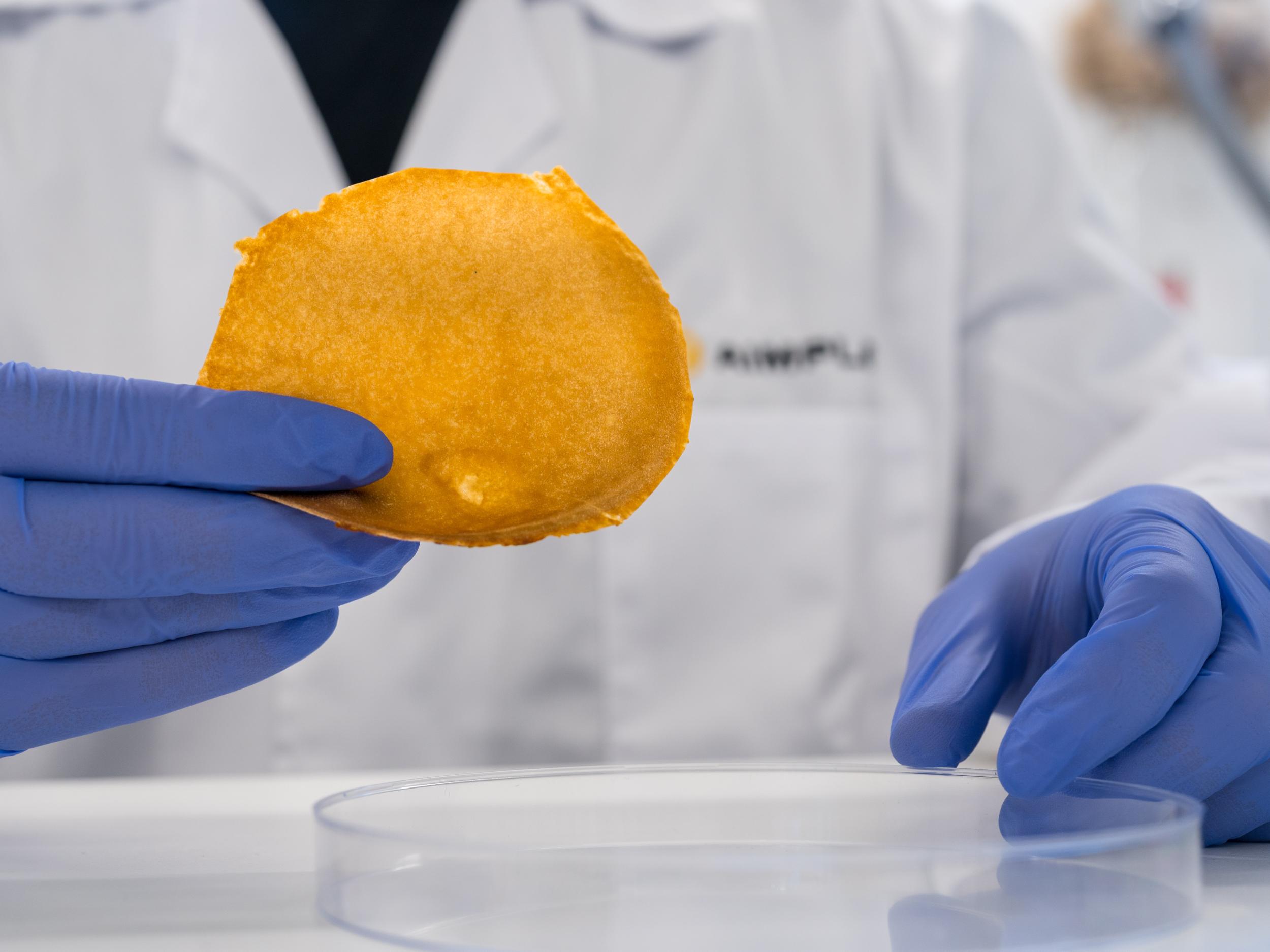
The project, funded by the Valencian Institute of Competitiveness and Innovation (IVACE+i) with ERDF funds, aims to develop advanced technologies to recover value from organic waste by converting it into two key products: vegan leather made from fungal mycelium, intended for the textile sector, and chitosan microcapsules with cosmetic applications, capable of encapsulating active ingredients with antioxidant effects and controlled release.

Organic waste accounts for around 50% of municipal waste in Spain. Current treatment methods, such as composting or biogas production, do not generate products with sufficient economic value to offset management costs. In response to this environmental and economic challenge, VEGANCELIO has emerged—a project led by AIMPLAS, the Plastics Technology Centre—which proposes a solution aligned with the circular economy and the bioeconomy.

The project, funded by the Valencian Institute of Competitiveness and Innovation (IVACE+i) with ERDF funds, aims to develop advanced technologies to recover value from organic waste by converting it into two key products: vegan leather made from fungal mycelium, intended for the textile sector, and chitosan microcapsules with cosmetic applications, capable of encapsulating active ingredients with antioxidant effects and controlled release.

VEGANCELIO is structured around a comprehensive technological approach that includes the production of fungal mycelium from organic waste, the sustainable extraction of chitosan from fungal biomass using chemical and enzymatic methods, the manufacture of vegan leather by optimising plasticisers and processes such as extrusion, and the development of chitosan and hybrid microcapsules for dermocosmetic applications. Furthermore, the project envisages knowledge transfer to the plastics, textile and cosmetics sectors in the Valencian Community, with the potential to replicate the model in other industries and for other types of waste with a similar composition.

The project involves collaboration with Tejidos Royo S.L., which specialises in the manufacture of textile materials, and DERMOPARTNERS S.L., an expert in the formulation of dermocosmetic products. Both companies provide valuable industrial and market insights, actively participating in the definition of technical parameters, specialist advice and the validation of the materials developed. Their involvement ensures the practical and commercial viability of the processes, strengthening the potential for the real-world application of the project’s results.

“The products developed in VEGANCELIO respond to a real market demand, which allows the applied technologies to be made profitable. The project represents an opportunity for companies implementing these results to position themselves as leaders in sustainability and innovation,” explains Pablo Ferrero, lead researcher in Biotechnology at AIMPLAS.

VEGANCELIO’s comprehensive approach not only contributes to the reduction of organic waste and greenhouse gas emissions but also promotes the production of materials free from harmful substances, fostering sustainable, profitable and scalable processes. The project reduces reliance on imported raw materials and positions the Valencian Community as a leader in sustainable innovation.

VEGANCELIO joins other initiatives led by AIMPLAS that promote waste recovery and the development of sustainable materials, consolidating its role as a driver of innovation.

More information:
AIMPLAS Vegan vegan leather
Source:

AIMPLAS