From the Sector

Reset
Huieun Do, M.A. ’25, a member of the Performance Apparel Design Lab, works with a prototype of the redesigned fire gear the lab is developing in coordination with professional firefighters. (c) Jason Koski/Cornell University
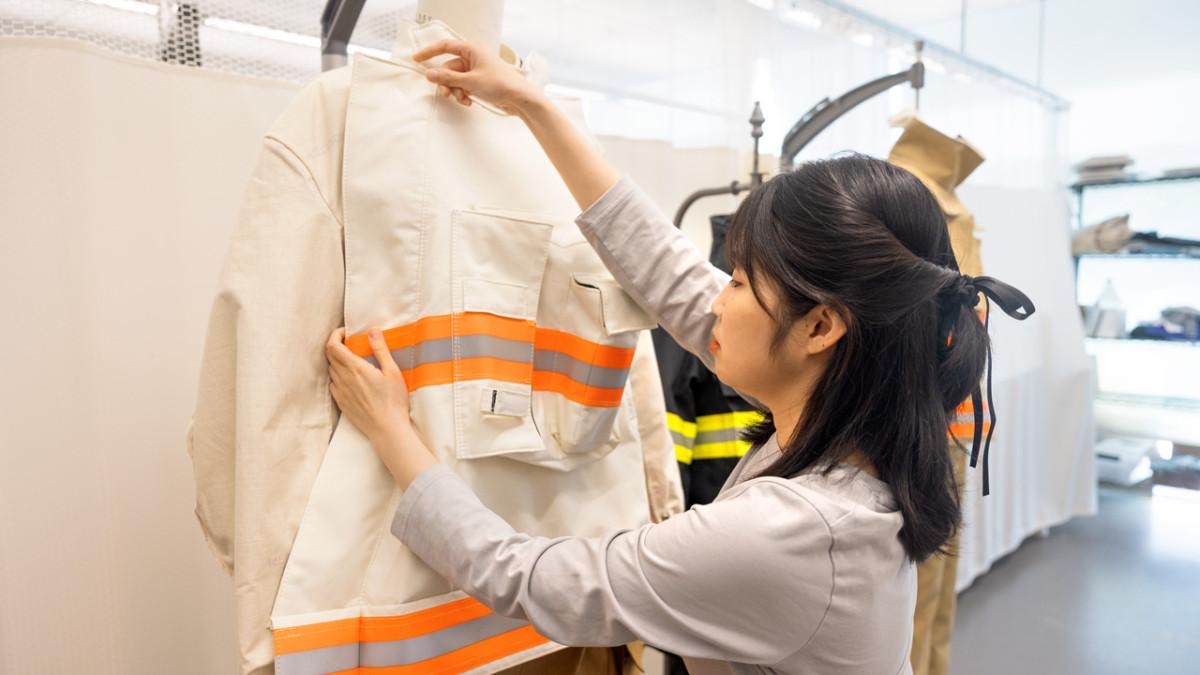
Huieun Do, M.A. ’25, a member of the Performance Apparel Design Lab, works with a prototype of the redesigned fire gear the lab is developing in coordination with professional firefighters.
11.06.2026

Redesigned fire gear offers potentially more cooling, less toxicity

A Cornell researcher’s bold new redesign of firefighter gear – which hasn’t significantly changed in decades – is more versatile and better adapted to their actual work, only a small fraction of which involves actually fighting structure fires.

Heeju Terry Park, the Vincent V.C. Woo Professor in the Department of Human Centered Design in the College of Human Ecology, and his lab developed the new two-piece, Velcro- and zipper-equipped suits after interviewing more than 50 firefighters. 

“I was asked to design new turnout gear for better thermal management and work efficiency,” Park said. “Current turnout gear has been used for decades with modest changes of design and materials despite increasing fire service roles for handling more wildland fires and emergency rescue operations.”

Huieun Do, M.A. ’25, a member of the Performance Apparel Design Lab, works with a prototype of the redesigned fire gear the lab is developing in coordination with professional firefighters.

A Cornell researcher’s bold new redesign of firefighter gear – which hasn’t significantly changed in decades – is more versatile and better adapted to their actual work, only a small fraction of which involves actually fighting structure fires.

Heeju Terry Park, the Vincent V.C. Woo Professor in the Department of Human Centered Design in the College of Human Ecology, and his lab developed the new two-piece, Velcro- and zipper-equipped suits after interviewing more than 50 firefighters. 

“I was asked to design new turnout gear for better thermal management and work efficiency,” Park said. “Current turnout gear has been used for decades with modest changes of design and materials despite increasing fire service roles for handling more wildland fires and emergency rescue operations.”

Huieun Do, M.A. ’25, a member of the Performance Apparel Design Lab, works with a prototype of the redesigned fire gear the lab is developing in coordination with professional firefighters.

Park’s yearlong redesign project – which included Huieun Do, M.A. ’25; Albert Lin, M.A. ’23; and Kim Phung Nguyen, all doctoral students in apparel design – was supported by a grant from the Federal Emergency Management Agency.

The project was in collaboration with International Personnel Protection Inc., a private consulting company, as a subcontractor to the International Association of Fire Fighters (IAFF), the union representing more than 360,000 professional firefighters and paramedics in North America. This work was undertaken as part of a Department of Homeland Security grant to the IAFF.

The term “firefighter,” while technically accurate, doesn’t paint the full picture of what these men and women do on a daily basis. In fact, according to the U.S. Fire Administration, more than 60% of fire department responses are for medical aid calls. Firefighters respond more to false alarms (8%) than to actual fires (3.9%).

Firefighters don’t always need their bulky turnout gear, which creates additional physiological stress due to heat and restricted movement. Additionally, some of the materials these protective suits contain or are treated with PFAS (per- and polyfluoroalkyl substances), known carcinogens dubbed “forever chemicals.”

Park’s Performance Apparel Design Lab’s modernized gear, inspired by the suits worn by Formula 1 racecar drivers, can be adapted to the task at hand, and uses noncarcinogenic materials.

In interviews, the researchers identified three primary problems with firefighter suits:
•    These suits are designed mainly for thermal protection – understandable, but since less than 4% of firefighter calls are for fires, firefighters are often overdressed. According to the U.S. Fire Administration, the main cause of on-duty firefighter death is cardiovascular in nature, triggered by heat stress;
•    A growing number of firefighters are women (approximately 9% of all firefighters, paid and volunteer), and clothing generally designed for men don’t always work if they’re just made smaller; and
•    The PFAS chemicals used to treat suits pose a significant health risk. According to the Firefighter Cancer Support Network, firefighters are 9% more likely than the general public to be diagnosed with cancer, and 14% more likely to die from it.

Traditional fire suits are multilayer, heavy-duty coats and pants featuring three layers of material – a flame- and puncture-resistant outer shell, made from a blend of Kevlar (Para-aramid) and polybenzimidazole (PBI) or Nomex fibers; a moisture barrier, typically made from heat-resistant breathable film material laminated to an aramid substrate; and a thermal barrier to provide additional thermal insulation. 

The main difference between current firefighter clothing and the Park lab’s redesign is versatility. The new clothing strikes a balance between a one-piece coverall concept and the more traditional two-piece design. Lin said that in interviews with firefighters, a one-piece coverall wasn’t well received.

“The firefighters were very hesitant to accept a coverall design,” Lin said, “so we had to navigate creating something that has the level of protection that a coverall provides, but in a design where firefighters will be more accepting of it.”

The new design is two pieces, which can be connected with zippers and Velcro to function as a coverall. The protective outer layer of the top can be unzipped and secured around the waist or completely removed when not needed, a feature similar to the suits worn by F1 racers.

“This unique design feature will enable firefighters to quickly cool down their body in non-firefighting situations,” Park said. In particular, the upper portion of the redesigned gear promotes effective heat release; more than 60% of perspiration occurs in the head and torso.

Additionally, the top features dual vertical zippers, for ease of donning and removal; a detachable front panel, convenient for bathroom breaks; two-way zippers to allow for ventilation; and a lower collar to reduce skin irritation and improve breathability.

The detachable front pocket of the redesigned fire suit features compartments so tools can be custom-organized by the firefighter. 

Another improvement is the front pocket, which typically stores the tools a firefighter needs. To facilitate quick access, the new design’s pocket features compartments so the tools can be custom-organized by the firefighter for ease of access in stressful situations.

The pocket is also detachable, and can be secured in front to accommodate either right- or left-handed people, and so access is not restricted, for example, by the straps of an oxygen tank.

Considering the significant concern over PFAS chemicals, the new gear Park’s team designed were prototyped using PFAS-free fabrics for the outer shell and moisture barrier. Recently, some U.S. states have moved toward banning turnout gear with PFAS; Canada and the European Union have moved toward banning PFAS in all goods, including turnout gear.

In the U.S., PFAS bans are mostly enacted at the local and state level; what few federal proposals there are only fund research into PFAS replacements, but not regulation. State-level bans have been enacted, but are not yet in effect, in Connecticut, Massachusetts, New York, Florida, Illinois, and California; disclosure laws also have been enacted in Rhode Island.

Most state-level PFAS bans restrict buying of turnout gear with PFAS; however, they do not fund the replacement or purchase of new turnout gear.

Park is hoping to secure additional funding to enable further testing of the updated fire suits, with firefighters in Ithaca as well as at the New York City Fire Department training facility on Randall’s Island.

“I want to test whether this is really better designed to handle all the stressful tasks,” he said. “We want to see how quickly they can put it on and take it off, and how quickly they can reach the tools without dexterity issues, and how they feel about the new design aesthetically, culturally, psychologically, and whether it works for men, women, tall people, small people. That’s the next step.”

Photo AIMPLAS
11.06.2026

IMPLICIT: New Pathways for Recycling Auxiliary Composite Manufacturing Waste

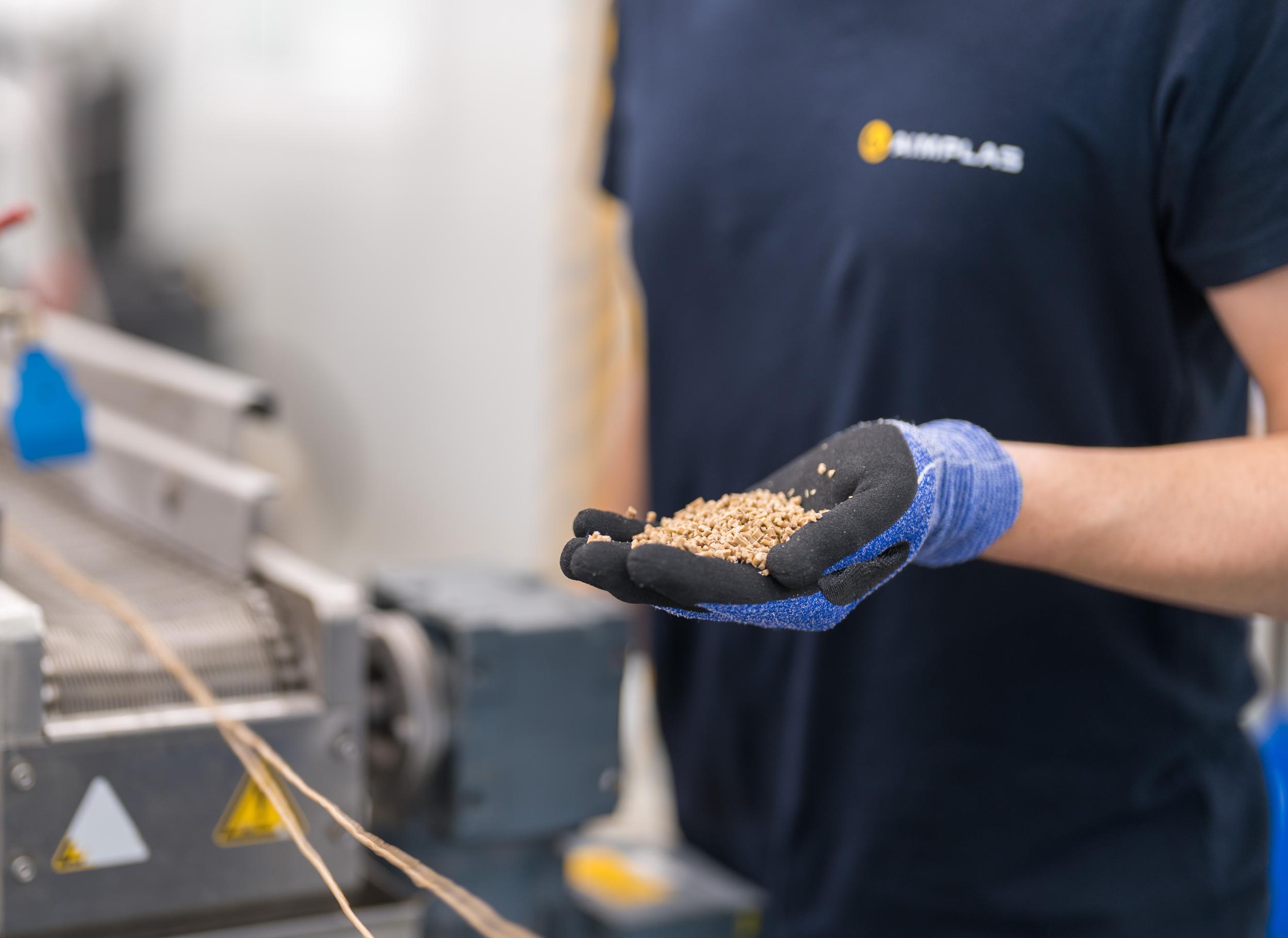
The project valorises single-use auxiliary waste such as vacuum bags, films and technical fabrics for applications in the automotive, technical textile and urban furniture sectors.

The companies Solteco, Birziplastik, Faperin and Industrias Alegre, together with the technology centres AIMPLAS, Eurecat, Tecnalia and Leartiker, are participating in this research initiative funded by CDTI and the European Regional Development Fund (ERDF).

The composite materials industry has experienced significant growth in sectors such as aerospace, railway, naval and renewable energy, thanks to its ability to provide lightweight, strong and durable solutions. However, these processes generate substantial amounts of plastic waste, especially single-use auxiliary materials such as vacuum bags, release films and absorbent fabrics. These materials are essential to ensure the quality of manufacturing processes, but after use they usually end up in landfill or are incinerated due to the difficulty of recycling them.

The project valorises single-use auxiliary waste such as vacuum bags, films and technical fabrics for applications in the automotive, technical textile and urban furniture sectors.

The companies Solteco, Birziplastik, Faperin and Industrias Alegre, together with the technology centres AIMPLAS, Eurecat, Tecnalia and Leartiker, are participating in this research initiative funded by CDTI and the European Regional Development Fund (ERDF).

The composite materials industry has experienced significant growth in sectors such as aerospace, railway, naval and renewable energy, thanks to its ability to provide lightweight, strong and durable solutions. However, these processes generate substantial amounts of plastic waste, especially single-use auxiliary materials such as vacuum bags, release films and absorbent fabrics. These materials are essential to ensure the quality of manufacturing processes, but after use they usually end up in landfill or are incinerated due to the difficulty of recycling them.

The IMPLICIT project addresses this challenge through the development of multimodal recycling strategies that combine mechanical, physical and chemical technologies to recover these materials with the highest possible purity and enable their industrial reuse. The aim is to generate new recycled raw materials that can be used in high value-added applications, such as automotive components, technical textiles and urban furniture elements.

Funded by the Spanish Ministry of Science, Innovation and Universities through the Centre for the Development of Industrial Technology and Innovation (CDTI), with the support of European Union European Regional Development Fund (ERDF) funding, IMPLICIT proposes a paradigm shift by transforming this waste into new resources, in line with European circular economy goals.

The initiative brings together a consortium of eight entities representing different links in the plastics value chain. Participating companies include Solteco (project leader), Birziplastik, Faperin and Industrias Alegre, together with the technology centres AIMPLAS (technical leader), Eurecat, Tecnalia and Leartiker. In addition, the project has been promoted thanks to AEMAC, the Spanish Composite Materials Association, and Airbus, which collaborates as a strategic partner by providing real waste generated from aerospace manufacturing processes.

Pau Manclús, Chemical Recycling Researcher at AIMPLAS, stated that “IMPLICIT represents a decisive step towards sustainability in the composites industry by addressing the recycling of auxiliary materials, which have historically been excluded from valorisation strategies. Thanks to collaboration between companies, technology centres and industry associations, the project demonstrates that it is possible to transform complex waste into useful resources, closing the life cycle of these materials and helping to reduce the environmental impact of key industrial sectors.”

This collaboration makes it possible to tackle the challenge from a comprehensive perspective, from waste collection and treatment to the validation of new products in real applications, thus addressing one of the industry’s main environmental challenges: the management of difficult-to-recycle waste.

Industrial Validation and New Market Opportunities
One of the project’s key pillars is the validation of recycled materials through real industrial demonstrators. In this regard, the recovered materials will be transformed into new products such as technical automotive parts, profiles for urban furniture and multifilaments for technical textiles.

Furthermore, the project envisages the creation of new business opportunities linked to advanced recycling and sustainable manufacturing, thereby helping to strengthen industrial competitiveness.

From a technical perspective, IMPLICIT develops a multimodal recycling approach for materials mainly manufactured with thermoplastic polymers such as PA, PET, PE and PP. This approach integrates mechanical recycling processes (shredding, separation and extrusion), physical recycling based on selective dissolution, and chemical recycling technologies such as solvolysis to remove thermoset resins and recover high-value monomers and oligomers.

The project also addresses key challenges such as waste heterogeneity and resin contamination through advanced decontamination, compounding and additive formulation processes aimed at improving the mechanical properties of recycled materials and ensuring their industrial viability.

Life Cycle Assessment (LCA) and Life Cycle Costing (LCC) analyses will make it possible to evaluate the environmental, economic and functional impact of the developed solutions, facilitating decision-making based on sustainability criteria.

IMPLICIT, reference number CPP2023-010867, is funded by the Spanish Ministry of Science, Innovation and Universities through the Centre for the Development of Industrial Technology and Innovation (CDTI), as well as by the European Regional Development Fund (ERDF), under the 2024 public-private collaboration projects programme.

Source Fashion January 2026 Photo (c) Source Fashion
Source Fashion January 2026
11.06.2026

Source Fashion Partners with Neuthread

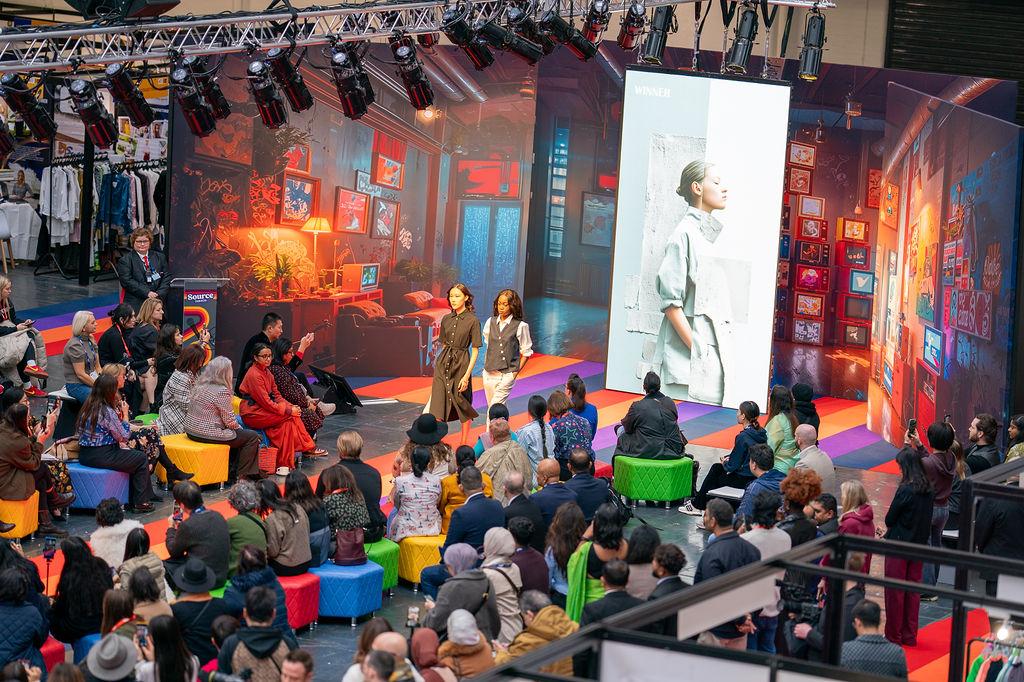
Neuthread has been named as Source Fashion's Charity and Design Partner in a new 12-month collaboration designed to champion circular fashion, inclusion and industry innovation.

Created by autism and neurodiversity charity Daisy Chain, Neuthread has gained industry recognition for transforming textile waste into high-quality fashion collections and became the first charity-led fashion brand to present a scheduled runway show at London Fashion Week in 2024. Through the new partnership, Source Fashion and Neuthread will work together to raise awareness of circular fashion, promote innovative approaches to tackling textile waste and encourage greater collaboration between brands, manufacturers, retailers and sustainability leaders.

Neuthread has been named as Source Fashion's Charity and Design Partner in a new 12-month collaboration designed to champion circular fashion, inclusion and industry innovation.

Created by autism and neurodiversity charity Daisy Chain, Neuthread has gained industry recognition for transforming textile waste into high-quality fashion collections and became the first charity-led fashion brand to present a scheduled runway show at London Fashion Week in 2024. Through the new partnership, Source Fashion and Neuthread will work together to raise awareness of circular fashion, promote innovative approaches to tackling textile waste and encourage greater collaboration between brands, manufacturers, retailers and sustainability leaders.

Founded to challenge the perception that textile waste has reached the end of its life, Neuthread transforms donated, surplus and reclaimed textiles into contemporary fashion collections that combine environmental sustainability with social impact. The brand has rapidly gained recognition for its innovative approach to circular fashion, demonstrating how waste materials can be repurposed into desirable, commercially viable products while creating opportunities for autistic and neurodivergent people to develop skills and access employment pathways within the fashion and textiles sector.

Building on its London Fashion Week success, the organisation has since secured £1.5 million in investment from The National Lottery Community Fund to establish a pioneering circular fashion manufacturing facility in the North East of England, designed to reduce textile waste while creating training, volunteering and employment opportunities through its linked skills academy programme, Mend It Don't Rag It (MIDRI).

Over the next 12 months, the partnership will focus on building an eco-system of brands, manufacturers and retailers with innovative circular solutions, encouraging collaboration across the supply chain and creating new opportunities to repurpose surplus materials and textile waste.

As Design Partner, Neuthread will headline the Source Catwalk throughout the July edition, presenting its collections three times a day alongside trend-led showcases from Source Fashion exhibitors and bringing circular fashion to the forefront of the show's content programme. The partnership will provide a platform to demonstrate how surplus, reclaimed and donated textiles can be transformed into commercially relevant fashion collections, while highlighting the opportunities that circular design presents for the wider industry.

The catwalk showcases will also support Neuthread's ambition to build new relationships with brands, manufacturers and retailers looking for innovative solutions for surplus fabrics, deadstock materials and textile waste streams. Through the partnership, Neuthread hopes to encourage greater collaboration across the industry and demonstrate practical alternatives to landfill and low-value textile recycling.

Johnathon Pickard, Director of Business Development & Income Generation, Neuthread commented: "We are incredibly proud to be partnering with Source Fashion as both Charity Partner and Design Partner for the July show. Source Fashion has established itself as one of the most influential platforms driving conversations around responsible sourcing, sustainability and the future of fashion. Those are conversations that sit at the very heart of what Neuthread is seeking to achieve.

Neuthread was created to challenge the perception that textile waste has reached the end of its life. Through innovative design, circular manufacturing and the talents of autistic and neurodivergent people, we are demonstrating how fashion can create environmental, social and economic impact simultaneously.

Following our journey from becoming the first charity to showcase a scheduled fashion brand collection at London Fashion Week through to securing £1.5 million to establish a pioneering circular fashion manufacturing facility, we are now entering an exciting period of growth. Working alongside Source Fashion provides an opportunity to share that vision with a wider industry audience and inspire new ways of thinking about sustainability, creativity and inclusion.

We are excited about what this partnership can achieve over the next 12 months and look forward to collaborating with the Source Fashion team to demonstrate that fashion can be a force for positive change.”

Suzanne Ellingham, Event Director of Source Fashion, added: “Neuthread is a natural fit for Source Fashion because they bring together creativity, circular innovation and practical action in a way that genuinely resonates with the challenges facing our industry today.

"As our Charity and Design Partner, they will play a central role in the July edition, headlining the Source Catwalk with showcases that demonstrate how surplus, reclaimed and donated textiles can be transformed into commercially relevant fashion collections. Their ambition to build new partnerships across the industry also aligns closely with our mission to connect businesses, encourage collaboration and drive meaningful change.

"From their pioneering manufacturing facility in the North East of England to the Source Fashion catwalk in London, Neuthread showcases the incredible innovation taking place across the UK fashion and textiles sector. We are proud to provide a platform that helps bring those stories to a wider audience and look forward to working together over the next 12 months."

Visitors to Source Fashion's July 2026 edition will be able to experience Neuthread's catwalk collections, engage directly with the team throughout the show and learn more about the organisation's pioneering approach to circular manufacturing, textile waste reduction and inclusive employment.

Source:

Source Fashion

09.06.2026

ECHA identifies new research areas to strengthen chemicals safety

The European Chemicals Agency (ECHA) has identified new research areas where further regulatory scientific research is needed to enhance protection of human health and the environment and strengthen chemicals safety. 

In its updated Key Areas of Regulatory Challenge Report, ECHA calls for targeted research to address gaps in environmental risk assessment and support evidence-based decisions on chemical safety across the EU.

New areas for regulatory science research

The European Chemicals Agency (ECHA) has identified new research areas where further regulatory scientific research is needed to enhance protection of human health and the environment and strengthen chemicals safety. 

In its updated Key Areas of Regulatory Challenge Report, ECHA calls for targeted research to address gaps in environmental risk assessment and support evidence-based decisions on chemical safety across the EU.

New areas for regulatory science research

  • Environmental impacts of chemicals at ecosystem level, to strengthen the link between risk assessment, biodiversity protection and socio-economic decision-making;
  • Mobility of persistent substances, including the need for improved methods and models to identify contaminants that can spread widely in water systems; and
  • Resistance to biocides, requiring harmonised methods to assess risks and ensure continued effectiveness of treatments.

Strengthening ECHA’s regulatory science focus
Dr Sharon McGuinness, ECHA’s Executive Director, said:
"This report reflects ECHA’s strengthened focus on regulatory science, aligning with our vision of chemical safety through science, collaboration and knowledge. We encourage the research community to read the report and work to build the evidence base for future decision-making on chemicals safety.

"The establishment of our new Science Council will ensure our scientific efforts are consistent across the Agency and closely linked to our regulatory needs."
Key Areas of Regulatory Challenge 

The report is part of ECHA’s evolving research agenda and a practical reference for researchers and policymakers, highlighting where scientific advances can deliver the greatest regulatory value. It identifies priority areas where further scientific work is needed to support EU chemicals legislation. The list of research needs is not exhaustive.

The report was originally developed to support the work under the Partnership for the assessment of risk from chemicals (PARC), a Horizon Europe programme aiming to advance risk assessment and strengthen collaboration between scientists and regulators.

Source:

European Chemicals Agency

(c) Girbau
09.06.2026

Girbau: Internal system for more sustainable and efficient solutions

The greatest environmental impact of an industrial washing machine is not generated during its manufacturing process, but throughout the years it remains in operation at the customer’s facilities. Based on this reality, Girbau has developed G-Seeds, an internal sustainability currency designed to integrate emissions reduction into decision-making across the organization and accelerate the decarbonization of its customers’ operations. 

The initiative translates tonnes of CO₂ equivalent into a common unit of measurement, enabling the environmental impact of decisions related to product design, supplier selection, procurement, and the commercialization of more efficient solutions to be assessed consistently. Its aim is to ensure that sustainability is no longer an indicator reserved for specialized departments, but becomes an integral part of the company’s day-to-day operations.

The greatest environmental impact of an industrial washing machine is not generated during its manufacturing process, but throughout the years it remains in operation at the customer’s facilities. Based on this reality, Girbau has developed G-Seeds, an internal sustainability currency designed to integrate emissions reduction into decision-making across the organization and accelerate the decarbonization of its customers’ operations. 

The initiative translates tonnes of CO₂ equivalent into a common unit of measurement, enabling the environmental impact of decisions related to product design, supplier selection, procurement, and the commercialization of more efficient solutions to be assessed consistently. Its aim is to ensure that sustainability is no longer an indicator reserved for specialized departments, but becomes an integral part of the company’s day-to-day operations.

“Talking about CO₂ emissions can be a complex topic and unfamiliar for many people within the organization. We decided to create a sustainability currency to make it more accessible, understandable and, above all, something our own” explains Joan Vilaseca, Sustainability Officer at Girbau. 

The weight of emissions associated with the use of equipment explains the focus of the initiative. According to company data, emissions linked to the use of sold products (Scope 3.11) account for 96% of its total carbon footprint. In addition, an industrial washing machine can generate up to twenty times more emissions over its lifetime than those derived from its manufacturing process.

Results in emissions reduction
The company states that G-Seeds, combined with other initiatives, has contributed to a 33% reduction in Scope 3 emissions in 2025 compared to the 2023 baseline year. These emissions are mainly generated during the operation of the equipment at customers’ facilities, beyond the company’s direct control.

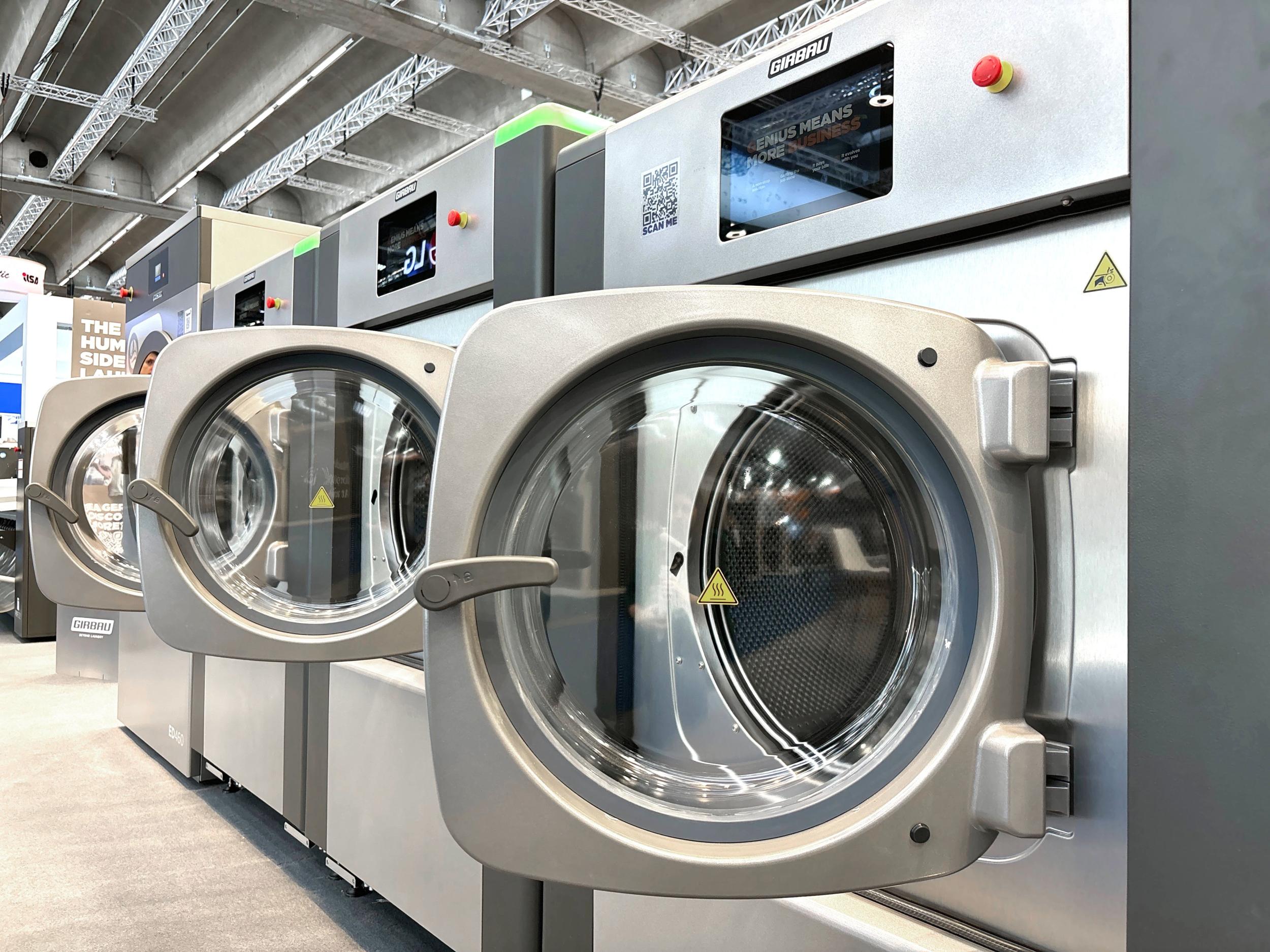
The initiative has also driven the development and adoption of solutions aimed at improving the efficiency of industrial laundries. These include Genius washing machines equipped with a water recovery tank, a system that reuses water from the final rinse for the next wash cycle and enables water consumption to be reduced by up to 35%, as well as Sortech, which promotes more sustainable laundry operations while protecting workers.

“G-Seeds allowed us to become more aware of our environmental impacts and to understand the connections between the different phases of the business. This has helped us make more strategic decisions, strengthen ecodesign practices, and bring these solutions to our customers” says Vilaseca.

External recognition
The project has gained external recognition from one of the most prominent international business schools. It was included as a case study in the 2nd Esade ISS Sustainability in the Workplace Barometer for its ability to integrate sustainability objectives into corporate decision-making.

In the same year, Girbau was awarded the EcoVadis Gold Medal, after having achieved a Bronze rating the previous year. According to the assessment, this recognition places the company among the top 4% of best-rated companies worldwide in terms of sustainability. The company also maintains its goal of achieving carbon neutrality by 2030 and reports having already reduced its Scope 1 and 2 emissions by 35% compared to 2021.

Photo (c) Neo.Fashion.
08.06.2026

Neo.Fashion. Berlin: Emerging Fashion Talent Chart a New Course

More than 620 talents, nine editions, one milestone: Neo.Fashion. celebrates its 10th edition this July and announces a new organizational structure — a clear statement of commitment to the long-term development of emerging talent in the German fashion industry. 

More than 620 talents, nine editions, one milestone: Neo.Fashion. celebrates its 10th edition this July and announces a new organizational structure — a clear statement of commitment to the long-term development of emerging talent in the German fashion industry. 

Germany’s most versatile platform for emerging fashion talent marks its 10th anniversary with a strategic repositioning and a new venue: For its 10th edition, Neo.Fashion. will take place during Berlin Fashion Week from July 2 to 4, 2026, in a former industrial hall at “Neues Ufer 13” in Berlin-Moabit. The program includes the Best Graduates Shows and Aspiring Designer Shows, alongside the presentation of the Neo.Fashion. Award and the Digital Fashion Award. To date, ten universities from Germany, Austria, Switzerland, and Ukraine have confirmed their participation. A strong emphasis on sustainability defines this year’s collections. With the establishment of the non-profit Neo.Fashion. e.V. in 2025, the initiative has further professionalized its organizational structure, creating a more robust foundation for the long-term promotion of emerging design talent. 
 
What started in 2017 as a vision has since become a defining fixture for young fashion designers across Germany: Neo.Fashion. is celebrating its 10th edition this year. Since the inaugural graduate show in the fall of 2017 at Motorwerk Weißensee in Berlin, more than 620 graduates from across the country have presented their final collections on the Neo.Fashion. stage. In 2019, the platform became an official part of Berlin Fashion Week, cementing its place in the international fashion calendar. With the Best Graduates Shows, the Aspiring Designer Shows, the Neo.Fashion. Award, and the Digital Fashion Award — launched for the first time last year — Neo.Fashion. has grown into a unique ecosystem that goes far beyond a pure presentation platform. 

The founding of the nonprofit Neo.Fashion. e.V. in 2025 marks a pivotal step toward sustained, structured talent development. A newly expanded organizational team now manages the full range of Neo.Fashion. activities — from university coordination and communications to technical production, industry partnerships, textile research, and startup outreach. Workshops, competitions, mentoring programs, and international collaborations will be part of the platform’s expanded offering going forward. 

Neo.Fashion. is also making a geographic move. From July 2 through 4, 2026 — as always, in sync with Berlin Fashion Week — the event relocates to “Neues Ufer 13” (“New Shore 13”) in the Berlin district of Moabit: a former industrial hall whose raw, urban aesthetic provides an authentic backdrop for young, uncharted fashion voices. “We see ‘Neues Ufer’ as a metaphor — for us as a format that has reinvented itself time and again over ten years, and for the talents who show their collections here with a new shore as their destination,” says Jens Zander, CEO of brand experience agency S49, founder of Neo.Fashion., and director of the new Neo.Fashion. e.V., where he oversees production and strategic development. 

More than ten professional runway shows are planned, featuring selected graduates from nearly all German fashion schools presenting their collections. Each show will spotlight six to eight emerging designers. In total, up to 80 participants will take the stage in July, presenting their work to a broad public audience—well beyond the industry itself. This open and inclusive approach sets Neo.Fashion apart from other formats. 
Ten universities have already confirmed their participation: Hochschule Pforzheim (Pforzheim), Hochschule Niederrhein (Krefeld, Mönchengladbach), AMD Akademie Mode & Design (Berlin, Hamburg, Düsseldorf, Wiesbaden, Munich), Hochschule Reutlingen (Reutlingen), Hochschule Hannover (Hannover), Hochschule Bielefeld (Bielefeld), Hochschule für Technik und Wirtschaft Berlin – HTW Berlin (Berlin), Hochschule Macromedia (Berlin), Burg Giebichenstein Kunsthochschule Halle (Halle/Saale), and HAW Hamburg – University of Applied Sciences (Hamburg). On the international side: the University of Art and Design Linz (Linz, Austria), the Academy of Art and Design Basel – HGK FHNW (Basel, Switzerland), Fashion Art Toronto (Toronto, Canada), and the Kyiv National University of Technologies and Design – KNUTD (Kyiv, Ukraine). 

One theme runs through nearly every collection shown at Neo.Fashion.: sustainability. What was a niche concern a decade ago is now a core driver of young designers’ creative work. From material sourcing and production processes to circular design principles, Neo.Fashion. graduates are rethinking fashion from the ground up — and setting new standards for a responsible future in the industry. Neo.Fashion. actively supports this shift, providing space for innovative, sustainable approaches. 

Nurturing Talent as an Investment in the Future 
Germany’s fashion economy — including retail, startups, and FashionTech — contributes approximately €70 billion to the country’s GDP and supports around one million jobs, according to research by Oxford Economics commissioned by the Fashion Council Germany (FCG) and the Federal Ministry for Economic Affairs and Climate Action (BMWK). The German textile and apparel industry generates around €32 billion in annual revenue and employs more than 120,000 people across approximately 1,400 companies. The German apparel market as a whole recorded revenues of around €67.7 billion in 2025. 

Maintaining and growing that position demands a consistent pipeline of new talent. Platforms like Neo.Fashion. play a central role in bridging the gap between education and professional entry — giving emerging designers the visibility and industry connections they need to launch their careers. 

Success Stories and International Partnerships 
The impact of Neo.Fashion. as a launchpad for young designers is evident in the careers that have followed: many alumni who showed their first collections on the Neo.Fashion. runway have since returned with their own labels — and are now fixtures in the Berlin Fashion Week calendar. 

Particularly noteworthy is the partnership with Ukrainian Fashion Week, established in 2022, which gives Ukrainian design talent an international platform despite the difficult situation in their home country. Strategic partners including the Fashion Council Germany (FCG) and the German Textile and Fashion Federation (Gesamtverband textil+mode) support Neo.Fashion. in broadening its reach and opening doors into the industry for emerging designers. 

Neo.Fashion. — The Ecosystem 
Best Graduates Show: The flagship show of Neo.Fashion. during Berlin Fashion Week, in which the best final collections from fashion design students across Germany are presented in professional runway shows. 

Neo.Fashion. Award: An award recognizing outstanding emerging talent distinguished by exceptional creativity, innovation, or sustainability in their collections — designers who are setting the agenda for the future of the industry. 

Aspiring Designer Shows: A platform for young designers who have already taken their first steps toward independence and are building their own labels — giving them the opportunity to present their current collections to a broad professional audience. 

Digital Fashion Award: Launched in 2025, this award signals a shift in how fashion engages with the digital world — treating it not just as a tool, but as a creative space in its own right. For Neo.Fashion., it marks a key step in the evolution of the format and opens a new chapter in supporting digital emerging talent. 

Neste RE is produced from ISCC certified and traceable renewable raw materials, such as waste and residues like used cooking oil. Source: Neste
Neste RE is produced from ISCC certified and traceable renewable raw materials, such as waste and residues like used cooking oil.
04.06.2026

Renewable nylon fiber for THE NORTH FACE brand

Goldwin Inc., Neste, Idemitsu Kosan Co., Ltd., and Toray Industries, Inc. have established a supply chain for nylon fiber made from renewable raw materials. Neste supplies Neste RE™, a renewable raw material that enables the production of high-performance renewable nylon fiber and reduces the reliance on fossil feedstocks. The nylon fiber produced through this project is scheduled to be used by Goldwin for a part of THE NORTH FACE products in August 2026. 

Renewable naphtha, or Neste RE, is made from bio-based raw materials such as used cooking oil and other renewable raw materials. It is a lower-GHG-emission alternative to conventional fossil feedstocks. With the use of neat (i.e., unblended) renewable Neste RE, over 85%* of the greenhouse gas (GHG) emissions of the raw material are reduced compared to the use of virgin fossil raw materials. Bio-based plastics derived from Neste RE are of identical quality to those made from virgin fossil feedstocks and can be turned into exactly the same products and used for the same applications.

Goldwin Inc., Neste, Idemitsu Kosan Co., Ltd., and Toray Industries, Inc. have established a supply chain for nylon fiber made from renewable raw materials. Neste supplies Neste RE™, a renewable raw material that enables the production of high-performance renewable nylon fiber and reduces the reliance on fossil feedstocks. The nylon fiber produced through this project is scheduled to be used by Goldwin for a part of THE NORTH FACE products in August 2026. 

Renewable naphtha, or Neste RE, is made from bio-based raw materials such as used cooking oil and other renewable raw materials. It is a lower-GHG-emission alternative to conventional fossil feedstocks. With the use of neat (i.e., unblended) renewable Neste RE, over 85%* of the greenhouse gas (GHG) emissions of the raw material are reduced compared to the use of virgin fossil raw materials. Bio-based plastics derived from Neste RE are of identical quality to those made from virgin fossil feedstocks and can be turned into exactly the same products and used for the same applications.

“Renewable materials made from Neste RE meet the performance standards of global brands like THE NORTH FACE operated by Goldwin Inc. This project with Goldwin, Idemitsu, and Toray shows how the fashion industry's dependence on fossil resources can also be reduced for high-performance products. It demonstrates how our drop-in solutions can rapidly transform complex value chains to help brands work towards their climate targets,” says Maiju Helin, Director of Polymers and Chemicals at Neste.

Fossil-based feedstocks, like naphtha, can be replaced with Neste RE without changes to the polymers and chemicals manufacturing infrastructure or processes; it is a seamless drop-in solution. In building this supply chain, the participating companies utilized existing facilities and applied the mass balance** approach.

Mitsubishi Corporation coordinated the participating companies in establishing the supply chain for renewable nylon fiber in Goldwin's products.

This collaboration marks Neste’s second supply chain collaboration for THE NORTH FACE products, following a similar partnership in July 2024.

Source:

Neste Corporation