From the Sector

Reset
TRAPIS Textile Printing Photo Mimaki Europe
TRAPIS Textile Printing
17.12.2025

Mimaki: TRAPIS Textile Printing at Heimtextil 2026

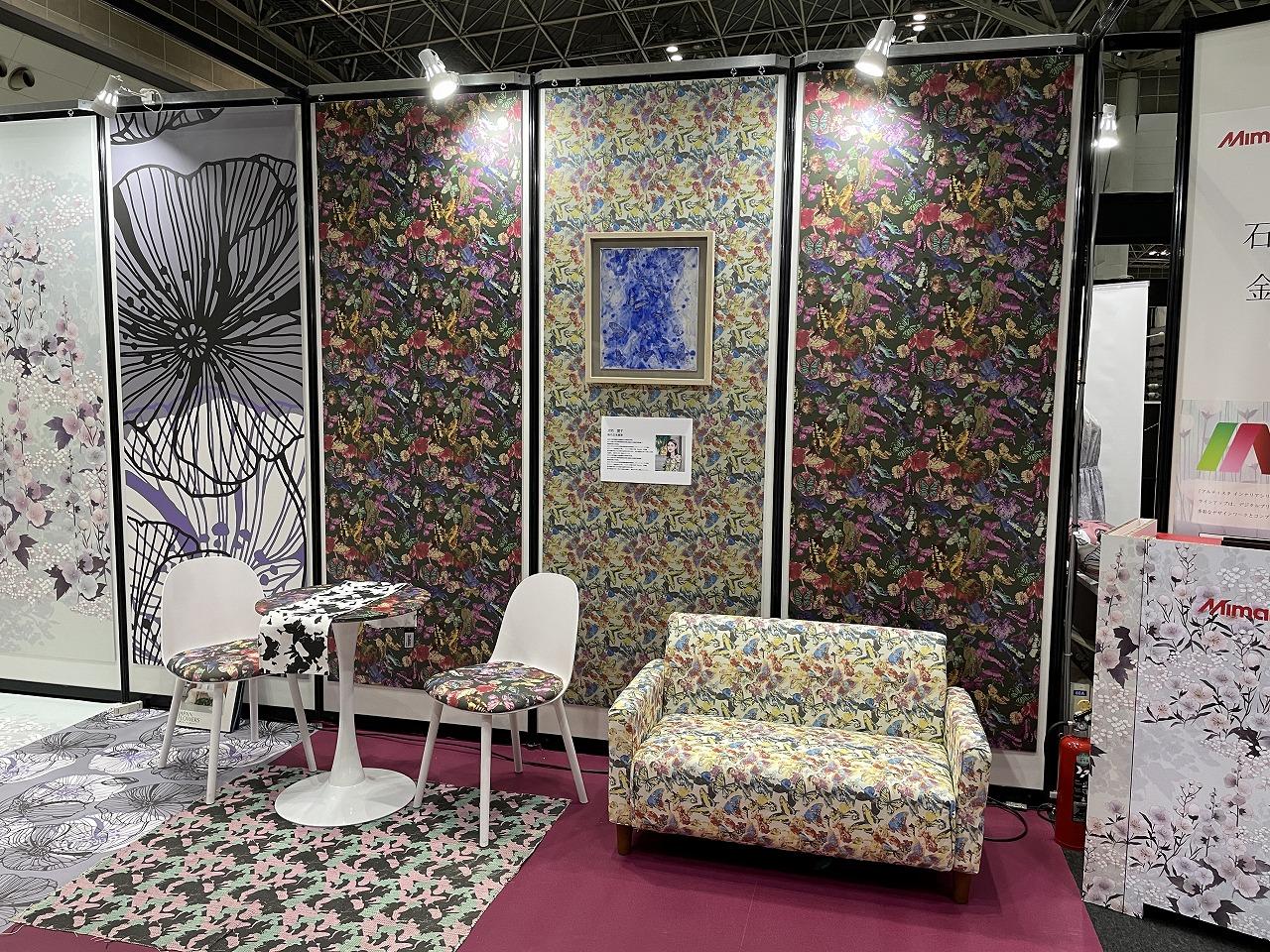
Mimaki Europe, a leading provider of industrial inkjet printers and cutting plotters will return to Heimtextil with a renewed focus on material versatility and simplified textile production. At the tradeshow, the company will present TRAPIS, its innovative pigment transfer printing system that enables manufacturers to print on a wide range of fabrics using a single ink set – ranging from natural fibres to blended and synthetic fabrics. Designed for easy, compact and cost-efficient operation, TRAPIS removes traditional barriers to digital textile printing, while also offering the added benefit of drastically reduced water use compared to conventional processes.

Mimaki Europe, a leading provider of industrial inkjet printers and cutting plotters will return to Heimtextil with a renewed focus on material versatility and simplified textile production. At the tradeshow, the company will present TRAPIS, its innovative pigment transfer printing system that enables manufacturers to print on a wide range of fabrics using a single ink set – ranging from natural fibres to blended and synthetic fabrics. Designed for easy, compact and cost-efficient operation, TRAPIS removes traditional barriers to digital textile printing, while also offering the added benefit of drastically reduced water use compared to conventional processes.

“Opening up opportunities, without the constraints of material restrictions and overly complex workflows, will give manufacturers that much needed operational freedom,” says Arjen Evertse, Director Sales at Mimaki Europe. “With TRAPIS, users can print on a wide variety of fabrics using a single ink set, something that traditional processes simply cannot offer. And because TRAPIS requires no pre-treatment, no washing and minimal infrastructure, it becomes an accessible solution for companies of any size. The fact that it also uses significantly less water is a valuable bonus, but its greatest impact lies in how easily it enables short-run, customised and localised printing on virtually any textile.”

Heimtextil visitors will experience first-hand TRAPIS’ ground-breaking yet simple two-step pigment transfer printing process on Mimaki’s booth – comprising of a Mimaki TS330-1600 with built-in heater, TP410 inks and a high-pressure calender. TRAPIS is uniquely positioned with its ability to print on a wide variety of fabrics, including cotton, viscose, polyester, blends and synthetics, unlike sublimation printing, which is limited to polyester-based textiles. Additionally, its compact footprint makes it ideal for small studios and businesses looking to introduce on-demand or short-run textile services, while reducing maintenance requirements and overall running costs.

The streamlined TRAPIS workflow also offers a sustainable solution to users, reducing water consumption by up to 90% (saving approximately 14.5 litres per square metre). The TRAPIS pigment inks are ZDHC MRSL Level 3 compliant and bluesign® APPROVED, ensuring both environmental and user safety.

EDANA Sustainability & Policy Forum 2025 Photo EDANA
EDANA Sustainability & Policy Forum 2025
17.12.2025

EDANA: Uniting the industry and EU policymakers to navigate the future of nonwovens

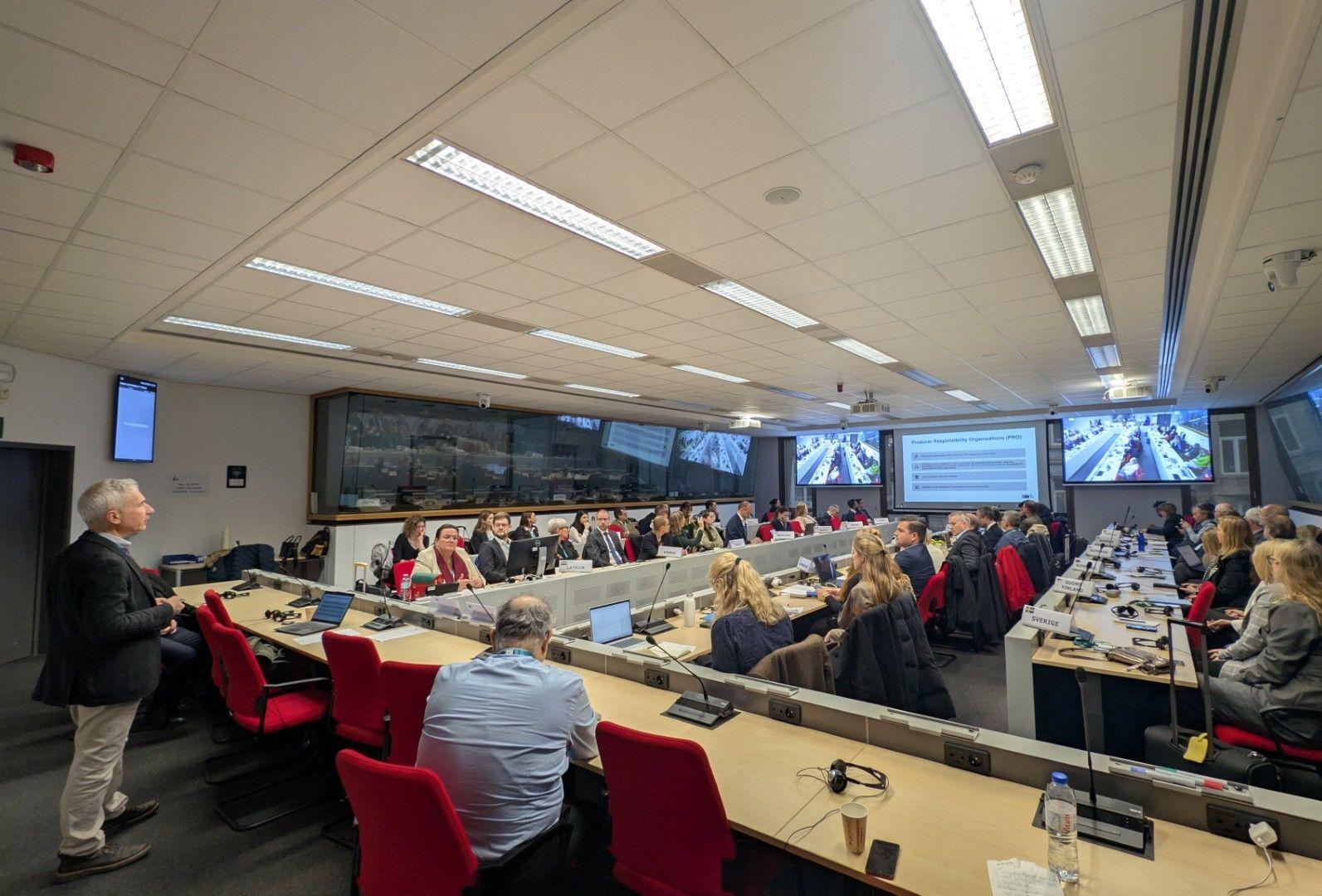
Against a backdrop of rapidly evolving environmental legislation, the EDANA Sustainability & Policy Forum 2025 concluded the past week in Brussels, marking a step forward in the dialogue between the nonwovens industry and European policymakers. Held from 9-10 December at the historic Residence Palace, the two-day event successfully brought together business leaders, sustainability experts, and EU officials to address the dual challenges of circularity and industrial competitiveness. 

Designed to foster strategic alignment, the Forum moved beyond standard information-sharing to encourage deep, cross-sector debate. With the European regulatory landscape shifting—spanning chemicals, product design, waste, and climate due diligence—the event provided a timely platform for the industry to move from reactive responses to collective reflection. 

The Forum’s primary objective was to facilitate high-level exchange free from day-to-day regulatory pressures. 

Against a backdrop of rapidly evolving environmental legislation, the EDANA Sustainability & Policy Forum 2025 concluded the past week in Brussels, marking a step forward in the dialogue between the nonwovens industry and European policymakers. Held from 9-10 December at the historic Residence Palace, the two-day event successfully brought together business leaders, sustainability experts, and EU officials to address the dual challenges of circularity and industrial competitiveness. 

Designed to foster strategic alignment, the Forum moved beyond standard information-sharing to encourage deep, cross-sector debate. With the European regulatory landscape shifting—spanning chemicals, product design, waste, and climate due diligence—the event provided a timely platform for the industry to move from reactive responses to collective reflection. 

The Forum’s primary objective was to facilitate high-level exchange free from day-to-day regulatory pressures. 

“From EDANA’s side, the primary goal of the Sustainability & Policy Forum is to create a dedicated space where industry, policymakers, experts and stakeholders can step back from day-to-day regulatory pressure and engage in more strategic, forward-looking discussions,” said Murat Dogru, General Manager of EDANA. “The level of participation, the diversity of viewpoints and the quality of exchanges — particularly around regulation, circularity and the evolving policy landscape during our dedicated advocacy workshops — confirmed the relevance of the Forum as a platform for constructive debate and co-development”. 

The Forum opened with a powerful keynote address by Sandrine Dixson-Declève, Co-Founder & Chair of the Systems Transformation Hub. Addressing the theme "Social & Environmental Tipping Points," she challenged attendees to unpack the reality of today's geopolitical situation and identified the "elephants in the room" regarding current sustainability strategies. Her presentation underscored the urgent need to "hack humanity and values back into our policy and economic activities" to navigate the systemic challenges of the 21st century. 

Following the keynote, the conversation turned to the practicalities of business leadership under regulatory pressure. Ulrika Kolsrud, President & CEO of Essity, led a pivotal session on "Sustainability priorities in the age of simplification and competitiveness". Joined by Murat Dogru, Kolsrud explored how the European industry can maintain its ambitious sustainability goals while simplifying regulations to foster investment and innovation. The session highlighted that while sustainability expectations are rising globally, legislation must remain proportionate to ensure the continued competitiveness of essential European industries. 

The programme featured intensive sessions tackling the industry's operational challenges, featuring a diverse roster of experts: 

Moving beyond compliance was a key theme. Krishna Manda (Lenzing) and Anna-Stina Reuter (Sphera) discussed how sustainability reporting can drive business value and resilience. They were joined by Pia Hildén (Suominen), who encouraged companies to use the CSRD as a strategic tool rather than a mere obligation, and Ralf Weis (Freudenberg Performance Materials), who highlighted the importance of providing clear, relevant data to customers in the durable nonwovens market. 

A panel featuring Lutz Walter (Textile ETP), Mireille Kong - Van Rekum (Indorama Ventures), and Christian-Yves Crépet (PETCORE Europe) debated the intersection of textiles and nonwovens. Their consensus was clear: circularity in Europe cannot be achieved in silos and requires shared infrastructure and aligned policy frameworks. 

The afternoon sessions explored specific technical frontiers. Dominic Byrne (Plastics Europe) and Thorsten Bies (Schlegel und Partner) examined the future of chemical recycling policy and technology. Meanwhile, Tatiana Dias, PhD (DuPont), addressed the healthcare sector, advocating for the legal recognition of mass balance methodologies to unlock circularity in medical packaging 

Day 1 concluded with an exclusive networking dinner at the prestigious Musée BELvue. Surrounded by Belgium’s rich history and elegant architecture, participants utilized the evening to unwind and connect, reinforcing the relationships that are vital for cross-industry collaboration.

The second day shifted focus directly to advocacy and policy implementation. Hugo Maria Schally, a former EU official, provided an insider’s perspective on the "EU Toolbox," explaining how product policies are drafted within DG ENV and how the industry can engage effectively without compromising safety or performance. 

A highlight of the event was the interactive EU Advocacy Workshop. Attendees split into smaller groups to dissect EDANA’s current policy files, fostering an open exchange on issues ranging from the Waste Framework Directive to the Single-Use Plastics Directive. 

One participant noted the value of this hands-on approach: 
"The advocacy workshop was an eye-opener. Instead of just listening to updates, we were able to actively debate the implications of the legislation with peers. It clarified exactly where the industry needs to present a united front to be heard in Brussels." 

In a move to bridge the gap between legislation and industry, the Forum concluded with a visit to the European Commission at the Conference Centre Albert Borschette. Participants engaged directly with Commission representatives, including Vincenzo Gente (DG Environment) on the Waste Framework Directive and Ewa Malz (DG Environment) on environmental policy simplification. 

Reflecting on the visit, another attendee shared: 
"Walking into the Commission and hearing directly from the people drafting the Green Deal policies was invaluable. It demystified the process and showed us that there is a genuine willingness to listen to technical realities if we present them with credible data." 

The EDANA Sustainability & Policy Forum 2025 has set a clear trajectory for the coming year. As the industry faces the release of new legislative packages from the Commission, EDANA remains committed to helping members anticipate developments and align on credible, science-based approaches to climate and circularity.

Borealis Partners with BlueAlp to Advance Chemical Recycling Photo Borealis Group
16.12.2025

Borealis Partners with BlueAlp to Advance Chemical Recycling

  • Borealis has entered a strategic partnership with BlueAlp, a chemical recycling technology leader based in Eindhoven, the Netherlands
  • Under the agreement, Borealis will transfer its majority stake in Renasci to BlueAlp, and acquire a direct 10% stake in BlueAlp to support its future growth and scale-up
  • The strategic move reflects Borealis’ evolving engagement in the chemical recycling value chain
  • Operating chemical recycling assets is for BlueAlp a logical next step that accelerates technology innovation and strengthens the licensing proposition 

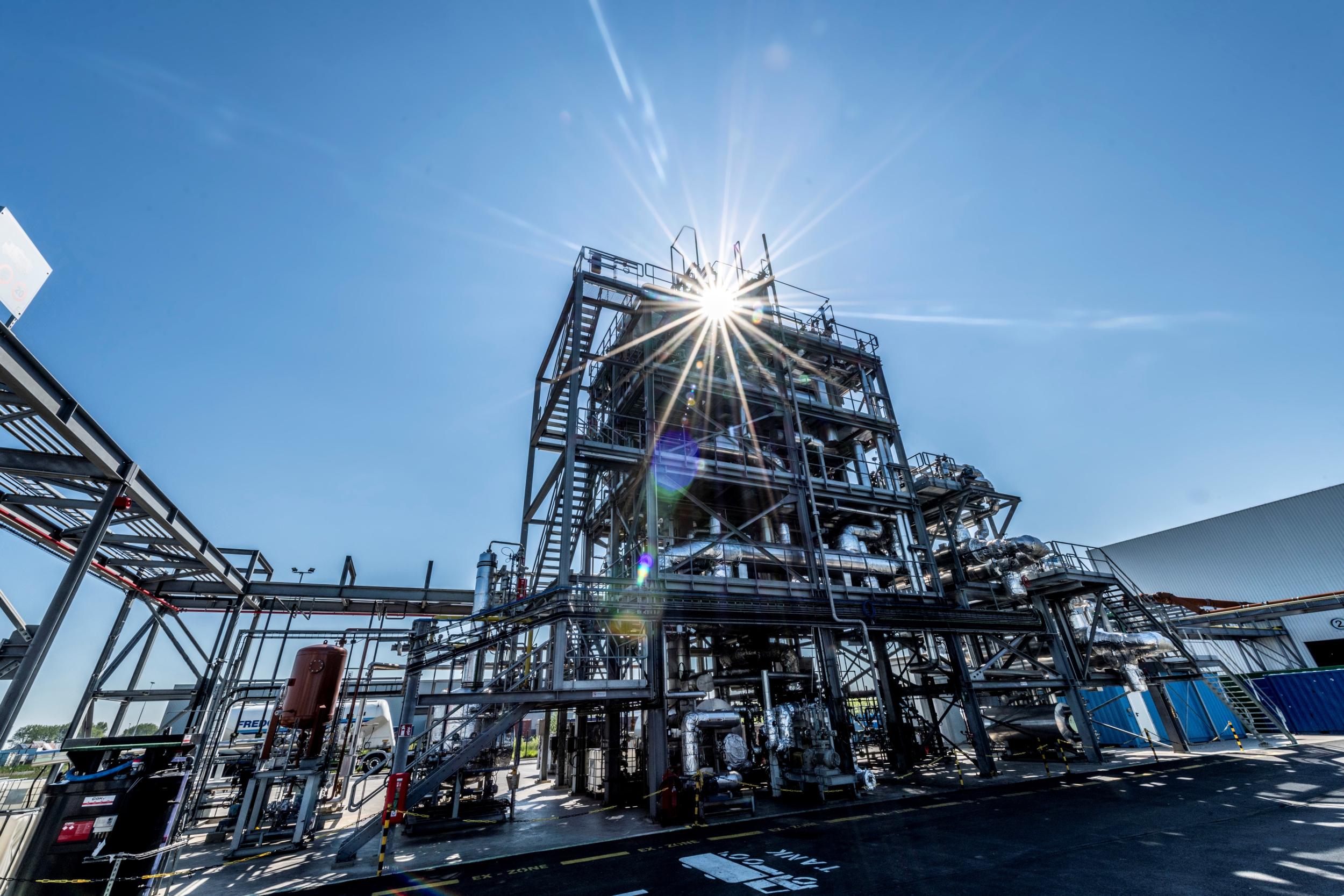
December 16, 2025, Borealis announced a strategic partnership with BlueAlp, a leading chemical recycling technology company headquartered in Eindhoven, the Netherlands. The partnership will see Borealis transfer its majority share in Renasci, a chemical recycling company based in Ostend, Belgium, to BlueAlp, while acquiring a 10% share in BlueAlp to support its future growth and scale-up.
 

  • Borealis has entered a strategic partnership with BlueAlp, a chemical recycling technology leader based in Eindhoven, the Netherlands
  • Under the agreement, Borealis will transfer its majority stake in Renasci to BlueAlp, and acquire a direct 10% stake in BlueAlp to support its future growth and scale-up
  • The strategic move reflects Borealis’ evolving engagement in the chemical recycling value chain
  • Operating chemical recycling assets is for BlueAlp a logical next step that accelerates technology innovation and strengthens the licensing proposition 

December 16, 2025, Borealis announced a strategic partnership with BlueAlp, a leading chemical recycling technology company headquartered in Eindhoven, the Netherlands. The partnership will see Borealis transfer its majority share in Renasci, a chemical recycling company based in Ostend, Belgium, to BlueAlp, while acquiring a 10% share in BlueAlp to support its future growth and scale-up.
 
Renasci licensed BlueAlp’s technology to create a 20 kt p.a. scale-up plant, which BlueAlp engineered, constructed, and has supported throughout its operation in recent years. Moving from supporting operations to directly operating the asset is a logical next step in BlueAlp’s growth. This will accelerate technology innovation, establish a robust platform for producing high-quality circular feedstock, and further strengthen BlueAlp’s licensing proposition.
 
Since entering into Renasci, Borealis has led the development to become one of the few operating chemical recycling plants in Europe. Following the agreement, BlueAlp will lead the next phase of development and further advancement of Renasci, while Borealis continues to develop customer solutions based on chemically-recycled feedstock.“Borealis’ direct support comes at a pivotal moment in the chemical recycling industry, where rapid expansion of capacity is needed to achieve recycled content targets. Their market experience and materials expertise will support our growth and position us well to turn more plastic waste into high-quality circular feedstock,” says Valentijn de Neve, BlueAlp CEO.
 
This collaboration helps Borealis and BlueAlp’s customers and partners across the value chain to prepare for the EU’s upcoming Packaging and Packaging Waste Regulation (PPWR) in 2030, which is expected to increase demand for recycled materials suitable for contact-sensitive applications like food and cosmetics packaging, such as those based on chemically recycled feedstock.
 
”The deepening of the partnership with BlueAlp, combining assets and technology, will accelerate progress in chemical recycling for the industry,” says Stefan Doboczky, Borealis CEO. “It will allow Borealis to accelerate serving our customer base with an ever-broadening range of polymers based on chemically recycled feedstock. This transaction is fully in line with Borealis We4Customers Strategy, helping customers to deliver on their sustainability ambitions, whilst strengthening the innovation and operational focus of the group.”
 
The financial details of the transaction are not being disclosed.


Source:

Borealis Group

Outlast® Wins WTiN Innovate Textile Award with Aersulate® Grafik Outlast Technologies GmbH
16.12.2025

Outlast® Wins WTiN Innovate Textile Award with Aersulate®

Outlast Technologies GmbH has been awarded the WTiN Innovate Textile Award in the cate-gory Material Innovation for Aersulate®, its aerogel-infused insulation technology. The award honors outstanding achievements in advanced material development and textile innovation.

Aersulate® marks a significant advancement in thermal insulation. The technology integrates aerogel, whose highly porous structure efficiently traps air, delivering exceptional thermal per-formance at extremely low weight and minimal thickness. In Aersulate® wadding, aerogel ac-counts for approximately 50% of the material volume, enabling superior insulation without bulk.

Outlast Technologies GmbH has been awarded the WTiN Innovate Textile Award in the cate-gory Material Innovation for Aersulate®, its aerogel-infused insulation technology. The award honors outstanding achievements in advanced material development and textile innovation.

Aersulate® marks a significant advancement in thermal insulation. The technology integrates aerogel, whose highly porous structure efficiently traps air, delivering exceptional thermal per-formance at extremely low weight and minimal thickness. In Aersulate® wadding, aerogel ac-counts for approximately 50% of the material volume, enabling superior insulation without bulk.

Their minimal space requirements enable entirely new applications and make solutions possible that were previously unfeasible due to limited available space. At the same time, Aersulate® fabrics and waddings retain nearly all of their performance even under compression and humidi-ty. Unlike conventional insulation materials, they provide reliable thermal insulation and com-fort under demanding conditions. This makes Aersulate® a powerful solution for applications where consistent performance is essential, regardless of environment or use.

Reflecting the strategic relevance of the innovation, Outlast is positioning Aersulate® for broad market adoption. “We will deploy our Aersulate® fabrics and waddings across multiple high-value product segments - including bedding, safety equipment, footwear, and apparel. Our goal is clear: to establish Aersulate® as a scalable performance solution with broad market applicability wherever thermal management, comfort, and lightweight insulation make the difference,” said Martin Bentz, CEO of Outlast Technologies GmbH.

Reflecting on the award recognition, Bentz emphasized that working with aerogel represents one of the most demanding challenges in material innovation. Extremely lightweight yet highly frag-ile, aerogel is difficult to process, integrate, and stabilize within textile structures. Transforming this exceptional but complex material into scalable, durable fabrics and waddings requires deep material expertise, precision engineering, and sustained research efforts.

“Winning this award makes us genuinely proud. It is a strong recognition of our work and a clear confirmation that we are on the right path with innovative insulation solutions like Aersulate® - solutions that resonate with market needs and set new standards for performance,” Bentz add-ed.

Source:

Outlast Technologies GmbH