From the Sector

Reset
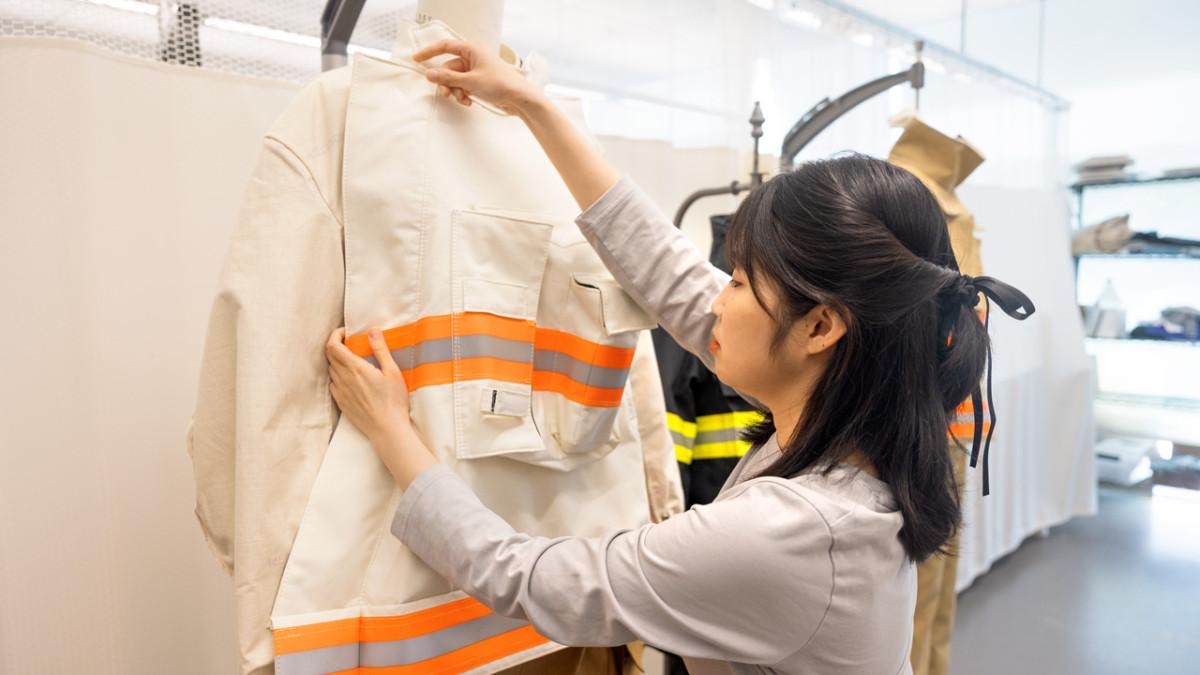
Huieun Do, M.A. ’25, a member of the Performance Apparel Design Lab, works with a prototype of the redesigned fire gear the lab is developing in coordination with professional firefighters. (c) Jason Koski/Cornell University
Huieun Do, M.A. ’25, a member of the Performance Apparel Design Lab, works with a prototype of the redesigned fire gear the lab is developing in coordination with professional firefighters.
11.06.2026

Redesigned fire gear offers potentially more cooling, less toxicity

A Cornell researcher’s bold new redesign of firefighter gear – which hasn’t significantly changed in decades – is more versatile and better adapted to their actual work, only a small fraction of which involves actually fighting structure fires.

Heeju Terry Park, the Vincent V.C. Woo Professor in the Department of Human Centered Design in the College of Human Ecology, and his lab developed the new two-piece, Velcro- and zipper-equipped suits after interviewing more than 50 firefighters. 

“I was asked to design new turnout gear for better thermal management and work efficiency,” Park said. “Current turnout gear has been used for decades with modest changes of design and materials despite increasing fire service roles for handling more wildland fires and emergency rescue operations.”

Huieun Do, M.A. ’25, a member of the Performance Apparel Design Lab, works with a prototype of the redesigned fire gear the lab is developing in coordination with professional firefighters.

A Cornell researcher’s bold new redesign of firefighter gear – which hasn’t significantly changed in decades – is more versatile and better adapted to their actual work, only a small fraction of which involves actually fighting structure fires.

Heeju Terry Park, the Vincent V.C. Woo Professor in the Department of Human Centered Design in the College of Human Ecology, and his lab developed the new two-piece, Velcro- and zipper-equipped suits after interviewing more than 50 firefighters. 

“I was asked to design new turnout gear for better thermal management and work efficiency,” Park said. “Current turnout gear has been used for decades with modest changes of design and materials despite increasing fire service roles for handling more wildland fires and emergency rescue operations.”

Huieun Do, M.A. ’25, a member of the Performance Apparel Design Lab, works with a prototype of the redesigned fire gear the lab is developing in coordination with professional firefighters.

Park’s yearlong redesign project – which included Huieun Do, M.A. ’25; Albert Lin, M.A. ’23; and Kim Phung Nguyen, all doctoral students in apparel design – was supported by a grant from the Federal Emergency Management Agency.

The project was in collaboration with International Personnel Protection Inc., a private consulting company, as a subcontractor to the International Association of Fire Fighters (IAFF), the union representing more than 360,000 professional firefighters and paramedics in North America. This work was undertaken as part of a Department of Homeland Security grant to the IAFF.

The term “firefighter,” while technically accurate, doesn’t paint the full picture of what these men and women do on a daily basis. In fact, according to the U.S. Fire Administration, more than 60% of fire department responses are for medical aid calls. Firefighters respond more to false alarms (8%) than to actual fires (3.9%).

Firefighters don’t always need their bulky turnout gear, which creates additional physiological stress due to heat and restricted movement. Additionally, some of the materials these protective suits contain or are treated with PFAS (per- and polyfluoroalkyl substances), known carcinogens dubbed “forever chemicals.”

Park’s Performance Apparel Design Lab’s modernized gear, inspired by the suits worn by Formula 1 racecar drivers, can be adapted to the task at hand, and uses noncarcinogenic materials.

In interviews, the researchers identified three primary problems with firefighter suits:
•    These suits are designed mainly for thermal protection – understandable, but since less than 4% of firefighter calls are for fires, firefighters are often overdressed. According to the U.S. Fire Administration, the main cause of on-duty firefighter death is cardiovascular in nature, triggered by heat stress;
•    A growing number of firefighters are women (approximately 9% of all firefighters, paid and volunteer), and clothing generally designed for men don’t always work if they’re just made smaller; and
•    The PFAS chemicals used to treat suits pose a significant health risk. According to the Firefighter Cancer Support Network, firefighters are 9% more likely than the general public to be diagnosed with cancer, and 14% more likely to die from it.

Traditional fire suits are multilayer, heavy-duty coats and pants featuring three layers of material – a flame- and puncture-resistant outer shell, made from a blend of Kevlar (Para-aramid) and polybenzimidazole (PBI) or Nomex fibers; a moisture barrier, typically made from heat-resistant breathable film material laminated to an aramid substrate; and a thermal barrier to provide additional thermal insulation. 

The main difference between current firefighter clothing and the Park lab’s redesign is versatility. The new clothing strikes a balance between a one-piece coverall concept and the more traditional two-piece design. Lin said that in interviews with firefighters, a one-piece coverall wasn’t well received.

“The firefighters were very hesitant to accept a coverall design,” Lin said, “so we had to navigate creating something that has the level of protection that a coverall provides, but in a design where firefighters will be more accepting of it.”

The new design is two pieces, which can be connected with zippers and Velcro to function as a coverall. The protective outer layer of the top can be unzipped and secured around the waist or completely removed when not needed, a feature similar to the suits worn by F1 racers.

“This unique design feature will enable firefighters to quickly cool down their body in non-firefighting situations,” Park said. In particular, the upper portion of the redesigned gear promotes effective heat release; more than 60% of perspiration occurs in the head and torso.

Additionally, the top features dual vertical zippers, for ease of donning and removal; a detachable front panel, convenient for bathroom breaks; two-way zippers to allow for ventilation; and a lower collar to reduce skin irritation and improve breathability.

The detachable front pocket of the redesigned fire suit features compartments so tools can be custom-organized by the firefighter. 

Another improvement is the front pocket, which typically stores the tools a firefighter needs. To facilitate quick access, the new design’s pocket features compartments so the tools can be custom-organized by the firefighter for ease of access in stressful situations.

The pocket is also detachable, and can be secured in front to accommodate either right- or left-handed people, and so access is not restricted, for example, by the straps of an oxygen tank.

Considering the significant concern over PFAS chemicals, the new gear Park’s team designed were prototyped using PFAS-free fabrics for the outer shell and moisture barrier. Recently, some U.S. states have moved toward banning turnout gear with PFAS; Canada and the European Union have moved toward banning PFAS in all goods, including turnout gear.

In the U.S., PFAS bans are mostly enacted at the local and state level; what few federal proposals there are only fund research into PFAS replacements, but not regulation. State-level bans have been enacted, but are not yet in effect, in Connecticut, Massachusetts, New York, Florida, Illinois, and California; disclosure laws also have been enacted in Rhode Island.

Most state-level PFAS bans restrict buying of turnout gear with PFAS; however, they do not fund the replacement or purchase of new turnout gear.

Park is hoping to secure additional funding to enable further testing of the updated fire suits, with firefighters in Ithaca as well as at the New York City Fire Department training facility on Randall’s Island.

“I want to test whether this is really better designed to handle all the stressful tasks,” he said. “We want to see how quickly they can put it on and take it off, and how quickly they can reach the tools without dexterity issues, and how they feel about the new design aesthetically, culturally, psychologically, and whether it works for men, women, tall people, small people. That’s the next step.”

Photo AIMPLAS
11.06.2026

IMPLICIT: New Pathways for Recycling Auxiliary Composite Manufacturing Waste

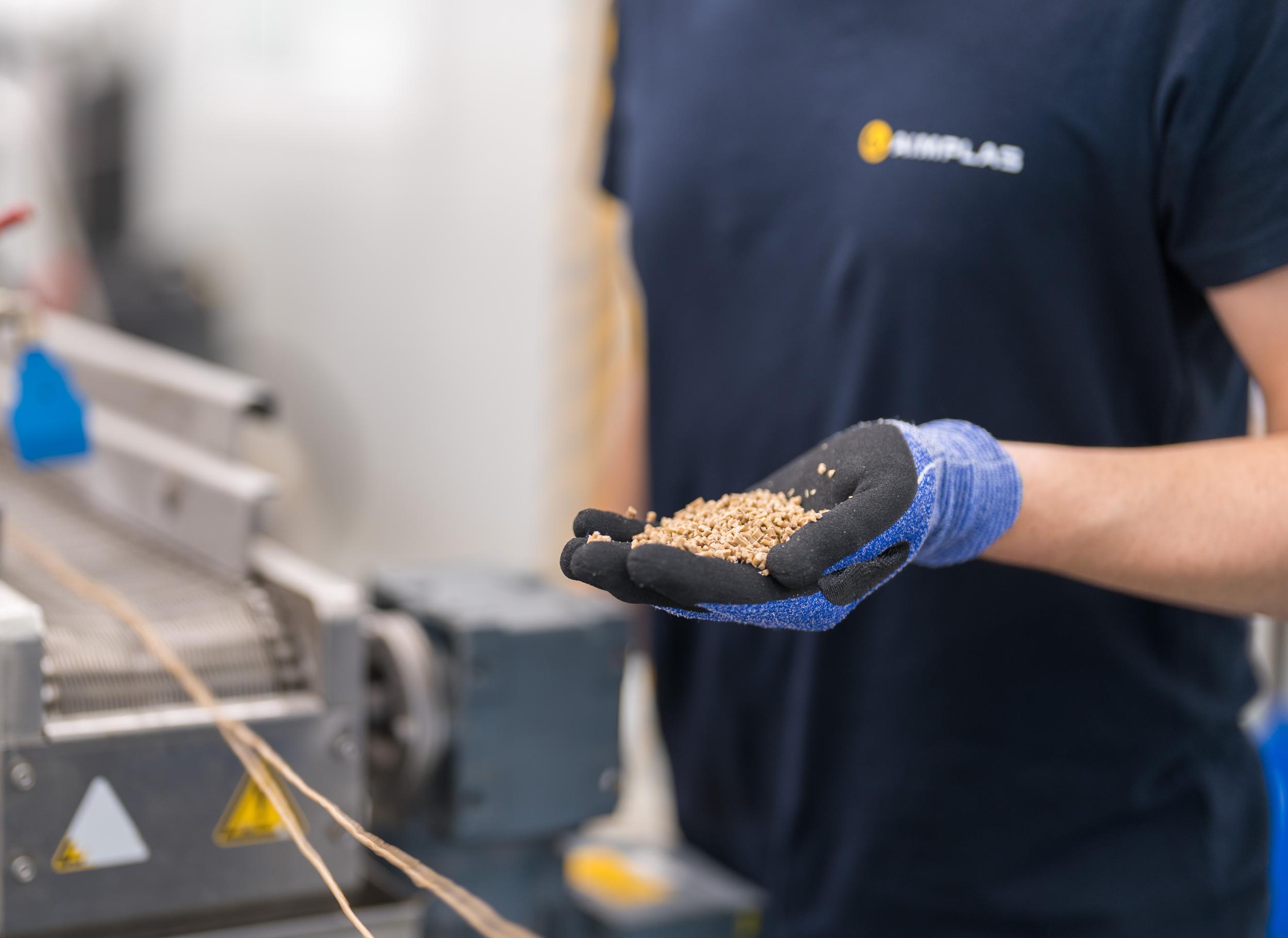
The project valorises single-use auxiliary waste such as vacuum bags, films and technical fabrics for applications in the automotive, technical textile and urban furniture sectors.

The companies Solteco, Birziplastik, Faperin and Industrias Alegre, together with the technology centres AIMPLAS, Eurecat, Tecnalia and Leartiker, are participating in this research initiative funded by CDTI and the European Regional Development Fund (ERDF).

The composite materials industry has experienced significant growth in sectors such as aerospace, railway, naval and renewable energy, thanks to its ability to provide lightweight, strong and durable solutions. However, these processes generate substantial amounts of plastic waste, especially single-use auxiliary materials such as vacuum bags, release films and absorbent fabrics. These materials are essential to ensure the quality of manufacturing processes, but after use they usually end up in landfill or are incinerated due to the difficulty of recycling them.

The project valorises single-use auxiliary waste such as vacuum bags, films and technical fabrics for applications in the automotive, technical textile and urban furniture sectors.

The companies Solteco, Birziplastik, Faperin and Industrias Alegre, together with the technology centres AIMPLAS, Eurecat, Tecnalia and Leartiker, are participating in this research initiative funded by CDTI and the European Regional Development Fund (ERDF).

The composite materials industry has experienced significant growth in sectors such as aerospace, railway, naval and renewable energy, thanks to its ability to provide lightweight, strong and durable solutions. However, these processes generate substantial amounts of plastic waste, especially single-use auxiliary materials such as vacuum bags, release films and absorbent fabrics. These materials are essential to ensure the quality of manufacturing processes, but after use they usually end up in landfill or are incinerated due to the difficulty of recycling them.

The IMPLICIT project addresses this challenge through the development of multimodal recycling strategies that combine mechanical, physical and chemical technologies to recover these materials with the highest possible purity and enable their industrial reuse. The aim is to generate new recycled raw materials that can be used in high value-added applications, such as automotive components, technical textiles and urban furniture elements.

Funded by the Spanish Ministry of Science, Innovation and Universities through the Centre for the Development of Industrial Technology and Innovation (CDTI), with the support of European Union European Regional Development Fund (ERDF) funding, IMPLICIT proposes a paradigm shift by transforming this waste into new resources, in line with European circular economy goals.

The initiative brings together a consortium of eight entities representing different links in the plastics value chain. Participating companies include Solteco (project leader), Birziplastik, Faperin and Industrias Alegre, together with the technology centres AIMPLAS (technical leader), Eurecat, Tecnalia and Leartiker. In addition, the project has been promoted thanks to AEMAC, the Spanish Composite Materials Association, and Airbus, which collaborates as a strategic partner by providing real waste generated from aerospace manufacturing processes.

Pau Manclús, Chemical Recycling Researcher at AIMPLAS, stated that “IMPLICIT represents a decisive step towards sustainability in the composites industry by addressing the recycling of auxiliary materials, which have historically been excluded from valorisation strategies. Thanks to collaboration between companies, technology centres and industry associations, the project demonstrates that it is possible to transform complex waste into useful resources, closing the life cycle of these materials and helping to reduce the environmental impact of key industrial sectors.”

This collaboration makes it possible to tackle the challenge from a comprehensive perspective, from waste collection and treatment to the validation of new products in real applications, thus addressing one of the industry’s main environmental challenges: the management of difficult-to-recycle waste.

Industrial Validation and New Market Opportunities
One of the project’s key pillars is the validation of recycled materials through real industrial demonstrators. In this regard, the recovered materials will be transformed into new products such as technical automotive parts, profiles for urban furniture and multifilaments for technical textiles.

Furthermore, the project envisages the creation of new business opportunities linked to advanced recycling and sustainable manufacturing, thereby helping to strengthen industrial competitiveness.

From a technical perspective, IMPLICIT develops a multimodal recycling approach for materials mainly manufactured with thermoplastic polymers such as PA, PET, PE and PP. This approach integrates mechanical recycling processes (shredding, separation and extrusion), physical recycling based on selective dissolution, and chemical recycling technologies such as solvolysis to remove thermoset resins and recover high-value monomers and oligomers.

The project also addresses key challenges such as waste heterogeneity and resin contamination through advanced decontamination, compounding and additive formulation processes aimed at improving the mechanical properties of recycled materials and ensuring their industrial viability.

Life Cycle Assessment (LCA) and Life Cycle Costing (LCC) analyses will make it possible to evaluate the environmental, economic and functional impact of the developed solutions, facilitating decision-making based on sustainability criteria.

IMPLICIT, reference number CPP2023-010867, is funded by the Spanish Ministry of Science, Innovation and Universities through the Centre for the Development of Industrial Technology and Innovation (CDTI), as well as by the European Regional Development Fund (ERDF), under the 2024 public-private collaboration projects programme.

Cinte Techtextil China Photo Messe Frankfurt HK Ltd.
03.06.2026

Cinte Techtextil China maps textile future with specialised zones

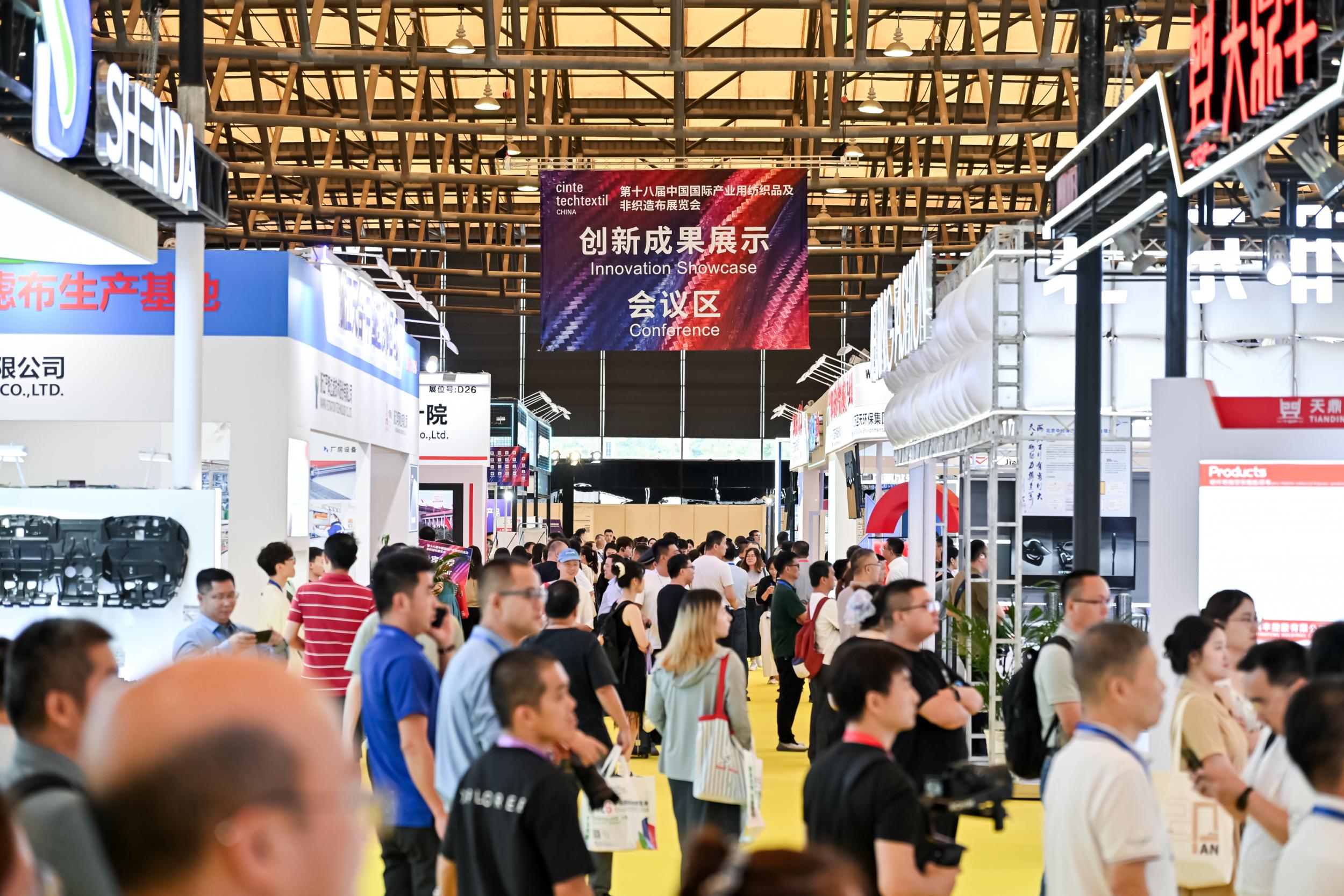
As global demand for high-performance materials evolves, Cinte Techtextil China is set to steer the industry’s next growth phase by driving the convergence of global expertise, specialised zones, and forward-looking tech and insights. Building on its diverse scope, the upcoming edition will especially spotlight critical sub-sectors such as Medtech & Protech, Indutech and Buildtech. The offering will be augmented by the well-received Mobiltech and Textile Chemicals and Dyes Zones, alongside the high-calibre German and European Zones. Beyond the booths, the fringe programme structured around four core pillars will chart a definitive roadmap for technical textiles and nonwovens.

As global demand for high-performance materials evolves, Cinte Techtextil China is set to steer the industry’s next growth phase by driving the convergence of global expertise, specialised zones, and forward-looking tech and insights. Building on its diverse scope, the upcoming edition will especially spotlight critical sub-sectors such as Medtech & Protech, Indutech and Buildtech. The offering will be augmented by the well-received Mobiltech and Textile Chemicals and Dyes Zones, alongside the high-calibre German and European Zones. Beyond the booths, the fringe programme structured around four core pillars will chart a definitive roadmap for technical textiles and nonwovens.

China’s technical textile and nonwovens industry continues to build positive momentum in early 2026 despite a complex external environment. According to China Customs, imports remained stable while the sector’s export value reached USD 7.7 billion during the first two months of the year, a YoY increase of 17.7%[1]. The upward trajectory is firmly rooted in a widespread push for tech and quality upgrades, as well as more precise requirements across critical application areas, namely Mobiltech, Medtech, Protech, Indutech, and Buildtech. In 2026, Cinte Techtextil China will bring these sectors to the forefront with exhibitors such as Dawnsens New Material, Picanol NV, and Zhejiang Jinda Coating.

During the fair’s networking event at Techtextil in April, Ms R.Lalitha, I.A.S., Commissioner of Textiles, State Government of Tamil Nadu, India, underscored Cinte Techtextil China’s direct relevance to global demands: “The fair’s focus on Indutech, Mobiltech, and Medtech aligns perfectly with Tamil Nadu’s automotive and medical textile strengths. As we encourage our industries to foray into high-value, sustainable technical textiles, this platform is vital for mutual cooperation and understanding recent developments in China. Cinte Techtextil China’s fringe event themes are also highly on point, capturing where the future of textiles lies.”

Specialised zones showcase growing sub-sectors and international excellence
In addition to the highly sought-after Textile Chemicals and Dyes Zone in Hall W5, the Mobiltech Zone in Hall W4 is expected to remain a top priority for global buyers. Reflecting the soaring demand for automotive textiles, the zone has consistently attracted leading buyers such as Hyosung, Hyundai, Li Auto, Mazda, SAIC-GM, SAIC Volkswagen, Tesla, and Zeekr. This year, one of the zone’s key exhibitors will be Shanghai Shenda, whose offering comprises automotive carpets, headliners, trunks, parcel shelves, wheel arch liners, dash insulators, and related acoustic components.

Europe remains China’s premier source for technical textiles, capturing a 26% share of import value in 2025[2].Showcasing the continent’s expertise with their own comprehensive rosters of pioneers, the German Zone and European Zone at the Overseas Zone (W5) will attract buyers sourcing high-tech, premium solutions, connecting them directly with manufacturers who shape the future of technical textiles and nonwovens. Featured participants include:

  • Groz-Beckert: the world’s leading provider of industrial machine needles, precision parts, fine tools, and systems for the textile and nonwovens industries. With a global presence and strong local expertise in China, the company supports customers across all key sectors including knitting, weaving, nonwovens, tufting, sewing, and spinning.
  • Swisstulle (Qingdao): owned by Swisstulle AG, the company specialises in high-grade fabric knitting, finishing and dyeing. Using imported raw materials and advanced Karl Mayer and Brückner machinery, Swisstulle delivers bespoke tulle across a diverse range of widths, colours, densities and styles.The company offers tailored solutions mainly serving the high-end lingerie, automotive sunshade, and home textile sectors.

Also in the Overseas Zone, the Nonwoven Federation of India (NWFI), the unified body representing the country’s regional associations of spunbond nonwoven fabric manufacturers, will give fairgoers efficient access to a wide range of India’s latest solutions and opportunities for collaboration.

Multi-themed fringe programme to shape industry horizons
Complementing the future-focused business exchange, the fair’s fringe programme will revolve around four core pillars: Industry Insights, AI, Innovation, and Sustainability.

At the heart of Industry Insights is the annual flagship conference – China International Nonwovens Conference (CINC) – plus a series of other sessions and end-use guided tours delivering critical information.

The AI-focused events will bring together experts to share advanced models and demonstrate how AI is actively empowering textile manufacturing and supply chains. Meanwhile, the Innovation pillar will highlight forward-thinking solutions, including exhibitor presentations and a curated project showcase from domestic and international textile students. Catered to the rapid growth of the new energy vehicle (NEV) sector, the Mobiltech display zone will present cutting-edge and sustainable advancements in automotive textiles, showcasing key products like interior materials, lightweight composites, smart-sensing fabrics, and acoustic insulation solutions.

Moving into the Sustainability frontier, the expert-led Econogy Tours will connect buyers with a select lineup of exhibitors who have passed the Econogy Check[3], providing direct insights into sustainable production practices and innovative, eco-friendly materials set to make an impact across the fairground.

The fair’s product categories cover 12 application areas, which comprehensively span a full range of potential uses in modern technical textiles and nonwovens. These categories also cover the entire industry, from upstream technology and raw materials providers to finished fabrics, chemicals and other solutions. This scope of product groups and application areas ensures that the fair is an effective business platform for the entire industry.

The fair is organised by Messe Frankfurt (HK) Ltd; the Sub-Council of Textile Industry, CCPIT; and the China Nonwovens & Industrial Textiles Association (CNITA).

Source:

Messe Frankfurt HK Ltd.

Scan glove Photo: STFI
Scan glove
28.05.2026

STFI: Adaptive tracking and tracing system for customised textile production

In the production of technical textiles, customised products in small batches with ever-shorter life cycles represent an ongoing trend. In order to contribute to the development and production of such future products, one must not only possess production expertise but also a reliable, stable, and transparent production chain. Small and medium-sized manufacturers also face similar requirements in terms of tracking and tracing. At STFI, research was conducted into how a tracking and tracing system should best be designed for adaptable processes with flexible, order-based staff and machine allocation, for both modern and existing machinery, and how this can be adapted. 

In the production of technical textiles, customised products in small batches with ever-shorter life cycles represent an ongoing trend. In order to contribute to the development and production of such future products, one must not only possess production expertise but also a reliable, stable, and transparent production chain. Small and medium-sized manufacturers also face similar requirements in terms of tracking and tracing. At STFI, research was conducted into how a tracking and tracing system should best be designed for adaptable processes with flexible, order-based staff and machine allocation, for both modern and existing machinery, and how this can be adapted. 

Based on this research, the researchers developed a tracking and tracing assistance system utilising technologies from the fields of the Industrial Internet of Things, mobile computing, wireless communication and graphical low-code programming. This was built upon existing, established open-source software technologies. The aim of the research project was to support the manufacture of textiles and semi-finished textile products through a flexible, adaptive tracking and tracing assistance system for order management. 

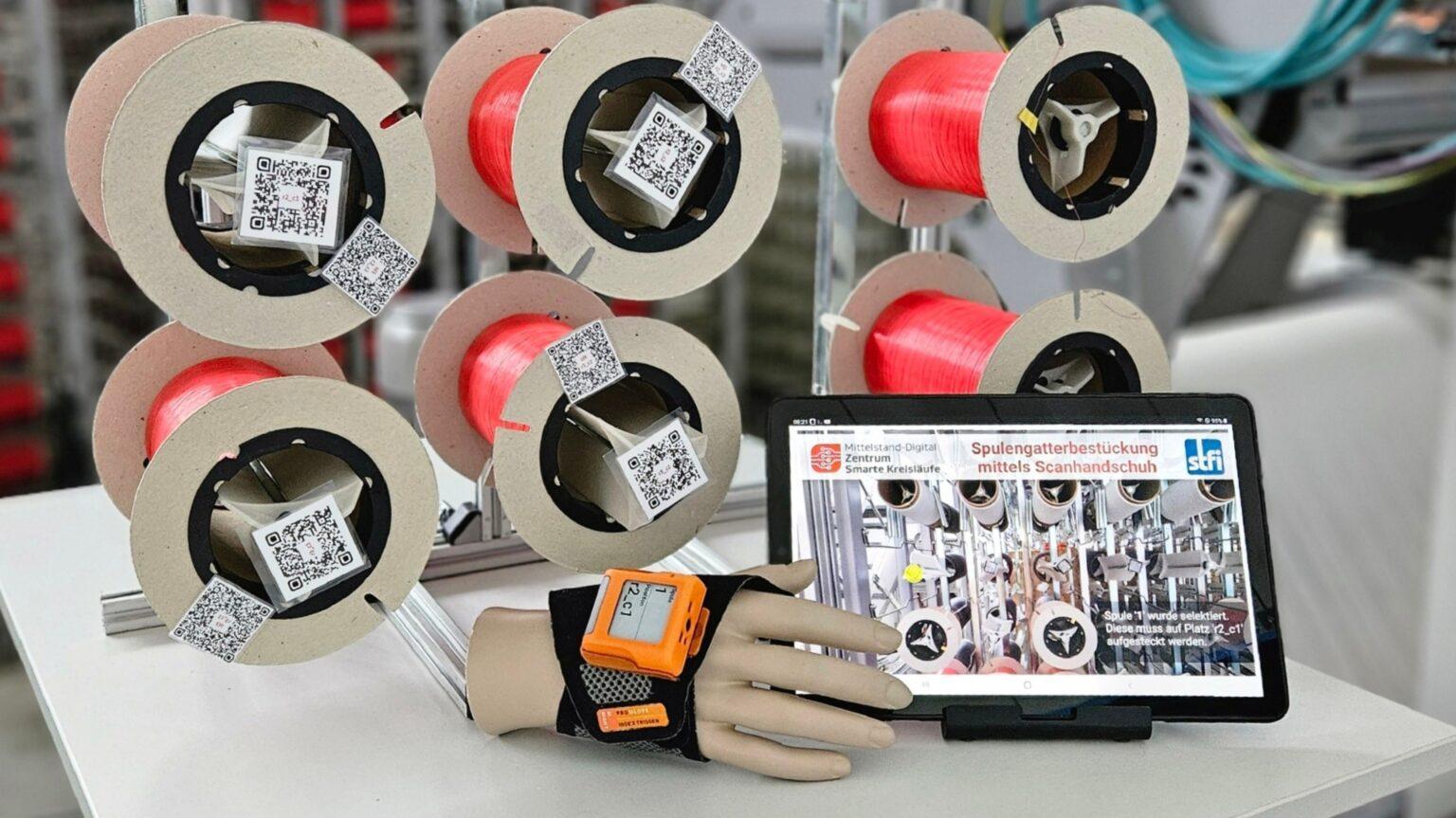
The assistance system enables automated production registration via radio-based personnel and optical machine registration. In addition to structured user guidance during familiarisation with new process steps, order picking can be precisely tracked using a scanning glove and location technology. Material detection at the manufacturing workstation is also camera-based, combined with sensor-based and smartphone-supported process monitoring. Furthermore, the underlying model-based low-code technology ensures flexible adaptability of the entire system. 

Together with other development highlights from the STFI, the research project “Adaptive Tracking and Tracing System” was selected as a successful collaboration – Implemented with the company update texware GmbH, Kulmbach – and will be presented at the BMWE’s Innovationstag Mittelstand. 

Source:

Sächsische Textilforschungsinstitut e.V. 

Photo Palexpo.SA / INDEX™
24.05.2026

INDEX™26: A strong edition in a challenging context

  • INDEX™26 officially concluded at Palexpo as a successful edition, spread over a gross exhibition space of 50’000m2, the event featured 625 exhibitors from 44 countries, fully playing their part through high-quality, prestigious stands, confirming its status as a central hub for nonwovens innovation. 
  • The event attracted 11,452 visits providing an important meeting place for global decision-makers to witness the industry's evolution toward high-tech, durable, and sustainable solutions. 
  • A defining theme of the edition was the integration of technical excellence and environmental responsibility, with a major focus on circular design and carbon footprint reduction as primary performance indicators. 
  • Beyond the exhibition halls, the strong response to the specialized seminar programme and new immersive experiences highlighted how global collaboration and smart technologies are helping to shape a path for a circular manufacturing landscape. 

INDEX™ 26, the World’s Leading Nonwovens Exhibition, officially closed its doors today at Palexpo.

  • INDEX™26 officially concluded at Palexpo as a successful edition, spread over a gross exhibition space of 50’000m2, the event featured 625 exhibitors from 44 countries, fully playing their part through high-quality, prestigious stands, confirming its status as a central hub for nonwovens innovation. 
  • The event attracted 11,452 visits providing an important meeting place for global decision-makers to witness the industry's evolution toward high-tech, durable, and sustainable solutions. 
  • A defining theme of the edition was the integration of technical excellence and environmental responsibility, with a major focus on circular design and carbon footprint reduction as primary performance indicators. 
  • Beyond the exhibition halls, the strong response to the specialized seminar programme and new immersive experiences highlighted how global collaboration and smart technologies are helping to shape a path for a circular manufacturing landscape. 

INDEX™ 26, the World’s Leading Nonwovens Exhibition, officially closed its doors today at Palexpo. In a context marked by uncertainty and continued pressure, the 2026 edition of INDEX™ concluded successfully. With a diverse range of 625 exhibiting companies from 44 countries, an important number of visitors, and an expanded international reach, the event confirmed its role as a central hub for innovation and a representative showcase of the nonwovens ecosystem. 

Driven by the strong presence of exhibitors, the 2026 edition confirmed the continued relevance of the event. With 11,452 visits, the four-day event brought together a strong mix of global decision-makers and technical experts, who came to explore the sector’s evolution from mass-produced disposable items to high-tech, durable and sustainable solutions. The professional events were well attended, establishing the exhibition as an indispensable meeting place for sharing experience and passion for the industry. Magali Fakhry Dufresne, Director of INDEX™, noted: “Despite the current geopolitical context, affecting travel conditions and budgets, the industry demonstrated a strong commitment to attend. Participants were keen to meet in person, reconnect with their peers and advance discussions. INDEXTM is a great opportunity for the young generation to discover many innovations all gathered under one roof. Once again, INDEX™ confirmed its role as a key event for the global nonwovens community every three years.” She adds: “I also would like to thank the industry, and particularly the exhibitors, for their engagement and continued commitment. Exhibitors played a decisive role in the success of the edition, with high-quality, prestigious stands that reflected the strength and ambition of the sector.” 

The defining theme of the 2026 edition was the integration of environmental responsibility and technical excellence. Industry representatives demonstrated that sustainability and performance now form a unified mission that permeates the entire value chain. A key focus was the increasing significance of reducing the carbon footprint as the industry's primary performance indicator. Exhibitors presented the latest production technologies designed to increase throughput and produce finer fibres. Circular design was a major focus of these developments, with many new materials replacing complex multi-layer structures with recyclable designs made from a single material. Furthermore, the event showcased high-performance protective textiles that meet new safety standards without the use of PFAS. 

“The INDEX™26 seminar programme and products presentations showcased developments demonstrating how companies are achieving a competitive edge by going beyond regulatory compliance. It showed that it is vitally important for companies to adapt and be agile to successfully master new market challenges such as the Iranian and other crises”, added Pieter Meijer, Chairman of the INDEX™ Advisory Board. 

Networking and immersive experiences 
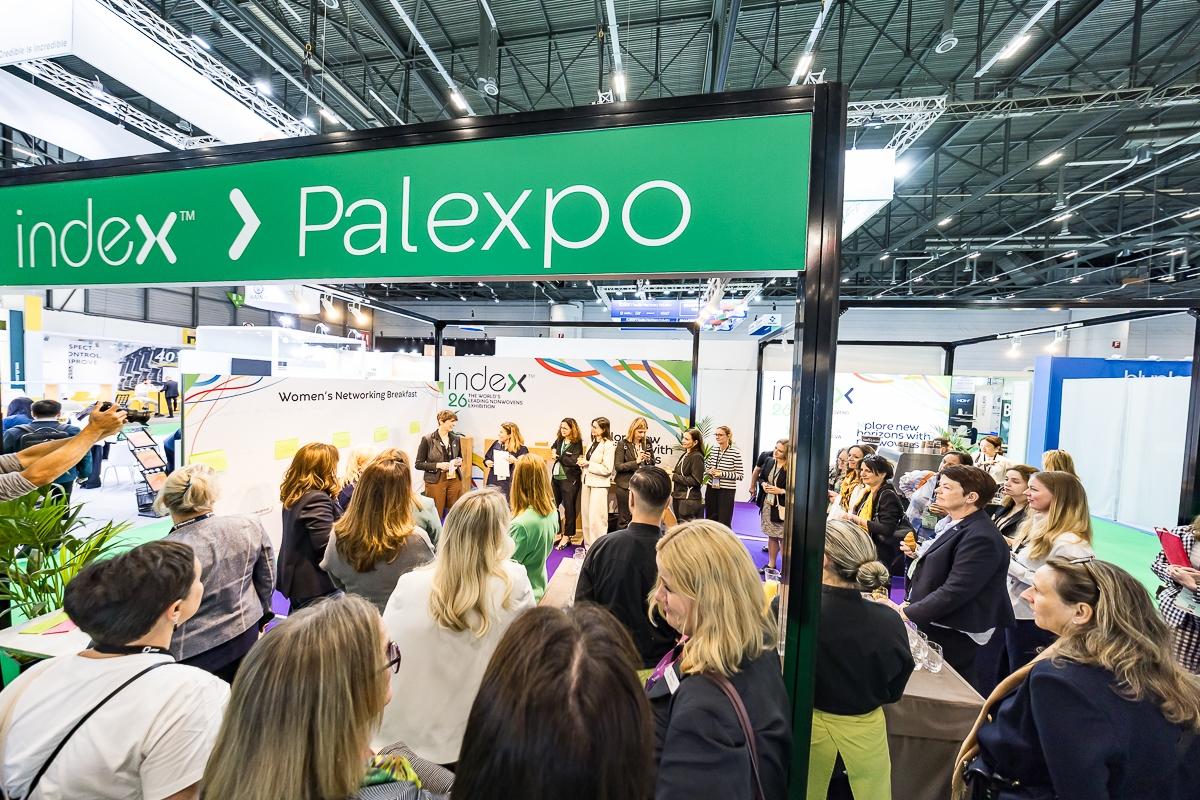
The exhibition offered a consistent experience-oriented approach, as evidenced by the numerous areas dedicated to innovation and technical demonstrations. The event also strengthened its networking dimension, introducing a unique 'Women's Networking Breakfast' to build mentoring networks for the future of the community. The new immersive experience, 'Nonwovens: In Every Layer of Life', was well received, offering visitors a deeper understanding of the integral role these materials play in modern society. Over four days, Geneva provided the setting for an exhibition that remains a place of discovery for current and future technologies. 

Looking to the future 
Murat Dogru, General Manager of EDANA concludes: “INDEX™26 had demonstrated how innovation in the industry is now being driven by global collaboration. The synergy between automated machinery, smart chemistry, and extreme weight reduction has pointed to a promising direction for a more efficient, circular manufacturing landscape. We are already looking forward to INDEXTM29 (15-18 May 2029), to discuss the latest developments.”

More information:
INDEX nonwovens Geneva
Source:

Palexpo.SA / INDEX™

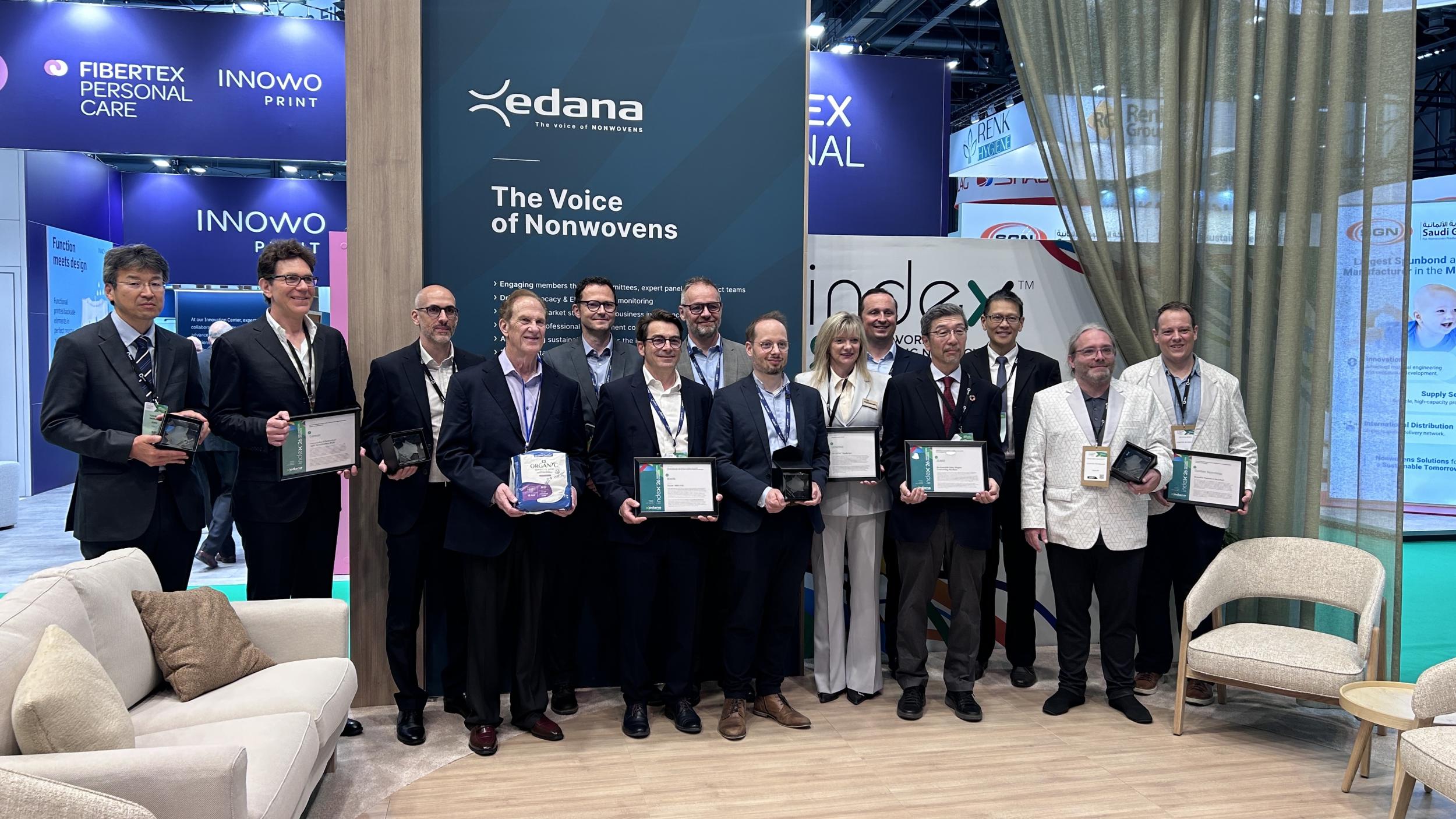
INDEX™26 Awards Winners Announced Photo (c) Edana
INDEX™26 Awards Winners Announced
19.05.2026

INDEX™26 Awards Winners Announced


The nonwovens industry has officially crowned its new winners. Today at the opening of INDEX™ 2026, five companies were honoured with the INDEX™ Awards, the industry’s highest accolade for technical excellence and forward-thinking design. 

From high-speed machinery to breakthroughs in molecular chemistry, this year's winners were selected for their ability to merge top-tier performance with the urgent requirements of a circular economy. 


The nonwovens industry has officially crowned its new winners. Today at the opening of INDEX™ 2026, five companies were honoured with the INDEX™ Awards, the industry’s highest accolade for technical excellence and forward-thinking design. 

From high-speed machinery to breakthroughs in molecular chemistry, this year's winners were selected for their ability to merge top-tier performance with the urgent requirements of a circular economy. 

Category: Nonwoven roll goods 
Winner: Lenzing - LENZING™ Dualwipe 
LENZING™ Dualwipe is a high-performance cleaning wipe crafted from regenerated cellulose using LENZING™ Nonwovens Technology. Its innovative dual-surface design integrates abrasion and absorbency in a single material, enabling efficient cleaning without relying on fossil-based synthetic materials, binders, or chemical additives. One side features a mechanically active surface for scrubbing away dirt, grease, and residues, while the other offers a soft, highly absorbent surface for liquid uptake and surface finishing. Designed for industrial, professional, and household applications, LENZING™ Dualwipe is compatible with existing converting and processing infrastructure, facilitating rapid adoption. 

Category: Finished products made from, or incorporating nonwovens - Single-use application 
Corman - Organyc brand "Personalized Protection" Light Incontinence Pads 

Corman’s new light incontinence pads deliver personalized protection through three key innovations. The Smart-Cotton™ cover with a citric acid buffer maintains an ideal skin pH of 5.5, reducing irritation. The patented Cotton-Balanced Absorbent Core channels liquid to superabsorbent polymers that lock in moisture and expand toward the body for superior leak protection. Natural odor control uses an organic ingredient to bind ammonia and slow odor formation, eliminating odor instead of masking it. Clinically proven, the pads address the three main concerns of light incontinence: leaks, odor, and skin irritation.

Category: Finished products made from, or incorporating nonwovens - Durable application 
Winner: Confitex Technology - Reusable Nonwoven Bed Pads 

This new Confitex technology has enabled the world’s first machine-washable and tumble-dryable nonwoven bed pads, opening a significant new application for nonwoven materials. Using a proprietary fibre-stabilisation bonding technique, the innovation allows absorbent nonwoven structures to withstand more than 30 machine wash and tumble-dry cycles while maintaining performance. The fully nonwoven construction combines a fast-wicking top sheet with a highly absorbent core capable of holding over two litres of liquid. In addition, a bonded frame structure prevents leakage across the entire surface, including the edges, addressing a common weakness of stitched textile bed pads. 

Category: Raw materials or components (e.g.polymer,fibre, binder, film, tape) of special relevance to the nonwovens and related converted products industry 
Winner: Bostik - Kizen™ Miles 9.0 

Bostik - Kizen™ Miles 9.0 Bostik’s latest innovation, Kizen™ Miles 9.0, is the first adhesive designed for disposable hygiene article construction, that offers the unique feature of debonding on demand: when exposed to a specific chemical key, combined with controlled temperature and mechanical stress, the adhesive allows clean, rapid separation of plastic components in minutes. This process keeps the adhesive material on the substrate, preventing contamination for cleaner, more efficient hygiene article recycling. But during the lifetime of the hygiene article, this new material, based on up to 75% renewable materials, delivers exceptional bonding across a wide range of substrates—including PP, PE, and PLA—while maintaining stable performance over time and under wet conditions. 

Category: Innovation in machinery of special relevance to the nonwovens industry 
Winner: ZUIKO – Recloseable Baby Diaper Converting Machine 
ZUIKO - Converting machine for recloseable baby diapers 

ZUIKO has developed a converting line to produce adjustable pull on pant diapers that address the challenge of achieving a secure fit around a baby’s waist and legs while maintaining softness and stretchability. The design of such a diaper combines the adjustability of open diapers with the stretch characteristics of pant diapers. Unlike conventional pant diapers, which are processed symmetrically, ZUIKO’s recloseable diapers are asymmetric, requiring a precise, glue-less attachment process during folding. Central to the production is ZUIKO’s patented “Stretch Re-pitch Drum™,” which regulates elastic tension and product spacing, allowing panel folding in line with the machine’s flow. This system enables the production of over 700 diapers per minute without the need for multiple folding units.

Source:

Edana