
From the Sector

Reset
22.05.2026

Egypt: Workshop on Italian textile technologies concludes

The workshop dedicated to Italian technologies for the textile industry, held in Cairo on 5 and 6 May 2026 and focusing on the most advanced innovative solutions for the sector, has come to a close. The initiative saw the participation of 23 Italian companies from the textile machinery sector and well over 120 Egyptian operators, confirming the mutual interest in strengthening industrial collaboration between the two countries and Egypt’s strategic role for Italian textile machinery manufacturers.

Organised by ICE Agency and ACIMIT, with the support of the Italian Embassy in Cairo and UNIDO, the workshop provided an important opportunity to discuss the development prospects of the Egyptian textile sector and the contribution that Italian technology can make to the country’s industrial modernisation processes.

The workshop dedicated to Italian technologies for the textile industry, held in Cairo on 5 and 6 May 2026 and focusing on the most advanced innovative solutions for the sector, has come to a close. The initiative saw the participation of 23 Italian companies from the textile machinery sector and well over 120 Egyptian operators, confirming the mutual interest in strengthening industrial collaboration between the two countries and Egypt’s strategic role for Italian textile machinery manufacturers.

Organised by ICE Agency and ACIMIT, with the support of the Italian Embassy in Cairo and UNIDO, the workshop provided an important opportunity to discuss the development prospects of the Egyptian textile sector and the contribution that Italian technology can make to the country’s industrial modernisation processes.

The Italian textile machinery industry is internationally recognised as a leading benchmark for technology, innovation and quality. Italian companies in the sector stand out for their ability to offer advanced and sustainable solutions, valued by textile manufacturers worldwide for their reliability, efficiency and high technological content. During the event, the importance of technology transfer and specialist training was highlighted as key to supporting the competitive development of the Egyptian textile industry in the medium to long term.

According to data from ACIMIT, Italian exports of textile machinery to Egypt reached €72 million in 2025, confirming the country as the leading African market for the Italian textile machinery sector. The technologies most in demand among Egyptian operators relate in particular to finishing, weaving and spinning.

“Egypt is now one of the most dynamic and strategic markets for our sector,” said Marco Salvadè, President of ACIMIT. “The strong participation of Italian companies in the Cairo workshop demonstrates the desire to further strengthen industrial collaboration between the two countries. Italian technologies can make a tangible contribution to the competitiveness of the Egyptian textile industry, particularly in processes focused on quality, sustainability and production efficiency. The Cairo workshop is also part of a wider programme of initiatives aimed at promoting Italy’s presence at ITMA Hannover 2027, the world’s leading event dedicated to textile and clothing technologies, where Italian companies will once again showcase the best of textile machinery innovation.”

The initiative, promoted by ICE Agency and ACIMIT with the valuable support of the Italian Embassy in Cairo and UNIDO, featured the following Italian companies: Cubotex, Color Service, Corino Macchine, Danitech Engineering And Solutions, Dover Industries Italy, Erhardt Piu’ Leimer, Itema, L.A.I.P., Lawer, Marzoli Machines Textile, M.C.S. Officina Meccanica, Mesdan, Monti – Mac, Nexia, Noseda, Pinter Caipo Italia, Reggiani Macchine, Salvade’, Savio Macchine Tessili, Stalam, Tecnorama, Tonello, Waternext.
More information:
workshop Egypt ACIMIT Italy
Source:

ACIMIT 

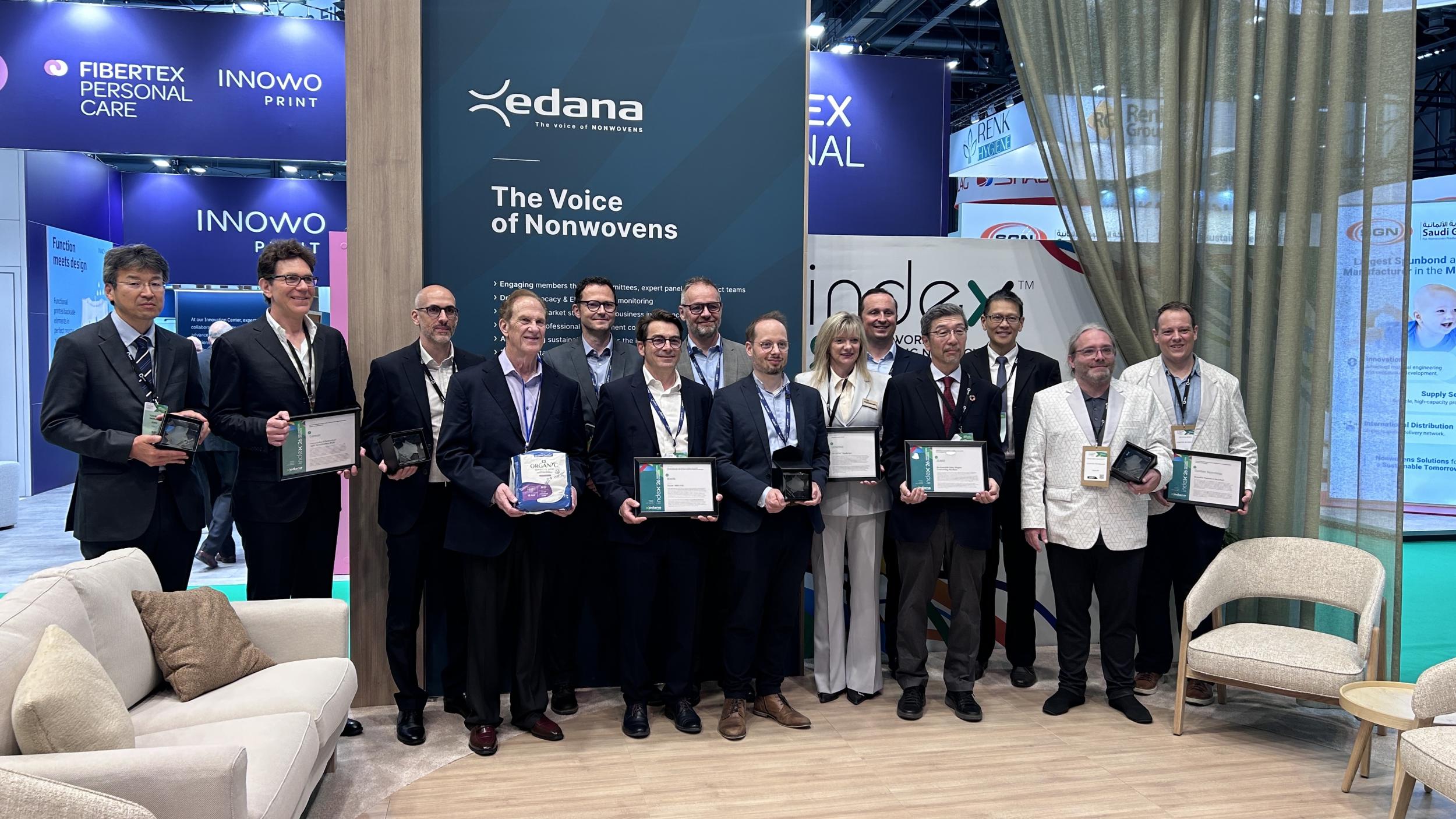
INDEX™26 Awards Winners Announced Photo (c) Edana
INDEX™26 Awards Winners Announced
19.05.2026

INDEX™26 Awards Winners Announced


The nonwovens industry has officially crowned its new winners. Today at the opening of INDEX™ 2026, five companies were honoured with the INDEX™ Awards, the industry’s highest accolade for technical excellence and forward-thinking design. 

From high-speed machinery to breakthroughs in molecular chemistry, this year's winners were selected for their ability to merge top-tier performance with the urgent requirements of a circular economy. 


The nonwovens industry has officially crowned its new winners. Today at the opening of INDEX™ 2026, five companies were honoured with the INDEX™ Awards, the industry’s highest accolade for technical excellence and forward-thinking design. 

From high-speed machinery to breakthroughs in molecular chemistry, this year's winners were selected for their ability to merge top-tier performance with the urgent requirements of a circular economy. 

Category: Nonwoven roll goods 
Winner: Lenzing - LENZING™ Dualwipe 
LENZING™ Dualwipe is a high-performance cleaning wipe crafted from regenerated cellulose using LENZING™ Nonwovens Technology. Its innovative dual-surface design integrates abrasion and absorbency in a single material, enabling efficient cleaning without relying on fossil-based synthetic materials, binders, or chemical additives. One side features a mechanically active surface for scrubbing away dirt, grease, and residues, while the other offers a soft, highly absorbent surface for liquid uptake and surface finishing. Designed for industrial, professional, and household applications, LENZING™ Dualwipe is compatible with existing converting and processing infrastructure, facilitating rapid adoption. 

Category: Finished products made from, or incorporating nonwovens - Single-use application 
Corman - Organyc brand "Personalized Protection" Light Incontinence Pads 

Corman’s new light incontinence pads deliver personalized protection through three key innovations. The Smart-Cotton™ cover with a citric acid buffer maintains an ideal skin pH of 5.5, reducing irritation. The patented Cotton-Balanced Absorbent Core channels liquid to superabsorbent polymers that lock in moisture and expand toward the body for superior leak protection. Natural odor control uses an organic ingredient to bind ammonia and slow odor formation, eliminating odor instead of masking it. Clinically proven, the pads address the three main concerns of light incontinence: leaks, odor, and skin irritation.

Category: Finished products made from, or incorporating nonwovens - Durable application 
Winner: Confitex Technology - Reusable Nonwoven Bed Pads 

This new Confitex technology has enabled the world’s first machine-washable and tumble-dryable nonwoven bed pads, opening a significant new application for nonwoven materials. Using a proprietary fibre-stabilisation bonding technique, the innovation allows absorbent nonwoven structures to withstand more than 30 machine wash and tumble-dry cycles while maintaining performance. The fully nonwoven construction combines a fast-wicking top sheet with a highly absorbent core capable of holding over two litres of liquid. In addition, a bonded frame structure prevents leakage across the entire surface, including the edges, addressing a common weakness of stitched textile bed pads. 

Category: Raw materials or components (e.g.polymer,fibre, binder, film, tape) of special relevance to the nonwovens and related converted products industry 
Winner: Bostik - Kizen™ Miles 9.0 

Bostik - Kizen™ Miles 9.0 Bostik’s latest innovation, Kizen™ Miles 9.0, is the first adhesive designed for disposable hygiene article construction, that offers the unique feature of debonding on demand: when exposed to a specific chemical key, combined with controlled temperature and mechanical stress, the adhesive allows clean, rapid separation of plastic components in minutes. This process keeps the adhesive material on the substrate, preventing contamination for cleaner, more efficient hygiene article recycling. But during the lifetime of the hygiene article, this new material, based on up to 75% renewable materials, delivers exceptional bonding across a wide range of substrates—including PP, PE, and PLA—while maintaining stable performance over time and under wet conditions. 

Category: Innovation in machinery of special relevance to the nonwovens industry 
Winner: ZUIKO – Recloseable Baby Diaper Converting Machine 
ZUIKO - Converting machine for recloseable baby diapers 

ZUIKO has developed a converting line to produce adjustable pull on pant diapers that address the challenge of achieving a secure fit around a baby’s waist and legs while maintaining softness and stretchability. The design of such a diaper combines the adjustability of open diapers with the stretch characteristics of pant diapers. Unlike conventional pant diapers, which are processed symmetrically, ZUIKO’s recloseable diapers are asymmetric, requiring a precise, glue-less attachment process during folding. Central to the production is ZUIKO’s patented “Stretch Re-pitch Drum™,” which regulates elastic tension and product spacing, allowing panel folding in line with the machine’s flow. This system enables the production of over 700 diapers per minute without the need for multiple folding units.

Source:

Edana

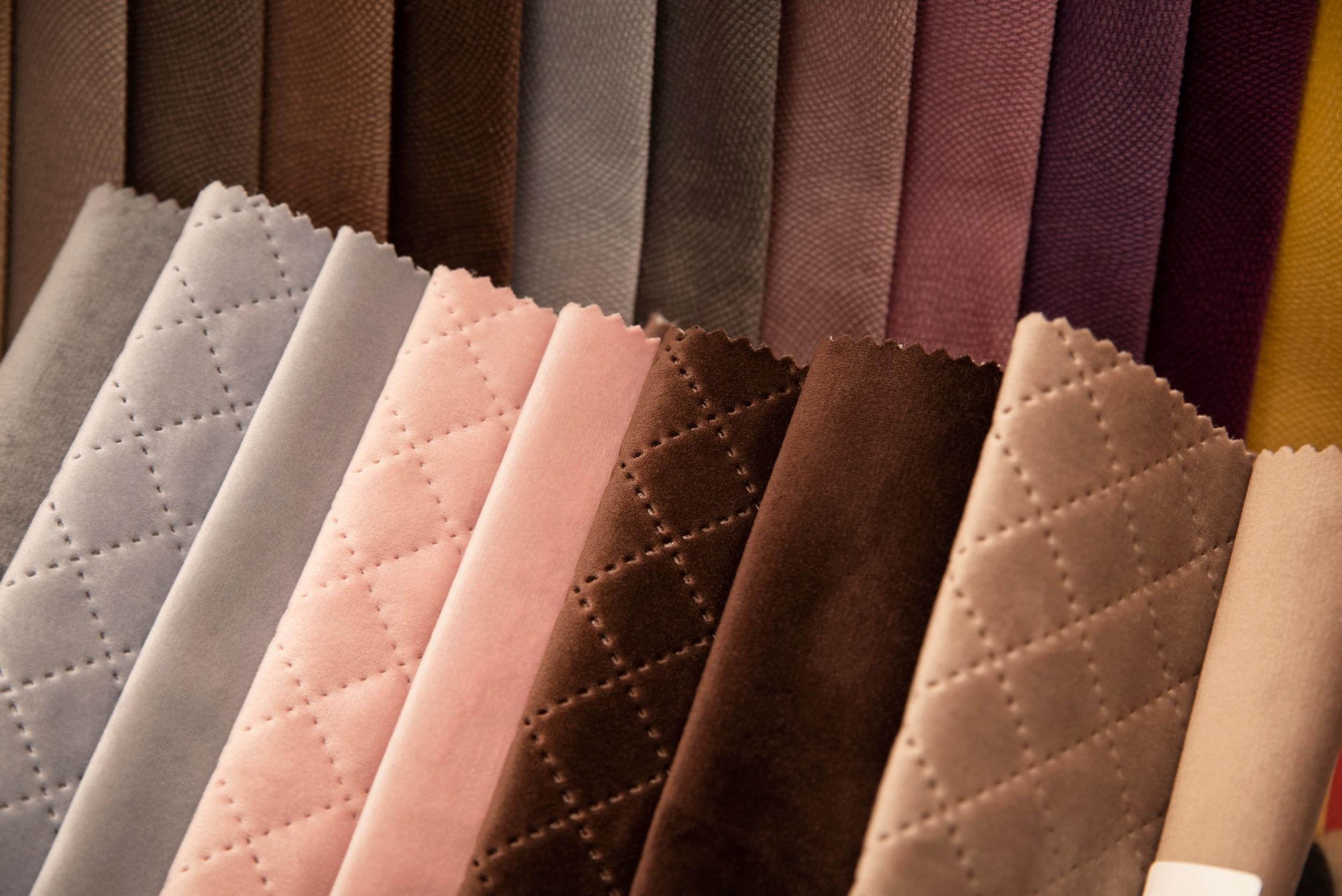
Upholstered furniture textiles Photo: Temple Bar Advisory for Reconomy
Upholstered furniture textiles
14.05.2026

Circular solutions for B2B textiles failing to keep pace with rising waste volumes

  • B2B textiles are textile-based products used in commercial or industrial settings, rather than by consumers  
  • While B2B textiles are considered better positioned for circularity than the B2C textile sector, solutions remain early-stage and have not yet scaled in line with the volume of waste generated 
  • New research examines key barriers to circularity across five priority sub-sectors and the opportunities to unlock greater circularity  

Circular solutions for B2B textiles have yet to scale in line with the volume of waste generated, according to new research by Reconomy, the international circular economy specialist. 

  • B2B textiles are textile-based products used in commercial or industrial settings, rather than by consumers  
  • While B2B textiles are considered better positioned for circularity than the B2C textile sector, solutions remain early-stage and have not yet scaled in line with the volume of waste generated 
  • New research examines key barriers to circularity across five priority sub-sectors and the opportunities to unlock greater circularity  

Circular solutions for B2B textiles have yet to scale in line with the volume of waste generated, according to new research by Reconomy, the international circular economy specialist. 

B2B textiles include textile-based products used for commercial or industrial purposes such as soft furnishings, automotive interiors, agricultural textiles and construction materials rather than clothing worn by consumers. While these sectors are widely considered to be better positioned for circularity than the B2C sector due to established logistics and the fact that B2B textiles are typically more homogenous in material composition, solutions remain underdeveloped and have not yet scaled, leaving large volumes of material flowing into downcycling or disposal.   

The research examines waste flows and market dynamics across five priority B2B textile categories, including: soft furnishings; upholstery and furniture textiles; automotive textiles; agricultural textiles; and geotextiles and construction textiles. 

Across all five, the findings point to a common challenge, namely that while circularity is technically possible, it is impeded in practice by weak sorting, limited aggregation, poor data visibility and underdeveloped end-markets – meaning materials that could be reused or recycled are instead lost from the system. 

Within UK B2B soft furnishings, for example, the research found that products are dominated by bed, bath and table linen used by the hospitality and healthcare sectors which generate large waste flows. Despite the strong underlying recycling potential of these materials, reuse is structurally constrained by hygiene requirements and low unit value, resulting in most volumes sent to energy-from-waste facilities or landfill.  

The research identifies that the primary opportunity for the industry lies upstream, in improving sorting and aggregation at industrial laundries, which act as the key control point for circular and end-of-life material routing. 

The report comes amid rising waste volumes, with more than 6,000 tonnes of hospitality textiles lost each year in the UK and four million linen items lost annually by the NHS, including bed sheets, pillowcases and surgical gowns. 
 
Commenting, Aimee Campanella, Development Director for Textiles EPR at Reconomy, said: “While much discussion around textiles circularity has centred on apparel, non-apparel textiles represent a significant adjacent area that has been largely overlooked. Given our expertise in textiles for clothing and footwear, we commissioned this new research to provide the industry with greater clarity on the structural barriers holding circularity back, and what needs to change to accelerate circular models that reduce waste, cut carbon emissions and lower costs for businesses.”

Source:

Temple Bar Advisory for Reconomy

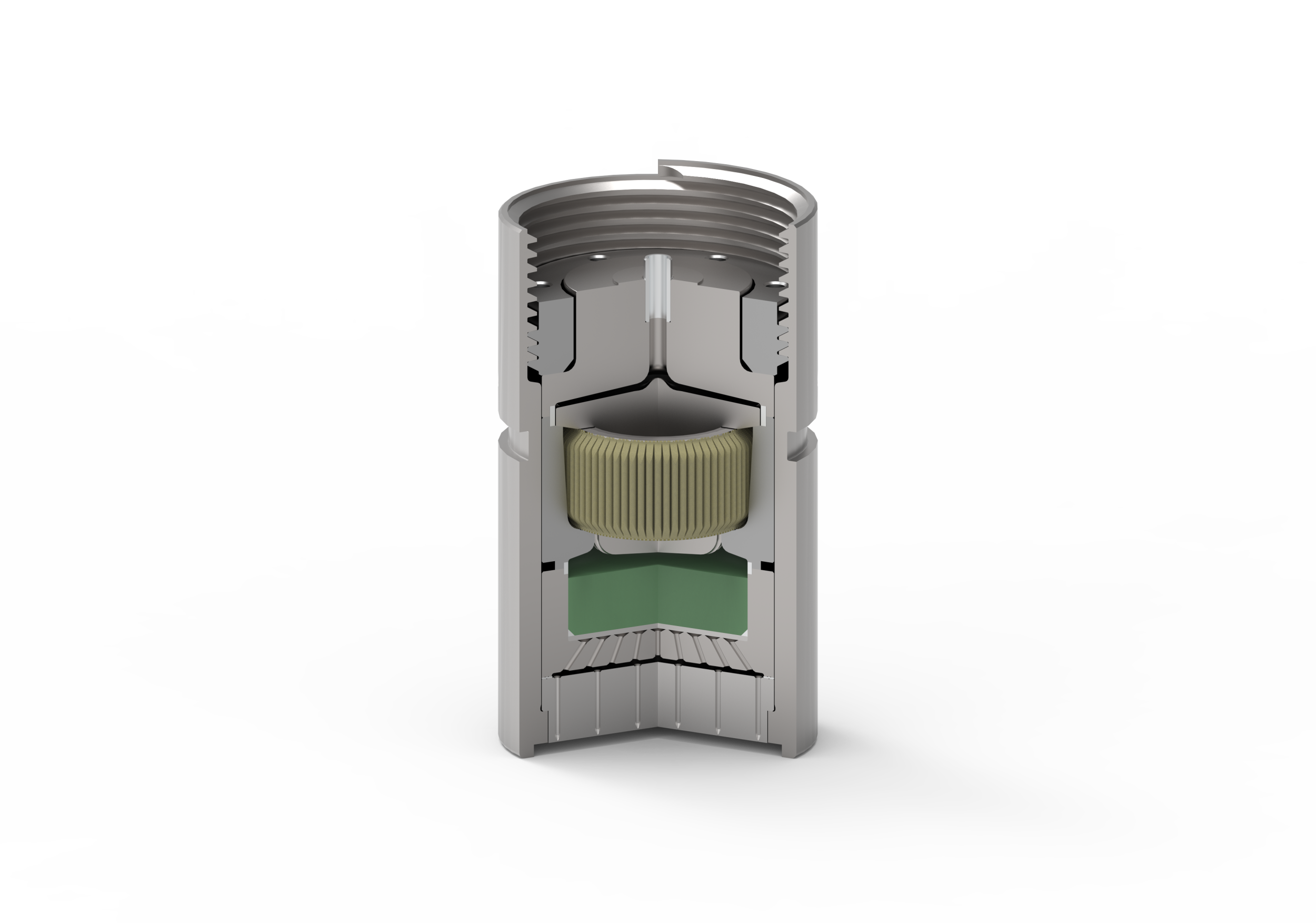
Serving the market for fine titers below 100 denier: The new Barmag ceramic oiling device, type 2777. Photo: Barmag, Oerlikon Textile GmbH & Co. KG
Serving the market for fine titers below 100 denier: The new Barmag ceramic oiling device, type 2777.
14.05.2026

Barmag's specialist in fine counts: New type 2777 ceramic oiler

With the new Type 2777 ceramic oiler, Barmag has added a solution for fine titers and microfilaments to its portfolio of original parts.

The new design, based on the proven model 2888, is significantly slimmer and has been specifically optimized for fine titers and sensitive filament counts. While the type 2888, as an all-rounder, demonstrates its strengths in the high denier range and up to 288 filaments, the type 2777 offers the long-awaited solution for the lower fineness range. This is where standard oilers often reach their physical limits, leading to uneven deposits in the corners or instability in the yarn path when processing finer titers. Here, the narrower variant excels with maximum precision in the process.

With the new Type 2777 ceramic oiler, Barmag has added a solution for fine titers and microfilaments to its portfolio of original parts.

The new design, based on the proven model 2888, is significantly slimmer and has been specifically optimized for fine titers and sensitive filament counts. While the type 2888, as an all-rounder, demonstrates its strengths in the high denier range and up to 288 filaments, the type 2777 offers the long-awaited solution for the lower fineness range. This is where standard oilers often reach their physical limits, leading to uneven deposits in the corners or instability in the yarn path when processing finer titers. Here, the narrower variant excels with maximum precision in the process.

Both oiler types are designed for reduced spray-off thanks to their special geometry. In the fine-titer range, the new design reduces spray-off by a further 50% compared to the use of standard oilers. Extremely easy to adjust, the oiler impresses with its tolerance for installation deviations of ±2°. This largely prevents uneven oil application. The integrated ceramic shaft eliminates the typical errors that occur during the labor-intensive process of bonding metal shafts, thereby ensuring greater process stability.

Ceramic quality has a direct impact on yarn quality
The quality of yarn-guiding components in the spinning process is also a decisive factor for downstream processing. Inferior ceramics have a negative impact on yarn quality, which manifests itself in the downstream processing. Initial market deployments of the new oiler confirm the yarn’s improved downstream performance—a result shared by other ceramics from Barmag.

For yarn manufacturers, the ability to schedule the replacement of wear parts is particularly important: Thanks to consistently high manufacturing quality, components wear out in a controlled and synchronized manner—rather than unpredictably, as is the case with inferior components. This enables greater process stability and predictive maintenance.

Source:

Barmag, Oerlikon Textile GmbH & Co. KG

(c) Sympatex Technologies GmbH
13.05.2026

Italian investor Pidigi to continue Sympatex

  • Pidigi S.p.A. of Verona and a German subsidiary acquire key assets of Sympatex by way of an asset deal  
  • 21 jobs and all four apprenticeship positions will be retained at the Unterföhring site 
  • Transaction creates significant operational and economic synergies 

In the insolvency proceedings concerning the assets of the Munich-based textile company Sympatex Technologies GmbH, insolvency administrator Axel W. Bierbach of the law firm Müller-Heydenreich Bierbach & Kollegen (Munich) has found a viable solution for the continuation of business operations. The operating business is to be taken over by Pidigi S.p.A. of Verona by way of an asset deal effective June 1, 2026. Pidigi is an owner-managed, internationally active Italian supplier and innovation partner to the footwear, leather goods, and apparel industries, with a market presence spanning more than 70 years. Pidigi develops and markets high-quality materials and sustainable components for industrial applications.  

  • Pidigi S.p.A. of Verona and a German subsidiary acquire key assets of Sympatex by way of an asset deal  
  • 21 jobs and all four apprenticeship positions will be retained at the Unterföhring site 
  • Transaction creates significant operational and economic synergies 

In the insolvency proceedings concerning the assets of the Munich-based textile company Sympatex Technologies GmbH, insolvency administrator Axel W. Bierbach of the law firm Müller-Heydenreich Bierbach & Kollegen (Munich) has found a viable solution for the continuation of business operations. The operating business is to be taken over by Pidigi S.p.A. of Verona by way of an asset deal effective June 1, 2026. Pidigi is an owner-managed, internationally active Italian supplier and innovation partner to the footwear, leather goods, and apparel industries, with a market presence spanning more than 70 years. Pidigi develops and markets high-quality materials and sustainable components for industrial applications.  

As part of the asset deal, Pidigi and a German subsidiary are acquiring the core assets of Sympatex and intend to continue business operations under the Sympatex brand. At the Unterföhring site near Munich, 21 jobs and the apprenticeships of all four trainees will be retained. The international locations in France, China, and Hong Kong, as well as the Korean sales office, are also to be continued. As part of the structural realignment, 25 employees at the Unterföhring site will receive notices of termination for operational reasons in the course of May, effective at the end of August. 

To mitigate the economic consequences for the affected employees, a reconciliation of interests and a social plan have been agreed upon. Around 20 employees have already left the company on their own initiative during the preliminary insolvency proceedings. With the transfer of business operations to Pidigi, future operational responsibilities will also be reorganized. Kim Scholze, who took over Sympatex as sole managing director during an extremely challenging phase and guided the company through the insolvency proceedings, will leave the company upon completion of the transaction. 

Basis secured for the continuation of operations at the Unterföhring site 
Insolvency administrator Bierbach described it as particularly encouraging that Sympatex’s Unterföhring site will be retained, thereby laying a crucial foundation for the sustainable continuation of business operations in Germany. He expressly thanked Kim Scholze, the entire workforce, and the works council for their dedication over the past few months. “Under difficult circumstances, Sympatex’s employees and managing director have contributed with a high degree of professionalism, great commitment, and remarkable loyalty to maintaining stable business operations and laying the groundwork for this investor solution,” Bierbach stated. Business operations have been able to continue in full during the three and a half months since the insolvency filing at the end of January 2026.  

“The past few months have demanded an enormous amount from Sympatex’s employees. This makes me all the more filled with respect for how professionally, loyally, and dedicatedly the teams worldwide have supported business operations, customer relationships and key projects during this phase. The fact that an investor solution for the technology, brand, and core business areas has now been achieved is a significant shared success. My special thanks go to all employees, partners, and customers who have supported Sympatex during this time with trust, dedication, and resilience,” said Kim Scholze.  

From the perspective of insolvency administrator Bierbach, Pidigi’s entry has created a viable future for the company. “Given the challenging market environment, which is subject to significant competitive and cost pressures, and Sympatex’s unique corporate history, finding a suitable buyer for Sympatex was a very demanding task. I am all the more pleased that we were able to secure an ideal investor in Pidigi, a company that knows this highly specialized market well and has itself been successfully rooted in the footwear and apparel industry for many decades. Pidigi has a clear vision for and brings excellent operational capabilities as well as deep industry expertise to secure and sustainably develop Sympatex’s international market presence, technological know-how, and established customer relationships,” the insolvency administrator said.

Pidigi has been working with Sympatex for several decades and, as a long-standing distributor in the footwear segment in Italy, possesses comprehensive market knowledge as well as a strong international network in the footwear and apparel industry. In addition, there is a long-standing partnership in the field of tape production. The Italian family-owned business uses Sympatex laminates and membranes, which Pidigi incorporates into its footwear and apparel products. 
This creates significant operational and economic synergy potential throughout the value chain.  

Strong foundation for continued growth and new market opportunities 
For Dr. Giorgio De Gara, owner and managing director of Pidigi, the transaction marks a milestone in the family business’s continued development. “The acquisition of Sympatex is an important strategic step for us, building on a long-standing and trusting partnership. We have known the company, its technologies and the people behind them for many years and are delighted to now welcome Sympatex as part of the Pidigi family. Together, we aim to further develop Sympatex’s international business in a targeted manner – from performance laminates and tapes for footwear applications to technical solutions for the public sector, workwear and apparel markets. By combining Sympatex’s technological expertise with Pidigi’s global market presence and operational strength, we are creating a strong foundation for further growth and new market opportunities. It is important to us to preserve Sympatex’s valuable technological know-how and the Unterföhring site, and to offer employees long-term prospects”, Dr. De Gara said. 

The structured investor sale process was supported by an experienced team of advisers. On the M&A side, the insolvency administrator was advised by Dr. Wieselhuber & Partner (W&P). Led by Dr. Hubertus Bartelheimer, M&A specialists Ante Jelavic and Thomas Müller oversaw the entire transaction process. Legal advice to the insolvency administrator was provided by Taylor Wessing Germany, led by Dr. Hendrik Boss and Lisa K. Iwersen, LL.M. (Stellenbosch). 

More information:
Sympatex insolvency Pidigi
Source:

Müller-Heydenreich Bierbach & Kollegen  

Rendering of ValuePack Photo BB Engineering GmbH
Rendering of ValuePack
13.05.2026

BB Engineering at ITM 2026 in Istanbul

At the upcoming ITM in Istanbul, taking place June 9–13 at the Tüyap Fair Convention and Congress Center in Hall 7, Booth 702B, BB Engineering will once again be represented at a joint booth with its parent company, Barmag, and its representative, Tekstil Servis. The German machine manufacturer will showcase its expertise in man-made fiber and recycling technology, presenting its entire product portfolio, which includes components such as extruders and filters, as well as complete systems for spinning synthetic fibers, air-texturing, and PET recycling. 

At the upcoming ITM in Istanbul, taking place June 9–13 at the Tüyap Fair Convention and Congress Center in Hall 7, Booth 702B, BB Engineering will once again be represented at a joint booth with its parent company, Barmag, and its representative, Tekstil Servis. The German machine manufacturer will showcase its expertise in man-made fiber and recycling technology, presenting its entire product portfolio, which includes components such as extruders and filters, as well as complete systems for spinning synthetic fibers, air-texturing, and PET recycling. 

New, patented “ValuePack” spin pack 
With its new, patented spin pack, BB Engineering underlines its expertise in synthetic fiber spinning. Until now, spin packs have been equipped with either metal powder (“sand”) or filter candles as filter media. Both variants have their place in specific applications but come with their own set of advantages and disadvantages. While sand packs score points primarily for their homogeneity and are therefore well-suited for virgin material, packs with filter candles offer an increased filter area and were originally developed specifically for recycling applications. The large filter area leads to better filter performance and service life, but at the same time is accompanied by a lower flux rate and shear. This can compromise homogeneity. 

The ValuePack combines both methods — metal sand and filter candle — in a two-step filtration process. The melt first passes through the filter candle, where it is optimally filtered over a large filter surface down to 15 µm. The melt then flows through the sand chamber, where homogenization and shearing are the primary processes. As simple as the concept is, it is equally innovative and advantageous. BB Engineering is a pioneer with its multi-step filtration in the spin pack. The result is significantly better homogeneity in terms of temperature and viscosity, improved spinning performance, and higher yarn quality for a wide range of applications that goes beyond pure recycling. Another advantage of the ValuePack is that it is already forced-sealed independently of pressure. This prevents leaks that can occur with self-sealing packages and offers a larger process window. Existing systems can be easily retrofitted to accommodate the ValuePack, which is slightly longer due to its design. 

VarioFil® 
Such as the popular VarioFil® compact spinning system from BB Engineering. Compact size, flexibility, and consistently high yarn quality—that’s what VarioFil® stands for, and that’s what Turkish fiber and textile producers value. “Our compact spinning system perfectly meets the needs of the Turkish textile market. Fibers and yarns from our VarioFil® customers are used, for example, in clothing, carpets, or textile automotive components such as seat covers or seat belts,” reports Ralf Morgenroth, Head of Sales and Customer Service. With over 60 systems installed since its market launch, Turkey is the largest market for VarioFil®. Accordingly, BB Engineering will once again be showcasing its compact spinning system at ITM this year for customers, prospective clients, and industry professionals. VarioFil® produces high-quality yarns (POY, FDY, HTY, LSY, HMY) from all common polymers with a production capacity of up to 450 kg/h per extruder. VarioFil® also spins recycled PET or bottle flakes directly into POY or FDY with impressive quality.

COBRA® Filter sets new standards
BB Engineering first introduced the new COBRA® filter at the Plastics Recycling Show Europe and K 2025 — setting new standards in the process. The company had clear goals in mind during development: The filter was designed to handle the increasing levels of contamination in recycling, simplify filter changes and cleaning through automation, and significantly reduce operating costs.

The result is a system that combines continuous, large-area filtration with automated, chemical-free intermediate cleaning. Two filter cartridges with automatic switching ensure stable, reliable, and uninterrupted operation. As a result, COBRA® can handle even high levels of contamination where conventional candle filters or screen changers reach their limits. The integrated cleaning system significantly extends the service life of the filter media. At the same time, it reduces operational effort, melt loss, and energy consumption—all without the use of chemicals. This increases process reliability and significantly lowers operating costs.

As a versatile solution, COBRA® is suitable for both coarse and fine filtration. In addition to PET recycling, the system is also suitable for other applications, such as plastic spinning, where it can be used to improve efficiency or retrofitted.

Source:

BB Engineering GmbH

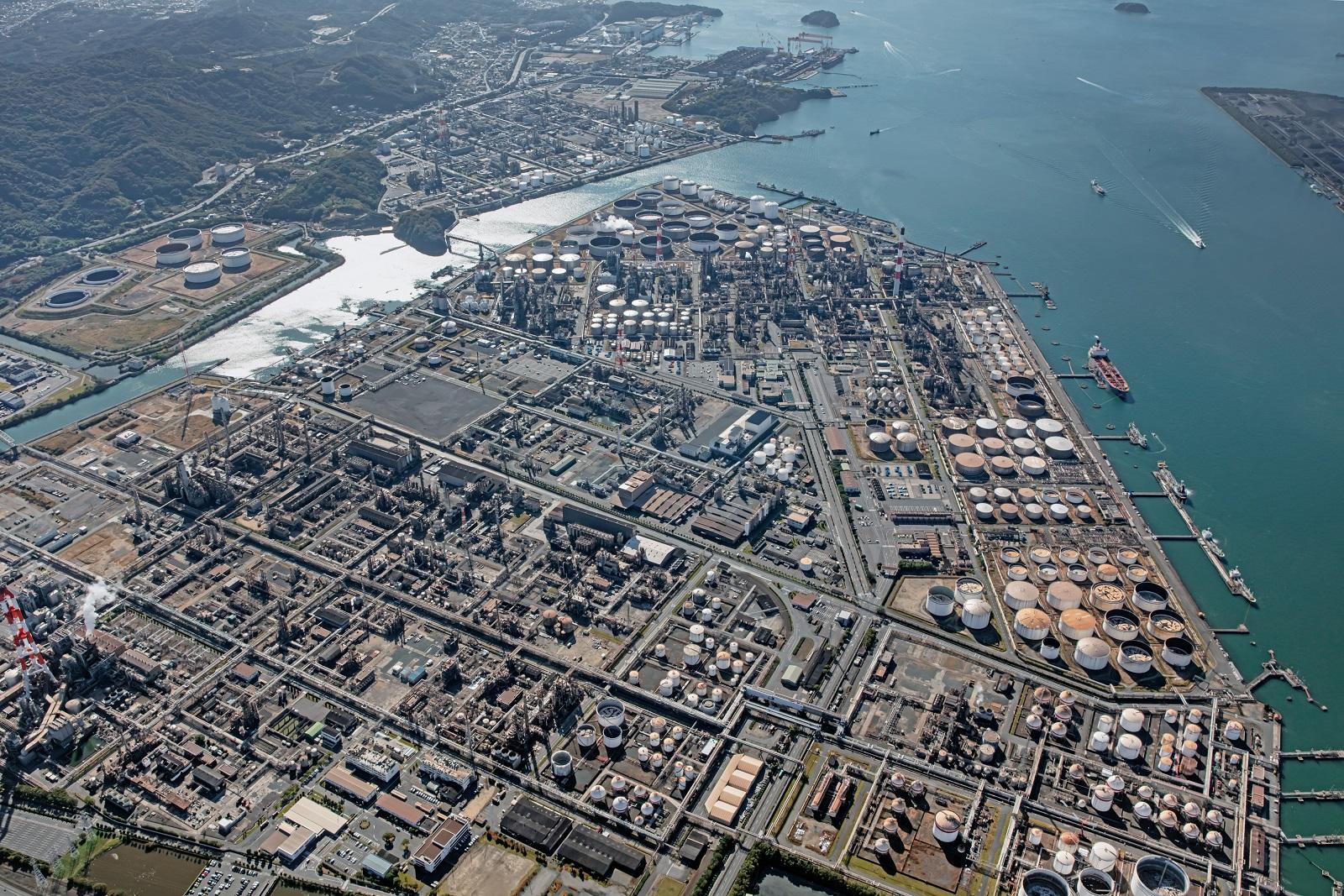
Chemical Complex in Mizushima (c) Photo Asahi Kasei
Chemical Complex in Mizushima
12.05.2026

Asahi Kasei Optimizes Material Portfolio Through Supply Realignment by FY2030

Asahi Kasei has announced plans to streamline operations at its Mizushima Works by fiscal 2030. 

There will be no immediate impact on the company’s supply of derivative products. The businesses covered by this initiative recorded revenue of ¥116.2 billion in fiscal year 2025, compared with ¥1,306.2 billion for the Material segment overall. 


Asahi Kasei has announced plans to streamline operations at its Mizushima Works by fiscal 2030. 

There will be no immediate impact on the company’s supply of derivative products. The businesses covered by this initiative recorded revenue of ¥116.2 billion in fiscal year 2025, compared with ¥1,306.2 billion for the Material segment overall. 


Product Applications FY 2030 Scope
Styrene monomer Resin feedstock, etc. Discontinuation of production
Suntec™-LD and Suntec™-EVA
low-density polyethylene (LDPE)
Various films, packag-ing materials, sundry goods, etc.
Suntec™-HD and Creolex™
high-density polyethylene (HDPE)
Acrylonitrile (AN) Resin feedstock, fiber feedstock, etc. Discontinuation of Mizushima 200 kt/y AN line and conversion of 50 kt/y MAN (meth-acrylonitrile) line to AN/MAN co-produc-tion, with continued AN supply through Tongsuh Petrochemical (South Korea).
Duranol™ polycarbonate diol (PCD) Polyurethane feed-stock for synthetic leather, etc.

Discontinuation of Mizushima ≈3 kt/y PCD line; supply maintained via Asahi Kasei Per-formance Chemicals (China), etc.


Asahi Kasei’s discontinuation of these derivatives and realignment of its supply chain form part of a broader initiative to streamline its Material sector portfolio and enhance capital efficiency. 

These measures are intended to exit businesses where profitability has become inherently challenging and to restructure the related supply chains within the global petrochemical markets. This is expected to improve margins and reduce cash outflows associated with maintaining these operations, enabling the strategic reallocation of capital toward higher-value opportunities. Such disciplined portfolio man-agement reinforces Asahi Kasei’s focus on areas with stronger long-term return potential. 

Under its three-year medium-term management plan "Trailblaze Together," Asahi Kasei is improving capital efficiency and accelerating earnings by converting past growth investments into tangible returns. To support this, the company is implementing structural reforms that channel resources to its key growth pillars—pharmaceuticals, critical care, overseas homes, and electronics. 

Recent actions such as entering a basic agreement with Mitsui Chemicals and Mitsubishi Chemical to promote the decarbonization of ethylene production in western Japan, and acquiring Aicuris to strengthen its specialty pharma platform in severe infectious diseases, demonstrate Asahi Kasei’s dis-ciplined execution of this strategy and reinforce the foundation for sustained, profitable growth.

Source:

Asahi Kasei 

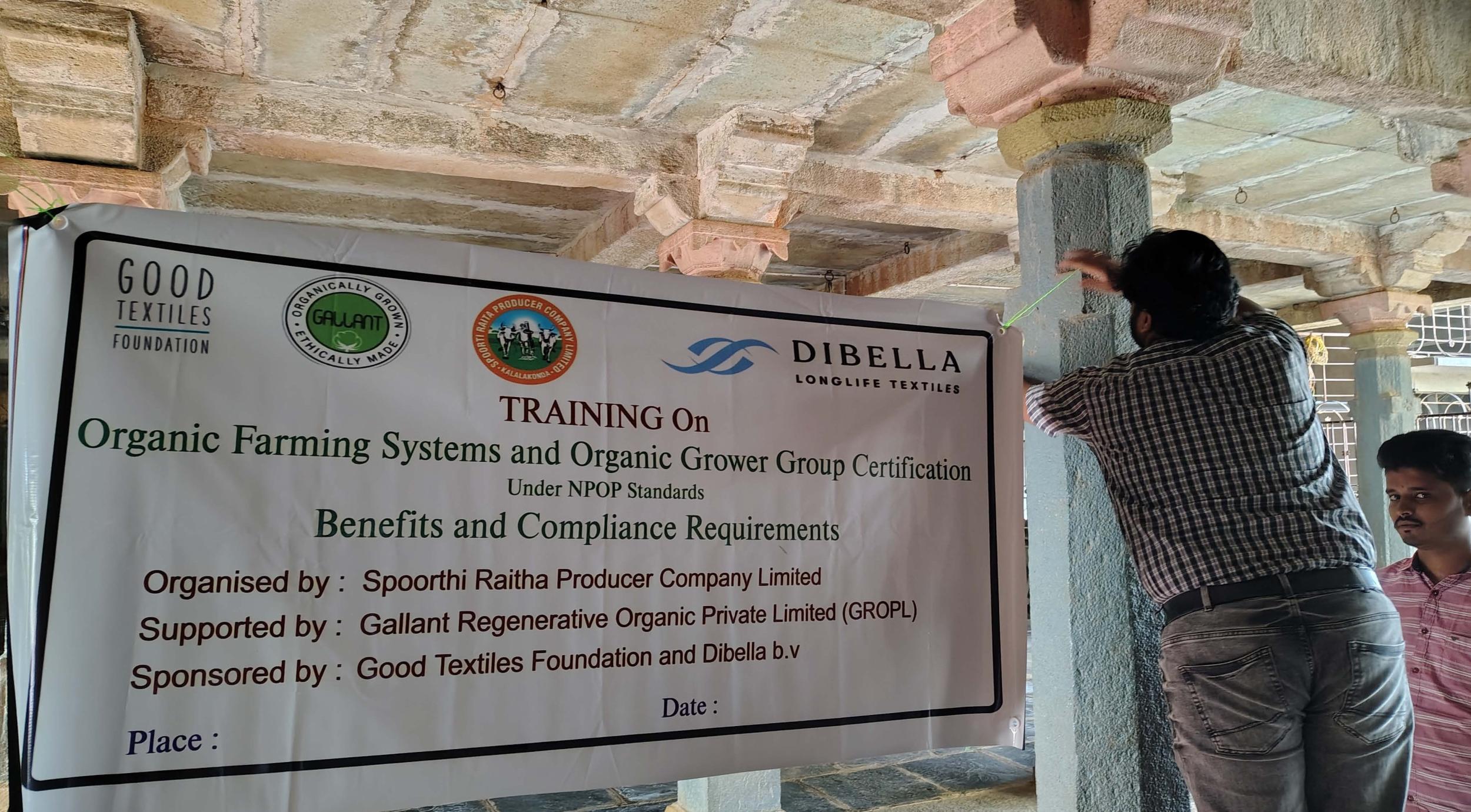
Start of the Training for Common Ground Farmers Photo GoodTextiles Foundation
Start of the Training for Common Ground Farmers
12.05.2026

GoodTextiles Foundation launches “Common Ground” Farmer Initiative in India

The GoodTextiles Foundation, in collaboration with Dibella India, Gallant Regenerative Organic Private Limited, and Spoorthi Raith Producer Company Limited, announces the launch of its new flagship project Common Ground. This initiative marks a significant step toward fostering sustainable, regenerative cotton cultivation among smallholder farmers in southern India. 

A Shared Vision Rooted in the Land 
Set in the rural landscapes of Karnataka’s Haveri district, Common Ground brings together farmers, local communities and agricultural experts with a unified goal: to restore harmony between people and nature through organic and regenerative farming practices. 

The foundation for this initiative was laid as early as 2024 through site visits, farmer dialogues and collaboration with the University of Agricultural Sciences Dharwad. In 2025, the project entered its implementation phase, including soil assessments, team training, community engagement and the registration of participating farmers. 

The GoodTextiles Foundation, in collaboration with Dibella India, Gallant Regenerative Organic Private Limited, and Spoorthi Raith Producer Company Limited, announces the launch of its new flagship project Common Ground. This initiative marks a significant step toward fostering sustainable, regenerative cotton cultivation among smallholder farmers in southern India. 

A Shared Vision Rooted in the Land 
Set in the rural landscapes of Karnataka’s Haveri district, Common Ground brings together farmers, local communities and agricultural experts with a unified goal: to restore harmony between people and nature through organic and regenerative farming practices. 

The foundation for this initiative was laid as early as 2024 through site visits, farmer dialogues and collaboration with the University of Agricultural Sciences Dharwad. In 2025, the project entered its implementation phase, including soil assessments, team training, community engagement and the registration of participating farmers. 

Seven carefully selected villages now form the core of the project. Chosen for their accessibility, strong community structures and development potential, they provide fertile ground for a scalable model that can be replicated across other regions. 

Empowering Farmers Through Knowledge and Structure 
At the heart of Common Ground lies a commitment to people. To date, 510 farmers have been identified, with 475 already in the final stages of enrolment into a newly established Organic Cotton Grower Group (OGG). 

The project combines technical expertise with hands-on support close, continuous support. A dedicated team—comprising an Internal Control System (ICS) Manager and trained field staff—is being steadily expanded to ensure effective on-the-ground implementation. Farmers participate in targeted training sessions that introduce them to organic cultivation practices and certification requirements, equipping them with the knowledge needed for long-term success. 

In parallel, external experts are developing location-specific “Packages of Practice” tailored to local conditions, alongside watershed-level strategies that promote sustainable resource management. To ensure transparency and traceability from the outset, all farms are digitally documented, including GPS-based mapping of agricultural plots.

Beyond Cotton: Building Resilient Futures 
Common Ground goes far beyond sustainable cotton production. It is an investment in the long-term resilience of farming communities. By improving soil health, conserving water resources and enhancing biodiversity, the initiative supports both environmental sustainability and economic opportunity. 

At the same time, it strengthens farmers’ independence and confidence in an agricultural system capable of sustaining livelihoods for generations to come. 

Together the partners are building a scalable model for regenerative value creation – from seed to finished textile. Step by step, a transparent and responsible supply chain is emerging. 

With every field converted, every training delivered and every partnership formed, Common Ground is cultivating more than cotton – it is nurturing a growing community committed to shaping a more sustainable future.

Source:

GoodTextiles Foundation

Endeavour process—excluding pre and post treatment Photo: Alchemie Technology
12.05.2026

Alchemie Technology: Up to 92% Water Saving in Textile Dyeing

Alchemie Technology, a leader of jet precision dyeing solutions, is pleased to share that Endeavour demonstrates up to 92% water saving in their dyeing process.

The demonstration was validated by Fashion for Good and conducted by BluWin, through Fashion for Good’s Advanced Process Matrix (APM) assessment, an initiative to find sustainable resources for “Future Forward Factories”, seeking low-carbon innovative solutions to help textile process transition from wet processing to dry processing.

Alchemie Technology announced the results of the APM assessment, confirming that Endeavour digital dyeing technology delivers significant reduction in resource consumption, compared to traditional jet dyeing and thermosol processes. 

Alchemie Technology, a leader of jet precision dyeing solutions, is pleased to share that Endeavour demonstrates up to 92% water saving in their dyeing process.

The demonstration was validated by Fashion for Good and conducted by BluWin, through Fashion for Good’s Advanced Process Matrix (APM) assessment, an initiative to find sustainable resources for “Future Forward Factories”, seeking low-carbon innovative solutions to help textile process transition from wet processing to dry processing.

Alchemie Technology announced the results of the APM assessment, confirming that Endeavour digital dyeing technology delivers significant reduction in resource consumption, compared to traditional jet dyeing and thermosol processes. 

The assessment, conducted in Taiwan in September 2025, demonstrates that the Endeavour process—excluding pre and post treatment, achieves up to 92% reduction in water usage compared to jet dyeing and up to 90% reduction compared to the Thermosol method. By eliminating steam usage entirely, the technology reduces total energy consumption by up to 86% against Thermosol and up to 70% against jet dyeing. While the process is fully electric, it results in an increase in electricity consumption ranging from 30% to 128%, the shift facilitates a significant net decrease in Greenhouse Gas emissions, by up to 86% compared to Thermosol and up to 70% compared to jet dyeing methods. 

The data of the assessment was captured in a commercial production environment, highlighting Endeavour as a production-ready solution that can deliver environmental and operational advantages. In addition to reducing resource use, the technology operates at line speeds of 35 metres per minute, with the potential for higher speeds depending on fabric specifications. The impact assessment confirmed that the dyed polyester fabrics achieved colour fastness grades of 4 and above in all cases, meeting all standard industry requirements.

“The assessment was orchestrated by our partner, Fashion for Good under their APM project to validate the performance and impact of Endeavour” said Dr. Alan Hudd, CEO and Founder of Alchemie Technology. “The results of the APM or most people understand as a form of LCA confirm that it is possible to significantly reduce water, energy, and emissions in our dyeing process, without compromising on quality or production efficiency. This is a critical step in enabling the industry to adopt more resource-efficient processes at scale.”

Endeavour is a digital dyeing platform configurable for polyester, cotton, and man-made cellulosic fibres. It uses Alchemie’s proprietary dye application system to precisely apply dye to fabric, ensuring that no excess dye is used. By eliminating the need for large volumes of heated water, the process delivers substantial reductions in resource consumption compared to traditional dyeing methods.

The assessment evaluated the Endeavour polyester process against conventional jet exhaust dyeing and thermosol process, incorporating data from a full production workflow. The results of this assessment reinforce Alchemie Technology’s position as a provider of production-ready solutions that combine measurable sustainability improvements with consistent, high-quality output and operational efficiency.