


Hexcel: New Chief Financial Officer
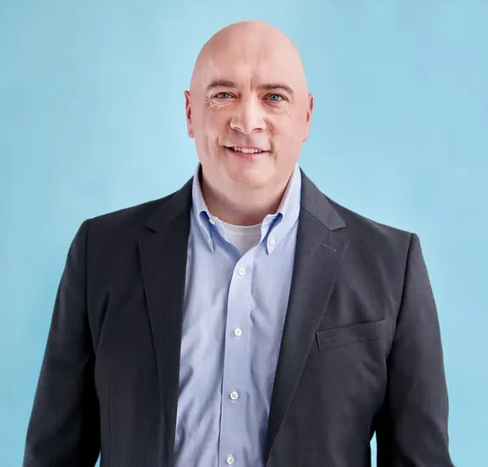
Hexcel Corporation announced that James (Jamie) Coogan has been appointed Executive Vice President and Chief Financial Officer effective May 1, 2026. He will report to Tom Gentile, Hexcel Chairman, CEO and President. Coogan succeeds Mike Lenz who has been serving as interim Chief Financial Officer. Lenz will remain for a period of time when Coogan joins the company as a Senior Advisor to assist with the transition.
“Jamie brings the experience and the financial leadership that will help Hexcel build on our momentum as we enter a period of growth with rising commercial aircraft production rates and an expanding defense and space market,” said Tom Gentile, Chairman, CEO and President, Hexcel Corporation. “His experience in aerospace and defense companies and broader industrial manufacturing organizations will enable him to make a meaningful impact quickly on Hexcel’s strategic priorities.”
Coogan most recently served as Executive Vice President and Chief Financial Officer at Axcelis Technologies, a supplier in the semiconductor industry, having joined the company in September 2023. Previously he served as Senior Vice President, Chief Financial Officer at Kaman Corporation (formerly traded on the NYSE under the symbol KAMN). During his 15 years at Kaman, he held various management positions including Vice President, Investor Relations and Corporate Development, Assistant Vice President, External Reporting and SEC Compliance, and Director, External Reporting and SEC Compliance.
Coogan has more than 20 years of finance, accounting and investor relations experience across multiple industries, including aerospace and defense. After starting his career at PwC, he held several financial management roles at Ann Taylor Stores Corporation and Mohegan Tribal Gaming Authority before joining Kaman.
Coogan holds an MBA from the Yale School of Management, an M.S. in Accounting and a B.S. in Business Administration, Accounting from the University of Connecticut.
Hexcel Corporation