From the Sector

Reset
Signal 08 - CHLOROLIRIUM — Charlie Moon; Messe Frankfurt
09.06.2026

Autopsy: New trend book by Texworld Apparel Sourcing Paris

Autopsy, the new trend book by Texworld Apparel Sourcing Paris, deciphers the fractures of our time through 12 creative signals. Materials, colors, shapes, and narratives come together to create a forward-looking map for the Autumn-Winter 2027-2028 season. 
 
Presented during Texworld Apparel Sourcing Paris, from August 31 to September 2, 2026, at the Paris-Le Bourget Exhibition Center, Autopsy offers a reinterpretation of the contours of fashion in a world undergoing profound transformation, balancing radical introspection and sensitive renewal. 
 
Designed under the artistic direction of Louis Gérin and Grégory Lamaud by the Texworld Apparel Sourcing Paris Trends Table, this new edition marks a major evolution in the way trend forecasting is presented: replacing the four major narrative worlds that structured previous editions, Autopsy introduces this year a broader and more instinctive approach. Twelve emerging signals now shape a sensitive mapping of the cultural, social, aesthetic, and emotional tensions defining our era. 
 
A tool for decoding and creative insight. 

Autopsy, the new trend book by Texworld Apparel Sourcing Paris, deciphers the fractures of our time through 12 creative signals. Materials, colors, shapes, and narratives come together to create a forward-looking map for the Autumn-Winter 2027-2028 season. 
 
Presented during Texworld Apparel Sourcing Paris, from August 31 to September 2, 2026, at the Paris-Le Bourget Exhibition Center, Autopsy offers a reinterpretation of the contours of fashion in a world undergoing profound transformation, balancing radical introspection and sensitive renewal. 
 
Designed under the artistic direction of Louis Gérin and Grégory Lamaud by the Texworld Apparel Sourcing Paris Trends Table, this new edition marks a major evolution in the way trend forecasting is presented: replacing the four major narrative worlds that structured previous editions, Autopsy introduces this year a broader and more instinctive approach. Twelve emerging signals now shape a sensitive mapping of the cultural, social, aesthetic, and emotional tensions defining our era. 
 
A tool for decoding and creative insight. 
Conceived as a tool for decoding and creative monitoring, this trend book explores a society at a turning point: technological saturation, loss of meaning, exhaustion of dominant narratives, but also a return to nature, a need for humility, and a desire to reconnect with reality. Far beyond a purely stylistic reading, Autopsy questions the place of the body, nature, memory, and intelligence within a changing civilization. The twelve themes it presents, built around a selection of inspiring colors and materials, combine sociological reflection with creative proposals. 
 
Signal #1 – Normskin 
In a world where algorithms dictate behaviors, Normskin questions the standardization of bodies, tastes, and identities. Silhouettes become uniform, materials repetitive, and aesthetics cloned. This apparent perfection conceals the silent tension of a society that increasingly rejects singularity. Modular textures, calibrated layering, and geometric patterns, expressed through a rather neutral color palette, reflect this silent dictatorship of sameness and conformity. 
 
Signal #2 – Florabiote 
This theme celebrates the proliferation of living organisms as a response to the exhaustion of human systems. Nature, like a jungle, becomes invasive and abundant. Organic colors, artificial blooms, velvety materials, and spontaneous compositions create a hybrid landscape where textiles transform into an emotional biotope: cocoon coats, floral jacquards, mossy velvets, and botanical embroideries shape a generous and instinctive atmosphere driven by the idea that diversity is the true condition for survival. 
 
Signal #3 – Decarnation 
This proposal questions the distancing of the physical body in a hyperconnected world. Clothing becomes a shell, a relic, or the trace of an absent presence. Textures appear altered and weathered, colors faded and sometimes almost ghostly. Between symbolic flesh, worn surfaces, and disembodied volumes — bodies as showcases — this signal presents a suspended and fragile fashion, illustrating the programmed disappearance of physical embodiment. 
 
Signal #4 – Fusionary 
This theme sketches a world in recomposition, where forms, materials, and functions combine freely. Structures intersect, hybridize, and mutate according to an organic logic inspired by living systems. Textiles play with assembly, networks, and graphic tensions through a warm color palette. Creativity here is driven by the blending of disciplines, cultures, and craftsmanship. 
  
Signal #5 – Vitaminoid 
A reflection of an extinct civilization where individuals become caricatures of themselves. Colors are explosive and contrasting, volumes inflated with fluffy materials: colorful faux furs, oversized shapes, cartoon-like silhouettes. The forms express a society where spectacle is permanent. Between pop culture, digital avatars, and the cult of symbols — people become characters — this signal explores a simplified humanity where identity becomes performative and instantly consumable. 
 
Signal #6 – Evinescence 
This theme stages the remnants of a humanity fascinated by its own image. Pigmented transparencies, altered reflections, fragmented textures, and historical traces shape a visual expression of disappearance. Like leaves covering the ground, cultural signs remain, yet already seem fossilized. Garments appear worn down by time and memory. This signal reflects the fragile beauty of an environment aware of its own exhaustion. 
 
Signal #7 – Paleogreen 
This theme celebrates the return of vegetation over the ruins of human systems. A future where materials appear eroded, marked by time, and crossed by organic and mineral traces. Muted greens, accidental effects, and layered surfaces depict an ecosystem where nature silently reclaims space. An archaeological and contemplative aesthetic, quiet and introspective, between memory and disappearance. 
 
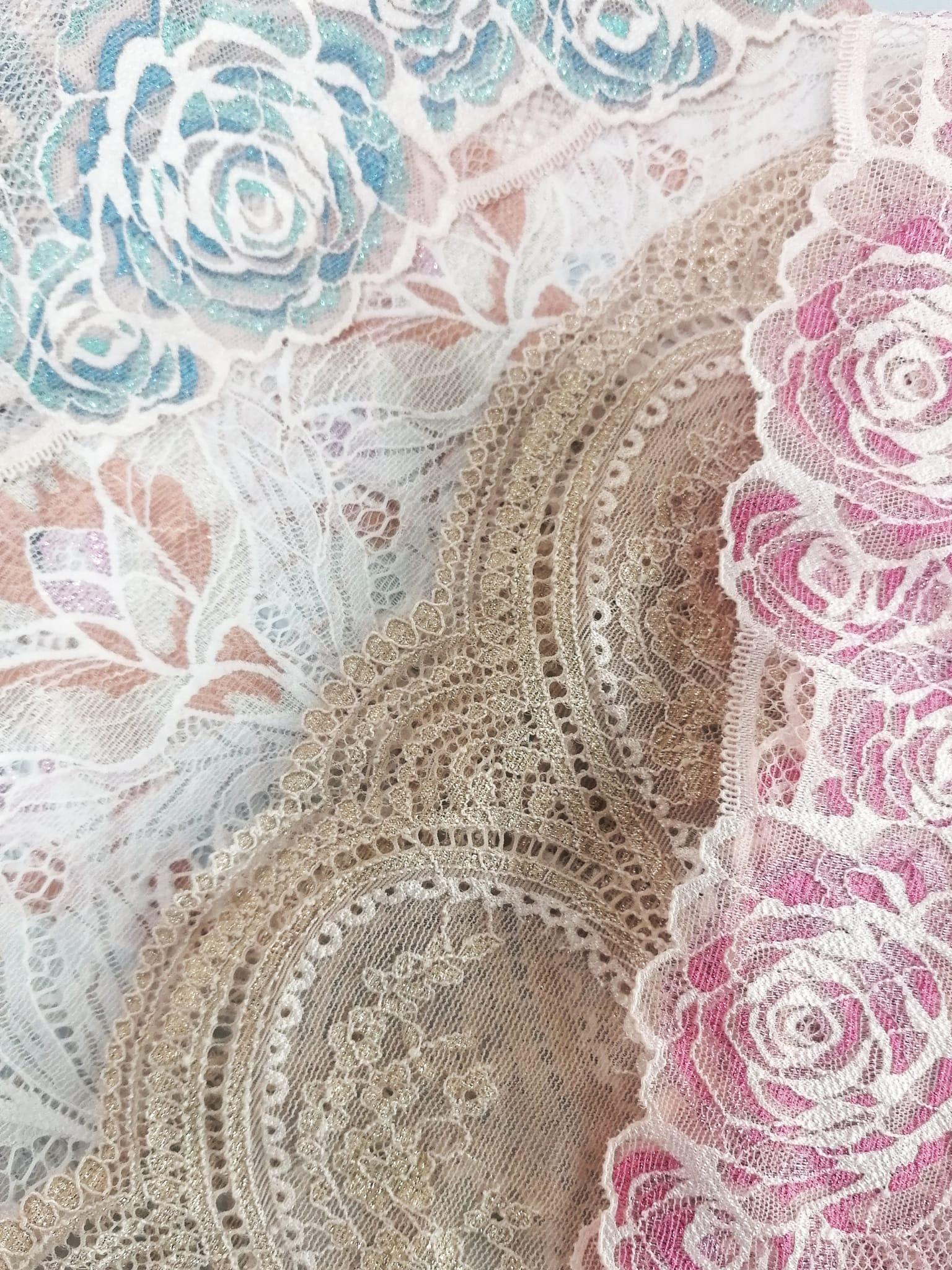
Signal #8 – Chlorolirium 
This direction places nature as the ultimate model. Forms sprout, stretch, and proliferate within a vegetal universe that has become a culture in itself. Chlorophyll-inspired colors, fluffy supports, plant-like silhouettes, and livingfabric effects create a sensory language inspired by biology. This signal celebrates an instinctive reconnection with nature and a poetic vision of a postanthropocentric future. 
 
Signal #9 – Aquamorphosis 
Inspired by aquatic, fluid, and adaptable volumes, this proposal highlights translucent, moving, and polymorphic materials, as though shaped by currents. Reflective effects, liquid surfaces, wet-look finishes, and organic constructions express a fashion capable of evolving with its environment. This signal develops an immersive and primal visual proposal, where clothing acts like a flexible and evolving second skin. 
 
Signal #10 – Wondermeil 
When beauty emerges after exhaustion: certainties collapse, colors burst, patterns vibrate, and sensations multiply. Compositions are naïve, joyful, and almost psychedelic. Between raw emotion and euphoria, this signal celebrates, through an explosion of color, the ability of sensations to re-enchant the way we see the world. 
 
Signal #11 - Urbicéa 
Cet axe convoque les traces laissées par les civilisations : architectures résiduelles, objets techniques, structures survivantes. Les matières minérales, les gris bétonnés, sourds, et les lignes brutalistes composent un paysage urbain devenu vestige. Entre rigidité industrielle et poésie des ruines, ce signal interroge la mémoire des objets et la permanence des constructions face à la disparition des idées. 
 
Signal #12 – Epiternel 
The story of Autopsy concludes with an aesthetic of sedimentation and rediscovered humility. Burnt wood, carbon residues, marbled textures, and animal traces express a world returned to essentials. This signal favors deep, enveloping, and silent structures — almost monastic — like the remnants of a truth finally laid bare. A peaceful and lucid vision of “the aftermath.” 
 
An immersive scenography at the heart of the trade show 
The Autopsy trend book will be unveiled and presented by Louis Gérin during the show at a conference held on the Agora stage. From August 31 to September 2, 2026, visitors will be able to discover in Hall 2 a selection of materials, color proposals, and silhouettes directly inspired by the twelve signals of the trend book, within an immersive journey designed as a forward-looking exploration of the Autumn-Winter 2027-2028 season.

Source:

Messe Frankfurt

Photo (c) Neo.Fashion.
08.06.2026

Neo.Fashion. Berlin: Emerging Fashion Talent Chart a New Course

More than 620 talents, nine editions, one milestone: Neo.Fashion. celebrates its 10th edition this July and announces a new organizational structure — a clear statement of commitment to the long-term development of emerging talent in the German fashion industry. 

More than 620 talents, nine editions, one milestone: Neo.Fashion. celebrates its 10th edition this July and announces a new organizational structure — a clear statement of commitment to the long-term development of emerging talent in the German fashion industry. 

Germany’s most versatile platform for emerging fashion talent marks its 10th anniversary with a strategic repositioning and a new venue: For its 10th edition, Neo.Fashion. will take place during Berlin Fashion Week from July 2 to 4, 2026, in a former industrial hall at “Neues Ufer 13” in Berlin-Moabit. The program includes the Best Graduates Shows and Aspiring Designer Shows, alongside the presentation of the Neo.Fashion. Award and the Digital Fashion Award. To date, ten universities from Germany, Austria, Switzerland, and Ukraine have confirmed their participation. A strong emphasis on sustainability defines this year’s collections. With the establishment of the non-profit Neo.Fashion. e.V. in 2025, the initiative has further professionalized its organizational structure, creating a more robust foundation for the long-term promotion of emerging design talent. 
 
What started in 2017 as a vision has since become a defining fixture for young fashion designers across Germany: Neo.Fashion. is celebrating its 10th edition this year. Since the inaugural graduate show in the fall of 2017 at Motorwerk Weißensee in Berlin, more than 620 graduates from across the country have presented their final collections on the Neo.Fashion. stage. In 2019, the platform became an official part of Berlin Fashion Week, cementing its place in the international fashion calendar. With the Best Graduates Shows, the Aspiring Designer Shows, the Neo.Fashion. Award, and the Digital Fashion Award — launched for the first time last year — Neo.Fashion. has grown into a unique ecosystem that goes far beyond a pure presentation platform. 

The founding of the nonprofit Neo.Fashion. e.V. in 2025 marks a pivotal step toward sustained, structured talent development. A newly expanded organizational team now manages the full range of Neo.Fashion. activities — from university coordination and communications to technical production, industry partnerships, textile research, and startup outreach. Workshops, competitions, mentoring programs, and international collaborations will be part of the platform’s expanded offering going forward. 

Neo.Fashion. is also making a geographic move. From July 2 through 4, 2026 — as always, in sync with Berlin Fashion Week — the event relocates to “Neues Ufer 13” (“New Shore 13”) in the Berlin district of Moabit: a former industrial hall whose raw, urban aesthetic provides an authentic backdrop for young, uncharted fashion voices. “We see ‘Neues Ufer’ as a metaphor — for us as a format that has reinvented itself time and again over ten years, and for the talents who show their collections here with a new shore as their destination,” says Jens Zander, CEO of brand experience agency S49, founder of Neo.Fashion., and director of the new Neo.Fashion. e.V., where he oversees production and strategic development. 

More than ten professional runway shows are planned, featuring selected graduates from nearly all German fashion schools presenting their collections. Each show will spotlight six to eight emerging designers. In total, up to 80 participants will take the stage in July, presenting their work to a broad public audience—well beyond the industry itself. This open and inclusive approach sets Neo.Fashion apart from other formats. 
Ten universities have already confirmed their participation: Hochschule Pforzheim (Pforzheim), Hochschule Niederrhein (Krefeld, Mönchengladbach), AMD Akademie Mode & Design (Berlin, Hamburg, Düsseldorf, Wiesbaden, Munich), Hochschule Reutlingen (Reutlingen), Hochschule Hannover (Hannover), Hochschule Bielefeld (Bielefeld), Hochschule für Technik und Wirtschaft Berlin – HTW Berlin (Berlin), Hochschule Macromedia (Berlin), Burg Giebichenstein Kunsthochschule Halle (Halle/Saale), and HAW Hamburg – University of Applied Sciences (Hamburg). On the international side: the University of Art and Design Linz (Linz, Austria), the Academy of Art and Design Basel – HGK FHNW (Basel, Switzerland), Fashion Art Toronto (Toronto, Canada), and the Kyiv National University of Technologies and Design – KNUTD (Kyiv, Ukraine). 

One theme runs through nearly every collection shown at Neo.Fashion.: sustainability. What was a niche concern a decade ago is now a core driver of young designers’ creative work. From material sourcing and production processes to circular design principles, Neo.Fashion. graduates are rethinking fashion from the ground up — and setting new standards for a responsible future in the industry. Neo.Fashion. actively supports this shift, providing space for innovative, sustainable approaches. 

Nurturing Talent as an Investment in the Future 
Germany’s fashion economy — including retail, startups, and FashionTech — contributes approximately €70 billion to the country’s GDP and supports around one million jobs, according to research by Oxford Economics commissioned by the Fashion Council Germany (FCG) and the Federal Ministry for Economic Affairs and Climate Action (BMWK). The German textile and apparel industry generates around €32 billion in annual revenue and employs more than 120,000 people across approximately 1,400 companies. The German apparel market as a whole recorded revenues of around €67.7 billion in 2025. 

Maintaining and growing that position demands a consistent pipeline of new talent. Platforms like Neo.Fashion. play a central role in bridging the gap between education and professional entry — giving emerging designers the visibility and industry connections they need to launch their careers. 

Success Stories and International Partnerships 
The impact of Neo.Fashion. as a launchpad for young designers is evident in the careers that have followed: many alumni who showed their first collections on the Neo.Fashion. runway have since returned with their own labels — and are now fixtures in the Berlin Fashion Week calendar. 

Particularly noteworthy is the partnership with Ukrainian Fashion Week, established in 2022, which gives Ukrainian design talent an international platform despite the difficult situation in their home country. Strategic partners including the Fashion Council Germany (FCG) and the German Textile and Fashion Federation (Gesamtverband textil+mode) support Neo.Fashion. in broadening its reach and opening doors into the industry for emerging designers. 

Neo.Fashion. — The Ecosystem 
Best Graduates Show: The flagship show of Neo.Fashion. during Berlin Fashion Week, in which the best final collections from fashion design students across Germany are presented in professional runway shows. 

Neo.Fashion. Award: An award recognizing outstanding emerging talent distinguished by exceptional creativity, innovation, or sustainability in their collections — designers who are setting the agenda for the future of the industry. 

Aspiring Designer Shows: A platform for young designers who have already taken their first steps toward independence and are building their own labels — giving them the opportunity to present their current collections to a broad professional audience. 

Digital Fashion Award: Launched in 2025, this award signals a shift in how fashion engages with the digital world — treating it not just as a tool, but as a creative space in its own right. For Neo.Fashion., it marks a key step in the evolution of the format and opens a new chapter in supporting digital emerging talent. 

Neste RE is produced from ISCC certified and traceable renewable raw materials, such as waste and residues like used cooking oil. Source: Neste
Neste RE is produced from ISCC certified and traceable renewable raw materials, such as waste and residues like used cooking oil.
04.06.2026

Renewable nylon fiber for THE NORTH FACE brand

Goldwin Inc., Neste, Idemitsu Kosan Co., Ltd., and Toray Industries, Inc. have established a supply chain for nylon fiber made from renewable raw materials. Neste supplies Neste RE™, a renewable raw material that enables the production of high-performance renewable nylon fiber and reduces the reliance on fossil feedstocks. The nylon fiber produced through this project is scheduled to be used by Goldwin for a part of THE NORTH FACE products in August 2026. 

Renewable naphtha, or Neste RE, is made from bio-based raw materials such as used cooking oil and other renewable raw materials. It is a lower-GHG-emission alternative to conventional fossil feedstocks. With the use of neat (i.e., unblended) renewable Neste RE, over 85%* of the greenhouse gas (GHG) emissions of the raw material are reduced compared to the use of virgin fossil raw materials. Bio-based plastics derived from Neste RE are of identical quality to those made from virgin fossil feedstocks and can be turned into exactly the same products and used for the same applications.

Goldwin Inc., Neste, Idemitsu Kosan Co., Ltd., and Toray Industries, Inc. have established a supply chain for nylon fiber made from renewable raw materials. Neste supplies Neste RE™, a renewable raw material that enables the production of high-performance renewable nylon fiber and reduces the reliance on fossil feedstocks. The nylon fiber produced through this project is scheduled to be used by Goldwin for a part of THE NORTH FACE products in August 2026. 

Renewable naphtha, or Neste RE, is made from bio-based raw materials such as used cooking oil and other renewable raw materials. It is a lower-GHG-emission alternative to conventional fossil feedstocks. With the use of neat (i.e., unblended) renewable Neste RE, over 85%* of the greenhouse gas (GHG) emissions of the raw material are reduced compared to the use of virgin fossil raw materials. Bio-based plastics derived from Neste RE are of identical quality to those made from virgin fossil feedstocks and can be turned into exactly the same products and used for the same applications.

“Renewable materials made from Neste RE meet the performance standards of global brands like THE NORTH FACE operated by Goldwin Inc. This project with Goldwin, Idemitsu, and Toray shows how the fashion industry's dependence on fossil resources can also be reduced for high-performance products. It demonstrates how our drop-in solutions can rapidly transform complex value chains to help brands work towards their climate targets,” says Maiju Helin, Director of Polymers and Chemicals at Neste.

Fossil-based feedstocks, like naphtha, can be replaced with Neste RE without changes to the polymers and chemicals manufacturing infrastructure or processes; it is a seamless drop-in solution. In building this supply chain, the participating companies utilized existing facilities and applied the mass balance** approach.

Mitsubishi Corporation coordinated the participating companies in establishing the supply chain for renewable nylon fiber in Goldwin's products.

This collaboration marks Neste’s second supply chain collaboration for THE NORTH FACE products, following a similar partnership in July 2024.

Source:

Neste Corporation

24.05.2026

Scoop: Landmark Collaboration with the Italian Trade Association (ICE)

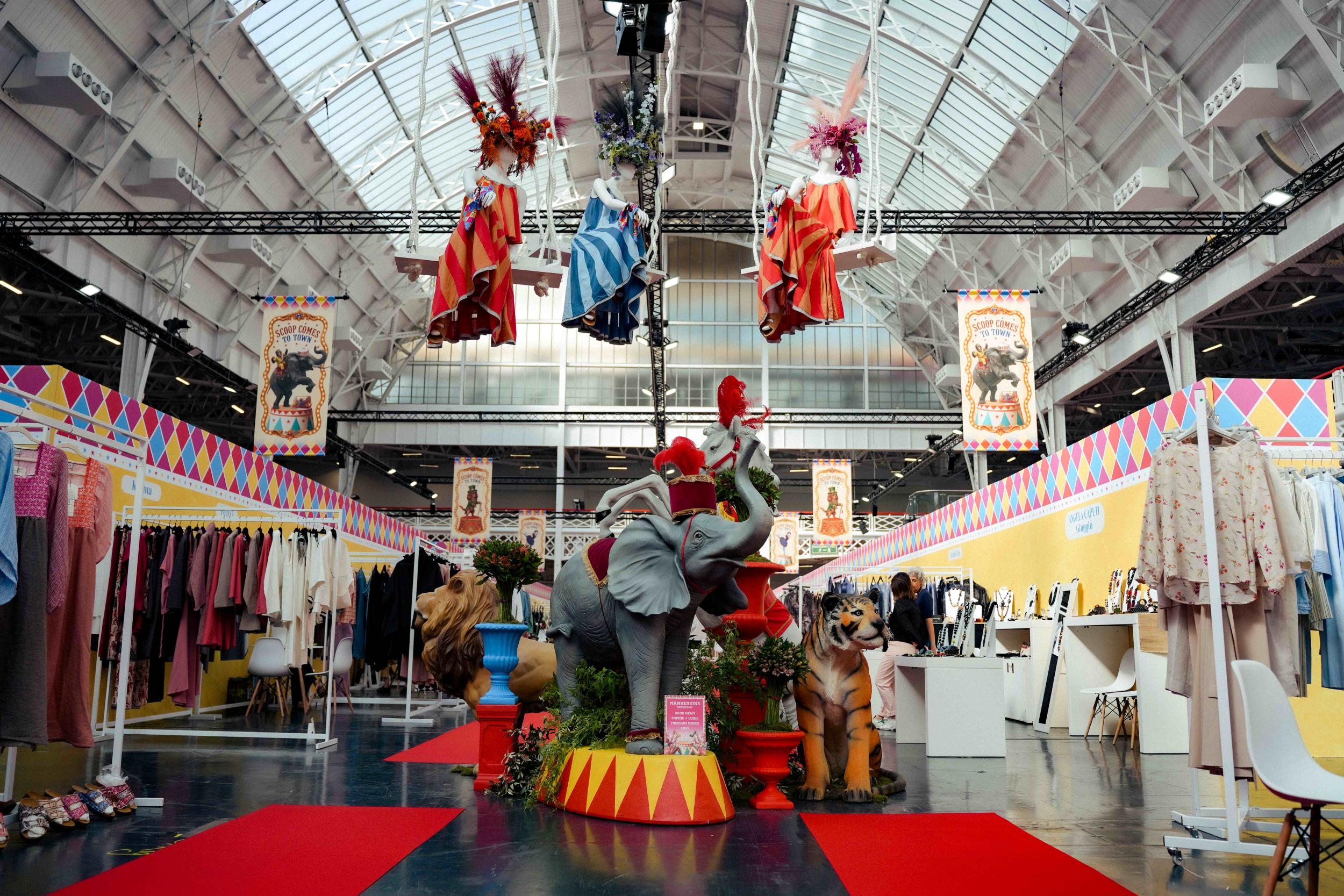
Scoop announced a new collaboration with the Italian Trade Agency (ICE), bringing an exclusive collective of 32 contemporary Italian designers to the upcoming July edition of the show.

Carefully curated exclusively for Scoop, the showcase will present a distinctive edit of Made in Italy fashion, accessories and lifestyle collections spanning ready-to-wear, knitwear, jewellery, handbags, footwear, umbrellas and homeware. None of the participating designers have previously exhibited at Scoop or within the UK market, making the showcase a truly exclusive opportunity for buyers to discover a new wave of contemporary Italian talent. 

The collaboration marks a significant moment for Scoop and further reinforces its position as the UK’s leading premium womenswear and lifestyle trade show, recognised internationally for its highly curated designer mix and influential buyer audience.

Scoop announced a new collaboration with the Italian Trade Agency (ICE), bringing an exclusive collective of 32 contemporary Italian designers to the upcoming July edition of the show.

Carefully curated exclusively for Scoop, the showcase will present a distinctive edit of Made in Italy fashion, accessories and lifestyle collections spanning ready-to-wear, knitwear, jewellery, handbags, footwear, umbrellas and homeware. None of the participating designers have previously exhibited at Scoop or within the UK market, making the showcase a truly exclusive opportunity for buyers to discover a new wave of contemporary Italian talent. 

The collaboration marks a significant moment for Scoop and further reinforces its position as the UK’s leading premium womenswear and lifestyle trade show, recognised internationally for its highly curated designer mix and influential buyer audience.

Selected for their strong design identities, craftsmanship and heritage, the participating designers represent the breadth and diversity of contemporary Italian creativity. The curated edit includes names such as contemporary womenswear label Feel O, luxury accessories collection Hibourama, womenswear designer Nina e Luca, jewellery label Ornella Bijoux, heritage leather goods house Ripani, iconic umbrella maker Pasotti Ombrelli and artisanal accessories designer Polina Firenze, alongside a wider collective of emerging and established Made in Italy collections. Many are family-owned businesses with generations of artisanal expertise, while several continue to manufacture their collections in-house within their own Italian factories, preserving the authenticity and quality synonymous with Made in Italy production.

Karen Radley, Founder and Creative Director of Scoop, comments: “We are absolutely delighted to welcome this exceptional collective of Italian designers to Scoop for the July edition. This collaboration will introduce a completely new dimension to the show, bringing together brands with a distinct point of view, exceptional craftsmanship and a strong sense of heritage.

“What makes this showcase particularly exciting is the authenticity behind the collections. Many of the designers are family-owned businesses with generations of manufacturing expertise and a deep commitment to Made in Italy production. Buyers visiting Scoop this season will discover collections that feel fresh, directional and entirely new to both Scoop and the UK market.”

The collaboration also reflects ICE’s continued commitment to supporting Italian excellence internationally and strengthening relationships with key global fashion markets. Giovanni Saachi  Direttore Ufficio ICE Agenzia Londra adds: “ICE is proud to partner with Scoop to present this carefully curated selection of contemporary Italian designers to the UK market. We are delighted to support both emerging and established companies as they introduce their collections to Scoop’s highly influential audience of buyers and industry professionals. The UK remains an important market for Italian fashion and lifestyle companies, and Scoop provides an ideal platform to foster new commercial opportunities and long-term international growth.”

The partnership with ICE reflects growing confidence in the UK market and recognises Scoop as the ideal platform through which to introduce a new wave of Italian design talent to British and international buyers.

Alongside the designer showcase, Scoop and ICE will host a private invitation-only event on the Tuesday morning of the show, celebrating Italian creativity, craftsmanship and contemporary design. The July edition will also feature a dedicated immersive installation created in collaboration with renowned Italian knitwear label Avant Toi, incorporating curated interiors, textiles and furnishings sourced from Milan to create a distinctive Italian design environment within the show.

Scoop takes place at Olympia National Kensington, London, from 19-21 July 2026. Scoop International is a celebration of exceptional design in the heart of London.

Scoop is recognised by designers, fashion buyers and industry experts as one of the UK’s leading fashion and lifestyle trade shows. Scoop's unique buying environment - carefully curated to reflect retail trends - sets it apart in the industry.

Launched in February 2011 by industry veteran Karen Radley, Scoop has since developed from exclusively womenswear-only to encompassing luxury homewares, beauty, and lifestyle collections.

Upholstered furniture textiles Photo: Temple Bar Advisory for Reconomy
Upholstered furniture textiles
14.05.2026

Circular solutions for B2B textiles failing to keep pace with rising waste volumes

  • B2B textiles are textile-based products used in commercial or industrial settings, rather than by consumers  
  • While B2B textiles are considered better positioned for circularity than the B2C textile sector, solutions remain early-stage and have not yet scaled in line with the volume of waste generated 
  • New research examines key barriers to circularity across five priority sub-sectors and the opportunities to unlock greater circularity  

Circular solutions for B2B textiles have yet to scale in line with the volume of waste generated, according to new research by Reconomy, the international circular economy specialist. 

  • B2B textiles are textile-based products used in commercial or industrial settings, rather than by consumers  
  • While B2B textiles are considered better positioned for circularity than the B2C textile sector, solutions remain early-stage and have not yet scaled in line with the volume of waste generated 
  • New research examines key barriers to circularity across five priority sub-sectors and the opportunities to unlock greater circularity  

Circular solutions for B2B textiles have yet to scale in line with the volume of waste generated, according to new research by Reconomy, the international circular economy specialist. 

B2B textiles include textile-based products used for commercial or industrial purposes such as soft furnishings, automotive interiors, agricultural textiles and construction materials rather than clothing worn by consumers. While these sectors are widely considered to be better positioned for circularity than the B2C sector due to established logistics and the fact that B2B textiles are typically more homogenous in material composition, solutions remain underdeveloped and have not yet scaled, leaving large volumes of material flowing into downcycling or disposal.   

The research examines waste flows and market dynamics across five priority B2B textile categories, including: soft furnishings; upholstery and furniture textiles; automotive textiles; agricultural textiles; and geotextiles and construction textiles. 

Across all five, the findings point to a common challenge, namely that while circularity is technically possible, it is impeded in practice by weak sorting, limited aggregation, poor data visibility and underdeveloped end-markets – meaning materials that could be reused or recycled are instead lost from the system. 

Within UK B2B soft furnishings, for example, the research found that products are dominated by bed, bath and table linen used by the hospitality and healthcare sectors which generate large waste flows. Despite the strong underlying recycling potential of these materials, reuse is structurally constrained by hygiene requirements and low unit value, resulting in most volumes sent to energy-from-waste facilities or landfill.  

The research identifies that the primary opportunity for the industry lies upstream, in improving sorting and aggregation at industrial laundries, which act as the key control point for circular and end-of-life material routing. 

The report comes amid rising waste volumes, with more than 6,000 tonnes of hospitality textiles lost each year in the UK and four million linen items lost annually by the NHS, including bed sheets, pillowcases and surgical gowns. 
 
Commenting, Aimee Campanella, Development Director for Textiles EPR at Reconomy, said: “While much discussion around textiles circularity has centred on apparel, non-apparel textiles represent a significant adjacent area that has been largely overlooked. Given our expertise in textiles for clothing and footwear, we commissioned this new research to provide the industry with greater clarity on the structural barriers holding circularity back, and what needs to change to accelerate circular models that reduce waste, cut carbon emissions and lower costs for businesses.”

Source:

Temple Bar Advisory for Reconomy