
From the Sector

Reset
Kraig Biocraft Laboratories Photo Kraig Biocraft Laboratories
17.02.2026

Kraig Activates First Wave of 2026 Production Program

Kraig Biocraft Laboratories, Inc., a global leader in spider silk technology*, announced that its 2026 production plan has officially moved from strategy to execution.
 
The Company has now moved bio-material to incubation, getting a jumpstart on its March production plan and formally initiating its multi-ton spider silk scale-up initiative.
 
This milestone follows Kraig’s recently announced 2026 production schedule. This aggressive plan is set to achieve sustained monthly production of recombinant spider silk cocoons at unprecedented commercial volumes. With the release of the first wave of production materials now complete, Kraig Labs has activated its expanded manufacturing pipeline and commenced field-level implementation.
 
"This is the moment where planning becomes production," said Kim Thompson, Kraig Labs CEO and Founder. "Our 2026 roadmap was built around disciplined expansion, operational efficiency, and multi-ton output. Today, that roadmap is in motion. Bio-materials have recently been moved to incubation in preparation for the March production run."
 

Kraig Biocraft Laboratories, Inc., a global leader in spider silk technology*, announced that its 2026 production plan has officially moved from strategy to execution.
 
The Company has now moved bio-material to incubation, getting a jumpstart on its March production plan and formally initiating its multi-ton spider silk scale-up initiative.
 
This milestone follows Kraig’s recently announced 2026 production schedule. This aggressive plan is set to achieve sustained monthly production of recombinant spider silk cocoons at unprecedented commercial volumes. With the release of the first wave of production materials now complete, Kraig Labs has activated its expanded manufacturing pipeline and commenced field-level implementation.
 
"This is the moment where planning becomes production," said Kim Thompson, Kraig Labs CEO and Founder. "Our 2026 roadmap was built around disciplined expansion, operational efficiency, and multi-ton output. Today, that roadmap is in motion. Bio-materials have recently been moved to incubation in preparation for the March production run."
 
The March production run represents the first major deployment under the Company's 2026 plan. The initiative is designed to drive consistent output at levels never before seen, while reinforcing quality control, supply chain stability, and downstream processing capacity.
 
By initiating this production cycle, Kraig Labs is delivering on its commitment, creating the world's first reliable, repeatable, and scalable commercial spider silk manufacturing. The Company's vertically integrated model enables rapid deployment of materials, controlled expansion of silkworm rearing operations, and alignment with future customer demand.
 
"Our focus is clear," Thompson continued. "Execution. Volume. Commercialization. Every production cycle strengthens our position as the global leader in recombinant spider silk."
 
Kraig Labs expects this March run to set the pace for subsequent production cycles throughout 2026, forming the foundation for sustained monthly metric-ton-level spider silk production.

Source:

Kraig Biocraft Laboratories

12.02.2026

Rieter: Price increase for products and systems from March

Response to higher material costs worldwide: Global political and economic developments have been leading to rising raw material and energy costs for some time. The textile machinery industry is also affected by this trend. Rieter machines and components consist to a large extent of steel, copper, aluminum and electronics. These materials in particular have seen higher demand and higher prices in recent months.

Rieter has not yet passed on the additional costs to its customers. Since the price trend is proving to be long-term, the company will adjust its prices from March 2026.

Response to higher material costs worldwide: Global political and economic developments have been leading to rising raw material and energy costs for some time. The textile machinery industry is also affected by this trend. Rieter machines and components consist to a large extent of steel, copper, aluminum and electronics. These materials in particular have seen higher demand and higher prices in recent months.

Rieter has not yet passed on the additional costs to its customers. Since the price trend is proving to be long-term, the company will adjust its prices from March 2026.

More information:
Rieter AG Rieter price increases
Source:

Rieter AG

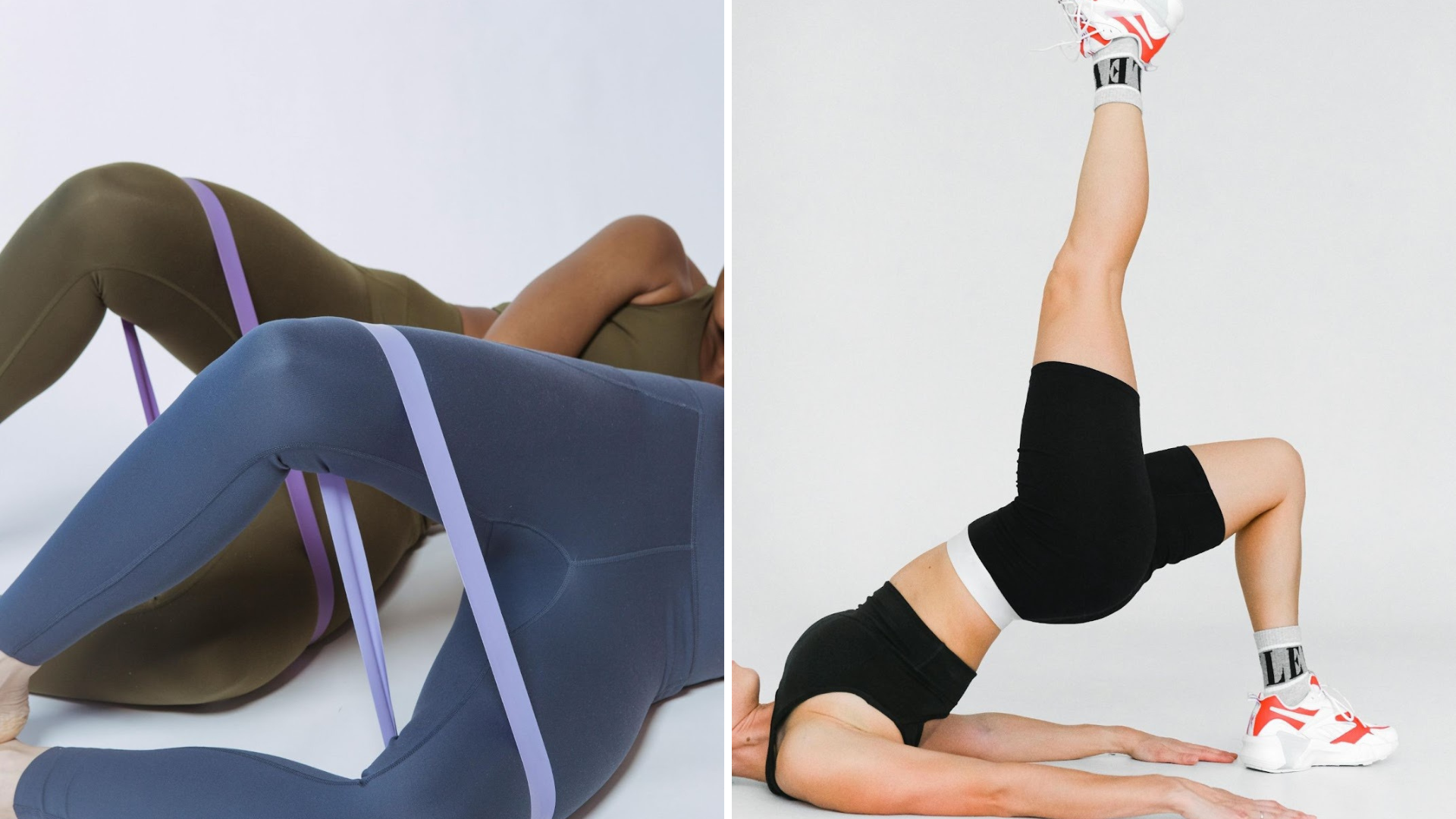
Stretching Circularity is a collaborative project initiated by Fashion for Good dedicated to accelerating the adoption of lower-impact elastane alternatives that are compatible with circular textile systems. By validating bio-based and recycled elastane solutions through pilot-scale testing and demonstrator garments, the initiative aims to remove one of the most significant technical barriers to a circular textile economy. Source: Canva
Stretching Circularity is a collaborative project initiated by Fashion for Good dedicated to accelerating the adoption of lower-impact elastane alternatives that are compatible with circular textile systems. By validating bio-based and recycled elastane solutions through pilot-scale testing and demonstrator garments, the initiative aims to remove one of the most significant technical barriers to a circular textile economy.
12.02.2026

The Future Of Stretch: New Project To Validate Bio-based And Recycled Elastane

Stretching Circularity is a collaborative project initiated by Fashion for Good dedicated to accelerating the adoption of lower-impact elastane alternatives that are compatible with circular textile systems. By validating bio-based and recycled elastane solutions through pilot-scale testing and demonstrator garments, the initiative aims to remove one of the most significant technical barriers to a circular textile economy.

Present in approximately 80% of all clothing, elastane is a material added in varying concentrations (typically from 1–5% by weight in cotton or wool garments to up to 20% in polyester or polyamide garments) to provide stretch and comfort. This fossil-based material creates two critical sustainability challenges:

Stretching Circularity is a collaborative project initiated by Fashion for Good dedicated to accelerating the adoption of lower-impact elastane alternatives that are compatible with circular textile systems. By validating bio-based and recycled elastane solutions through pilot-scale testing and demonstrator garments, the initiative aims to remove one of the most significant technical barriers to a circular textile economy.

Present in approximately 80% of all clothing, elastane is a material added in varying concentrations (typically from 1–5% by weight in cotton or wool garments to up to 20% in polyester or polyamide garments) to provide stretch and comfort. This fossil-based material creates two critical sustainability challenges:

  • First, it contributes to carbon emissions and non-renewable resource consumption across the industry. 
  • Second (and more critically for circularity), even minimal concentrations of elastane act as a “contaminant” in textile recycling feedstocks, compromising fibre-to-fibre recycling of high-volume fibres like polyester and cotton. This effectively blocks circularity for the vast majority of clothing, leaving the industry with limited options beyond downcycling or landfill.

Stretching Circularity is a project initiated by Fashion for Good which tackles this challenge through two key workstreams. One workstream focuses on testing next-generation elastane materials made from alternative inputs, including bio-based materials and other feedstocks. This phase includes the creation of “demonstrator” garments, specifically a technical t-shirt (with 10% elastane) and a non-technical t-shirt (with 2% elastane). The other focuses on testing regenerated elastane made through emerging recycling innovations. Both workstreams follow a pilot-scale validation approach to generate comparable data on performance, impact, economical feasibility and scalability.

Driving this work is a powerful coalition of industry stakeholders representing the entire value chain. The consortium includes Fashion for Good partners Levi Strauss & Co (Beyond Yoga), On, Paradise Textiles, Positive Materials, and Reformation, with Ralph Lauren Corporation as an Advisor. Supported by ecosystem experts like Materiom and the Ellen MacArthur Foundation, the group will support knowledge sharing across the consortium to identify gaps and generate comparative data to de-risk the adoption of these circular solutions for the wider industry. Stretching Circularity operates under a structured due diligence and validation framework to assess if alternative materials are not just conceptually sound but also meet the performance standards of conventional elastane. 

“Lower-impact elastane solutions exist, but they lack the pilot-scale validation brands need to scale them confidently,” Katrin Ley, Fashion for Good Managing Director. “This initiative seeks to provide that missing data, turning a well-known recycling “contaminant” into a functional component of a circular supply chain.”

“Elastane is one of the most overlooked blockers to true circularity in fashion: it’s everywhere and yet there is a significant challenge to recovering it at scale. Stretching Circularity is about tackling that problem at the root and proving that lower-impact stretch materials and new recycling pathways can meet real performance and design standards.” Carrie Freiman Parry, Senior Director of Sustainability at Reformation

Source:

Fashion for Good

12.02.2026

Pay Equity in Türkiye’s Fashion Manufacturing Sector?

Global Fashion Agenda (GFA) has published a new insights paper, Unpacking Pay Equity in Fashion: Türkiye, examining the drivers of gender pay disparities in one of Europe’s most important fashion sourcing hubs. Launched during a closed-door industry roundtable at the OECD Forum on Due Diligence in the Garment and Footwear Sector in Paris, the insights paper explores how structural factors, including occupational segregation, care responsibilities, and limited data visibility, continue to shape pay outcomes for women in Türkiye’s textile and apparel sector, while highlighting opportunities for coordinated action across policy makers, brands, other buyers, and suppliers.

Global Fashion Agenda (GFA) has published a new insights paper, Unpacking Pay Equity in Fashion: Türkiye, examining the drivers of gender pay disparities in one of Europe’s most important fashion sourcing hubs. Launched during a closed-door industry roundtable at the OECD Forum on Due Diligence in the Garment and Footwear Sector in Paris, the insights paper explores how structural factors, including occupational segregation, care responsibilities, and limited data visibility, continue to shape pay outcomes for women in Türkiye’s textile and apparel sector, while highlighting opportunities for coordinated action across policy makers, brands, other buyers, and suppliers.

The insights paper draws on a facility-level survey of 43 Turkish textile and apparel manufacturers, interviews with trade unions and worker associations, and input from social sustainability experts including the Social & Labor Convergence Program (SLCP), the Fair Labor Association (FLA), and the Anker Research Institute (ARI). The findings offer a nuanced picture of pay equity in a sector that employs nearly one million formally registered workers and contributes approximately 7.8% of Türkiye’s national GDP.

Key Findings:
Unpacking Pay Equity in Fashion: Türkiye highlights several key insights into pay equity within the Turkish fashion manufacturing industry:

  • Türkiye’s gender pay gap is estimated at between 15.6% and 17.4%. The EU average is around 12%. The insights paper cautions, however, that headline pay gap figures alone can mask deeper structural inequalities within the sector.
  • Gender pay disparities are driven largely by structural factors rather than unequal pay for the same work, including occupational segregation, differences in career progression opportunities, cultural norms, access to training, and the distribution of care responsibilities.
  • Women remain concentrated in lower-paid production, sewing and quality control roles, while men are more prevalent in higher-paid technical and supervisory positions – a key driver of persistent pay inequalities.
  • The insights paper finds that limited measurement and disclosure of gender-disaggregated wage data continues to hinder companies’ ability to identify where inequality sits – and therefore to address it effectively.
  • Ongoing economic pressures, including inflation and rising production costs, have placed sustained strain on the sector. Despite this, many manufacturers are making concerted efforts to maintain formal employment, comply with labour laws and protect jobs, demonstrating resilience in challenging conditions.

Closing gender pay gaps is not only a social imperative but a business one. Improving pay equity can strengthen workforce morale, retention and long-term resilience, while supporting alignment with evolving EU regulatory and buyer expectations. As EU pay transparency and due diligence requirements increasingly affect global supply chains, brands sourcing from Türkiye require greater visibility into wage practices across their supply chains.

Federica Marchionni, CEO of Global Fashion Agenda, says: “Pay equity is fundamental to build a fair and resilient fashion industry. This research shows that gender pay gaps in Türkiye’s fashion manufacturing sector are real, but they are also addressable. As progress depends on coordinated actions – from policymakers strengthening enabling frameworks, to brands adopting responsible purchasing practices, and suppliers embedding transparent, gender-responsive wage systems that reflect the realities of women’s working lives – GFA will continue to accelerate impact by mobilising the industry toward a more resilient future.”

The insights paper outlines practical recommendations for policymakers, brands, other buyers and suppliers. These include expanding access to childcare and parental support, strengthening formal employment and oversight of subcontracting, improving gender-disaggregated pay reporting, adopting responsible purchasing practices, and investing in women’s skills development and leadership pathways. Collectively, these actions can strengthen Türkiye’s manufacturing base, enhance women’s economic participation, and advance the fashion industry towards a net-positive future in which pay equity is a lived reality.

Source:

Global Fashion Agenda

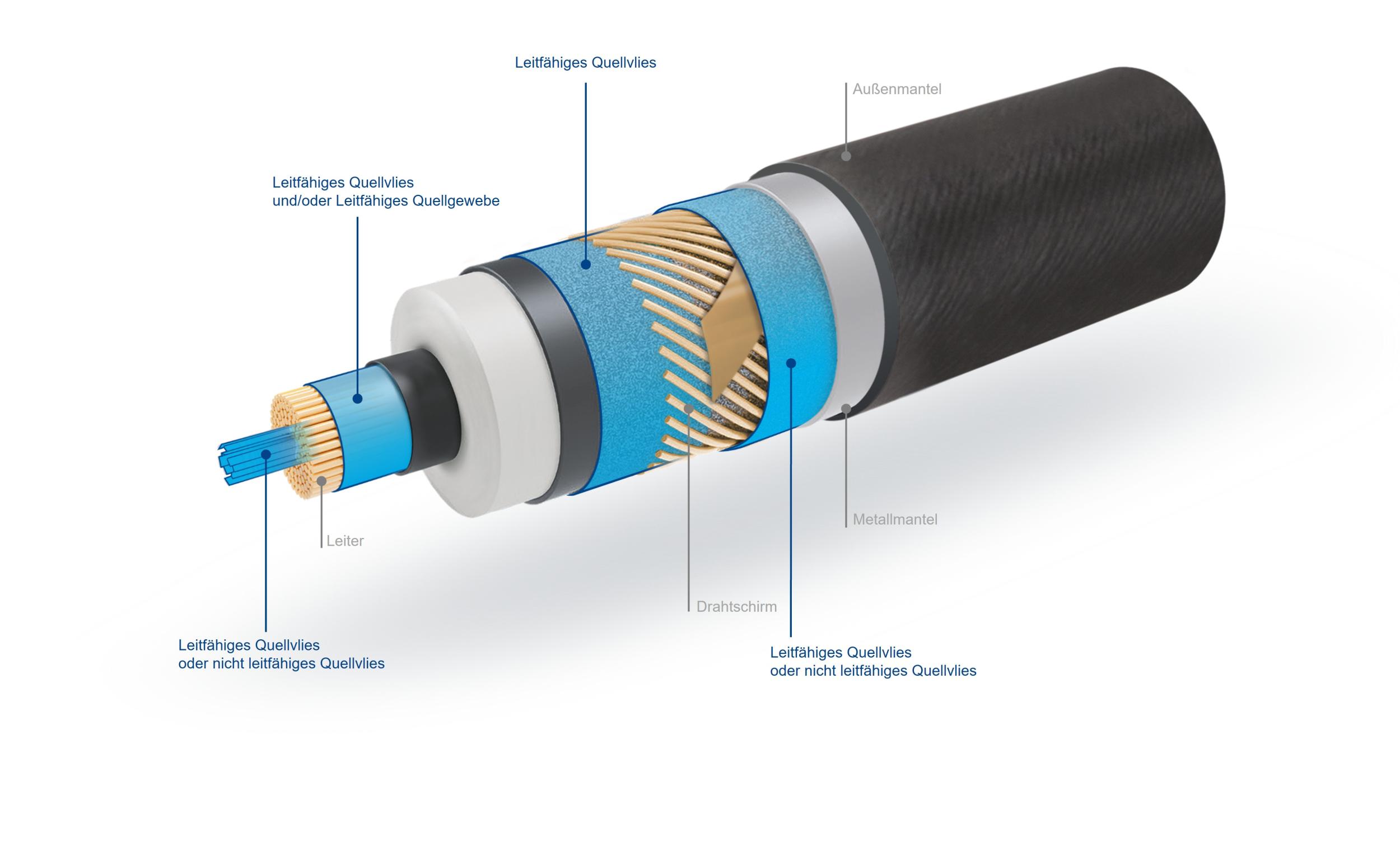
Example of applications for Freudenberg’s cable tapes in high voltage power cables. © Freudenberg Performance Materials
Example of applications for Freudenberg’s cable tapes in high voltage power cables.
12.02.2026

Freudenberg to return to Wire Düsseldorf in 2026

Freudenberg Performance Materials (Freudenberg) is returning to the Wire trade fair in Düsseldorf, Germany, after a gap of several years. The experts from one of the world's leading suppliers of technical textiles are looking forward to presenting their comprehensive range of high-performance tapes for power, data, and specialty cables to visitors at the trade fair and discussing solutions from April 13-17.

Freudenberg Performance Materials (Freudenberg) is returning to the Wire trade fair in Düsseldorf, Germany, after a gap of several years. The experts from one of the world's leading suppliers of technical textiles are looking forward to presenting their comprehensive range of high-performance tapes for power, data, and specialty cables to visitors at the trade fair and discussing solutions from April 13-17.

Freudenberg will showcase its high-performance cable tapes for all kinds of applications, including power, data, fiber optic, telecom, and special cables. Its cable tape product range for medium (MV) and high (HVDC and HVAC) voltage cables includes semi-conductive and non-conductive water-blocking tapes, binding tapes, bedding tapes, separation tapes, and special developments. These tapes are critical for protecting and maintaining the structural integrity of cables, in particular thanks to their outstanding swelling performance and conductivity. For submarine cables, Freudenberg offers tapes with exceptional water-blocking capabilities that are specifically designed to react instantly upon contact with water, swell into the fine spaces inside the submarine cable, and seal against moisture.

“Freudenberg is a globally preferred partner of cable manufacturers as regards the development, manufacture and supply of high-performance tapes for the most demanding power and data transmission applications. By returning to Wire in Düsseldorf, we are strengthening our ties within the industry and demonstrating our commitment to supporting cable manufacturers in meeting today's and tomorrow's energy and digital challenges” says Jochen Bialek, Head of Global Sales Cable & Electro.

Source:

Freudenberg Performance Materials

12.02.2026

NCTO: “Block the Secure Revenue Clearance Channel Act”

National Council of Textile Organizations (NCTO) President and CEO Kim Glas sent a letter House leaders urging them to oppose and block the Secure Revenue Clearance Channel Act, a bill that would essentially reopen a dangerous trade loophole and ultimately harm U.S. textile manufacturers.

“Last year through bipartisan action, Congress voted overwhelmingly to end de minimis after identifying the substantial harms it perpetrated,” Glas states in the letter to Speaker of the House Mike Johnson (D-LA) and Minority Leader Hakeem Jeffries (D-NY). “The House China Select Committee determined in 2023 that Chinese e-commerce platforms were flooding the U.S. with billions of dollars’ worth of goods but had paid $0 in import duties, while American companies comparatively spent millions. Additionally, these platforms were found lacking in due diligence mechanisms to verify that products were not tainted by forced labor in China.”

National Council of Textile Organizations (NCTO) President and CEO Kim Glas sent a letter House leaders urging them to oppose and block the Secure Revenue Clearance Channel Act, a bill that would essentially reopen a dangerous trade loophole and ultimately harm U.S. textile manufacturers.

“Last year through bipartisan action, Congress voted overwhelmingly to end de minimis after identifying the substantial harms it perpetrated,” Glas states in the letter to Speaker of the House Mike Johnson (D-LA) and Minority Leader Hakeem Jeffries (D-NY). “The House China Select Committee determined in 2023 that Chinese e-commerce platforms were flooding the U.S. with billions of dollars’ worth of goods but had paid $0 in import duties, while American companies comparatively spent millions. Additionally, these platforms were found lacking in due diligence mechanisms to verify that products were not tainted by forced labor in China.”

Last year, Congress passed bipartisan legislation codifying the end of de minimis, effective July 2027. The Trump administration also took action to close de minimis to all commercial shipments globally through executive order, which took effect at the end of August 2025.

“As a result, the volume of small package deliveries has dramatically decreased, duty collections are up, and American consumers and workers are better off,” the letter states.

“Despite clear action from Congress and the administration on the negative impact of express shipment programs for ‘small value’ packages at U.S. ports, some still want to provide duty relief to foreign importers while requiring less information on packages valued at up to $600 — making enforcement impossible and rewarding offshore producers,” the letter continues. “De minimis was labeled ‘China’s backdoor to the U.S.,’ facilitated by an environment where goods were cleared on manifest, packages were not properly inspected or levied duties, and the risk posed was extremely high. The Secure Revenue Clearance Channel Act would recreate many of these same problems, with China being the biggest winner.”

Source:

NCTO

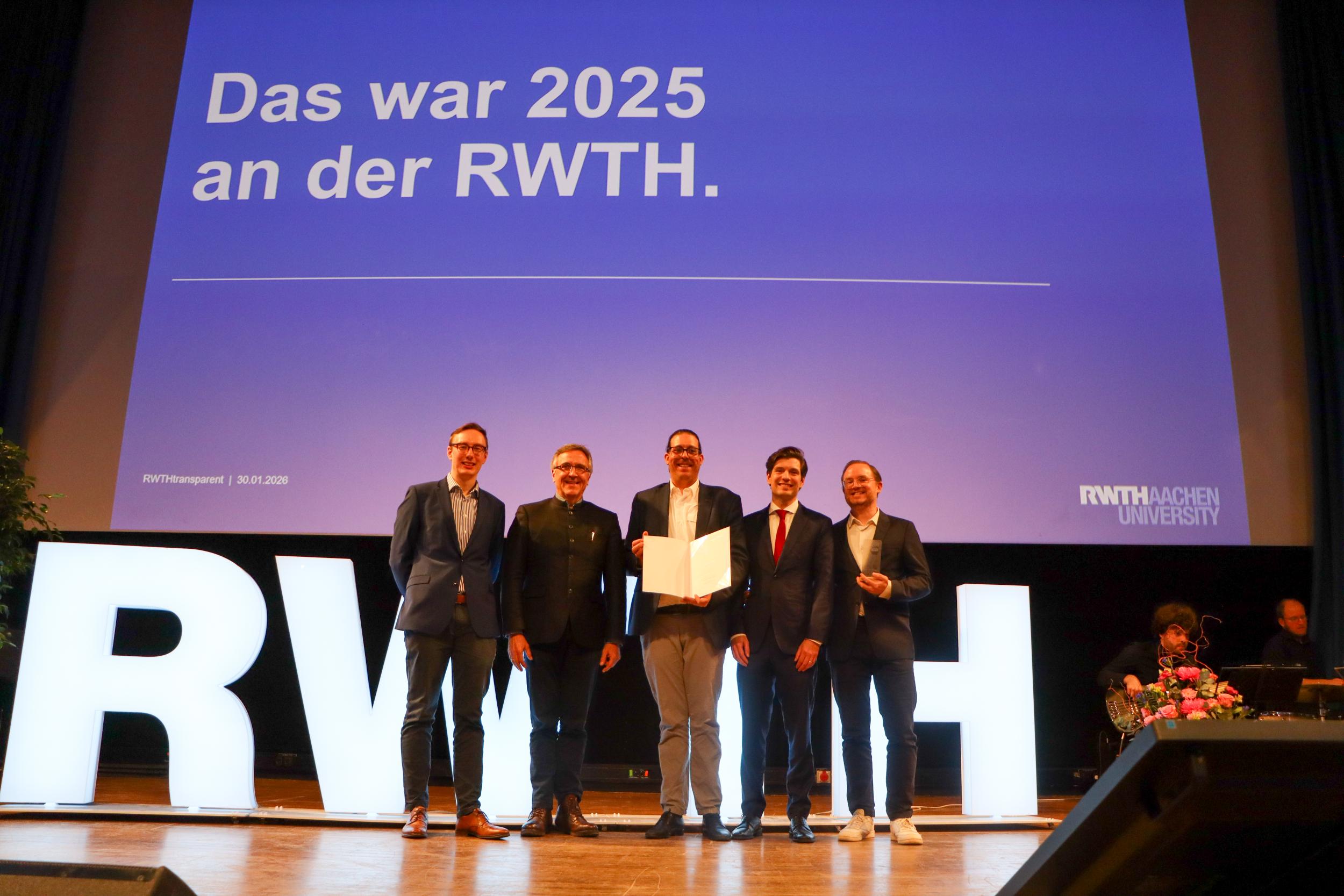
The winners with the award (from left to right: Maximilian Mohr, ITA Director Professor Dr Thomas Gries, Dr Sascha Schriever, Dr Christian Schwotzer, Dr Jens Hofer) Copyright: RWTH Innovation GmbH
The winners with the award (from left to right: Maximilian Mohr, ITA Director Professor Dr Thomas Gries, Dr Sascha Schriever, Dr Christian Schwotzer, Dr Jens Hofer)
12.02.2026

Solid Air Dynamics wins second place at RWTH Innovation Award

On 30 January, RWTH spin-off Solid Air Dynamics was awarded second place in the RWTH Innovation Awards for its research in the field of aerogel fibres. Manufactured from renewable raw materials, aerogel fibres offer outstanding thermal insulation, are extremely lightweight and completely biodegradable, and can consist of over 90 per cent air.

The founders, Dr Sascha Schriever, Dr Jens Hofer and Maximilian Mohr from Institut für Textiltechnik (ITA) and Dr Christian Schwotzer from Department for Industrial Furnace and Heat Engineering (IOB) of RWTH Aachen University, want to revolutionise the market in the future with high-performance materials for sports and outdoor clothing or the mobility and construction sectors.

The award ceremony took place during the annual RWTHtransparent event in Aachen. The top three places were honoured with the RWTH Innovation Award. The RWTH Innovation Award recognises contributions that demonstrate particular innovation and charisma in the Aachen region.

On 30 January, RWTH spin-off Solid Air Dynamics was awarded second place in the RWTH Innovation Awards for its research in the field of aerogel fibres. Manufactured from renewable raw materials, aerogel fibres offer outstanding thermal insulation, are extremely lightweight and completely biodegradable, and can consist of over 90 per cent air.

The founders, Dr Sascha Schriever, Dr Jens Hofer and Maximilian Mohr from Institut für Textiltechnik (ITA) and Dr Christian Schwotzer from Department for Industrial Furnace and Heat Engineering (IOB) of RWTH Aachen University, want to revolutionise the market in the future with high-performance materials for sports and outdoor clothing or the mobility and construction sectors.

The award ceremony took place during the annual RWTHtransparent event in Aachen. The top three places were honoured with the RWTH Innovation Award. The RWTH Innovation Award recognises contributions that demonstrate particular innovation and charisma in the Aachen region.