From the Sector

Reset
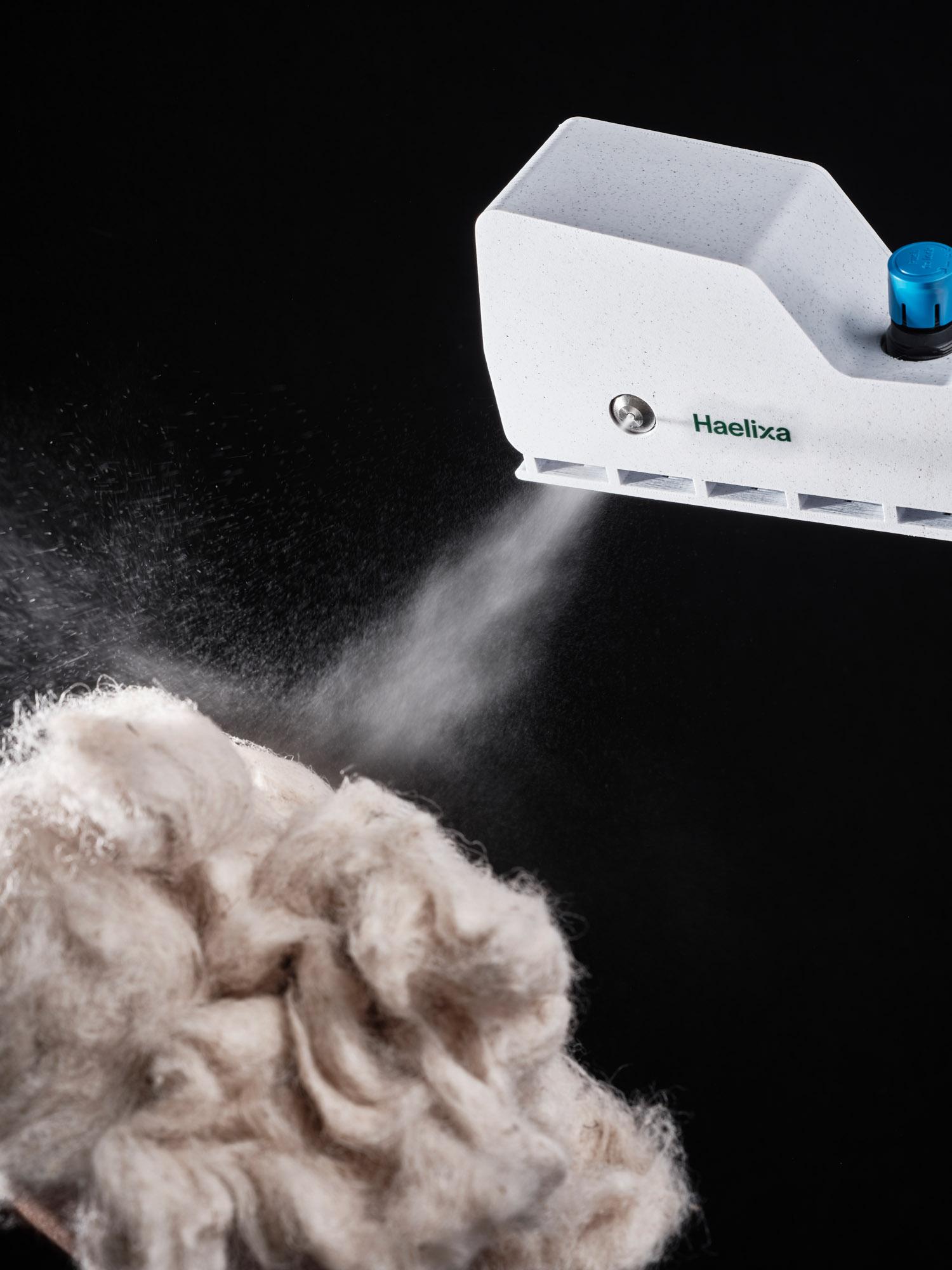
Haelixa sprayer Photo Haelixa
Haelixa sprayer
03.02.2026

Haelixa Raises EUR 2 Million to Scale DNA-Based Traceability Globally

Haelixa, the Swiss-based deeptech provider of DNA-based product traceability, has raised EUR 2 million in a pre-series A investment round to support international scale and long-term strategic growth. 
 
The round was led by existing backers Verve Ventures and Zurich Kantonalbank, with participation from an impact-focused investor 212 NexT Fund. This complements the catalytic funding awarded through the Temasek Trust Amplifier programme. 
 
The investment will support Haelixa’s international expansion, targeted team growth, and deeper collaboration with textile brands and supply-chain partners. 
 
Physical Proof in an Era of Rising Risk 
Haelixa’s patented DNA-based technology physically marks raw materials at any stage of production and enables later verification of origin and authenticity. The plant-based, invisible DNA markers are embedded directly into raw materials and remain detectable throughout complex, multi-tier supply chains. 
 

Haelixa, the Swiss-based deeptech provider of DNA-based product traceability, has raised EUR 2 million in a pre-series A investment round to support international scale and long-term strategic growth. 
 
The round was led by existing backers Verve Ventures and Zurich Kantonalbank, with participation from an impact-focused investor 212 NexT Fund. This complements the catalytic funding awarded through the Temasek Trust Amplifier programme. 
 
The investment will support Haelixa’s international expansion, targeted team growth, and deeper collaboration with textile brands and supply-chain partners. 
 
Physical Proof in an Era of Rising Risk 
Haelixa’s patented DNA-based technology physically marks raw materials at any stage of production and enables later verification of origin and authenticity. The plant-based, invisible DNA markers are embedded directly into raw materials and remain detectable throughout complex, multi-tier supply chains. 
 
As regulatory scrutiny increases, fashion brands face growing risks of fraud, undeclared blending, and substitution of premium materials, as well as mounting exposure to counterfeiting. These failures threaten compliance, brand equity, and consumer trust. By enabling verification directly on the product itself, Haelixa provides brands with a practical safeguard to protect material integrity and brand value. 
 
Haelixa’s technology is already used across fashion and textiles, as well as precious metals and gemstones, and is compliant with GOTS, Standard 100® by OEKO-TEX, and OEKO-TEX® Eco Passport. 
 
From Innovator to Investor-Backed Scale 
Haelixa originated as a spin-off from ETH Zurich and has since achieved scaled commercial adoption, generating seven-figure revenues and securing multi-year agreements with leading textile and fashion brands. 

Source:

Haelixa 

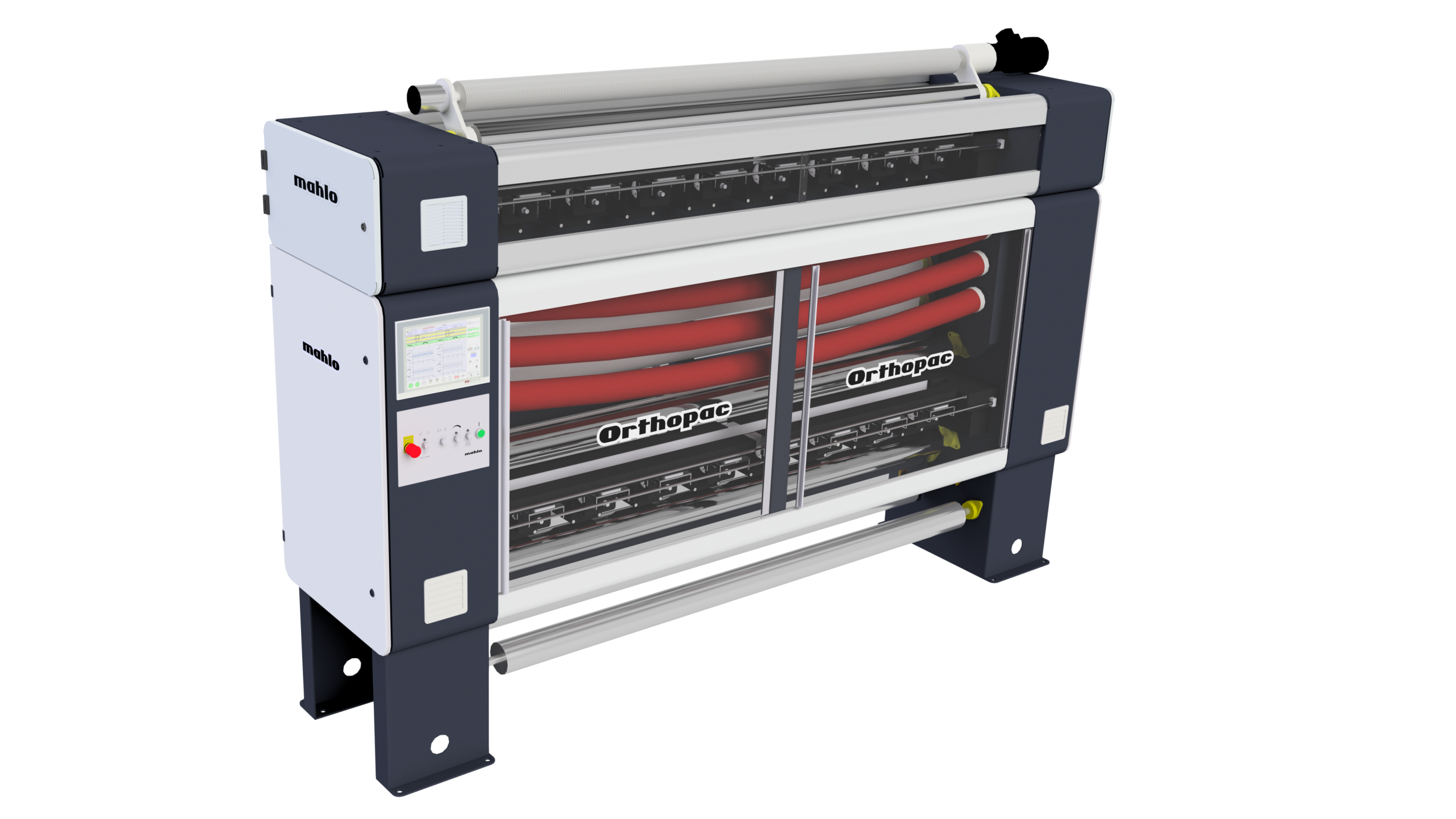
Orthopac RVMC-20 Plus (c) Mahlo GmbH & Co. KG
Orthopac RVMC-20 Plus
03.02.2026

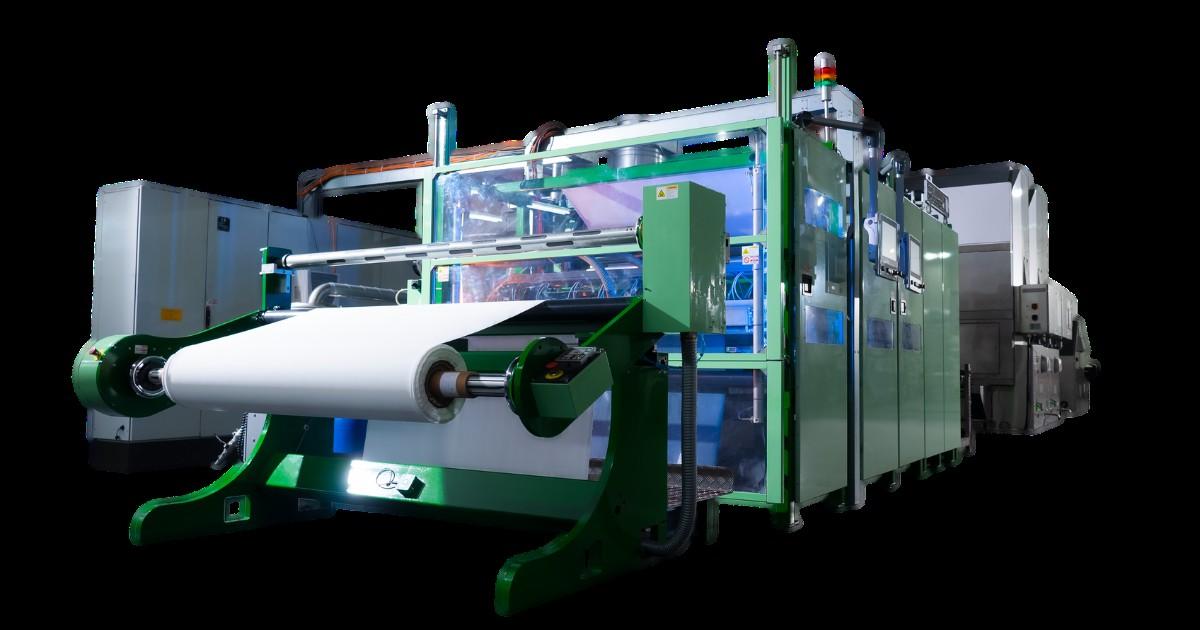
Orthopac RVMC-20 plus: Smarter Weft Straightening with AI

In times of rising cost pressure and growing quality demands, textile producers worldwide are searching for solutions that combine precision, efficiency, and sustainability. With its latest innovation, the Orthopac RVMC-20 plus, Mahlo once again demonstrates how to improve technology to meet today’s challenges.

For decades, Mahlo has set the benchmark in automatic weft straightening. The new Orthopac RVMC-20 plus continues this tradition, building on the trusted Orthopac RVMC-15 while introducing a decisive technological step forward: double scanning with AI-supported control systems.

The concept relies on two detection units – one at the fabric inlet and one at the outlet. At the inlet, so-called Feed Forward Control analyzes distortions before they even reach the straightening rollers, ensuring precise positioning from the first centimeter. At the outlet, Closed Loop Control continuously monitors the result and applies AI-based corrections in real time. This dual approach enables the system to cope even with highly variable distortions at high production speeds. The outcome is reliably straight fabric, less waste, and consistent premium quality.

In times of rising cost pressure and growing quality demands, textile producers worldwide are searching for solutions that combine precision, efficiency, and sustainability. With its latest innovation, the Orthopac RVMC-20 plus, Mahlo once again demonstrates how to improve technology to meet today’s challenges.

For decades, Mahlo has set the benchmark in automatic weft straightening. The new Orthopac RVMC-20 plus continues this tradition, building on the trusted Orthopac RVMC-15 while introducing a decisive technological step forward: double scanning with AI-supported control systems.

The concept relies on two detection units – one at the fabric inlet and one at the outlet. At the inlet, so-called Feed Forward Control analyzes distortions before they even reach the straightening rollers, ensuring precise positioning from the first centimeter. At the outlet, Closed Loop Control continuously monitors the result and applies AI-based corrections in real time. This dual approach enables the system to cope even with highly variable distortions at high production speeds. The outcome is reliably straight fabric, less waste, and consistent premium quality.

Innovation without Replacement
A key feature of the RVMC-20 plus lies not only in its precision but also in its retrofit capability. Instead of requiring manufacturers to purchase an entirely new machine, Mahlo has designed the scanning module so that existing Orthopac RVMC-15 systems can be upgraded with minimal effort. By simply adding a second scanning unit, the older equipment is effectively transformed into an RVMC-15 plus – giving customers access to the latest technology without the cost of a full replacement.

The benefits of this approach are clear: upgraded machines deliver higher precision and more consistent results, while reducing waste and saving valuable raw materials. At the same time, extending the service life of existing equipment lowers capital expenditure and supports a more sustainable use of resources. In an industry facing both economic and ecological pressures, this combination of efficiency and responsibility represents a strong competitive advantage.

A Global Opportunity
With thousands of Orthopac systems already in use worldwide, the RVMC-20 plus offers a compelling proposition to textile manufacturers across markets. Every installed RVMC-15 now presents an opportunity for modernization. For customers, this means a reliable path toward improved quality and cost efficiency. For Mahlo, it strengthens the company’s position as a long-standing partner to the textile industry.

Source:

Mahlo GmbH & Co. KG

Eastman introduces Naia™ Lyte at Première Vision Paris Photo Eastman
03.02.2026

Eastman introduces Naia™ Lyte at Première Vision Paris

Eastman unveils Naia™ Lyte, a new cellulose acetate filament yarn that represents an important milestone in performance for lightweight and premium fabrics, at Première Vision Paris. Presented for the first time to the international fashion and textile community, Naia™ Lyte expands the capabilities of acetate yarn by introducing enhanced tenacity, unlocking new creative and technical possibilities for designers, mills and brands.

“Naia™ Lyte marks a significant development in acetate filament yarn innovation,” says Ruth Farrell, general manager of Eastman’s textiles business. “By increasing the tenacity of our yarn, we are expanding the performance boundaries of acetate and enabling new lightweight fabric applications, while staying true to the comfort, aesthetics and reliability that define Naia™. Naia™ Lyte is already being produced commercially, and we are excited by initial reactions to this new, innovative addition to our Naia™ portfolio.

Eastman unveils Naia™ Lyte, a new cellulose acetate filament yarn that represents an important milestone in performance for lightweight and premium fabrics, at Première Vision Paris. Presented for the first time to the international fashion and textile community, Naia™ Lyte expands the capabilities of acetate yarn by introducing enhanced tenacity, unlocking new creative and technical possibilities for designers, mills and brands.

“Naia™ Lyte marks a significant development in acetate filament yarn innovation,” says Ruth Farrell, general manager of Eastman’s textiles business. “By increasing the tenacity of our yarn, we are expanding the performance boundaries of acetate and enabling new lightweight fabric applications, while staying true to the comfort, aesthetics and reliability that define Naia™. Naia™ Lyte is already being produced commercially, and we are excited by initial reactions to this new, innovative addition to our Naia™ portfolio.

New level of performance. 
Naia™ Lyte introduces a new level of performance to acetate filament yarns through enhanced tenacity, while preserving the refined aesthetics traditionally associated with Naia™. This balance supports a wide range of applications, including fashion-forward lightweight fabrics as well as segments with more technical performance needs. Its refined, silky hand feel, natural luster and fluid drape are combined with comfort and easy-care benefits such as dry feel, cool-to-touch comfort, shape retention after repeated washes, and functional features including odor management and anti-static properties.

From strategic partnership to product innovation
Naia™ Lyte has been developed and produced via Eastman’s strategic partnership with Huafon Chemical, established to accelerate innovation and localized development of cellulose acetate filament yarns. Announced in 2025, the collaboration combines Eastman’s long-standing expertise in cellulosic materials with Huafon’s manufacturing and development capabilities, creating a strong platform for advancing acetate yarn performance.

Funding approved: Textile Factory 7.0 to be built in Mönchengladbach © Institut für Textiltechnik (ITA) der RWTH Aachen University
03.02.2026

Funding approved: Textile Factory 7.0 to be built in Mönchengladbach

Textile Factory 7.0 – the vision of a networked, emission-free industrial park of the future for the city of Mönchengladbach is becoming reality. The Federal Ministry of Research, Technology and Space (BMFTR) has approved funding for the project.

The aim of the project is to establish a technology and development centre in Mönchengladbach and thus develop an industrial park of the future. Instead of considering individual technologies in isolation, Textile Factory 7.0 combines energy efficiency, AI/robotics and biotechnology in a single functional textile real-world laboratory under the close cooperation of industry and research.

The project will make a decisive contribution to sustainably increasing the attractiveness and productivity of regional textile production: the T7 Factory will create new jobs and strengthen innovative textile research at the location.

Textile Factory 7.0 – the vision of a networked, emission-free industrial park of the future for the city of Mönchengladbach is becoming reality. The Federal Ministry of Research, Technology and Space (BMFTR) has approved funding for the project.

The aim of the project is to establish a technology and development centre in Mönchengladbach and thus develop an industrial park of the future. Instead of considering individual technologies in isolation, Textile Factory 7.0 combines energy efficiency, AI/robotics and biotechnology in a single functional textile real-world laboratory under the close cooperation of industry and research.

The project will make a decisive contribution to sustainably increasing the attractiveness and productivity of regional textile production: the T7 Factory will create new jobs and strengthen innovative textile research at the location.

The kick-off will take place as a networking event on 19 March 2026. Industry players will then work on common issues relating to the future topics of the T7 Factory: on-demand manufacturing, microfactory engineering, digital textiles and biosphere. The ITA's technical experts will be available as contact persons for the topics of microfactory engineering and digital textiles. If you are interested in cooperation or insights into the progress of the project, you can register here.

The project partners are the ITA – Institute of Textile Technology at RWTH Aachen University, the Research Institute for Textiles and Clothing at the Niederrhein University of Applied Sciences, the Association of the North-West German Textile and Clothing Industry, the Association of the Rhenish Textile and Clothing Industry, the Textile Academy NRW and Wirtschaftsförderung Mönchengladbach GmbH.

Source:

ITA – Institut für TextilInstitut für Textiltechnik (ITA) der RWTH Aachen Universitytechnik of RWTH Aachen University

02.02.2026

Reciprocal trade agreement between the United States and Guatemala

The National Council of Textile Organizations (NCTO), which represents the full U.S. textile supply chain from fiber and yarn to fabrics and finished sewn products, welcomed the announcement of a reciprocal trade agreement between the United States and Guatemala.

National Council of Textile Organizations President and CEO Kim Glas:
“The reciprocal trade agreement with Guatemala marks an important step toward strengthening the U.S. textile supply chain. We commend the administration for taking decisive action to remove reciprocal tariffs and provide preferential treatment to qualifying textile and apparel products from Guatemala under the Dominican Republic-Central America-United States Free Trade Agreement (CAFTA-DR).

“NCTO and the broader U.S. textile industry are grateful to President Trump, U.S. Trade Representative Ambassador Jamieson Greer, and the administration for concluding this agreement with Guatemala, following on the heels of the recently announced agreement with El Salvador.

The National Council of Textile Organizations (NCTO), which represents the full U.S. textile supply chain from fiber and yarn to fabrics and finished sewn products, welcomed the announcement of a reciprocal trade agreement between the United States and Guatemala.

National Council of Textile Organizations President and CEO Kim Glas:
“The reciprocal trade agreement with Guatemala marks an important step toward strengthening the U.S. textile supply chain. We commend the administration for taking decisive action to remove reciprocal tariffs and provide preferential treatment to qualifying textile and apparel products from Guatemala under the Dominican Republic-Central America-United States Free Trade Agreement (CAFTA-DR).

“NCTO and the broader U.S. textile industry are grateful to President Trump, U.S. Trade Representative Ambassador Jamieson Greer, and the administration for concluding this agreement with Guatemala, following on the heels of the recently announced agreement with El Salvador.

“Guatemala is a key partner in the CAFTA-DR region, with $2 billion in two-way textile and apparel trade. Together, the region operates as an integrated co-production platform that is essential to the U.S. textile supply chain. In 2024, this production network generated $11.3 billion in two-way trade and supported more than 470,000 American jobs in the domestic textile industry alone.

“The U.S.–Western Hemisphere textile and apparel supply chain remains a critical strategic alternative to China and other Asian producers. We look forward to continued collaboration with the Trump administration to further solidify this vital regional partnership and appreciate this important announcement.”

Source:

National Council of Textile Organizations 

Image: Vitaly Kobzun, Pixabay
02.02.2026

Lenzing AG: Majority owner of TreeToTextile AB, accelerating industrialization of new fibers

The Lenzing Group is taking another strategic milestone by acquiring a controlling majority in the Swedish innovation company TreeToTextile AB. This step strengthens Lenzing’s position as a leading provider of sustainable, wood based specialty fibers and expands its innovation pipeline with a highly scalable, patent protected technology platform. The transaction is executed through the issuance of new shares. 

TreeToTextile represents the next major technological leap in cellulosic fiber production – following the development of viscose in the early 20th century and Lenzing’s own Lyocell technology in the 1990s. The process offers a significantly improved sustainability profile, attractive cost advantages, and broad applicability across textile and nonwoven markets. With the majority acquisition, Lenzing underscores its commitment to consistently advancing its premiumization strategy and further expanding its leadership position in the global specialty fiber market. 

The Lenzing Group is taking another strategic milestone by acquiring a controlling majority in the Swedish innovation company TreeToTextile AB. This step strengthens Lenzing’s position as a leading provider of sustainable, wood based specialty fibers and expands its innovation pipeline with a highly scalable, patent protected technology platform. The transaction is executed through the issuance of new shares. 

TreeToTextile represents the next major technological leap in cellulosic fiber production – following the development of viscose in the early 20th century and Lenzing’s own Lyocell technology in the 1990s. The process offers a significantly improved sustainability profile, attractive cost advantages, and broad applicability across textile and nonwoven markets. With the majority acquisition, Lenzing underscores its commitment to consistently advancing its premiumization strategy and further expanding its leadership position in the global specialty fiber market. 

“TreeToTextile is among the world’s most advanced next generation fiber technologies and represents the most promising development on the market. Since our initial investment in 2025, the collaboration between the innovative TreeToTextile team and Lenzing’s fiber experts has enabled significant technological progress. We are fully committed to the joint scale up and commercialization. H&M Group, Inter IKEA Group, and Stora Enso, will continue to support this path as minority shareholders, contributing valuable market and consumer perspectives,” says Georg Kasperkovitz, COO of Lenzing Group. LSCS Invest also reaffirms its confidence in the joint technology platform through its long standing commitment since the foundation of the company and continued role as a shareholder. 

“Innovation at industrial scale requires time, expertise, and strong partnerships. Lenzing Group’s increased ownership is a clear endorsement of our technology and our ambition to become a major player in the global fiber market,” says Dr. Roxana Barbieru, CEO of TreeToTextile. 

The transaction enables an accelerated scaling of the new technology. Lenzing plans a significant increase in production output at the existing demonstration plant in Nymölla, Sweden, as well as the preparation of the first industrial scale facility. In addition, the company expects operational synergies from an even closer collaboration.

02.02.2026

Rieter Completes Acquisition of Barmag

Rieter has successfully completed the acquisition of Barmag as of February 2, 2026. This strategically important acquisition makes Rieter the world’s leading system provider for natural and synthetic fibers. 

Barmag will be consolidated as of February 2, 2026, and integrated into the Rieter Group as the “Man-Made Fiber” Division. The management of Barmag will remain with the company. Georg Stausberg will continue to lead the division and report to Thomas Oetterli, CEO of Rieter. At the same time, he will join the Group Executive Committee.

The transaction is financed by the capital increase completed in October of last year as well as by long-term bank loans. In addition to substantial cash reserves in its operating units, Rieter also has a significantly increased revolving credit facility at its disposal.

Rieter has successfully completed the acquisition of Barmag as of February 2, 2026. This strategically important acquisition makes Rieter the world’s leading system provider for natural and synthetic fibers. 

Barmag will be consolidated as of February 2, 2026, and integrated into the Rieter Group as the “Man-Made Fiber” Division. The management of Barmag will remain with the company. Georg Stausberg will continue to lead the division and report to Thomas Oetterli, CEO of Rieter. At the same time, he will join the Group Executive Committee.

The transaction is financed by the capital increase completed in October of last year as well as by long-term bank loans. In addition to substantial cash reserves in its operating units, Rieter also has a significantly increased revolving credit facility at its disposal.

Thomas Oetterli, CEO of Rieter: “Barmag’s know-how is a perfect fit for Rieter and will accelerate profitable growth as well as strengthen our market leadership in the important region of Asia. The acquired filament know-how will help to expand our areas of expertise as a system provider and further advance automation and digitization solutions. This is the start of a successful future together and an important milestone in the implementation of our corporate strategy.”

Source:

Rieter Holding AG

Alliance for European Flax-Linen & Hemp at JEC World 2026 Photo Alliance for European Flax-Linen & Hemp at JEC World 2026
02.02.2026

Alliance for European Flax-Linen & Hemp at JEC World 2026

The Alliance for European Flax-Linen & Hemp participats at JEC World 2026, featuring a significantly expanded presence and an enhanced offering for the global composites industry.

Building on previous successes, the Alliance members will be at the core of a newly renamed and enlarged Bio-Materials Village in Hall 5. The village has grown by more than 30%, expanding from 250 m² to 333 m², and will feature 14 Alliance members and partners representing the full natural fibre composite value chain from fibre cultivation and processing through to semi-finished materials, resins, and industrial applications.

This year’s village welcomes several new members, including Norafin, which brings advanced technical nonwoven expertise using flax and hemp fibres, and innovative start-up Biofibix developing next-generation bio-based composite solutions. Another new participant is GreenPoxy by Sicomin, a leading supplier of bio-based epoxy resins that complement natural fibre reinforcement systems and enable lower-impact composite structures.

The Alliance for European Flax-Linen & Hemp participats at JEC World 2026, featuring a significantly expanded presence and an enhanced offering for the global composites industry.

Building on previous successes, the Alliance members will be at the core of a newly renamed and enlarged Bio-Materials Village in Hall 5. The village has grown by more than 30%, expanding from 250 m² to 333 m², and will feature 14 Alliance members and partners representing the full natural fibre composite value chain from fibre cultivation and processing through to semi-finished materials, resins, and industrial applications.

This year’s village welcomes several new members, including Norafin, which brings advanced technical nonwoven expertise using flax and hemp fibres, and innovative start-up Biofibix developing next-generation bio-based composite solutions. Another new participant is GreenPoxy by Sicomin, a leading supplier of bio-based epoxy resins that complement natural fibre reinforcement systems and enable lower-impact composite structures.

Innovations Showcase
The Bio-Materials Village will highlight several award-winning and shortlisted developments, including exhibits from JEC Innovation Award winners and finalists.

Bcomp has received the Automotive & Road Transportation Parts Award for its series-production exterior flax composite components developed for BMW, demonstrating the scalability and performance of flax reinforcements in demanding automotive applications. 

Safilin will also present its collaboration with Stratiforme on the Ecotrain project, showcasing the successful integration of natural fibre composites into rail interiors, delivering weight reduction, improved environmental performance, and industrial feasibility.

Biofibix, shortlisted among the 20 finalists of the 2026 JEC Startup Booster, will present its proprietary reinforcement technology designed to overcome one of the key challenges of natural fibre composites : structural consistency. Biofibix develops flax-based reinforcement systems that combine controlled fibre orientation with thermoplastic and thermoset compatibility, enabling improved mechanical performance and process reliability. 

Visitors will also discover the Ssuchy-Next project, an initiative focused on wind energy applications. The project explores the use of hemp-based composite solutions for a 12.6 m wind turbine blade, combining optimized fibre architecture, bio-sourced materials, and industrial manufacturing processes. Ssuchy-Next demonstrates how natural fibres can contribute to reduced carbon footprint, improved vibration damping, and end-of-life advantages, while meeting the mechanical and durability requirements of the wind energy sector.

Additional cutting-edge innovations on display will be showcased by other Alliance members and partners that include BComp, Circular Structures, DEMGY, Depestele, Ecotechnilin, Emanuel Lang Flax Composites, Flaxco, Libeco, Linificio e Canapificio Nazionale, Norafin, Safilin, Terre de Lin Technique, and many more. 


Industry Conference 
As part of the JEC Composite Exchange programme, Alliance experts will organize a round-table discussion on Wednesday 11 March at 2:00 pm Agora 5, titled:

“From Data to Applications: How Environmental and Technical Flax-Linen & Hemp Data Help Build Industrial Solutions.” The discussion will highlight how environmental metrics and technical performance data are essential tools for designers, engineers, and manufacturers in accelerating the adoption of natural fibre composites, while exploring the latest technical advances in flax-linen and hemp composites, their environmental performance, and the strategic pathways supporting the industrial deployment of bio-based composites in Europe.

29.01.2026

adidas: Record Revenues in 2025 and Launch of Share Buyback

adidas announced preliminary results for the fourth quarter of 2025. In Q4, currency-neutral revenues for the adidas brand increased 11%. Including Yeezy sales in the prior year (2024: around € 50 million), currency-neutral revenues increased 10%. In euro terms, revenues reached € 6,076 million in the quarter (2024: € 5,965 million). The company’s gross margin improved 1.0 percentage points to 50.8% (2024: 49.8%), while operating profit more than doubled to € 164 million (2024: € 57 million).

adidas announced preliminary results for the fourth quarter of 2025. In Q4, currency-neutral revenues for the adidas brand increased 11%. Including Yeezy sales in the prior year (2024: around € 50 million), currency-neutral revenues increased 10%. In euro terms, revenues reached € 6,076 million in the quarter (2024: € 5,965 million). The company’s gross margin improved 1.0 percentage points to 50.8% (2024: 49.8%), while operating profit more than doubled to € 164 million (2024: € 57 million).

Based on preliminary unaudited numbers for the full year of 2025, currency-neutral revenues for the adidas brand increased 13% for the second consecutive year, driven by double-digit growth in all markets and channels. Including Yeezy sales in the prior year (2024: around € 650 million), currency-neutral revenues increased 10%. In euro terms, revenues reached a record level of € 24,811 million (2024: € 23,683 million), despite a negative currency translation impact of more than € 1 billion. The company’s gross margin improved 0.8 percentage points to 51.6% in 2025 (2024: 50.8%), despite the negative impacts from unfavorable currency developments and higher tariffs. Full-year operating profit increased by more than € 700 million to € 2,056 million (2024: € 1,337 million). The operating margin improved 2.6 percentage points to 8.3% in 2025 (2024: 5.6%).

Given the strong brand momentum, the company’s robust fundamentals, its healthy balance sheet and strong cash flow generation, as well as Management’s confidence in the future development of adidas, the adidas Executive Board has, with the approval of the Supervisory Board, decided to launch a share buyback. Starting in early February, the company plans to buy back shares worth up to € 1 billion in 2026. The share buyback will be financed through the company’s anticipated strong cash flow generation in 2026. adidas intends to cancel the repurchased shares.

adidas will publish its final set of financial results for 2025, issue financial guidance for 2026, and provide an update on its future capital allocation plans on March 4, 2026.

adidas CEO Bjørn Gulden:
“I am again very proud what our people have achieved. Driving double-digit growth in the fourth quarter despite all the external turbulence, and more than doubling our operating profit in the quarter made the year end very well and made 2025 much better than we had planned and expected when the year started.

The double-digit growth in all markets and all channels is of course very pleasing, but even more important is that this is quality growth. Our markets have been very good at managing that the right product in the right amount has been sold in their markets and that we have managed to keep full-price sell-throughs high and discounts under control. The gross margin of 51.6% (without Yeezy) is historically high and underlines this performance and the strength of our brand.

Our mission is to do everything we can to serve and please the consumer, the athlete and our retail partners. To do that we need to be as close as we can to the markets. We want to be a global brand with a local mindset.

We are lucky to be in an industry that sells consumer products for many segments. We sell products for sport, comfort, lifestyle and fashion. We are very confident that all these segments will continue to grow all over the world and we are also very confident that we will continue to take market share.

Our confidence in adidas future top- and bottom-line growth and cash flow generation is also the reason why we now have decided to launch a share buyback. We will buy back shares up to € 1 billion this year. We will come back with our detailed numbers for 2025, our financial guidance for 2026 and our future capital allocation plans at the beginning of March.

Now we look forward to great Olympic and Paralympic Winter Games in Italy starting next week and we continue to prepare for a fantastic FIFA World Cup in the summer.

These are great events that I think the world needs. Sports and global sport events bring people from all over the world together. We need that now!”

Source:

adidas AG

28.01.2026

Modern Testing Methods for Raw Cotton

The 38th International Cotton Conference Bremen will take place from 25 to 27 March 2026 at the Bremen Parliament. The program will focus on technical innovations, market trends, and regulatory frameworks across the entire value chain – from agriculture to the circular economy. As well on the focus of high-profile speakers: Cotton quality and testing methods 

Raw cotton from different areas of production varies considerably in terms of fibre properties, thus directly influencing how well cotton can be spun into yarn and how textiles behave in further processing. Innovative testing methods enable assessing each bale reliably and reproducibly according to defined quality parameters. The aim is to make cotton qualities comparable, as this is a key prerequisite for global trade, pricing and reliable supply chains. Quality and quality testing are the historical focus of the Bremen conference. 

The 38th International Cotton Conference Bremen will take place from 25 to 27 March 2026 at the Bremen Parliament. The program will focus on technical innovations, market trends, and regulatory frameworks across the entire value chain – from agriculture to the circular economy. As well on the focus of high-profile speakers: Cotton quality and testing methods 

Raw cotton from different areas of production varies considerably in terms of fibre properties, thus directly influencing how well cotton can be spun into yarn and how textiles behave in further processing. Innovative testing methods enable assessing each bale reliably and reproducibly according to defined quality parameters. The aim is to make cotton qualities comparable, as this is a key prerequisite for global trade, pricing and reliable supply chains. Quality and quality testing are the historical focus of the Bremen conference. 

Real comparability on focus 
Various methods for testing cotton include High Volume Instrument Testing (such as Uster HVI) as a common method for instrumental cotton classification for price deter-mination and bale composition; Uster AFIS for testing the length, fineness, neps, etc. of individual fibres and the Mesdan Contest as a thermomechanical method for deter-mining the tendency of cotton to stick together. 

Mourad Krifa from Kent State University (USA) has been conducting research in the characterisation of cotton fibres for decades, focusing on length distribution. In his presentation he will introduce reliable statistical and software-based tools that help cotton growers, biotechnologists and processors to better analyse and utilise fibre distributions. 

Dr Müge Ekizoğlu, İzmir Commodity Exchange (ICE), is going to present the certified storage and classification system for Turkish cotton based on instrumental classification using High Volume Instruments. As one of the leading cotton-growing and producing countries, objective quality assessment for export and international standards is crucial for the Türkiye. 

Deninson Lima, ABRAPA Brazil, will present the results of a study on the measurement uncertainties determined for HVI devices used in Brazil. Based on the GUM standard, significant sources of uncertainty such as instrument design, environmental conditions, sample preparation and operator influence were analysed. The study quantified three repeatability, reproducibility and possible distortions and emphasises the importance of regular calibrations, quality controls and systematic uncertainty budgeting. 

Gabriele Salvinelli, Mesdan, Italy, will present the Contest S series testing equipment. These super automated systems measure the stickiness of raw cotton, which can mess up spinning machines and may lead to higher maintenance effort as well as lower quality. Since standardised environmental conditions are often not fully complied with in practice, the study examines the extended humidity range in which reliable measurement results are possible and provides users with practical recommendations.

28.01.2026

Kelheim Fibres closes operations as of 31 March 2026

The management of Kelheim Fibres GmbH informs that business operations will be terminated as of 31 March 2026. A continuation of the company beyond this date is not possible. 

The investor and sales process conducted within the framework of the self-administration did not lead to a positive outcome. The potential strategic investor who most recently entered the process has withdrawn from a potential investment at short notice. Independently of this, despite the support of a large proportion of customers and restructuring measures already implemented, it was not possible to achieve sufficient off-take volumes that would have been required for an economically viable continuation of business operations. This also included the absence of orders from a key customer. 

Following completion of the ongoing run-out production, the necessary measures to initiate an orderly shutdown process will be implemented. 

The management of Kelheim Fibres GmbH informs that business operations will be terminated as of 31 March 2026. A continuation of the company beyond this date is not possible. 

The investor and sales process conducted within the framework of the self-administration did not lead to a positive outcome. The potential strategic investor who most recently entered the process has withdrawn from a potential investment at short notice. Independently of this, despite the support of a large proportion of customers and restructuring measures already implemented, it was not possible to achieve sufficient off-take volumes that would have been required for an economically viable continuation of business operations. This also included the absence of orders from a key customer. 

Following completion of the ongoing run-out production, the necessary measures to initiate an orderly shutdown process will be implemented. 

Employees were informed about the decision and the further procedure on 26 January 2026 in the course of an employee and works meeting. The Works Council and the self-administration have agreed on a reconciliation of interests and a social plan. In addition, a transfer company will be established to support employees in the transition to new employment relationships. 

“The self-administration has examined all realistic options for continuation. As the required commitments – including the approval of a key customer – were not in place, continuation is unfortunately not economically viable. This is a difficult situation for the employees; the focus is now on an orderly wind-down and the best possible support for the employees,” said the management.

Source:

Kelheim Fibres GmbH

Fully digitalized with Barmag's atmos.io: The new UNITEX plant in Trang Bang. Foto Barmag / Unitex
Fully digitalized with Barmag's atmos.io: The new UNITEX plant in Trang Bang.
28.01.2026

atmos.io paves the way to the digital factory

UNITEX is expanding its capacity by a further 36,000 tons per year with a new filament yarn production plant. Once again, the Vietnamese company is relying on solutions from Barmag. UNITEX is a subsidiary of Century Corporation and a leading Vietnamese supplier of high-quality specialty yarns and recycled DTY.

UNITEX is expanding its capacity by a further 36,000 tons per year with a new filament yarn production plant. Once again, the Vietnamese company is relying on solutions from Barmag. UNITEX is a subsidiary of Century Corporation and a leading Vietnamese supplier of high-quality specialty yarns and recycled DTY.

What makes it special is that the plant, which was inaugurated in Trang Bang at the end of January, is completely digitalized using Barmag's atmos.io digitalization platform. This means that the entire material flow is digitally recorded and networked, and each individual package is individualized and documented with its personal characteristics. With the help of artificial intelligence, deviations in production are detected at an early stage so that operators can react immediately. Corrections in the material flow can be made in real time. The laboratory, which is digitally integrated into the process, safeguards interventions in the material flow. As a result, atmos.io increases efficiency on the shop floor and enhances process quality – and thus product quality as well. “With the atmos.io digitalization platform, we create a holistic solution that unifies the entire production process. This not only enables us to achieve consistently high overall equipment effectiveness (OEE), but also supports fast, well-informed decision-making and flexible adaptation to individual customer environments,” says UNITEX CEO Jack Dang, explaining his decision to choose atmos.io..

Extensive third-party automation is also seamlessly integrated into atmos.io. “atmos.io is the platform for the smart factory. We don't stop at connecting our scope of supply, as that would not help our customers. Our aim is comprehensive tracking from the melt to the stored package,” explains Jörg Groß, Lead of Digital Product Development. The Remscheid-based plant manufacturer and solution provider for manmade fiber production supplied the hardware for all process stages, from chip preparation to extrusion, spinning, and texturing, including utilities. 

Source:

Oerlikon Barmag

27.01.2026

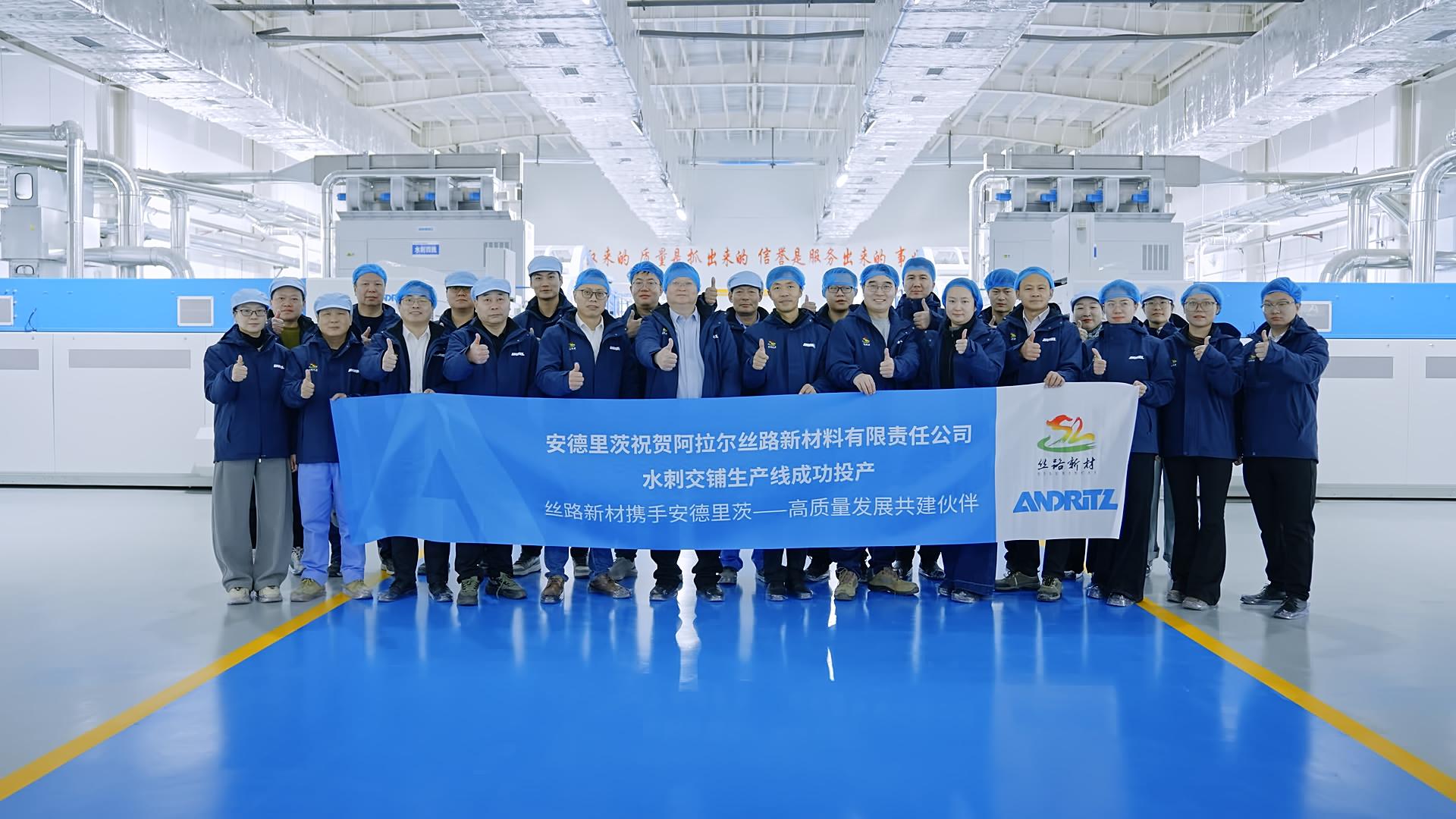
Three ANDRITZ spunlace lines for Alar Silk Road New Materials in China

Alar Silk Road New Materials and ANDRITZ have successfully commissioned three spunlace lines in crosslapped configuration at Alar’s facility in Aral City, Xinjiang, China.

The new lines strengthen Alar’s capacity to produce high-quality nonwovens and support the development of a more resource-efficient and sustainable ecosystem for the region’s hygiene and medical industries.

The neXline spunlace lines from ANDRITZ process viscose and/or cotton fibers to produce nonwoven fabrics that meet stringent quality requirements for hygiene and medical end uses. The lines deliver excellent web uniformity, strong tensile properties, and high production rates, enabling Alar to meet the growing market demand. The latest Profile™ crosslappers help reduce operating costs by ensuring even fiber distribution. 

ANDRITZ will continue to support Alar in further advancing its operations. The two companies plan to deepen their cooperation in innovation, digitalization, and energy efficiency to implement Alar’s goals and contribute to sustainable industrial development in the Xinjiang region.

Alar Silk Road New Materials and ANDRITZ have successfully commissioned three spunlace lines in crosslapped configuration at Alar’s facility in Aral City, Xinjiang, China.

The new lines strengthen Alar’s capacity to produce high-quality nonwovens and support the development of a more resource-efficient and sustainable ecosystem for the region’s hygiene and medical industries.

The neXline spunlace lines from ANDRITZ process viscose and/or cotton fibers to produce nonwoven fabrics that meet stringent quality requirements for hygiene and medical end uses. The lines deliver excellent web uniformity, strong tensile properties, and high production rates, enabling Alar to meet the growing market demand. The latest Profile™ crosslappers help reduce operating costs by ensuring even fiber distribution. 

ANDRITZ will continue to support Alar in further advancing its operations. The two companies plan to deepen their cooperation in innovation, digitalization, and energy efficiency to implement Alar’s goals and contribute to sustainable industrial development in the Xinjiang region.

Alar Silk Road New Materials Co., Ltd., based in Aral City, Xinjiang, is a leading producer of high quality nonwovens for hygiene, medical, and care applications. Using the region’s rich cotton resources, the company develops advanced materials supported by strong technological capabilities. Alar also drives innovation in renewable raw materials, converting resources such as reed into high value pulp, which supports circular economy goals. Through continuous collaboration and technological development, the company is building a modern, internationally competitive industrial base.

Cotton farmer from Tanzania © Martin J. Kielmann für Cotton made in Africa
Cotton farmer from Tanzania
27.01.2026

Dibella increases the use of CmiA cotton by 9%

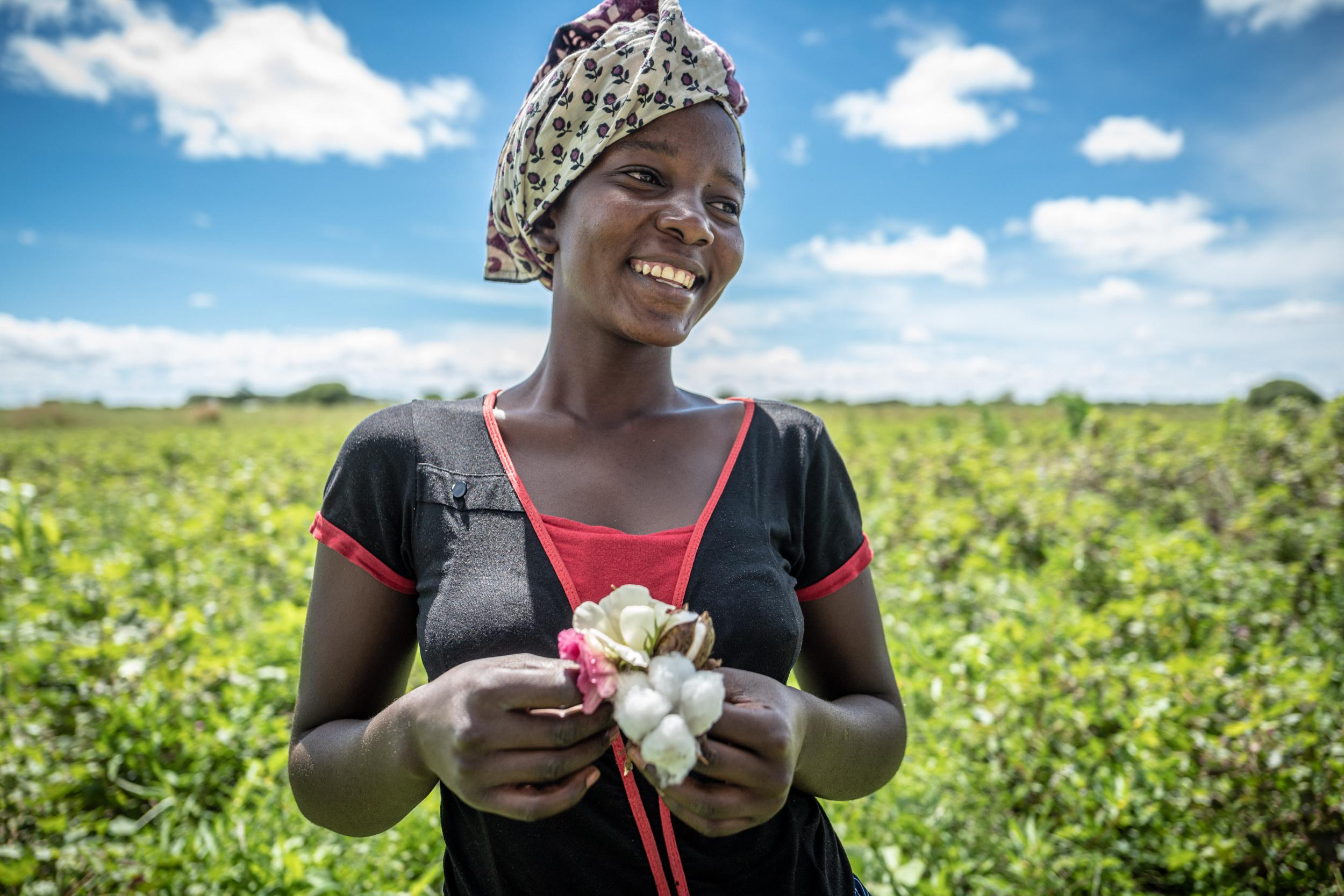
Dibella is increasing its demand for Cotton made in Africa (CmiA)–verified cotton by 9% compared to the previous year (825 tonnes), reaching a total of 900 tonnes in 2026. This underscores the company’s strategic objective to continuously support the cultivation of sustainable fibers. 

By supporting CmiA cotton, Dibella makes a measurable contribution to greater sustainability along the textile value chain. CmiA stands for more resource-efficient cotton cultivation: reliance on natural rainfall instead of irrigation, the exclusion of hazardous pesticides, and low greenhouse gas emissions. At the same time, the initiative strengthens the economic resilience of smallholder farms in Sub-Saharan Africa. A key impact of CmiA lies in its social effect: through training programs on efficient agriculture, occupational safety, and gender equality, incomes are stabilized and living conditions sustainably improved. In addition, education, health, and infrastructure projects in the growing regions are financed. 

Dibella is increasing its demand for Cotton made in Africa (CmiA)–verified cotton by 9% compared to the previous year (825 tonnes), reaching a total of 900 tonnes in 2026. This underscores the company’s strategic objective to continuously support the cultivation of sustainable fibers. 

By supporting CmiA cotton, Dibella makes a measurable contribution to greater sustainability along the textile value chain. CmiA stands for more resource-efficient cotton cultivation: reliance on natural rainfall instead of irrigation, the exclusion of hazardous pesticides, and low greenhouse gas emissions. At the same time, the initiative strengthens the economic resilience of smallholder farms in Sub-Saharan Africa. A key impact of CmiA lies in its social effect: through training programs on efficient agriculture, occupational safety, and gender equality, incomes are stabilized and living conditions sustainably improved. In addition, education, health, and infrastructure projects in the growing regions are financed. 

“Increasing our CmiA cotton volume is far more than just a number for us,” emphasizes Michaela Gnass, CSR Manager at Dibella. “It represents tangible improvements on the ground—for farming families, for environmental standards, and for more responsible textile production. The annual increase in the use of CmiA fibers in our supply chain is part of our sustainability strategy. As a provider of contract textiles, we see it as our duty to take responsibility and not merely to source materials.” 

Dibella uses Cotton made in Africa cotton in accordance with a mass balance approach. This enables the company to efficiently integrate sustainable cotton into existing production processes while systematically increasing demand for CmiA cotton. This creates an important lever for anchoring more sustainable cultivation methods in the market over the long term. In addition to the mass balance system, Cotton made in Africa also offers full traceability from the origin of the cotton to the finished product.

Source:

Dibella b.v.

ITA PhD student Florian Pohlmeyer demonstrates the open secure data room live to interested visitors © ITA
ITA PhD student Florian Pohlmeyer demonstrates the open secure data room live to interested visitors
27.01.2026

Exchange data between textile companies without a central platform

The Institut für Textiltechnik (ITA) of RWTH Aachen University has launched a new demonstrator for an open and secure data space in the textile industry at the Digital Innovation Centre Europe (DICE). For the first time, the demonstrator shows directly and clearly how companies can share their data securely with each other without the need for a central platform. Data exchange is based on shared, freely usable technical foundations.

The participating companies thus share important information about materials, processes or supply chains directly. This increases transparency and helps, for example, with sustainability assessments, traceability or compliance with legal requirements. At the same time, companies retain control over their data at all times.

What is new and special is that, for the first time, the data room can be experienced in practice – not just as a concept on paper. Using real data and real processes, the demonstrator shows how secure data exchange works in the textile industry.

The Institut für Textiltechnik (ITA) of RWTH Aachen University has launched a new demonstrator for an open and secure data space in the textile industry at the Digital Innovation Centre Europe (DICE). For the first time, the demonstrator shows directly and clearly how companies can share their data securely with each other without the need for a central platform. Data exchange is based on shared, freely usable technical foundations.

The participating companies thus share important information about materials, processes or supply chains directly. This increases transparency and helps, for example, with sustainability assessments, traceability or compliance with legal requirements. At the same time, companies retain control over their data at all times.

What is new and special is that, for the first time, the data room can be experienced in practice – not just as a concept on paper. Using real data and real processes, the demonstrator shows how secure data exchange works in the textile industry.

Companies can see directly how information flows between businesses without having to submit it to a central platform. This makes it clear that getting started with modern data rooms is easier, more secure and more cost-effective than many expect.

ITA developed and implemented the demonstrator from a technical perspective. It provides the textile production environments, supplies the technical expertise and ensures that the demonstrator works with real industrial applications.

The demonstrator is publicly accessible at DICE and can be used in workshops, guided tours or company visits. The technological components are already suitable for industrial use and serve as a starting point for companies to launch their own data room projects.

Flame retardant pef granulate (c) DITF
Flame retardant pef granulate
27.01.2026

Bio-based fibers with good flame retardancy

Fibers made from bio-based plastics reduce dependence on fossil raw materials and promote the circular economy. The covalent bonding of flame-retardant additives can open the way for these fibers to enter the mass market.

The recent fire disaster in Switzerland has revealed how crucial the use of flame-retardant materials is in construction materials, insulation, and many other everyday objects. Textiles with flame-retardant properties fulfill a particularly important function here, as they are used in considerable quantities - not only in building materials, but also in safety and protective clothing, in vehicle interiors, and in home furnishings such as carpets and upholstered furniture.

Fibers made from bio-based plastics reduce dependence on fossil raw materials and promote the circular economy. The covalent bonding of flame-retardant additives can open the way for these fibers to enter the mass market.

The recent fire disaster in Switzerland has revealed how crucial the use of flame-retardant materials is in construction materials, insulation, and many other everyday objects. Textiles with flame-retardant properties fulfill a particularly important function here, as they are used in considerable quantities - not only in building materials, but also in safety and protective clothing, in vehicle interiors, and in home furnishings such as carpets and upholstered furniture.

Flame-retardant compounds have been used for synthetic fibers for decades. Inorganic, brominated, or organophosphorus compounds, which are particularly used in polyester fibers, have proven to be highly effective. Phosphorus compounds are slightly less harmful to the environment when released and are therefore often the first choice. Their effectiveness is based on the fact that they form a protective carbonization layer and intercept radicals, which reduces the flammability of the material. The release of toxic gases and further heat development is limited.

For several years now, there has been a shift in the use of synthetic fibers toward bio-based fibers. Although their market share is still small compared to established synthetic fibers such as polyethylene terephthalate or polypropylene, they are growing steadily. Bio-based fibers are gaining in importance because they reduce the demand for fossil raw materials. At the same time, their use supports the circular economy and reduces greenhouse gas emissions.

Persistent and effective flame retardancy in bio-based fibers that is also inexpensive and environmentally friendly could give bio-based textiles a boost in innovation and contribute to significant market expansion. This is where the DITF's “Polymers and Fiber Composites” research team comes in with the development of a flame-retardant, bio-based plastic called polyethylene furanoate (PEF). PEF is similar in many properties to the widely used polyethylene terephthalate (PET), but unlike PET, it is made from bio-based monomers. While PEF is already technologically advanced and on its way to the mass market, it currently lacks flame retardancy, which would enable its widespread use in the textile sector.

At the DITF, PEF is not only synthesized in in-house reactors. Extensive test series have also been conducted to evaluate the suitability of various phosphorus-based flame retardants in different concentrations. Two things are important to the researchers here: First, the flame retardant should be covalently bound to the polymer molecules to prevent bleeding. This is crucial for long-term fire protection of fibers because of their small diameter and high specific surface area. Second, the concentration of flame retardant should be as low as possible while still providing the best possible effect. Despite their good fire protection properties, all common additives share that they are potentially harmful to health and, when released into the environment, are difficult to degrade because they are chemically stable. In Denkendorf, they have not only succeeded in meeting these requirements. They have also been able to increase the molecular weight of the synthesized polymers by solid state polymerization to spin fibers with higher strength.

Further thermal and rheological investigations of the polymers with different flame-retardant concentrations identified the most suitable variant for the spinning process. In addition to the PEF variant containing five grams of phosphorus per kilogram of polymer in the form of copolymerized organophosphorus compounds, a flame retardant-free PEF reference was spun. The fibers obtained in the spinning laboratory were processed into textile fabrics, which were subjected to fire tests. The flame-retardant knitted fabrics showed significantly reduced flammability. The DITF will continue to study in flame-retardant, bio-based PEF fibers.

Alchemie’s Endeavour. Photo Alchemie Technology
Alchemie’s Endeavour
26.01.2026

Alchemie partners with Acatel: Precision jet dyeing at industrial scale

BTMA member Alchemie Technology, the pioneer of precision jet dyeing solutions based in Cambridge, UK, is partnering with Acatel, the Portuguese leader in sustainable textile manufacturing.

The two companies will work together to validate and optimise Alchemie’s Endeavour system for knitted cellulosic fabrics. 

Endeavour enables dye houses to eliminate energy and CO2 emissions by up to 85%, achieve chemistry savings of up to 30%, and reduce water usage by up to 95% compared to traditional methods. The proprietary liquid application solution combines a large droplet size and high droplet velocity to deliver unrivalled penetration and precision into a textile fabric. 

R&D programme
As part of the collaboration, Alchemie and Acatel will run a twelve-month R&D programme to prepare the technology for large-scale manufacturing and demonstrate how the fully electric, non-contact dyeing process can replace conventional dyeing routes.

BTMA member Alchemie Technology, the pioneer of precision jet dyeing solutions based in Cambridge, UK, is partnering with Acatel, the Portuguese leader in sustainable textile manufacturing.

The two companies will work together to validate and optimise Alchemie’s Endeavour system for knitted cellulosic fabrics. 

Endeavour enables dye houses to eliminate energy and CO2 emissions by up to 85%, achieve chemistry savings of up to 30%, and reduce water usage by up to 95% compared to traditional methods. The proprietary liquid application solution combines a large droplet size and high droplet velocity to deliver unrivalled penetration and precision into a textile fabric. 

R&D programme
As part of the collaboration, Alchemie and Acatel will run a twelve-month R&D programme to prepare the technology for large-scale manufacturing and demonstrate how the fully electric, non-contact dyeing process can replace conventional dyeing routes.

The partnership will operate from the Acatel Innovation Hub in northern Portugal, with the industrial expertise, manufacturing infrastructure and focus on innovation necessary to accelerate the adoption of this next-generation textile technology. 

Through the platform, Alchemie will advance the commercial readiness of its low-carbon digital dyeing system tailored for knitted cellulosic fabrics based on cotton, lyocell, linen, hemp and wool blends.
“Transforming one of the world’s most resource-intensive industrial processes requires resilience, vision and innovation,” says Dr Alan Hudd, founder and CEO of Alchemie Technology. “Being part of the Acatel Innovation Hub represents exactly the kind of partnership needed to scale sustainable textile solutions globally.”

Acatel has been a leader in sustainable textile processes since 1985, combining advanced technology with a strong environmental commitment. By leveraging Acatel’s innovation ecosystem, the partnership aims to accelerate the adoption of next-generation dyeing solutions and highlight the role of the Acatel Innovation Hub in bringing scalable, sustainable innovations to industry.

“Acatel’s commitment to innovation and environmental stewardship aligns perfectly with Alchemie’s mission,” says Tércio Pinto, member of the board at Acatel “With this collaboration we are empowering textile producers to redefine responsible manufacturing.”
 
Première Vision
To mark the partnership, Alchemie and Acatel will be exhibiting side-by-side at Première Vision in Paris from February 3-5, where visitors will be able to directly assess the touch and feel of fabrics processed with the technology. Attendees will have the opportunity to learn first-hand how Endeavour technology can deliver substantial sustainability and efficiency gains.

“This development is great news to kick off 2026,” said BTMA CEO Jason Kent. “Textile dyeing is a significant polluter and Alchemie’s digital technologies, developed here in the UK and now to be further commercialised within Europe, promise to archive a dramatic reduction in energy consumption while eliminating contaminated wastewater emissions, which will be a major boost for the industry.”

REDES4VALUE: Recycled nylon fishing nets for industrial applications Photo AIMPLAS, Plastics Technology Centre
26.01.2026

REDES4VALUE: Recycled nylon fishing nets for industrial applications

  • The companies UBE and ZIKNES, the University of Valencia, and the AIMPLAS Plastics Technology Centre are collaborating on this project, funded by IVACE+i Innovation with support from ERDF funds.
  • Applications include packaging, agricultural covers, automotive components and large-scale 3D demonstrators.
  • Collaboration with Sea2See ensures the supply of recovered nets from Ghana and strengthens the project’s circular value chain.

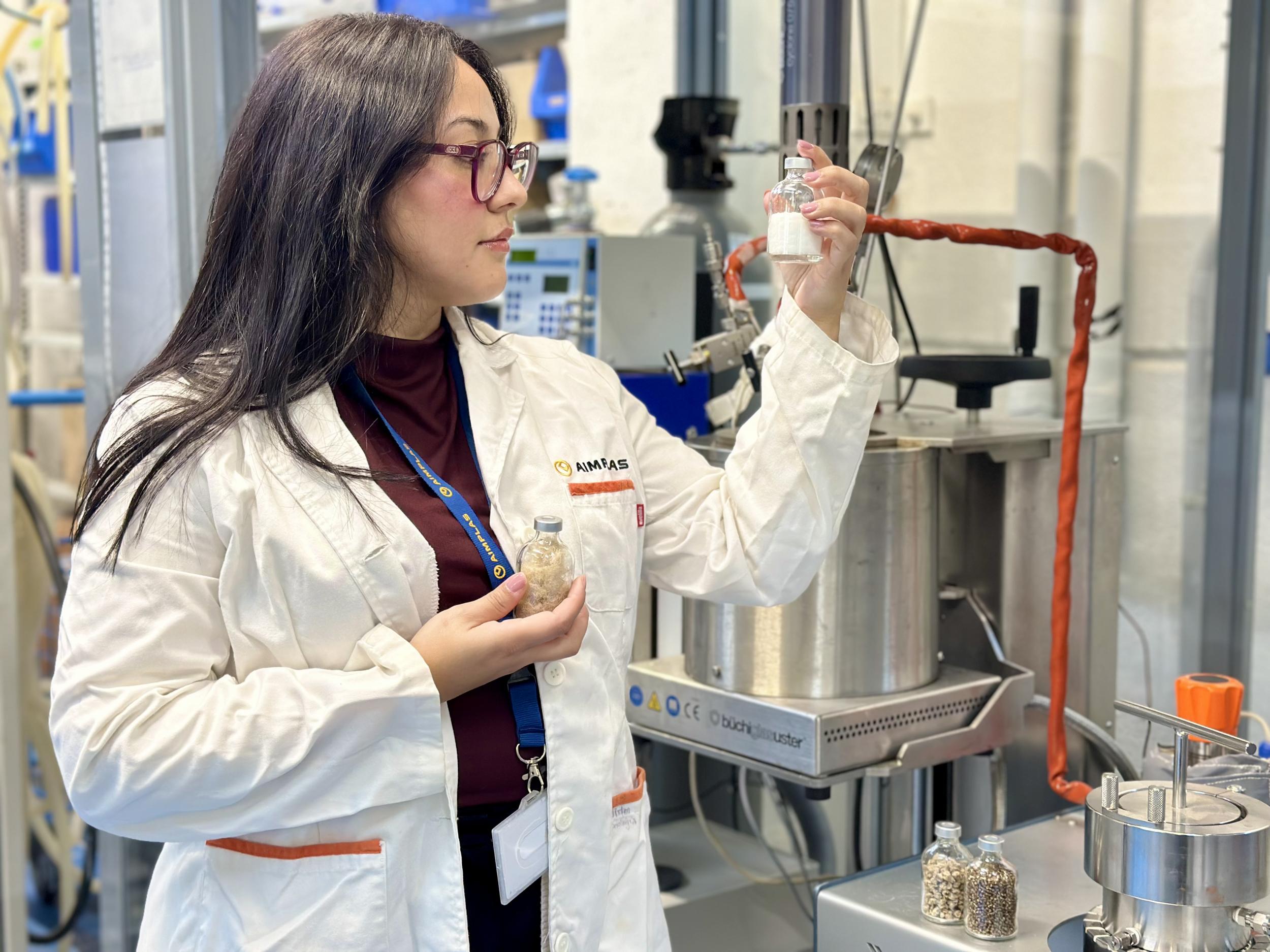
The abandonment of fishing nets in seas and oceans is one of the most persistent environmental problems. In response to this situation, the REDES4VALUE project works to recover and recycle disused fishing nets, transforming them into new sustainable, high value-added products such as recycled nylon, films for packaging and agricultural covers, automotive components, and large-format parts produced by additive manufacturing. These developments are achieved through innovative mechanical and chemical recycling processes, combined with reactive extrusion technologies.

  • The companies UBE and ZIKNES, the University of Valencia, and the AIMPLAS Plastics Technology Centre are collaborating on this project, funded by IVACE+i Innovation with support from ERDF funds.
  • Applications include packaging, agricultural covers, automotive components and large-scale 3D demonstrators.
  • Collaboration with Sea2See ensures the supply of recovered nets from Ghana and strengthens the project’s circular value chain.

The abandonment of fishing nets in seas and oceans is one of the most persistent environmental problems. In response to this situation, the REDES4VALUE project works to recover and recycle disused fishing nets, transforming them into new sustainable, high value-added products such as recycled nylon, films for packaging and agricultural covers, automotive components, and large-format parts produced by additive manufacturing. These developments are achieved through innovative mechanical and chemical recycling processes, combined with reactive extrusion technologies.

This initiative, funded by the Valencian Institute of Competitiveness and Innovation (IVACE+i) and ERDF funds, brings together a consortium formed by AIMPLAS (Plastics Technology Centre), UBE, ZIKNES and the University of Valencia. Their shared objective is to close the life cycle of polyamides and reduce marine pollution through innovative, industry-ready solutions.

Although many nets are made of polyethylene or polypropylene, the project focuses on polyamide nets, a material with great potential for chemical recycling. Its molecular structure allows the recovery of monomers such as caprolactam, enabling the production of new polyamides with properties virtually identical to those of virgin materials.

‘We are achieving optimised conditions for depolymerising fishing nets and recovering monomers with purities above 95% in some laboratory-scale streams, and over 80% at pilot scale”. This will allow us to repolymerise and obtain new polyamides with quality equivalent to virgin material,’ explains Nairim Torrealba, a researcher in Chemical Recycling at AIMPLAS.

Recycled polyamides are intended for sectors such as packaging, agriculture, automotive and 3D printing. Companies such as UBE are already analysing their commercialisation and ZIKNES is adapting its equipment to validate large-format parts. Initial applications include packaging films, agricultural covers, automotive components and large-scale 3D demonstrators.

‘These materials have immediate industrial applications and a clear sustainability advantage over conventional polyamides. These solutions not only reduce dependence on virgin raw materials, but also open up new opportunities for industry in terms of sustainability and the circular economy,’ said Torrealba.

Disruptive technology and international collaboration
REDES4VALUE is advancing in processes such as hydrothermal depolymerisation, ionic liquid-assisted solvolysis and reactive extrusion, as well as comprehensive life cycle and feasibility assessments. One of the main challenges of the project is the treatment of highly degraded nets with a high presence of impurities, but the results are very promising.

Collaboration with the Sea2See brand has ensured access to fishing nets recovered in Ghana since 2019 and has been key to structuring the project’s circular value chain from the waste source. ‘Without this supply of material, it would not be possible to move forward. The nets that arrive from Ghana are essential for validating the processes and obtaining real results,’ said Torrealba.

Consortium and next steps
The project involves AIMPLAS, which is responsible for chemical recycling tasks, UBE for scaling and repolymerisation, ZIKNES for 3D printing validation, and the MATS group at the University of Valencia (MATS-UV) for solvolysis and kinetics studies. ‘Our goal is to consolidate a chemical recycling line that can be applied to complex waste and demonstrate that it is a real and necessary solution,’ concluded Torrealba.

This initiative is funded by the Valencian Institute of Competitiveness and Innovation (IVACE+i), through the Strategic Cooperation Projects programme in its 2024 call for proposals, with co-financing from the European Regional Development Fund (ERDF).

Source:

AIMPLAS, Plastics Technology Centre

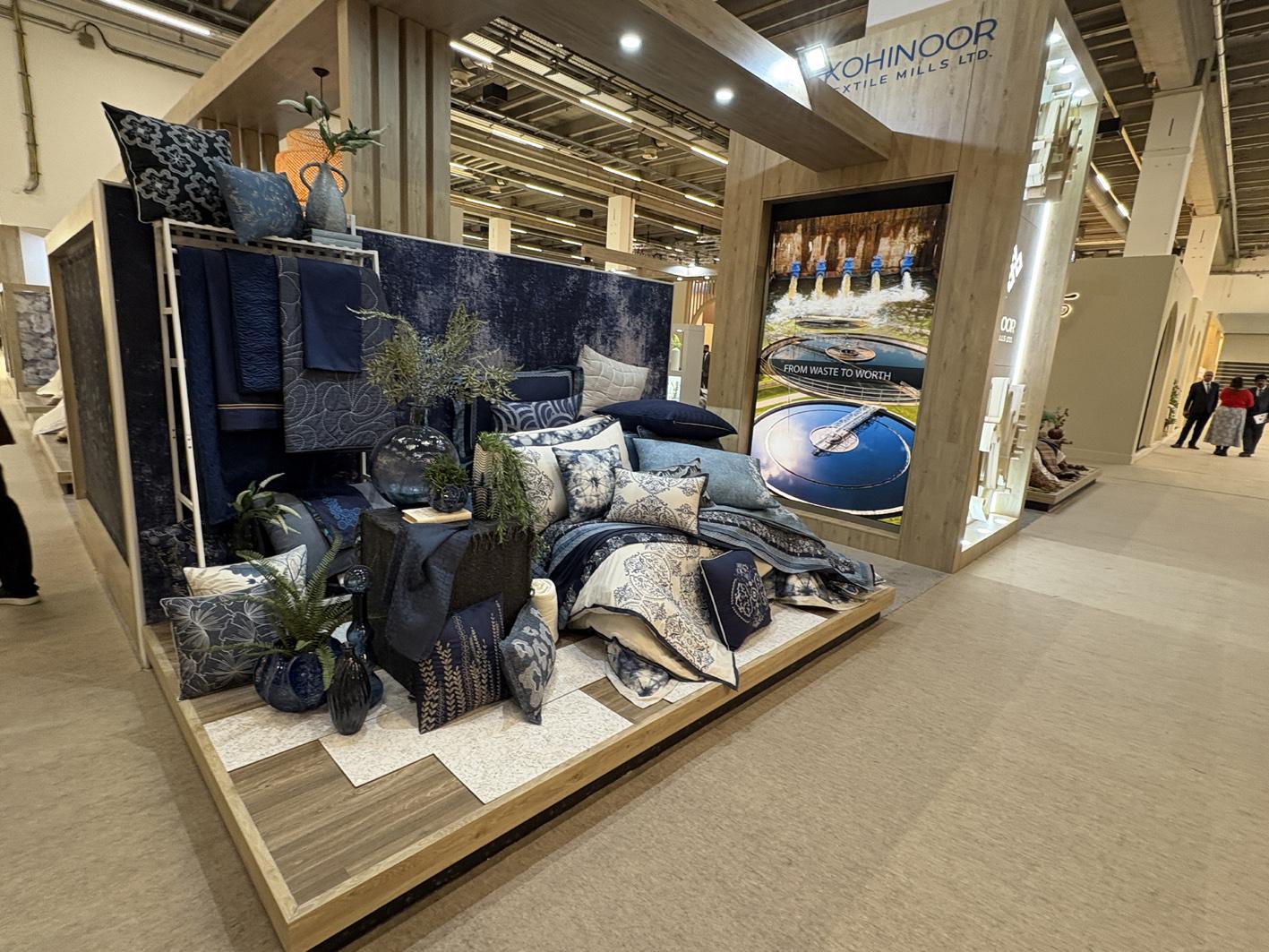
Kohinoor at Heimtextil 2026 Photo AWOL Media
Kohinoor at Heimtextil 2026
26.01.2026

Monforts Pakistani customers make strong showing at Heimtextil 2026

Monforts dyeing and finishing technology customers from Pakistan had a successful presence at the Heimtextil 2026 home and contract textiles exhibition which attracted over 48,000 visitors to Frankfurt in Germany this month (January 13-16).

They included key home furnishings suppliers such as Crestex, Faisal, Gohar, and Kausar Processing, all based in the Faisalabad region of the country, Karachi-based Al Karam, Adamjee, Liberty, Lucky and Rainbow, and Kohinoor, Nishat Chunian and Sapphire of Lahore.

Monforts dyeing and finishing technology customers from Pakistan had a successful presence at the Heimtextil 2026 home and contract textiles exhibition which attracted over 48,000 visitors to Frankfurt in Germany this month (January 13-16).

They included key home furnishings suppliers such as Crestex, Faisal, Gohar, and Kausar Processing, all based in the Faisalabad region of the country, Karachi-based Al Karam, Adamjee, Liberty, Lucky and Rainbow, and Kohinoor, Nishat Chunian and Sapphire of Lahore.

Strategic importance
For these vertically integrated manufacturers, Europe remains one of the most strategically important end markets for home textiles, not simply for volume, orders but because of what Europe represents in terms of standards, stability and long-term positioning. European buyers, whether retailers, brand owners or contract textile specialists, have historically set the benchmark for quality, safety and consistency in bedding, towelling and decorative home fabrics. Supplying this market therefore anchors Pakistani mills at the higher end of the global value chain and provides a reference point that strengthens their credibility in other markets.

Pakistan is also one of the world’s few countries with large-scale vertical integration across cotton raw materials, spinning, weaving, knitting, wet processing, finishing and making up, all concentrated within single groups or closely linked clusters. This allows mills to respond to European buying models that favour fewer, larger suppliers capable of controlling quality from fibre to finished product. 

In addition, European customers increasingly want traceability, process transparency and consistency across multiple seasons, not opportunistic buying. Vertically integrated Pakistani mills are able to offer this by aligning yarn selection, fabric construction, finishing and made-up production within one controlled industrial ecosystem.

European norms
“Pakistan offers relatively predictable shipping routes to Europe and crucially, a manufacturing culture already shaped by European norms,” says Monforts Area Sales Manager Manfred Havenith. “These companies rely on our established technologies including MONTEX stentering equipment, MONFORTEX sanforizing units and THERMEX dyeing ranges. We continue to assist them with trials and optimised processing parameters in developing advanced fabrics for a wide range of end-uses, both at their own plants and at our Advanced Technology Centre (ATC) in Germany.

“We have also worked with Al Ameen, our valued partner in Pakistan for over 40 years and this close cooperation, along with constant R&D and machine innovations – both in terms of productivity and energy savings – has allowed Monforts to build an 80% market share for stenters in Pakistan and to retain it for a number of decades. We remain dedicated to the ongoing success of our valued customers in Pakistan.”

26.01.2026

Suominen: Proposals to the Annual General Meeting

The Shareholders' Nomination Board of Suominen Corporation proposes to the Annual General Meeting 2026 that the number of Board members will be decreased from seven to six.

The Nomination Board proposes to the Annual General Meeting that Andreas Ahlström, Gail Ciccione, Nina Linander, Maija Joutsenkoski and Laura Remes would be re-elected as members of the Board of Directors and that Ville Vuori would be elected as a new member of the Board of Directors.

Out of the current Board members, Björn Borgman, is not available as a candidate for the Board of Directors. Additionally, the current Chairman of the Board, Charles Héaulmé, has decided to step out from the Board of Directors due to his role as the President & CEO of the Company. 

Ville Vuori (b. 1973, B.Sc. (Mech. Eng.), eMBA, Finnish citizen) currently acts as the Chairman of the Boards of Incap Oyj and Aspocomp Oyj. Prior to that, he served as the CEO of Kemppi Oy and Incap Oyj. Ville Vuori’s CV is attached to this stock exchange release. The proposed current members of the Board of Directors are presented on the company website www.suominen.fi.

The Shareholders' Nomination Board of Suominen Corporation proposes to the Annual General Meeting 2026 that the number of Board members will be decreased from seven to six.

The Nomination Board proposes to the Annual General Meeting that Andreas Ahlström, Gail Ciccione, Nina Linander, Maija Joutsenkoski and Laura Remes would be re-elected as members of the Board of Directors and that Ville Vuori would be elected as a new member of the Board of Directors.

Out of the current Board members, Björn Borgman, is not available as a candidate for the Board of Directors. Additionally, the current Chairman of the Board, Charles Héaulmé, has decided to step out from the Board of Directors due to his role as the President & CEO of the Company. 

Ville Vuori (b. 1973, B.Sc. (Mech. Eng.), eMBA, Finnish citizen) currently acts as the Chairman of the Boards of Incap Oyj and Aspocomp Oyj. Prior to that, he served as the CEO of Kemppi Oy and Incap Oyj. Ville Vuori’s CV is attached to this stock exchange release. The proposed current members of the Board of Directors are presented on the company website www.suominen.fi.

All candidates have given their consent to the election. All candidates are independent of the company. The candidates are also independent of Suominen’s significant shareholders, with the exceptions of Andreas Ahlström who acts currently as the CEO of Ahlström Invest B.V. and Maija Joutsenkoski who acts as the Investment Director at A. Ahlström Corporation. The largest shareholder of Suominen Corporation, Ahlstrom Capital B.V., belongs to the same group of companies as Ahlström Invest B.V. and A. Ahlström Corporation.

The Nomination Board proposes to the Annual General Meeting that Ville Vuori would be elected as the Chair of the Board of Directors.

With regard to the election procedure for the members of the Board of Directors, the Nomination Board recommends that the shareholders take a position on the proposal as a whole at the Annual General Meeting. In preparing its proposals the Nomination Board, in addition to ensuring that individual board member candidates possess the required competences, has determined that the proposed Board of Directors as a whole has the best possible expertise for the company and that the composition of the Board of Directors meets the other requirements of the Finnish Corporate Governance Code for listed companies.

Proposal on the Board remuneration
The Nomination Board proposes that the remuneration of the Board of Directors remains unchanged and would be as follows: the Chair would be paid an annual fee of EUR 74,000, the Deputy Chair an annual fee of EUR 45,000 and other Board members an annual fee of EUR 35,000. The Nomination Board also proposes that the additional fee paid to the Chair of the Audit Committee would remain unchanged and be EUR 10,000.

Further, the Nomination Board proposes that the fees payable for each Board and Committee meeting would remain unchanged and be as follows: EUR 500 for each meeting held in the home country of the respective member, EUR 1,000 for each meeting held elsewhere than in the home country of the respective member and EUR 500 for each meeting attended by telephone or other electronic means. No fee is paid for decisions made without convening a meeting.

75% of the annual fees is paid in cash and 25% in Suominen Corporation’s shares. The shares will be transferred out of the own shares held by the company by the decision of the Board of Directors within two weeks from the date on which the interim report of January–March 2026 of the company is published.

Compensation for expenses will be paid in accordance with the company's valid travel policy.

The composition of the Nomination Board
The members of the Nomination Board, as of September 2, 2025, are Jyrki Vainionpää (President & CEO of A. Ahlström Corporation) as a member appointed by Ahlstrom Capital B.V., Mikael Etola (CEO of Etola-Yhtiöt) as a member appointed by Etola Group Oy and Ville Vuori (Board Professional) as a member appointed by Oy Etra Invest Ab. Charles Héaulmé, Chair of Suominen’s Board of Directors, serves as the fourth member of the Nomination Board.

Jyrki Vainionpää acts as the Chair of the Nomination Board. 

All of the proposals made by the Nomination Board were unanimous, except that Charles Héaulmé and Ville Vuori abstained from participating in the decision making relating to the Nomination Board’s proposal for the Chair of the Board.

The Board of Directors of Suominen Corporation will include the proposals submitted by the Nomination Board to the Notice of the Annual General Meeting of Suominen which will be published at a later date. The Annual General Meeting of Suominen Corporation is scheduled to be held on April 15, 2026.

Source:

Suominen Corporation