From the Sector

from to
Reset
809 results
27.05.2020

Huntsman Textile Effects and Bao Minh Textile collaborating

  • Producing fabric for medical gowns: Advanced barrier effect solutions support COVID-19 efforts

Huntsman Textile Effects and Bao Minh Textile, one of the largest and most modern woven fabric producers in Vietnam, are collaborating to produce fabric that meets the stringent performance standards required of isolation gowns. High-quality medical gowns are essential protective wear for healthcare workers combatting the global COVID-19 pandemic, but these are in short supply worldwide.

Bao Minh Textile will initially treat 760,000 meters of woven fabric with a carefully curated combination of Huntsman Textile Effects barrier effect solutions and auxiliaries. This fabric is sufficient to produce 345,000 high-grade isolation gowns.

  • Producing fabric for medical gowns: Advanced barrier effect solutions support COVID-19 efforts

Huntsman Textile Effects and Bao Minh Textile, one of the largest and most modern woven fabric producers in Vietnam, are collaborating to produce fabric that meets the stringent performance standards required of isolation gowns. High-quality medical gowns are essential protective wear for healthcare workers combatting the global COVID-19 pandemic, but these are in short supply worldwide.

Bao Minh Textile will initially treat 760,000 meters of woven fabric with a carefully curated combination of Huntsman Textile Effects barrier effect solutions and auxiliaries. This fabric is sufficient to produce 345,000 high-grade isolation gowns.

Bao Minh Textile’s isolation gown fabric relies on a range of Huntsman pretreatment, dyeing and finishing solutions. These include CLARITE® ONE, an all-in-one pretreatment for peroxide bleaching; NOVACRON® and TERASIL® dyes; PHOBOL® CP-C, an excellent oil-, water- and stain-repellent finish; and PHOBOTEX® RSY, a non-fluorinated durable water repellent with extremely high washing resistance. PHOBOL® EXTENDER XAN is also applied to further increase wash durability.


Source:

Huntsman Textile Effects

Start of 3-years Interreg cross-border project AACOMA  is kicked-off (c) AMAC GmbH
AMAC-Standortkarte
13.05.2020

Start of 3-years Interreg cross-border project AACOMA is kicked-off

  • AACOMA - Accelerate advanced composite manufacturing
  • EMR Region Belgium, the Netherlands & Germany area hot spot for the future of lightweight materials and technologies

The Euregio Meuse-Rhine provides a huge potential with its many highly innovative, leading companies and especially SMEs which are active in the area of advanced material manufacturing in many industrial sectors, such as Automotive, Aerospace, Electronics, Building and Infrastructure, etc. The advanced material sector is growing, with a consolidated offer, ranging from raw material producers over technology development to production, research and development as well as industrial OEMs.

Interreg Euregio Meuse-Rhine invests EUR 96 million from the European Regional Development Fund (ERDF) in the period 2014-2020. Through the investments in cross-border projects, the European Union invests in the economic development, innovation, territorial development and social inclusion and education of this region.

Project

  • AACOMA - Accelerate advanced composite manufacturing
  • EMR Region Belgium, the Netherlands & Germany area hot spot for the future of lightweight materials and technologies

The Euregio Meuse-Rhine provides a huge potential with its many highly innovative, leading companies and especially SMEs which are active in the area of advanced material manufacturing in many industrial sectors, such as Automotive, Aerospace, Electronics, Building and Infrastructure, etc. The advanced material sector is growing, with a consolidated offer, ranging from raw material producers over technology development to production, research and development as well as industrial OEMs.

Interreg Euregio Meuse-Rhine invests EUR 96 million from the European Regional Development Fund (ERDF) in the period 2014-2020. Through the investments in cross-border projects, the European Union invests in the economic development, innovation, territorial development and social inclusion and education of this region.

Project

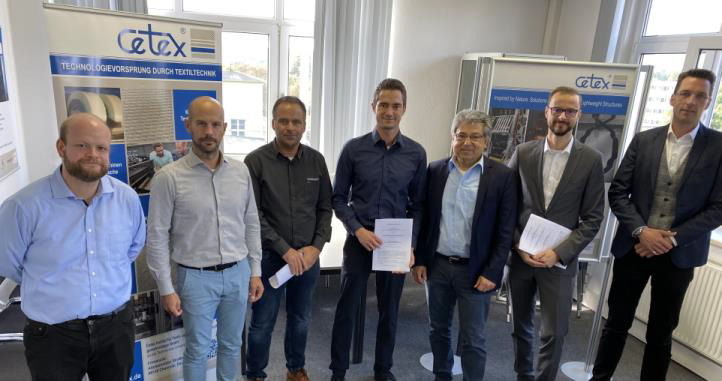
The Euregio Meuse-Rhine is a potential hot-spot for the further development of advanced material and process technologies. Technical Centers and Institutes around Aachen/Germany, Liège/Belgium and Eindhoven/The Netherlands were awarded with this new project AACOMA.

Innovative material design and advanced manufacturing provide large opportunities for SMEs. The AACOMA project kick-off took place in Aachen at the Campus of the RWTH University of technology in 1 Q 2020. The aim of the project, which is running for 3 years until 2023 with a budget of €3 Mio, is to connect SMEs with innovation hot-spots like institutes and technical centers.
Seven partners from all three regions will carry the project out: Centexbel is the project leader and gets support by University of Liège, Sirris and Flanders Make from Belgium, as well as Fontys University of Applied Science and AMIBM of Maastricht University in the Netherlands and AMAC in Germany.

Statements

Bernard Paquet, Project Coordinator from Centexbel/ Belgium stated:
“Centexbel, with a strong experience in textile and composites, will identify with its Interreg partners and an advisory board of international experts several demonstrators which will enable an accelerated advanced manufacturing of composite parts. This could include new materials and intermediates, high performance additives, bio-based products and new composites by additive manufacturing”.

Michael Effing, Managing Director of AMAC/ Germany said:
“The major goal of the project is to connect around 200 innovative SMEs with each other and establish the links to the world-class institutes in the EMR region. We will facilitate 6 roadshow events, addressing key topics like automated manufacturing, additive manufacturing or bio-based material systems combined with match making and training events. The first roadshow will be held on September 24, 2020 at the Aachen Campus of the RWTH University of Technology.”

Prof. Gunnar Seide from the AMIBM/The Netherlands continued:  
“Our AMIBM offers already an international master program on bio-based materials. The AACOMA project will be an important element for transborder research and will identify new players in the value chain coming from the EMR region. Innovative companies find markets for their new bio-based building blocks, chemicals and polymers. Their success stories and upcoming technological breakthroughs are needed for a sustainable future.”


(c) Scott Racing Team Italia
06.05.2020

First sustainable biking uniform

  • Launched by SCOTT Sports Racing Team with Sitip, Rosti and ROICA™ by Asahi Kasei

The collection was designed starting from the needs of the athletes with the aim to offer them the best solution in terms of style and ergonomics, high performance, easy maintenance and perfect fit being also sustainable.

Ispo 2020 saw the celebration of the partnership started last year between Scott Racing Team, Rosti, Sitip and ROICA™ by Asahi Kasei for the supply of the team riders’ uniforms. Rosti worked on style and packaging, Sitip on technical fabrics ‘BE-HOT - Heat Generating fabrics’, while ROICA™ provided its premium stretch ingredient. The collaboration carries an interesting news: uniforms are not just highly performing but also, and above all, sustainable.

Sitip created the Native fabric entirely made with recycled yarns and featuring the premium high performing  ROICA™ EF elastomer. The yarn is certified GRS - Global Recycled Standard certification (and also provides special dyeability) with Rosti’s design and high care garment manufacturing.

  • Launched by SCOTT Sports Racing Team with Sitip, Rosti and ROICA™ by Asahi Kasei

The collection was designed starting from the needs of the athletes with the aim to offer them the best solution in terms of style and ergonomics, high performance, easy maintenance and perfect fit being also sustainable.

Ispo 2020 saw the celebration of the partnership started last year between Scott Racing Team, Rosti, Sitip and ROICA™ by Asahi Kasei for the supply of the team riders’ uniforms. Rosti worked on style and packaging, Sitip on technical fabrics ‘BE-HOT - Heat Generating fabrics’, while ROICA™ provided its premium stretch ingredient. The collaboration carries an interesting news: uniforms are not just highly performing but also, and above all, sustainable.

Sitip created the Native fabric entirely made with recycled yarns and featuring the premium high performing  ROICA™ EF elastomer. The yarn is certified GRS - Global Recycled Standard certification (and also provides special dyeability) with Rosti’s design and high care garment manufacturing.

The main rider of Scott Racing Team Italy, the young and award-winning champion Juri Ragnoli, the “end user” of the uniforms, explaines the requirements that garments should possess in order to meet the sporting challenges that await athletes: breathability, comfort on the skin, performance, durability of the shape and maintenance of the characteristics throughout the course of use of the garment. When asked about the arrival of a new sustainable uniform, the champion said that “it’s right and important to take this direction, which perfectly meets the team’s values, as love for nature and respect for the environment. It will be nice to wear something that follows exactly what you believe in”.

More information:
ROICA™ Asahi Kasei SITIP Rosti
Source:

GB Network Marketing Communications Srl

Flight Design selects Hexcel’s HexPly® M79 Carbon Fiber Prepregs for Ultralight Aircraft (c) Hexcel Corporation
30.04.2020

Flight Design selects Hexcel’s HexPly® M79 Carbon Fiber Prepregs for Ultralight Aircraft

STAMFORD – German ultralight aircraft specialist Flight Design has chosen Hexcel as its key supplier adopting low-temperature curing prepreg into its aircraft production. Hexcel’s HexPly® M79 Carbon Fiber prepregs deliver a more consistent final product by ensuring constant material quality and processing parameters and produce a lighter and stronger aircraft at a more competitive overall cost.

Flight Design has always relied heavily on composites for its aircrafts’ ultralight construction and turned to long-term composite materials partner Lange + Ritter, part of Hexcel’s European distribution network, when they began searching for a prepreg material solution. Hexcel and Lange + Ritter created several new product codes specifically for Flight Design and then supplied materials for initial handling trials and prototyping. Hexcel’s HexPly M79 low temperature curing out of autoclave solution was first used in the new F2 prototype. As part of its material supply package, Lange + Ritter also sent a team for on-site training and technical support, allowing the Flight Design production team to get up to speed with prepreg as quickly as possible.

STAMFORD – German ultralight aircraft specialist Flight Design has chosen Hexcel as its key supplier adopting low-temperature curing prepreg into its aircraft production. Hexcel’s HexPly® M79 Carbon Fiber prepregs deliver a more consistent final product by ensuring constant material quality and processing parameters and produce a lighter and stronger aircraft at a more competitive overall cost.

Flight Design has always relied heavily on composites for its aircrafts’ ultralight construction and turned to long-term composite materials partner Lange + Ritter, part of Hexcel’s European distribution network, when they began searching for a prepreg material solution. Hexcel and Lange + Ritter created several new product codes specifically for Flight Design and then supplied materials for initial handling trials and prototyping. Hexcel’s HexPly M79 low temperature curing out of autoclave solution was first used in the new F2 prototype. As part of its material supply package, Lange + Ritter also sent a team for on-site training and technical support, allowing the Flight Design production team to get up to speed with prepreg as quickly as possible.

HexPly M79 prepregs can be cured at temperatures as low as 70˚C for eight hours or 80˚C for four hours, reducing tooling costs and increasing build rates. When combined with Hexcel’s innovative air venting Grid Technology, HexPly M79 UD carbon tapes can also be laminated with reduced debulking steps to produce void contents <1% irrespective of laminate thickness. With consistently low void contents and improved mechanical properties, designers and engineers are able to further optimize highly loaded composite aerostructures.
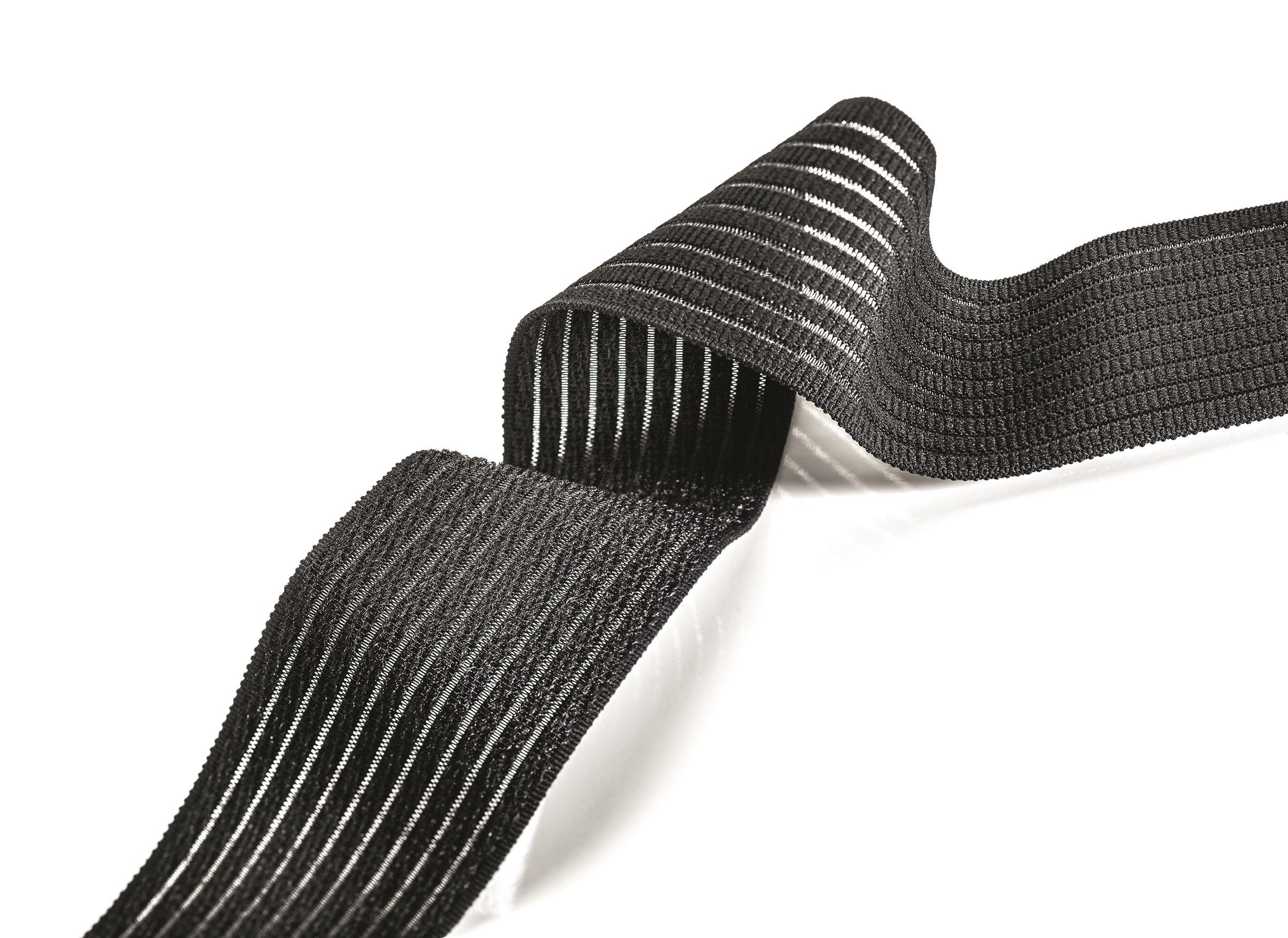
As more and more of its composite aircraft parts are transferred to prepreg technology, Flight Design is seeing the benefits of its switch to HexPly M79. Lay-up is cleaner and more precise, low temperature oven curing is quick and energy efficient, and the manufacturing process consistently outputs exceptionally high-quality laminates and components. The long-term strategy is to integrate HexPly M79 across the range, with Hexcel materials lightening the ultralight aircraft at Flight Design even further.

“The materials and technology package from Hexcel and Lange + Ritter has been a big success for us at Flight Design,” comments Daniel Gunther, Managing Director at Flight Design. “When we took the decision to switch to prepreg, we looked at many options but only Hexcel and Lange + Ritter could offer us low temperature out-of-autoclave (OOA) curing, globally respected material quality and the customer service levels we were searching for.”

Logo Perlon-Gruppe
Perlon-Gruppe spendet Masken an die freiwillige Feuerwehr
27.04.2020

The Perlon® Group: support to fire service

The Perlon®-Group is supporting the procurement measures of the volunteer fire service in the Darmstadt-Dieburg district by donating 2400 KN 95 protective masks. This protective equipment will be put to good use by the force covering 23 towns and communities in the area.

The masks offer protection for fire brigade personnel and ensure that the firemen and women can carry out their duties safely and that they also protect the inhabitants in the district and everybody else in the area who may be involved in a rescue, from a potential contamination of the Corona virus.


The Perlon®-Group is supporting the procurement measures of the volunteer fire service in the Darmstadt-Dieburg district by donating 2400 KN 95 protective masks. This protective equipment will be put to good use by the force covering 23 towns and communities in the area.

The masks offer protection for fire brigade personnel and ensure that the firemen and women can carry out their duties safely and that they also protect the inhabitants in the district and everybody else in the area who may be involved in a rescue, from a potential contamination of the Corona virus.


Source:

Perlon Sales and Marketing

24.04.2020

Lenzing AG and Palmers Textil AG found Hygiene Austria LP GmbH

Center of competence for hygiene established in Wiener Neudorf to support Austria and the EU in the Covid-19 crisis for the industrial production of high-quality protective masks with a monthly capacity of 12 million pieces.

Lenzing AG and Palmers Textil AG found “Hygiene Austria LP GmbH”, in which Lenzing AG holds 50.1% and Palmers Textil AG 49.9%. The newly founded company will start producing and selling protective masks for the domestic and European markets from May 2020.

Over the past few weeks, Lenzing AG and Palmers Textil AG have invested several million euros in a modern production infrastructure at the Wiener Neudorf location and secured the corresponding raw materials for protective masks production. In a first step, the company produces so-called mouth-nose protective masks (MNS) and surgical protective masks of class EN14683. Hygiene Austria LP GmbH plans to increase its capacities to over 25 million masks per month over the next few weeks and to expand this business geographically as well.

Center of competence for hygiene established in Wiener Neudorf to support Austria and the EU in the Covid-19 crisis for the industrial production of high-quality protective masks with a monthly capacity of 12 million pieces.

Lenzing AG and Palmers Textil AG found “Hygiene Austria LP GmbH”, in which Lenzing AG holds 50.1% and Palmers Textil AG 49.9%. The newly founded company will start producing and selling protective masks for the domestic and European markets from May 2020.

Over the past few weeks, Lenzing AG and Palmers Textil AG have invested several million euros in a modern production infrastructure at the Wiener Neudorf location and secured the corresponding raw materials for protective masks production. In a first step, the company produces so-called mouth-nose protective masks (MNS) and surgical protective masks of class EN14683. Hygiene Austria LP GmbH plans to increase its capacities to over 25 million masks per month over the next few weeks and to expand this business geographically as well.

The demand for high-quality MNS and respiratory masks for medical personnel is increasing rapidly, and there is real competition on the international market for these products. In order to sustainably secure domestic supply now and in the future and to strengthen the business location, the two companies Lenzing AG and Palmers Textil AG have now set a milestone with their own competence center for hygiene based in Austria.

Hygiene Austria LP GmbH thus makes a significant contribution to combating the Covid-19 pandemic and ensures the long-term supply of these critical goods in Austria in high quality.

Source:

Lenzing AG

(c) BMW Group
21.04.2020

SGL Carbon receives contract for battery enclosure from BMW Group

  • New composite e-Mobility application
  • Multi-year substantial contract

After prototypes for a Chinese automotive manufacturer, a major order from a North American automaker, and yet another order for a European sports car manufacturer, SGL Carbon has now been nominated by BMW Group to produce a cover component for battery enclosures in series. This substantial multi-year order will include the production of an innovative glass-fiber-based cover plate for the battery housing for usage in a future plug-in hybrid model of BMW Group.

  • New composite e-Mobility application
  • Multi-year substantial contract

After prototypes for a Chinese automotive manufacturer, a major order from a North American automaker, and yet another order for a European sports car manufacturer, SGL Carbon has now been nominated by BMW Group to produce a cover component for battery enclosures in series. This substantial multi-year order will include the production of an innovative glass-fiber-based cover plate for the battery housing for usage in a future plug-in hybrid model of BMW Group.

Materials made of composites are suited for battery enclosures for different reasons: Besides their light weight, which enhances the electric vehicle’s range, fiber-reinforced plastics offer high stiffness. In addition, they meet high requirements for water and gas tightness and feature excellent fire protection properties. Composite materials can also help to achieve improved structural stiffness of the underbody, e.g. to protect against penetration, as well as an optimized thermal management. Carbon fibers are ideal for especially stressed structures or load-bearing elements, such as the underbody panels and side frames. For components subjected to less stress, such as battery box covers, glass fibers or a fiber mix may suffice.

In addition to the new application for the hybrid model battery enclosure, SGL Carbon will continue producing the usual components made of carbon-fiber-reinforced plastic for the BMW i3 and delivering materials for the Carbon Core body of the BMW 7 series, and has been nominated as the supplier for all carbon materials - fibers, textiles, stacks - for the BMW iNEXT, set to be launched in 2021.

Source:

SGL CARBON SE

Meltblown Vliesstoffanlagen von Oerlikon Nonwoven (c) Oerlikon Manmade fibers
Meltblown Vliesstoffanlagen von Oerlikon Nonwoven
02.04.2020

Oerlikon Nonwoven large-scale meltblown sold to Asia

a leading Asian large-scale manufacturer of manmade fibers and polymers has invested in a new Oerlikon Nonwoven meltblown system. The recently-signed contract comprises a 2-beam system for manufacturing filtration nonwovens – predominantly for medical products such as face masks – with a nominal capacity of up to 1,200 tons of nonwovens a year. The commercial production launch has been scheduled for the fourth quarter of 2020.

The 2-beam system has an operating width of 1.6 meters and is equipped with the new patented Oerlikon Nonwoven electro-charging unit. The Oerlikon Nonwoven meltblown technology is recognized by the market as being the technically most efficient method for producing highly-separating filter media made from manmade fibers, particularly in conjunction with electrostatic charging and with extremely low-pressure loss. Electro-charging the filter nonwovens allows the manufacture of sophisticated EPA- and HEPA-class filter media as well as media that comply with the requirements of N95-, FFP2- and FFP3-class respiratory masks.

a leading Asian large-scale manufacturer of manmade fibers and polymers has invested in a new Oerlikon Nonwoven meltblown system. The recently-signed contract comprises a 2-beam system for manufacturing filtration nonwovens – predominantly for medical products such as face masks – with a nominal capacity of up to 1,200 tons of nonwovens a year. The commercial production launch has been scheduled for the fourth quarter of 2020.

The 2-beam system has an operating width of 1.6 meters and is equipped with the new patented Oerlikon Nonwoven electro-charging unit. The Oerlikon Nonwoven meltblown technology is recognized by the market as being the technically most efficient method for producing highly-separating filter media made from manmade fibers, particularly in conjunction with electrostatic charging and with extremely low-pressure loss. Electro-charging the filter nonwovens allows the manufacture of sophisticated EPA- and HEPA-class filter media as well as media that comply with the requirements of N95-, FFP2- and FFP3-class respiratory masks.

The demand for filtration nonwovens for medical applications has risen tremendously across the globe since the outbreak of the Sars-CoV-2 (coronavirus) epidemic, presenting all manufacturers with huge challenges. A meltblown system will be commissioning at the site of a leading Western European nonwovens producers as early as the second quarter of 2020. This system will be deployed exclusively in the manufacture of nonwovens for respiratory masks.

Due to the current state of emergency with regards to the local supply of face masks, Oerlikon Nonwoven is currently using its own laboratory system to produce electrostatically-charged filter media which are being sent to local small businesses and companies for the manufacture of face masks. 


More information:
Oerlikon Nonwoven
Source:

Oerlikon Manmade fibers

Logo oerlikon neumag
Oerlikon Neumag presents new thrust pad contacting device
26.03.2020

New thrust pad contacting device for the Baltic crimper

Less wear and superior fiber quality
Technological changes to Oerlikon Neumag’s Baltic crimper thrust pad contacting device have resulted in considerably reduced friction in the crimper rolls and hence less wear and fewer metal particles contaminating the crimped staple fibers.
Thrust pads close the gap between the crimper rolls on either side. Normally, these thrust pads are continually pressed – under high pressure – against the sides of the crimper rolls. Wear and metal debris on the thrust pads is the result of this constant contact. The metal debris can contaminate the fibers, something that is particularly undesirable in hygiene applications.

New thrust pad contacting device for reduced metal debris and greater durability
With the new system, the thrust pads are pressed against the rolls with less pressure and then fixed into place. This prevents fibers from being caught and the frictional force between the pressure disk thrust pad and the crimper roll is minimized. Pilot applications have demonstrated that metal debris from the pressure disks thrust pads is dramatically reduced, making them durable.

Less wear and superior fiber quality
Technological changes to Oerlikon Neumag’s Baltic crimper thrust pad contacting device have resulted in considerably reduced friction in the crimper rolls and hence less wear and fewer metal particles contaminating the crimped staple fibers.
Thrust pads close the gap between the crimper rolls on either side. Normally, these thrust pads are continually pressed – under high pressure – against the sides of the crimper rolls. Wear and metal debris on the thrust pads is the result of this constant contact. The metal debris can contaminate the fibers, something that is particularly undesirable in hygiene applications.

New thrust pad contacting device for reduced metal debris and greater durability
With the new system, the thrust pads are pressed against the rolls with less pressure and then fixed into place. This prevents fibers from being caught and the frictional force between the pressure disk thrust pad and the crimper roll is minimized. Pilot applications have demonstrated that metal debris from the pressure disks thrust pads is dramatically reduced, making them durable.

More information:
Oerlikon Neumag
Source:

Marketing, Corporate Communications & Public Affairs

New thrust pad contacting device for the Baltic crimper (c) Oerlikon
New thrust pad contacting device for the Baltic crimper
26.03.2020

Oerlikon: New thrust pad contacting device for the Baltic crimper

Less wear and superior fiber quality

Technological changes to Oerlikon Neumag’s Baltic crimper thrust pad contacting device have resulted in considerably reduced friction in the crimper rolls and hence less wear and fewer metal particles contaminating the crimped staple fibers.

Thrust pads close the gap between the crimper rolls on either side. Normally, these thrust pads are continually pressed – under high pressure – against the sides of the crimper rolls. Wear and metal debris on the thrust pads is the result of this constant contact. The metal debris can contaminate the fibers, something that is particularly undesirable in hygiene applications.

Less wear and superior fiber quality

Technological changes to Oerlikon Neumag’s Baltic crimper thrust pad contacting device have resulted in considerably reduced friction in the crimper rolls and hence less wear and fewer metal particles contaminating the crimped staple fibers.

Thrust pads close the gap between the crimper rolls on either side. Normally, these thrust pads are continually pressed – under high pressure – against the sides of the crimper rolls. Wear and metal debris on the thrust pads is the result of this constant contact. The metal debris can contaminate the fibers, something that is particularly undesirable in hygiene applications.

New thrust pad contacting device for reduced metal debris and greater durability
With the new system, the thrust pads are pressed against the rolls with less pressure and then fixed into place. This prevents fibers from being caught and the frictional force between the pressure disk thrust pad and the crimper roll is minimized. Pilot applications have demonstrated that metal debris from the pressure disks thrust pads is dramatically reduced, making them between three and seven times more durable.

More information:
Oerlikon
Source:

Oerlikon

Denim Expert Ltd Logo
Denim Expert Ltd. starts to produce face masks
25.03.2020

Denim Expert Ltd: production of face masks and PPE

  • Bangladeshi supplier offers production capacity to produce face masks and PPE on non-profit basis
  •  Reaching out to global agencies to build partnerships to help tackle COVID-19 crisis

A Bangladeshi garment manufacturer is offering the manufacturing capacity for the production of protective face masks and Personal Protective Equipment (PPE) on a non-profit basis to help tackle the COVID-19 global pandemic.
Many hospitals in Europe and USA are already running short of masks and PPE as they creak under the strain of the pandemic.
At present, COVID-19 is most prevalent in Europe, where demand for surgical masks and other protective garments has increased this past two months. However, other countries – including Bangladesh – are several weeks behind Europe but are expected to follow the same pattern in terms of cases and deaths.

Denim Expert Limited Managing Director, Mostafiz Uddin, has reached out to the global community including brands & retailers, governments, embassies, donors, development agencies, global apparel associations and bodies in these unprecedented times.


  • Bangladeshi supplier offers production capacity to produce face masks and PPE on non-profit basis
  •  Reaching out to global agencies to build partnerships to help tackle COVID-19 crisis

A Bangladeshi garment manufacturer is offering the manufacturing capacity for the production of protective face masks and Personal Protective Equipment (PPE) on a non-profit basis to help tackle the COVID-19 global pandemic.
Many hospitals in Europe and USA are already running short of masks and PPE as they creak under the strain of the pandemic.
At present, COVID-19 is most prevalent in Europe, where demand for surgical masks and other protective garments has increased this past two months. However, other countries – including Bangladesh – are several weeks behind Europe but are expected to follow the same pattern in terms of cases and deaths.

Denim Expert Limited Managing Director, Mostafiz Uddin, has reached out to the global community including brands & retailers, governments, embassies, donors, development agencies, global apparel associations and bodies in these unprecedented times.


Source:

Denim Expert Ltd.

Mimaki 3DGD-1800 3D printer (c) Mimaki
Mimaki 3DGD-1800 3D printer
24.03.2020

Mimaki Expands Portfolio with Large-Scale 3D Printer

New Mimaki 3DGD-1800 3D printer boasts ground-breaking production speeds and transforms production of large-sized objects, opening up a wide range of new possible applications across industries from sign and display to manufacturing.

Mimaki Europe, a leading manufacturer of inkjet printers and cutting systems, today announces the launch of the new Mimaki 3DGD-1800 3D printer, facilitating large-scale production up to three times faster than with conventional Fused Filament Fabrication (FFF) type 3D printers.

New Mimaki 3DGD-1800 3D printer boasts ground-breaking production speeds and transforms production of large-sized objects, opening up a wide range of new possible applications across industries from sign and display to manufacturing.

Mimaki Europe, a leading manufacturer of inkjet printers and cutting systems, today announces the launch of the new Mimaki 3DGD-1800 3D printer, facilitating large-scale production up to three times faster than with conventional Fused Filament Fabrication (FFF) type 3D printers. The Mimaki 3DGD-1800 3D printer connects the company’s 2D printing expertise and 3D technology innovations, providing customers with a cost-effective, total solution for 3D sign and display applications.

Capable of producing objects up to 1.8 metres tall in just seven hours – with its assembly-based design allowing for the creation of even larger designs – the innovative 3D printing system boasts a number of clever time- and cost-saving features, including dual-head configuration to enable the simultaneous output of two structures. The Mimaki 3DGD-1800 also facilitates the production of support-free hollowed structures, further streamlining production whilst allowing for increased portability and the possible addition of interior illuminations. The technology will open up a diverse range of potential applications, from signage, events and creative art through to interior design. Customers can utilise Mimaki’s extensive portfolio of 2D print solutions to cost-effectively decorate these applications, opening doors to a range of new products that combine creativity and innovation with Mimaki’s tried and tested vibrant, high-quality results.

Commercially available from April 1, 2020, the new Mimaki 3DGD-1800 is set to revolutionise the way in which large-sized objects are created, enabling a switch from costly and time-consuming conventional handcrafting methods which require significant expertise, to effortless, high-speed production utilising 3D data. 

More information:
Mimaki
Source:

Mimaki

Even more efficient and economical – the modified RoTac³ is part of the BCF S8’s standard scope of delivery   (c) Oerlikon Neumag
Even more efficient and economical – the modified RoTac³ is part of the BCF S8’s standard scope of delivery
20.03.2020

Oerlikon Neumag: RoTac³ tangling unit with comprehensive modifications

Major technological changes to Oerlikon Neumag’s RoTac³ tangling unit produce even more efficient BCF yarn tangling. On the one hand, the tangling nozzle has been flow - optimized, allowing the air pressure to be lowered by approximately 10 percent compared to its predecessor while maintaining the same knot strength. Furthermore, the nozzle bearing arrangements have been improved. Consequently, either higher speeds or nozzle rings with greater numbers of holes can be used, generating more knots in the yarn.

Even at high production speeds, tangling knots can be set considerably more evenly with the RoTac³ than in the case of other conventional tangling units. Frequent tangling dropouts are now a thing of the past. This ensures better yarn quality and has a positive impact on further processing. The result: the carpet has a visibly more even appearance.

Major technological changes to Oerlikon Neumag’s RoTac³ tangling unit produce even more efficient BCF yarn tangling. On the one hand, the tangling nozzle has been flow - optimized, allowing the air pressure to be lowered by approximately 10 percent compared to its predecessor while maintaining the same knot strength. Furthermore, the nozzle bearing arrangements have been improved. Consequently, either higher speeds or nozzle rings with greater numbers of holes can be used, generating more knots in the yarn.

Even at high production speeds, tangling knots can be set considerably more evenly with the RoTac³ than in the case of other conventional tangling units. Frequent tangling dropouts are now a thing of the past. This ensures better yarn quality and has a positive impact on further processing. The result: the carpet has a visibly more even appearance.

Stable and efficient yarn production is hugely important to yarn manufacturers. Not only does the evenness of the tangling knots make the investment interesting, so too does the energy efficiency of the RoTac3. The tangling unit requires up to 50 percent less energy for generating compressed air. Against the background of rising energy prices, this represents an excellent prerequisite for optimizing production costs.

Oerlikon Neumag has been able to secure various retrofit contracts since the launch of the RoTac3 in 2015. And new systems are predominantly equipped with RoTac³. The RoTac³ is included in the standard scope of delivery for the newer BCF S8 system. The tangling unit is available as an option both for the single-end Sytec One system and the three - end S+ and it can also be retrofitted on request.

Source:

Oerlikon Neumag 

Lenzing Logo (c) Lenzing
Lenzing Logo
20.03.2020

Lenzing Group’s Sustainability Report for 2019 published

  • First fiber producer to have an approved science-based target – CO2 neutrality by 2050
  • Breakthrough in REFIBRA™ technology – worn textiles can also be used as fiber raw material
  • Pioneer in the introduction of blockchain technology for fiber recognition
  • On track to meet all sustainability targets

Lenzing – Just ahead of the “Day of Forests ” on March 21, which the FAO (Food and Agricultural Organization of the United Nations) introduced in the 1970s in response to global deforestation, the Lenzing Group presents its Sustainability Report 2019. This sets out how the company is actively dealing with the global challenges.

Lenzing produces fibers from the renewable raw material wood and is well known among its customers and partners in the global textile and nonwoven fabric industry for the clear position it takes as a sustainable producer. It is no accident that the new report is appearing on the International Day of Forests. Lenzing’s sustainable practices in procurement, especially for wood and pulp, were once again ranked as leading in the 2019 reporting year (Hot Button Report).

  • First fiber producer to have an approved science-based target – CO2 neutrality by 2050
  • Breakthrough in REFIBRA™ technology – worn textiles can also be used as fiber raw material
  • Pioneer in the introduction of blockchain technology for fiber recognition
  • On track to meet all sustainability targets

Lenzing – Just ahead of the “Day of Forests ” on March 21, which the FAO (Food and Agricultural Organization of the United Nations) introduced in the 1970s in response to global deforestation, the Lenzing Group presents its Sustainability Report 2019. This sets out how the company is actively dealing with the global challenges.

Lenzing produces fibers from the renewable raw material wood and is well known among its customers and partners in the global textile and nonwoven fabric industry for the clear position it takes as a sustainable producer. It is no accident that the new report is appearing on the International Day of Forests. Lenzing’s sustainable practices in procurement, especially for wood and pulp, were once again ranked as leading in the 2019 reporting year (Hot Button Report).

“Stand up! A gainst business as usual ”

Under the motto “Stand up! Against business as usual ”, Lenzing emphasizes its wider responsibilities over and above its products. Business - as - usual scenarios have to be overcome, in particular for climate protection. With a science-based target, Lenzing is taking action to master the problems caused by climate change. The Lenzing Group is committed to reducing its greenhouse gas emissions per ton of product by 50 percent by 2030 (baseline: 2017). The Science-Based Target s initiative has approved Lenzing’s climate target as science-based.

Breakthrough in REFIBRA™ technology

One of Lenzing’s strategic principles under its “Naturally positive” sustainability strategy and a focus in the 2019 Sustainability Report is the circular economy. To address the enormous textile waste challenges of industry and society, Lenzing has developed a unique recycling technology branded REFIBRA™. This technology enables garment production waste to be reprocessed into fibers. 


More information:
Lenzing
Source:

Lenzing

From left: Carlo Centonze, Dr. Thierry Pelet holding the first prototype of HeiQ Viroblock NPJ03 treated face masks (c) HeiQ
From left: Carlo Centonze, Dr. Thierry Pelet holding the first prototype of HeiQ Viroblock NPJ03 treated face masks
17.03.2020

HeiQ Viroblock NPJ03 antiviral textile technology tested effective against Coronavirus

HeiQ, winner of the Swiss Technology Award and Swiss Environmental Award, launches HeiQ Viroblock NPJ03, an antiviral and antimicrobial textile treatment that is tested effective against coronavirus.

Since its inception 15 years ago, HeiQ has forged a solid innovation track record helping brands improve textile products. Catalyzed to action by the global fight against Coronavirus, HeiQ launches HeiQ Viroblock NPJ03, an antiviral and antimicrobial textile treatment which is proven effective against human coronavirus (229E) in face mask testing, significantly enhancing the antiviral log reduction from 2.90 of untreated face masks to 4.48, over 99.99% reduction of virus infectivity. (Remarks: a log reduction of 2 is equivalent to 100 times the effectiveness).

Chinese protective masks producer Suzhou Bolisi is the lead adopter of HeiQ Viroblock NPJ03. Treated masks will be available on the market as early as this April. American legwear manufacturer Kayser-Roth is planning to add the technology to their new product, Ghluv hands protector, while Lufeng from China is evaluating the technology on other types of fabric used for garments.

HeiQ, winner of the Swiss Technology Award and Swiss Environmental Award, launches HeiQ Viroblock NPJ03, an antiviral and antimicrobial textile treatment that is tested effective against coronavirus.

Since its inception 15 years ago, HeiQ has forged a solid innovation track record helping brands improve textile products. Catalyzed to action by the global fight against Coronavirus, HeiQ launches HeiQ Viroblock NPJ03, an antiviral and antimicrobial textile treatment which is proven effective against human coronavirus (229E) in face mask testing, significantly enhancing the antiviral log reduction from 2.90 of untreated face masks to 4.48, over 99.99% reduction of virus infectivity. (Remarks: a log reduction of 2 is equivalent to 100 times the effectiveness).

Chinese protective masks producer Suzhou Bolisi is the lead adopter of HeiQ Viroblock NPJ03. Treated masks will be available on the market as early as this April. American legwear manufacturer Kayser-Roth is planning to add the technology to their new product, Ghluv hands protector, while Lufeng from China is evaluating the technology on other types of fabric used for garments.

HeiQ Viroblock NPJ03 is a unique combination of vesicle and silver technologies designed to inhibit the growth and persistence of bacteria and viruses. The HeiQ vesicle technology targets lipid- enveloped viruses, such as coronavirus, providing rapid virus deactivation, while the HeiQ silver technology inhibits the replication of both bacteria and viruses. HeiQ Viroblock NPJ03 can be applied to a wide spectrum of textile surfaces including face masks, air filters, medical gowns, curtains, drapes and more. HeiQ also has a range of highly wash-durable antimicrobial and odor control textile technologies, called HeiQ Pure, combining silver-based and bio-based materials for all fabric types.

More information:
HeiQ Coronavirus
Source:

HeiQ

Oerlikon logo (c) Oerlikon
Oerlikon logo
17.03.2020

Oerlikon wins three large manmade fibers orders in China

Long-term project business in China remains stable 

Oerlikon has received new large orders for manmade fibers production solutions from three of the world’s leading manmade fibers manufacturers. All three companies are based in China and have been key customers of Oerlikon for many years. The orders are for Oerlikon Barmag’s world-leading filament-spinning technology for the highly efficient production of polyester fibers. The three projects have a total value of more than CHF 600 million (EUR 565 million). A very small proportion of these projects will be recognized in Oerlikon Group’s order intake in 2020, and the majority will be accounted for in 2021 and 2022. On-site delivery and installation of these systems are planned for the period from 2021 to early 2023.

Long-term project business in China remains stable 

Oerlikon has received new large orders for manmade fibers production solutions from three of the world’s leading manmade fibers manufacturers. All three companies are based in China and have been key customers of Oerlikon for many years. The orders are for Oerlikon Barmag’s world-leading filament-spinning technology for the highly efficient production of polyester fibers. The three projects have a total value of more than CHF 600 million (EUR 565 million). A very small proportion of these projects will be recognized in Oerlikon Group’s order intake in 2020, and the majority will be accounted for in 2021 and 2022. On-site delivery and installation of these systems are planned for the period from 2021 to early 2023.

The systems business in China remains largely unchanged despite the short-term interruption caused by the coronavirus epidemic following the Chinese New Year celebrations. Long-term project planning for major customers in the manmade fibers industry has resulted in new major orders being placed with Oerlikon Barmag. One of the three new orders, valued at more than CHF300million (EUR282million), is the largest order ever received by Oerlikon Barmag, based in Remscheid, Germany.

The comprehensive manmade fibers technology solutions by Oerlikon are used along the entire value chain in polyester yarn manufacturing and contain cutting-edge automation and digitalization technologies. Oerlikon’s innovative technologies will enable the three Chinese companies to increase their production capacities for polyester yarn and to remain competitive. Oerlikon Barmag will provide the entire system for WINGS POY and WINGS FDY, as well as the texturing machines from the eFK product family in phases over a period of slightly over two years.


Source:

Oerlikon

Domo logo (c) Domo
Domo logo
14.03.2020

DOMO Chemicals to invest €12 million in new nylon plant in China

  • Move is in line with global growth strategy with a strong focus in the Asia Pacific region
  • Zhejiang plant will be able to produce 50,000 tons of nylon compounds annually in the longer term
  • Plant will be located in the convenient transportation port area of DuShan Pinghu city

DOMO Chemicals, a leading producer of high - quality engineering materials for a diverse range of markets, has announced plans for a new state - of - the - art plant in Zhejiang, China. The new plant will be capable of producing 50,000 tons of sustainable and innovative engineered nylon compounds each year. The company signed a new factory project through “cloud contract” with PingHu DuShan port Economic Development District on February 20, 2020. Production is expected to commence in the fourth quarter of this year.

  • Move is in line with global growth strategy with a strong focus in the Asia Pacific region
  • Zhejiang plant will be able to produce 50,000 tons of nylon compounds annually in the longer term
  • Plant will be located in the convenient transportation port area of DuShan Pinghu city

DOMO Chemicals, a leading producer of high - quality engineering materials for a diverse range of markets, has announced plans for a new state - of - the - art plant in Zhejiang, China. The new plant will be capable of producing 50,000 tons of sustainable and innovative engineered nylon compounds each year. The company signed a new factory project through “cloud contract” with PingHu DuShan port Economic Development District on February 20, 2020. Production is expected to commence in the fourth quarter of this year.

DOMO Chemicals will invest €12 million in the new plant, which will have more than 11,500 m 2-floor space. The company plans to install multiple production lines at the first stage of development, which would offer an estimated capacity of 25,000 tons/year. There will be enough additional space available to cope with future demand requirements. The move is in line with the company’s global growth strategy with a strong focus on the Asia Pacific (APAC) region.

Source:

Domo 

(c) ISKO
12.03.2020

ISKO shared R-TWOTM, its 100% responsible platform, at Drapers Sustainable Fashion Forum

Supporting the industry through innovation and creativity.

The leading denim ingredient brand hosted a special panel to discuss some of the pioneering advancements in technology that are making the fashion industry more responsible: from R-TWOTM to automated laser technology.

With the fashion industry being considered one of the world’s most polluting businesses-sectors, collaborating and knowledge sharing are key in finding solutions for a better future. Fully aware of this scenario, for the second year running, ISKO was the headline sponsor at Drapers Sustainable Fashion Forum, the authoritative event bringing together the most responsible players to discuss what can be done to tackle the industry’s environmental and social issues through innovation and creativity.

Sharing knowledge, collaborating for change.

As evidence of its pioneering Responsible InnovationTM approach, ISKO shared its founding values of creativity, competence and citizenship by showcasing the R-TWOTM program, its latest responsible achievement, in a dedicated stand.

Supporting the industry through innovation and creativity.

The leading denim ingredient brand hosted a special panel to discuss some of the pioneering advancements in technology that are making the fashion industry more responsible: from R-TWOTM to automated laser technology.

With the fashion industry being considered one of the world’s most polluting businesses-sectors, collaborating and knowledge sharing are key in finding solutions for a better future. Fully aware of this scenario, for the second year running, ISKO was the headline sponsor at Drapers Sustainable Fashion Forum, the authoritative event bringing together the most responsible players to discuss what can be done to tackle the industry’s environmental and social issues through innovation and creativity.

Sharing knowledge, collaborating for change.

As evidence of its pioneering Responsible InnovationTM approach, ISKO shared its founding values of creativity, competence and citizenship by showcasing the R-TWOTM program, its latest responsible achievement, in a dedicated stand.

Stemming from the mill’s holistic vision, R-TWOTM represents a great example of how reducing, reusing, and recycling strategies can be implemented in a textile business to improve its environmental performance. With the goal to create fabrics that can provide both quality and responsibility, ISKO has developed this platform, which deals with the most critical issue that apparel supply chains are currently faced with: using more than what actually needed.

Source:

ISKO

TERASIL® BLUE W DYE (C) Huntsman Corporation
11.03.2020

HUNTSMAN TEXTILE EFFECTS introduces TERASIL® BLUE W DYE

  • Technology for dyeing polyester and its blends

TERASIL® BLUE W high wash fastness dye raises operational excellence of mills, providing right-first-time results leading to savings of water, energy and costs.

Huntsman Textile Effects introduces TERASIL® BLUE W, the latest addition to the TERASIL® W/WW range of wash fast disperse dyes. TERASIL® Blue W is designed to meet all major requirements for high performance sportswear and athleisure wear.

Polyester fiber has become the fiber of choice in the textile industry, the demand for polyester and man-made fibers is expected to rise over the long term, as sports and athleisure apparel markets expand around the world. At the same time, leading brands, retailers and mills are increasingly focused on achieving brilliant and deep shades, consistent shade reproducibility, as well as water, energy and cost savings.

  • Technology for dyeing polyester and its blends

TERASIL® BLUE W high wash fastness dye raises operational excellence of mills, providing right-first-time results leading to savings of water, energy and costs.

Huntsman Textile Effects introduces TERASIL® BLUE W, the latest addition to the TERASIL® W/WW range of wash fast disperse dyes. TERASIL® Blue W is designed to meet all major requirements for high performance sportswear and athleisure wear.

Polyester fiber has become the fiber of choice in the textile industry, the demand for polyester and man-made fibers is expected to rise over the long term, as sports and athleisure apparel markets expand around the world. At the same time, leading brands, retailers and mills are increasingly focused on achieving brilliant and deep shades, consistent shade reproducibility, as well as water, energy and cost savings.

TERASIL® BLUE W is developed by Huntsman Textile Effects to provide the leading solution for meeting industry’s wash fastness requirements. TERASIL® BLUE W offers an attractive shade and high build-up for deep blues which stays vibrant. TERASIL® BLUE W also provides quality assurance as products are bluesign® approved and suitable for STANDARD 100 by OEKO-TEX® certified textile products.

Source:

Huntsman Corporation

TERASIL BLUE W (c) HUNTSMAN
TERASIL BLUE W
11.03.2020

HUNTSMAN TEXTILE EFFECTS INTRODUCES TERASIL® BLUE W DYE

A BREAKTHROUGH TECHNOLOGY FOR DYEING POLYESTER AND ITS BLENDS

Huntsman Textile Effects introduces TERASIL® BLUE W, the latest addition to our TERASIL® W/WW range of wash fast disperse dyes. TERASIL® Blue W is designed to meet all major requirements for high-performance sportswear and athleisure wear. TERASIL® BLUE W stands out as the leading disperse wash fast blue dye in the market which is not sensitive to reduction, leading to higher reproducibility, right-first-time results and operational excellence.

Polyester fiber has become the fiber of choice in the textile industry, the demand for polyester and man-made fibers is expected to rise over the long term, as sports and athleisure apparel markets expand around the world. At the same time, leading brands, retailers and mills are increasingly focused on achieving brilliant and deep shades, consistent shade reproducibility, as well as water, energy and cost savings.

A BREAKTHROUGH TECHNOLOGY FOR DYEING POLYESTER AND ITS BLENDS

Huntsman Textile Effects introduces TERASIL® BLUE W, the latest addition to our TERASIL® W/WW range of wash fast disperse dyes. TERASIL® Blue W is designed to meet all major requirements for high-performance sportswear and athleisure wear. TERASIL® BLUE W stands out as the leading disperse wash fast blue dye in the market which is not sensitive to reduction, leading to higher reproducibility, right-first-time results and operational excellence.

Polyester fiber has become the fiber of choice in the textile industry, the demand for polyester and man-made fibers is expected to rise over the long term, as sports and athleisure apparel markets expand around the world. At the same time, leading brands, retailers and mills are increasingly focused on achieving brilliant and deep shades, consistent shade reproducibility, as well as water, energy and cost savings.

With cutting-edge disperse dye technology at its heart, TERASIL® BLUE W is developed by Huntsman Textile Effects to provide the leading solution for meeting industry’s wash fastness requirements. TERASIL® BLUE W offers an attractive shade and high build-up for deep blues which stays vibrant. TERASIL® BLUE W also provides quality assurance as products are bluesign® approved and suitable for STANDARD 100 by OEKO-TEX® certified textile products(1).

More information:
Huntsman Textile Effects
Source:

HUNTSMAN