From the Sector

from to
Reset
3587 results
DSM enables ground-breaking protective cycling jersey with Dyneema® fabric for Tour de France (c) DSM Protective Materials
Sportswear Dyneema® fabric
27.08.2020

DSM enables ground-breaking protective cycling jersey with Dyneema® fabric for Tour de France

Royal DSM, a global science-based company in Nutrition, Health and Sustainable Living, today announces that Dyneema® is driving the performance of Team Sunweb’s protective cycling jerseys in the 2020 Tour de France. Together with its partners, Team Sunweb and Craft Sportswear, DSM has helped to deliver a jersey that, when combined with a protective baselayer, offers cyclists effective abrasion protection at speeds up to 60km/h, while also reducing the severity of open wounds at even higher speeds. In this way, DSM underlines its commitment to protect people and the environment they live in.

Professional cycling places its participants in considerable danger; in recent years, the Tour de France has averaged 1.5 crashes per stage, while crashes in one-day classics are even more frequent. Cycling jerseys can support riders by enabling protection for a large portion of the body, while allowing for moisture transport to the surface and offering low thermal resistance. However, cycling jerseys made with conventional materials offer limited protective performance.

Royal DSM, a global science-based company in Nutrition, Health and Sustainable Living, today announces that Dyneema® is driving the performance of Team Sunweb’s protective cycling jerseys in the 2020 Tour de France. Together with its partners, Team Sunweb and Craft Sportswear, DSM has helped to deliver a jersey that, when combined with a protective baselayer, offers cyclists effective abrasion protection at speeds up to 60km/h, while also reducing the severity of open wounds at even higher speeds. In this way, DSM underlines its commitment to protect people and the environment they live in.

Professional cycling places its participants in considerable danger; in recent years, the Tour de France has averaged 1.5 crashes per stage, while crashes in one-day classics are even more frequent. Cycling jerseys can support riders by enabling protection for a large portion of the body, while allowing for moisture transport to the surface and offering low thermal resistance. However, cycling jerseys made with conventional materials offer limited protective performance.

To address these needs and enable a safer riding experience, DSM has teamed up with Craft Sportswear and Team Sunweb to develop a cycling jersey that offers much-needed increases in abrasion resistance without compromising the comfort or low weight that cyclists demand. The new jersey is the latest protective cycling apparel solution, following the launch of the protective bib shorts (2015) and the protective baselayer (2019). The jersey will be worn for the first time by Team Sunweb in this year’s Tour de France. When combined with the protective baselayer, the new jersey offers complete protection against abrasions up to 60km/h, a speed below which professional cyclists spend 95% of race time in a typical stage.

Dyneema® has been used to protect workers in high-stake industries for more than 30 years – and the expansion into fabrics means both professional and recreational cyclists can enjoy the intrinsic performance capabilities of Dyneema® in their protective garments without sacrificing wearer comfort.

“Being 15 times stronger than steel on a weight for weight basis, Dyneema® fiber offers an excellent solution to increasing the abrasion resistance of a fabric, reducing the severity of road rash in case of a crash, without compromising the rider weight or comfort,” states Piet Rooijakkers, Head of R&D Team Sunweb “What’s more, the new jersey can form part of a modular protection solution, where riders can easily take off or put on layers according to race and weather conditions. In this way, the new jersey will support our riders significantly in the Tour de France and beyond.”

“The new cycling jersey with Dyneema® will make a real difference to cyclists facing the dangers of professional competition, and help ensure the health of both people and the environment,” states Wilfrid Gambade, President DSM Protective Materials. “The jersey is physical proof of the great achievements collaboration with expert partners can deliver. Moving forward, we will work with Craft and Team Sunweb to integrate bio-based Dyneema® fibers into protective cycling jerseys – contributing even further to a safe and healthy world!”

In line with its commitment to protect people and the environment they live in, DSM introduced the world’s first-ever bio-based HMPE fiber in May 2020. Bio-based Dyneema® fiber offers the same exact performance as conventional Dyneema® with a carbon footprint that is 90% lower than generic HMPE. The continued partnership between DSM, Craft and Team Sunweb will not only provide innovative, lightweight solutions for cyclists, but also environmentally sustainable alternatives that contribute to a circular economy.

 ATLAS: cutting-edge technology for sustainable vehicle acoustics (c) Autoneum Management AG
Messsystem ATLAS
27.08.2020

ATLAS: cutting-edge technology for sustainable vehicle acoustics

For more than 50 years, vehicle manufacturers have relied within their model development on Autoneum’s measuring systems for vehicle acoustics. With ATLAS, Autoneum has now added another particularly powerful device to the portfolio: Thanks to the efficient and reliable measurement methodology, noise-reducing vehicle components and materials can be analyzed and developed faster and with a significantly lower need for resources in the future.

For more than 50 years, vehicle manufacturers have relied within their model development on Autoneum’s measuring systems for vehicle acoustics. With ATLAS, Autoneum has now added another particularly powerful device to the portfolio: Thanks to the efficient and reliable measurement methodology, noise-reducing vehicle components and materials can be analyzed and developed faster and with a significantly lower need for resources in the future.

With the ongoing electrification of vehicles and trends like autonomous driving, future car generations will no longer be used solely for transport – remote working and recreation will equally play a key role. This requires a vehicle interior that is as noiseless as possible. In order to identify and insulate potential internal and external sound sources already in the pre-development of new models, car manufacturers around the world rely on Autoneum’s highly specialized measurement tools. The newly launched ATLAS – short for “Airborne Transmission Loss Analysis System” – measures the acoustic insulation and transmission loss of components such as carpets, inner dashes and floor insulators. This allows customers to assess noise-reducing parts within minutes and select acoustic components tailored to their needs.

ATLAS sets new testing standards in this regard. While developers previously had to analyze the NVH behavior (noise, vibration, harshness) of interior parts using material samples of around one square meter in size, ATLAS makes this process faster, cheaper and more environmentally-friendly. It enables measurements of small samples with a diameter of no more than ten centimeters, which substantially decreases the amount of material used. Thanks to its four highly sensitive microphones, only two trials are required to collect precise and valid test data, making the system developed at Autoneum’s research center in the Swiss city of Winterthur especially suitable for quality assurance and repeatability of the results obtained. Users also benefit from time savings of up to 50 percent compared to the previous testing standard.

Autoneum’s measurement systems represent the global industry standard and are used successfully by vehicle manufacturers, automotive suppliers and research institutions alike. The Company is therefore not only making a significant contribution to the mobility of the future with its noise-reducing products, but now with ATLAS as well.

Source:

Autoneum Management AG

New Monfortex line part of a long-term vision for Kettelhack (c) Monforts
The Monfortex sanforizing line with integrated Qualitex 800 control has now been operational at Kettelhack’s plant in Rheine, Westphalia, for a number of months.
24.08.2020

New Monfortex line part of a long-term vision for Kettelhack

  • Kettelhack GmbH – a German leader in the dyeing and finishing of monochrome fabrics for high-quality and durable workwear and bed linen – has this year retired its existing Monforts sanforizing line after 35 years of daily service, replacing it with a new one.

The first line was installed in 1985 during a decisive time for the company.

Taking the helm in the early 1980s, Jan Kettelhack – the current CEO, owner and great grandson of Heinrich Kettelhack who founded the company back in 1874 – made a number of decisions that have secured its success over the following decades.

In 1982 Kettelhack had to vacate its existing plant in the city of Rheine due to urban development restrictions and despite a general sense of crisis in the European textile industry at that time, opted to relocate and build a new highly automated plant that was not reliant on mechanical and personnel-intensive processes. This was aligned with a greater focus on competitive international sales.

  • Kettelhack GmbH – a German leader in the dyeing and finishing of monochrome fabrics for high-quality and durable workwear and bed linen – has this year retired its existing Monforts sanforizing line after 35 years of daily service, replacing it with a new one.

The first line was installed in 1985 during a decisive time for the company.

Taking the helm in the early 1980s, Jan Kettelhack – the current CEO, owner and great grandson of Heinrich Kettelhack who founded the company back in 1874 – made a number of decisions that have secured its success over the following decades.

In 1982 Kettelhack had to vacate its existing plant in the city of Rheine due to urban development restrictions and despite a general sense of crisis in the European textile industry at that time, opted to relocate and build a new highly automated plant that was not reliant on mechanical and personnel-intensive processes. This was aligned with a greater focus on competitive international sales.

From 1986, the company’s proficiency as a specialist in solid-colour textiles led to workwear textiles becoming a bedrock of the business. Continuous investments in machinery and technical equipment have resulted in a fully integrated and rationalised single source site dedicated solely to what the company does best – the expert dyeing and finishing of textiles.

Crucial process steps

These stages in the textile value-added chain, Jan Kettelhack has observed, are crucial to the quality of a final product in workwear – whether it stands the test in everyday use, how comfortable it is, and how many washes it can withstand.

Central to this is the sanforizing process, which pre-shrinks a fabric by compressing it prior to washing. This limits any residual or further shrinkage in a made-up finished garment to less than 1%, to ensure perfect comfort and fit over an extended lifetime.

“We certainly can’t complain about the performance of the old Monfortex sanforizing line which gave us so many uninterrupted years of service, but certain spare parts for it were becoming increasingly hard to source, the control unit was becoming a little unstable and we couldn’t risk potential interruptions to our production schedule,” says Kettelhack plant manager Hendrik Pleimann. “In many ways, the new Monfortex sanforizer is much the same as the old one in terms of its mechanical reliability and robust construction, but of course today’s drives are much more efficient, and when it comes to the automation features and control units – and the data we can generate and analyse for increasing efficiency – that’s a whole new world.”

Qualitex 800

The two-metres-wide Monfortex line benefits from the latest Qualitex 800 control system which allows all parameters to be easily automated via the 24-inch colour touchscreen, including production speed, control of all fabric feed devices, rotation spray or steaming cylinder options, the width of the stretching field and the rubber belt pressure.

The integrated Compactomat system allows a continuous indication and control of the shrinkage values and the temperatures of the shrinking cylinder and felt calender. Up to 10,000 separate process parameter records can be generated and stored by the data manager.

Full line management can be optimised via the batch-specific calculation of all process material consumption and water and electricity use, with any standstill times analysed and immediately corrected for the future.

Any further assistance required is available via Monforts Teleservice, with direct connection to technicians and virtual access to machine analysis.

Professional

Commissioning of the new Monfortex line at Kettelhack commenced in January and it was fully operational in a relatively short time.

“This was a very professional installation provided by the Monforts team with whom we have a very good relationship dating back many years, and everyone knew what was required from both sides,” says Mr Pleimann. “Our operators have found the new line very user friendly and we are very pleased with how everything proceeded so smoothly. An unexpected benefit is that the new line is also a lot quieter, of course, which is something our operatives are appreciating.”

Key features of the Monfortex line are the proven fabric preparation, weft straightening and spreading units, prior to the compressive shrinkage machine with a 750mm shrinking cylinder, and a felt calender equipped with 2,000mm diameter drying cylinder. The line also features an integrated automatic grinding unit.

Customer service

Kettelhack is processing primarily cotton and polyester woven fabrics, with lyocell becoming increasingly popular in workwear for its softness and comfort.

As part of its customer service, the company stocks more than a million metres of grey fabric and at least 1.2 million metres of finished and rolled standard fabric in its warehouse at any one time, with a further 750,000 metres permanently in production.

While a significant cost, this commitment ensures Kettelhack customers can be fully flexible and rely on it as a partner.

“As a family-run company with around a hundred employees, Kettelhack operates very differently to bigger businesses which have to constantly consider their immediate quarterly profits,” Mr Pleimann concludes. “The thinking at Kettelhack is in terms of the next twenty years and ensuring that the business will be just as successful for the next generation as it is today. We also have a very flat organisational structure in which everyone is involved and takes an active part, which makes it a very nice place to work.”

Source:

On behalf of A. Monforts Textilmaschinen GmbH & Co. KG by AWOL Media.

10,460 kilometers: First direct complete train with Austrian TENCEL™ branded fibers from Vienna to China (c) Lenzing Aktiengesellschaft
Departure ceremony with Federal Minister Leonore Gewessler
20.08.2020

10,460 kilometers: First direct complete train with Austrian TENCEL™ branded fibers from Vienna to China

  • Due to the short-term increase in demand from Chinese customers, Lenzing AG is breaking new ground. For the first time in the history of Austria, a local company is sending goods that are 100 percent produced in Austria directly to China by train.

Vienna – The Lenzing Group stands for the ecologically responsible production of specialty fibers made from the renewable raw material wood. Due to the high demand from Chinese brands and retailers for sustainably produced fibers, Lenzing delivers fibers from the two Austrian production sites Lenzing and Heiligenkreuz directly to customers in China by train for the first time.

  • Due to the short-term increase in demand from Chinese customers, Lenzing AG is breaking new ground. For the first time in the history of Austria, a local company is sending goods that are 100 percent produced in Austria directly to China by train.

Vienna – The Lenzing Group stands for the ecologically responsible production of specialty fibers made from the renewable raw material wood. Due to the high demand from Chinese brands and retailers for sustainably produced fibers, Lenzing delivers fibers from the two Austrian production sites Lenzing and Heiligenkreuz directly to customers in China by train for the first time.

Austria's first complete train with goods exclusively “Made in Austria” will leave the Vienna South Terminal towards China on August 20, 2020 at 11 am. The train is loaded with Lenzing fibers and provided by NUNNER Logistics. In strict compliance with the COVID-19 protective measures, Leonore Gewessler, Federal Minister for Climate Action, Environment, Energy, Mobility, Innovation and Technology, His Excellency Xiaosi Li, Ambassador of the People's Republic of China in Austria, Stefan Doboczky, CEO of the Lenzing Group, Thomas Kargl, Board Member of the ÖBB Rail Cargo Group, Erwin Cootjans, CEO Nunner Logistics and Erich Hampel, Chairman of the Board of the B&C Private Foundation, took part in the departure ceremony.

The train, which started at Vienna, brings 41 containers with TENCEL™ branded Lyocell and Modal fibers with a total value of EUR 1.8 million directly to customers in China. On its 16-day trip to Shanghai, the train covers a total of 10,460 kilometers and passes seven countries: Austria, the Czech Republic, Poland, Belarus, Russia, Kazakhstan and China. “With this new transport route, we can meet the high demand from our customers for sustainably produced fibers more quickly. Thanks to train transport, the urgently needed fibers arrive at our customers in China twice as quickly as by sea freight,” says Stefan Doboczky, CEO of the Lenzing Group. Lenzing has had very good experiences with rail transport for a long time when it comes to delivering the renewable raw material wood to its plants. Almost 70 percent of the wood processed at the Lenzing site is already delivered by rail. “Our declared goal is to shift more freight traffic to rail. Rail is the only way to combine climate goals and economic interests and thus transport growth. That is why we are happy to be part of this unique project for our long-standing customer,” says Thomas Kargl, Board Member of the ÖBB Rail Cargo Group. “Transporting goods by rail to China is possible. And this train from Vienna to China is an integral part of climate protection. Because we want to support the shift from road to rail, especially in freight transport. Today's train is the first step – I am convinced this train will set an example”, says Leonore Gewessler, Federal Minister for Climate Action, Environment, Energy, Mobility, Innovation and Technology.

18.08.2020

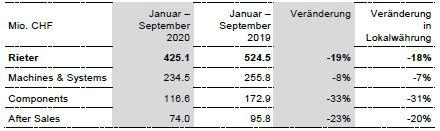
Rieter Places Bond for a Total of CHF 75 Million

August, 18 2020 Rieter has placed a bond of CHF 75 million with a term of four years and a coupon of 1.55%. This serves to partially refinance the existing bond of CHF 100 million, which is due on September 29, 2020. The bond was issued by Commerzbank. The bond will be listed on the SIX Swiss Exchange.

August, 18 2020 Rieter has placed a bond of CHF 75 million with a term of four years and a coupon of 1.55%. This serves to partially refinance the existing bond of CHF 100 million, which is due on September 29, 2020. The bond was issued by Commerzbank. The bond will be listed on the SIX Swiss Exchange.

Source:

Rieter Management AG

The Nordic countries’ first industrial end-of-life textile refinement plant will open in Paimio in 2021. (c)Paimion
Rester Paimio end-of-life textile refinement
18.08.2020

The Nordic countries’ first industrial end-of-life textile refinement plant will open in Paimio in 2021.

Rester Oy, which is developing the plant in Paimio, recycles companies' end-of-life textiles, and Lounais-Suomen Jätehuolto Oy (LSJH), which will hire a production area at the same facility, processes households' end-of-life textiles. The plant will process 12,000 tonnes of end-of-life textiles every year, which represents about 10% of Finland’s textile waste.

The textile industry’s end-of-life textile problem is intolerable. Natural resources are increasingly used to manufacture products, but these materials are lost at the end of their life cycle. About 100 million kilograms of textile waste are generated annually in Finland alone. Reusing this material could reduce the textile industry’s carbon footprint and significantly reduce the use of natural resources.

Rester Oy, which is developing the plant in Paimio, recycles companies' end-of-life textiles, and Lounais-Suomen Jätehuolto Oy (LSJH), which will hire a production area at the same facility, processes households' end-of-life textiles. The plant will process 12,000 tonnes of end-of-life textiles every year, which represents about 10% of Finland’s textile waste.

The textile industry’s end-of-life textile problem is intolerable. Natural resources are increasingly used to manufacture products, but these materials are lost at the end of their life cycle. About 100 million kilograms of textile waste are generated annually in Finland alone. Reusing this material could reduce the textile industry’s carbon footprint and significantly reduce the use of natural resources.

Rester Oy and LSJH will drive the textile sector towards a circular economy and begin processing textile waste as an industrial raw material. The Nordic countries’ first industrial end-of-textile refinement plant will open in Paimio in 2021. The 3,000-square-metre plant is being developed by Rester Oy, which recycles companies' end-of-life textiles and industrial waste materials. LSJH, which processes households’ end-of-life textiles on its production line, will hire part of the plant.

Outi Luukko, Rester Oy’s board chair, says, “The processing plant will begin a new era of textile circular economy in Finland. As industry pioneers, we are launching a system change in Scandinavia. The transition of the textile industry from a linear model to a circular economy is essential, as virgin materials cannot sustain the current structure of the textile industry. And why should it, when there is so much recyclable material available?”

From the perspective of Rester Oy’s main owner, work clothing supplier Touchpoint, the circular economy plant not only represents resource efficiency, but is also necessary from the perspective of the entire life cycle of a responsible work clothing collection.

Luukko adds, “Finding a local solution to a global problem is a huge leap in the right direction and raises Finland's profile as a pioneer of circular economy."

The future plant will be able to process 12,000 tonnes of end-of-life textiles annually, which represents about 10% of Finland’s textile waste. Both production lines produce recycled fibre, which can be used for various industrial applications, including yarn and fabric, insulating materials for construction and shipping industries, acoustic panels, composites, non-woven and filter materials, and other technical textiles, such as geo-textiles.

LSJH is piloting a full-scale refinement plant

LSJH has launched a pilot production line for processing households' end-of-life textiles. Unfortunately, consumers' end-of-life textiles are heterogeneous, making them a challenging raw material for further processing. Before processing, the textiles are sorted by material into various fibre classes using optical identification technology developed by LSJH and its partners. This ensures the quality of the raw material and the resulting fibre products.
Jukka Heikkilä, managing director for Lounais-Suomen Jätehuolto, explains: “On the basis of the experiences gathered from the pilot project, Lounais-Suomen Jätehuolto is preparing a full-scale refinement plant in the Turku region. As soon as 2023, the plant will process Finnish households' end-of-life textiles. The project involves all waste treatment plants owned by Finnish municipalities.”

Paimio has ambitious goals for circular economy companies

Rester’s initiative aims to create a circular economy cluster in Paimio that combines the processing and reuse of end-of-life textile fibres. Paimion Kehitys Oy, which is owned by the City of Paimio and the local association of enterprises, supports the development of circular economy companies in Paimio.

Mika Ingi, managing director for Paimion Kehitys Oy, says, “We want to step out of our traditional municipal role and create significant added value for everyone taking part. That is why we are involved in the development of a new modern service model based on ecosystem thinking. We are piloting the textile cluster, followed in the coming years by clusters focusing on plastic, construction, and energy. The aim of our service is to support and help develop new profitable business by bringing circular economy companies and their potential customers to innovate together."

The foundation stone of the processing plant was laid today (18 August 2020). The processing plant will begin operations in February 2021.

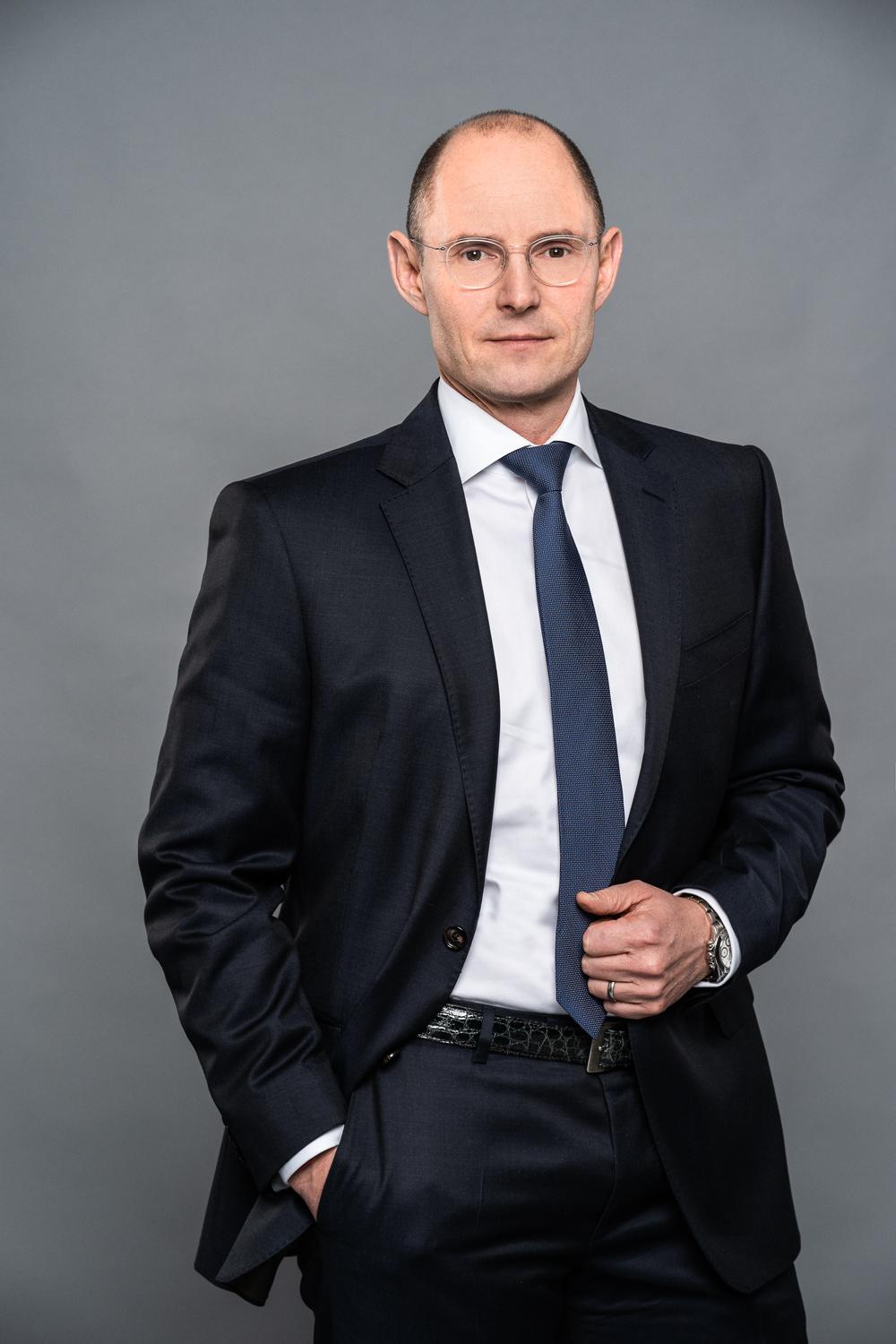
Thomas Dippold appointed as new member of the Board of Management of SGL Carbon SE (c) Schaltbau Holding
Thomas Dippold
17.08.2020

Thomas Dippold appointed as new member of the Board of Management of SGL Carbon SE

  • Thomas Dippold succeeding Dr. Michael Majerus as CFO

During its meeting on August 17, 2020, the Supervisory Board of SGL Carbon SE decided to appoint Thomas Dippold (48) as CFO and member of the Board of Management of SGL Carbon SE effective December 1, 2020 with a tenure of five years. Thomas Dippold will succeed the long-standing CFO Dr. Michael Majerus, who will resign from his office as of November 30, 2020 by mutual amicable consent.
Thomas Dippold (German Diploma in Business Administration, MBA in USA) began his career at HSBC Bank in London and Düsseldorf. Further appointments led him to Schott AG amongst others in Singapore, followed by commercial management jobs and CFO positions in internationally active industrial companies headquartered in Germany. Mr. Dippold is currently CFO of the stock listed transportation technology company Schaltbau Holding AG.

  • Thomas Dippold succeeding Dr. Michael Majerus as CFO

During its meeting on August 17, 2020, the Supervisory Board of SGL Carbon SE decided to appoint Thomas Dippold (48) as CFO and member of the Board of Management of SGL Carbon SE effective December 1, 2020 with a tenure of five years. Thomas Dippold will succeed the long-standing CFO Dr. Michael Majerus, who will resign from his office as of November 30, 2020 by mutual amicable consent.

Thomas Dippold (German Diploma in Business Administration, MBA in USA) began his career at HSBC Bank in London and Düsseldorf. Further appointments led him to Schott AG amongst others in Singapore, followed by commercial management jobs and CFO positions in internationally active industrial companies headquartered in Germany. Mr. Dippold is currently CFO of the stock listed transportation technology company Schaltbau Holding AG.

The Chairwoman of the Supervisory Board of SGL Carbon SE, Mrs. Susanne Klatten, welcomes Mr. Dippold: “With the appointment of Mr. Dippold, we are pleased to have gained a convincing and highly respected personality in his field. We are convinced that Mr. Dippold possesses key qualifications to sustainably support SGL Carbon SE in its upcoming tasks given his comprehensive and long-standing experience as CFO.“

The Supervisory Board thanks Dr. Majerus very much for his great achievements in the interest of SGL Carbon. In the past six years, Dr. Majerus has stabilized the Company even in difficult times with several major capital market transactions and has meaningfully contributed to the strategic realignment of the Company with the successful divestment of the graphite electrode and cathode businesses. For nine months up to and including May 2020, Dr. Majerus additionally assumed nearly all responsibilities from the recently departed CEO and provided leadership to the Company as the Speaker of the Board of Management. In this position, he safely steered the Company through the immediate impacts of the Corona pandemic. In addition, he developed substantial future growth perspectives with, amongst others, the conclusion of a large supply agreement for fuel cell components. The Supervisory Board wishes him all the best and further success in his future endeavors.

Source:

SGL Carbon SE

14.08.2020

Two More Sateri Mills Confirmed EU-BAT Compliant

  • World’s largest viscose producer well on track for all of its five mills to be EU-BAT compliant by 2023

Two more Sateri mills in China, Sateri Jiujiang and Sateri Jiangxi, have received verification of compliance to the emissions limits set out in the European Union Best Available Techniques Reference Document (EU-BAT BREF) on Polymers. This brings the total number of EU-BAT compliant mills to three of five, accounting for over 60 per cent of Sateri’s overall fibre production capacity. In April this year, Sateri Fujian was the company’s first mill to be verified as being EU-BAT compliant. Verified by independent consultant Sustainable Textile Solutions (STS), a division of BluWin Limited (UK), the parameters of the EU-BAT BREF assessed included resource utility efficiency, wastewater discharge and air emission. As a highlight, STS’ assessment concluded that the energy intensity and air emission of Sateri Jiujiang and Sateri Jiangxi were well under EU-BAT norms for viscose production. Considering the EU-BAT energy requirements limit of 30GJ/MTf, the mills were each saving about 1,100 kg CO2/MT of fibre production.

  • World’s largest viscose producer well on track for all of its five mills to be EU-BAT compliant by 2023

Two more Sateri mills in China, Sateri Jiujiang and Sateri Jiangxi, have received verification of compliance to the emissions limits set out in the European Union Best Available Techniques Reference Document (EU-BAT BREF) on Polymers. This brings the total number of EU-BAT compliant mills to three of five, accounting for over 60 per cent of Sateri’s overall fibre production capacity. In April this year, Sateri Fujian was the company’s first mill to be verified as being EU-BAT compliant. Verified by independent consultant Sustainable Textile Solutions (STS), a division of BluWin Limited (UK), the parameters of the EU-BAT BREF assessed included resource utility efficiency, wastewater discharge and air emission. As a highlight, STS’ assessment concluded that the energy intensity and air emission of Sateri Jiujiang and Sateri Jiangxi were well under EU-BAT norms for viscose production. Considering the EU-BAT energy requirements limit of 30GJ/MTf, the mills were each saving about 1,100 kg CO2/MT of fibre production.

The mills also followed local requirements for controlling ecological impact for viscose production, and there were no gaps identified against EU-BAT. Sateri Jiangxi is a 16-year-old mill and the company’s first and oldest, while Sateri Jiujiang was acquired and expanded in 2015. Said Allen Zhang, President of Sateri, “For three of our five mills to meet the EU-BAT emissions limits in such a short span of time is a testament to our continued investment in best-in-class technologies. This applies to all our mills – regardless of whether they are existing, acquired, or newly constructed ones – as we aim to achieve a high level of sustainability performance across all our operations.”

The company is well on track for its remaining two mills, Sateri Jiangsu and Sateri China which were acquired and newly-built in 2019 respectively, to comply with EU-BAT’s recommended emission levels by 2023.

Source:

Omnicom Public Relations Group

13.08.2020

As expected, SGL Carbon’s second quarter impacted by Corona pandemic

  • Sales and recurring EBIT significantly decreased in first half of 2020

As expected, the second quarter of SGL Carbon was impacted by the Corona pandemic, but not to the extent predicted in May when the quarterly statement for the period ended March 31, 2020 was published. Sales in the three months as per end of June decreased approximately 23 percent year-on-year, whereas Group recurring EBIT was at around 2 million euros and thus higher than anticipated. In total, SGL Carbon reached Group sales of 457 million euros in the first half year. This corresponds to a decrease of around 19 percent year-on-year. The decline is due to a pandemic-related overall weaker business development as well as expected declining developments in the market segments Battery & other Energy (GMS) and Textile Fibers (CFM) due to capacity adjustments. Group recurring EBIT was down approximately 71 percent to 11 million euros.

At a glance*:

  • Sales and recurring EBIT significantly decreased in first half of 2020

As expected, the second quarter of SGL Carbon was impacted by the Corona pandemic, but not to the extent predicted in May when the quarterly statement for the period ended March 31, 2020 was published. Sales in the three months as per end of June decreased approximately 23 percent year-on-year, whereas Group recurring EBIT was at around 2 million euros and thus higher than anticipated. In total, SGL Carbon reached Group sales of 457 million euros in the first half year. This corresponds to a decrease of around 19 percent year-on-year. The decline is due to a pandemic-related overall weaker business development as well as expected declining developments in the market segments Battery & other Energy (GMS) and Textile Fibers (CFM) due to capacity adjustments. Group recurring EBIT was down approximately 71 percent to 11 million euros.

At a glance*:

  • Sales in the second quarter approximately 23 percent below prior-year period; Group recurring EBIT of around 2 million euros was slightly better than anticipated at the presentation of the results of the first quarter 2020
  • Group sales in the first half year 2020 at almost 457 million euros and thus around 19 percent below the prior-year period; decrease in sales due to pandemic-related overall weaker business development as well as expected declining developments in the market segments Battery & other Energy (GMS) and Textile Fibers (CFM)
  • Group recurring EBIT down approximately 71 percent to 11 million euros
  • As a result of measures taken at an early stage and contrary to the normal seasonal trend, cash and cash equivalents at nearly 154 million euros as of June 30, 2020 developed very positively compared to the end of 2019
  • According to the full year forecast published on July 28, 2020, SGL Carbon expects Group sales to decline by 15 to 20 percent and a slightly positive operating recurring EBIT
  • Dr. Torsten Derr, CEO of SGL Carbon: "My ambition is to achieve lasting success with SGL Carbon. Over the past two months, we have been conducting a comprehensive analysis of our processes, structures and markets. Based on this, we will identify the options that will enable us to sustainably increase our profitability. The Corona pandemic is forcing us to act even faster."

*Please read the attached document for more information

More information:
SGL Carbon Coronakrise Umsatz
Source:

SGL CARBON SE Corporate Communications

13.08.2020

Rieter Wins Patent Dispute in China

  • Rieter protects its innovations and products with patents and registered designs.

The company takes consistent action against patent and design infringements. In mid-July 2020, in a legal dispute, the Shanghai Intellectual Property Court of the People’s Republic of China ruled in favor of Rieter Ingolstadt GmbH (Germany).

Rieter machines stand for outstanding quality, high operational safety, excellent performance and user-friendliness as well as unique design. In order to benefit from these characteristics, competitors copy the successful Rieter machine concepts and even adopt the coveted Rieter design.

Rieter protects its innovations by means of patents and registered designs. The company takes consistent action against companies that infringe Rieter patents or designs and copy products or machines. In 2018, Rieter registered design infringe-ments by Shenyang Hongda Textile Machinery Co., Ltd. in relation to double-head draw frames, and decided to file a lawsuit against the Chinese company.

  • Rieter protects its innovations and products with patents and registered designs.

The company takes consistent action against patent and design infringements. In mid-July 2020, in a legal dispute, the Shanghai Intellectual Property Court of the People’s Republic of China ruled in favor of Rieter Ingolstadt GmbH (Germany).

Rieter machines stand for outstanding quality, high operational safety, excellent performance and user-friendliness as well as unique design. In order to benefit from these characteristics, competitors copy the successful Rieter machine concepts and even adopt the coveted Rieter design.

Rieter protects its innovations by means of patents and registered designs. The company takes consistent action against companies that infringe Rieter patents or designs and copy products or machines. In 2018, Rieter registered design infringe-ments by Shenyang Hongda Textile Machinery Co., Ltd. in relation to double-head draw frames, and decided to file a lawsuit against the Chinese company.

In mid-July 2020, the Shanghai Intellectual Property Court of the People’s Republic of China determined that the double-head draw frames JWF1316 and JWF1316T of Shenyang Hongda Textile Machinery Co., Ltd. are similar to and fall within the scope of protection of the design patent concerned. The defendant Shenyang Hongda Textile Machinery Co., Ltd. was sentenced to compensate the plaintiff Rieter Ingolstadt GmbH for financial losses and expenses.


More information:
Rieter China patent Design
Source:

Rieter Holding AG

Sappi: High-quality face masks – in top-quality packaging (c) Wolford AG
For the packaging of its ‘Care Mask’, Wolford used the high-quality Algro Design Advanced solid bleached board from Sappi.
12.08.2020

Sappi: High-quality face masks – in top-quality packaging

  • The quality of Sappi’s Algro Design Advanced solid bleached board makes the difference for Wolford

The unique combination of physical and optical features combined within the Algro Design range of products, convinced the textile manufacturer, Wolford, to use the range to package its innovative face mask. When creating the packaging solution for its ‘Care Mask’ the company chose to combine the premium 350 gsm Algro Design Advanced solid bleached board with extremely challenging ink covering and a number of finishing options. The end result is a packaging solution that is as elegant as it is creative and as a result, perfectly complements the product inside.

  • The quality of Sappi’s Algro Design Advanced solid bleached board makes the difference for Wolford

The unique combination of physical and optical features combined within the Algro Design range of products, convinced the textile manufacturer, Wolford, to use the range to package its innovative face mask. When creating the packaging solution for its ‘Care Mask’ the company chose to combine the premium 350 gsm Algro Design Advanced solid bleached board with extremely challenging ink covering and a number of finishing options. The end result is a packaging solution that is as elegant as it is creative and as a result, perfectly complements the product inside.

  • Premium packaging for premium products
  • Perfect for complex graphic applications
  • Unique service from the innovation leader Sappi

Wolford, founded in Bregenz, Austria, in 1950, is the global market leader in skinwear ‘made in Europe’. Since its establishment, the company has come up with numerous product innovations and is always at the cutting edge. Even before the coronavirus pandemic hit Europe, product developers were considering the idea of launching their own face mask protection, having witnessed the effects of the coronavirus SARS-CoV-2 in Asia. Thanks to an outstanding, highly efficient development division, a new product, ‘Care Mask’, was quickly brought to market.

It meets the high-quality standards of Wolford and consists of a premium, soft, breathable material that ensures high wearing comfort. Wolford is particularly proud that such a high-quality product could be developed in just a few weeks, despite reduced working hours and staff working from home. It generally takes some time to progress from development to product maturity. In this case however, everything was ready for market launch within two weeks.

Top quality meets top quality

Alongside the product, Wolford developed an appropriate packaging solution for their high-quality product, in collaboration with their in-house graphics department. To enable the ‘Care Mask’ to be quickly launched, a suitable material needed to be found, which could meet Wolford’s high standards in terms of quality, appearance and feel.
 
Wolford’s long-term partner, Sappi Europe had the perfect solution right away with its 350 g/m2 Algro Design Advanced solid bleached board. Thanks to its double-coated top and lightly coated back, the material from the innovation leader is a perfect choice for premium packaging.

The high brightness and silky, soft touch of the paperboard gives the packaging a premium, exclusive look and feel. The colour brilliance of Algro Design Advanced and the continuous, precise reproduction of complex print motifs were exactly what Wolford was looking for and met the high standards of the brand. Thanks to its additional outstanding finishing and processing properties, further processing with grooves, hot-foil embossing, paint finishes and adhesives was also easily achievable, which made it perfect for Wolford’s needs.

Service comes first at Sappi

Product capability alone was not enough for this venture however. To allow Wolford to achieve their goal of two weeks from inception to market ready, they also required a highly responsive service level from their trusted partner and Sappi responded at every level.  From selecting the right quality and size to the precise delivery of the paperboard to the printers, all in the space of five days, Sappi was flexible and immediately ready to respond. Thanks in no small part to the proactive support provided by all contributors to the creative process, the ‘Care Mask’ was launched at the end of March 2020 and was a resounding success. 5,000 masks were sold out within an hour and were sent on their way to the customers in their exclusive packaging.

Source:

Sappi Europe

Sample from the development of the nano porous high-temperature thermal insulation material Sample from the development of the nano porous high-temperature thermal insulation material (© ZAE Bayern).
12.08.2020

Consortium develops new generation of thermal insulation for high-temperature furnaces

In the joint project "AeroFurnace" funded by the German Federal Ministry of Economic Affairs and Energy (BMWi), the consortium, consisting of the Bavarian Center for Applied Energy Research e.V. (ZAE Bayern) as joint coordinator, the furnace manufacturer FCT Systeme, and SGL Carbon has succeeded in improving the thermal insulation properties of a new composite material by up to 120 percent compared to commercially available felt-based carbon materials. This enabled the project partners to move into a new quality level of thermal insulation in high-temperature industrial applications and pave the way for more energy efficient thermal insulation.

Dr. Gudrun Reichenauer, coordinator of the joint project and head of the work group Nanomaterials at ZAE Bayern: "In this project, we have been able to make the latest findings from the world of nanomaterials accessible to the market through intensive cooperation and thus set new standards in the field of thermal insulation materials."

In the joint project "AeroFurnace" funded by the German Federal Ministry of Economic Affairs and Energy (BMWi), the consortium, consisting of the Bavarian Center for Applied Energy Research e.V. (ZAE Bayern) as joint coordinator, the furnace manufacturer FCT Systeme, and SGL Carbon has succeeded in improving the thermal insulation properties of a new composite material by up to 120 percent compared to commercially available felt-based carbon materials. This enabled the project partners to move into a new quality level of thermal insulation in high-temperature industrial applications and pave the way for more energy efficient thermal insulation.

Dr. Gudrun Reichenauer, coordinator of the joint project and head of the work group Nanomaterials at ZAE Bayern: "In this project, we have been able to make the latest findings from the world of nanomaterials accessible to the market through intensive cooperation and thus set new standards in the field of thermal insulation materials."

Dr. Thomas Kirschbaum, project manager at SGL Carbon: "In furnace simulations at the partner FCT, we have already been able to demonstrate what the new material can do: Depending on the temperature program, up to 40 percent of the required process energy can be saved with the new thermal insulation material. The potential of the new material is great." This prediction will be reviewed under real conditions in a demonstrator component in the second half of 2020 as part of the still ongoing BMWi project.

Dr. Jürgen Hennicke, project lead and head of R&D at FCT Systeme: "As a leading manufacturer of industrial vacuum or inert gas high temperature furnaces, the new generation of insulating materials enables us to create furnaces with a more favorable ratio of usable space to external dimensions, thus offering customers improved cost efficiency and productivity".

Based on laboratory samples in plate form it has already been demonstrated that the production of the new material can be represented by technically simple processes and is in principle well scalable. However, there is still a long way to go before the product is ready for serial production.

The third largest share of final energy in Germany is used for the generation of heat in industrial processes (22.6 percent). In many industries, e.g. in the steel and ceramics industry, energy-intensive high-temperature processes run above 1000°C – these alone require almost 50 percent of the industrial process heat. Suitable thermal insulation materials can significantly reduce energy demand while maintaining the same usable volume.

Source:

SGL CARBON SE

Archroma joins hands with Liberty Textile Mills Limited to produce life-saving PPE in Pakistan © Liberty Textile Mills Limited
Product lines of Liberty Textile Mills Limited.
07.08.2020

Archroma joins hands with Liberty Textile Mills Limited to produce life-saving PPE in Pakistan

Archroma, a global leader in color and specialty chemicals towards sustainable solutions, has joined hands with Liberty Textile Mill Limited (Liberty), a leading producer in healthcare textiles to produce high quality personal protective equipment (PPE).

Liberty will be benefitting from Archroma’s specialty solutions for hygiene protection, and well-established technical expertise in the area of medical textiles. Amidst the COVID-19 pandemic, the PPEs manufactured by Liberty are aimed at easing the current shortage of PPEs for medical professionals in Pakistan.

Liberty carries over two decades of experience in medical textiles and exporting them all over the world. Its partnering with Archroma is a major step forward towards creating enhanced protection in the current crisis. With its advanced scientific knowledge and technical expertise, Archroma provides a complete set of specialty chemicals required to produce PPEs, in particular in the area of antimicrobial and barrier coatings. The project will assist in enhancing medical standards in hospitals, isolation centers and intensive care units, in Pakistan and, very soon, worldwide.

Archroma, a global leader in color and specialty chemicals towards sustainable solutions, has joined hands with Liberty Textile Mill Limited (Liberty), a leading producer in healthcare textiles to produce high quality personal protective equipment (PPE).

Liberty will be benefitting from Archroma’s specialty solutions for hygiene protection, and well-established technical expertise in the area of medical textiles. Amidst the COVID-19 pandemic, the PPEs manufactured by Liberty are aimed at easing the current shortage of PPEs for medical professionals in Pakistan.

Liberty carries over two decades of experience in medical textiles and exporting them all over the world. Its partnering with Archroma is a major step forward towards creating enhanced protection in the current crisis. With its advanced scientific knowledge and technical expertise, Archroma provides a complete set of specialty chemicals required to produce PPEs, in particular in the area of antimicrobial and barrier coatings. The project will assist in enhancing medical standards in hospitals, isolation centers and intensive care units, in Pakistan and, very soon, worldwide.

“By continuously challenging the status quo, we at Archroma are able to support our customers operating in or entering the area of medical textiles, with a holistic and expert approach to hygiene protection. With our collaboration with Liberty, we are so proud to be able to bring state-of-the art protection to health professionals and the general public,” comments Mujtaba Rahim, CEO of Archroma Pakistan.

“Liberty has a presence of more than five decades with high achieving accolades. Our processing units are fully equipped with latest equipment complying with international standards. We take this new partnership with Archroma as a start of building a strong relationship in the area of medical textiles. The COVID-19 pandemic has given a wake-up call to work extensively towards enhancing healthcare facilities. We are looking forward to new innovations in producing top-class PPEs,” adds Taimoor Mukaty, Director of Liberty Textile Mills Limited.

ECOSENSOR™ by Asahi Kasei launches its new fabric collection imbued with the brand’s sustainable story-making © GB Network
ECOSENSOR™ 100% recycled polyamide fabrics
06.08.2020

ECOSENSOR™ by Asahi Kasei launches its new fabric collection imbued with the brand’s sustainable story-making

  • ECOSENSOR™’s new references combine high-performance and innovation to empower people with the possibility to live life naturally both for mind and body.
  • The new range is woven from certified ingredients, a completely traceable production process and highly certified suppliers               

"A New Eco high-tech force of Nature", a bold claim, a daring attitude and true facts. ECOSENSOR™ by Asahi Kasei has concentrated all its key values into a Nature-driven and high-tech fabric collection that respects the environment and human being.

Sustainability, active climate control, exquisite touch and extreme performance co-habit the textiles: the collection is made of wovens and knits where the main technology is represented by GRS - Global Recycle Standard certified polyamide and polyesters, sometime combined with ROICA™ recycled stretch yarns and dyed and finished with Oekotex Standard 100 certified processes and/or by BlueSign® partners’ companies.

But there is much more than it meets the eye.

Behind the new collection is a great story of sustainability.

  • ECOSENSOR™’s new references combine high-performance and innovation to empower people with the possibility to live life naturally both for mind and body.
  • The new range is woven from certified ingredients, a completely traceable production process and highly certified suppliers               

"A New Eco high-tech force of Nature", a bold claim, a daring attitude and true facts. ECOSENSOR™ by Asahi Kasei has concentrated all its key values into a Nature-driven and high-tech fabric collection that respects the environment and human being.

Sustainability, active climate control, exquisite touch and extreme performance co-habit the textiles: the collection is made of wovens and knits where the main technology is represented by GRS - Global Recycle Standard certified polyamide and polyesters, sometime combined with ROICA™ recycled stretch yarns and dyed and finished with Oekotex Standard 100 certified processes and/or by BlueSign® partners’ companies.

But there is much more than it meets the eye.

Behind the new collection is a great story of sustainability.

"Our international team strives to innovate with a human-based approach to research and develop solutions that meet high-performance standards as well as the transparency and traceability of both the ingredients and the supply chain", says Mr. Hashimoto, Senior Managing Director of Asahi Kasei Advance, the global materials innovator and manufacturer.

Indeed, the company has set the high bar all its suppliers and partners must match. Such criteria include: thoroughly transparency and traceability of both materials and production, corporate responsibility at all levels and a strategic commitment granted by influential certifications such as GRS - Global Recycle Standard for recycled ingredients and processes, as well as Bluesign® and OekoTex Standard 100 certifications, which focus on environmentally-friendly impact of the dyeing and finishing processes.

The human, environmentally-friendly and cutting-edge imprint of ECOSENSOR™ ultimate collection reflects a vision for a more responsible way of fabric manufacturing.

A new force of nature, because story telling truly must match the story making.

Lenzing Aktiengesellschaft (c) Lenzing Aktiengesellschaft
Lenzing Aktiengesellschaft
05.08.2020

COVID-19 impacts revenue and earnings of the Lenzing Group in the first half of 2020

  • Fiber prices and demand under pressure
  • Measures to protect employees, customers and suppliers and to keep plants operational implemented successfully
  • Joint venture Hygiene Austria established for industrial production of protective masks in the fight against the COVID-19 pandemic – new distribution channel via shop.hygiene-austria.at
  • Strategic investment projects progress according to plan – financing agreements for construction of pulp plant in Brazil concluded as planned
  • Revenue and operating result in the remaining quarters of 2020 expected to exceed that of the second quarter

Lenzing – In the first half of 2020, the Lenzing Group faced a historically difficult market environment with increased pressure on prices and volumes resulting from the COVID-19 crisis. To counteract that, Lenzing intensified its cooperation with partners along the value chains and adjusted its production volumes and sales prices to market reality.

  • Fiber prices and demand under pressure
  • Measures to protect employees, customers and suppliers and to keep plants operational implemented successfully
  • Joint venture Hygiene Austria established for industrial production of protective masks in the fight against the COVID-19 pandemic – new distribution channel via shop.hygiene-austria.at
  • Strategic investment projects progress according to plan – financing agreements for construction of pulp plant in Brazil concluded as planned
  • Revenue and operating result in the remaining quarters of 2020 expected to exceed that of the second quarter

Lenzing – In the first half of 2020, the Lenzing Group faced a historically difficult market environment with increased pressure on prices and volumes resulting from the COVID-19 crisis. To counteract that, Lenzing intensified its cooperation with partners along the value chains and adjusted its production volumes and sales prices to market reality. The disciplined implementation of the sCore TEN corporate strategy and the focus on specialty fibers continued to have a positive impact.*

*Please read the attached document for more information

More information:
Lenzing AG Covid-19 Coronakrise
Source:

Lenzing Aktiengesellschaft

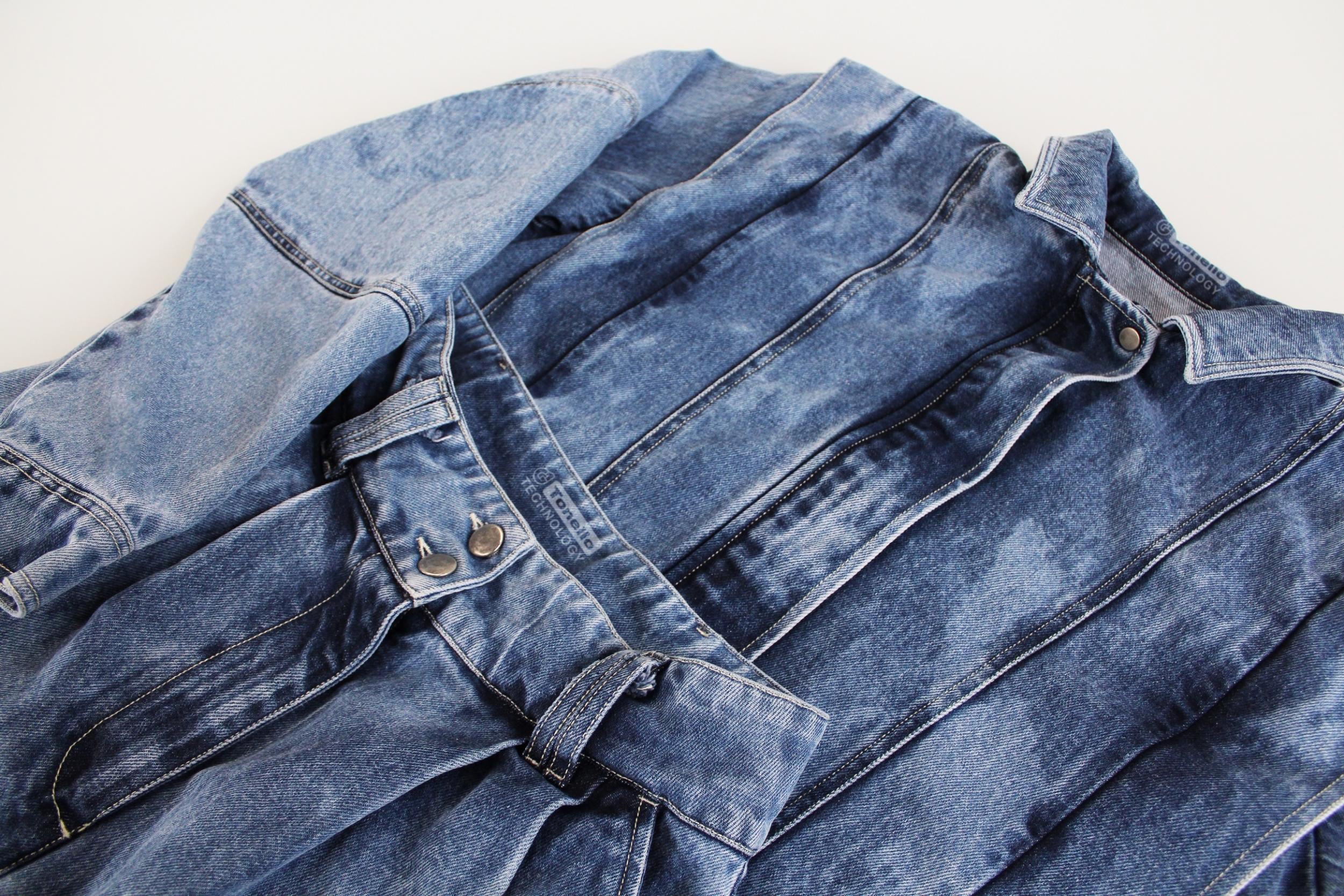
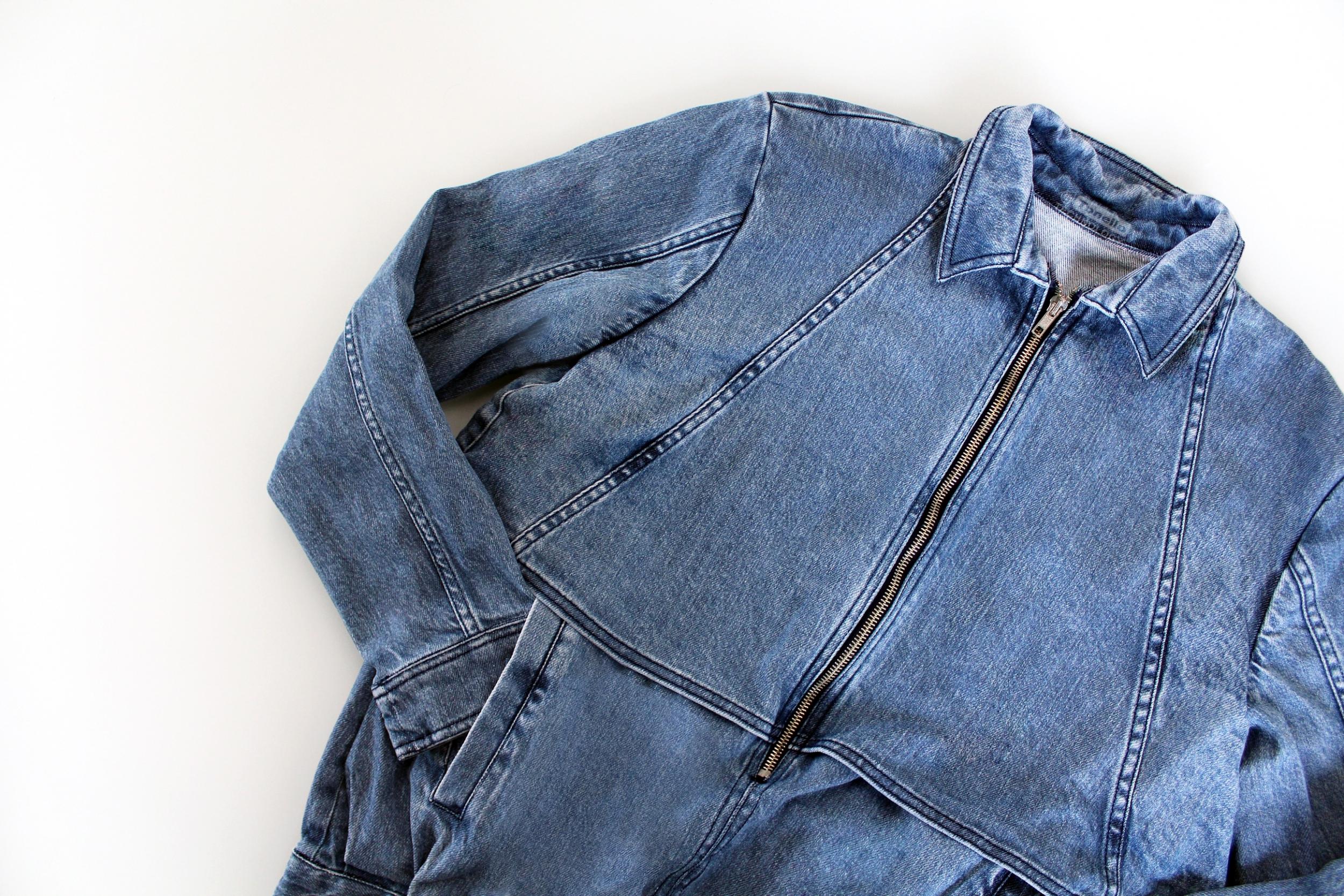
Italian creativity merges with Chinese technological innovation to create a new capsule collection ADVANCE DENIM BY PAOLO GNUTTI (c) ADVANCE DENIM
31.07.2020

Advance Denim by Paolo Gnutti

  • Italian creativity merges with Chinese technological innovation to create a new capsule collection
     

A new era is born in the world of denim, Paolo Gnutti and Advance Denim will combine their skills to create capsule collections for both the US and Asian markets.

These collections will combine Paolo Gnutti’s artistry and Advance denim’s technological innovation to create “magical” inspiration that is with the reach of all brands.

Advance Denim has the distinction of being the oldest denim manufacturer in China and has dedicated its efforts since day one around the core beliefs of innovation , service , quality and people. These core beliefs are the foundation of their day to day focus of becoming a world leader in denim. They are also  committed to making the most sustainable denim possible and they are constantly investing in the infrastructure and systems that will help them to reach aggressive sustainability goals . Sustainability is important but Advance Denim has always been true to denim and strive to produce innovative high-quality products that exceed the needs of the market

  • Italian creativity merges with Chinese technological innovation to create a new capsule collection
     

A new era is born in the world of denim, Paolo Gnutti and Advance Denim will combine their skills to create capsule collections for both the US and Asian markets.

These collections will combine Paolo Gnutti’s artistry and Advance denim’s technological innovation to create “magical” inspiration that is with the reach of all brands.

Advance Denim has the distinction of being the oldest denim manufacturer in China and has dedicated its efforts since day one around the core beliefs of innovation , service , quality and people. These core beliefs are the foundation of their day to day focus of becoming a world leader in denim. They are also  committed to making the most sustainable denim possible and they are constantly investing in the infrastructure and systems that will help them to reach aggressive sustainability goals . Sustainability is important but Advance Denim has always been true to denim and strive to produce innovative high-quality products that exceed the needs of the market

“We are looking forward to Paolo bringing his Italian artistic aesthetics to our denim.” Said Ms. Amy Wang, General Manager of ADVANCE DENIM. “ We believe it is the combination of eastern and western design and culture that have never been offered to our customers before and will take Advance Denim to a whole new level. It is our goal to also offer these high quality designs at a competitive price from our Vietnam facility.” conclude Ms. Wang.

Paolo Gnutti, a life time dedicated to denim innovation and creativity, bases the creation of his collections following  precise themes and  stylistic contaminations. He uses indigo bases which are completely transformed thanks to the use of flocks, 3D prints, colored foils and metallic effects.

Paolo Gnutti has the ability to conceive ground breaking fashion, thanks to his incredible creativity and visionary irreverent combination that ushers in a new concept of  fashionability to the denim world.

“ My passion and my professional exploration lead me to acquire the skill needed to develop unforgettable and unique textile concepts” said Paolo Gnutti “ I’m trilled to begin this collaboration with Advance Denim. I feel that we need a new challenge in our denim world, a new era of true globalization; we will create a capsule collection that will reach all customers, from premium to the mass market.”

A new era begins, based on the evolution of the  market and the search for innovation and inspiration that is both technically performance driven and accessible to all brands.

More information:
ADVANCE DENIM Paolo Gnutti Denim
Source:

EFFE-BI SRL PR & COMMUNICATION

CHEMLOGIS and SANITIZED AG: New strategic sales partnership for the Sanitized® antimicrobial polymer additives in Mexico (c) SANITIZED AG
CHEMLOGIS’s CEO Ing. León Freiman K.
30.07.2020

CHEMLOGIS and SANITIZED AG: New strategic sales partnership for the Sanitized® antimicrobial polymer additives in Mexico

Mexico and Switzerland - SANITIZED customers in the polymer industry in Mexico will profit from CHEMLOGIS’s expertise and established sales network. The Sanitized® antimicrobial additives for hygiene function and material protection for polymers will be marketed in Mexico by our new sales partner.

SANITIZED and CHEMLOGIS, two experts in their fields with similar understanding of values, have joined forces; both deal in high-performance products for the Polymer industry combined with the best possible service, which begins with the conception of value-added products and their optimum use. This collaboration with SANITIZED is a good fit for the portfolio as both companies focus on innovative, customer-specific solutions.

Mexico and Switzerland - SANITIZED customers in the polymer industry in Mexico will profit from CHEMLOGIS’s expertise and established sales network. The Sanitized® antimicrobial additives for hygiene function and material protection for polymers will be marketed in Mexico by our new sales partner.

SANITIZED and CHEMLOGIS, two experts in their fields with similar understanding of values, have joined forces; both deal in high-performance products for the Polymer industry combined with the best possible service, which begins with the conception of value-added products and their optimum use. This collaboration with SANITIZED is a good fit for the portfolio as both companies focus on innovative, customer-specific solutions.

With the addition of the antimicrobial Sanitized® additives at CHEMLOGIS, the Polymer industry gets a new overall package, offering more than just products for hygiene function and material protection. As an addition to the core product services, SANITIZED supports development and production, regulatory queries and marketing through the use of the Sanitized® Ingredient Brand, which characterizes the end products within their differentiation and emphasis on quality.

The antimicrobial additives for Polymers from SANITIZED protect end products from bacterial infestation, growth of algae and mildew, material degradation, biofilms, pink stain, and odors caused by microbes. The Polymer industry uses the antimicrobial additive in flooring, industrial coatings, artificial leather, roof membranes, pool liners, tarpaulins, and all extruded products.

“Everyone at CHEMLOGIS is very excited to partner with SANITIZED for the sale of their antimicrobial products to the Polymer processors in Mexico. Together we bring a highly focused approach to customer´s needs in terms of technology service and products” says CHEMLOGIS’s CEO Ing. León Freiman K.” “The technical competence and the strong customer focus impress me about CHEMLOGIS”, says Michael Lüthi, Head of BU Polymer at SANITIZED AG.

Source:

EMG

30.07.2020

Tata Communications delivers strong performance

  • Tata Communications announces its financial results for the quarter ended June 30th, 2020

Commenting on the results, A.S Lakshminarayanan, MD and CEO, Tata Communications, said, “We have started this new financial year with strong performance amidst an uncertain and unpredictable economic environment. Digital is increasingly defining and shaping the experiences in this new world. It will become even more strategically core as businesses look to adopt new ways of working and transform how they operate, and how they engage with their audiences and with each other. We continue to be a key partner for our customers as they look to now focus on business recovery, acceleration, and growth.
Our new proposition, Secure Connected Digital Experience, is aimed at enabling customers to adopt new digital working models by providing a holistic ecosystem of solutions that are suited for this digital-first environment and are built for the long term. We’re seeing good interest in the market for these solutions. We remain focused on our strategy to deliver profitable growth and to be a preferred digital partner to our customers.”

  • Tata Communications announces its financial results for the quarter ended June 30th, 2020

Commenting on the results, A.S Lakshminarayanan, MD and CEO, Tata Communications, said, “We have started this new financial year with strong performance amidst an uncertain and unpredictable economic environment. Digital is increasingly defining and shaping the experiences in this new world. It will become even more strategically core as businesses look to adopt new ways of working and transform how they operate, and how they engage with their audiences and with each other. We continue to be a key partner for our customers as they look to now focus on business recovery, acceleration, and growth.
Our new proposition, Secure Connected Digital Experience, is aimed at enabling customers to adopt new digital working models by providing a holistic ecosystem of solutions that are suited for this digital-first environment and are built for the long term. We’re seeing good interest in the market for these solutions. We remain focused on our strategy to deliver profitable growth and to be a preferred digital partner to our customers.”

Commenting on the results, Pratibha K. Advani, Chief Financial Officer, Tata Communications, said, “We have registered another quarter of strong growth. Data portfolio, which has been the key driver for our business, recorded a double-digit growth of 10% YoY with robust margin expansion of 460 Bps.

Enterprise business has also shown a healthy increase in the quarter, on the back of strong growth in India as well as the international markets, with India growing by 6.7% and international by 8.3% YoY. We continue to drive cost efficiencies in our business and with every successive quarter, we are improving our financial fitness.

Highlights

  • Strong growth in Data business; revenue grew by +10% YoY on the back of robust performance across all segments, despite an uncertain economic environment.
  • Data EBITDA was at INR 975 crore; up +32.4% YoY on the back of margin expansion of 460 Bps YoY led by cost efficiency initiatives.
  • Due to lockdown and remote working, we are witnessing increased bandwidth usage and higher collaboration traffic. Enterprises have upgraded their capacities and are consuming more data to support this work model. Consequently, our India enterprise business grew by 6.7% YoY and international enterprise business grew by 8.3% YoY on the back of strong demand. This has led to increase in both revenue and profitability.
  • Consolidated revenue was at INR 4,403 crore; growth of +5.6% YoY on the back of strong growth in Data business.
  • Consolidated EBITDA at INR 1,042 crore; increase of +26.2% YoY and margin expansion of 390 Bps on the back of strong profitable growth in data business and focus on cost efficiencies.
  • Consolidated PAT at INR 258 crore as compared to a profit of INR 77 crore in Q1 FY20; growth of +236% YoY.
  • CAPEX for this quarter was INR 372 crore as compared to INR 342 crore in Q4 FY20.

*Please read the attached document for more information

More information:
Tata Communications
Source:

Tata Communications-Presseteam @ Harvard Engage

28.07.2020

Autoneum: Corona-related slump in revenue – bottom point overcome

The coronavirus pandemic and its massive impact on the automotive industry led to an un-precedented market slump in the first half of 2020 and a corresponding revenue decline at Autoneum. Revenue in local currencies fell by –32.7% compared to the prior-year period, and in Swiss francs by –36.8% to CHF 730.6 million. The turnaround program for the North American sites made further progress in the first six months and is showing the targeted results. However, they were clearly overcompensated by the massive impact of the corona-virus crisis, which led to a negative net result of CHF –54.9 million despite comprehensive cost flexibilization measures.

The coronavirus pandemic and its massive impact on the automotive industry led to an un-precedented market slump in the first half of 2020 and a corresponding revenue decline at Autoneum. Revenue in local currencies fell by –32.7% compared to the prior-year period, and in Swiss francs by –36.8% to CHF 730.6 million. The turnaround program for the North American sites made further progress in the first six months and is showing the targeted results. However, they were clearly overcompensated by the massive impact of the corona-virus crisis, which led to a negative net result of CHF –54.9 million despite comprehensive cost flexibilization measures.

Like the entire automobile industry, Autoneum was massively impacted by the effects of the corona-virus pandemic in the first half of the year. The temporary plant closures at almost all customers in every region, especially in the second quarter of the year, not only led to an unprecedented market collapse, but also to a production stop at all 55 Autoneum sites. Starting in February in China and one month later in all other regions, vehicle manufacturers temporarily shut down production completely. The corresponding massive drop in global vehicle production led to a slump in revenue at Autoneum of –32.7% in local currencies. This reflects the development of the market in the first half of 2020, which contracted by –33.2% year-on-year. Revenue in Swiss francs at Autoneum fell by –36.8% to CHF 730.6 million (prior-year period: CHF 1 156.1 million). Revenue development in all Business Groups outperformed the respective markets, particularly in Asia and the SAMEA (South America, Middle East and Africa) region.


 Like the entire automobile industry, Autoneum was massively impacted by the effects of the corona-virus pandemic in the first half of the year. The temporary plant closures at almost all customers in every region, especially in the second quarter of the year, not only led to an unprecedented market collapse, but also to a production stop at all 55 Autoneum sites. Starting in February in China and one month later in all other regions, vehicle manufacturers temporarily shut down production com-pletely. The corresponding massive drop in global vehicle production led to a slump in revenue at Autoneum of –32.7% in local currencies. This reflects the development of the market in the first half of 2020, which contracted by –33.2% year-on-year. Revenue in Swiss francs at Autoneum fell by –36.8% to CHF 730.6 million (prior-year period: CHF 1 156.1 million). Revenue development in all Business Groups outperformed the respective markets, particularly in Asia and the SAMEA (South America, Middle East and Africa) region.

Autoneum promptly responded to the pandemic-related market slump by adopting extensive cost-cutting measures in all regions. These include the reduction of employee costs by, among other things, adjusting time accounts, introducing short-time work at eligible locations and temporary layoffs as well as headcount reduction, mainly among temporary workers. In addition, operating expenditures were limited to the absolutely necessary. The investment volume for 2020, already reduced from previous years, was downsized even further. Autoneum continues to benefit in this regard from the high level of investments undertaken in recent years.

 Although the coronavirus crisis and the measures taken to contain it dominated Autoneum’s course of business in the first half of 2020, the Company achieved necessary operational and financial im-provements during this period. The comprehensive turnaround program for the North American sites made further progress and is on track. Efficiency improvements already achieved there had a posi-tive effect on the figures of the first half-year, but were significantly overcompensated by the substan-tial impact of the COVID-19 crisis. Savings and cost flexibilization measures taken immediately and implemented worldwide in view of the revenue loss could not offset the ongoing, capacity-related fixed costs. This led at the Group level to a negative EBIT of CHF –31.8 million (prior-year period: CHF 16.4 million), which equates to an EBIT margin of –4.4% (prior-year period: 1.4%). The net result decreased because of the severe revenue shortfall to CHF –54.9 million (prior-year period: CHF –6.0 million).

Outlook
For 2020 Autoneum expects revenue to develop at market level. Although customers’ production volumes should increase again in the second half of 2020 compared with the first semester, latest fore-casts indicate that they will remain clearly below the level of the second half of 2019. Immediately implemented and ongoing cost reduction measures as well as further operational optimizations also within the turnaround program in North America will lead to improvements in the second half of the year. Due to the current uncertainties, a reliable statement on the net result for the full year 2020 thus cannot be made. With regard to the mid-term targets, a recovery of the profitability level is expected, but it will largely depend on the market development.

Source:

Autoneum Management AG

Sustainable leadership for GtA with new Monforts Montex wide width lines (c) AWOL Media
GtA Managing Director Andreas Niess
27.07.2020

Sustainable leadership for GtA with new Monforts Montex wide width lines

Following the successful commissioning of two new Monforts Montex wide-width stenter lines and additional environmental management equipment at its plant in Germany, GtA – Society for Textile Equipment GmbH – is aiming to be the first textile finishing company to become entirely CO2-neutral in the manufacture of all of its products by 2025.

GtA is a partner company to Germany’s large-format digital printing fabric leader, Georg and Otto Friedrich GmbH, which has has this year been able to considerably expand its portfolio due to the new Monforts lines.

Headquartered in Gross-Zimmern, close to Frankfurt, Georg and Otto Friedrich GmbH and its partners in Germany have an annual production of 37 million square metres of warp knits for a range of end-use applications, including garments, automotive interiors and technical textiles, but increasingly with a concentration on digital printing substrates.

Fault-free textiles

Following the successful commissioning of two new Monforts Montex wide-width stenter lines and additional environmental management equipment at its plant in Germany, GtA – Society for Textile Equipment GmbH – is aiming to be the first textile finishing company to become entirely CO2-neutral in the manufacture of all of its products by 2025.

GtA is a partner company to Germany’s large-format digital printing fabric leader, Georg and Otto Friedrich GmbH, which has has this year been able to considerably expand its portfolio due to the new Monforts lines.

Headquartered in Gross-Zimmern, close to Frankfurt, Georg and Otto Friedrich GmbH and its partners in Germany have an annual production of 37 million square metres of warp knits for a range of end-use applications, including garments, automotive interiors and technical textiles, but increasingly with a concentration on digital printing substrates.

Fault-free textiles

A new standard in pure white, 100% clean and fault-free textile substrates has been demanded by this market in recent years due to the rapid growth in digitally-printed banners and billboards – often referred to as ‘soft signage’.

The substrates of choice for digital printing are 100% polyester warp knits which are resilient and allow excellent take-up of inks, and vibrant colours and clear and precise images to be achieved with digital printing techniques. The knitted construction also has the advantage of elasticity, which is a plus in terms of flexibility for installers.

Critically, the warp knitted fabrics have extremely smooth surfaces which is becoming increasingly important due to the general move away from PVC coatings which were the standard in the past.

It was to finish these fabrics for Georg and Otto Friedrich GmbH as well as providing such services for many other customers, that the GtA plant in Neresheim, Baden-Württemberg, was established in 2015.

The purpose-built plant on a greenfield site was initially equipped with a fully-automated, 72 metre long Monforts installation comprising a washing machine integrated with a 3.6 metre wide, seven-chamber Montex stenter. The line quickly went from single to double shift production and then to 24/7 operation  to meet demand.

Expanded widths

Building on the success of this installation, GtA has now installed two more Montex stenter lines – both in expanded working widths of 5.6 metres and purpose-built at Montex GmbH in Austria.

A six-chamber Montex unit is combined with a washing machine to guarantee the purity of the substrates, while a five-chamber line is integrated with a wide-width coating machine. This new coating capability at GtA has led to a number of new additions to the Georg and Otto Friedrich DecoTex range for digital printing, including wide width fabrics with flame retardant, antimicrobial and non-slip finishes.

The new Montex stenter lines benefit from all of the latest innovations from Monforts, including the Smart Sensor system for the optimised maintenance planning of key mechanical wear components on the stenters. A comprehensive overview of the condition of all parts at any time is now available for operators within the highly intuitive Qualitex visualization software.

With Qualitex, all article-specific settings can be stored and the formulations for thousands of treatment processes called up again at any time. Individual operators can also personalise their dashboards with the most important machine functions and process parameters.

Environmental commitment

GtA is run by a seasoned team of textile professionals led by Managing Director Andreas Niess.

“We have received excellent service from Monforts from the outset and we were happy to place the order for these two new lines as part of our ongoing cooperation,” he says. “With all of the latest Monforts advances in technology we are fully in control of all production and quality parameters with these lines, as part of our significant commitment to innovative environmental technology.”

The GtA plant, which operates in near-cleanroom conditions, has also been equipped with proprietary technology to fully exploit the Monforts air-to-air heat recovery systems that are now standard with Montex stenters.

“Around 30 per cent of our investment volume at the site goes to energy-saving measures and we are sure that this commitment is worthwhile,” Mr Niess says. “As an example, our integrated heat recovery system fully exploits the waste heat from the process exhaust air and the burner exhaust gases of the Monforts stenters, allowing us to achieve an exhaust air temperature of  between 30 to 34°C, compared to what would conventionally be between 140 to 160°C. Another focus has been on exhaust air purification technology and here too, the latest technology has been installed with integrated heat recovery elements.”

This, he adds, saves 52% of the energy that would normally be used – equating to 5,800,000 KwH per year. The necessary audits for energy-efficient companies are also carried out annually.

In addition, GtA has purpose-designed the automatic chemical mixing and dosing systems that feed the padders for the key treatments that are carried out on the fabrics through the stenters.

The company is going further, however, in its pursuit of clean production and raw materials.

"We want to be an asset and not a burden on our immediate environment and therefore do not use any additives containing solvents," Mr Niess says. “We were the first to use fully halogen-free flame retardant chemistry, and we use bio-based, finely ground alumina products for the washing process instead of surfactants. PES polyester yarns made from recycled material are also increasingly used and the latest additions to our raw materials portfolio, the RC-Ocean products, are made from recycled sea plastic.

“We are now planning a combined heat and power plant for the production of electrical energy and heat and we will also build a photovoltaic system that converts solar radiation into electrical energy. GtA wants to be the first textile finishing company to be CO2-neutral in the manufacture of all of its products by 2025. The complete heat supply and heating for the 13,000 square metre production hall, as well as the office building and the hot water supply for the domestic water, is already energy-neutral. We are convinced that this commitment will pay off in the long term and our positive business development proves that sustainability and business profitability are perfectly compatible.”

In addition to the products for Georg and Otto Friedrich GmbH, GtA  offers its manufacturing capacities for other customers as a contract service.

All products are manufactured in accordance with Öko-Tex Standard 100, product class 1 and the company is also involved in the research and development of new sustainable manufacturing processes, in cooperation with many regional universities and funding project partners.

Source:

AWOL Media for A. Monforts Textilmaschinen GmbH & Co. KG