From the Sector

from to
Reset
627 results
14.07.2025

Girbau at Clean Show 2025

Girbau is driving more efficient and connected automation with the new version of its Genius system, the expanded-capacity Genius washers, and the intelligent Sortech sorter.

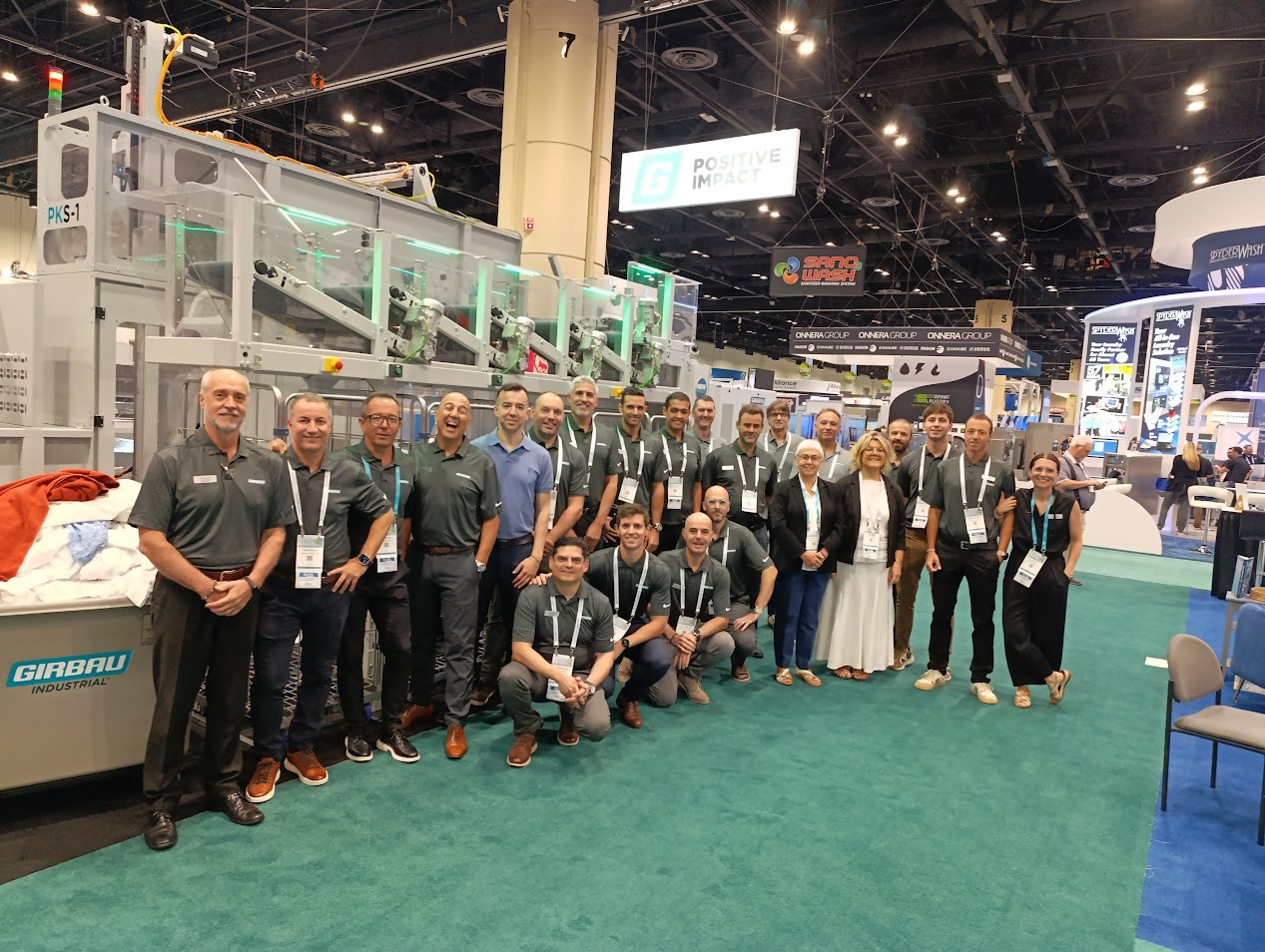
Girbau will once again take part in Clean Show, the leading industrial laundry event in North America, held from August 23 to 26 in Atlanta, Georgia (USA). This year, the company’s proposal focuses on connectivity, efficiency, and innovation in professional and self-service laundry. 

The company will host live demonstrations of its latest industrial and commercial laundry solutions, including new machine models, connected systems, and integrated platforms designed to optimise efficiency, performance, and user experience.

Girbau is driving more efficient and connected automation with the new version of its Genius system, the expanded-capacity Genius washers, and the intelligent Sortech sorter.

Girbau will once again take part in Clean Show, the leading industrial laundry event in North America, held from August 23 to 26 in Atlanta, Georgia (USA). This year, the company’s proposal focuses on connectivity, efficiency, and innovation in professional and self-service laundry. 

The company will host live demonstrations of its latest industrial and commercial laundry solutions, including new machine models, connected systems, and integrated platforms designed to optimise efficiency, performance, and user experience.

Among the main highlights this year are the new Genius XL washers, which expand the Genius range with high-capacity models — available in 40, 57, and 110 kg versions. The entire range now features Genius 3.0, an upgrade that enhances connectivity and introduces new functionalities such as remote updates, customised programme and screen management,and daily reports without the need for additional systems, making it easier to optimise consumption and maintain operational control.

The company will also showcase industrial equipment such as the CompactPro folder and ironer, the DRE automatic feeder, and notably, the Sortech sorting system – an advanced solution that automates the sorting and classification of soiled laundry using UHF RFID technology. This system improves efficiency and safety while reducing training and maintenance time, making it ideal for high-volume laundries.

During Clean Show, attendees will have the opportunity to connect directly with Girbau staff, customers, and distributors, and engage in dynamic interactions at the booth, where new products will be presented alongside sessions on commercial sales, the Sortech system, the Genius range, and the Tunnel Batch System, providing a comprehensive overview of the company’s latest innovations. There will also be attractive financing options, special promotions, and a lively live programme.

11.07.2025

First ITMA Sustainability Forum at Singapore Expo in October 2025

In response to mounting global regulations and the push for a circular economy, CEMATEX (the European Committee of Textile Machinery Manufacturers) is launching ITMA Sustainability Forum: Accelerating the Green Transition on 30 October at Singapore Expo. 

The half-day forum is designed to help textile and garment manufacturers, particularly from South and Southeast Asia and the Middle East, navigate the European Union’s evolving sustainability regulations, and access to green financing opportunities to support their transition. 

Held alongside ITMA ASIA + CITME, Singapore 2025, the forum brings together EU policymakers, financial institutions, and industry leaders to facilitate cross-border dialogue and knowledge exchange. 

Singapore Fashion Council, the official association for the textile and fashion 
industry in Singapore, is the programme partner of the forum organised by ITMA Services. 

In response to mounting global regulations and the push for a circular economy, CEMATEX (the European Committee of Textile Machinery Manufacturers) is launching ITMA Sustainability Forum: Accelerating the Green Transition on 30 October at Singapore Expo. 
The half-day forum is designed to help textile and garment manufacturers, particularly from South and Southeast Asia and the Middle East, navigate the European Union’s evolving sustainability regulations, and access to green financing opportunities to support their transition. 

Held alongside ITMA ASIA + CITME, Singapore 2025, the forum brings together EU policymakers, financial institutions, and industry leaders to facilitate cross-border dialogue and knowledge exchange. 

Singapore Fashion Council, the official association for the textile and fashion 
industry in Singapore, is the programme partner of the forum organised by ITMA Services. 

Mr Alex Zucchi, President, CEMATEX, said: “Sustainability has become a global priority. The textile industry must act swiftly to modernise production in line with regulatory demands and growing consumer expectations. This forum provides a much-needed platform for manufacturers to better understand the EU’s legislative landscape and the financing tools available for sustainable growth.” 

A key highlight of the forum will be the keynote presentation by Ms Kristin Schreiber, Director, European Commission DG GROW. She will provide a comprehensive overview of the EU’s sustainability roadmap and upcoming regulations driving the shift towards circular textile production.

Ms Schreiber said: “South and Southeast Asia are vital players in the global textile value chain. Many producers in these regions export to the European market, and their ability to align with upcoming requirements will be critical to a successful and inclusive transition. I look forward to exchanging perspectives at this forum on how we can collaborate globally to build a more sustainable and resilient textile industry.”

Under the EU Strategy for Sustainable and Circular Textiles, by 2030, all textiles placed on the EU market must be durable, recyclable, largely made from recycled fibres and free from hazardous substances. Manufacturers worldwide must act now to meet these requirements and remain competitive. 

Programme highlights 

  • Shaping Sustainability: Responding to EU Policy Changes
    Moderator: Ms Nicole van der Elst Desai, Founder, VDE Consultancy 
    Speaker: Mr Robert van de Kerkhof, CEO, ReHubs 
  • Profit Meets Purpose: Financing Sustainability 
    Moderator: Mr Brandon Courban, Senior Advisor (Climate), Openspace Ventures
    Speakers:
    - Dr Rene Van Berkel, Senior Circular Economy Expert, Switch Asia, EU Policy Support Component
    - Ms Iris Ng, Head, Emerging Business & Global Commercial Banking, OCBC Bank
    - Mr Michael Rattinger, Senior Climate Change Specialist, Asian Development Bank
Source:

Cematex 

AdobeStock, @Вася Пупкин_KIgeneriert
10.07.2025

Textile Precision Matters in Swimwear

To ensure swimwear not only looks good in summer but also performs reliably, textile precision is essential. Behind every bikini and swimsuit lies a sophisticated production process, where even the smallest errors can have major consequences.

Elastic, Shape-Retaining, and Chlorine-Resistant
Swimwear must meet a wide range of requirements: high elasticity, recovery, UV resistance, and durability against chlorine are basic standards. These properties are made possible by technical knits based on polyamide or polyester combined with elastane. Typically produced in tricot knit, these fabrics are stretchable in both directions – ideal for a close fit and full freedom of movement in water.

But to achieve a perfect final product, the material composition alone is not enough. Processing in the earlier production stages – especially fabric forming and finishing – plays a crucial role. Elastic materials are particularly prone to distortion. If this isn’t corrected before further processing, the result can be skewed patterns, uneven seams, or misshaped silhouettes.

To ensure swimwear not only looks good in summer but also performs reliably, textile precision is essential. Behind every bikini and swimsuit lies a sophisticated production process, where even the smallest errors can have major consequences.

Elastic, Shape-Retaining, and Chlorine-Resistant
Swimwear must meet a wide range of requirements: high elasticity, recovery, UV resistance, and durability against chlorine are basic standards. These properties are made possible by technical knits based on polyamide or polyester combined with elastane. Typically produced in tricot knit, these fabrics are stretchable in both directions – ideal for a close fit and full freedom of movement in water.

But to achieve a perfect final product, the material composition alone is not enough. Processing in the earlier production stages – especially fabric forming and finishing – plays a crucial role. Elastic materials are particularly prone to distortion. If this isn’t corrected before further processing, the result can be skewed patterns, uneven seams, or misshaped silhouettes.

Distortion-Free Fabric as a Quality Feature
This is where Mahlo’s Orthopac RXVMC comes into play. The latest addition to the weft straightener family is designed specifically for elastic materials with high distortion dynamics – a common feature in swimwear. Equipped with two independently driven straightening modules – one at the fabric’s entry and one at the exit – the system enables particularly fine and rapid corrections. It reliably compensates for skew and bow distortions before the fabric continues to the next production steps. The result is not only improved fit but also stable printing and finishing outcomes.

Technology for Perfect Finishing
Only when the fabric is precisely aligned can finishes like chlorine resistance, UV protection, or the popular lotus effect be applied evenly. Accurate dosage is critical: too little finish limits functionality; too much wastes raw materials and drives up costs.

To ensure precise control of these processes, Mahlo has developed the Qualiscan QMS – a modular online measurement system equipped with application-specific sensors for thickness, basis weight, or moisture. It continuously monitors the finishing process, ensuring consistently high product quality.

Swimwear may look light and playful at first glance – but in reality, it’s backed by highly sensitive textile technology. Only when all stages – from fabric alignment to straightening and finishing – are perfectly coordinated, can a product emerge that passes the ultimate summer test. With technologies like Orthopac RXVMC and Qualiscan QMS, Mahlo provides the tools to manufacture summer textiles that are not only stylish but also functional and cost-efficient.

Source:

Mahlo GmbH & Co. KG

07.07.2025

Italian Textile Machinery: 2024 marked by challenges and a light slowdown

Enhancing the value of Made in Italy must be placed at the heart of the challenges facing the Italian textile machinery industry in the coming years. This was the message emphasized by Marco Salvadè, President of ACIMIT, the Association of Italian Textile Machinery Manufacturers, during the General Assembly, held on Friday, 4 July, at the Ferrari Museum in Maranello. Presenting the latest industry figures, Salvadè reported that in 2024 production fell by 8% compared to 2023, amounting to €2.1 billion, while exports declined by 9% (€1.8 billion).
These results are set against a fragile international scenario, with similar trends observed by the main competitors of Italian manufacturers too. China, Turkey, India, and the United States remained the primary export destinations for Italian textile machinery in 2024, despite a persistently weak demand. The first months of 2025 have opened under the same sign of uncertainty.

Enhancing the value of Made in Italy must be placed at the heart of the challenges facing the Italian textile machinery industry in the coming years. This was the message emphasized by Marco Salvadè, President of ACIMIT, the Association of Italian Textile Machinery Manufacturers, during the General Assembly, held on Friday, 4 July, at the Ferrari Museum in Maranello. Presenting the latest industry figures, Salvadè reported that in 2024 production fell by 8% compared to 2023, amounting to €2.1 billion, while exports declined by 9% (€1.8 billion).

These results are set against a fragile international scenario, with similar trends observed by the main competitors of Italian manufacturers too. China, Turkey, India, and the United States remained the primary export destinations for Italian textile machinery in 2024, despite a persistently weak demand. The first months of 2025 have opened under the same sign of uncertainty.

“U.S. protectionist policies and mounting geopolitical instability risk further slowing global investments in the textile and apparel sector,” commented Salvadè. “In particular, any escalation of the trade war would prove even more damaging to the entire supply chain.”

The protection of authentic Made in Italy is regarded as an urgent priority by the Association. The experience of our workforce, creativity, and an unwavering drive for innovation remain the cornerstones of our success. “It is therefore essential,” Salvadè reaffirmed, “to defend and promote true Made in Italy—products designed and manufactured in Italy without compromise, distinguished by the quality and creativity for which we are renowned worldwide.”

The Assembly also celebrated ACIMIT’s 80th anniversary. “An important milestone that invites us to look back with pride and ahead with renewed passion and responsibility,” the ACIMIT President emphasized. Trade tensions and regional conflicts have reshaped international equilibria, directly impacting corporate strategies. The Italian textile machinery industry, with its strong export orientation, is particularly exposed to these dynamics. While it continues to hold a leading position on the global stage, it must question whether its traditional formula, based on innovation and internationalization, remains fully adequate.

These themes were the focus of the roundtable discussion held during the public session of the Assembly, addressing three key topics for the future of the sector: internationalization, innovation, and sustainability. Participants agreed on the strategic importance of enhancing Made in Italy to boost the competitiveness of Italian companies. The future of Italy’s textile machinery sector cannot forgo a continued drive for innovation, capable of delivering sustainable solutions with low environmental impact while also reducing production costs.  The debate further highlighted the crucial need to consolidate the presence in international markets, both mature and emerging, through initiatives that can strengthen the global leadership of Italian-made machinery.

More information:
ACIMIT Italy export
Source:

ACIMIT

Svegea EC 200 system in situ at Interstoff Apparels Photo AWOL Media
Svegea EC 200 system in situ at Interstoff Apparels
23.06.2025

Interstoff opts for advanced Svegea colarette systems

Svegea – a member of TMAS, the Swedish textile machinery association – has delivered six of its EC 200 automatic collarette machines to the Bangladesh-based Interstoff Group in the past 12 months.

Interstoff, which belongs to the Pandughar Group, was founded in 2000 as a modest garment factory with just 62 sewing machines.

Today its three divisions – Interstoff Apparels, Interstoff Clothing and South East Textile – have a combined workforce of over 10,000 people, producing around 72 million fully finished and packaged garments each year.

Interstoff is further equipped with the very latest knitting and dyeing and finishing machinery sourced from Europe and Japan to enable a daily production capacity of 30,000 kg of fabrics. Through continuous innovation in yarns and processes, the company’s fabrics consistently earn recognition for their environmental responsibility and quality. Its fabric laboratory is certified by leading brands such as H&M, M&S, Sainsbury’s and Tesco.

Svegea – a member of TMAS, the Swedish textile machinery association – has delivered six of its EC 200 automatic collarette machines to the Bangladesh-based Interstoff Group in the past 12 months.

Interstoff, which belongs to the Pandughar Group, was founded in 2000 as a modest garment factory with just 62 sewing machines.

Today its three divisions – Interstoff Apparels, Interstoff Clothing and South East Textile – have a combined workforce of over 10,000 people, producing around 72 million fully finished and packaged garments each year.

Interstoff is further equipped with the very latest knitting and dyeing and finishing machinery sourced from Europe and Japan to enable a daily production capacity of 30,000 kg of fabrics. Through continuous innovation in yarns and processes, the company’s fabrics consistently earn recognition for their environmental responsibility and quality. Its fabric laboratory is certified by leading brands such as H&M, M&S, Sainsbury’s and Tesco.

Two Svegea collarette machines have now been commissioned at each of the three Interstoff divisions for the high speed production of tubular apparel components such as cuffs, collars and neck tapes.

Interstoff chose the EC 200 machines over the faster EC 300 model primarily because some of its fabrics include seams. The faster crush-cutting knife system in Svegea’s EC 300 series can struggle with multiple fabric layers or seams stitched with polyester thread, since it cuts by pressure rather than slicing. By contrast, the EC 200 uses scissor-action knives – two sharp circular blades with a slight overlap – which function like scissors and handle seams without issue.

The machines run directly from turntables at speeds of up to 40 metres per minute, depending on the fabric width, material properties and optimal settings. They are equipped with Svegea’s standard drive system in an electronic master/slave configuration. Each machine has been specially equipped with a third knife set, enabling the simultaneous cutting of up to three bands. This means that total output in linear metres per minute can be significantly higher when cutting multiple bands in parallel.

Svegea will be demonstrating both semi- and fully-automatic cutting machines at ITMA Asia + CITME from October 28-31.

Source:

Issued on behalf of TMAS by AWOL Media

17.06.2025

Italian's Textile Machinery Association at Milano Unica

At the next edition of Milano Unica, the leading international trade fair for high-end fabrics and accessories, scheduled to take place at Rho Fiera Milano from July 8 to 10, ACIMIT (the Association of Italian Textile Machinery Manufacturers) will participate for the first time with an institutional booth.

Through this initiative, ACIMIT aims to foster connections between its member companies, exhibitors, and buyers attending Milano Unica, while also promoting greater awareness of the cutting-edge technological solutions that define the Italian textile machinery industry—particularly in the areas of sustainability, circular economy, and digitalization.

Marco Salvadè, President of ACIMIT: “I believe it is essential for our Association to be present at such a significant trade event. The synergy between Italian excellence in textiles and textile machinery has always been, and continues to be, a key factor in strengthening the leadership of the entire Italian textile supply chain.”

At the next edition of Milano Unica, the leading international trade fair for high-end fabrics and accessories, scheduled to take place at Rho Fiera Milano from July 8 to 10, ACIMIT (the Association of Italian Textile Machinery Manufacturers) will participate for the first time with an institutional booth.

Through this initiative, ACIMIT aims to foster connections between its member companies, exhibitors, and buyers attending Milano Unica, while also promoting greater awareness of the cutting-edge technological solutions that define the Italian textile machinery industry—particularly in the areas of sustainability, circular economy, and digitalization.

Marco Salvadè, President of ACIMIT: “I believe it is essential for our Association to be present at such a significant trade event. The synergy between Italian excellence in textiles and textile machinery has always been, and continues to be, a key factor in strengthening the leadership of the entire Italian textile supply chain.”

More information:
ACIMIT Milano Unica
Source:

ACIMIT

The FET-500 gel spinning system in action close up. AWOL for Fibre Extrusion Technologies
The FET-500 gel spinning system in action close up.
16.06.2025

Supercritical CO2 – Game changer for smaller quantities of UHMWPE

A much more sustainable, cost effective and very flexible process for manufacturing critical fibres based on ultra high molecular weight polyethylene (UHMWPE) is being launched by the UK’s Fibre Extrusion Technologies (FET).

UHMWPE is prized in many industries due to its extraordinary properties. The fibre is, for example, ten times stronger than steel by weight, while exhibiting outstanding abrasion resistance, low friction and high impact strength. UHMWPE fibres are also chemically inert, resistant to most chemicals and UV light and do not absorb water. They maintain performance in a wide range of temperatures and despite their toughness are extremely lightweight.

As a result, they are unbeatable in demanding applications such as high-performance ropes in maritime industrial and rescue applications. In addition, they are invaluable in ballistic protection, cut-resistant clothing and high-performance sports gear – and increasingly in medical implants.

A much more sustainable, cost effective and very flexible process for manufacturing critical fibres based on ultra high molecular weight polyethylene (UHMWPE) is being launched by the UK’s Fibre Extrusion Technologies (FET).

UHMWPE is prized in many industries due to its extraordinary properties. The fibre is, for example, ten times stronger than steel by weight, while exhibiting outstanding abrasion resistance, low friction and high impact strength. UHMWPE fibres are also chemically inert, resistant to most chemicals and UV light and do not absorb water. They maintain performance in a wide range of temperatures and despite their toughness are extremely lightweight.

As a result, they are unbeatable in demanding applications such as high-performance ropes in maritime industrial and rescue applications. In addition, they are invaluable in ballistic protection, cut-resistant clothing and high-performance sports gear – and increasingly in medical implants.

Biomedical market
“FET has supplied many extrusion systems to the biomedical market, most notably for the production of both resorbable and non-absorbable sutures,” says FET Managing Director Richard Slack. “In exploring what else we could do in assisting these customers, it became clear that there was a need for smaller quantities of UHMWPE fibres in bespoke sizes.”

“The current systems for manufacturing UHMWPE filament yarns are on a huge scale, with very complex processing routes,” adds Research and Development Manager Jonny Hunter. “This means the supply chain is currently very inflexible with minimal opportunity for new product development. These disadvantages have been fully addressed in the development of our new FET-500 series lab and small scale gel spinning system.”

Solvent extraction
A major FET innovation is the introduction of a patented batch system for solvent extraction exploiting supercritical carbon dioxide (CO2).

UHMWPE production, until now, has involved the use of large volumes of hazardous solvents such as dichloromethane (DCM) or hexane. The UHMWPE powder is mixed with mineral oil to form a gel which is subsequently extruded, cooled and solidified. The oil is then extracted from the fibres using DCM or hexane and the solid fibres are then drawn at high temperature to further align the polymer chains, resulting in final strong and tough fibres. Typically, it takes 10 kg of Hexane to extract 1 kg of oil. 

“Solvent reclamation using extraction baths and hot air drying chambers is not practical for the scale of our system,” explains FET’s Senior Material and Process Scientist Kris Kortsen. “The current baths employed can be up to 200 metres long and the waste volumes are considerable. Expertise is needed in dealing with such dangerous chemicals and overall the process has an immense environmental impact.

“CO2, by contrast, is a cheap and abundant sustainable solvent that is non-toxic, non-flammable and leaves no residue.” 

Closed loop
FET’s closed-loop system can achieve more than 95% solvent recovery without loss of performance, resulting in residue-free UHMWPE filament yarns via a vastly improved route in terms of both safety and logistics.

A further innovation is the highly modular drawing system based on heated godet rollers, enabling flexible temperature and drawing control for new product development and the ability to be expanded at any time to meet customer needs.

A comprehensive LCA study detailing the full savings potential is currently being prepared and will be published shortly.

“Having processed over 130 separate polymers in the development of our extrusion systems, we believe the FET-500 is a game changer,” concludes Richard Slack. “We believe there is a big gap in the market for smaller quantities of UHMWPE, and our first line is now fully operational at the FET Fibre Development Centre in Leeds. We look forward to demonstrating it and discussing its full potential with interested companies from around the world.”

Source:

AWOL for Fibre Extrusion Technologies

Gartex Texprocess India Photo Messe Frankfurt Trade Fairs India Pvt Ltd
16.06.2025

Gartex Texprocess India concluded with a resounding success

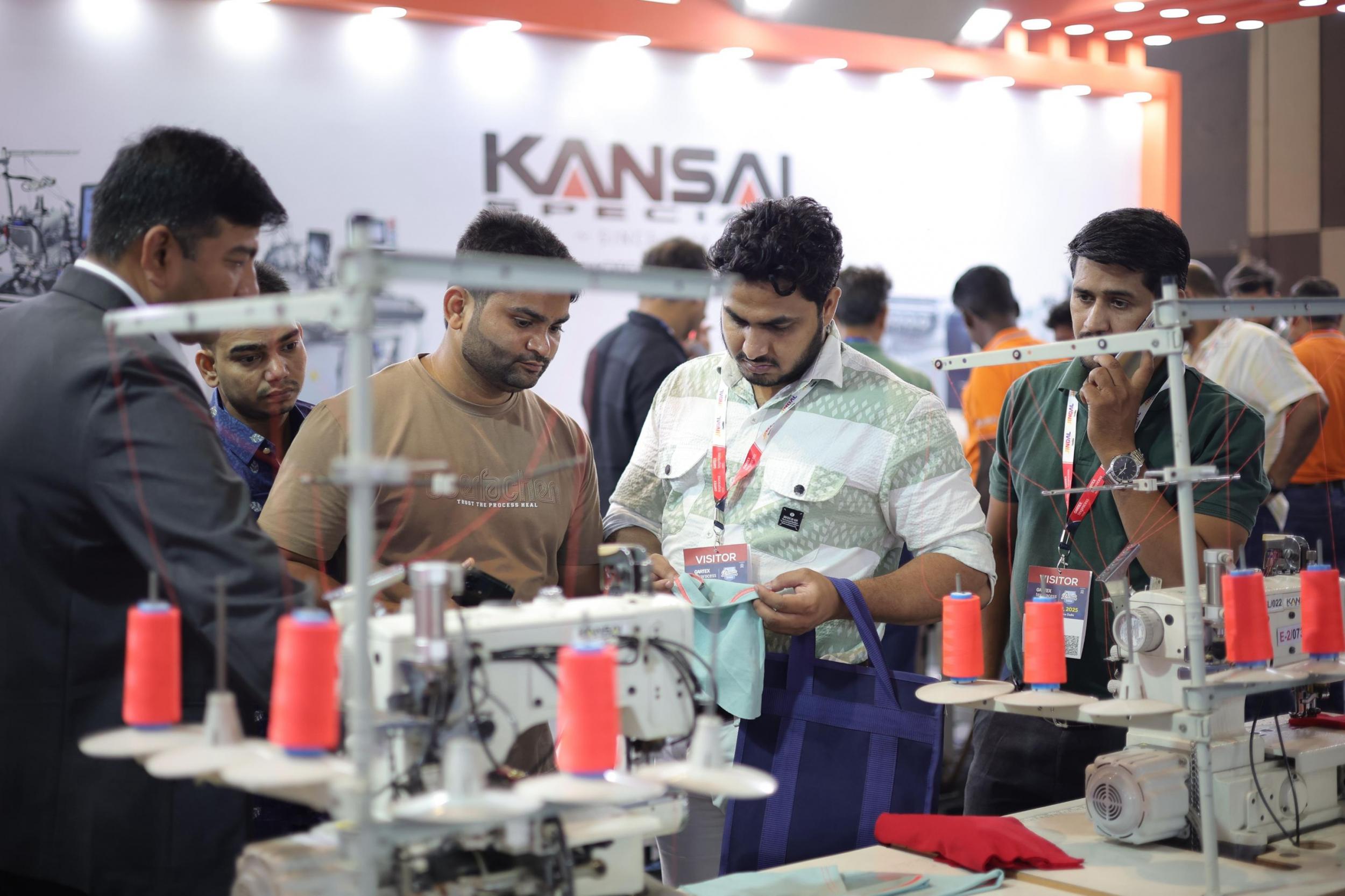
Drawing 10,283 visitors from 230 Indian cities and five countries, Gartex Texprocess India 2025 reaffirmed its stature as a key business platform for the Indian textile industry. Featuring 125 exhibitors and covering the entire value chain, the expo served as a robust platform for textile technologies, innovations and sourcing. Organised by Messe Frankfurt Trade Fairs India Pvt Ltd and MEX Exhibitions Pvt Ltd, the event also incorporated The Denim Show, Screen Print India – Textiles, and the Fabrics & Trims Show, offering industry stakeholders a unified source for knowledge exchange and business networking.

At the forefront was India’s rapidly transforming textile manufacturing landscape, with automation, sustainability, and innovation steering the conversation. Leading buyers and manufacturing brands engaged in direct sourcing and dialogue with top machinery suppliers and fabric producers.

Drawing 10,283 visitors from 230 Indian cities and five countries, Gartex Texprocess India 2025 reaffirmed its stature as a key business platform for the Indian textile industry. Featuring 125 exhibitors and covering the entire value chain, the expo served as a robust platform for textile technologies, innovations and sourcing. Organised by Messe Frankfurt Trade Fairs India Pvt Ltd and MEX Exhibitions Pvt Ltd, the event also incorporated The Denim Show, Screen Print India – Textiles, and the Fabrics & Trims Show, offering industry stakeholders a unified source for knowledge exchange and business networking.

At the forefront was India’s rapidly transforming textile manufacturing landscape, with automation, sustainability, and innovation steering the conversation. Leading buyers and manufacturing brands engaged in direct sourcing and dialogue with top machinery suppliers and fabric producers.

The expo was inaugurated by Shri Sanjay Savkare, Hon’ble Minister of Textiles, Government of Maharashtra, who emphasized the state’s focus on strengthening local manufacturing of globally sourced components and machinery. Uttar Pradesh participated as the State Partner, represented by Shri Shashank Chaudhary (IAS), Additional CEO, Invest UP, who elaborated on the textile-centric initiatives by the UP government and presented a dedicated knowledge session for industry stakeholders.

From across borders, the Taiwan Sewing Machinery Association (TSMA) participated with a pavilion of eight companies. Mr Steven Fang, Chairman, TSMA, stated: “We saw a good visitor turnout from all over India. We see a big market here and would like to continue with our participation in the upcoming editions.”

Denim Industry's Sustainable Shift
The Denim Show attracted major manufacturers and presented a variety of new denim collections, eco-conscious dyes, screen-printing solutions, and accessory lines. More than 30 denim mills showcased at the show, engaging buyers like Aditya Birla Digital Fashion Venture Ltd, Levi’s Strauss India Pvt Ltd, Walmart, The Souled Store, and more.

Product Technology & Innovation in Focus
Expressing their satisfaction on the show, exhibitors also highlighted breakthrough machinery and processes driving efficiency, sustainability and cost savings in textile production. 

Backed by strong industry support, especially from the Denim Manufacturers Association, Gartex Texprocess India continues to evolve as a robust sourcing and innovation hub. This year’s edition welcomed representatives from Aditya Birla Group, Brands and Sourcing Leaders Association, Coreco, Recyclr, Technopak Advisors, TMRW, House of Brands, Walmart Sourcing and WROGN Pvt Ltd, among many others.

The next edition of Gartex Texprocess India will take place from 21–23 August 2025 at Pragati Maidan, New Delhi and the Mumbai edition is scheduled from 09 – 11 April 2026 at Bombay Exhibition Centre. 

Source:

Messe Frankfurt Trade Fairs India Pvt Ltd

Design software APEXFiz® Photo Shima Seiki
Design software APEXFiz®
13.06.2025

SHIMA SEIKI to Exhibit at Future Fabrics Expo

Textile solutions provider SHIMA SEIKI MFG., LTD. of Wakayama, Japan will participate in the Future Fabrics Expo 2025 exhibition in London, England, 24th – 25th June. Held during London Climate Action Week, Future Fabrics Expo showcases sustainably and responsibly produced materials to the textile industry, and is considered a platform for exchange of knowledge and sourcing of sustainable textiles, materials and leading innovations for fashion, home and interior brands. 
 

Textile solutions provider SHIMA SEIKI MFG., LTD. of Wakayama, Japan will participate in the Future Fabrics Expo 2025 exhibition in London, England, 24th – 25th June. Held during London Climate Action Week, Future Fabrics Expo showcases sustainably and responsibly produced materials to the textile industry, and is considered a platform for exchange of knowledge and sourcing of sustainable textiles, materials and leading innovations for fashion, home and interior brands. 
 
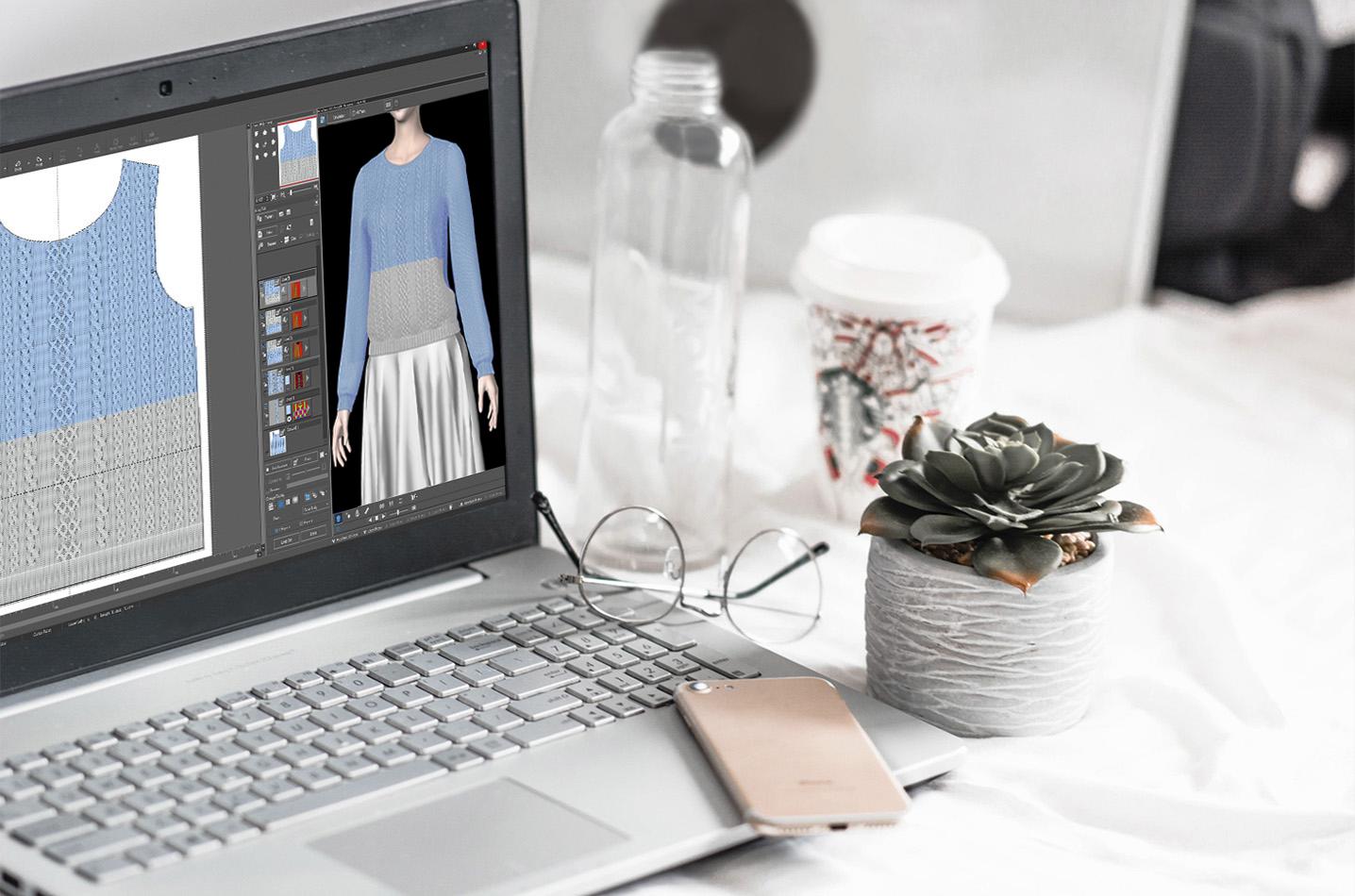
SHIMA SEIKI is showcasing just such an innovation in the form of its APEXFiz® subscription-based design software. APEXFiz® supports the creative side of fashion from planning and design to colorway evaluation, realistic fabric simulation and 3D virtual sampling for various textiles including flat knitting, circular knitting, weaving, pile weave, socks, embroidery and print. Virtual samples are a digitized version of sample making that are accurate enough to be used effectively as prototypes, replacing physical sampling and consequently reducing time, cost and material that otherwise go to waste. Virtual samples can furthermore be used in e-commerce to gauge consumer demand before production begins, allowing production to be adjusted to optimize inventory and minimize leftover waste. Virtual sampling on APEXFiz® thereby helps to realize sustainability and digitally transform the fashion supply chain. 
 
SHIMA SEIKI will be displaying virtual sample swatches at both the Curated Textiles Area and the SHIMA SEIKI booth to demonstrate just how real and expressive digital simulations can be. Virtual sampling is not limited in use for product planning and design by visitors, but is perfect for consideration by fellow exhibitors as well, as it gives them the opportunity to consider a truly sustainable method of planning, designing and evaluating their sustainable fabrics made from sustainable materials. 

Source:

Shima Seiki

Photo: Garment Tech İstanbul Exhibition
12.06.2025

Garment Tech Istanbul Exhibition hosting Technologies that shape the Garment Industry

The countdown has begun for the Garment Tech Istanbul Exhibition. The ready-to-wear and garment sector, which has a significant share in Turkiye's exports, will come together at the Garment Tech Istanbul Garment, Embroidery Machines Spare Parts and Sub-Industry Exhibition to be held at the Istanbul Expo Center (IFM) between June 25-28. The latest technologies used in all stages of the production processes, from sewing to embroidery, from cutting to ironing systems, from packaging to denim, will be exhibited at the Garment Tech Istanbul Exhibition.

The countdown has begun for the Garment Tech Istanbul Exhibition. The ready-to-wear and garment sector, which has a significant share in Turkiye's exports, will come together at the Garment Tech Istanbul Garment, Embroidery Machines Spare Parts and Sub-Industry Exhibition to be held at the Istanbul Expo Center (IFM) between June 25-28. The latest technologies used in all stages of the production processes, from sewing to embroidery, from cutting to ironing systems, from packaging to denim, will be exhibited at the Garment Tech Istanbul Exhibition.

Companies will Have the Opportunity to Modernize Their Production Processes
The exhibition, which will host professional visitors and global buyers in Istanbul for 4 days, wants to announce Turkiye's leadership in garment and ready-to-wear to the whole world and will be the center of innovation. The exhibition, where innovative technologies such as artificial intelligence-supported production systems, automatic sewing, embroidery, cutting and spreading machines, automation systems, ironing and pressing solutions and packaging systems will be exhibited, claims to shed light on the garment technologies of the future. The exhibition will provide companies operating in the garment and ready-to-wear sector with the opportunity to modernize their production processes and gain competitive advantage.

Turkiye's textile and ready-to-wear sector has been experiencing a serious recession due to economic difficulties, especially in the last two years. The Garment Tech Istanbul Exhibition will be a turning point for the sector to rise again during this difficult period. The world's and Turkiye's leading ready-to-wear technology manufacturers will have the opportunity to come together with global buyers, establish new business connections and bring dynamism to the sector. The companies participating in the exhibition, which will be equipped with innovative machinery and production systems, will have the chance to increase their export volumes and gain a stronger position in global markets.

Source:

Garment Tech İstanbul Exhibition

Traly operates numerous Trützschler carding machines. Recently, the TC 19i completed Tra Ly’s portfolio. Photo Trützschler
Traly operates numerous Trützschler carding machines. Recently, the TC 19i completed Tra Ly’s portfolio.
12.06.2025

Trützschler in Vietnam: Mitigating the effects of labor shortage

It’s hard to find skilled operators for spinning mills in Vietnam. Rapid industrialization is creating competition for young talents and many workers choose roles in other industries. Customer Tra Ly Hung Yen has found a partner in Trützschler to help mitigate the effects of this labor shortage and enable successful operations. 

Traditionally, yarn manufacturers need many experienced and qualified workers. However, it is difficult to attract and retain these operators. In addition, raw material fluctuations add extra challenges for all spinners. In order to produce yarn with consistent quality, it is necessary to make precise adjustments to the processing system – and this requires trained employees. A major headache for businesses in quality-driven markets like Vietnam. 

It’s hard to find skilled operators for spinning mills in Vietnam. Rapid industrialization is creating competition for young talents and many workers choose roles in other industries. Customer Tra Ly Hung Yen has found a partner in Trützschler to help mitigate the effects of this labor shortage and enable successful operations. 

Traditionally, yarn manufacturers need many experienced and qualified workers. However, it is difficult to attract and retain these operators. In addition, raw material fluctuations add extra challenges for all spinners. In order to produce yarn with consistent quality, it is necessary to make precise adjustments to the processing system – and this requires trained employees. A major headache for businesses in quality-driven markets like Vietnam. 

Tra Ly is one of those businesses. The company’s success is built on a longstanding reputation for quality, so labor shortages generated a potential threat to its future. The family-owned company mainly produces carded and combed cotton (Ne 20 to Ne 40) through standard and compact spinning methods. It has a production capacity of 60 tons per day, with half of that output exported to China, Pakistan or Bangladesh. To find a solution to its labor shortage, the Tra Ly team contacted its partners at Trützschler. 

The answer from Trützschler: Highly automated, self-optimizing machinery that helps to maintain consistent quality – even when processing raw materials of varying qualities. This reduces the need for manual intervention. As Do Thi Lan Phuong, Director of Tra Ly, points out: “Innovations from Trützschler offer efficient handling that frees up time for our employees. In this way, we are able to cope with labor shortages. These machines enable higher productivity, improved sliver evenness and more energy-efficient manufacturing. And working together with Trützschler is always a great experience because of their deep expertise, can-do attitude and positive energy.” 

Automatized and optimized 

Tra Ly now operates the following advanced technologies from Trützschler: 

  • T-SCAN TS-T5: High-quality foreign part separation 
    This foreign part separator uses state-of-the-art sensors and image-processing technology to detect foreign parts like stems, leaf fragments or other waste – and then automatically ejects them to minimize fiber loss. The highly efficient machine is also easy to clean and maintain, even when production is running. 
  • The intelligent card TC 19i with T-GO 
    Tra Ly is also benefiting from the TC 19i with T-GO, which is the world’s only proven automatic gap optimizer for carding machines. It increases quality and flexibility by self-adjusting to ensure the best possible carding gap settings in real time, even when raw materials or other production conditions fluctuate. 
  • Autoleveller Draw Frame TD-10 
    Automated functions like AUTO DRAFT and OPTI SET enable this draw frame to ensure excellent yarn quality by self-optimizing the break draft and drafting point in real time. These innovations help machine operators to adapt settings for various raw material types. 
  • Boosting productivity: The 12-head comber TCO 21XL 
    This machine increases productivity by about 50% because it operates 12 heads instead of a typical eight head setup, while delivering the same excellent quality. Features like COUNT MONITORING perform automatic checks on sliver count variations from a given limit, thus contributing to consistent quality. 

Fit for the future 
Tra Ly recently installed My Mill, Trützschler’s mill monitoring system. Based on real-time data from My Mill, Trützschler experts can conduct digital audits to provide on-site guidance, training and troubleshooting. Trützschler is looking forward to continuing to support Tra Ly. The Vietnamese company is excited about the ongoing collaboration, too. “Working together with Trützschler is always a great experience because of their deep expertise, can-do attitude, and positive energy,” says Do Thi Lan Phuong, Director of Tra Ly.

Source:

Trützschler Group SE

Manfred Hackl, CEO of the EREMA Group (right), and Gerold Breuer, Head of Marketing Photo Erema GmbH
Manfred Hackl, CEO of the EREMA Group (right), and Gerold Breuer, Head of Marketing
04.06.2025

K 2025: EREMA redefines plastics recycling

The company launched the "Edvanced Recycling - EREMA Prime Solutions for Advanced Recycling" campaign at an exclusive press conference at the beginning of June as a preview to K 2025. 

"The technologies used in plastics recycling have evolved very fast. Over the past few years, we have repeatedly set milestones and have been a driver of innovation. At this year's K, we will again be presenting multiple new solutions designed to keep even more plastics in circulation," said Manfred Hackl, CEO of the EREMA Group, in his opening presentation at the K Preview Press Talk, which was held at the beginning of June at the company's headquarters in Ansfelden near Linz in Austria. EREMA provided a first glance of selected innovations that the company will be presenting at K 2025 in Düsseldorf. 

New technologies open up more applications 
Two new machine types will celebrate their début at K 2025: 

The company launched the "Edvanced Recycling - EREMA Prime Solutions for Advanced Recycling" campaign at an exclusive press conference at the beginning of June as a preview to K 2025. 

"The technologies used in plastics recycling have evolved very fast. Over the past few years, we have repeatedly set milestones and have been a driver of innovation. At this year's K, we will again be presenting multiple new solutions designed to keep even more plastics in circulation," said Manfred Hackl, CEO of the EREMA Group, in his opening presentation at the K Preview Press Talk, which was held at the beginning of June at the company's headquarters in Ansfelden near Linz in Austria. EREMA provided a first glance of selected innovations that the company will be presenting at K 2025 in Düsseldorf. 

New technologies open up more applications 
Two new machine types will celebrate their début at K 2025: 

  • TwinPro is a high-performance twin-screw technology in which the proven EREMA Preconditioning Unit (PCU) is coupled directly to a twin-screw extruder. The new system is particularly suitable for the highly efficient homogenisation in just one step of complex film waste with low bulk densities. 
  • AGGLOREMA technology is particularly interesting for preparing feedstock materials for chemical recycling. This robust and energy-efficient system produces agglomerates with a high bulk density on a large scale from heavily contaminated post consumer material.

The focus is also on the increasing demand for recycled pellets made from post consumer materials in sensitive applications and secondary packaging. For example, EREMA is launching a more compact INTAREMA® TVEplus® 2021 and, together with Lindner Washtech, is presenting the optimum match of washing system and extruder that achieves a balanced overall process. Live recycling demonstrations in the outdoor area will show how different waste streams are processed. Visitors can see the results for themselves in the exhibition of products at the Edvanced Recycling Centre, which range from technical components to cosmetic products and food packaging. 

Digitalisation increases uptime
Digital solutions play a decisive role in achieving the circular economy and handling plastic waste material in a sustainable way. At K, the PredictOn family is growing to include AI-supported in-depth data analysis for monitoring the main drives, and a new Condition Monitoring System for the plasticising unit. Both modules can be seen in action at the show, where an INTAREMA® TVEplus® DuaFil® Compact is equipped with the latest intelligent assistance systems. The results can be seen live on the displays of the BluPort® online platform at the EREMA trade fair stand and at the outdoor Edvanced Recycling Centre.

Edvanced Recycling: The campaign with a recurring effect
"For a more circular economy in the plastics industry, recycling has to be consistently integrated along the entire value chain. Edvanced Recycling shows how we are working together with our customers to sustainably increase the proportion of recycled plastics used in new products," says Gerold Breuer, Head of Marketing at the EREMA Group. The year-long campaign focuses on the full range of EREMA solutions, from technologies proven in practice to innovative new products, with a first highlight at K 2025. "And yes, it really is spelt that way," adds Gerold Breuer, "because the E stands for EREMA. After all, advanced plastics recycling is inextricably linked to our name."

Source:

Erema GmbH

Roxana Ley with certificate Photo private
Roxana Ley with certificate
23.05.2025

ITA PhD student receives Wilhelm Lorch Award in the field of technology

Combining sustainability and individual personal protective equipment - ITA PhD student Roxana Ley achieved this with her demonstrator surgical goggles. In her master's thesis at Institut für Textiltechnik (ITA) of RWTH Aachen University, she presented a method that combines Tailor Fibre Placement (TFP) with fused deposition modelling 3D printing. At the same time, she developed a system that customises personal protective equipment (PPE) and demonstrated this with a pair of surgical goggles. The combination of the two processes enables fast and flexible customisation in terms of size and shape.

Roxana Ley was awarded the Wilhelm Lorch Award 2025 in the field of technology for this development on 15 May. The prize was awarded on the occasion of “TextilWirtschaftforum” (Textile Industry Forum) at the “Palmengarten” in Frankfurt am Main, Germany.

“Our graduates are regular winners of the Wilhelm Lorch Foundation Awards, “ says ITA Director Prof Dr Thomas Gries enthusiastically. “We are very pleased about their potential and that the Wilhelm Lorch Foundation supports creative minds.“

Combining sustainability and individual personal protective equipment - ITA PhD student Roxana Ley achieved this with her demonstrator surgical goggles. In her master's thesis at Institut für Textiltechnik (ITA) of RWTH Aachen University, she presented a method that combines Tailor Fibre Placement (TFP) with fused deposition modelling 3D printing. At the same time, she developed a system that customises personal protective equipment (PPE) and demonstrated this with a pair of surgical goggles. The combination of the two processes enables fast and flexible customisation in terms of size and shape.

Roxana Ley was awarded the Wilhelm Lorch Award 2025 in the field of technology for this development on 15 May. The prize was awarded on the occasion of “TextilWirtschaftforum” (Textile Industry Forum) at the “Palmengarten” in Frankfurt am Main, Germany.

“Our graduates are regular winners of the Wilhelm Lorch Foundation Awards, “ says ITA Director Prof Dr Thomas Gries enthusiastically. “We are very pleased about their potential and that the Wilhelm Lorch Foundation supports creative minds.“

The Wilhelm Lorch Foundation has been supporting talented young people for 37 years and awarded ten sponsorship prizes of €5,000 each to a total of twelve young people in 2025 (two award-winning works were produced by teams of two).

Source:

ITA – Institut für Textiltechnik of RWTH Aachen University

Gartex Texprocess India Mumbai: Inaugural ceremony May, 22 Photo Messe Frankfurt Trade Fairs India
Gartex Texprocess India Mumbai: Inaugural ceremony May, 22
23.05.2025

Gartex Texprocess India Mumbai: Inaugural ceremony May, 22

Bringing together India’s textile community under one roof, with a special focus on textile and garment manufacturing machinery and technology and innovations in fabrics, digital screen print, accessories, and trims, the Gartex Texprocess India Mumbai 2025 edition presents industry advancements.

With over 125 exhibitors from India, China, Italy, Japan, Korea, Singapore and Taiwan - the show features strong international participation and highlights from India’s growing role in the global textiles industry.

Bringing together India’s textile community under one roof, with a special focus on textile and garment manufacturing machinery and technology and innovations in fabrics, digital screen print, accessories, and trims, the Gartex Texprocess India Mumbai 2025 edition presents industry advancements.

With over 125 exhibitors from India, China, Italy, Japan, Korea, Singapore and Taiwan - the show features strong international participation and highlights from India’s growing role in the global textiles industry.

Addressing the gathering, Chief Guest, Shri Sanjay Savkare, Hon’ble Minister of Textiles, Government of Maharashtra stated: “Denims have become a major fashion trend, and the government has announced relief on import duty for machinery. However, the central government, in an endeavour to encourage local manufacturing in the country, has announced the Technical Textile Mission, which empowers companies to receive subsidies and start manufacturing. Maharashtra has launched its textile policy, which operates in a zonal format. Zone 1 can help you gain a 45% subsidy, Zone 2 offers 40%, Zone 3 provides 35%, and so on. We have announced Zero-Waste Fashion, which aims to control textile waste by recycling it and converting it into usable materials like carpets. For this, the private sector can benefit from an electricity subsidy of Rs 2 per unit, and Rs 3 per unit for co-operative societies, in addition to the previously mentioned subsidies. In Amravati, the PM Mitra Park will be launched soon, as most of the work is complete, with only final touch-ups pending. I thank the organisers for having me here and wish you all the very best.”

Shri Shashank Chaudhary (IAS), Additional CEO, Invest UP informed: “Under the PM Mitra Scheme, we are developing a mega-integrated textile park near Lucknow, covering 1,000 acres of land. It will be set up under the PPP model, which offers a great opportunity for investors. The state of Uttar Pradesh has been developing new portals for single-window clearance and approvals. We have successfully managed to attract good investors.”

Mr Gaurav Juneja, Director of MEX Exhibitions Pvt Ltd, shared: “Gartex Texprocess India as a show has only evolved consistently. This is reflected in our Mumbai and New Delhi editions each year. As India strengthens its position in global textile manufacturing, I believe that this show has become a platform to shape conversations and update the industry with innovations that will drive the next phase of growth for India’s textiles and fashion ecosystem. We are honoured to have Invest Uttar Pradesh as our State Partners at this edition and with the kind of innovations on the show floor in denim, fabrics, machinery and more - I am sure visitors have tremendous business opportunities through our platform.”

Similar sentiments were shared by Mr Raj Manek, Executive Director & Board Member, Messe Frankfurt Asia Holdings Ltd, expressed: “This show goes beyond exhibition; it is about enabling industry transformation. At a time when global supply chains are realigning, platforms like Gartex Texprocess India become crucial to connecting industry stakeholders. This also bridges Indian expertise with international demand and we are pleased to welcome the textile fraternity to the show and see the scale of innovations from the industry.”  

The expo is jointly organised by MEX Exhibitions Pvt Ltd and Messe Frankfurt Trade Fair India Pvt Ltd. Gartex Texprocess India Mumbai is scheduled from 22 – 24 May 2025 at Jio World Convention Centre, Mumbai, Maharashtra.

Source:

Messe Frankfurt Trade Fairs India

20.05.2025

ECHA launches revamped Classification and Labelling Inventory

ECHA’s redesigned Classification and Labelling (C&L) Inventory is now available in the Agency’s new chemicals database, ECHA CHEM.

The C&L Inventory includes information on more than 4,400 EU-level harmonised classifications and seven million classifications notified or included in REACH registrations. Altogether, the inventory includes data on around 350 000 substances.

The integration of classification and labelling information into ECHA CHEM follows the initial launch of the database in January 2024, which featured information on over 100 000 REACH registrations submitted by companies. The new inventory is designed to help users easily locate the classification with the highest agreement and to bring clarity on the source behind the classification information. It incorporates recent regulatory developments, such as the new CLP hazard classes and is built with stability and growth in mind.

In this first version, the classification information is accessible in a visual format per substance with complementary approaches, such as application programming interfaces (APIs), being explored in future releases.  

ECHA’s redesigned Classification and Labelling (C&L) Inventory is now available in the Agency’s new chemicals database, ECHA CHEM.

The C&L Inventory includes information on more than 4,400 EU-level harmonised classifications and seven million classifications notified or included in REACH registrations. Altogether, the inventory includes data on around 350 000 substances.

The integration of classification and labelling information into ECHA CHEM follows the initial launch of the database in January 2024, which featured information on over 100 000 REACH registrations submitted by companies. The new inventory is designed to help users easily locate the classification with the highest agreement and to bring clarity on the source behind the classification information. It incorporates recent regulatory developments, such as the new CLP hazard classes and is built with stability and growth in mind.

In this first version, the classification information is accessible in a visual format per substance with complementary approaches, such as application programming interfaces (APIs), being explored in future releases.  

Mercedes Viñas, Director of Submissions and Interaction, said:
“This is an important milestone in further developing a comprehensive database for all chemical data gathered by ECHA. The redesigned C&L Inventory comes with an enhanced user interface and simplifies access to classification information for users.”

Mike Rasenberg, Director of Hazard Assessment, added:
“Hazard classifications are the cornerstone of regulatory risk management of chemicals. The redesigned C&L inventory improves the clarity on the current and upcoming mandatory classifications harmonised at the EU level, helping companies to prepare and implement the required safety measures.”

More information:
ECHA
Source:

European Chemicals Agency

15.05.2025

Italian Textile Machinery: Orders continue to fall in Q1 2025

In the first quarter of 2025, orders for textile machinery recorded by ACIMIT, the Association of Italian Textile Machinery Manufacturers, showed a sharp decline compared to the same period in 2024, down 29%. The index stood at 41.8 points (base year 2021=100).

The negative result reflects both a significant contraction in the domestic market and a pronounced slowdown abroad. In Italy, orders dropped by 57%, while foreign orders fell by 25%. The index for foreign markets stood at 43.3 points, while the domestic figure dropped to 30.5 points. The order backlog at the end of the quarter ensured 3.6 months of production.

The downturn also continues when compared to the previous quarter (October-December 2024), with overall orders decreasing by 15%.

In the first quarter of 2025, orders for textile machinery recorded by ACIMIT, the Association of Italian Textile Machinery Manufacturers, showed a sharp decline compared to the same period in 2024, down 29%. The index stood at 41.8 points (base year 2021=100).

The negative result reflects both a significant contraction in the domestic market and a pronounced slowdown abroad. In Italy, orders dropped by 57%, while foreign orders fell by 25%. The index for foreign markets stood at 43.3 points, while the domestic figure dropped to 30.5 points. The order backlog at the end of the quarter ensured 3.6 months of production.

The downturn also continues when compared to the previous quarter (October-December 2024), with overall orders decreasing by 15%.

Marco Salvadè, President of ACIMIT, commented: “The sector started 2025 on an even weaker footing than it ended 2024. On international markets, the deep uncertainty triggered by last year’s geopolitical tensions has been further worsened by the tariff decisions implemented by the Trump administration. In the US, orders remain at a standstill as the market awaits the next steps from the President. Some glimmers of hope come from the estimates of global export data for textile machinery in the first quarter: China, India, and Pakistan—key markets for technology suppliers—show signs of recovery compared to the same period in 2024.”

In Italy, the situation is even more critical, with the orders index at its lowest level, even surpassing the slump of 2020. “We need to look beyond 2025 and call on the Government to implement targeted, structural incentives for investments in capital goods, with simple procedures that allow companies to access them quickly”, Salvadè noted.

Source:

Association of Italian Textile Machinery Manufacturers

Workflow (c) Graphic Shima Seiki
12.05.2025

SHIMA SEIKI Announces Partnership with Lonati

Leading computerized flat knitting innovator SHIMA SEIKI MFG., LTD. of Wakayama, Japan is collaborating with Lonati S.p.A. of Brescia, Italy to promote digitalization and sustainable product development within the sock industry.

The partnership forms a synergy by leveraging software solutions offered by each company—APEXFiz® design software developed and sold by SHIMA SEIKI and ORION programming software developed and sold by Lonati. Together, they aim to help the industry shed ist dependence on traditional physical sample creation processes.

In the fashion industry, particularly in the sock sector, it is common practice to create physical samples for design consideration and production decisions. However, this process presents numerous challenges, including waste of resources and labor, economic burdens such as sampling costs and material expenses, as well as delays due to lead times before market launch.

Leading computerized flat knitting innovator SHIMA SEIKI MFG., LTD. of Wakayama, Japan is collaborating with Lonati S.p.A. of Brescia, Italy to promote digitalization and sustainable product development within the sock industry.

The partnership forms a synergy by leveraging software solutions offered by each company—APEXFiz® design software developed and sold by SHIMA SEIKI and ORION programming software developed and sold by Lonati. Together, they aim to help the industry shed ist dependence on traditional physical sample creation processes.

In the fashion industry, particularly in the sock sector, it is common practice to create physical samples for design consideration and production decisions. However, this process presents numerous challenges, including waste of resources and labor, economic burdens such as sampling costs and material expenses, as well as delays due to lead times before market launch.

To address these challenges, “3D Virtual Sampling” has gained attention as an effective method. This approach allows for design consideration without physical samples and enables rapid and efficient prototyping. As a result, companies can significantly reduce costs and time while minimizing their environmental impact. Additionally, developing products that meet market needs enhances competitiveness.

SHIMA SEIKI’s APEXFiz® is design software that is available with 3D virtual sampling capabilities for knitted products and has been adopted by many companies in the sock industry to high acclaim. By using this tool, designers can visualize sock designs in real-time and receive quick feedback. Moreover, specialized software dedicated to sock design—APEXFiz® Design-Sox—is in the works for future release. Meanwhile, ORION is Lonati's innovative programming software that is part of the UNLIMITEX® suite, and allows users to proactively verify data in 3D from a technical perspective, identifying and resolving potential issues in advance at each stage from programming to manufacturing. ORION and APEXFiz® Design-Sox are both scheduled for release in June of 2025.

Together, APEXFiz® and ORION further streamline virtual sampling by integrating the workflow from design to production. This integrated process enables companies to shorten time-to-market while efficiently delivering high-quality products. The innovative workflow developed through the partnership between SHIMA SEIKI and Lonati are set to revolutionize the sock industry and serve as a key driver for creating new business opportunities and competitive advantage.

Former president Ernesto Maurer and newly elected president Davide Maccabruni (c) Photo Swissmem
Former president Ernesto Maurer and newly elected president Davide Maccabruni
12.05.2025

New leadership for Swiss Textile Machinery Association

Swissmem textile machinery industry sector elects president and board: The Swiss Textile Machinery Association is the representative body for Switzerland’s providers of textile equipment, systems and services. Its general assembly on May 8 elected experienced industry leaders as president and board members.

The association’s new president is Davide Maccabruni, CEO of Uster Technologies AG. His role is to lead the board in defining strategies and key focus areas. Assessing the challenges facing the industry, Maccabruni states: “The Swiss textile machinery industry still holds unique strengths that can secure its success well into the future. To achieve this, however, we must focus on aligning our capabilities, working together, and supporting one another.”

A new member of the association board has also been elected. He is Martin Zürcher (Heberlein Technology AG), who joins Beat Meienberger (Benninger AG), André Imhof (Autefa Solutions Switzerland AG), Andreas Conzelmann (Jakob Müller AG) and Ralph von Arx (Retech AG), the latter taking on the role of vice-president.

Swissmem textile machinery industry sector elects president and board: The Swiss Textile Machinery Association is the representative body for Switzerland’s providers of textile equipment, systems and services. Its general assembly on May 8 elected experienced industry leaders as president and board members.

The association’s new president is Davide Maccabruni, CEO of Uster Technologies AG. His role is to lead the board in defining strategies and key focus areas. Assessing the challenges facing the industry, Maccabruni states: “The Swiss textile machinery industry still holds unique strengths that can secure its success well into the future. To achieve this, however, we must focus on aligning our capabilities, working together, and supporting one another.”

A new member of the association board has also been elected. He is Martin Zürcher (Heberlein Technology AG), who joins Beat Meienberger (Benninger AG), André Imhof (Autefa Solutions Switzerland AG), Andreas Conzelmann (Jakob Müller AG) and Ralph von Arx (Retech AG), the latter taking on the role of vice-president.

Davide Maccabruni succeeds Ernesto Maurer, the association’s president for the past ten years. Maurer has been an active board member since 2011, becoming president in 2015. During his service, he has made a significant contribution to strengthening the innovative power and international visibility of the Swiss textile machinery industry.

The Swiss Textile Machinery sector was founded in 1940 and is the longest-established industry sector within Swissmem. It currently has 42 affiliated companies, including manufacturers of machines and components, and service providers, for the textile industry. The association supports its members in fostering innovation initiatives and education. A major focus is on joint market access campaigns, through a successful programme of international symposia. Recent events have been held in Mexico and the US, and another is planned for Morocco later this year.

Source:

Swissmem

Photo Mimaki Europe
07.05.2025

Mimaki Europe: New Vision, Structure and Strategy revealed at FESPA 2025

Mimaki Europe, a leading provider of industrial inkjet printers and cutting plotters, has unveiled its new vision, structure and go-to-market strategy against a backdrop of new product innovations making their debut at FESPA Global Print Expo 2025.

Mimaki’s new technology and pioneering ink products represent over half of the company’s product line-up being demonstrated live on its FESPA stand. These latest solutions include the new Mimaki UJV300DTF-75 Printer, which leverages Mimaki’s UV printing expertise to deliver a reliable solution for object decoration, enabling high-quality, durable prints on surfaces that were previously unsuitable for direct UV printing.

Launched last week, the new Mimaki ELH and ELS inks are also being showcased for the very first time. These sustainable inks deliver the same high-standard functionality as equivalent Mimaki inks but have been formulated to be completely free of SVHC and, uniquely, CMR, therefore reducing the impact on human health and the environment.

Mimaki Europe, a leading provider of industrial inkjet printers and cutting plotters, has unveiled its new vision, structure and go-to-market strategy against a backdrop of new product innovations making their debut at FESPA Global Print Expo 2025.

Mimaki’s new technology and pioneering ink products represent over half of the company’s product line-up being demonstrated live on its FESPA stand. These latest solutions include the new Mimaki UJV300DTF-75 Printer, which leverages Mimaki’s UV printing expertise to deliver a reliable solution for object decoration, enabling high-quality, durable prints on surfaces that were previously unsuitable for direct UV printing.

Launched last week, the new Mimaki ELH and ELS inks are also being showcased for the very first time. These sustainable inks deliver the same high-standard functionality as equivalent Mimaki inks but have been formulated to be completely free of SVHC and, uniquely, CMR, therefore reducing the impact on human health and the environment.

Two new printers, the JV200-160 and Tx330-1800, will make their debut in EMEA. An easy-to-use roll-to-roll printer, the JV200-160 uses eco-solvent inks and offers reliable signage production with outstanding print quality. Created for the textile and apparel markets, the Tx330-1800 is equipped with a dual ink set capability to seamlessly switch between textile pigment inks and dye sublimation inks for a more diverse range of applications in one machine.

As Mimaki kicks off this innovation-packed FESPA, the company officially announces Arjen Evertse’s promotion to Director Sales, along with the landmark news that he is the first locally appointed member to join the Mimaki Europe Board of Directors.

Mimaki Europe will implement a new strategy that enables further ‘horizontal growth’, as Mimaki’s new product introductions continue to push the boundaries of what is possible and open up opportunities in new markets, and ‘vertical growth’ as it continues to support entry-level and industrial scale print production. Mimaki’s new ‘Print Different’ ethos underpins this approach. ‘Print Different’ not only encapsulates Mimaki’s legacy of breakthrough technologies but also highlights the company’s continuous commitment to driving creativity, differentiation and sustainability in the digital printing industry.

More information:
Mimaki Europe Fespa strategy
Source:

Mimaki Europe

06.05.2025

Rieter acquires Barmag to become a market leader in natural and manmade fibers

Rieter has signed a definitive agreement to acquire Barmag from OC Oerlikon for an upfront equity purchase price of CHF 713 million. The acquisition will create a globally leading player in natural and manmade fibers, headquartered in Winterthur, Switzerland, and is highly complementary to Rieter’s short-staple fiber business.

Barmag is a provider of filament spinning systems used for manufacturing manmade fibers, texturing machines, BCF1) systems, staple fiber spinning and nonwovens solutions and – as an engineering services provider – offers solutions along the textile value chain. In the financial year 2024, the company generated sales of CHF 734 million with around 2 600 employees.

Barmag comprises the established product brands Oerlikon Barmag, Oerlikon Neumag and Oerlikon Nonwoven. The main markets for the Barmag product portfolio are China, India, Türkiye and the United States of America. The innovative and technologically advanced products are developed in Remscheid and Neumünster (Germany) as well as Suzhou and Wuxi (China).

Rieter has signed a definitive agreement to acquire Barmag from OC Oerlikon for an upfront equity purchase price of CHF 713 million. The acquisition will create a globally leading player in natural and manmade fibers, headquartered in Winterthur, Switzerland, and is highly complementary to Rieter’s short-staple fiber business.

Barmag is a provider of filament spinning systems used for manufacturing manmade fibers, texturing machines, BCF1) systems, staple fiber spinning and nonwovens solutions and – as an engineering services provider – offers solutions along the textile value chain. In the financial year 2024, the company generated sales of CHF 734 million with around 2 600 employees.

Barmag comprises the established product brands Oerlikon Barmag, Oerlikon Neumag and Oerlikon Nonwoven. The main markets for the Barmag product portfolio are China, India, Türkiye and the United States of America. The innovative and technologically advanced products are developed in Remscheid and Neumünster (Germany) as well as Suzhou and Wuxi (China).

As fiber consumption is projected to rise, most of the growth is expected to come from manmade fibers. The increase of natural fibers such as cotton and linen is limited due to natural boundaries. Manmade fibers will help to meet expanding demand for clothing, technical and home textiles. The strategic acquisition of Barmag will transform Rieter into a leading supplier for converting natural and manmade fibers into yarn.

The transaction is fully in-line with Rieter’s strategy and follows previous acquisitions, where Rieter complemented its portfolio in short-staple fiber machinery and expanded its footprint in components and machinery for manmade fiber production. The combined platform allows to leverage the recovery of global filament and short staple fiber spinning markets and to reduce cyclicality due to diversification of end-markets. The acquisition will further enhance Rieter’s position in the important Asia-Pacific region and provide access to Barmag’s filament expertise, which will help to further scale Rieter’s own capabilities and improve digitization solutions and product sustainability.

Rieter’s largest shareholder, Peter Spuhler (c. 33% shareholding) is supportive of the transaction and committed to participating in the rights-issue pro-rata by exercising its subscription rights as well as investing additional capital through the non-pre-emptive capital raise. After the capital increase, PCS Holding AG is expected to retain a shareholding of c. 33%.

Additionally, Rieter’s second-largest shareholder, Martin Haefner (c. 10%), also supports the transaction and has committed to participating pro-rata in the rights-issue by exercising its subscription rights and investing additional capital through the non-pre-emptive capital raise.

Source:

Rieter AG